
G-BOX Drybox for AMS Plus Spoon and Beginner's Guide
Print Profile(3)

Bill of Materials

Description
Boost Me (for free)
Please comment more to support my creation!
Latest work, click to view!
~~~~~~~~~~~~Divider~~~~~~~~~~~~
Important Note: This model has been highly optimized and can be printed directly. If you receive a warning about overhangs, please disregard it!
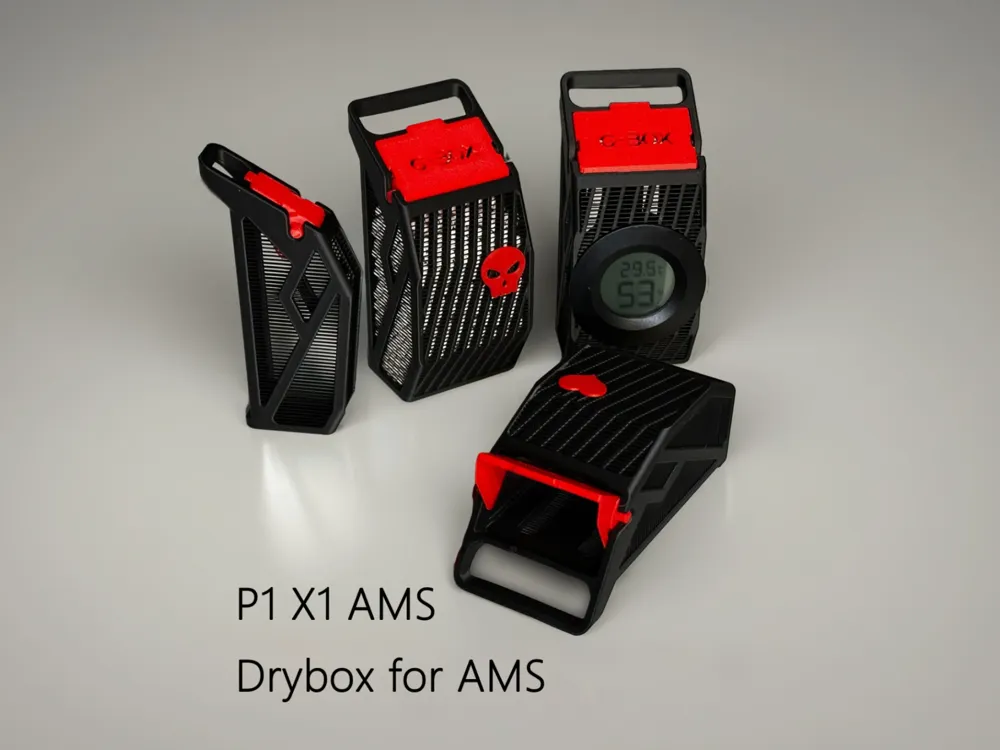
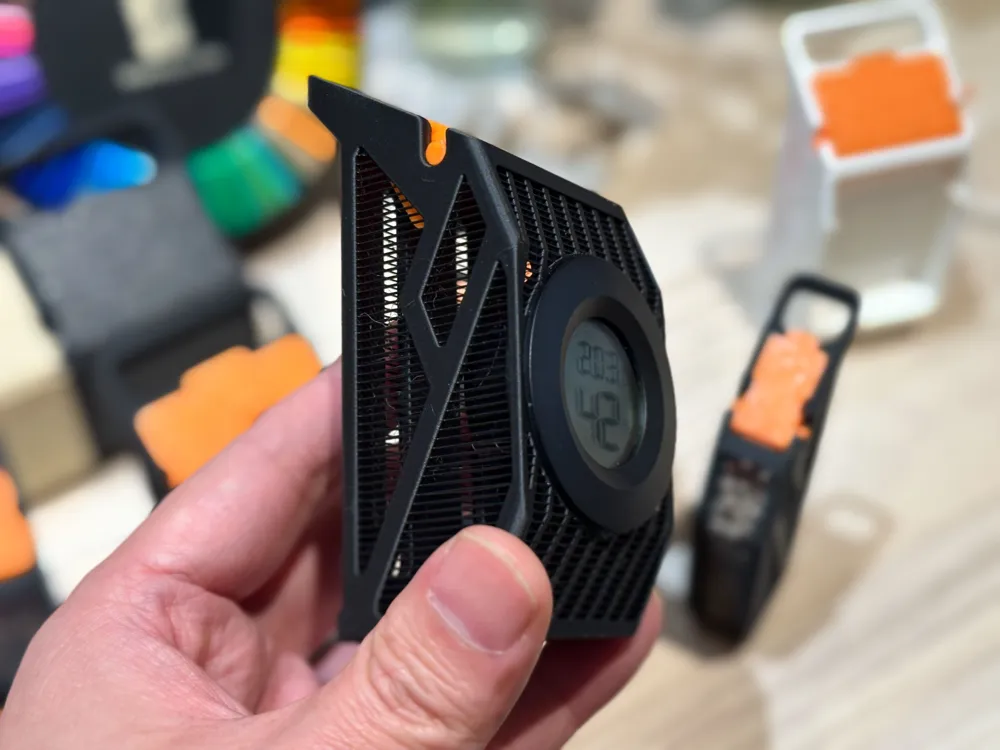
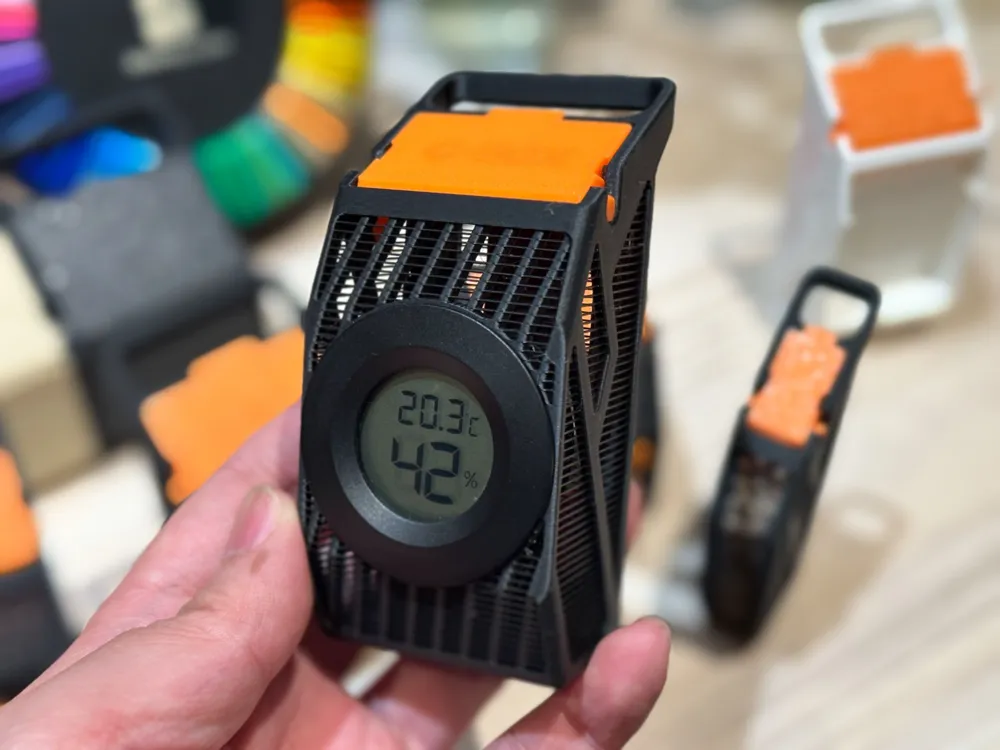
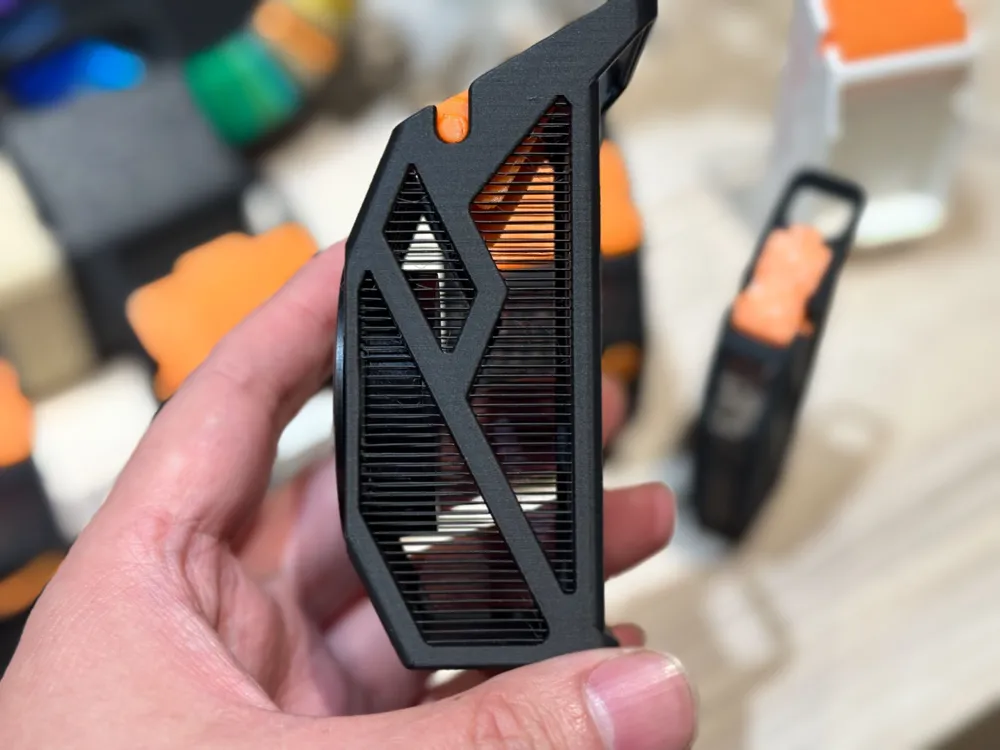
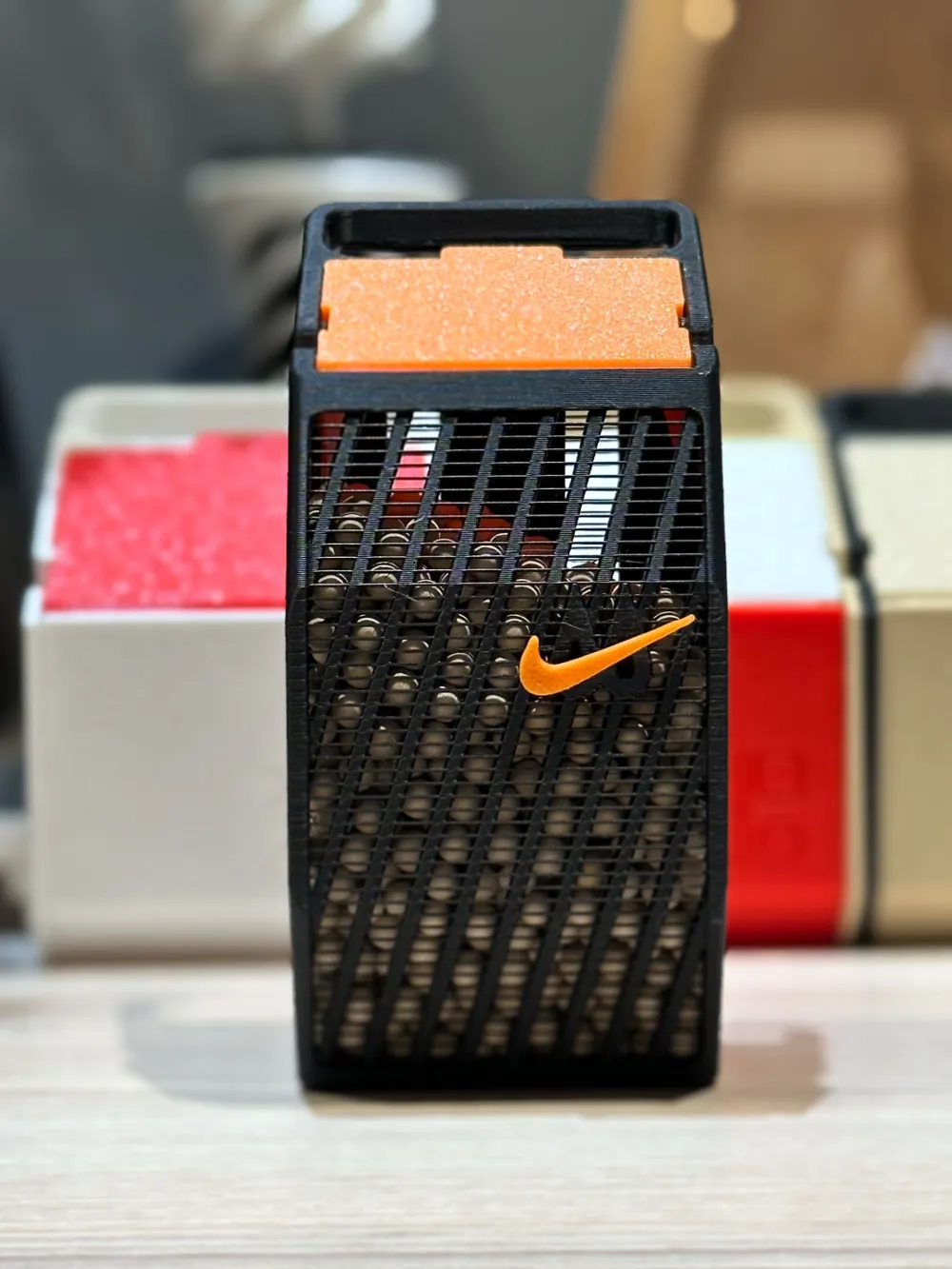
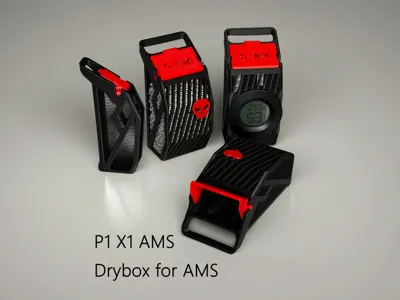
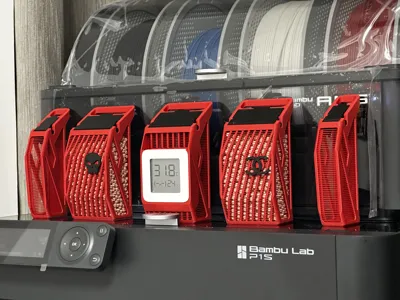
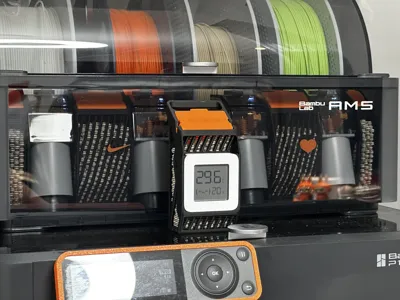
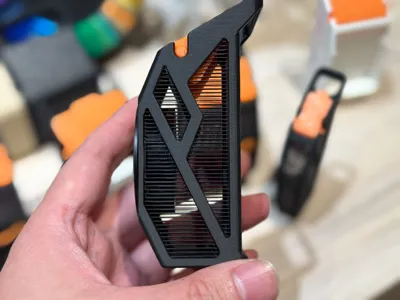
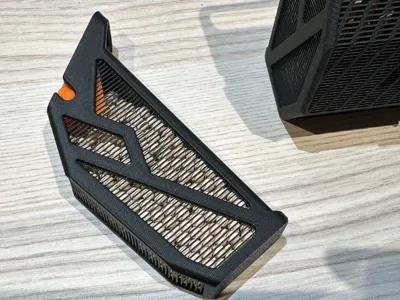
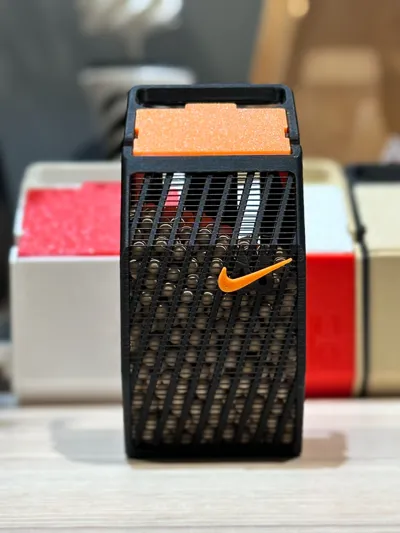
G-BOX Drying Box
On May 29, three new accessories were added, and the images were optimized. Please find the AMS2 version in my homepage portfolio!
Description:

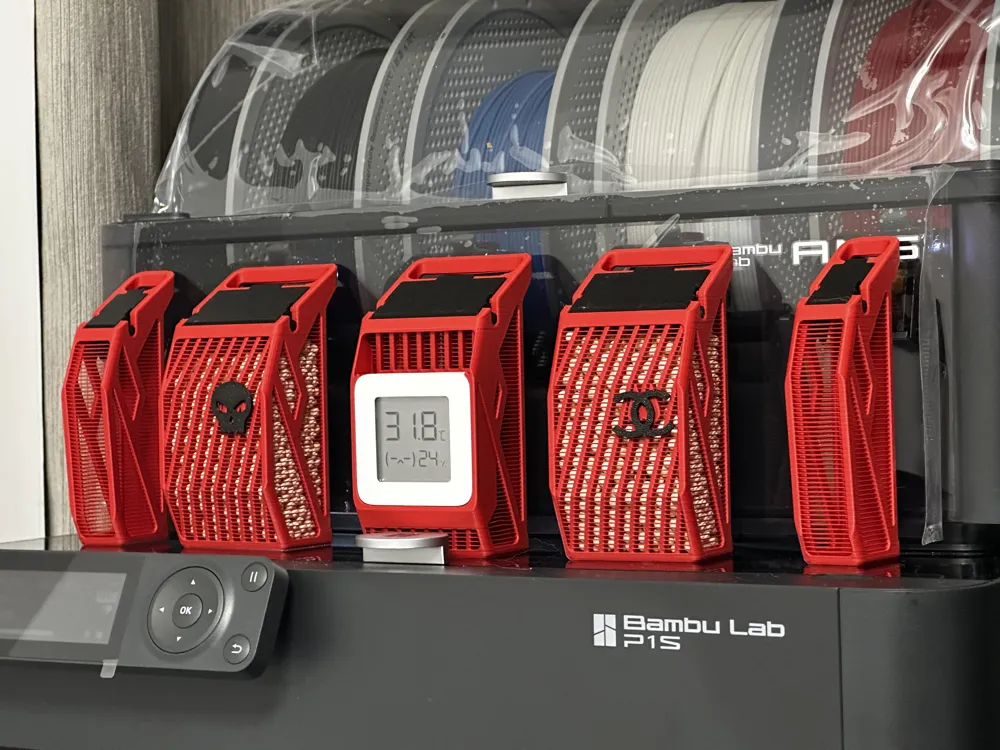
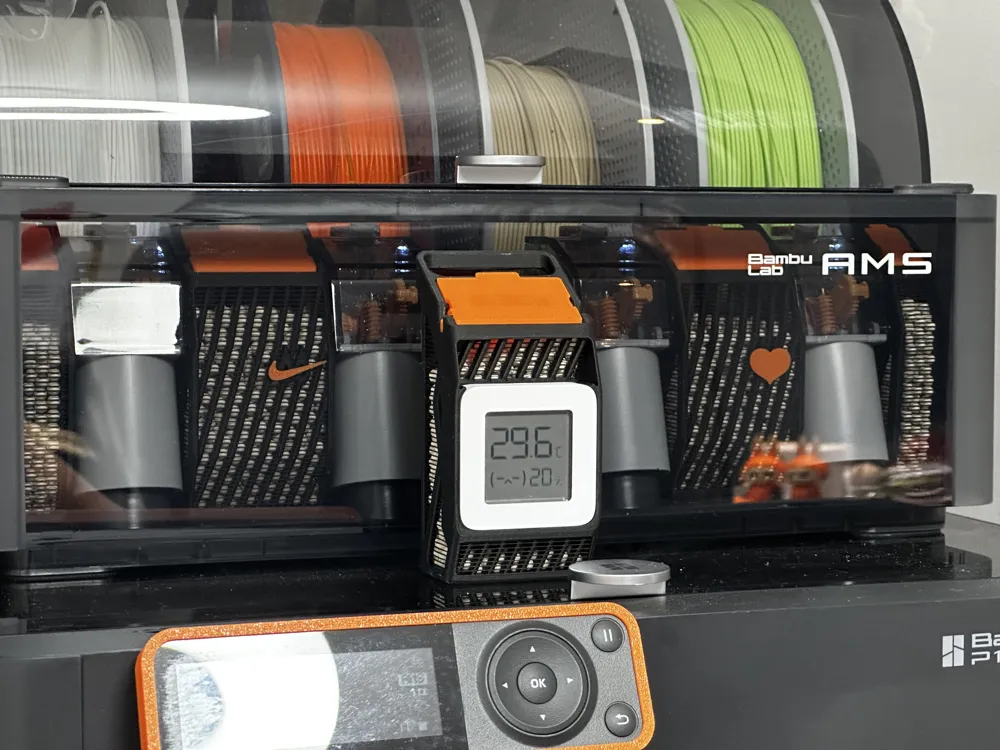
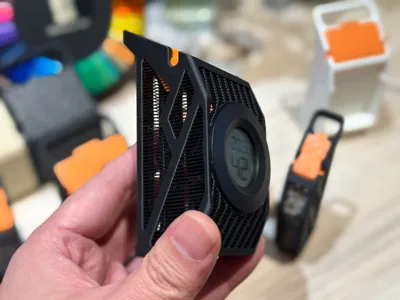
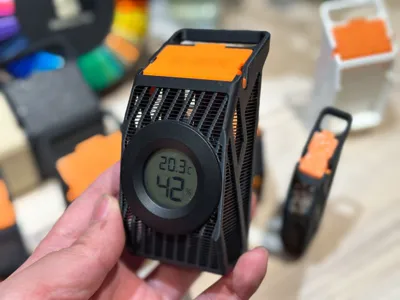
- The file includes two versions: a square version (for Xiaomi 2 thermometer) and a round version (for Bambu Lab thermometer). Other hygrometers are not recommended. If you ask why there isn't a rectangular hygrometer version, I can only tell you it's not aesthetically pleasing, I don't like it, and I don't love it!
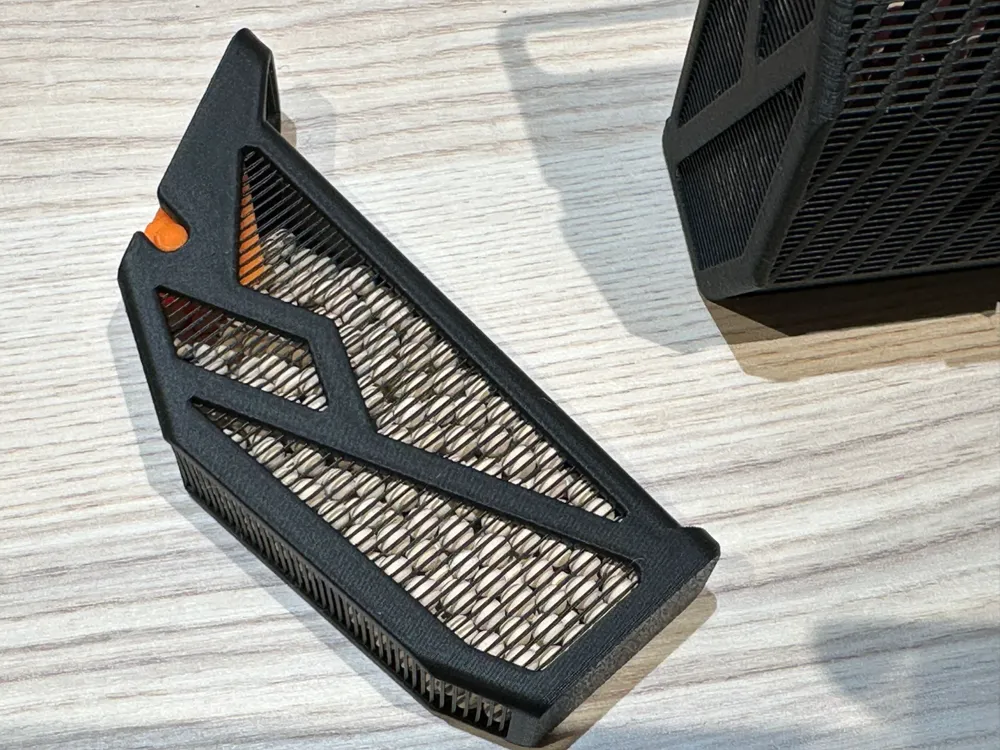
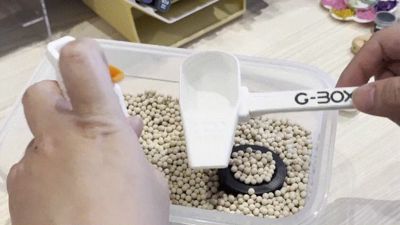
- Compatible with desiccants with a diameter of 2mm or more. The images show 4mm diameter molecular sieve desiccant!
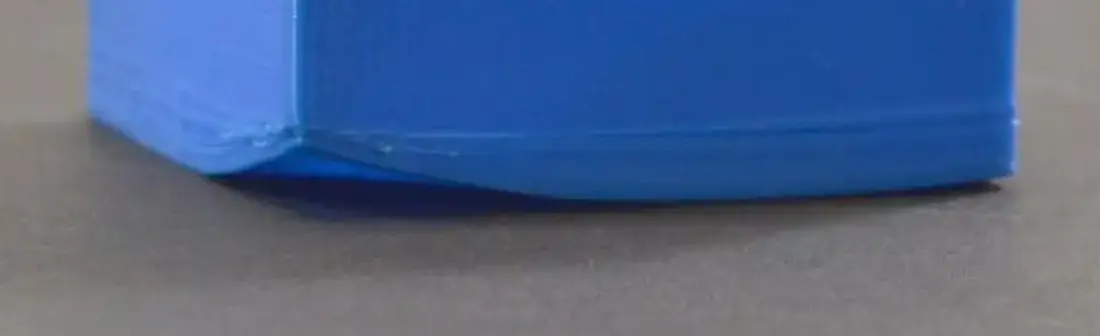
- The model has undergone extensive optimization, both in terms of shape and print settings. Because almost no supports are used, the model will have some minor imperfections. Considering the print time and the poor texture caused by supports, the final version retains these small imperfections! These imperfections are unnoticeable during normal use!
Brand new pull-string design, more transparent, lighter, faster, and stronger! You don't need to worry about the strength of the pull-string either!
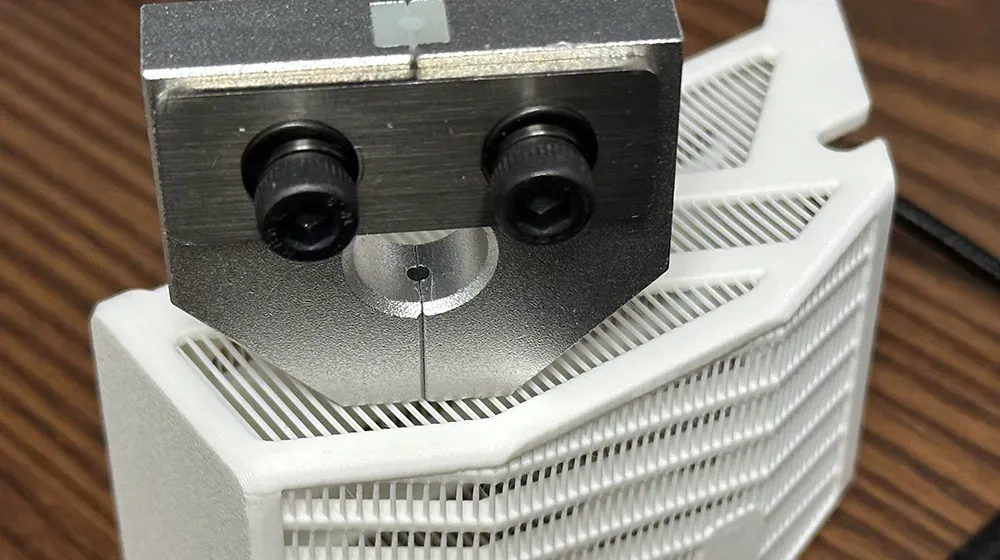
Strength Test The two water drops on the box are purely decorative, and I have extended interfaces from them to hang more decorative accessories. Currently, there are 7 types of accessories to choose from. Of course, it looks great even without them!
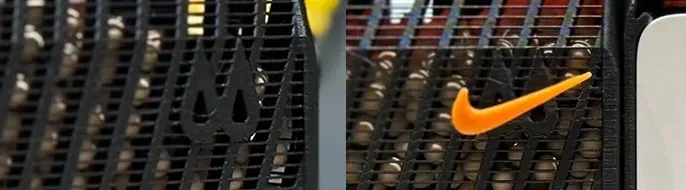
- Finally, if you like this design, please share your color scheme photos, and be sure to give me a like!

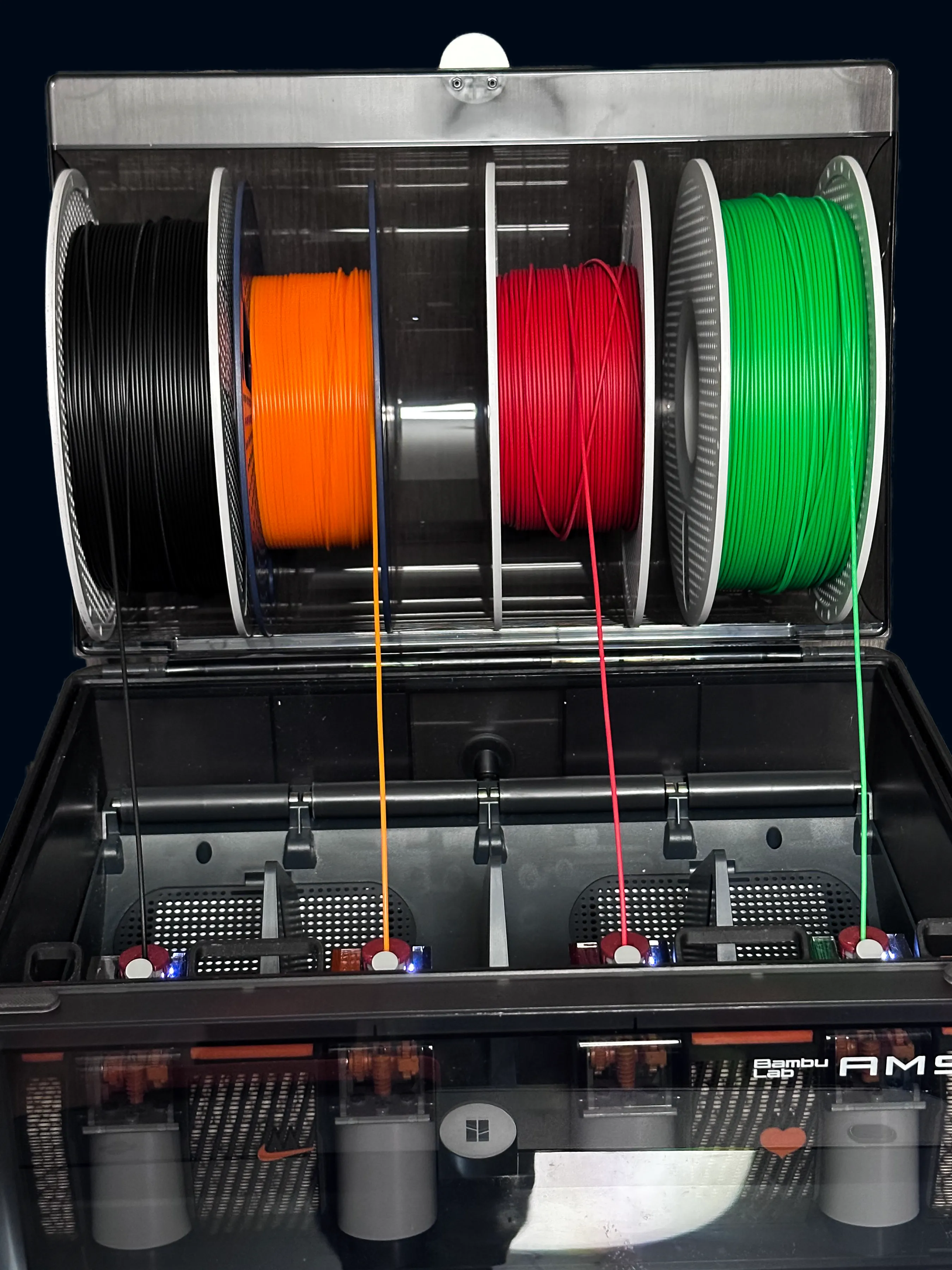
Someone told me that replacing the desiccant is too troublesome. Actually, you don't need to remove all four spools at once. The correct method is shown in the image below!
Boost Me (for free)
If you truly like this work, please give me a boost!
Afterword
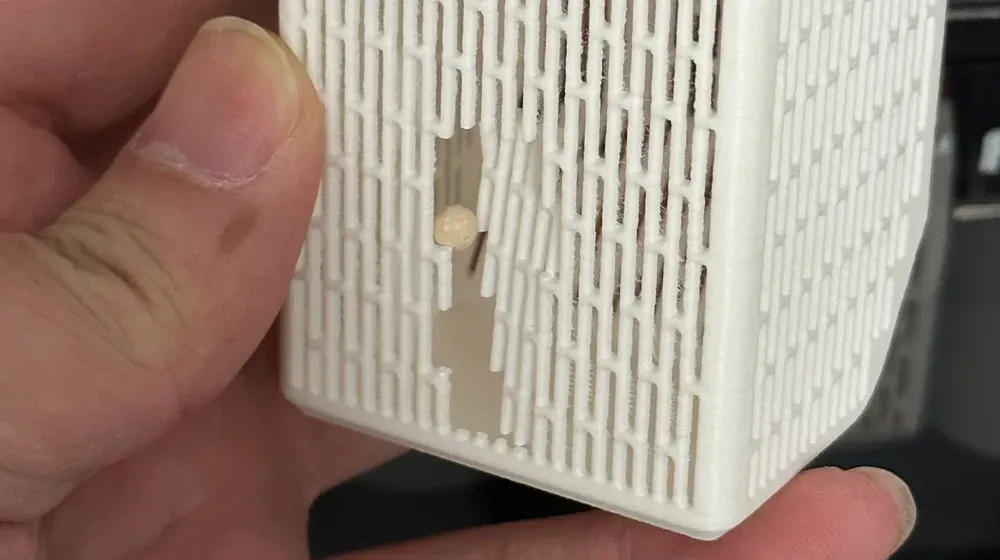
The story began with an accident. One day, while replacing the desiccant, I accidentally broke through the back of the drying box. After some research, I discovered it was a design flaw. Due to space constraints, the back of the AMS drying box is easily scratched when being removed, and it lacks protective design! So even if I print another one, can I be careful enough? The answer is clearly—I should just design my own! So for the next two months, my AMS was missing a box!
Anyone who has seen my previous work knows this is a long-overdue model! By the time I designed this box, I had already released two spin-off works! Although this model was designed with a completely new concept and should have been a brand new model you didn't recognize, due to the structural limitations of the Bambu Lab AMS, the front of the rectangular box must be curved to fit smoothly into the slot. If I didn't consider the volume and made it completely rectangular, it would not only reduce the capacity but also waste a lot of space. So the first step of the external design was limited to a very small scope. Of course, this conclusion was reached after several failures, and I am even more impressed by the original designer of this shape; they are truly amazing. If this were an injection molded product, almost all aspects of this drying box's design would be perfect! The aesthetics are also top-notch!
I wasn't initially optimistic about the pull-string design, but my experimental results were quite the opposite. It's much sturdier than expected, and under normal use, the strength of the pull-string is completely sufficient for daily use.
Beginner's Guide
Written for both new and experienced 3D printing enthusiasts who have just started
When I first bought a 3D printer, I had no idea that filament needed to be sealed to prevent moisture absorption. I saw articles online saying that moist filament would string, but I didn't understand what stringing was! I just heard that I needed to prepare desiccant, vacuum seal bags, and so on, so I did it! I believe many new users have the same experience as me. Here, I will answer the most frequently asked questions I've encountered online, regarding the use of materials and desiccants, and common problems!
First, let's talk about filament. Do you know that if filament contains moisture, when the filament temperature reaches 100 degrees Celsius, the moisture will vaporize, forming tiny air bubbles, like the pits shown in the image below? At the same time, moisture will also change the viscosity of the filament, which is the reason for filament stringing. Is this what you knew?
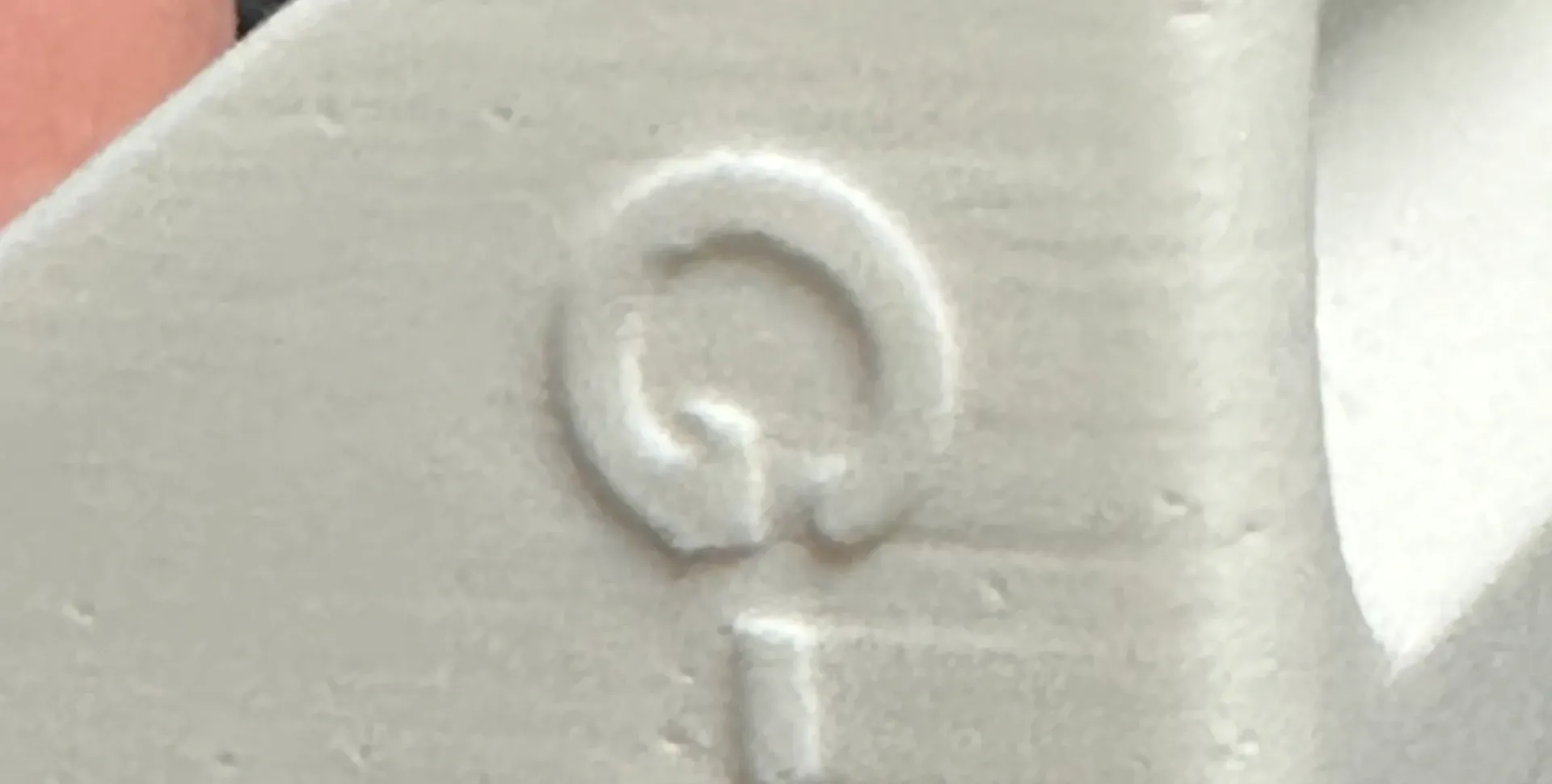
Well, this image was not printed with moist filament. On the contrary, this is a brand new, original factory filament! Things might be more complex than you think!
Look at the filament you have in your hand; isn't it brightly colored and incredibly smooth? Before filament is produced in the factory, there is a very important drying process. Afterwards, some additives are added to stabilize properties, change viscosity, enhance toughness, and also add color. Finally, the raw material, after being heated to a specific temperature, is drawn into a 1.75mm diameter strand, rapidly cooled in a water bath. The cooled strand is then wound into a spool, which is the filament you and I hold! Now, here's the question: do you think the produced filament is re-dried before leaving the factory?
In fact, most manufacturers can only perform simple drying before shipment because the cost of drying is very high, and the drying temperature for finished materials can only reach 50-55 degrees Celsius. This temperature makes it impossible to completely dry the filament! So even if you buy original Bambu Lab filament, you'll find its performance to be very unstable! Of course, instability in material properties can also be caused by additives and the raw material itself! But the most likely factor affecting performance is moisture!
The air bubbles in the image above are not present at normal printing speeds. I used a deceleration method to keep the material in the hot end for a sufficient time, about 8 seconds, and then some tiny air bubbles appeared when printed. Truly moist material would have many more air bubbles than this! However, this roll of material is still one of the worst performing rolls I've ever used!
To dry filament, I purchased a dedicated filament dryer, but as I expected, the effect of the dryer is very limited. It is completely impossible to control the moisture content of the filament below 20% using normal methods. I haven't tried drying for more than 12 hours because I'm afraid of material embrittlement. This is just a theoretical prediction. If you know the maximum drying time, please leave a comment and tell me!
Conclusion
- For common issues like collapsed layer lines, you should first use the elimination method to check if it's a material problem.
- Filament cannot be completely dried. Also, since moisture is not the only factor affecting material performance, drying may not always be effective.
- You should try to keep the material dry, and using molecular sieve desiccant is a better choice.
- A dryer is useful, but don't have too high expectations! It's very useful for completely wet materials, but it might not be enough for demanding users!
- If you've determined that your model has material issues, reducing print speed is a good option. The second good option is to lower the temperature. This doesn't mean lowering the nozzle temperature, but rather increasing the layer time to reduce the temperature of the lower layers of the model! The simplest way to reduce temperature is to add a cool-down fan!
Finally, I hope these points give you a deeper understanding of materials. If there are any shortcomings, please point them out in the comments!
Material problems most easily lead to warping and collapse. For warping, you should first rule out build plate issues. Cleaning the build plate with a kitchen cleaner can solve most warping problems. Do not use brushes or other hard objects for cleaning to avoid scratching the surface coating. Collapse and layer lines are generally caused by issues in the lower layers that transfer to the upper layers, which is related to material performance!
The nozzle needs to be cleaned regularly. After some printing, the surface of the nozzle will accumulate a lot of dirt, and fallen dirt will also affect print quality. The cleaning method is to take a dry tissue and one to two drops of IPA, because IPA has the ability to dissolve plastic, making it a perfect cleaner. However, do not scrub the nozzle with hard objects; a scratched nozzle will only collect more dirt later.
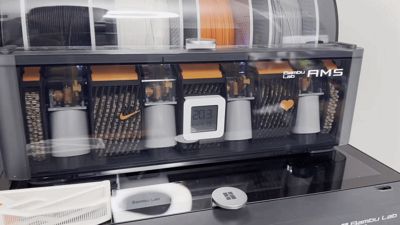
Regarding the choice of desiccant, I recommend using molecular sieve desiccant. Molecular sieve desiccant A4 can control the air humidity below 10% and can also absorb a small amount of moisture from silica gel desiccants or the material itself. The bottom drying box in the Bambu Lab AMS can hold the original silica gel desiccant. With the drying box I provide, you will only need to replace the external molecular sieve desiccant in the future, and the bottom desiccant will never need to be replaced!
Boost Me (for free)
commercial authorization https://www.patreon.com/c/WiSeGearDad
Buy me a cup of coffee, please.https://coff.ee/gbox
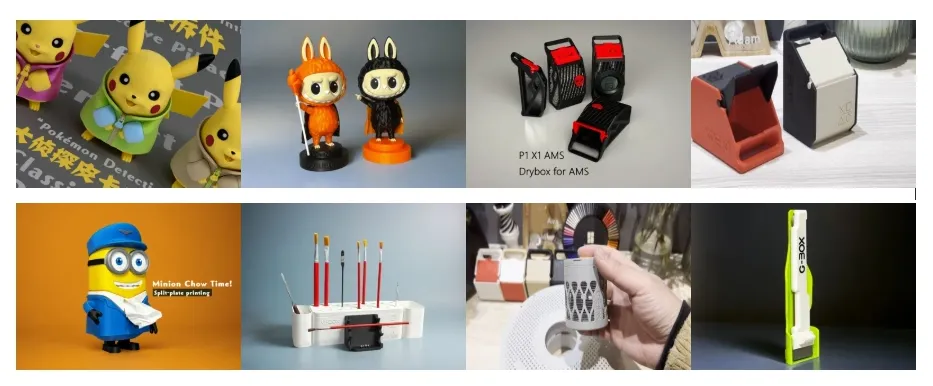
———————更多作品———————
License

You shall not share, sub-license, sell, rent, host, transfer, or distribute in any way the digital or 3D printed versions of this object, nor any other derivative work of this object in its digital or physical format (including - but not limited to - remixes of this object, and hosting on other digital platforms). The objects may not be used without permission in any way whatsoever in which you charge money, or collect fees.


Comment & Rating (39)