
Nose Flute


Print Profile(3)



Description
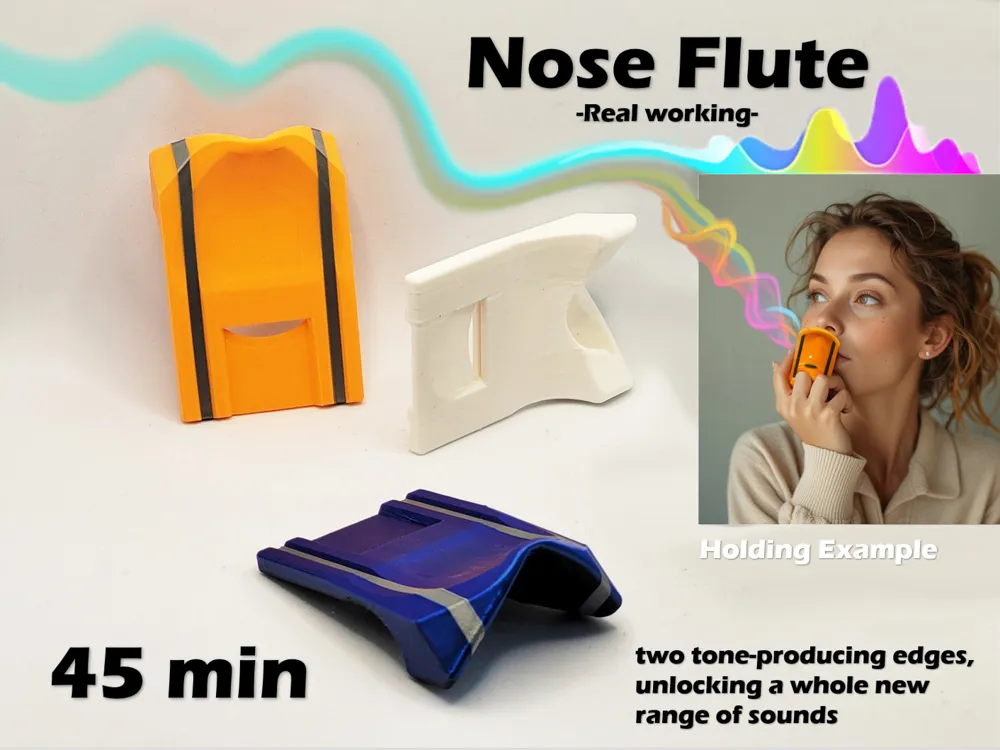
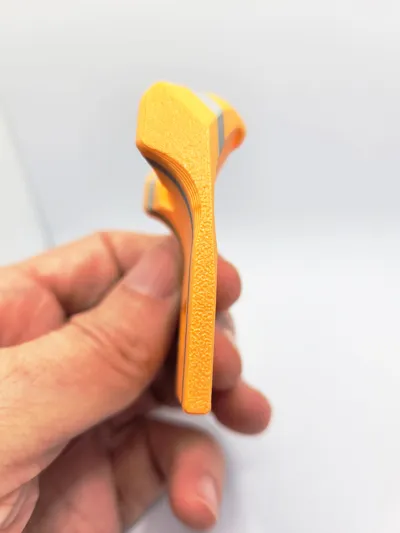
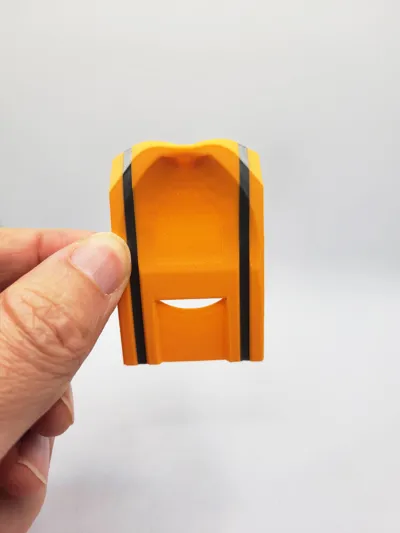
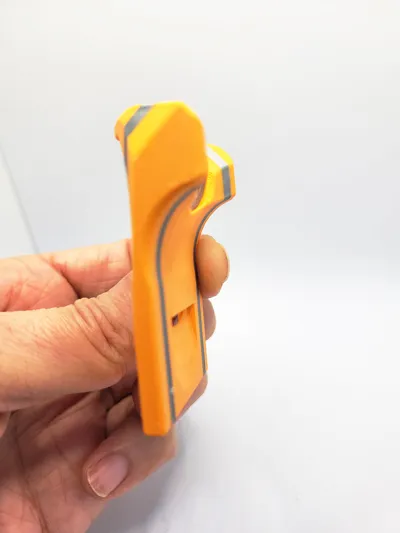
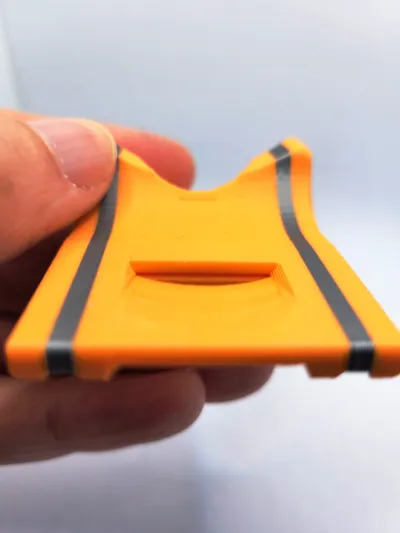
🎶👃 The Ultimate Nose Flute – A Real Working Masterpiece! 👃🎶
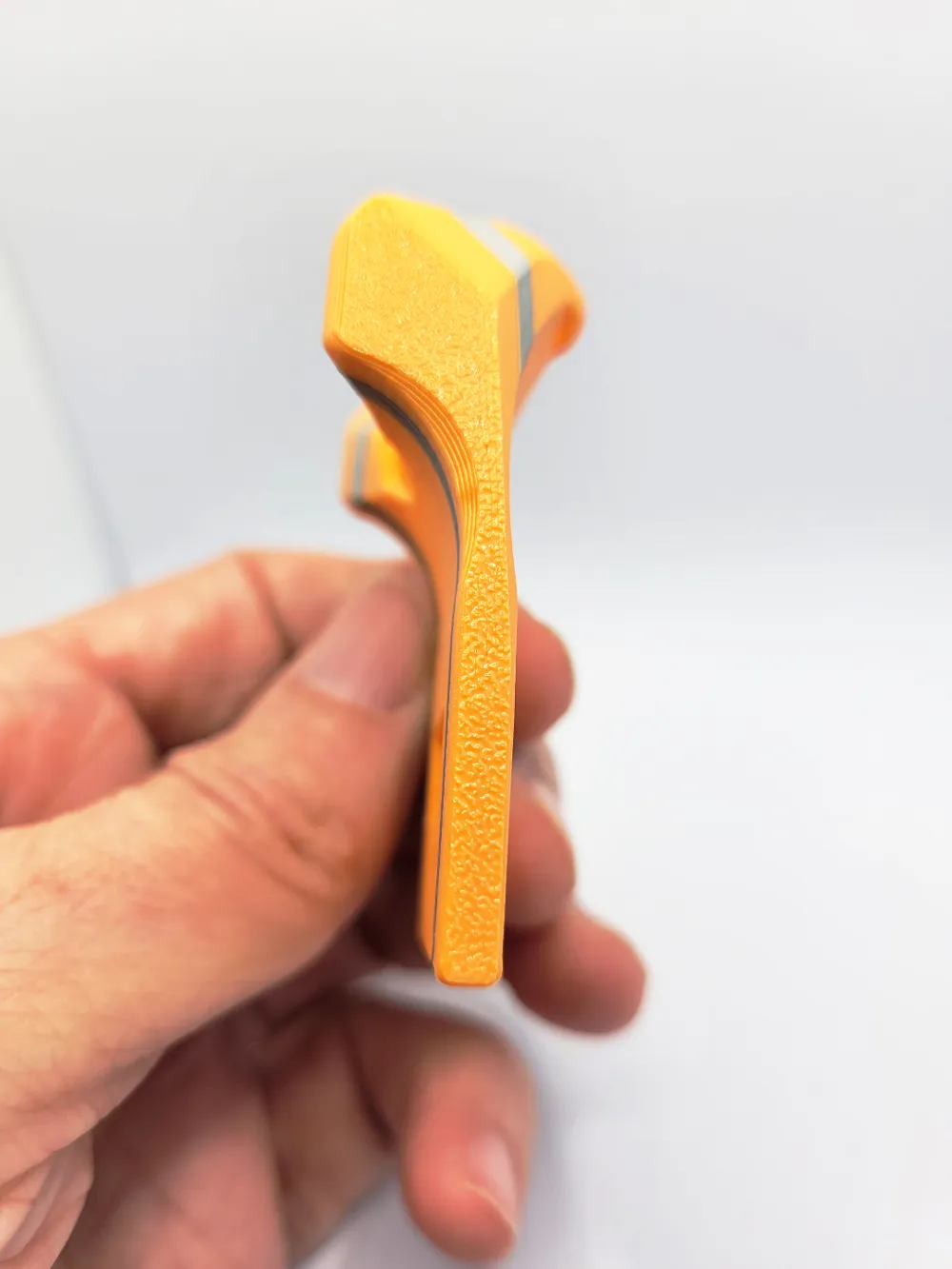
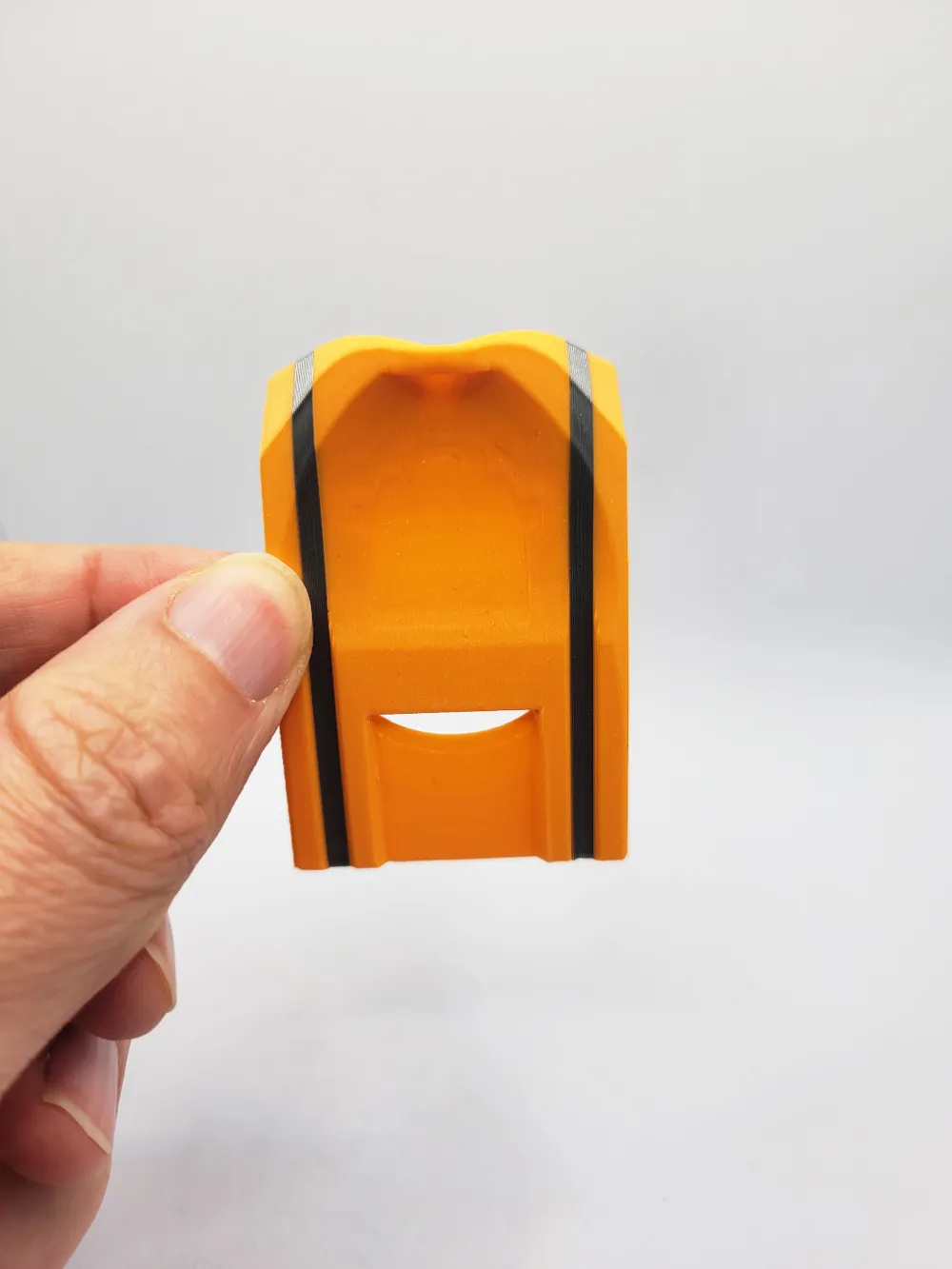
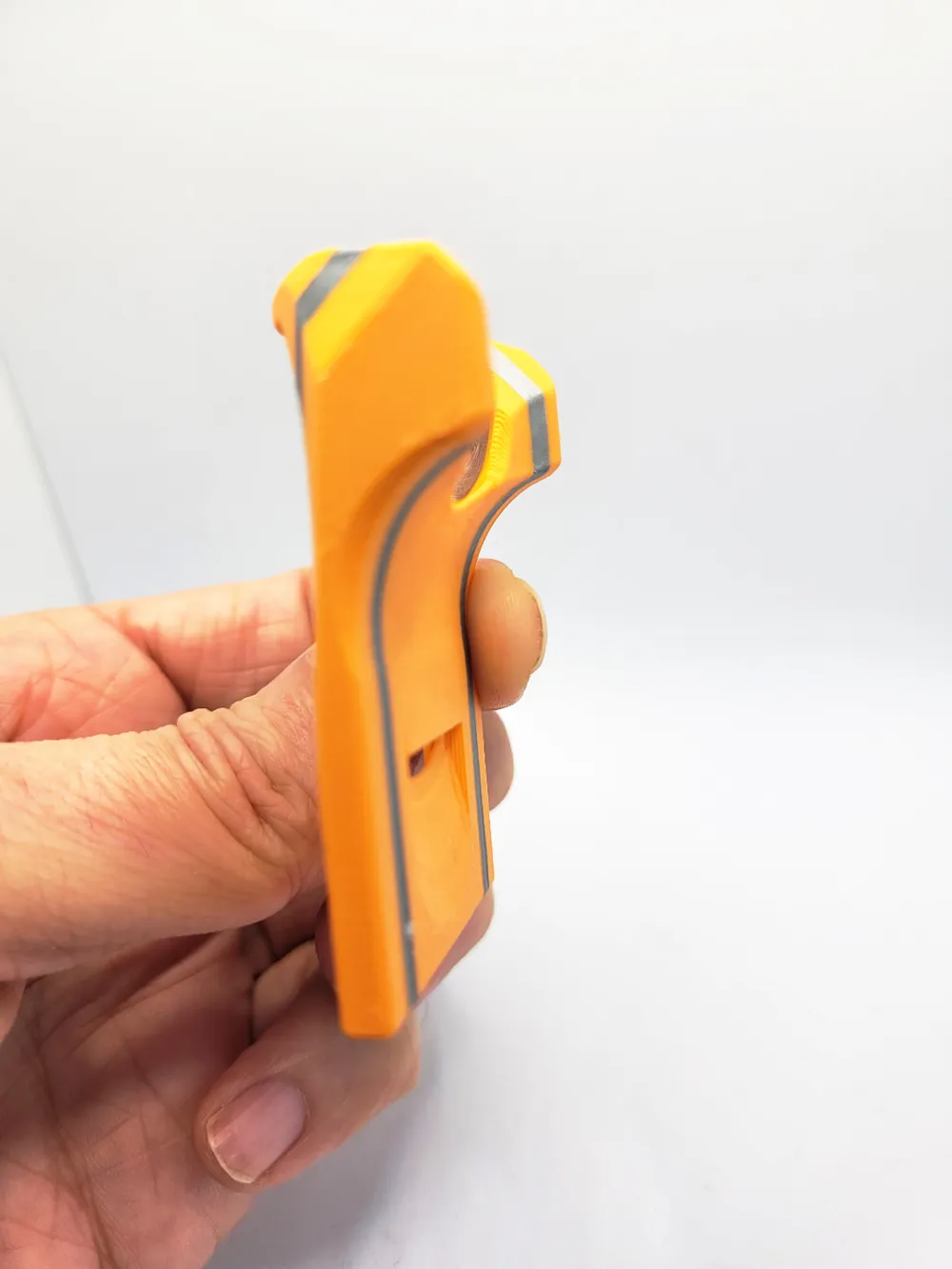
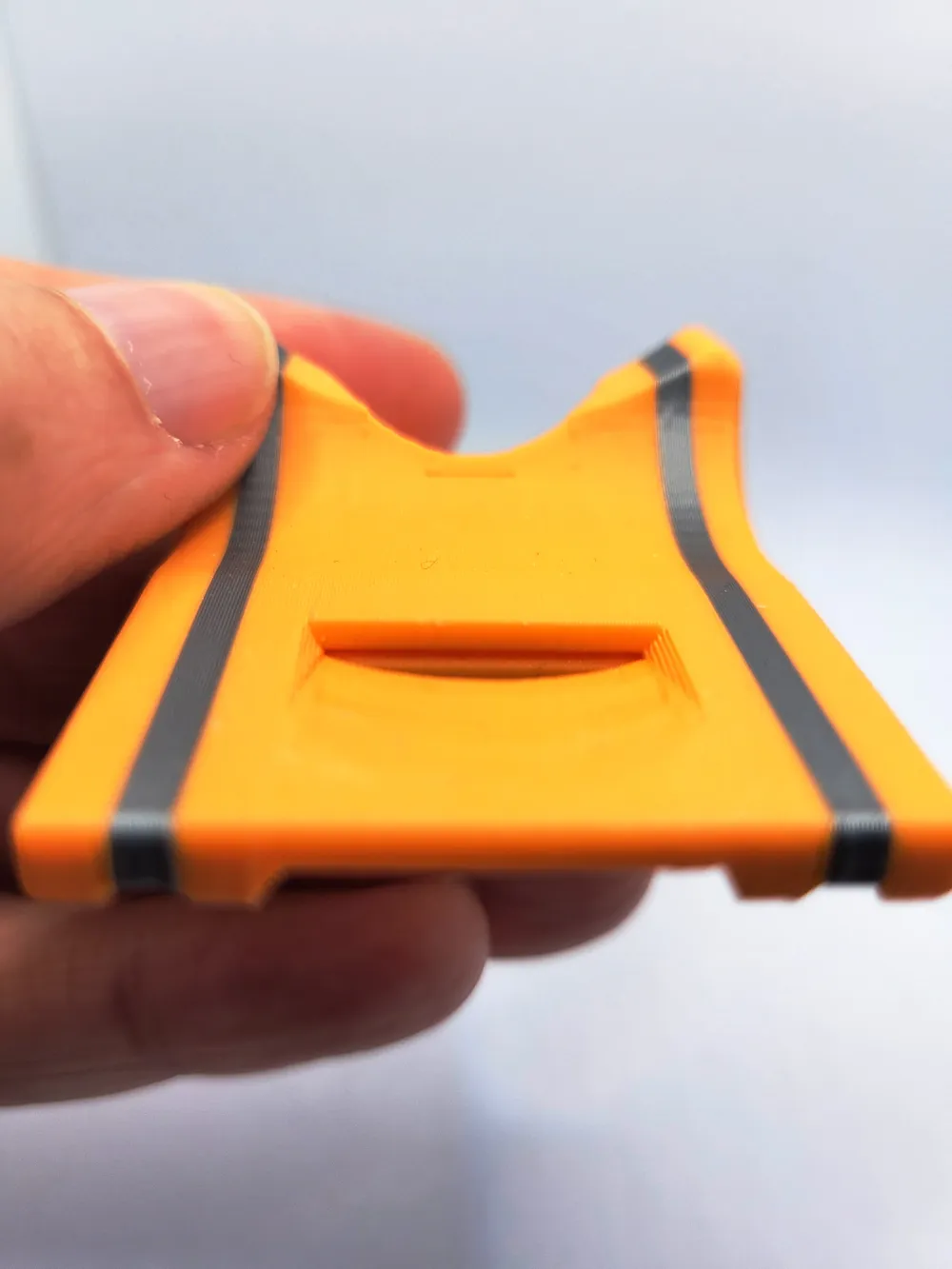
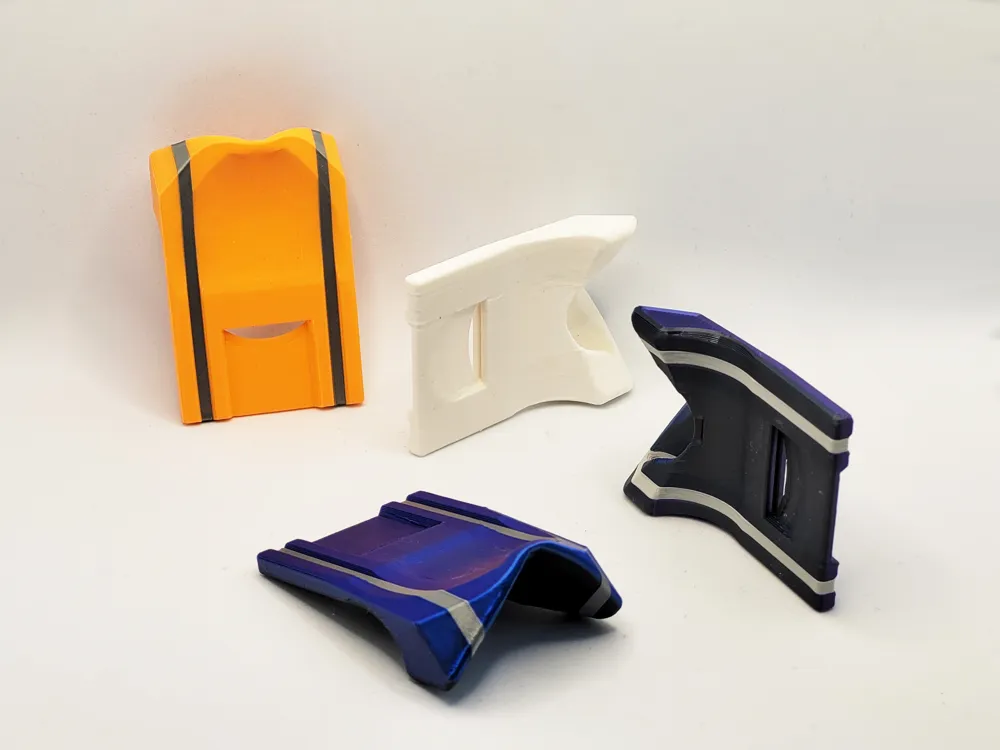
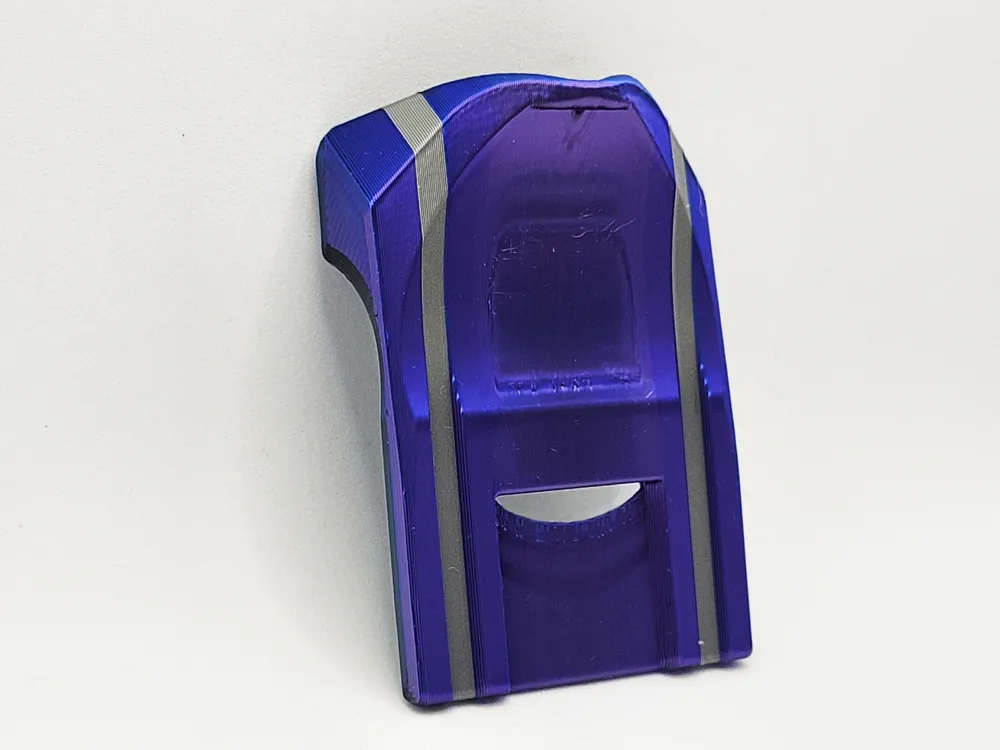
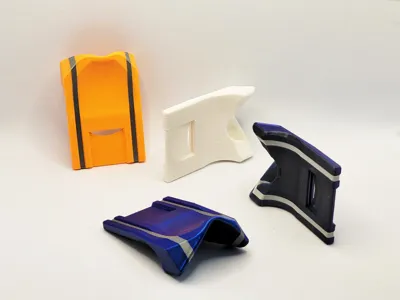
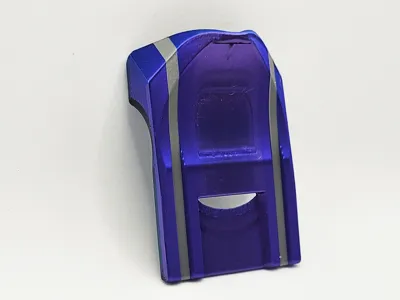
After countless prints and tiny micro-adjustments, it’s finally here – my fully functional Nose Flute! 🎉 Unlike traditional designs, this flute features not just one, but two tone-producing edges, unlocking a whole new range of sounds.
💨 How does it work?
The first edge generates high-pitched notes directly through the nasal airflow, while the second edge, positioned lower, enables the classic nose flute principle. The magic happens when you shape your mouth into an O-form, adjusting the pitch with subtle changes in openness. 🎼
💡 A Little Tip!
Don’t get frustrated if no sound comes out at first! Finding the right position, airflow, and mouth shape takes a little practice—but once you get the hang of it, you’ll unlock a world of unique, whistling melodies! 🎵
Get ready to experience the joy of this tiny masterpiece—I hope you have as much fun playing it as I did creating it! 🤩
General Principle of a Nose Flute
- Airflow Mechanism: You blow air through your nose into the flute. The air passes over a sharp edge inside the flute, producing a tone.
- Mouth Cavity as a Resonator: Unlike regular flutes that use finger holes to change pitch, the shape and position of your mouth determine the pitch. Your oral cavity acts like a resonator.
- Pitch Control: By changing the shape of your mouth (moving your tongue and jaw), you modify the resonant frequency, allowing you to play different notes.
… so how to Use your new Nose Flute Correctly ;)
- Position the Flute:
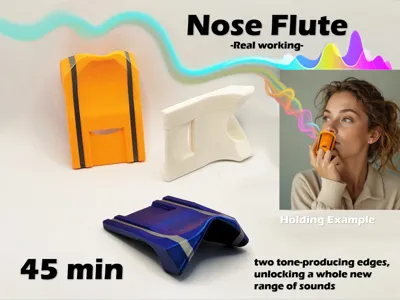
- Place the nose flute firmly against your nose and mouth.

- Your mouth should remain open, aligning with the instrument’s mouthpiece.
- Blow Through Your Nose:
- Take a deep breath and exhale steadily through your nose.
- Avoid using your mouth to blow—only the nose provides airflow.
- Control the Pitch:
- Keep your lips slightly open.
- Move your tongue and jaw to change the shape of your oral cavity.
- Experiment by raising and lowering your tongue—a smaller mouth cavity creates higher notes, while a larger one produces lower notes.
Special Thanks…
At this point, I would also like to mention Seba650, whose nose flute design served as an inspiration and model for me. From a design perspective, the shape as well as the main air channel were modeled after his flute (https://makerworld.com/de/models/2224944-nose-flute-nasenflote#profileId-2419942) ; however, they were reinterpreted and reissued through countless iterations and redesigns. Many thanks.
Enjoy and happy printing…
"Just drop a comment and let me know what you think of the nose flute—I love feedback!" thx.. 😊🎶
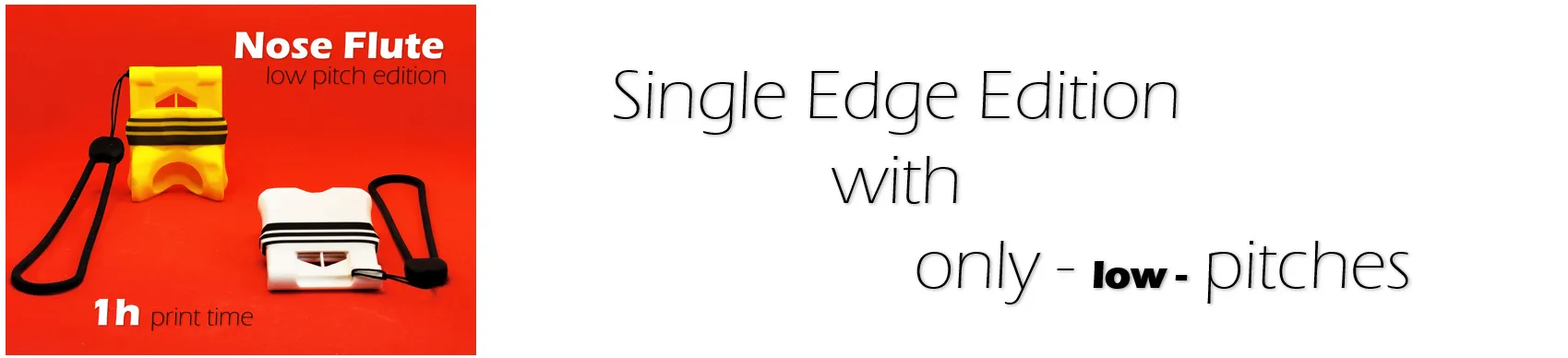
…for all of you who can't get enough from nose flutes, here is a single edge “traditional” nose flute without these high pitches:
https://makerworld.com/de/models/1301715
"Feel free to leave a comment. Feedback, suggestions, and even pictures are also very welcome.”
Boost Me (for free)
If you like my models and would like to support me, you’re very welcome to give me a boost!
Membership
If you’d like to sell prints of my models, you can obtain commercial licenses by joining a membership.
Enjoy and happy printing ;)
License

You shall not share, sub-license, sell, rent, host, transfer, or distribute in any way the digital or 3D printed versions of this object, nor any other derivative work of this object in its digital or physical format (including - but not limited to - remixes of this object, and hosting on other digital platforms). The objects may not be used without permission in any way whatsoever in which you charge money, or collect fees.


Comment & Rating (531)