
Worm Composter
Print Profile(0)
Description
Recommendation: PETG
Boost Me (for free)
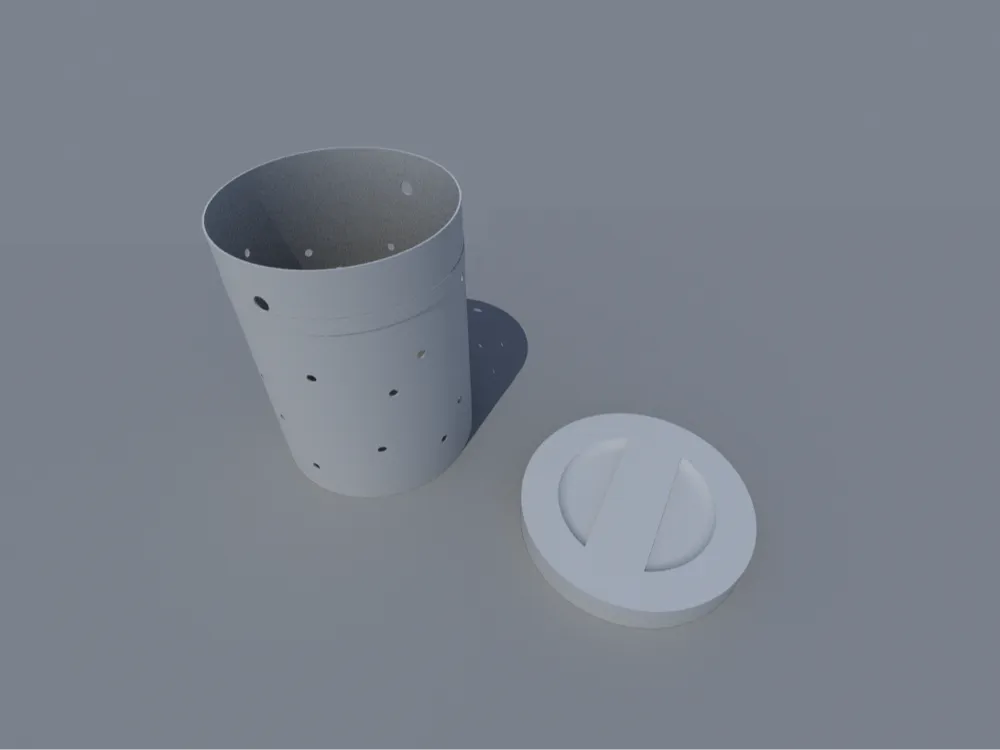
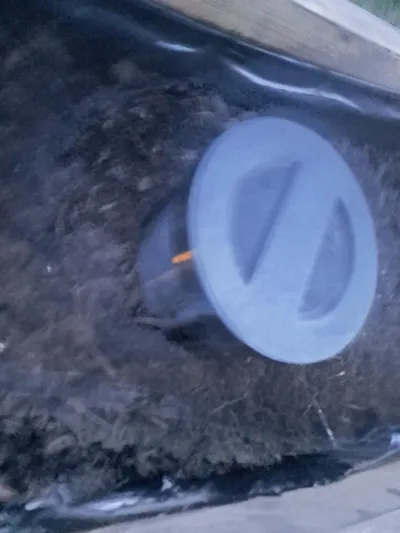
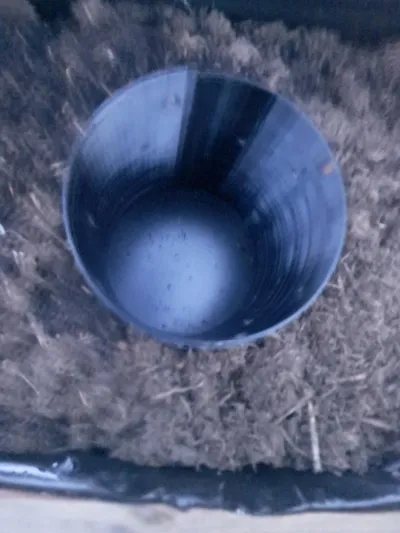
With this simple system, you can create a worm paradise directly in your vegetable patch. The worms will thank you by multiplying splendidly and independently distributing their valuable castings—worm humus is the most valuable plant fertilizer!—throughout the bed.
Applications:
- Vegetable beds
- Raised beds
- Greenhouse
- Can be left in the bed during winter.
Instructions:
- Ideally, consider space for the composter when planning the bed or planting seedlings.
- Dig a hole in the bed at the height of the composter. Excavate it to approximately twice its width.
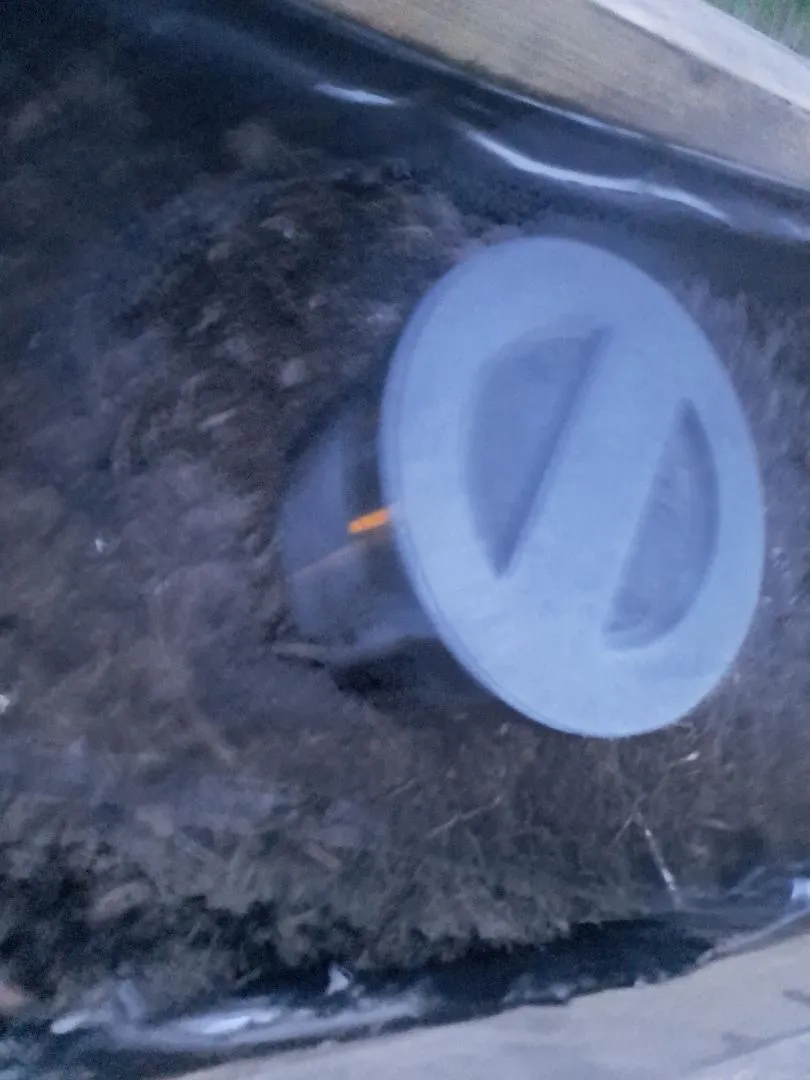
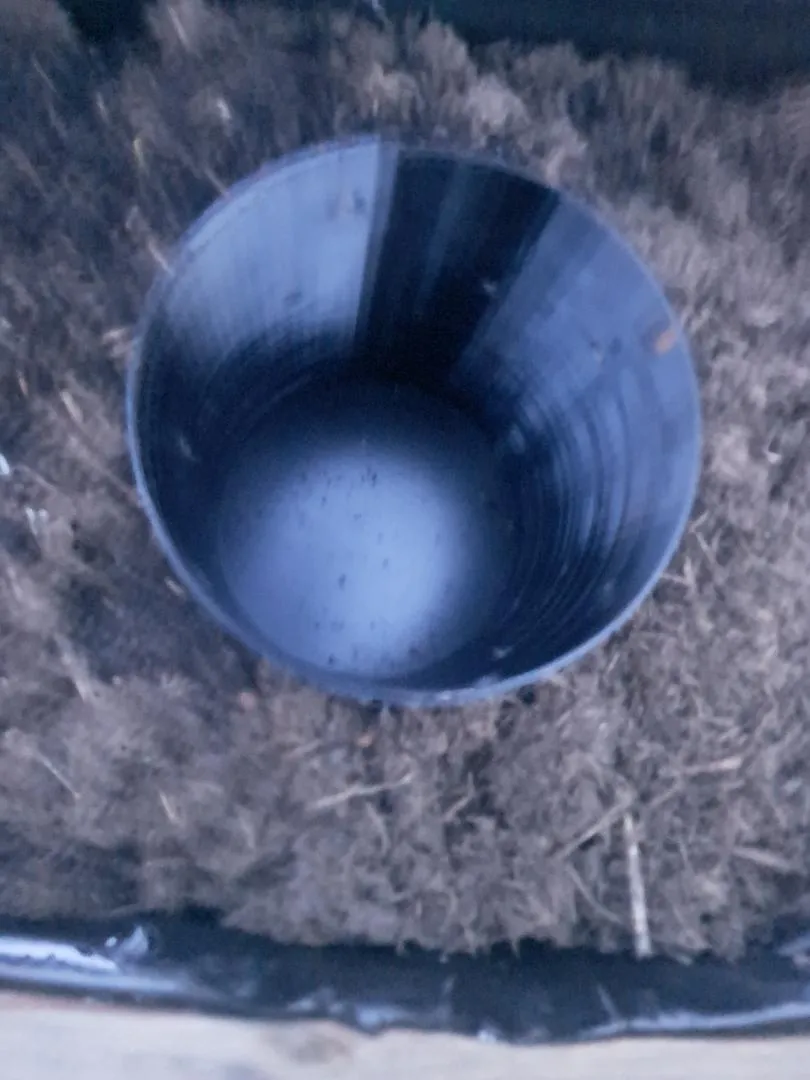
- Place the composter in the center.
- Place the lid on the composter to prevent it from warping in the next step.
- Cover the outer area with soil to about 2 cm below the rim. (See marking; upper air vents should remain free)
Add worms to the worm vase (optional; however, it may take some time for already established worms to discover the vase)
.
- Moisten or water the contents and the surrounding soil.
- Begin feeding immediately (1/3 – 1/2 of the composter can be filled immediately) to signal the food source to the worms.
- In winter, a hemp mat can help the worm food to be utilized more quickly or for longer into the cold season.
- Continue feeding continuously once it is apparent that the organic waste is decreasing in volume.
- Over time, and if the organic waste is well processed, the worm vase can eventually be completely filled with organic waste.
- The worms will largely distribute the humus independently throughout the bed.
- If a significant amount of finished humus accumulates IN the worm vase, it can simply be removed with a spoon and used to directly fertilize the plants.
- Especially in hot summers, it is important not to allow the area around the bed composting to dry out. Therefore, simply water! Even in dry winters, ensure sufficient moisture in the area around the Worm Vase. Worms need moisture to thrive. Dryness would cause them to migrate to other, more humid areas in the bed.
In winter, the worms retreat to deeper soil layers. Begin feeding early in the spring to lure them back up, or feed year-round if organic waste is being processed.
License

You shall not share, sub-license, sell, rent, host, transfer, or distribute in any way the digital or 3D printed versions of this object, nor any other derivative work of this object in its digital or physical format (including - but not limited to - remixes of this object, and hosting on other digital platforms). The objects may not be used without permission in any way whatsoever in which you charge money, or collect fees.


Comment & Rating (1)