Search models, users, collections, and posts

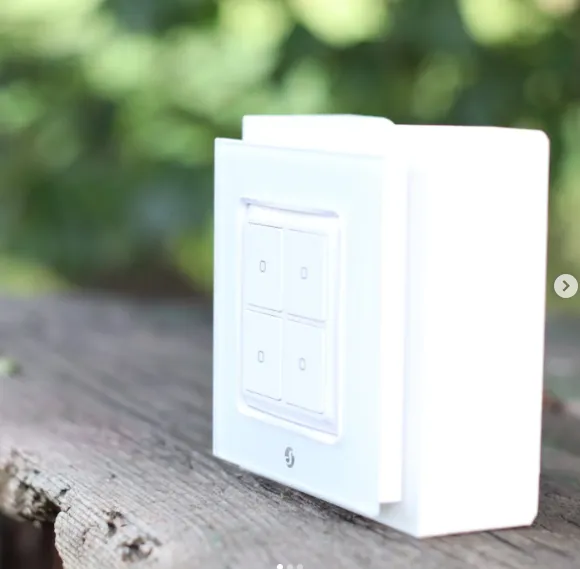
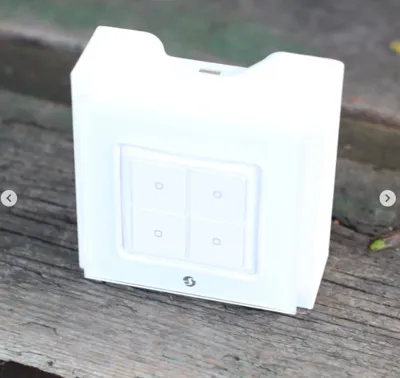
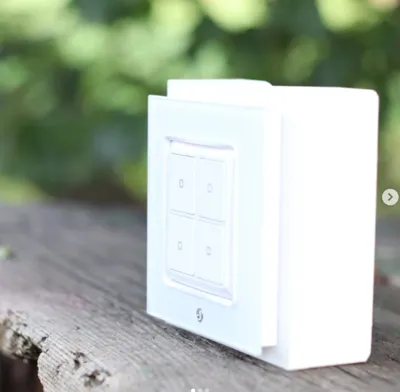
Shelly 4WS smarthome module
IP Report
Print Profile(1)

0.2mm layer, 2 walls, 15% infill
Designer
2 h
1 plate
Open in Bambu Studio
Boost
1
1
0
0
0
0
Released
Bill of Materials
List other parts
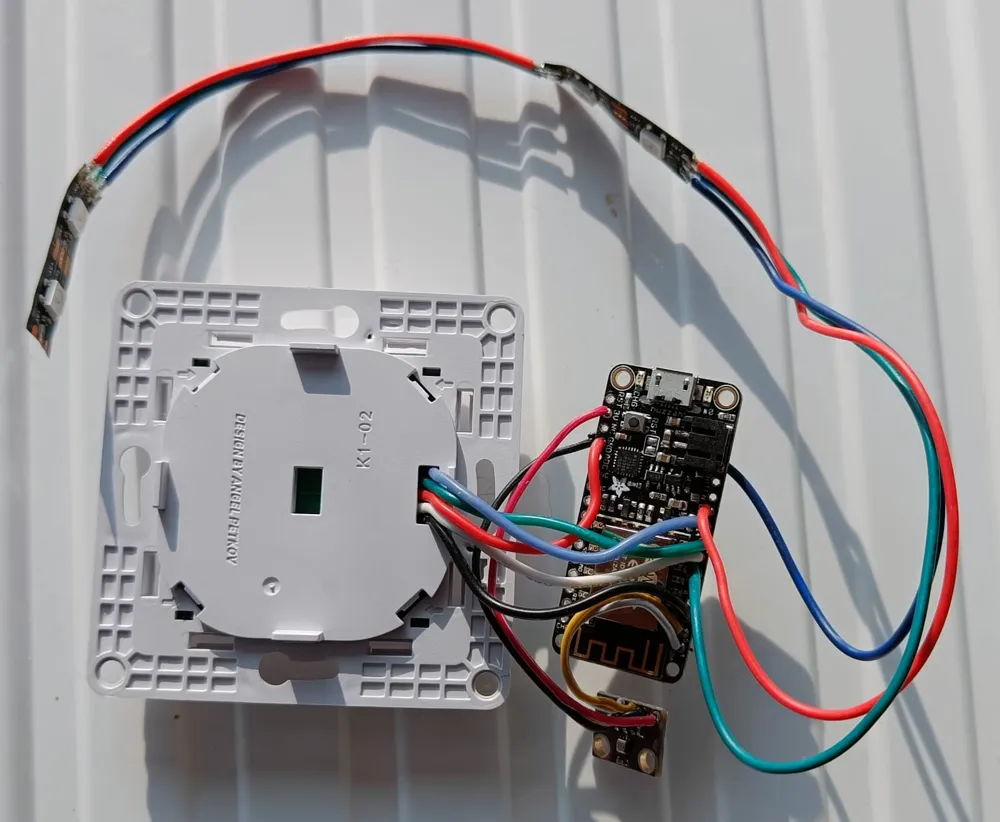
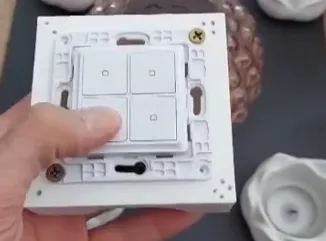
- Shelly 4 WS x 1:
- Adafruit esp8266 feather x 1:
- BME280 x 1:
- Neopixels x 4: Amount depends on the density of the pixels on the strip.
- wires x 1:
- Soldering iron x 1:
Description
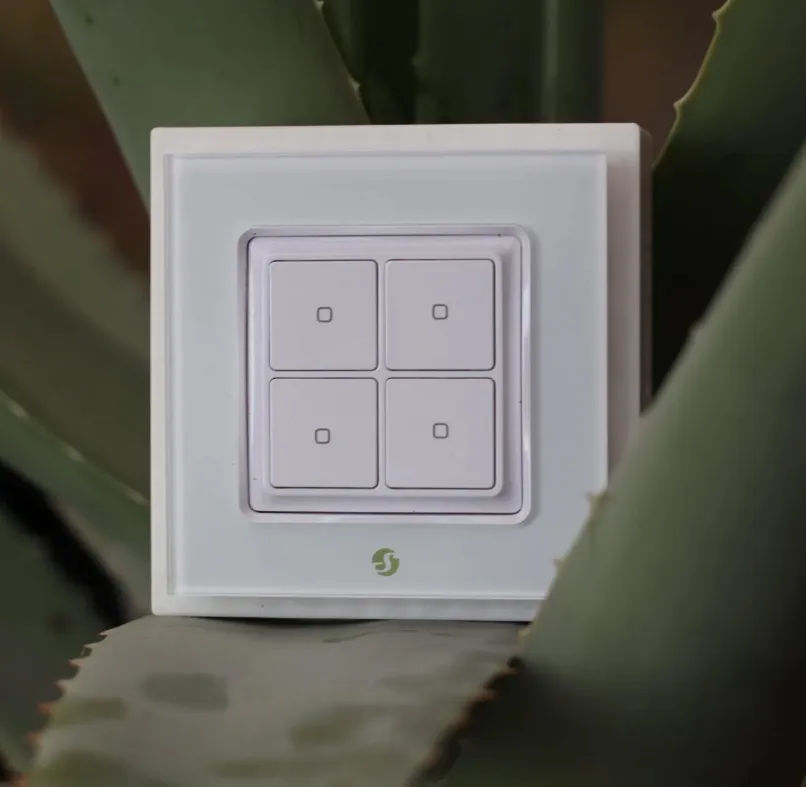
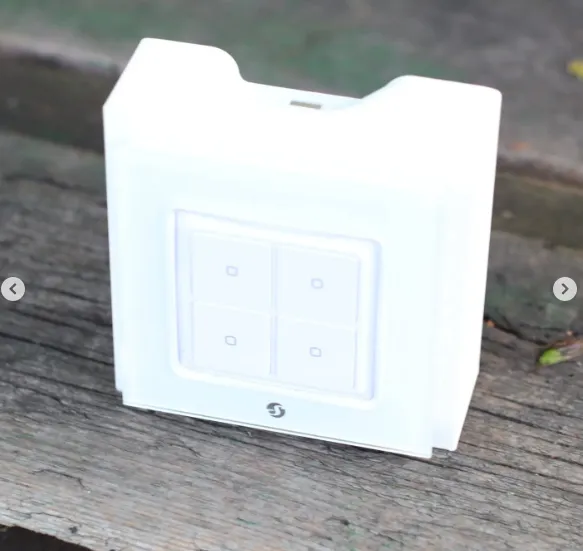
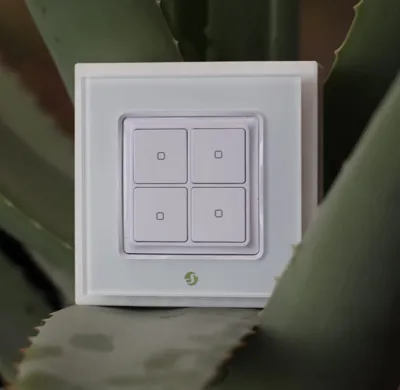
Shelly 4WS Smart Home Module
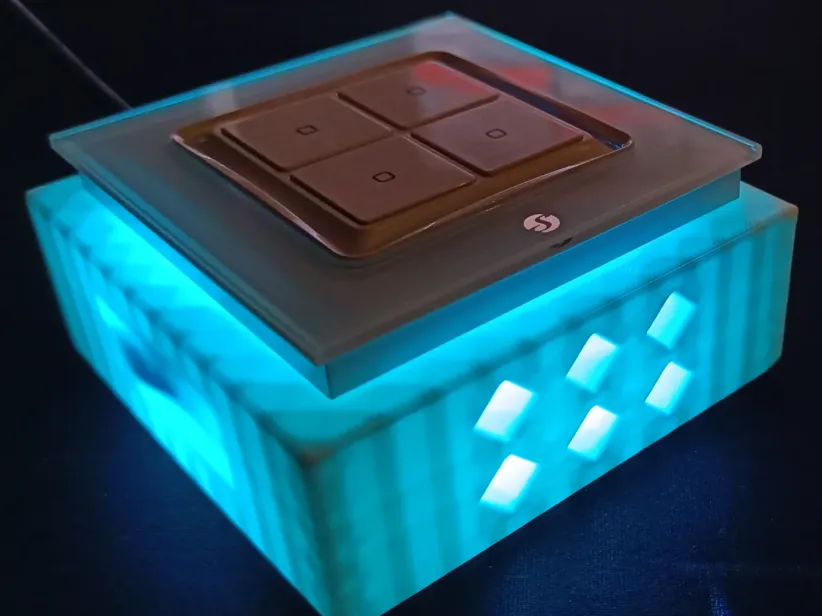
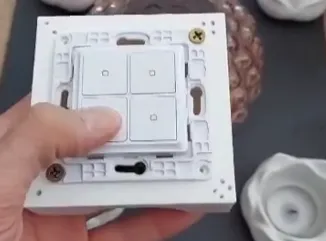
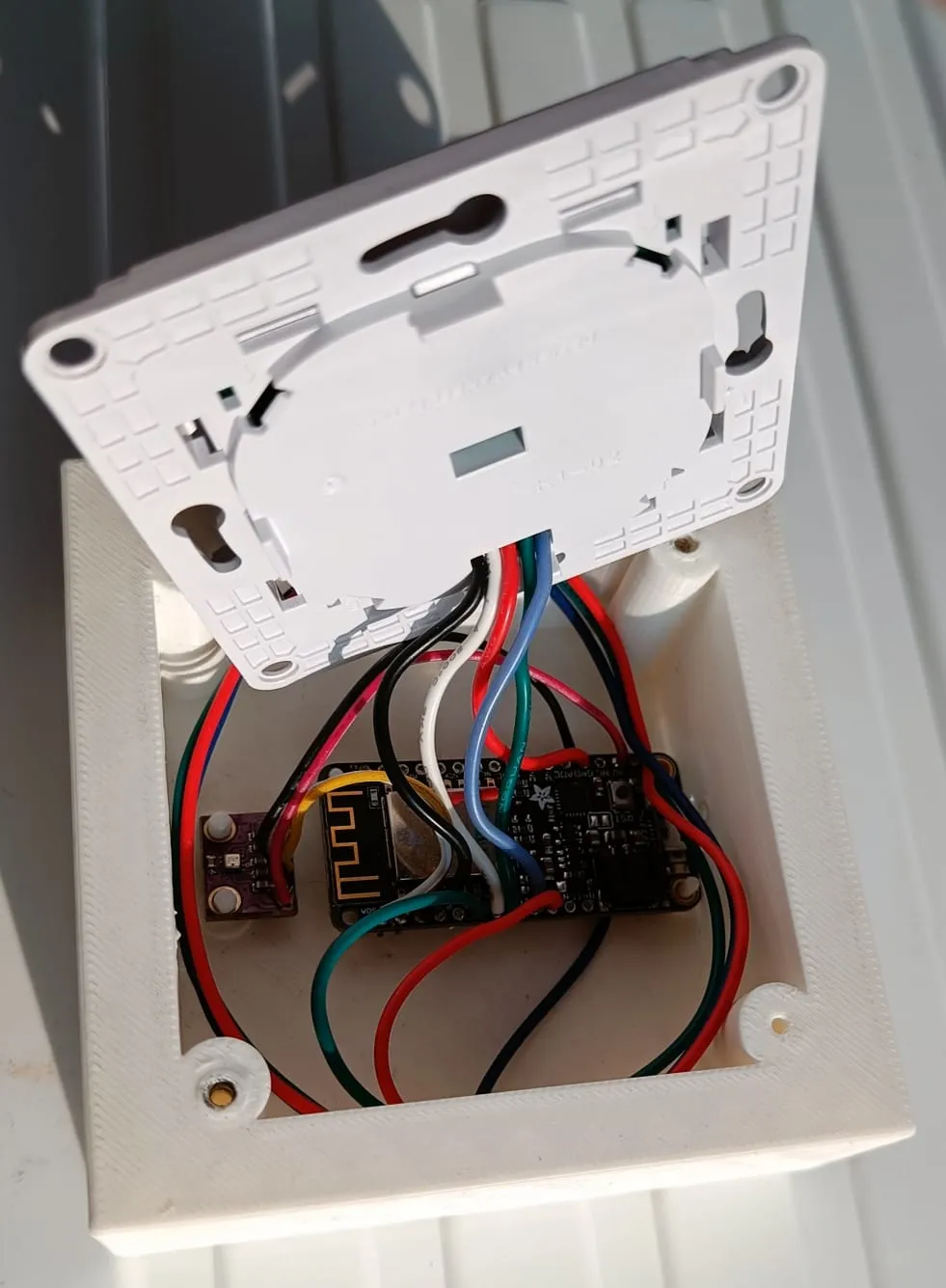
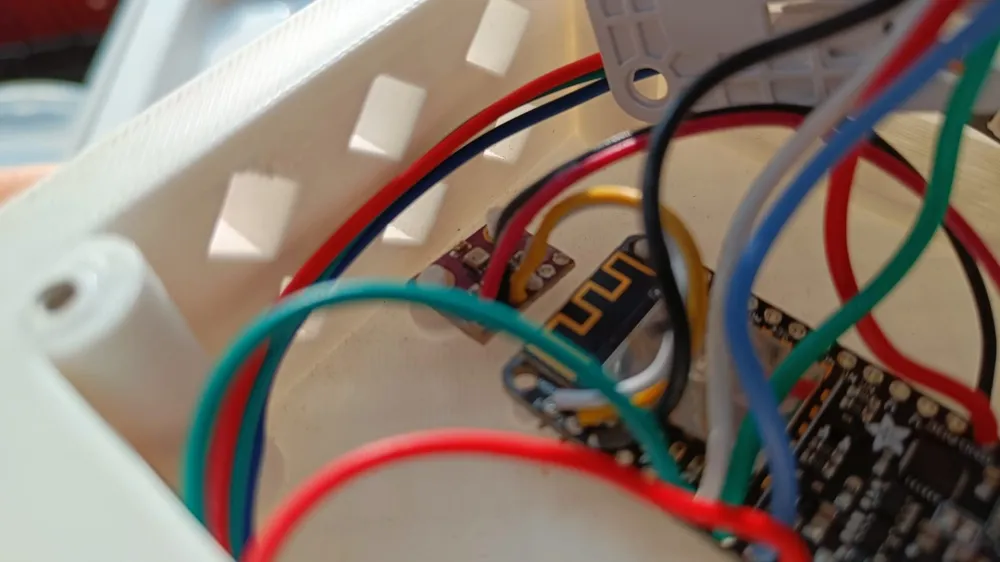
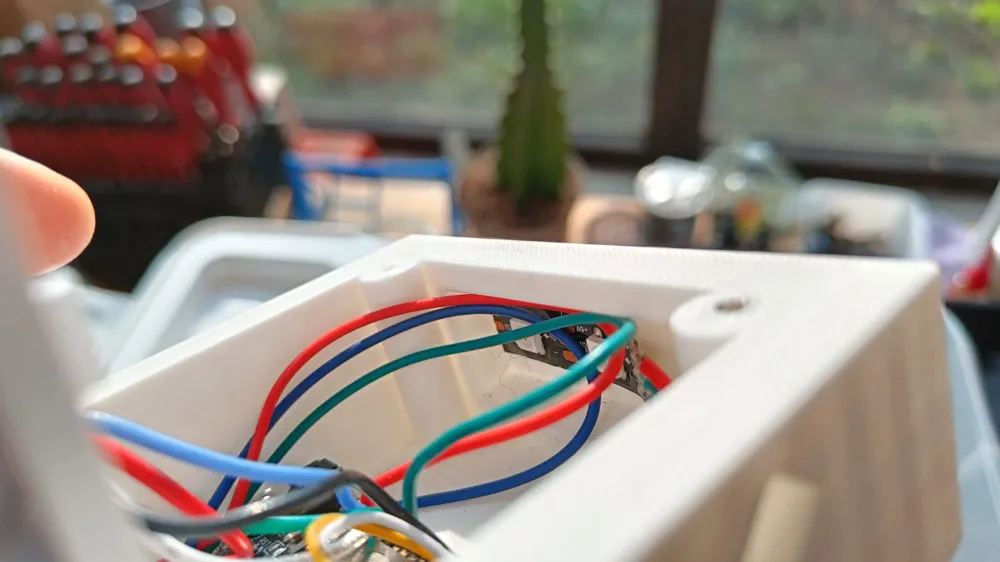
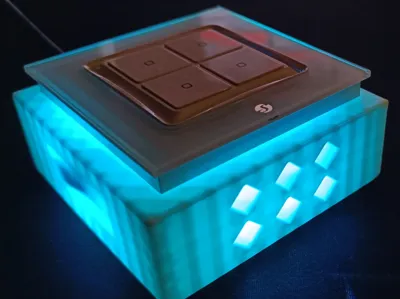
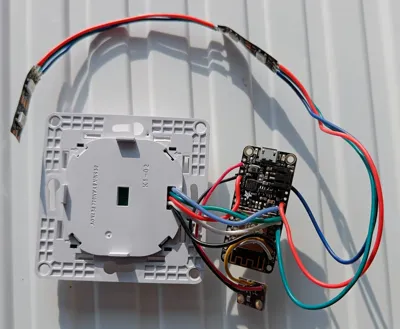
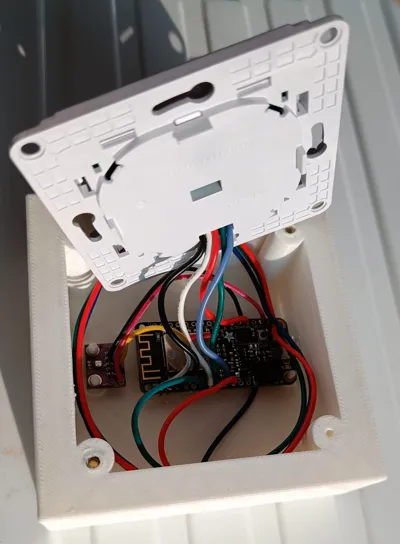
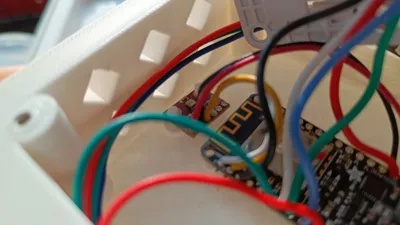
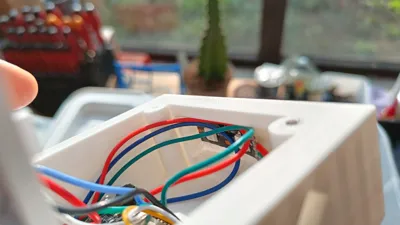
This 3D model is designed for the Shelly 4WS panel, integrating an Adafruit ESP8266 Feather, BME280 sensor, and Neopixels into a compact enclosure. It’s ideal for creating a smart home control panel with environmental monitoring and customizable lighting effects.
Key Features:
- Integrated Components: Houses an ESP8266 Feather, BME280 sensor for temperature, humidity, and pressure readings, and Neopixels for dynamic lighting effects.
- Smart Home Integration: Compatible with popular platforms like Home Assistant, allowing seamless automation and control. It is easier to integrate with ESPHome but can also be programmed with Arduino.
- Neopixel Lighting: Neopixels can create ambiance with various lighting effects or be used for alarm signals—ideal for providing visual alerts, such as for people who are hearing impaired.
Applications:
- Smart Home Control Panel: Use as a central hub to monitor and control various devices in your smart home setup.
- Environmental Monitoring: Track temperature, humidity, and pressure levels to optimize comfort and energy usage in different areas of your home.
- Dynamic Lighting Effects & Alarms: Create ambiance with programmable Neopixels, or set them up to display alarm signals for emergencies or notifications.
Customization:
- The design is fixed, but the ESP8266 Feather allows flexibility in programming and integration. The functionality can easily be customized in Home Assistant.
Educational Value:
This project aims to give students an understanding of how to use fast prototyping to create a simple yet functional smart home control panel with a professional finish. By using readily available components and 3D printing, students can quickly build a prototype with real-world applications, such as environmental monitoring and accessibility features.
License

This user content is licensed under a
Creative Commons Attribution-Noncommercial-Share Alike


Comment & Rating (0)