
Print Profile(4)


Bill of Materials



Description
Boost Me (for free)
When you print this with any Bambu Lab printer, you will likely receive a boost token afterwards.
If that's the case, please boost me so I can spend more time designing better fun stuff! Thank you!
=== Update ===
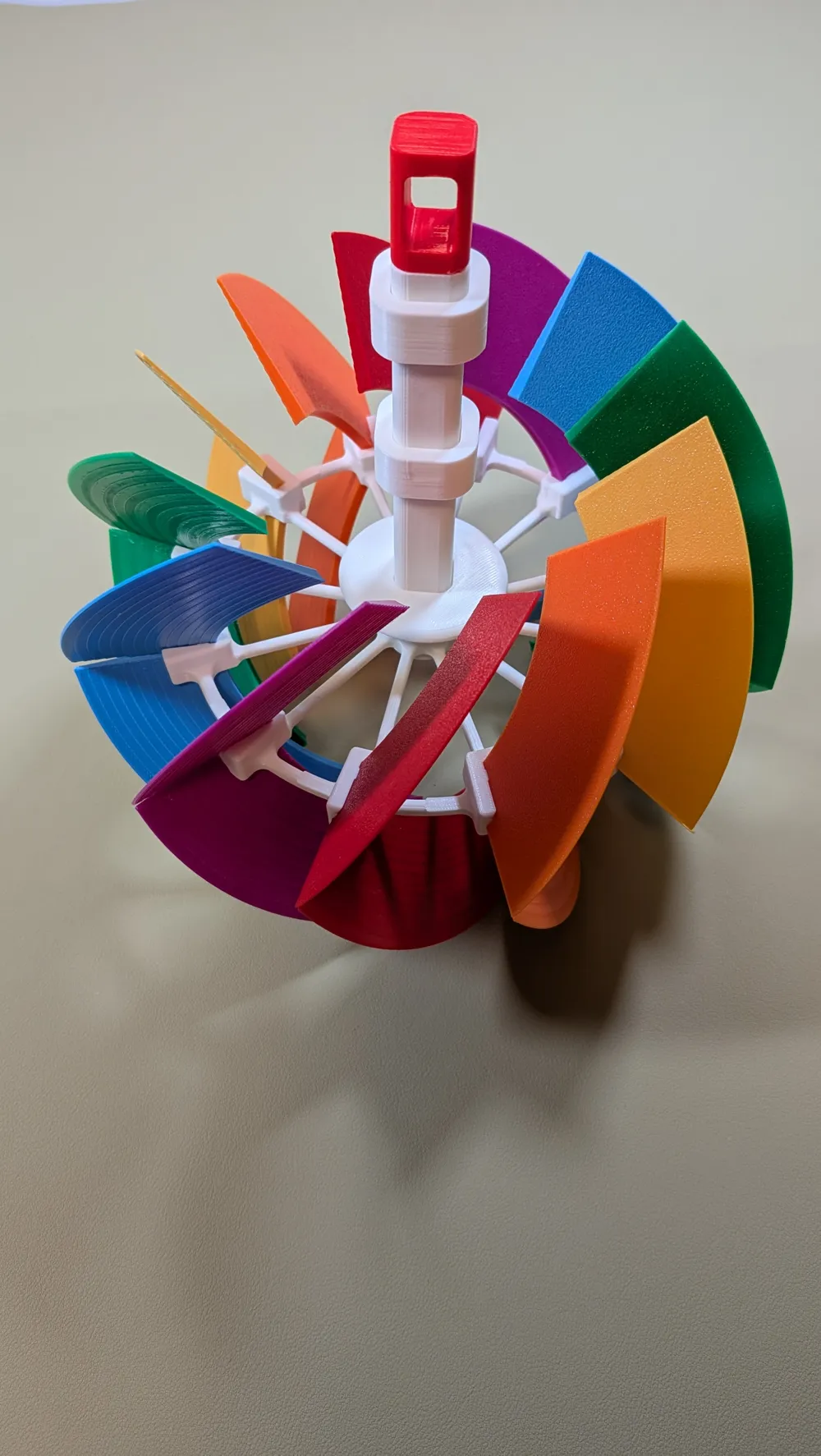
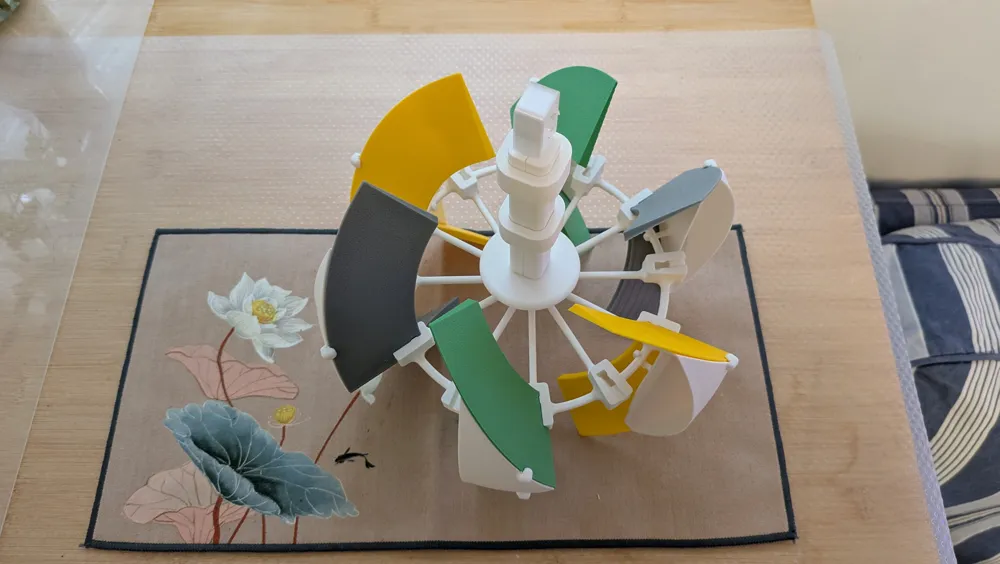

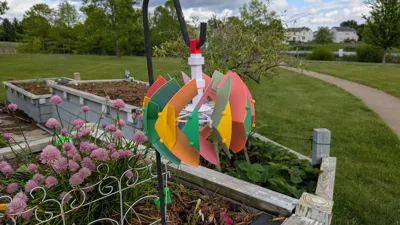
If the wind in your area is not very strong or the bearing you got is not good enough, you can add one of these boosters to your spinner.
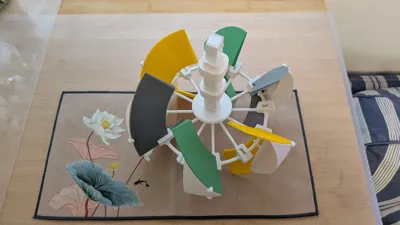
Booster #1 is smaller and can be installed on all 12 blades of the main model.
Booster #2 is much larger. You must remove half of the blades to allow more wind flow, but it will rotate a little more freely.
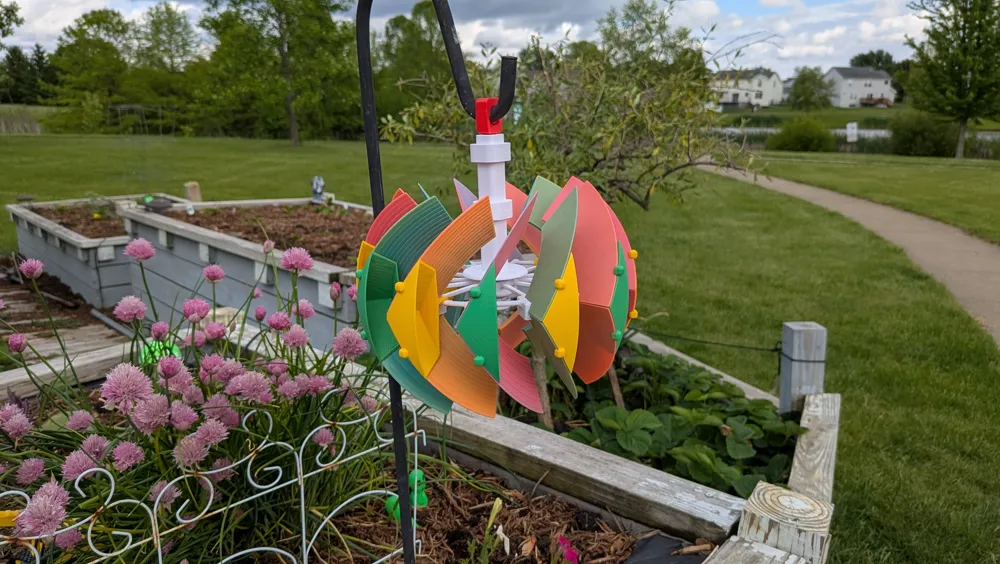
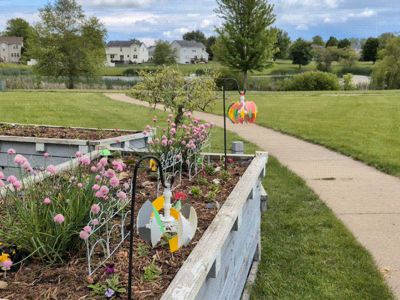

The bearing of these two in the picture is from Amazon, not Bambu Lab. It's cheaper but not as good as the one I used on my original model, which I got from Bambu Lab. Sigh…Anyway, the farther one in the picture uses booster #1, and the closer one uses booster #2.
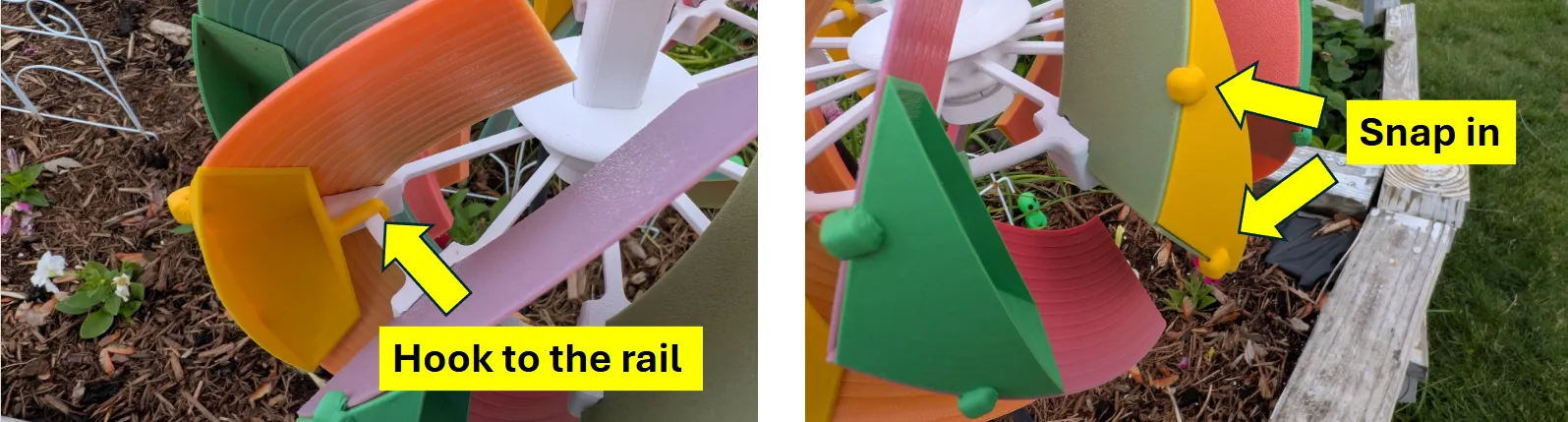
The installation is simple: first, hook it to the rail of the center disk, then snap the two blades' sides into those two notches.
=============
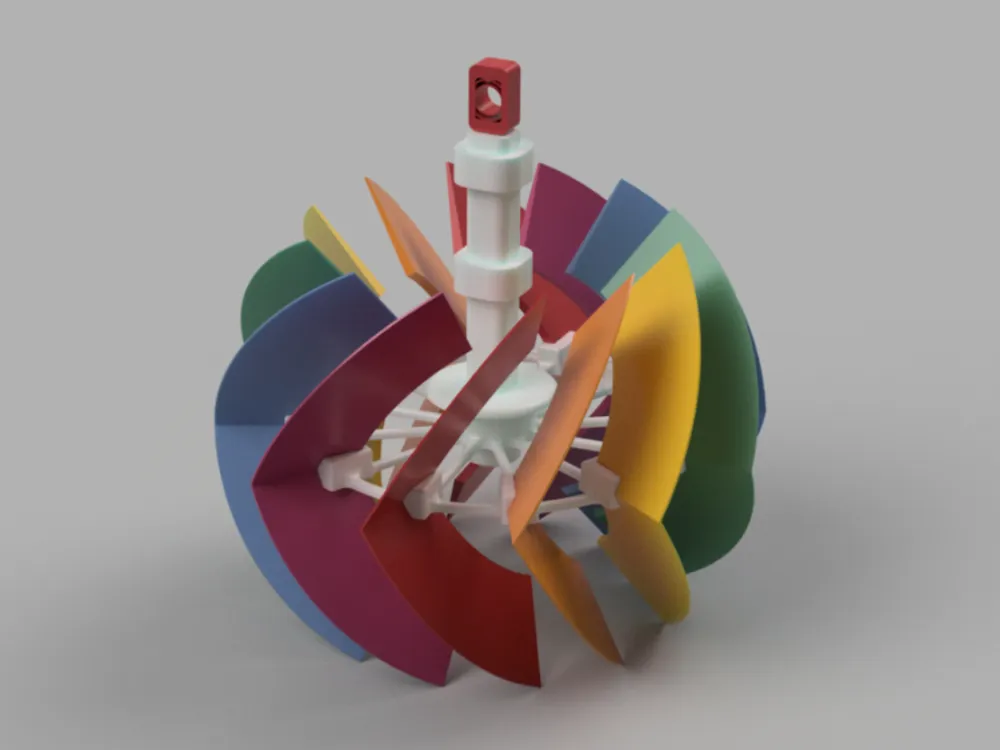
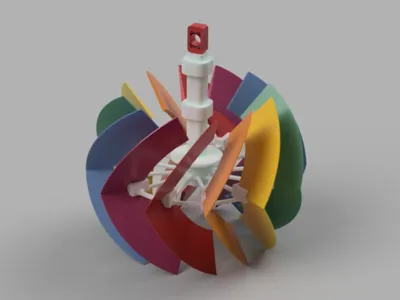
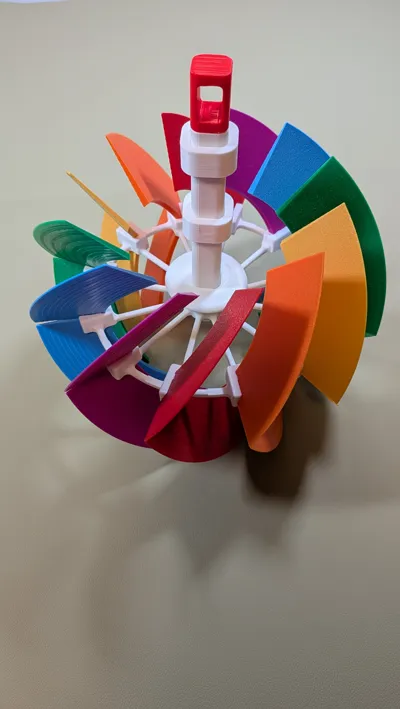
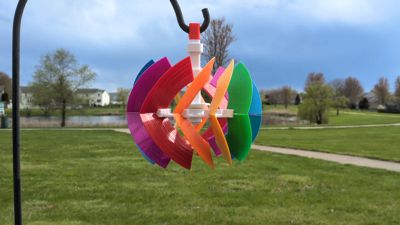
The modular design makes it easy to print this model, even with an A1 mini. The largest part size is only 150 mm x 150 mm.
You need to prepare a 608 bearing for this model. I highly recommend buying it directly from Bambu Lab (the link is in the bill of materials on the top of this page).

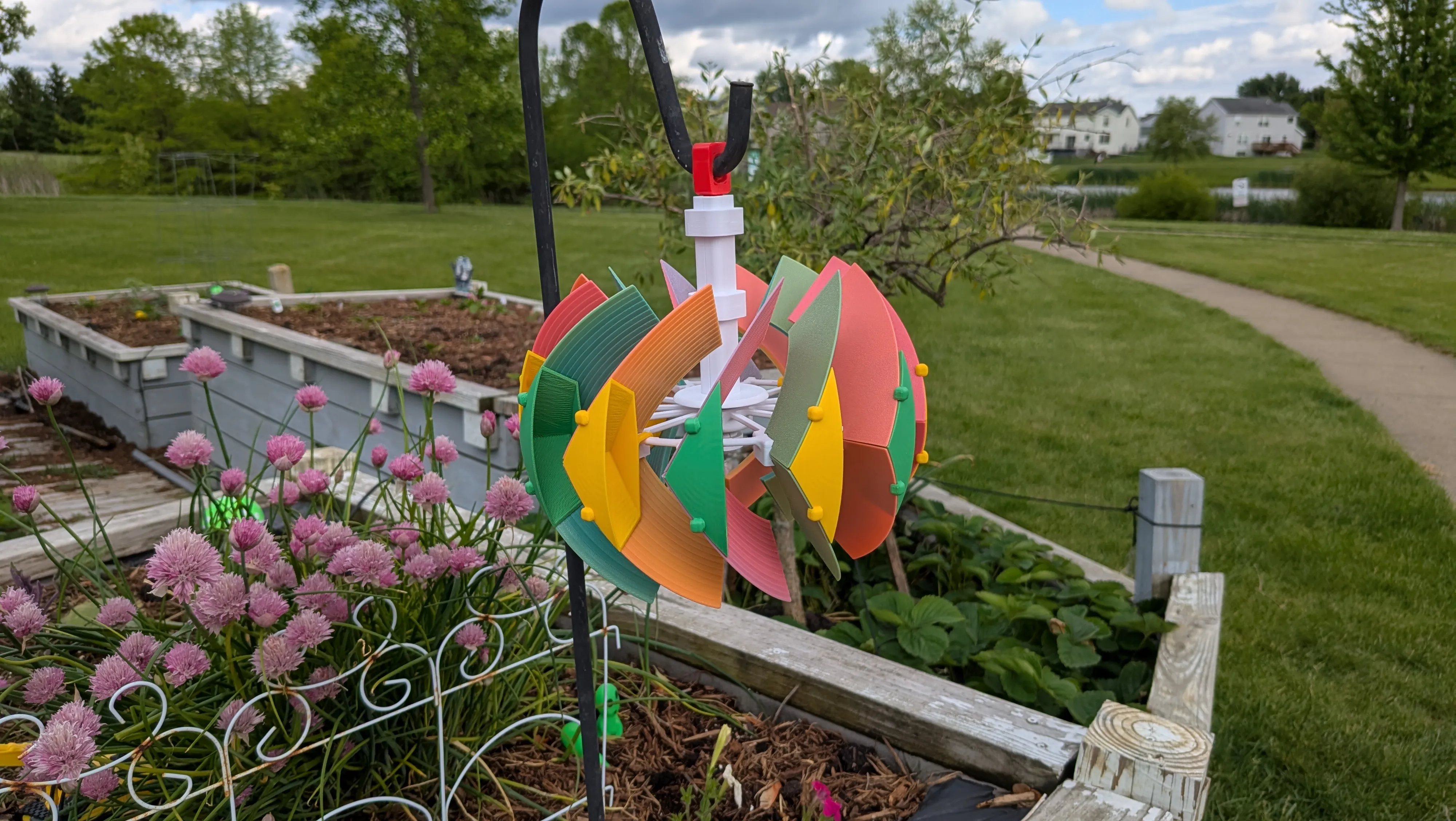
You can hang the printed windspinner on the hook of any deck hanger or bird feeder as long as the cross-section of the hook has a diameter of around 12mm ( ½ inch).
I recommend using Bambu AMS TPU (or other soft materials) to print the hanger part (the top red part). This helps firmly fix the wind spinner to the hook, which is very important. Otherwise, the whole model will only swing instead of rotate when there is wind.
Suppose you don't want to use TPU material at all. In that case, I recommend using the Hanger modifier (the second print profile) to adjust the infill percentage, making the hole size suitable for your hanger rod.
For the rest of the parts, using PLA to print the model may be faster and allows for more colors, but please note that PLA may not last long in outdoor environments. PETG is a more durable choice, but it may make the model heavier and will only rotate in strong winds. Similarly, no matter what material you print with, you can reduce the infill density to get a lighter weight or increase the infill density for higher strength.
Also, printing this model with a gradient material would be a good idea, so even if you don't have AMS, you won't need to change materials that often during printing.
Feel free to share any feedback, suggestions, or pictures of your print results! Have fun!
The assembly instructions are provided in the attachment below.
Documentation (1)
License

You may create derivative works based on this object, provided that all such derivative works are published exclusively on the MakerWorld platform and include proper attribution to the original creator. You may not share, upload, host, distribute, or publish this object—or any derivative work of this object—on any other digital platform, marketplace, or distribution channel. Commercial use of this object and any derivative works is strictly prohibited. This includes, but is not limited to, selling, renting, sublicensing, or using the object in any context in which you receive monetary compensation or other financial benefits.


Comment & Rating (43)