
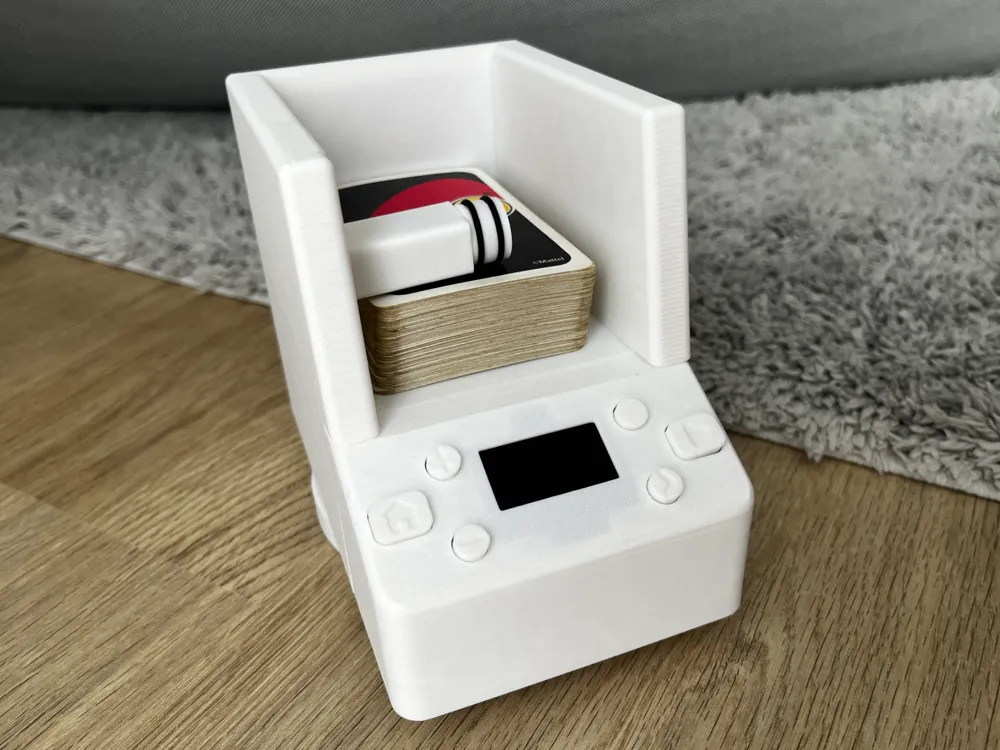
Automatic Card Dealer
Print Profile(1)

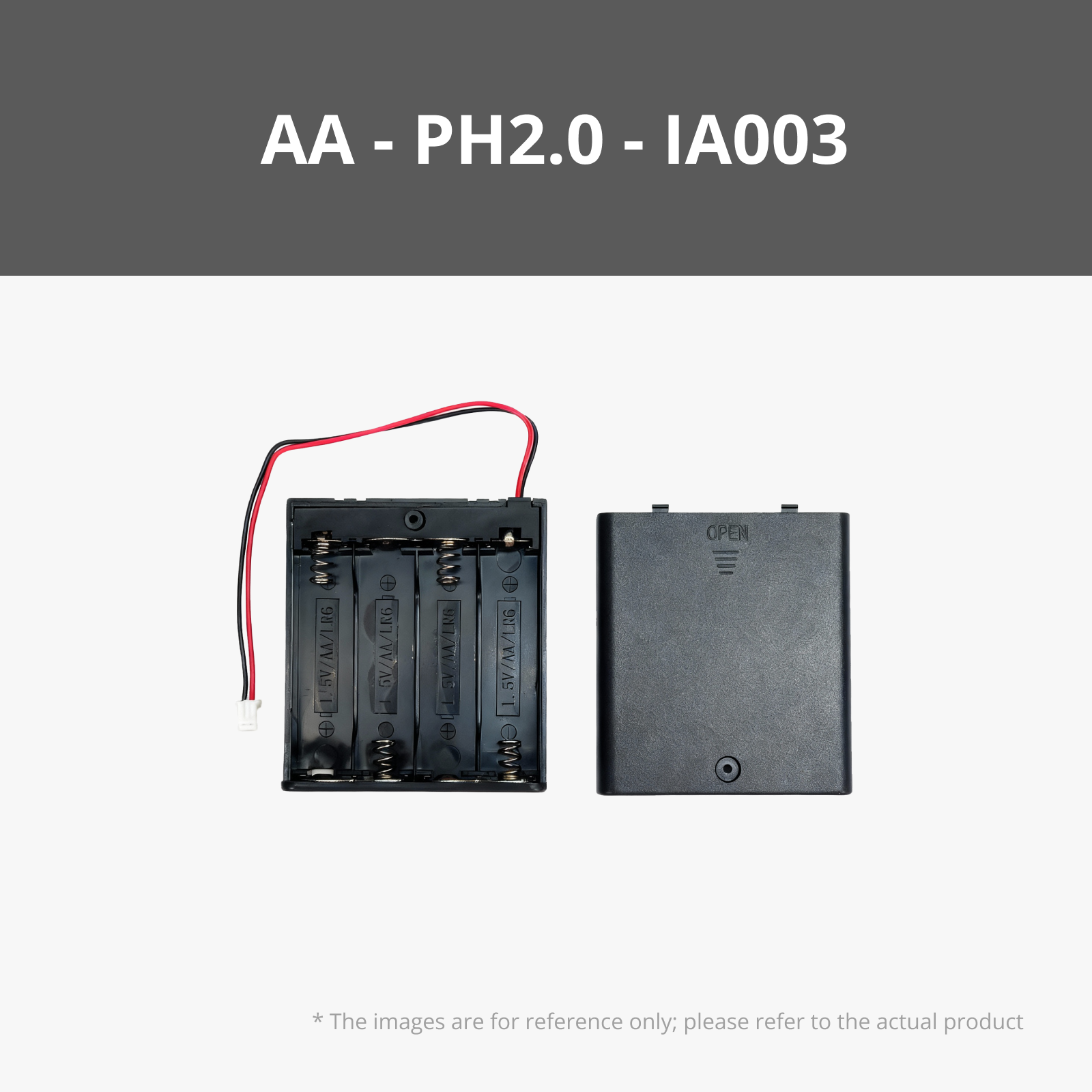
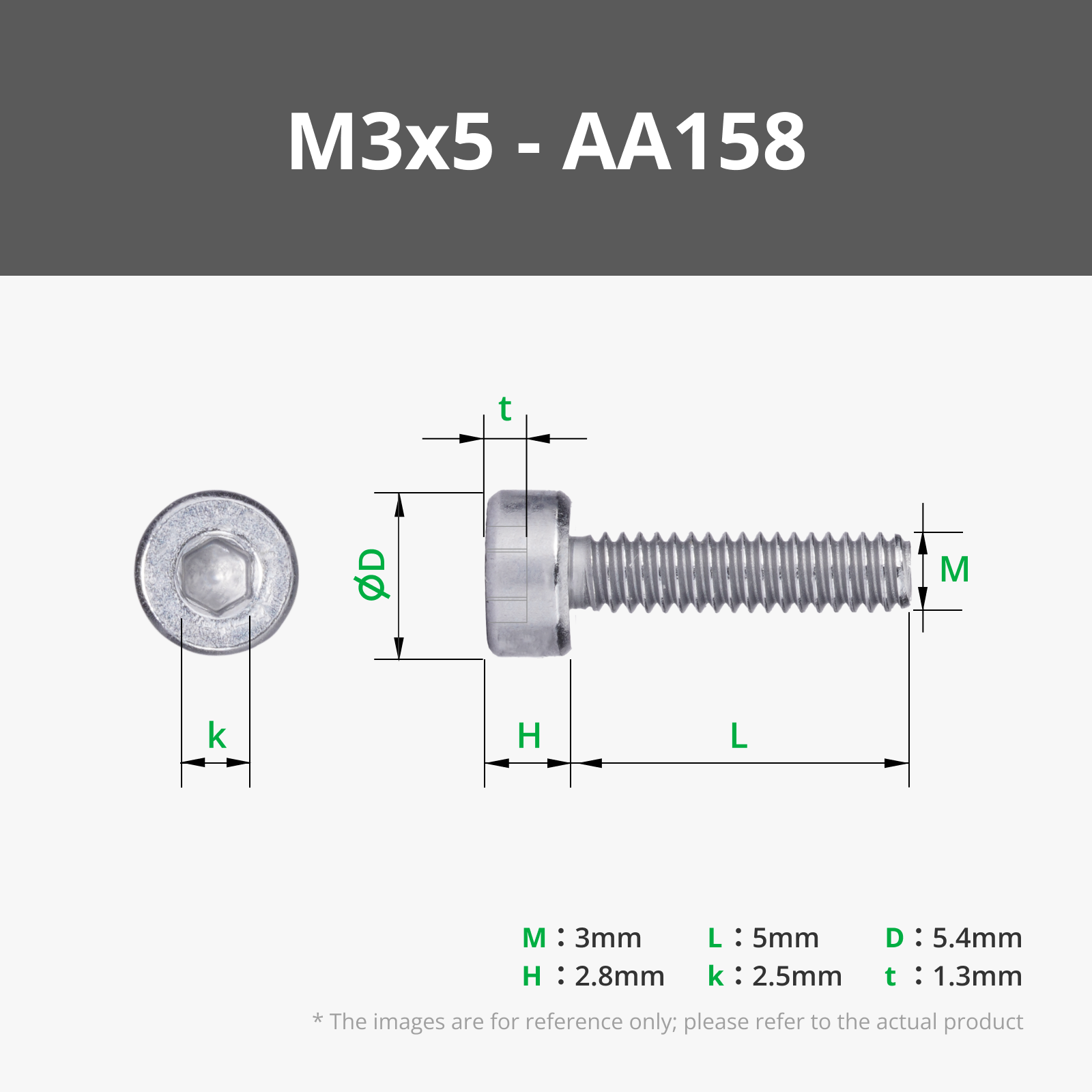
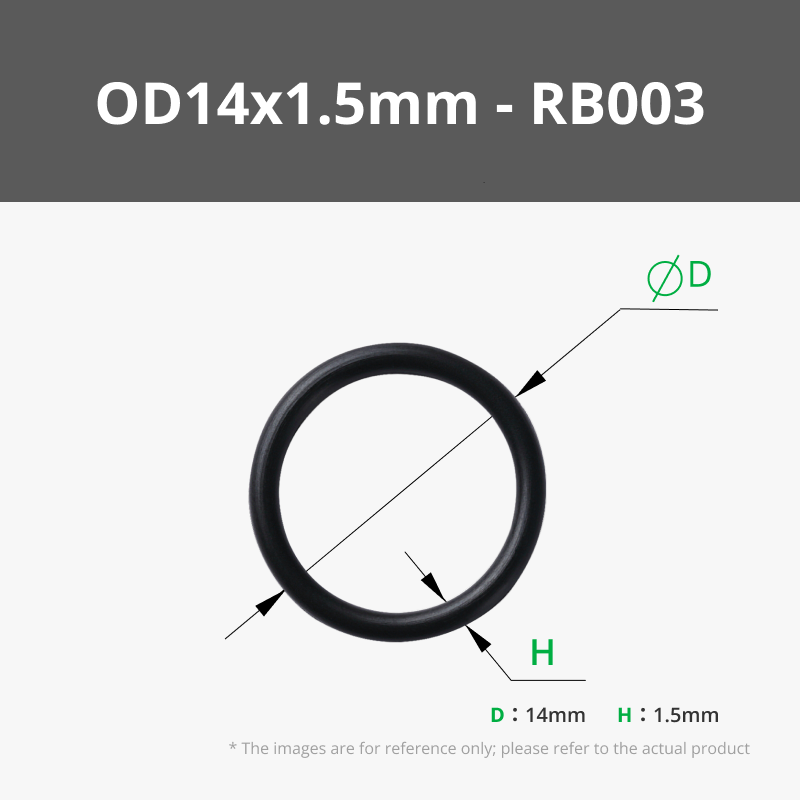
Bill of Materials


Description
Boost Me (for free)
If you appreciate the work i do, consider leaving me some boost.
Thank you!

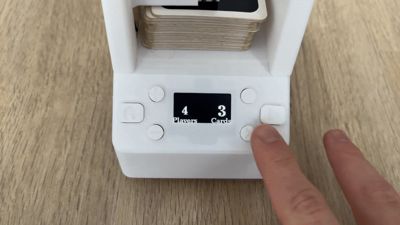
Card Dealing:


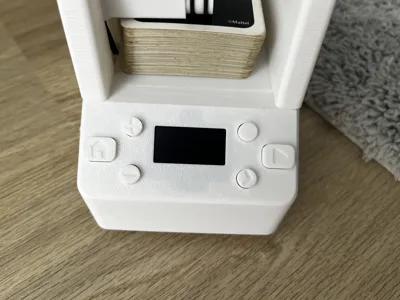
UI:

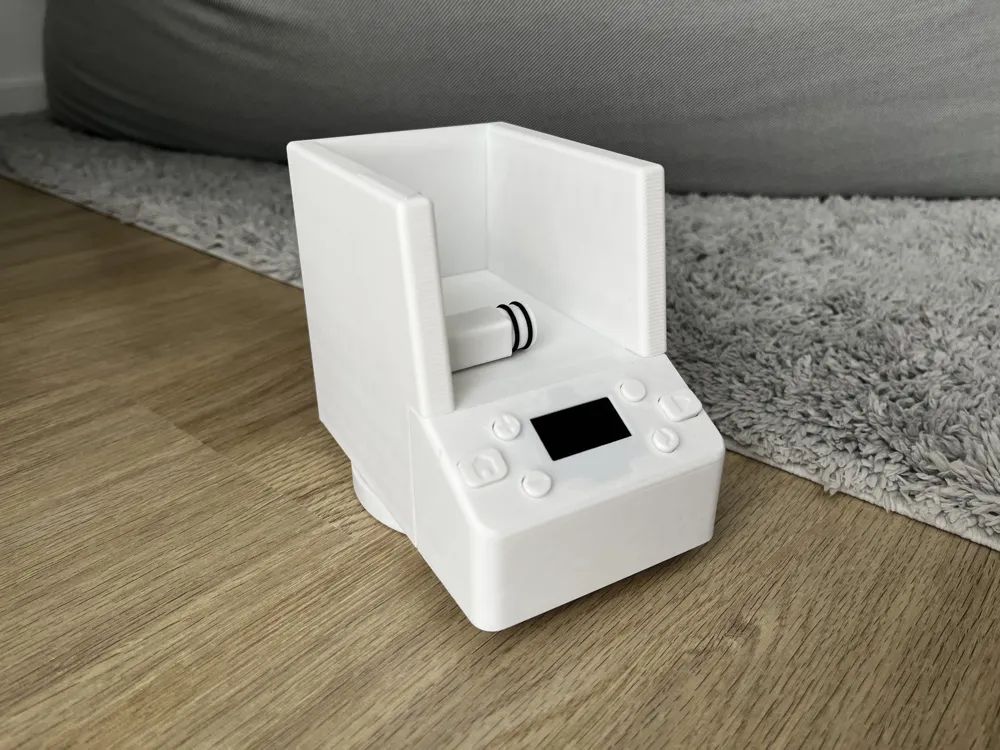
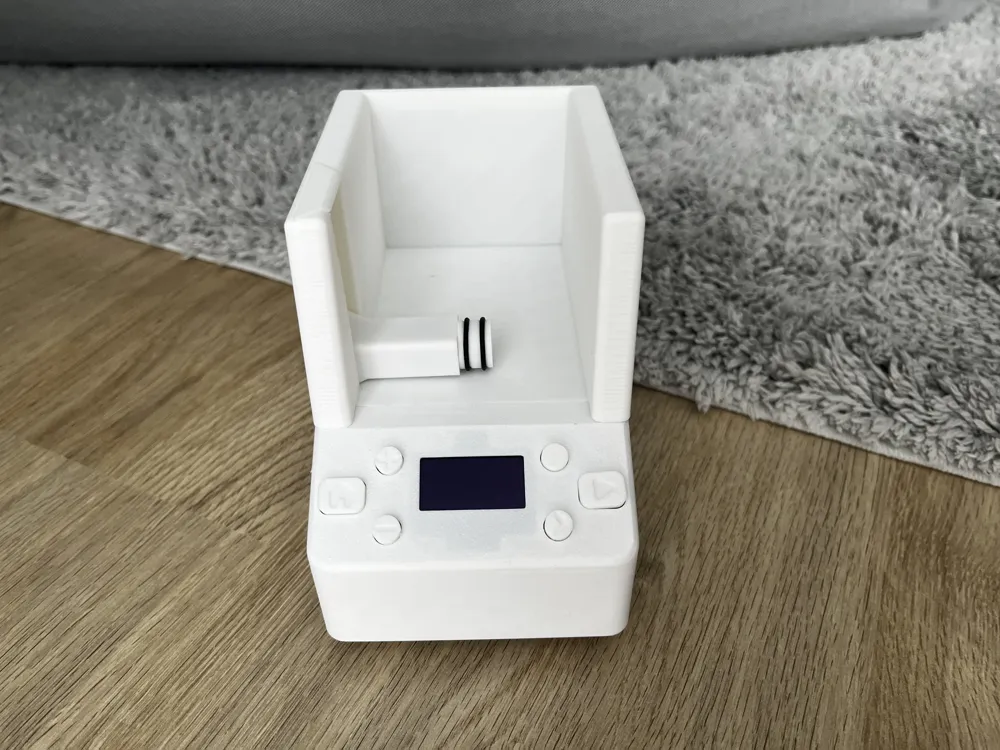
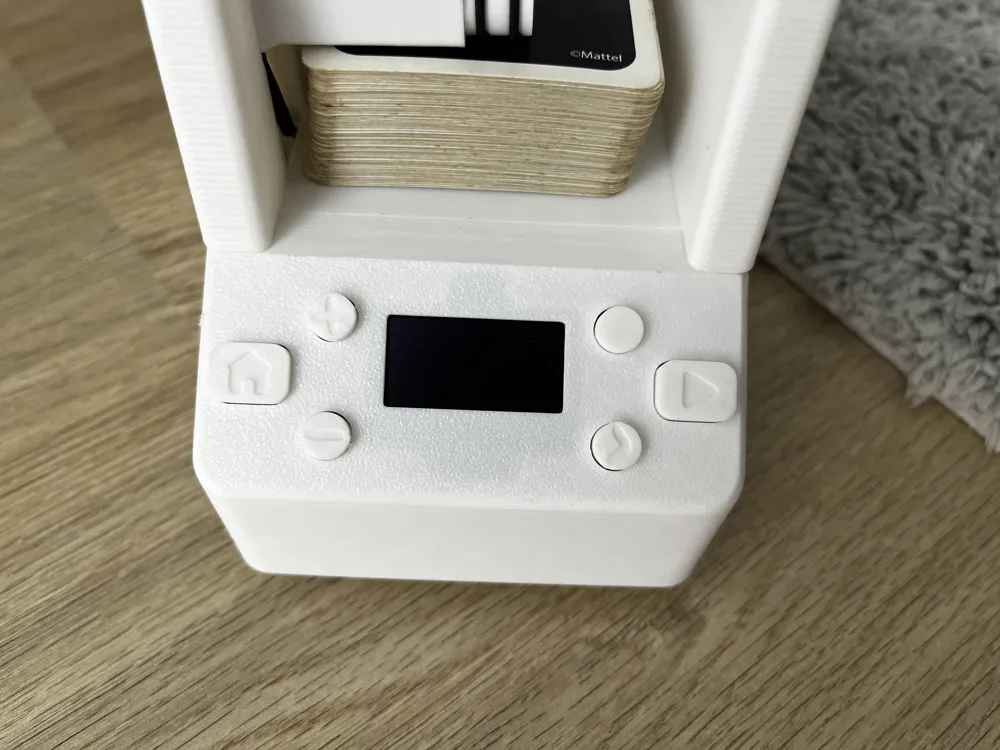
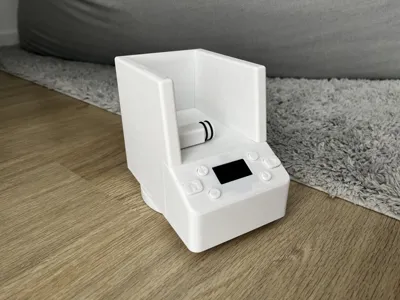
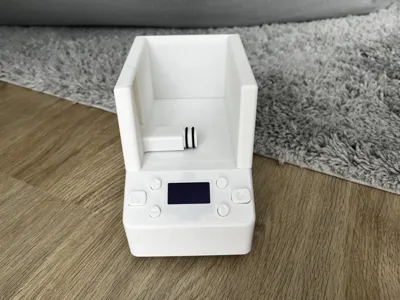
A DIY automatic card dealer. Assembly manual is below, also contains the code and Gerber files for the PCBs.
Currently the only feature is dealing cards, I would like to implement other features listed below, but most would need a redesign. I decided to upload this one since it works well and does it's job, but as every project could be improved upon forever.
Possible Improvements, Features (maybe v2)
- Rotary encoder: Currently uses a single hall effect sensor for homing. Then does a full rotation while measuring the time it takes to rotate 360°. That time is then divided based on number of players, which has a few disadvantages and isn't as precise as measuring an amount of rotation directly. This could allow up to even 8 players due to more precise card throwing.
- Smaller, less power hungry micro-controller: Currently uses 30 pin ESP32, but it could get away with ESP32-C3 which uses much less power and is still reasonably powerful.
- Better buttons
- Better sliding mechanism: It works fine, but could be improved.
- rotation without bottom as a separate part
- Battery indicator: Have a battery indicator on the screen.
- Built in battery: Currently uses 4 AA batteries, but it could have a built in battery and a USB charging port.
- Different board mounting: With a smaller micro-controller, the board could be positioned lower and extensions for hall effect sensor legs wouldn't be necessary.
- Faster: Maybe a faster motor or minimize waiting time in between throws, but that would require a rotary encoder.
- Pulling individual cards: Hosting a web server on the ESP32, you could set position relative to the dealer and pull a card by pressing a button on the screen.
Documentation (1)
License

You shall not share, sub-license, sell, rent, host, transfer, or distribute in any way the digital or 3D printed versions of this object, nor any other derivative work of this object in its digital or physical format (including - but not limited to - remixes of this object, and hosting on other digital platforms). The objects may not be used without permission in any way whatsoever in which you charge money, or collect fees.


Comment & Rating (116)