
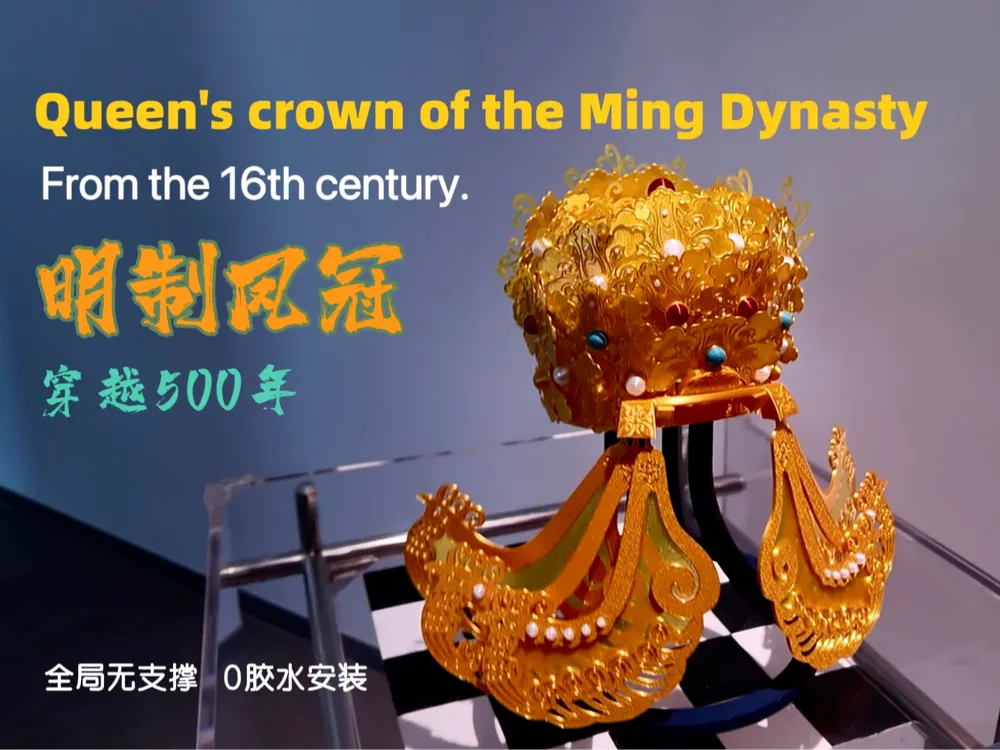
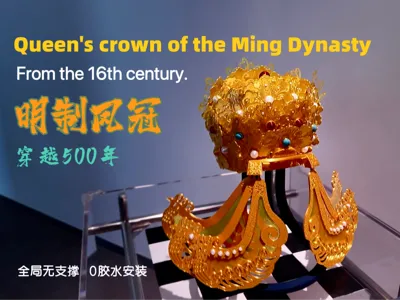
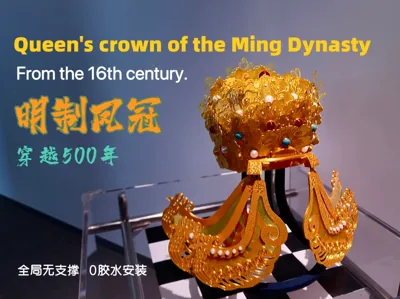
Ming Dynasty Phoenix Crown (Empress Crown)
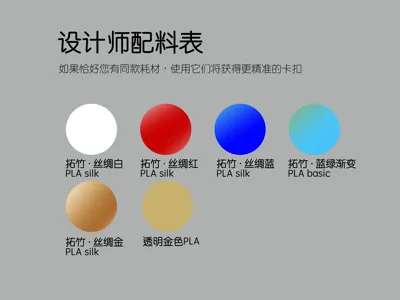
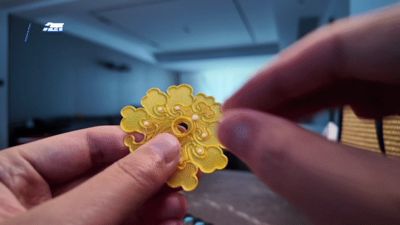
Print Profile(5)


Description

Assembled Ming Dynasty Phoenix Crown Toy: A Transtemporal Dialogue on Historical Legacy and Women's Status
The Song History, specifically the chapter on imperial attire, explicitly incorporates the dragon-phoenix headdress into royal ceremonies, stipulating its use by empresses and empresses dowager during enthronement and court audiences, establishing the phoenix crown as a symbol of power.
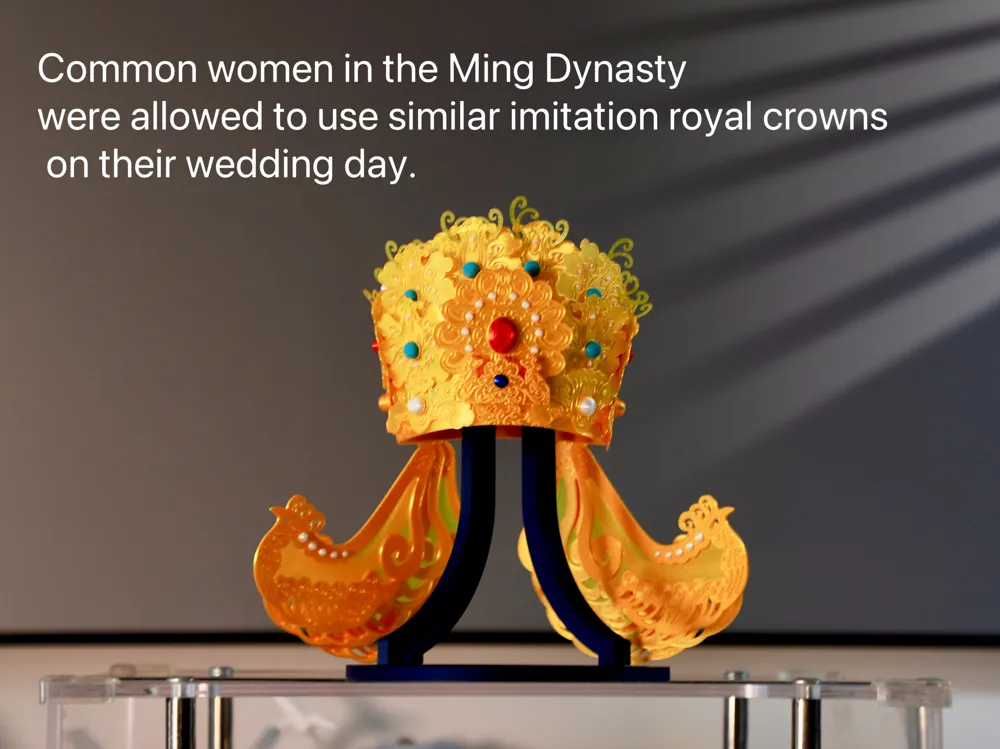
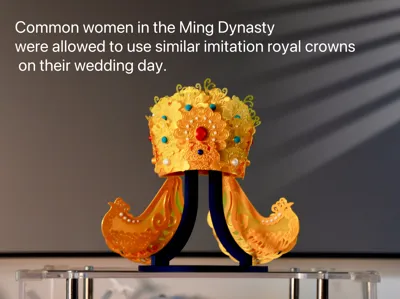
During the middle and late Ming Dynasty, the burgeoning commodity economy led to a relaxation of traditional rites. The populace imitated the phoenix crown through material substitutions (silver gilt mimicking gold, dyed goose feathers mimicking kingfisher feathers) and simplified designs (replacing dragons and phoenixes with crested birds), creating the wedding custom symbol of “phoenix crown and霞帔”. This “transgressive imitation” represented both a yearning for aristocratic aesthetics and a subtle societal challenge to the hierarchical system.
The phoenix crown conferred symbolic recognition of a woman's status as a “lady of the court” within the context of marriage. In the Ming Dynasty, commoner brides wearing imitation phoenix crowns demonstrated both family wealth and, through intricate ornamentation, implied their significance as “bearers of the lineage”.
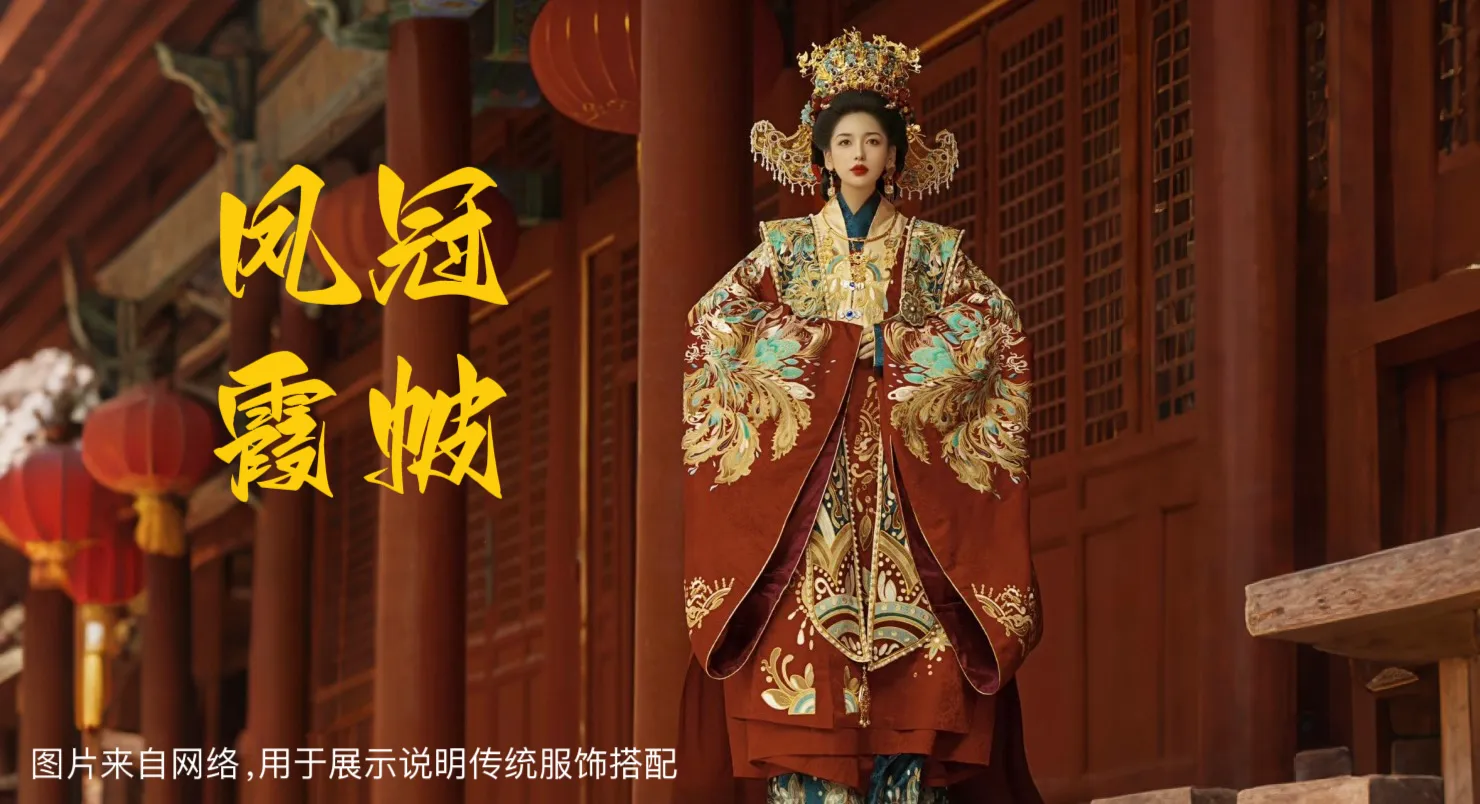
3D-Printed Phoenix Crown: Technological Reconstruction of Traditional Craftsmanship and New Avenues for Cultural Heritage

Traditional phoenix crown production heavily relied on handcraftsmanship. 3D printing technology, using digital modeling and eco-friendly materials, replicates the patterns. The assembled product dissects the crown into mountable components (such as phoenixes, auspicious clouds, and jeweled flowers), allowing users to intuitively grasp the ingenuity of Ming Dynasty artisans through hands-on assembly:
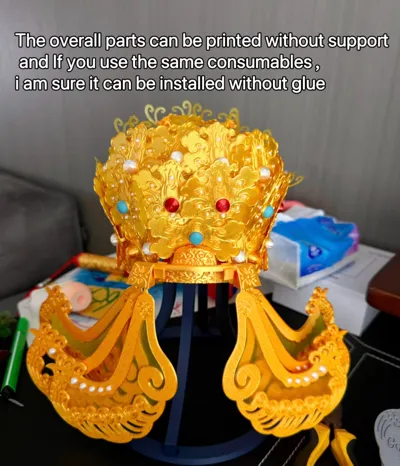
Modular Structure: Reproduces the three-dimensional layering of gold-wire bodies and temple ornaments;
Symbolic Patterns: Conveys the Eastern philosophy of “wealth and auspiciousness” through phoenixes, peonies, and auspicious clouds;
Potential for Lightweight Innovation: Traditional handcrafted phoenix crowns typically weigh over 3 kg, a weighty beauty. This model requires only 211g of filament. For wearability, secure adhesion with glue ensures lightweight comfort.
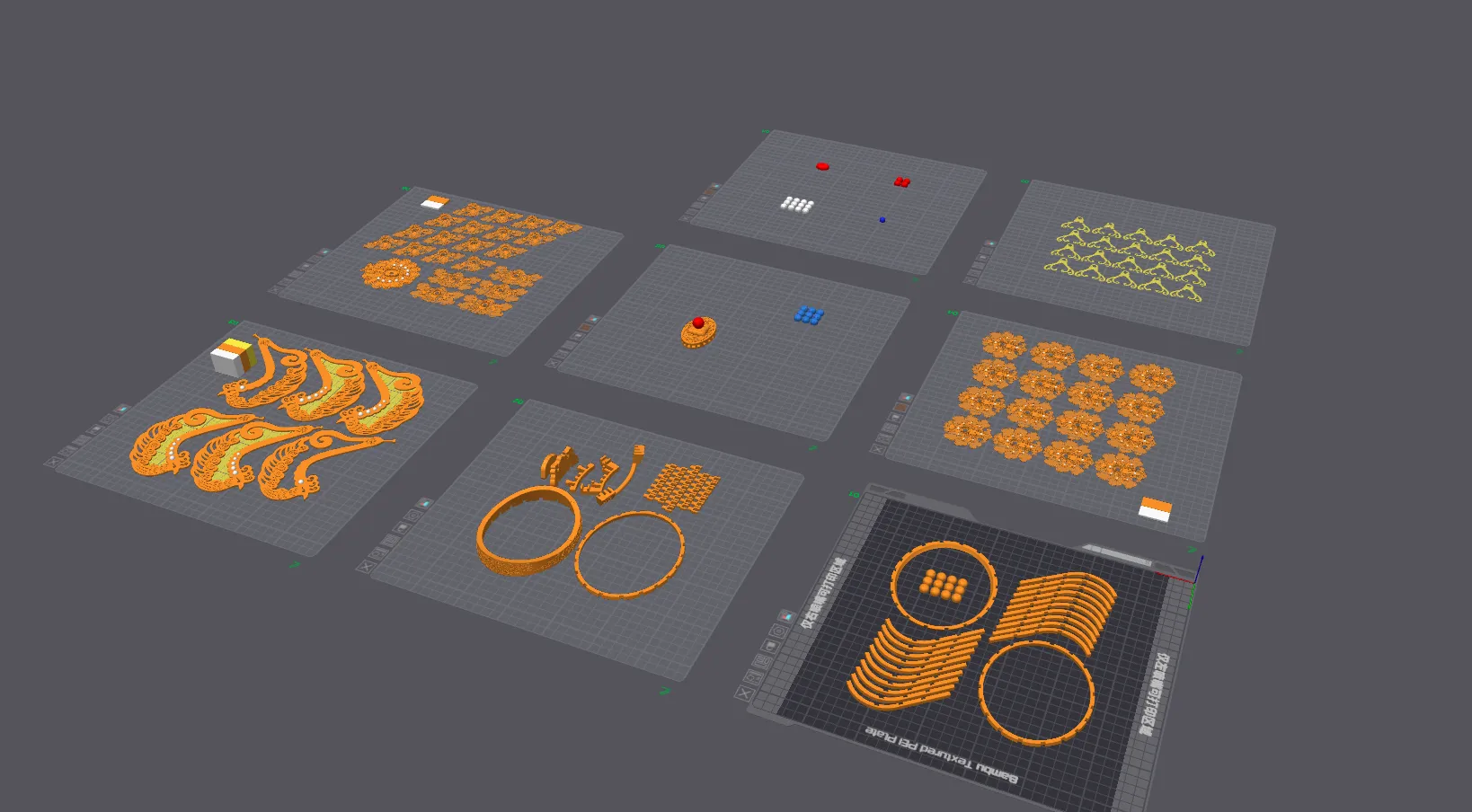
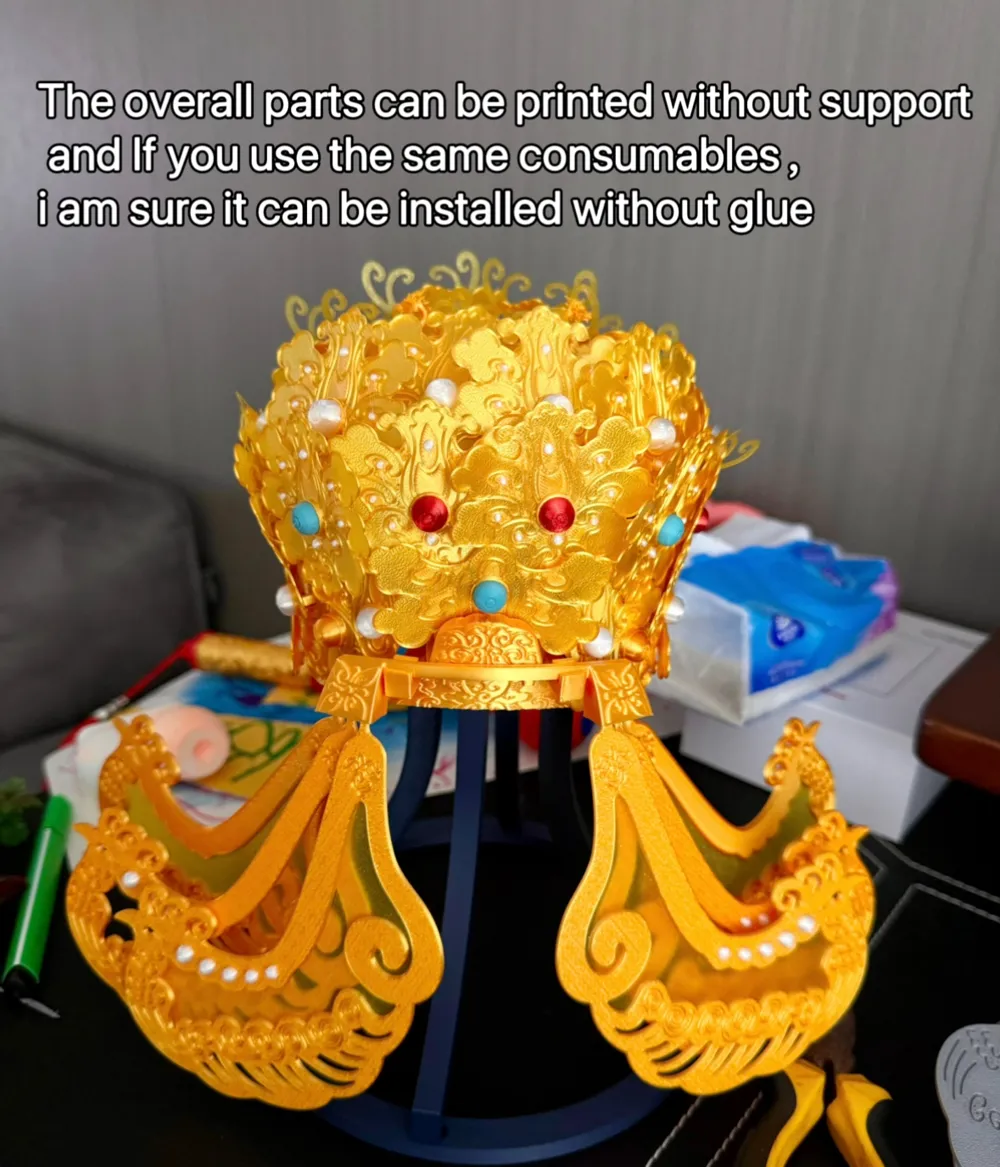
This model's parts require no supports; if used as an ornament, assembly requires no glue.
This model is sized for a child's phoenix crown (燕居冠). For adult wear, please proportionally scale up in your slicing software and firmly adhere the components with glue.
Boost Me (for free)
Boosters are super cute
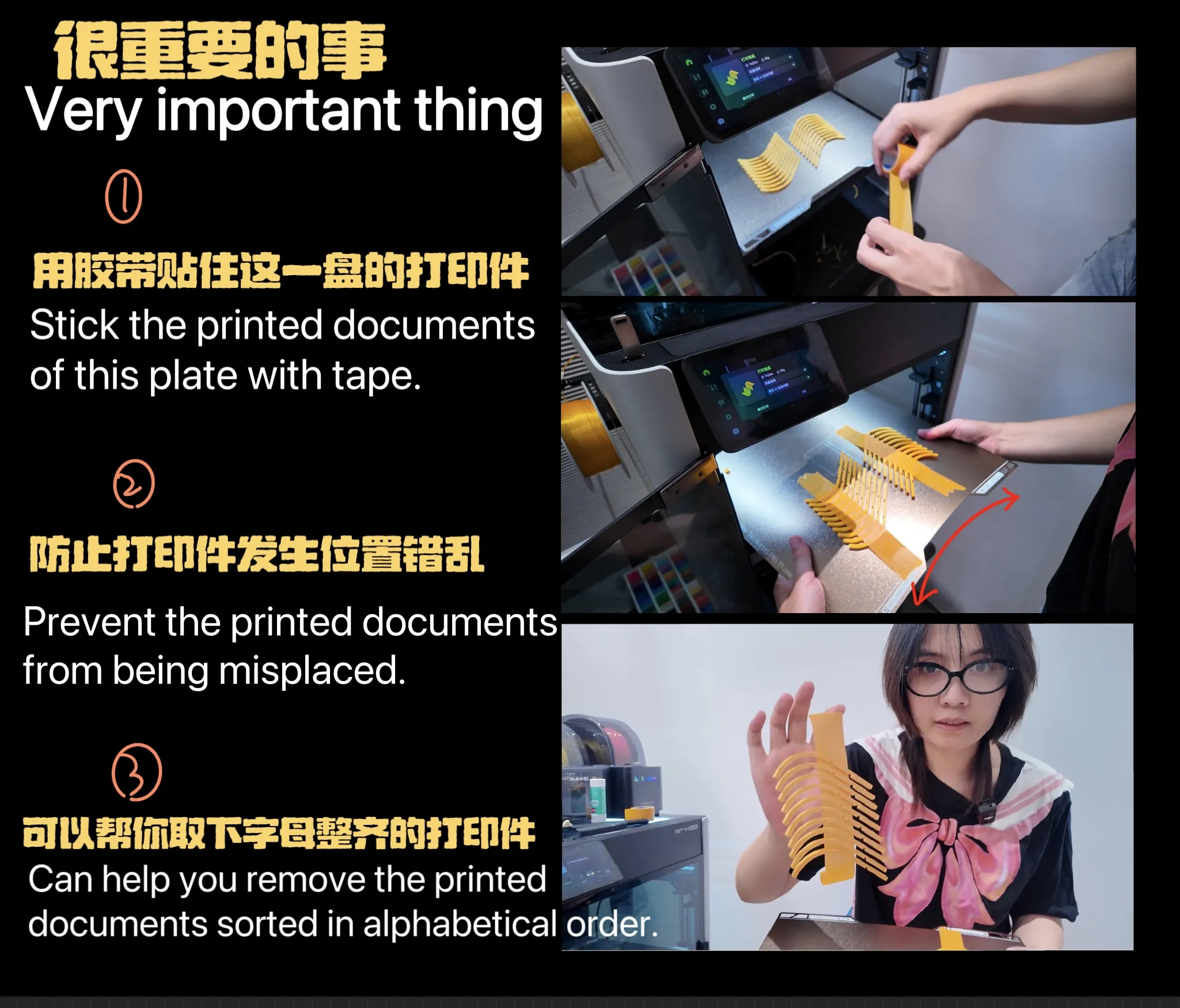
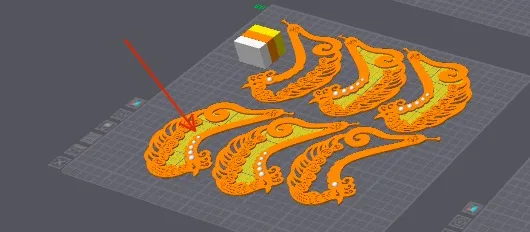
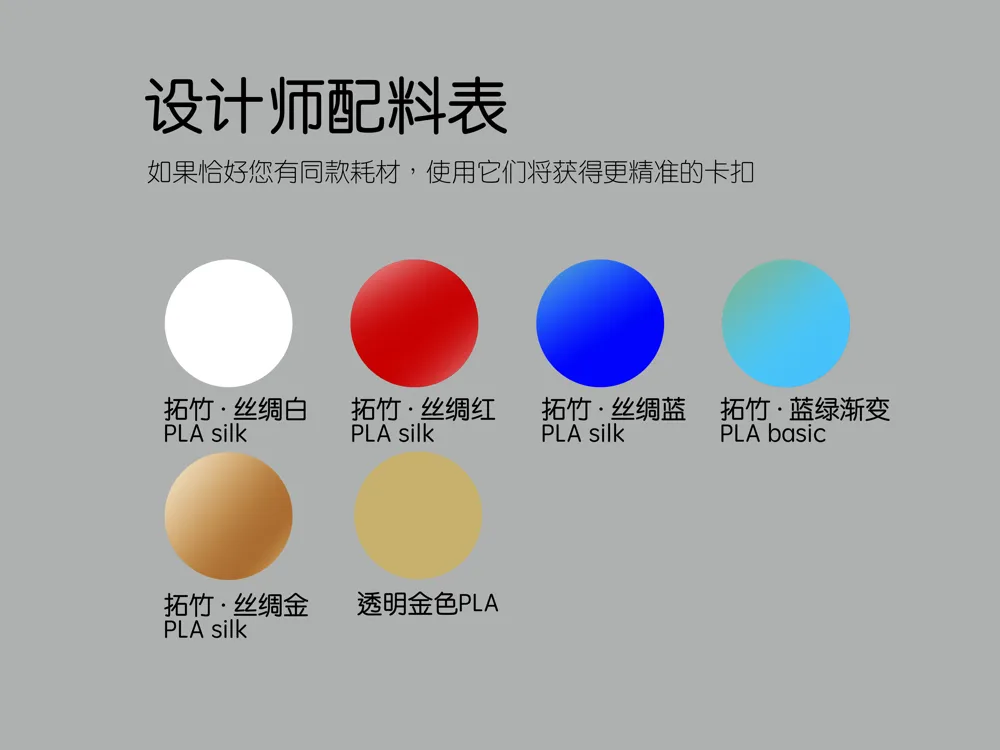
⬆️The transparent gold single layer here is very thin; please allow it to cool completely before removal.
For detailed assembly instructions, please open the assembly guide file⬇️⬇️⬇️
Documentation (1)
License

You shall not share, sub-license, sell, rent, host, transfer, or distribute in any way the digital or 3D printed versions of this object, nor any other derivative work of this object in its digital or physical format (including - but not limited to - remixes of this object, and hosting on other digital platforms). The objects may not be used without permission in any way whatsoever in which you charge money, or collect fees.


Comment & Rating (11)