
Salon Louis XV Diorama : Arrival of the Guests
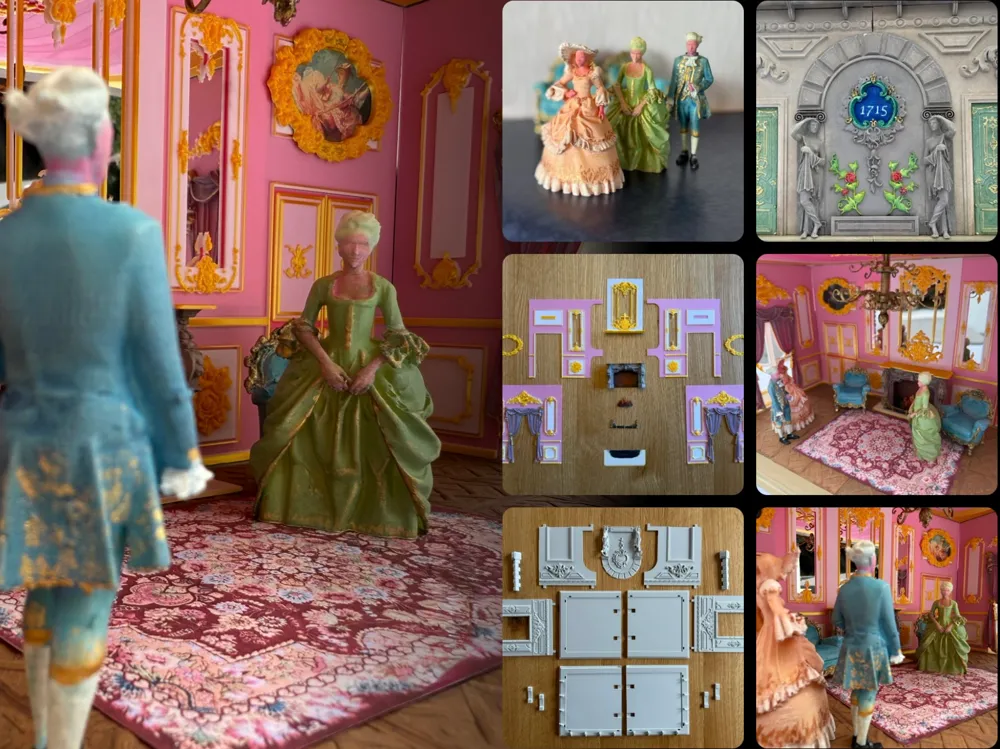
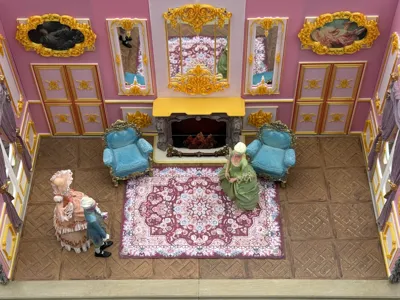
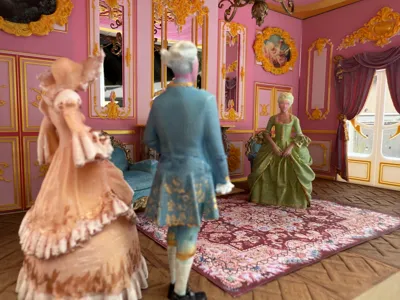
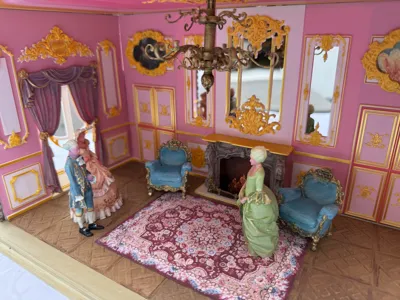
Print Profile(1)

Bill of Materials










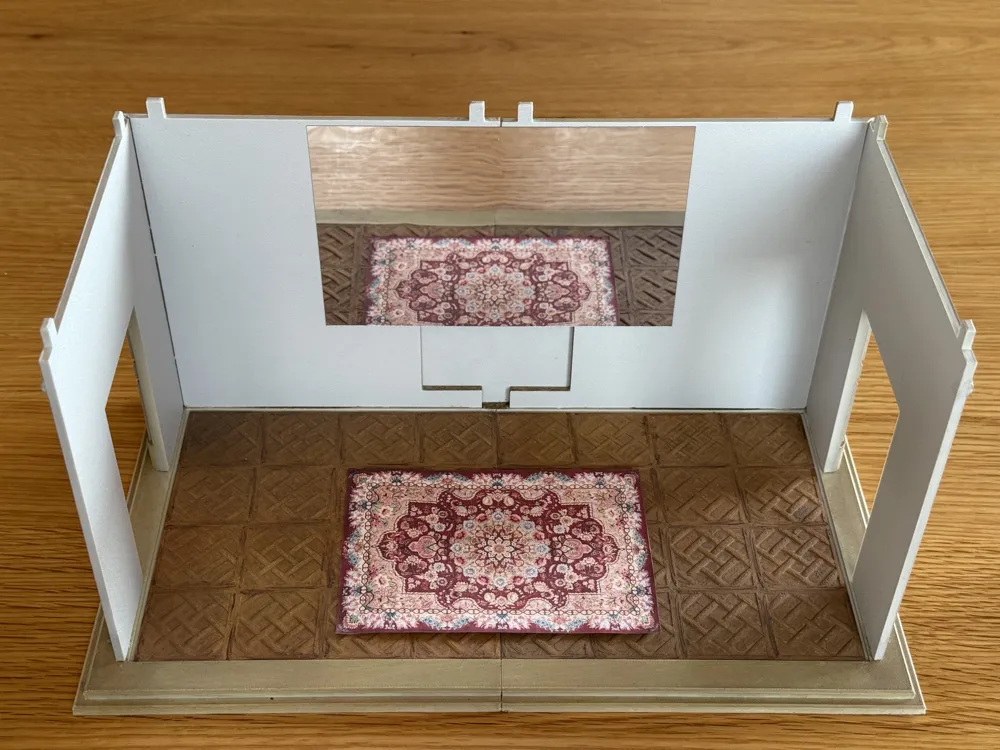
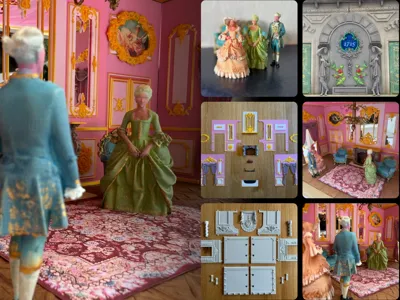
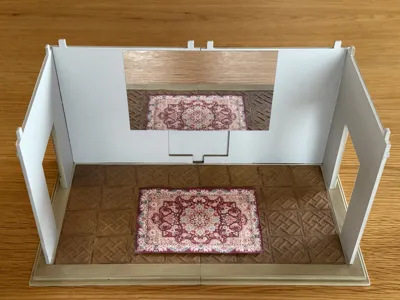
- Self-Adhesive Mirror Film x 1: For the three mirrors in the back of the room (see picture #9 above)
- Overhead Transparencies x 1: For the doors on the side (see picture #13 above)
- Vallejo Surface Primer Black x 1:
- Vallejo 71.057 Black x 1:
- Vallejo 71.040 Burnt Umber x 1:
- Vallejo 71.003 Red RLM23 x 1:
- Vallejo 71.004 Blue x 1:
- Vallejo 71.007 Olive Green x 1:
- Metallic Water Colors x 1:
Description
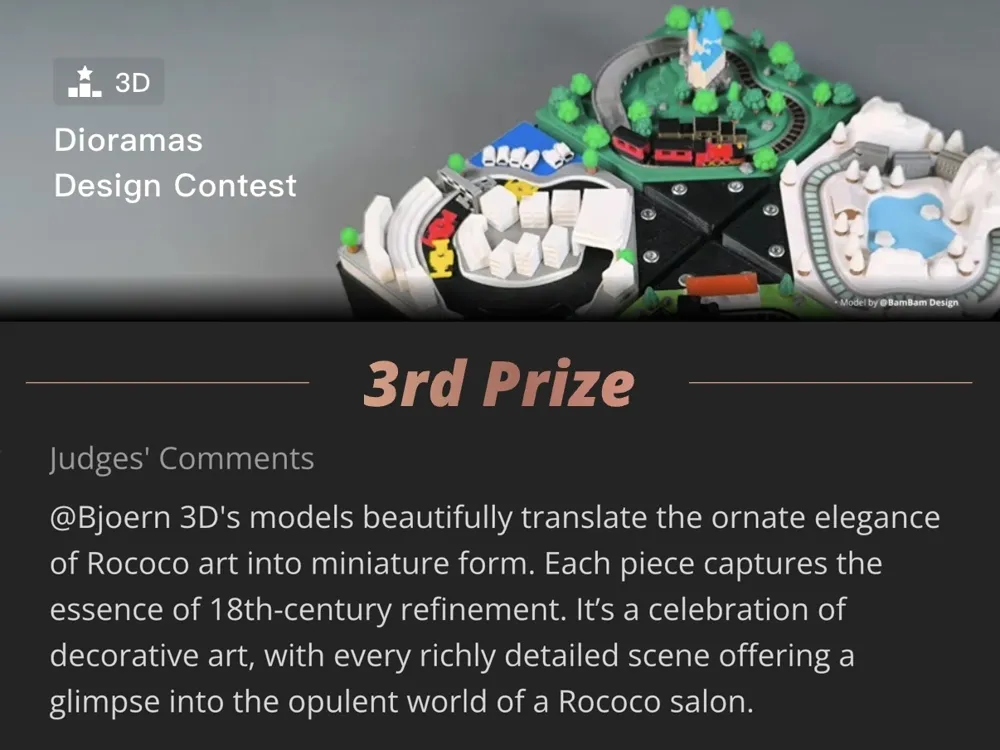
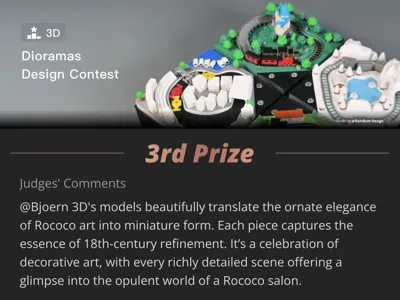
Contest Winner (3rd Prize) Dioramas Design Contest
Judges' Comments:
Boost Me (for free)
@Bjoern 3D's models beautifully translate the ornate elegance of Rococo art into miniature form. Each piece captures the essence of 18th-century refinement. It’s a celebration of decorative art, with every richly detailed scene offering a glimpse into the opulent world of a Rococo salon.
My collection Scrolled & Gilded has life-sized Rococo appliqués you can use in your own home:
https://makerworld.com/en/collections/6174619-scrolled-gilded
Theme
In 18th century Europe, the Rococo style became prevalent in interior design, painting, sculpture, and the decorative arts. A reaction to the rigidity of Baroque style, the frivolous and playful Rococo first manifested itself with interior design and decorative work. In French, the word salon simply means living room or parlor, and Rococo salons refer to central rooms that are designed in the Rococo style. In addition, the notion of the “salon” is an Enlightenment era ideal that transformed the living room into the central space for aristocracy to entertain guests and engage in intellectual conversation. The idea that one’s architectural surroundings should encourage a way of life, or reflect one’s values, was the philosophy of the time.
The Rococo interior reached its height in the total art work of the salon. Rococo salons are characterized by their elaborate detail, intricate patterns, serpentine design work, and a predisposition to lighter, pastel, and gold-based color palettes. In France, the style began to decline by the 1750s. Criticized for its triviality and excess in ornament, Rococo style had already become more austere by the 1760s, as Neoclassicism began to take over as the dominant style in France and the rest of Europe.
Model
Inspiration
Two excellent examples of French Rococo are the Salon de Monsieur le Prince in the Petit Château at Chantilly, decorated by Jean Aubert; and the salons in the Hotel Soubise, Paris, by Germain Boffrand. Both of these salons exhibit typical Rococo style with walls, ceilings, and molding decorated with delicate interlacings of curves based on the fundamental shapes of the “S,” as well as with shell forms and other natural shapes.
Assembly
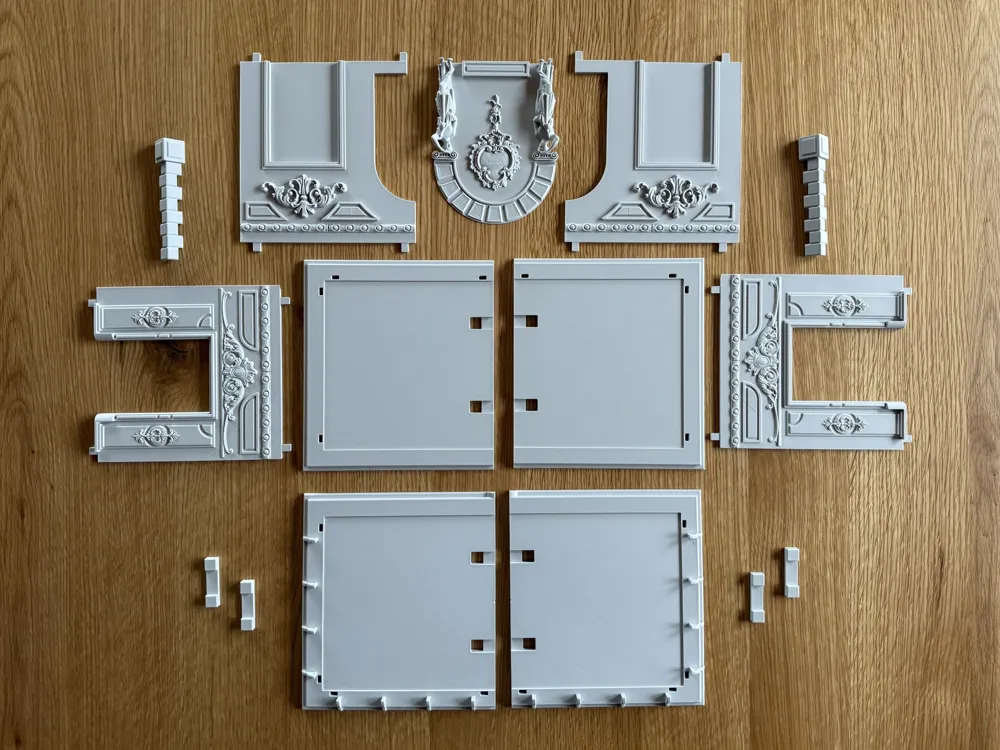
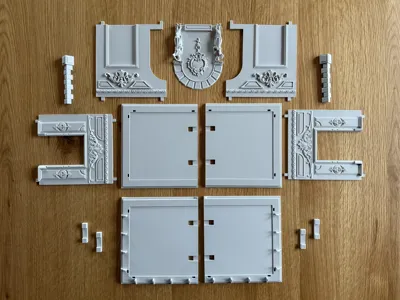
Generally, it can be said that you're okay if you print the plates in order. The order is outer shell, inner walls, interior details, and finishing touches.
Outer Shell
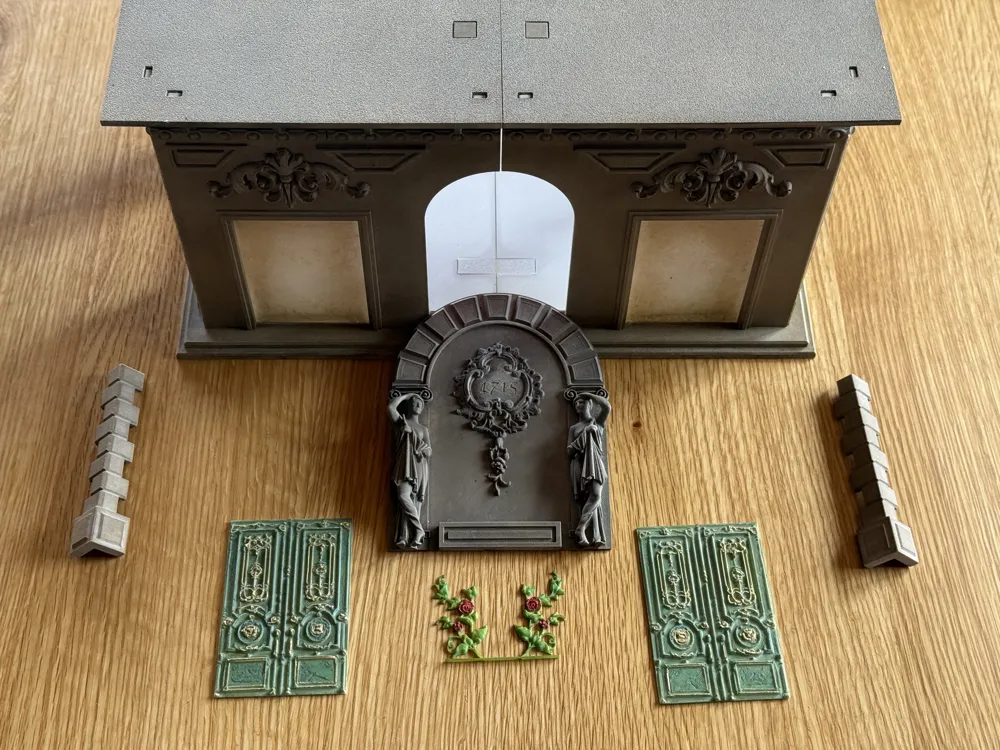
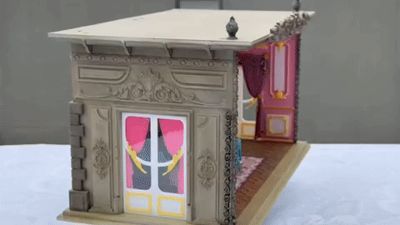
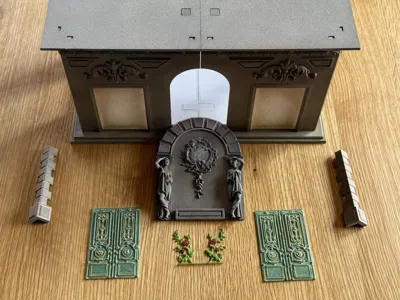
Print plates 1-5 and glue them together, so that you have top and bottom of the model. Print 6-9 and glue them into top and bottom. Optionally, paint the floor first. Print 10-14 and glue them in place, using the top for alignment only with glue only on the base. Print 15-17 for outside details.
Inner Walls
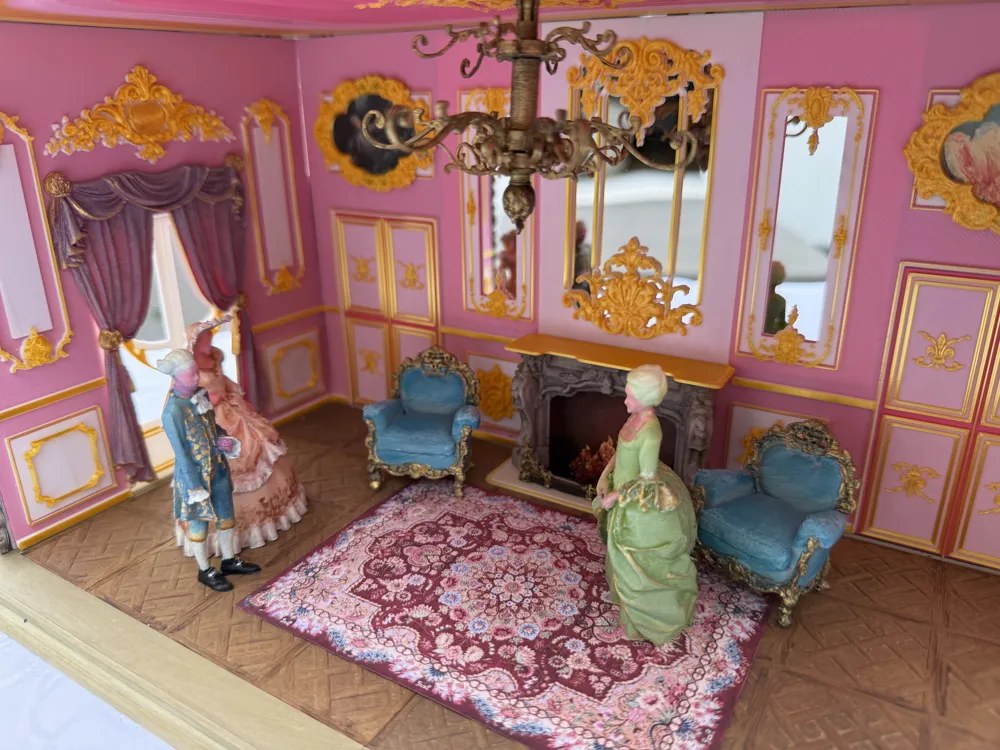
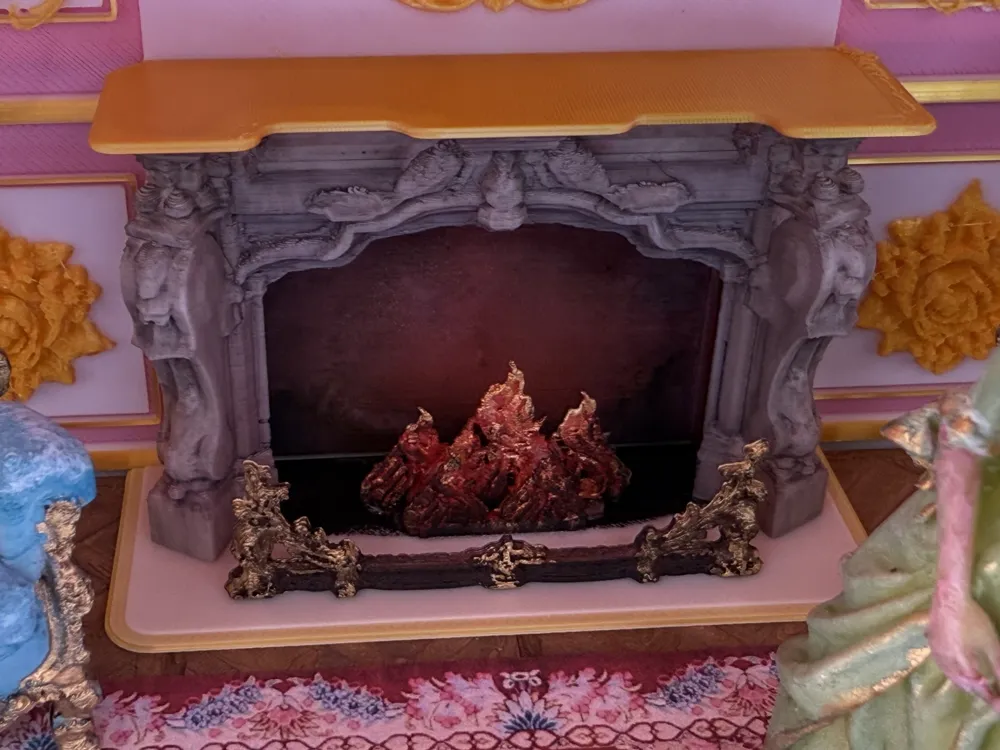
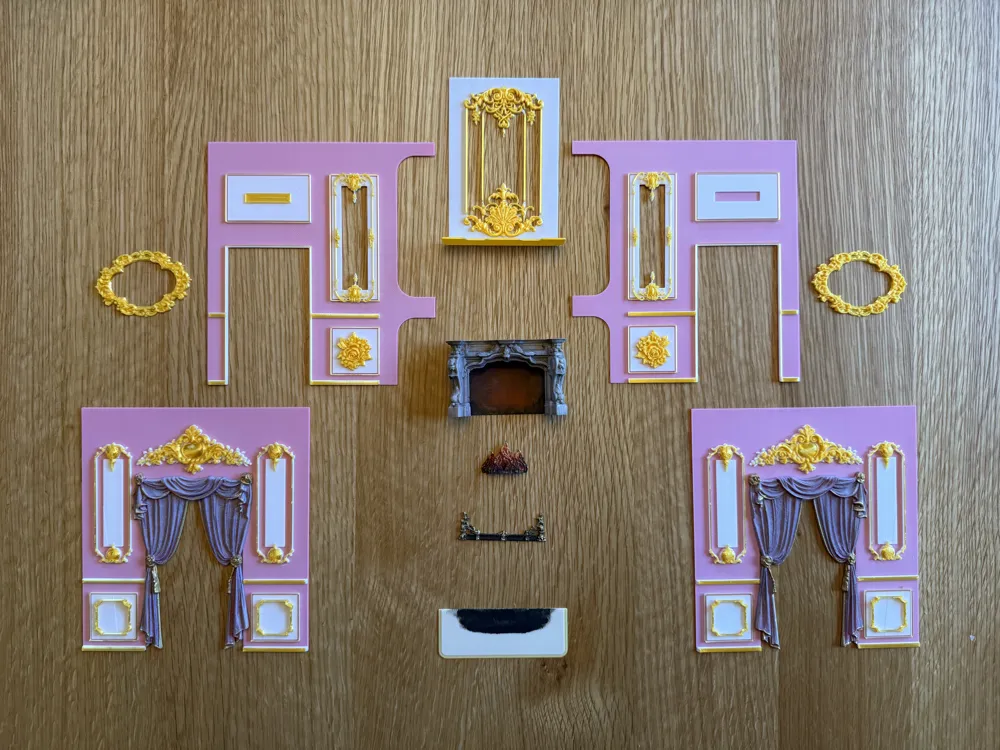
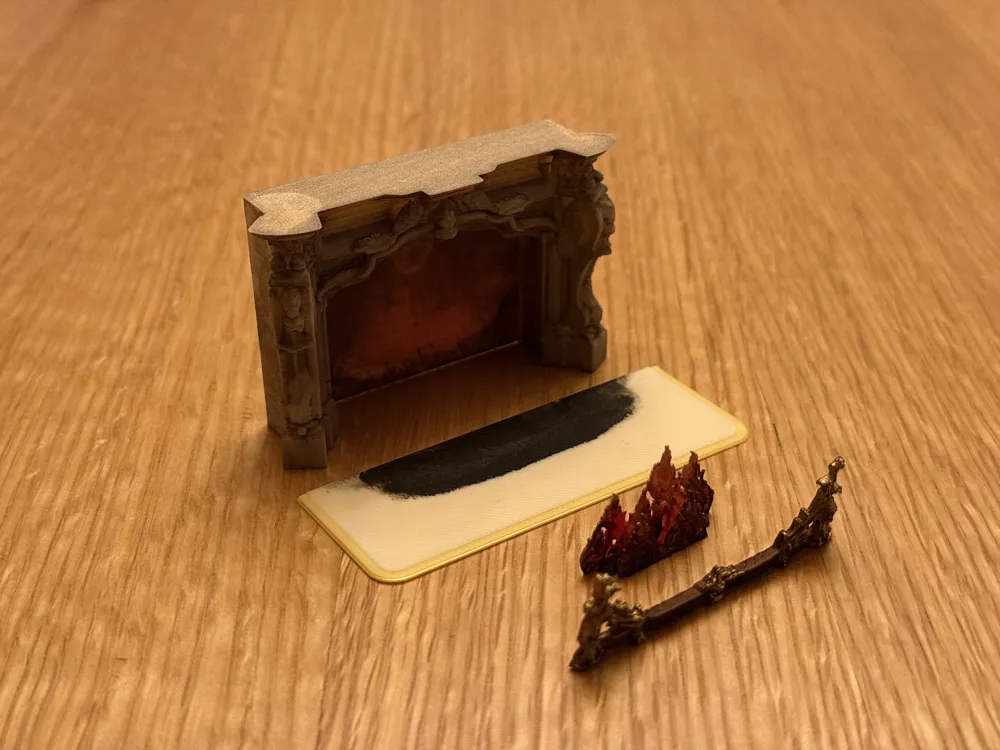
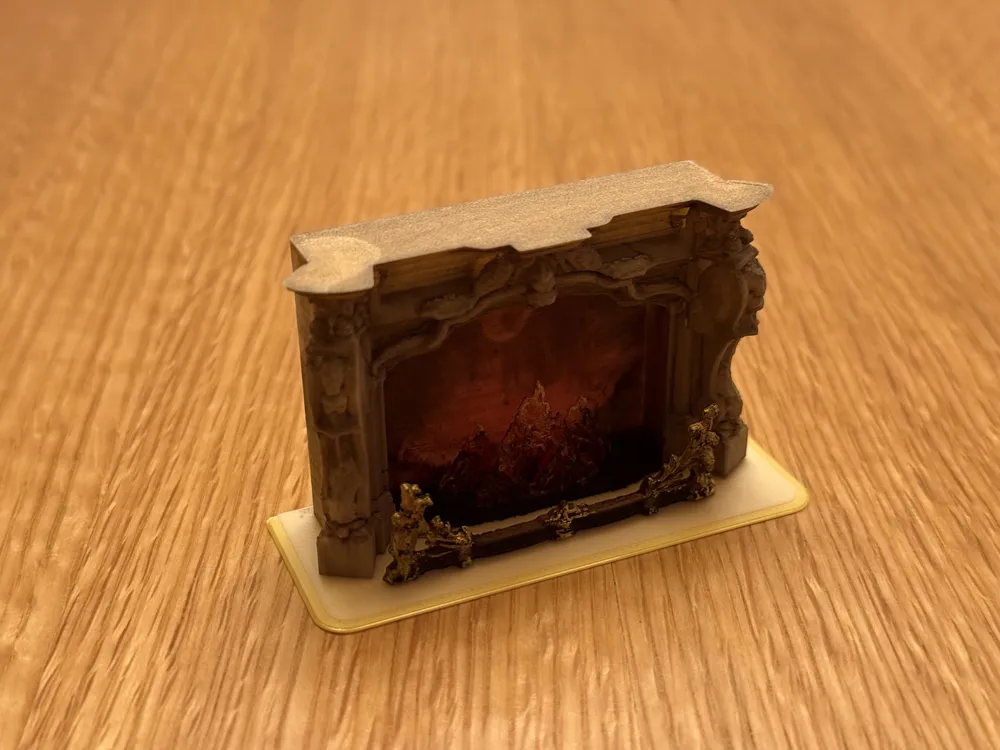
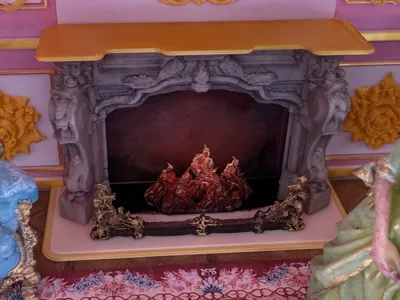
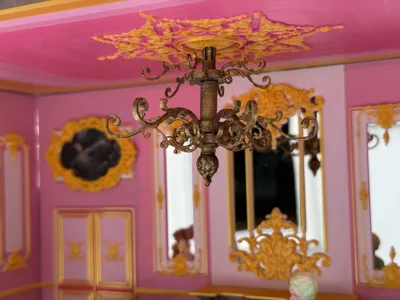
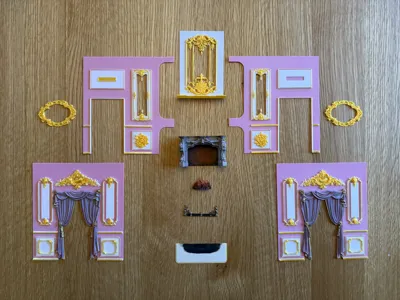
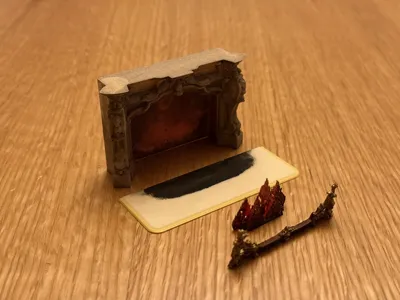
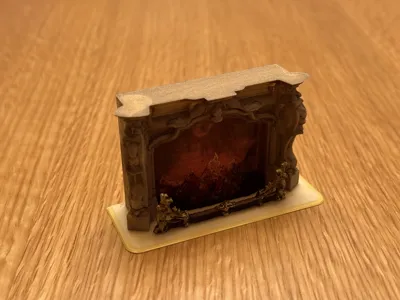
Plates 18-22 are the inner walls. Print and attach plate 23 to plate 22 after optional painting. Plates 24 and 25 add finishing touches to the inside. Before gluing, make sure you got the mirror sheet (picture #9 above) in place. Glue the four main walls and before gluing the center, print the fireplaces (plates 26-28) so that the center wall can simply sit on it. See pictures #7 and #8 if you are not sure how to put the fireplace together.
Interior details
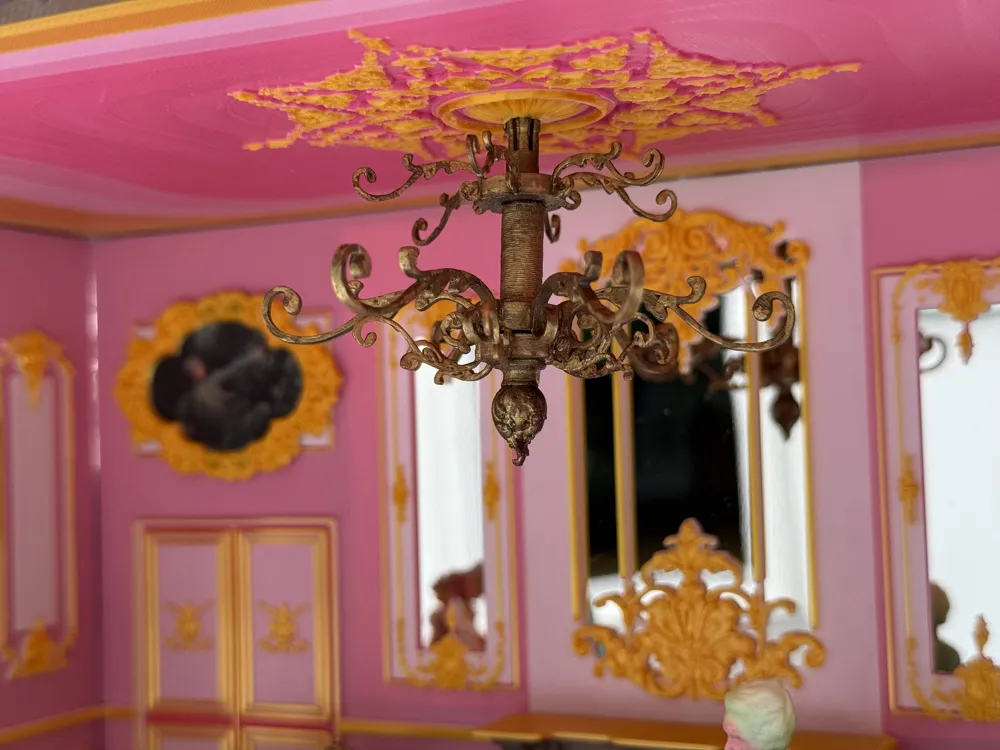
The crown moldings (plate 29) are there to make sure there's no sun shining through any of the cracks and plates 30-32 are self-explanatory. If you want to use the same pictures for your two picture frames, see the attached file in the “Assembly Guide” below. Just scale and cut the figures according to your printer.
Finishing Touches

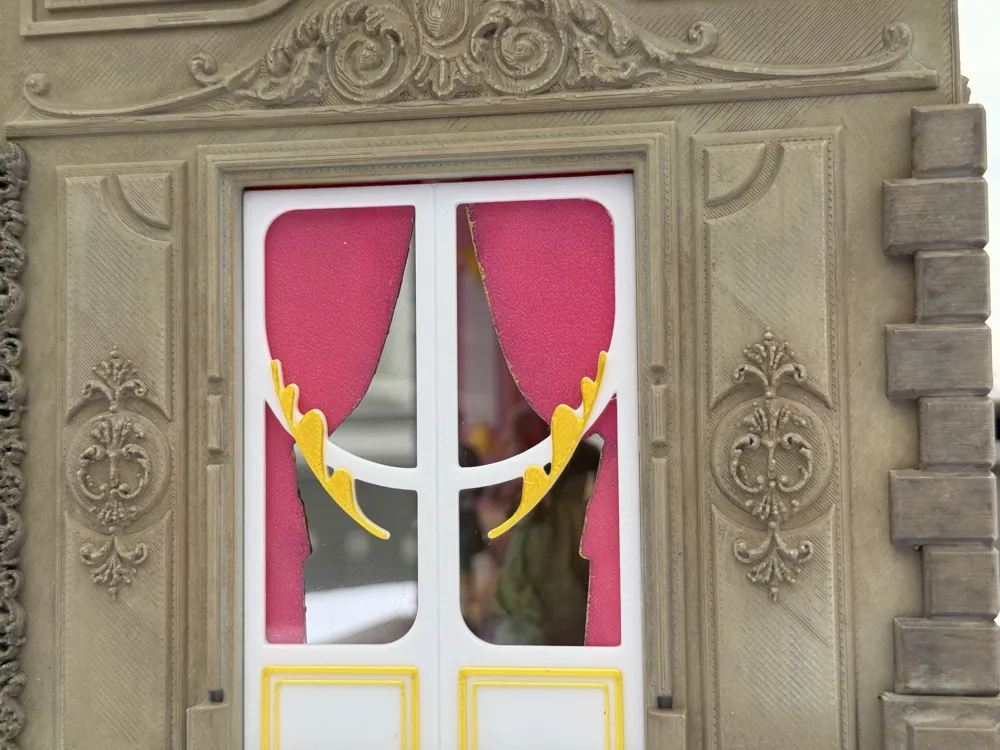
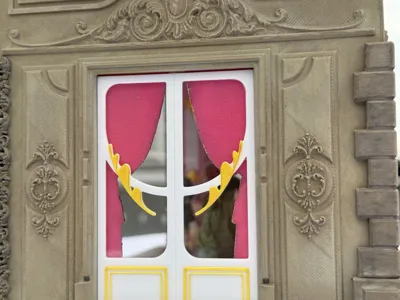
If you want to be lazy, print the Side Doors (plate 33) and done. Otherwise print them twice and glue them together with a sheet of overhead transparency in-between to make it look more realistic (note the reflections in the windows in the animated .gif file above). Number 34 you'll have to bend to get it formed into shape. Don't worry, PLA can do that… just not 20 times… bending it once to then glue it is more than okay.
Painting vs AMS
It's hard to please everyone… some people just print in a single color and them paint everything. Others prefer to just use their AMS and don't bother with weathering and that kind of stuff. I tried to find a middle ground with this model. The inner walls are meant for colored filament rather than painting. In fact, they can be printed without an AMS. The trade-off is that you lose some detail because you're printing horizontally (stack of pancakes) rather than vertically.
I thought with this one I'd give PLA Silk+ Gold a chance… and it really depends on what you're going for. After a few test prints and this model, it seems it does best with a flat surface. Note the shining gold you can see in the animated GIF above. On the other hand, the ornaments around the mirrors just look yellow to me. I doubt that anybody can print the painted fireplace, but if I wanted to give a version of this to a child rather than a collector, obviously… shiny yellow is the same as gold in Barbie Land. No, but seriously, it just depends on the look you're going for.
Analysis
Easter Eggs
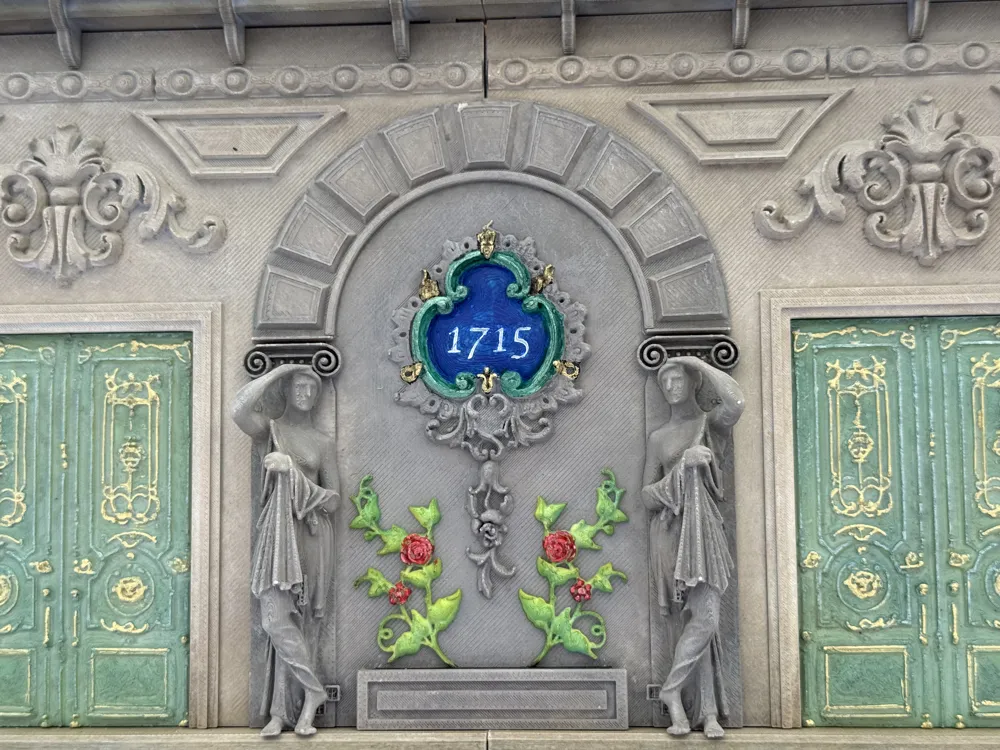
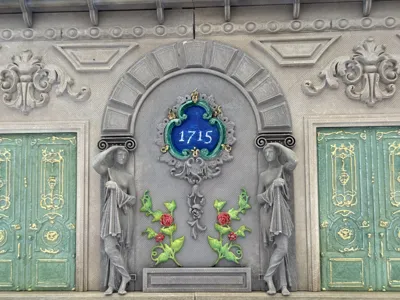
- House Number 1715: After the reign of Louis XIV (who died 1 Sept 1715), the wealthy and aristocratic moved back to Paris from Versailles and began decorating their homes in the new Rococo style that was associated with King Louis XV. The blue/green/white matches todays street signs in Paris (link) to signify the move back to the city.
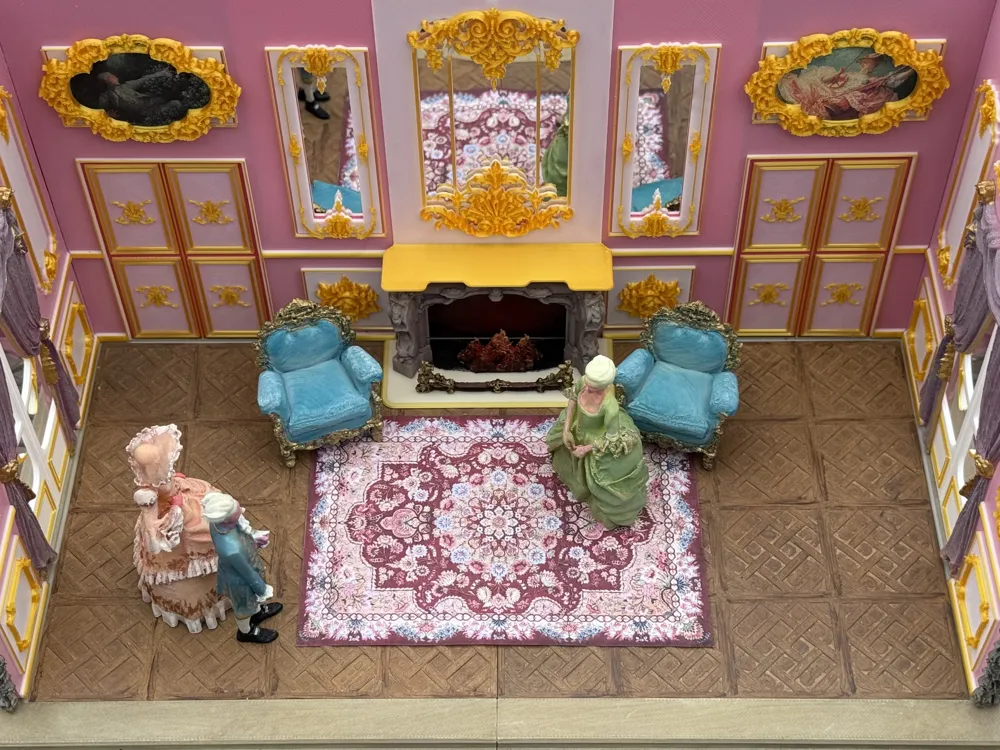
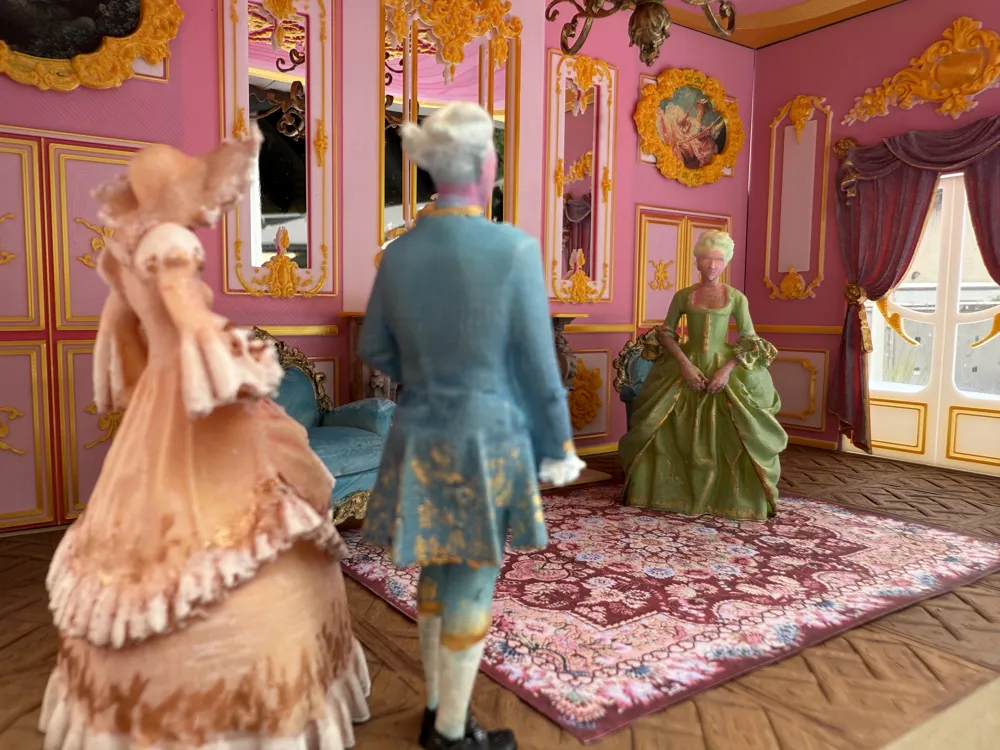
- Picture Frames: These are cutouts taken from The Swing (French: L'Escarpolette), also known as The Happy Accidents of the Swing (French: Les Hasards heureux de l'escarpolette, the original title). It's an 18th-century oil painting by Jean-Honoré Fragonard in the Wallace Collection in London. It is considered to be one of the masterpieces of the Rococo era, and is Fragonard's best-known work.
- Side Doors: Are in fact slightly off center (and now you can't unsee it, I'm sorry). This is an homage to a certain Rococo artist who did something similar in Italy… I'll leave it to you to google this particular one.
Color Theory
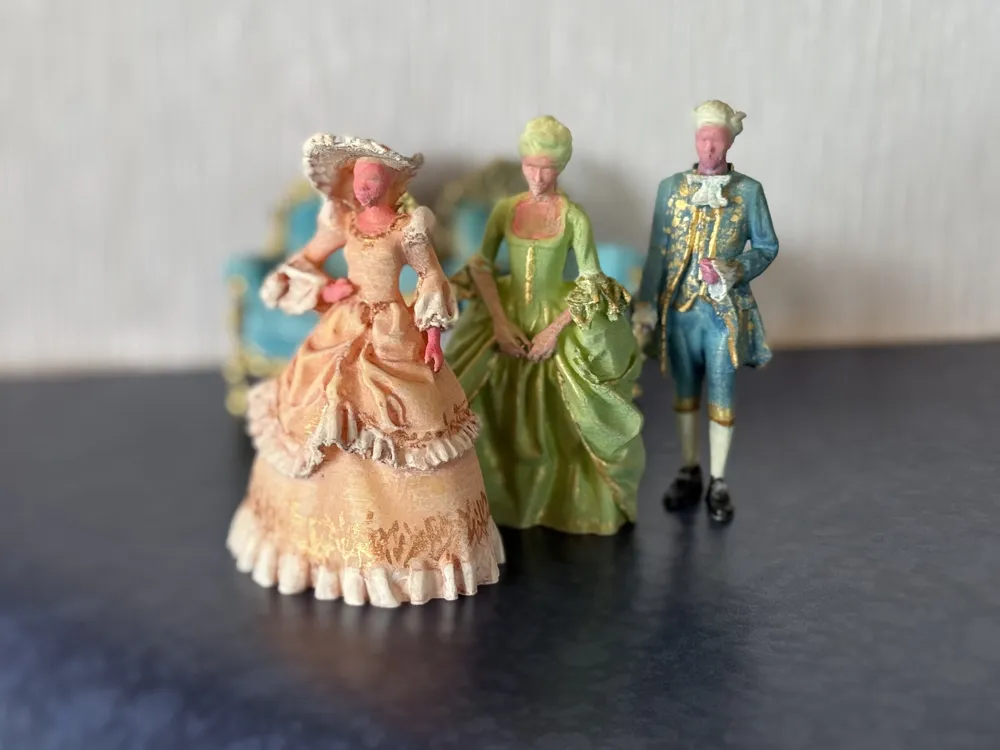
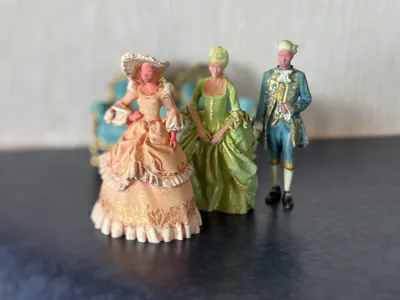
The hostess is wearing green, complementary to the pink of the room, in order to stand out… he's wearing blue, the chairs are blue, and there are only two of them. His wife blends in with the room's colors and virtually disappears. Already mentioned easter egg #2… now, if you're an art history student, you go ahead and put 2 and 2 together and you know what's really going on here. Starting from 23:16 this video will explain The Swing a bit more in the context of the time.
Notes
Powered by Image-to-3D from MakerWorld (https://makerworld.com/makerlab/imageTo3d)
Powered by Make My Statue from MakerWorld (https://makerworld.com/makerlab/makeMyStatue)
Powered by Relief Sculpture Maker from MakerWorld (https://makerworld.com/makerlab/reliefSculptureMakerV2)
Documentation (1)
License

You shall not share, sub-license, sell, rent, host, transfer, or distribute in any way the digital or 3D printed versions of this object, nor any other derivative work of this object in its digital or physical format (including - but not limited to - remixes of this object, and hosting on other digital platforms). The objects may not be used without permission in any way whatsoever in which you charge money, or collect fees.


Comment & Rating (16)