
PETG Ironing Calibration Test
Print Profile(1)

Bill of Materials



Description
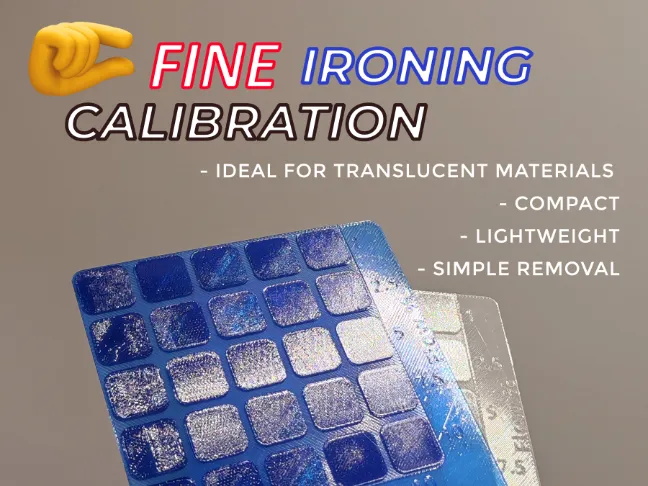
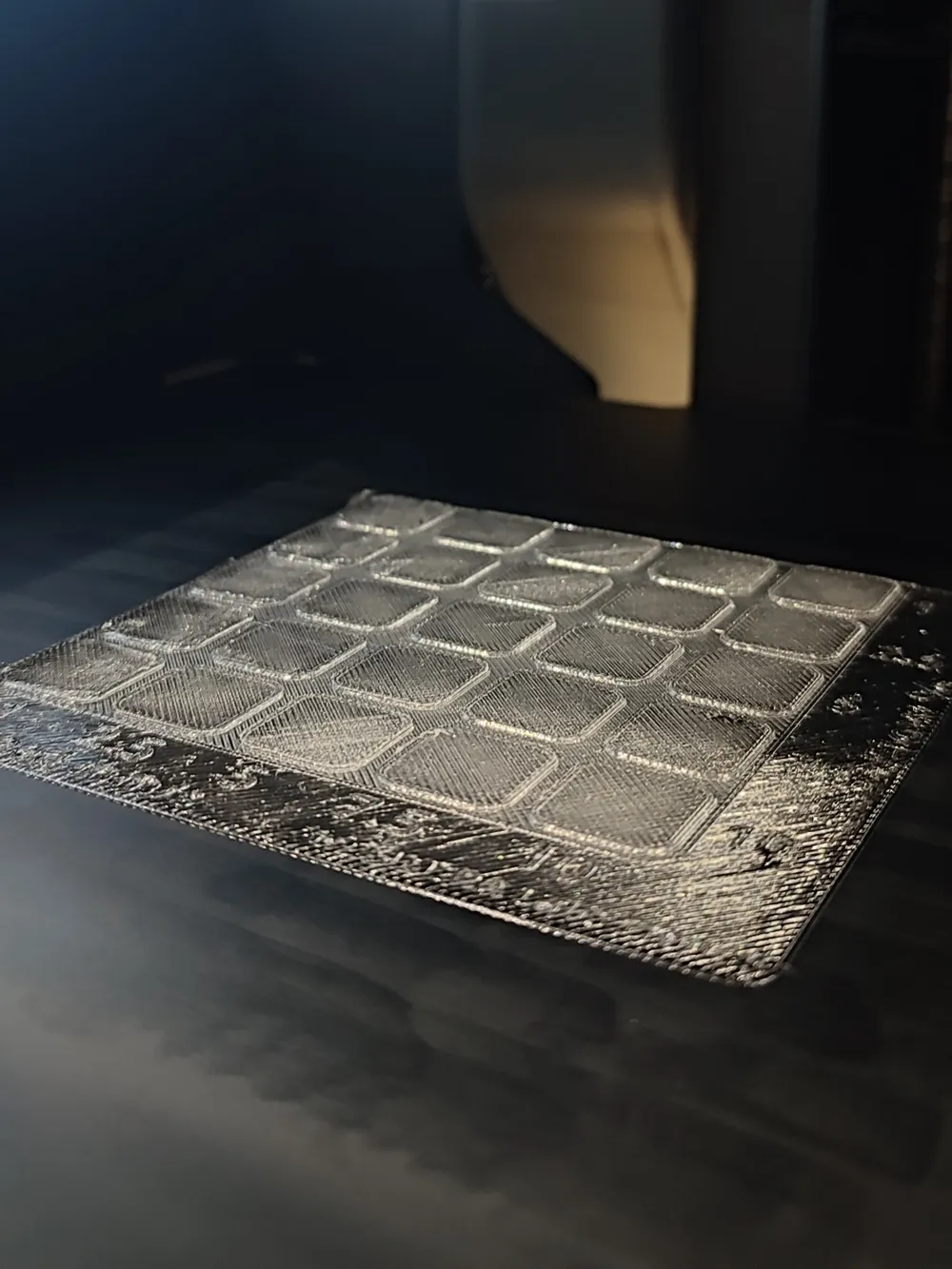
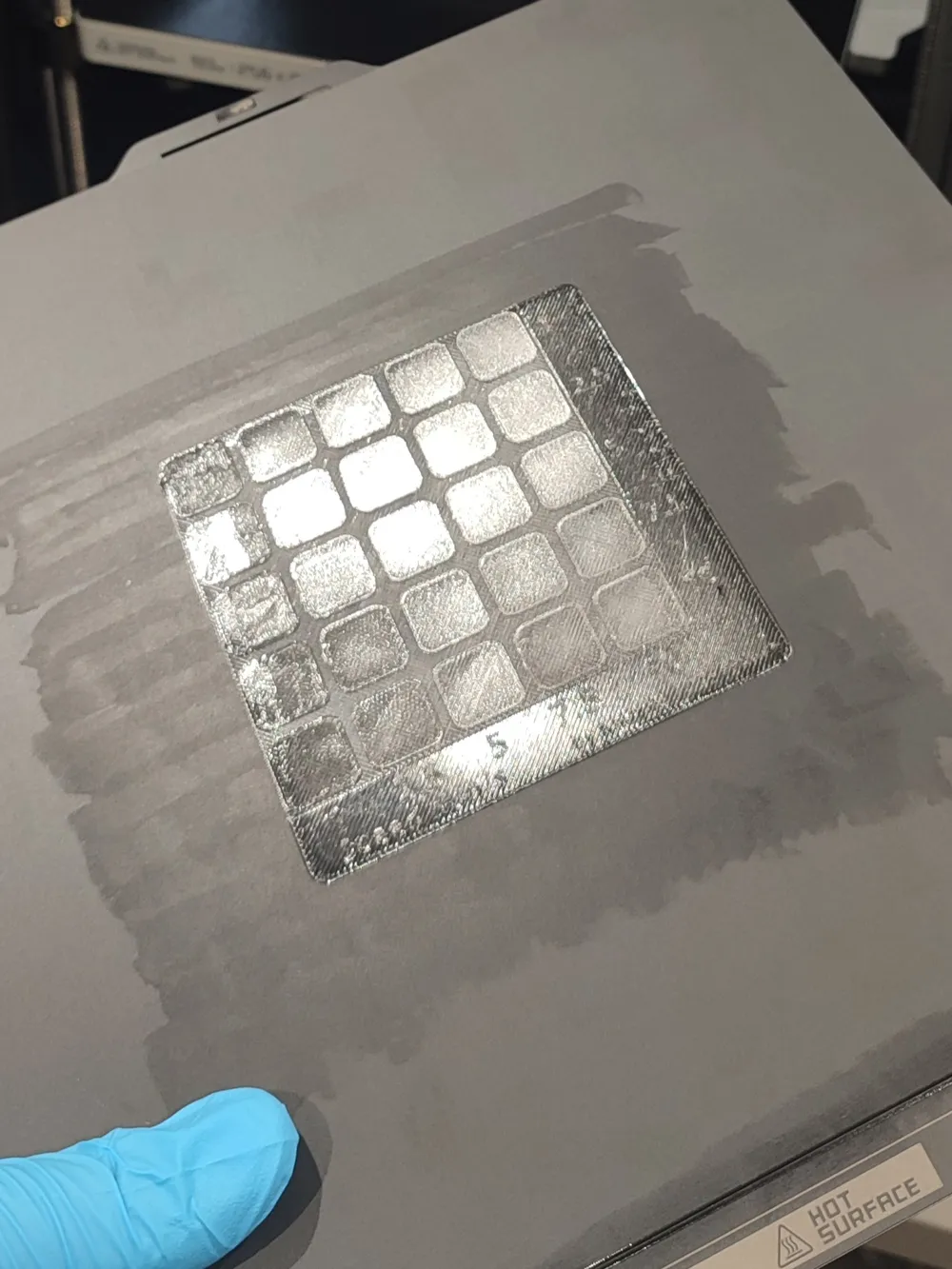
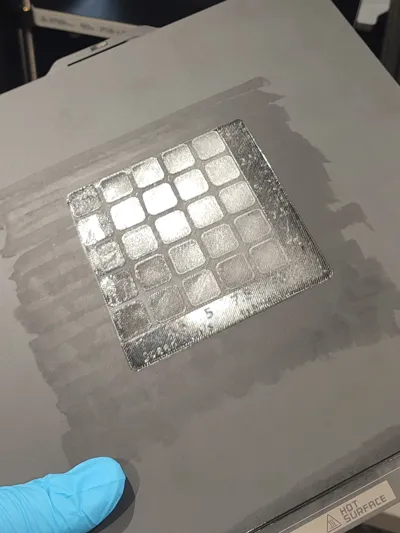
PETG Ironing Calibration Test (Low Speed & Flow Plate)
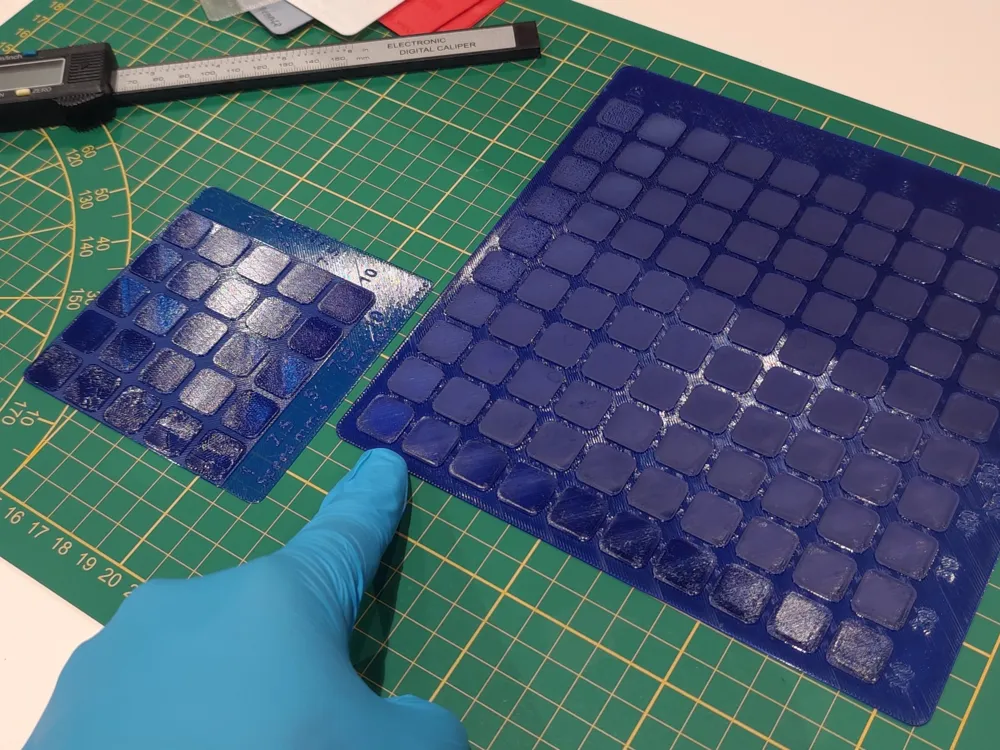
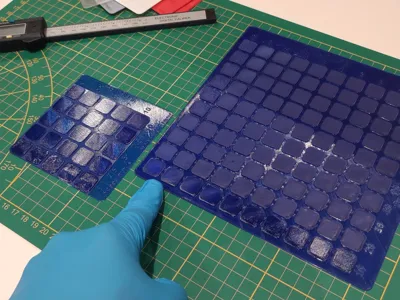
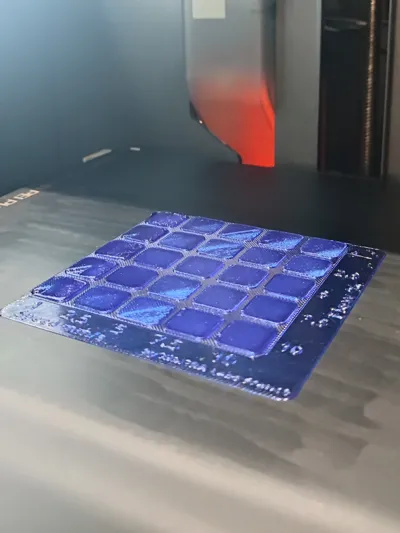
This is a variant of our ironing calibration process: made specially for PETG and any other materials that work better with very low speeds.
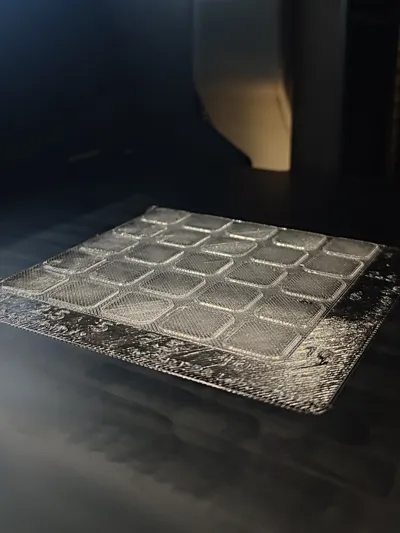
For some materials, especially PETG and translucent filaments, it’s necessary to go even lower in flow and speed to find the true sweet spot for surface quality.
What’s New in This Version:
- Works with any filament, but optimized for tricky PETG and translucent blends
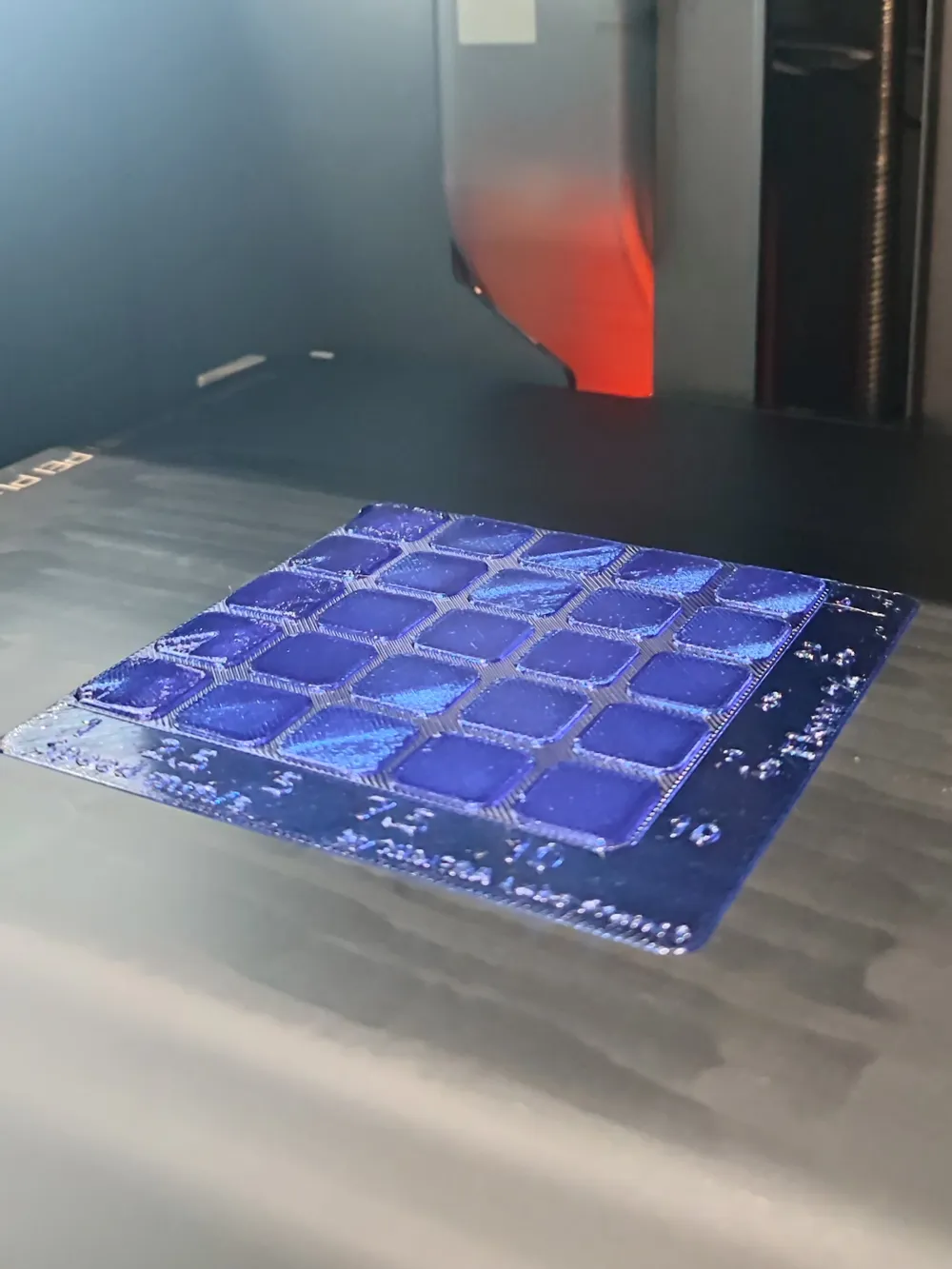
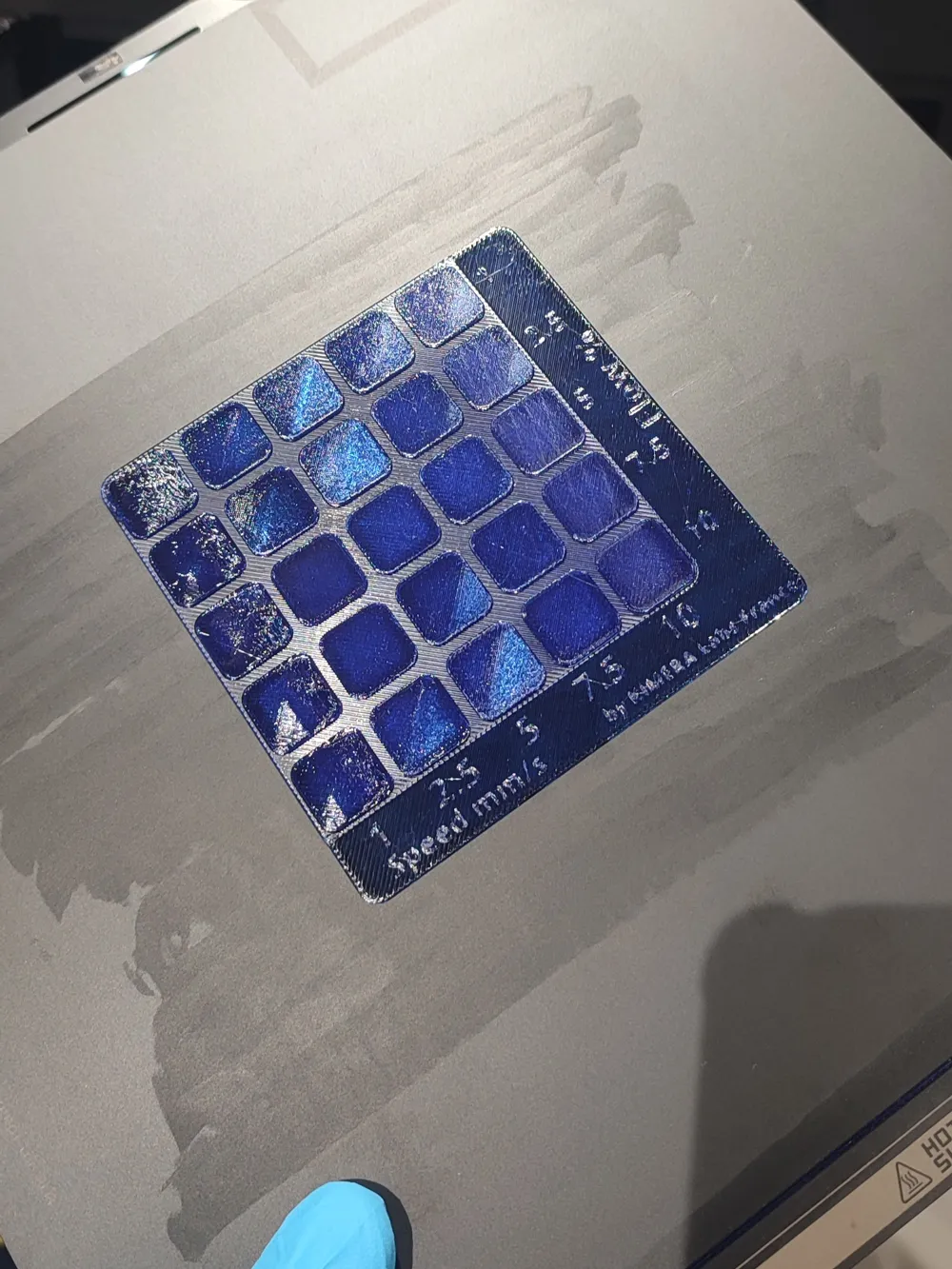
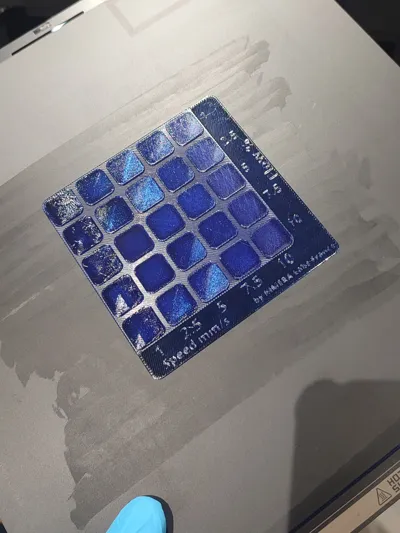
- Flow rates: 1%, 2.5%, 5%, 7.5%, 10%
- Speeds: 1 mm/s, 2.5 mm/s, 5 mm/s, 7.5 mm/s, 10 mm/s
- Ultra-fine resolution for pinpointing the true sweet spot
- ♻️ Eco-conscious design, low material use, long-term value
- 🧩 Single-piece model, easy to store, no mess
How to Use:
- (Optional) If you are unsure you should go under 10mm/s and/or 10% flow rate (typical case for PETGs), you must first try our Ultimate Ironing Calibration Test. This FINE version is meant for dialing in extra precision once you’ve found a good baseline.
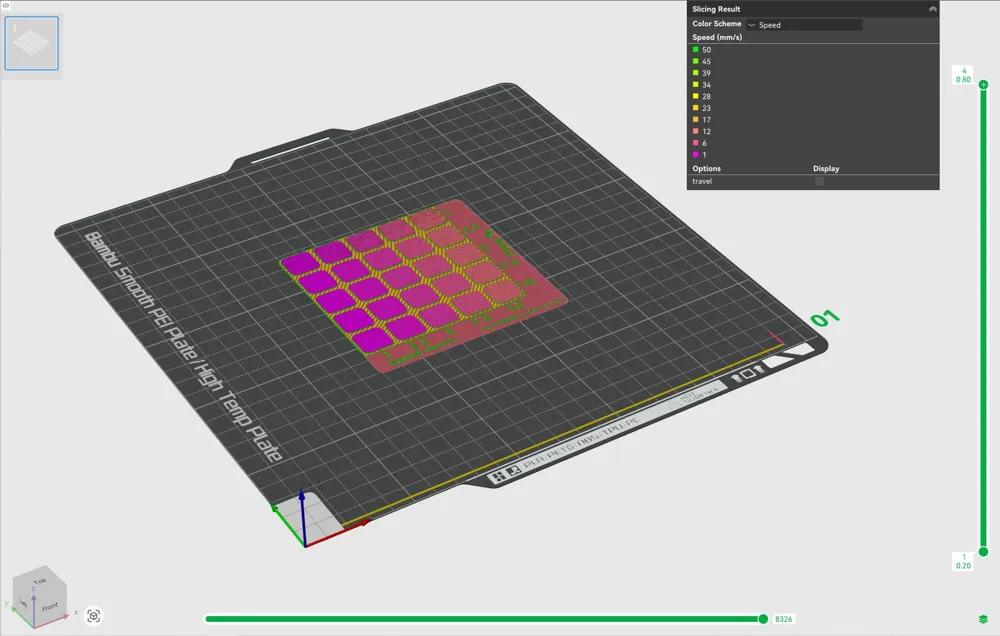
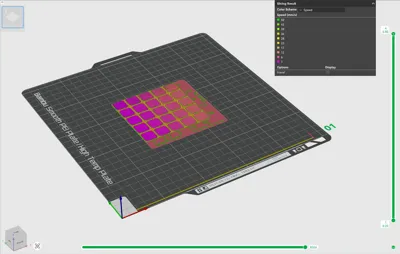
- Once preparing this “Fine” version, you must select your machine, bed type, and material preset.
- Then, and this is key, set the global print speeds to match what you actually use in your real-world prints.
- (Optional) If printing in materials other than PLA, apply a thin layer of glue stick to the build plate, this helps preserve the plate.
- Once printed, inspect and note the speed/flow combination that matches your personal preference.
🔍 How to Interpret the Results:
This calibration plate is not about finding one perfect setting , it’s about helping you discover what looks and feels best to you.
As you examine the printed plate:
- Focus on the top surface texture in each block.
- Compare areas with different ironing speeds and flow percentages.
- Look for what matches your ideal surface quality.
🌍 Why We Made This:
Instead of dozens of single-use test pieces, this plate offers a compact, reusable reference you can keep for years.
At KIMERA Labs France, we’re committed to designing practical tools that help makers level up their printing without creating unnecessary waste.
❤️ Support Our Work
We’re just getting started! more smart, sustainable, high-quality calibration tools are on the way.
Your support helps us keep bringing high-quality, maker-first designs to the community. Merci ! 🙏
Boost Me (for free)
This is just the first of many advanced, community-minded tools we're preparing. If you found this model helpful, please:
⚡ Boost Us
👍 Give it a like
💬 Drop your feedback, we read it all!
🌟 Follow KIMERA Labs France to stay updated on our latest tools
License

You shall not share, sub-license, sell, rent, host, transfer, or distribute in any way the digital or 3D printed versions of this object, nor any other derivative work of this object in its digital or physical format (including - but not limited to - remixes of this object, and hosting on other digital platforms). The objects may not be used without permission in any way whatsoever in which you charge money, or collect fees.


Comment & Rating (16)