
SO45 analog meter backlight by led filament
Print Profile(1)

Description
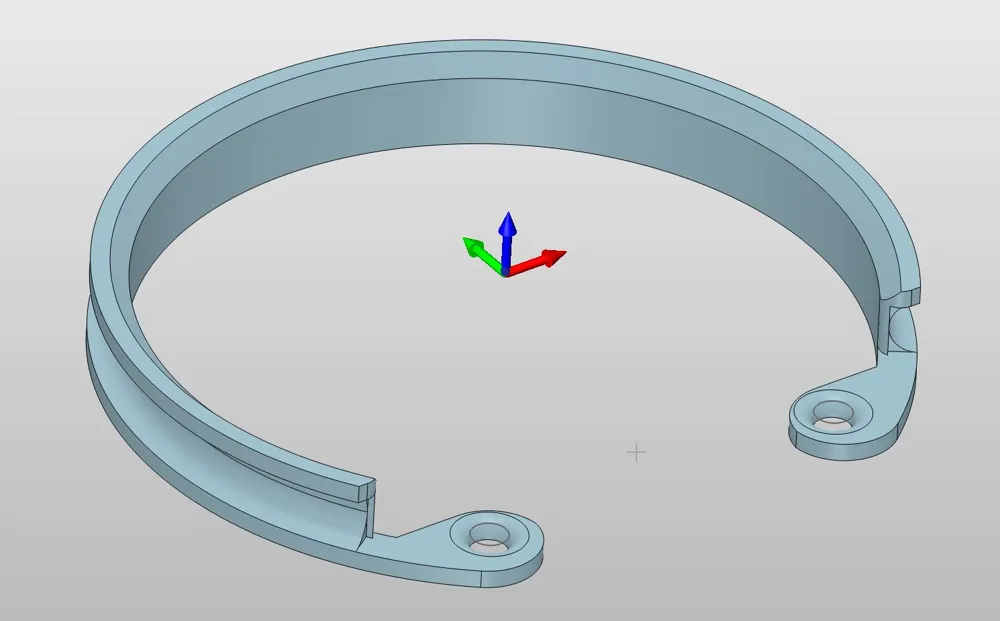
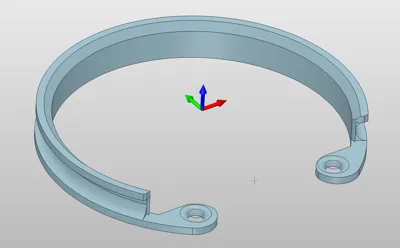
This insert for SO45 analog meters allows you to add scale illumination.
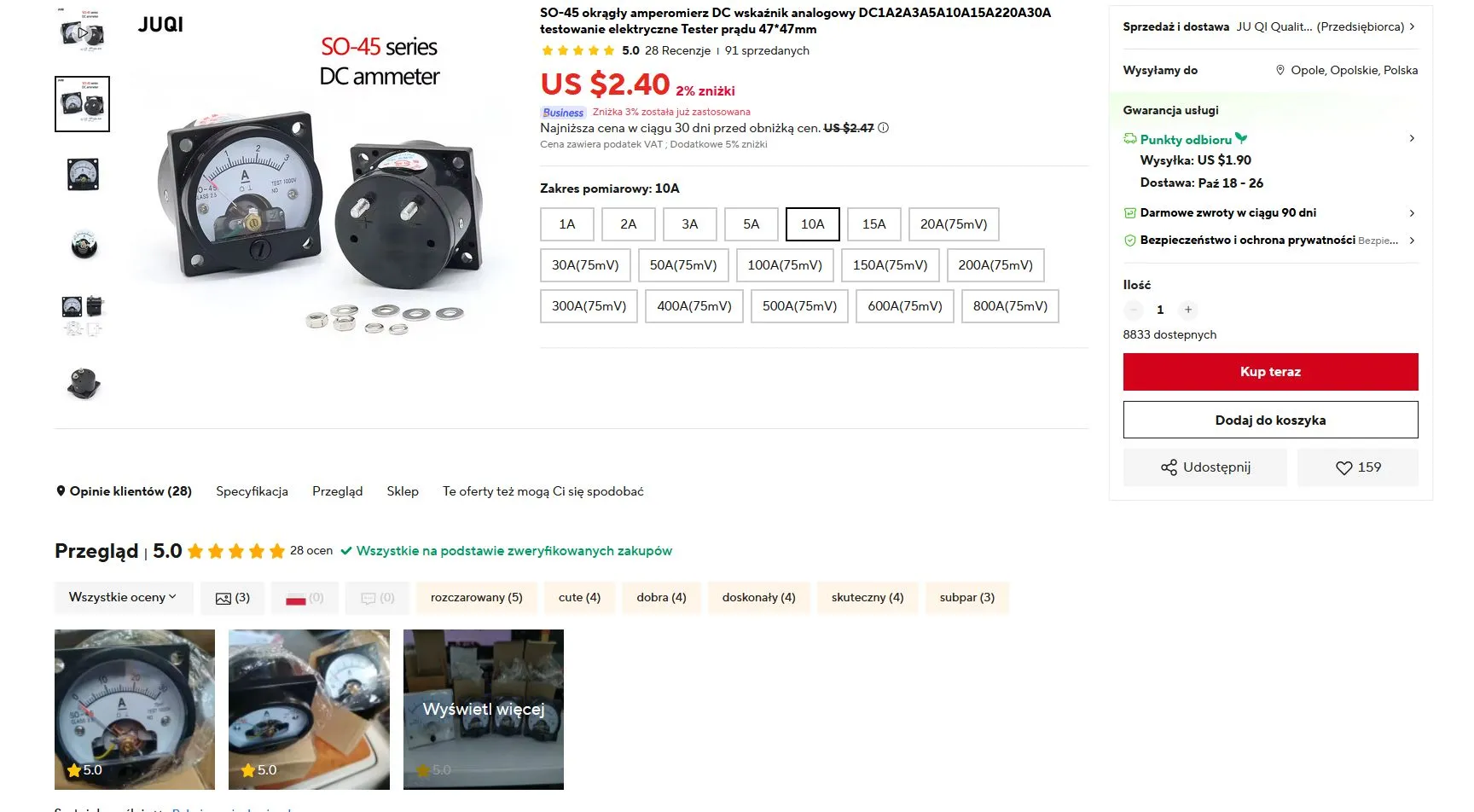
SO45 meters without illumination are cheap and wide available for few dollars. Versions with illumination cost above 10$ and … they are not so nice…
Glue (or simply wrap) a flexible filament LED to the outside of the insert (the black outer casing will hold it in place). Filament LEDs (flexible!) should be at last 80mm, better 95-110 mm long.
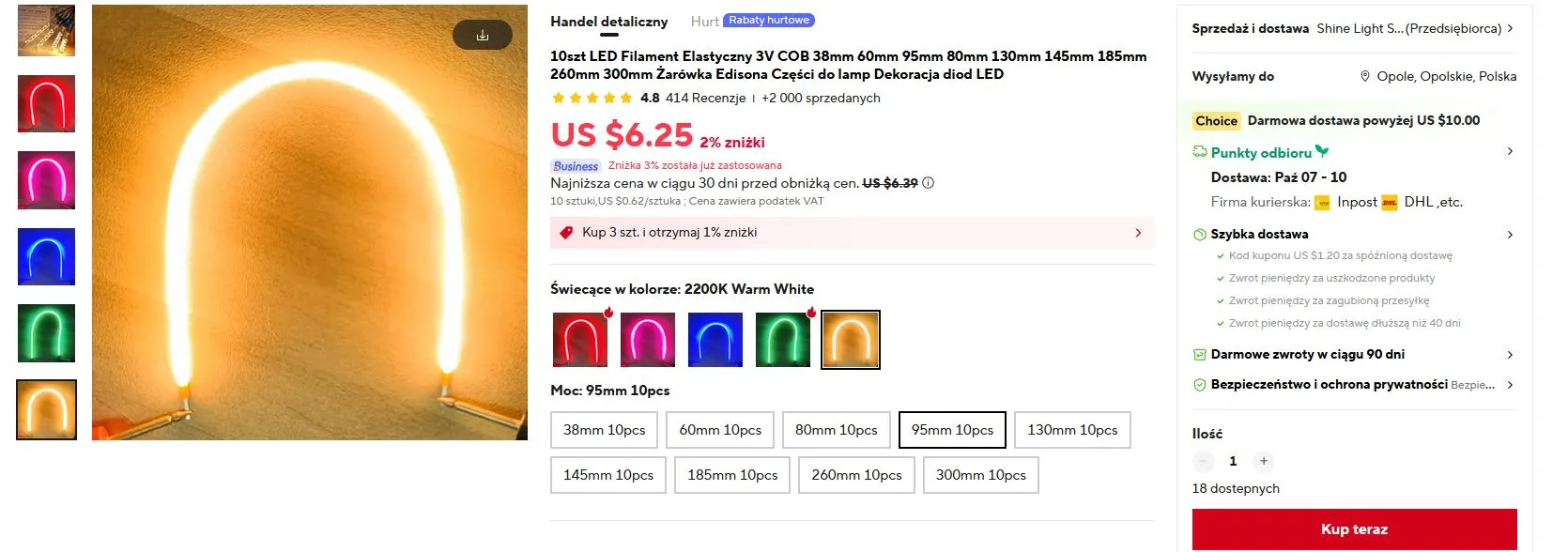
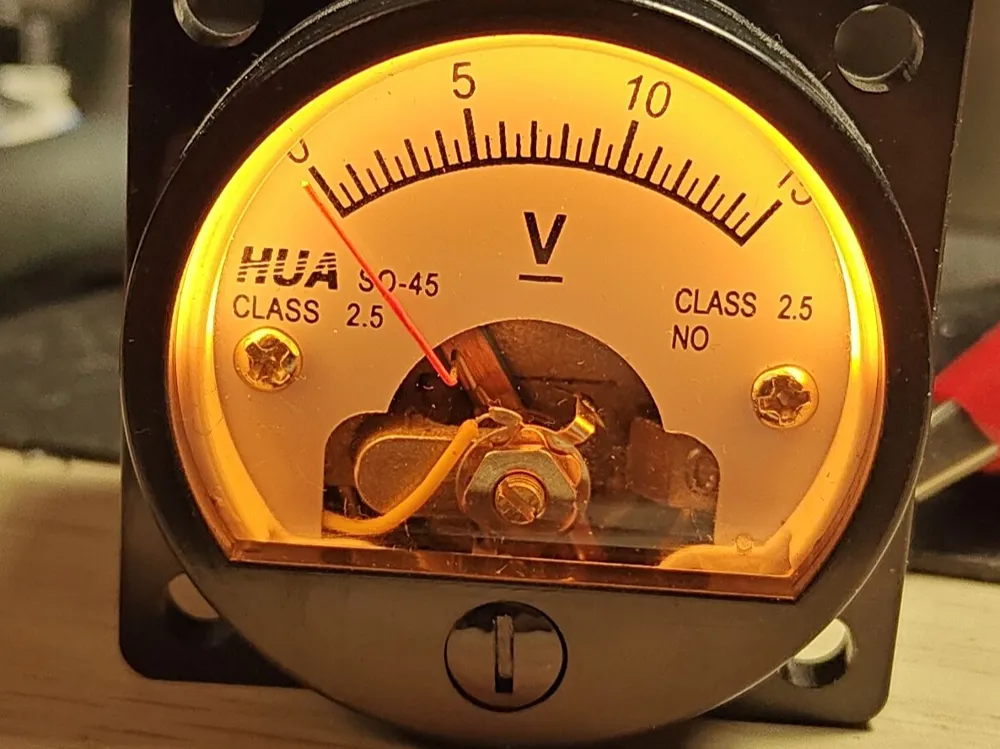
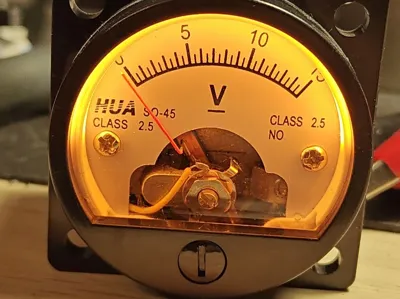
Using a typical flexible filament LED strip, 80-110mm long and with a color temperature of 2700K, will create the retro-style backlighting seen in the photo:
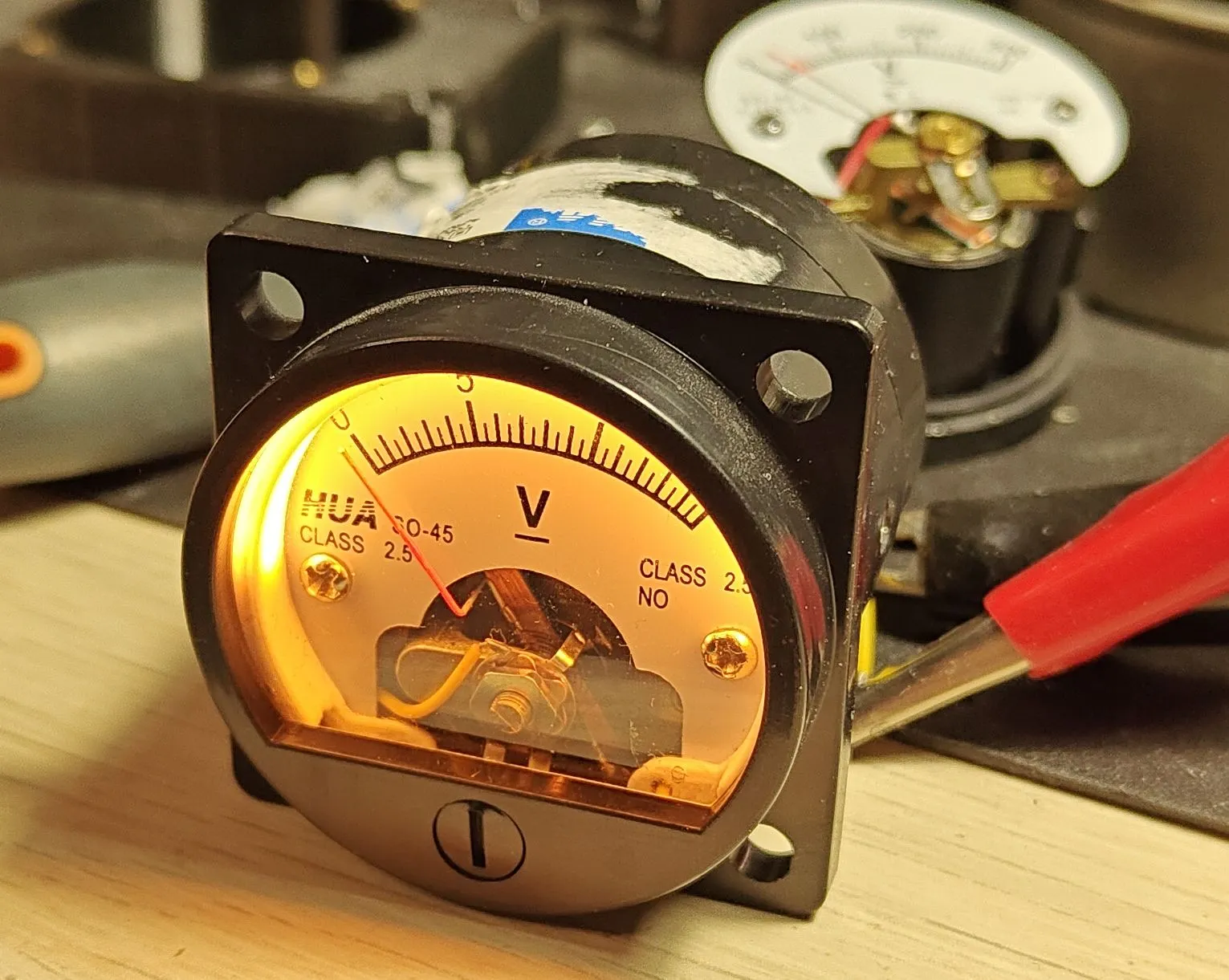
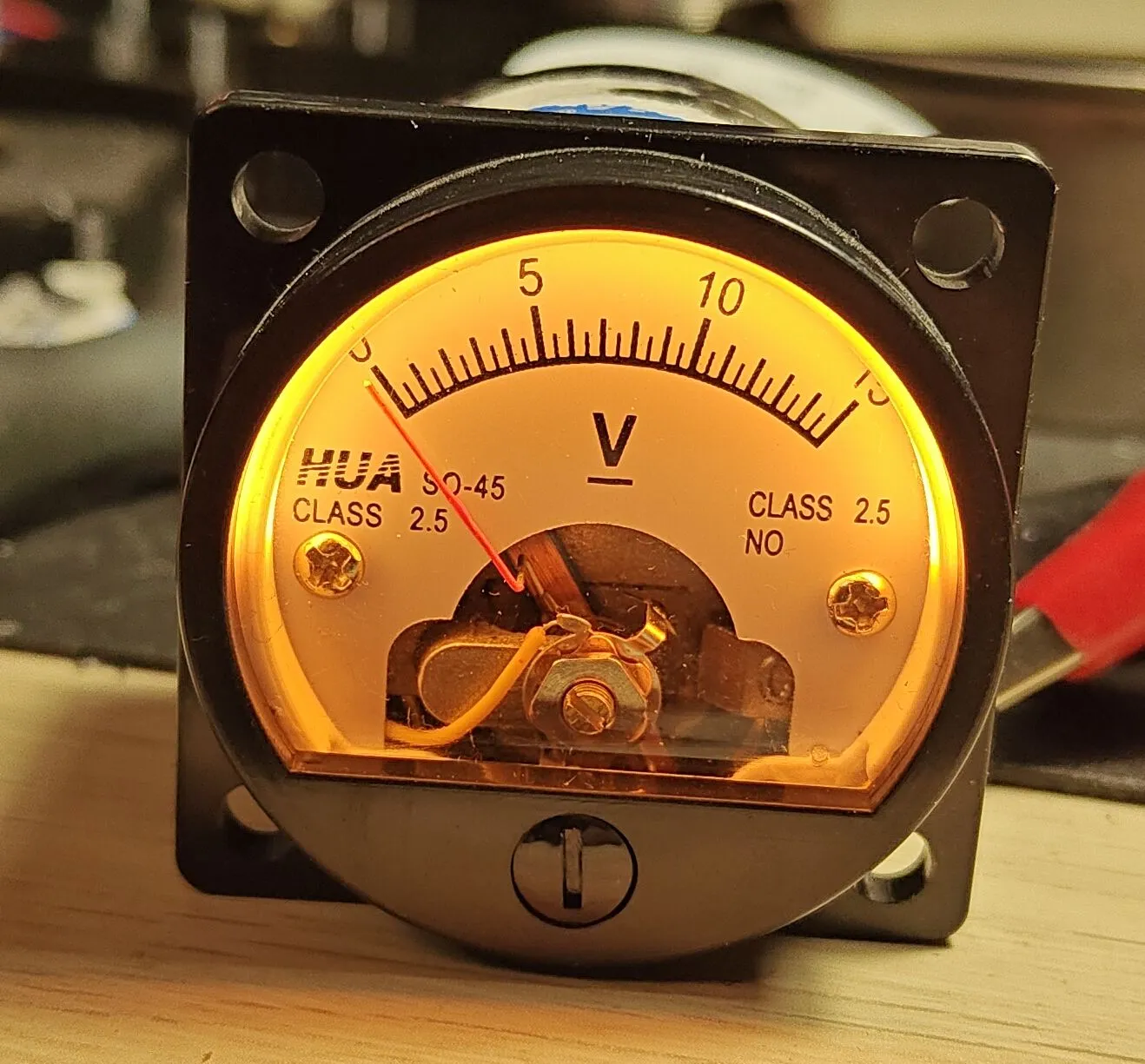
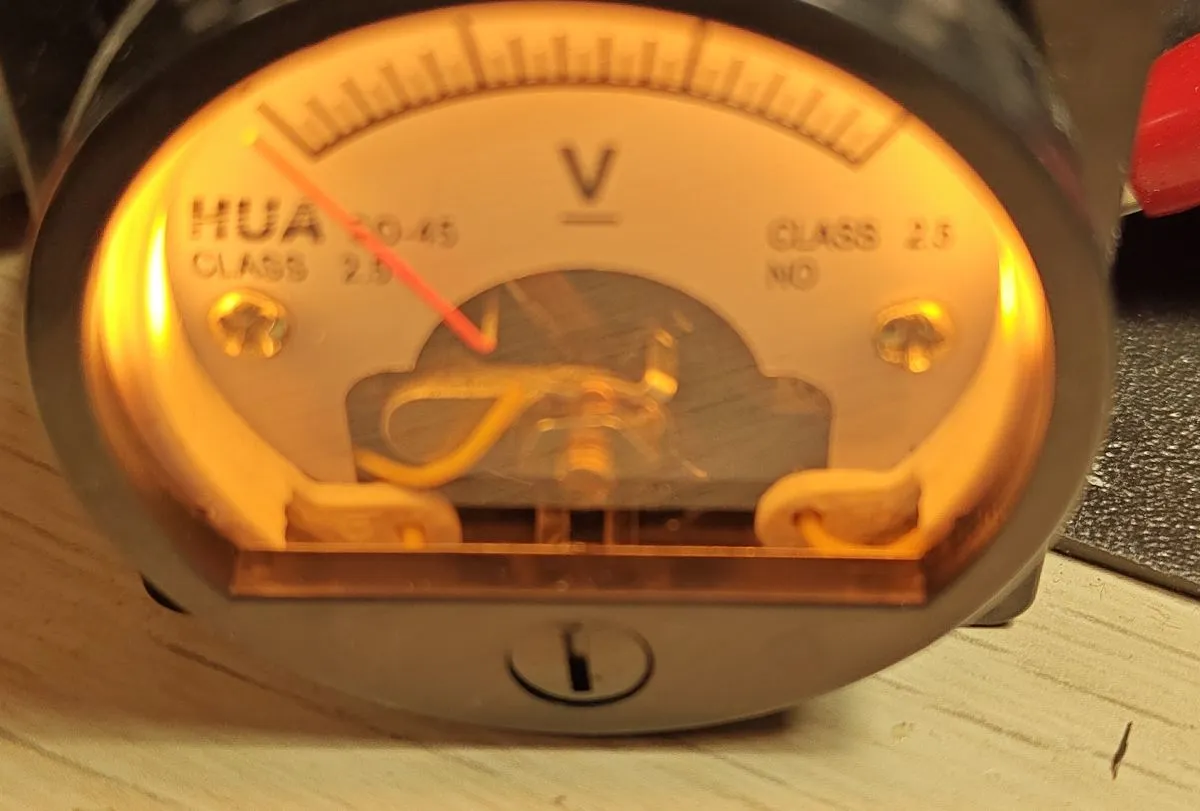
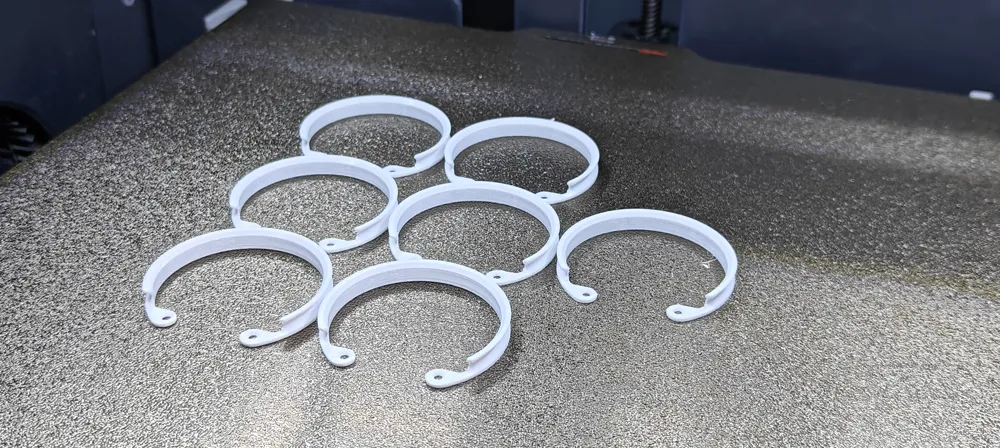
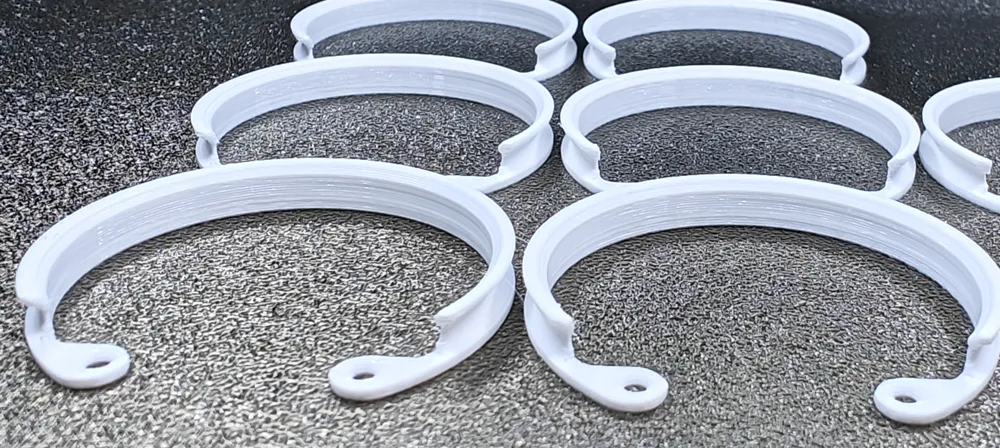
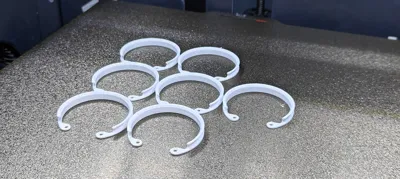
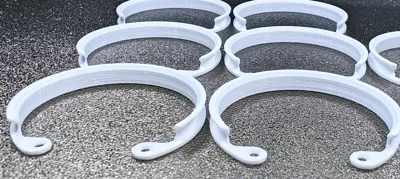
The insert can be printed with transparent filament, but due to its very low thickness, regular white filament will be fine. My photos show it printed with the cheapest white PETG.
Flexible filament LED strips are nice, because you don't even have to keep track of which side the luminous structures are on – the light emits from all sides, so wire it around this insert. As glue - i prefer some B7000 glue (transparent), because classic “one second glue” “superglue” etc (Cyanoacrylate glue) do not grip to silicone coating filament on leds. But you do not need glue at all, wrap led and wire thru holes, this will be ok.
It's important to first solder the thin wires to the LED terminals before gluing the filament to the insert. Then, route them through the existing holes in the printed insert, around the sides of the meter mechanism, and loosely out of the meter (through the existing hole or by making a new one). Then, closing the outer casing should not interfere with the wires and will not accidentally press the wire against the meter mechanism, which would block the needle's movement.
License



Comment & Rating (0)