
Fully Articulating Human Spine




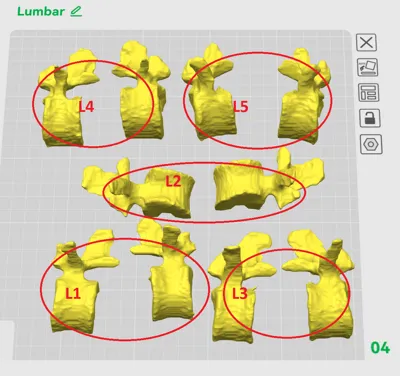
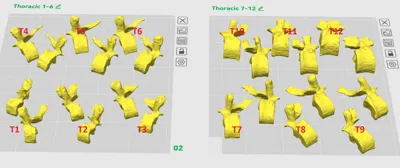
Print Profile(2)


Description
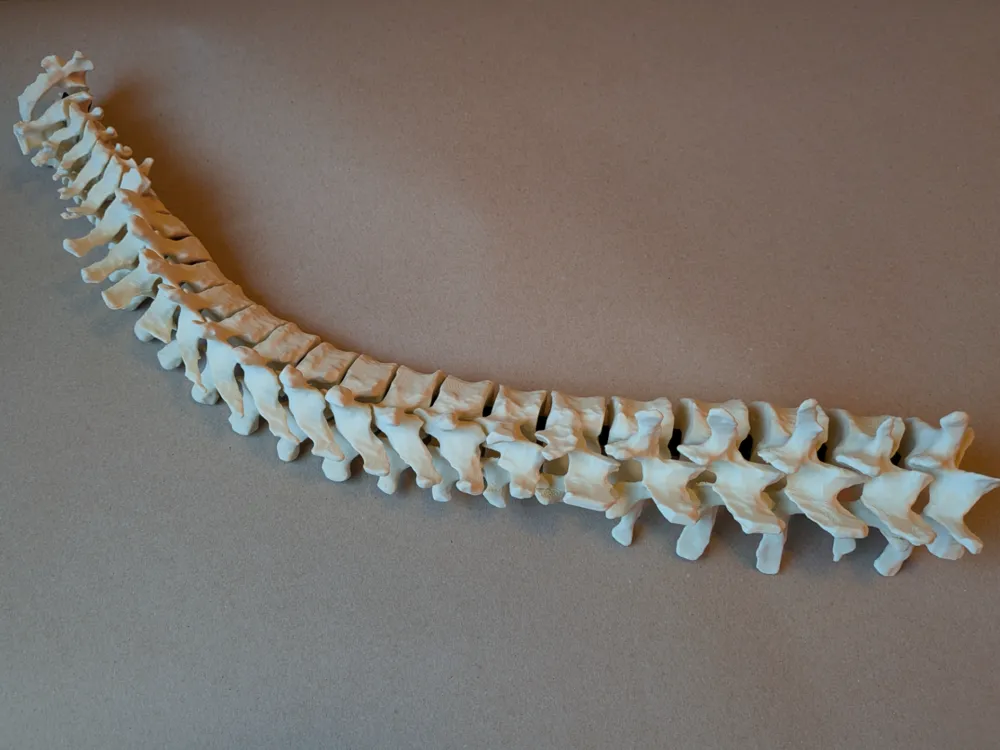
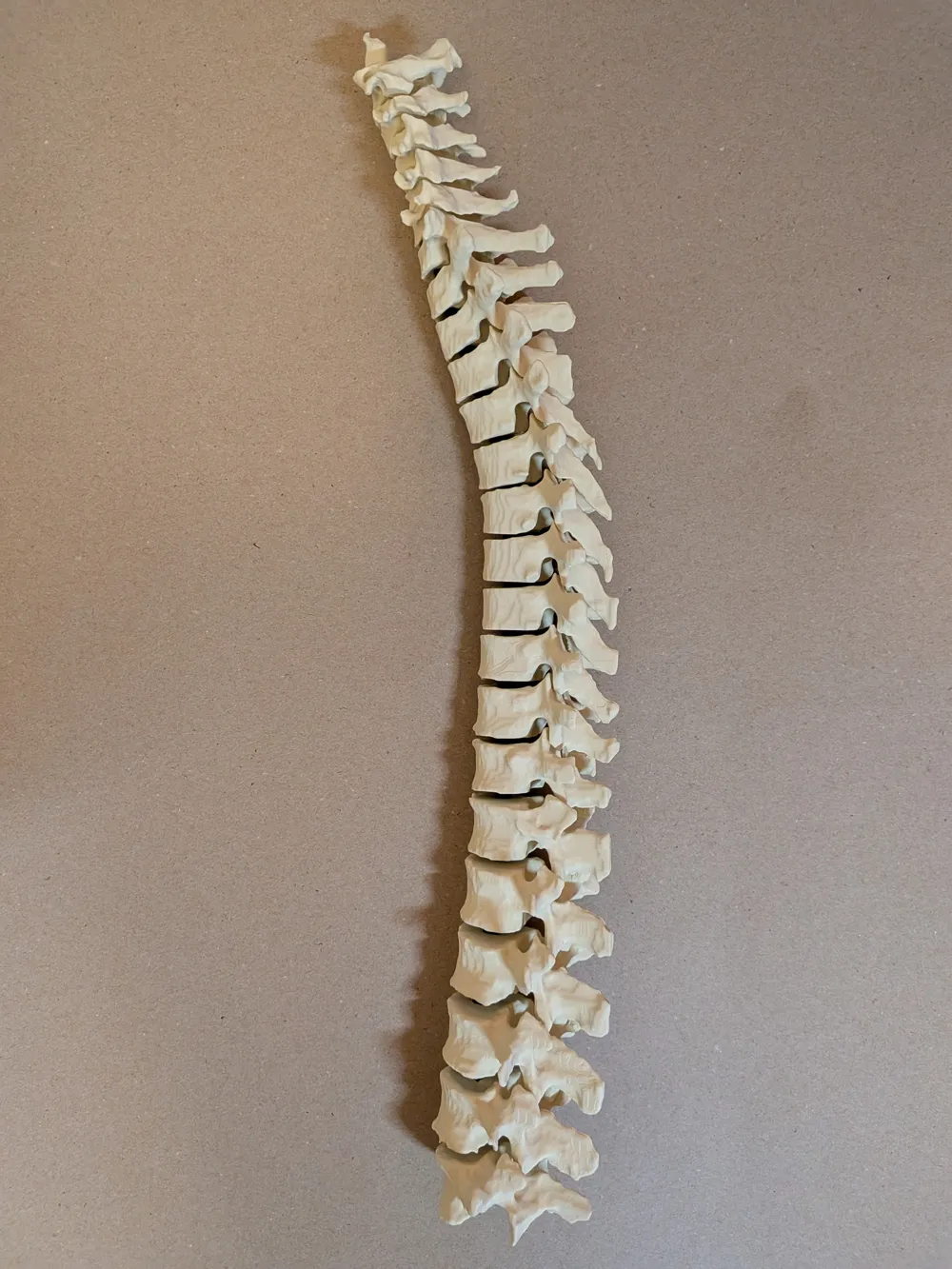
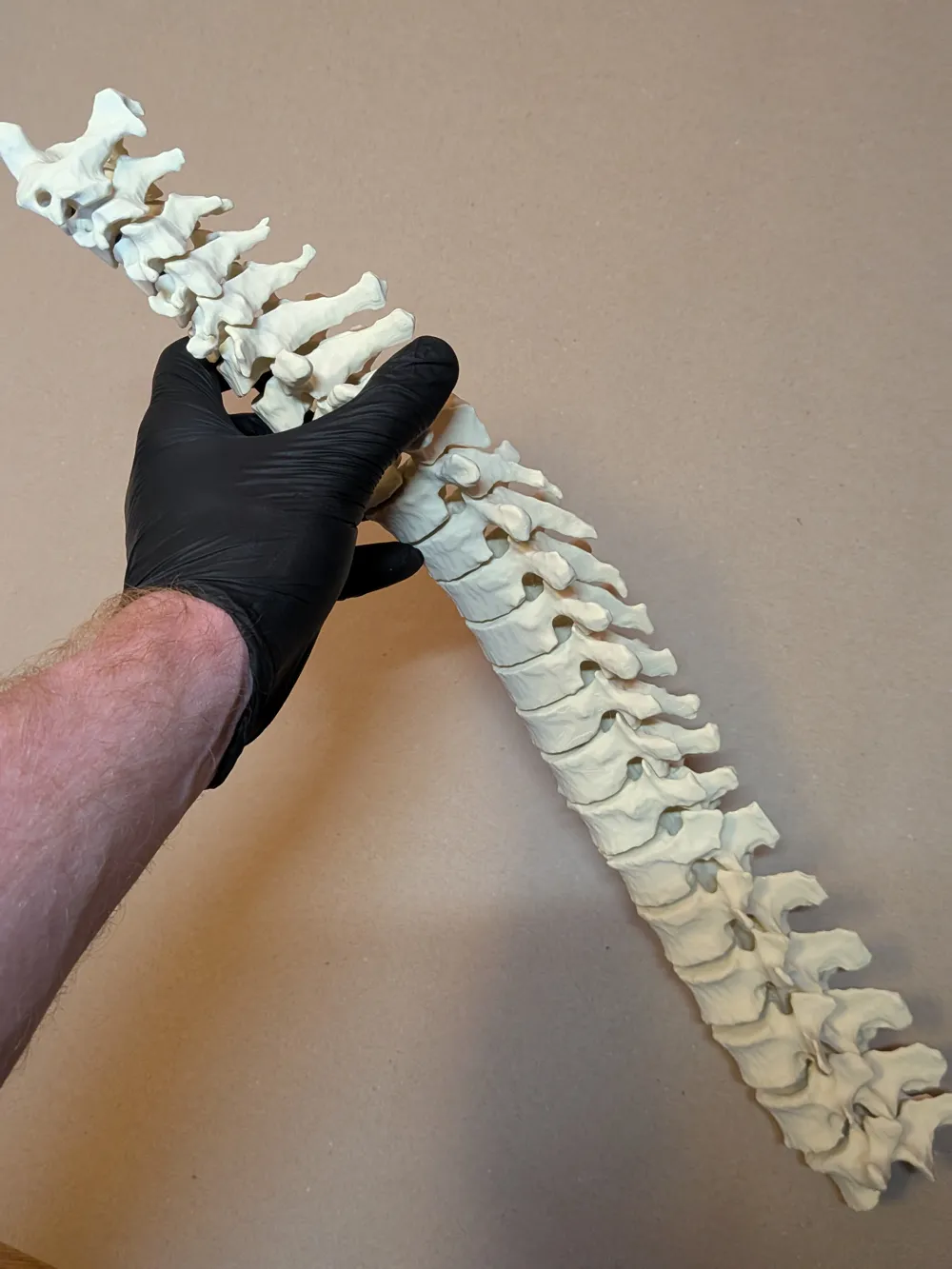
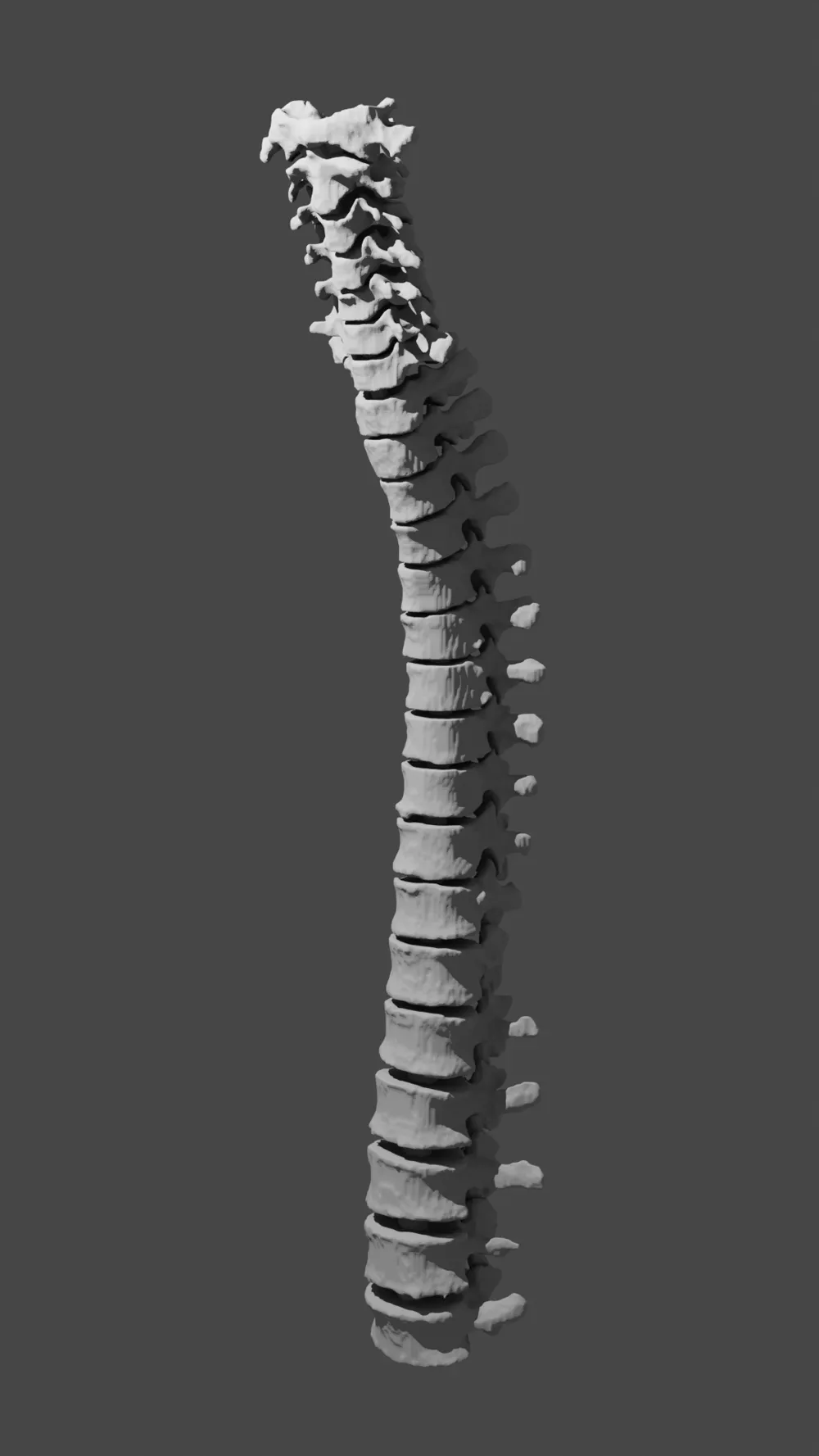
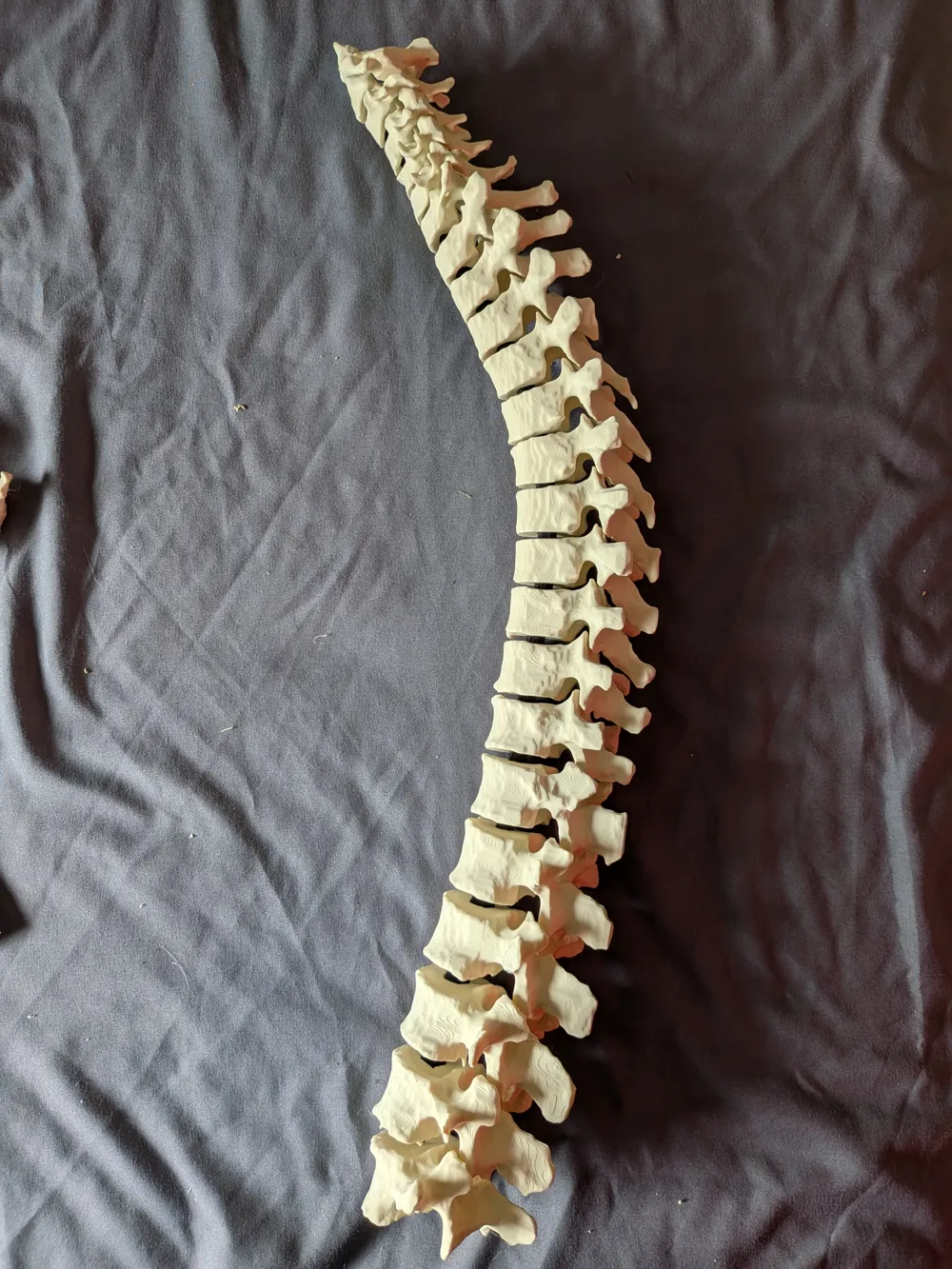
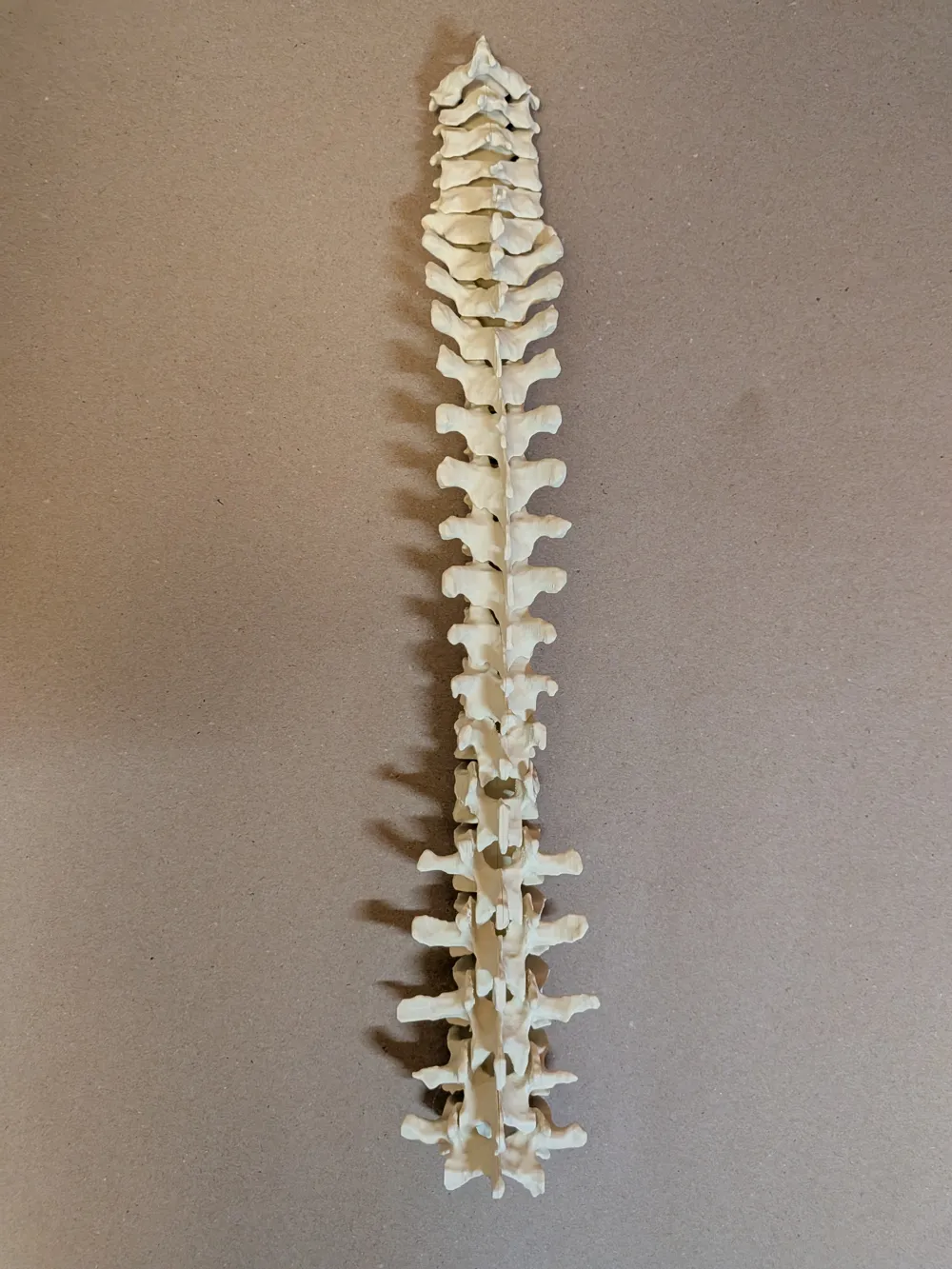
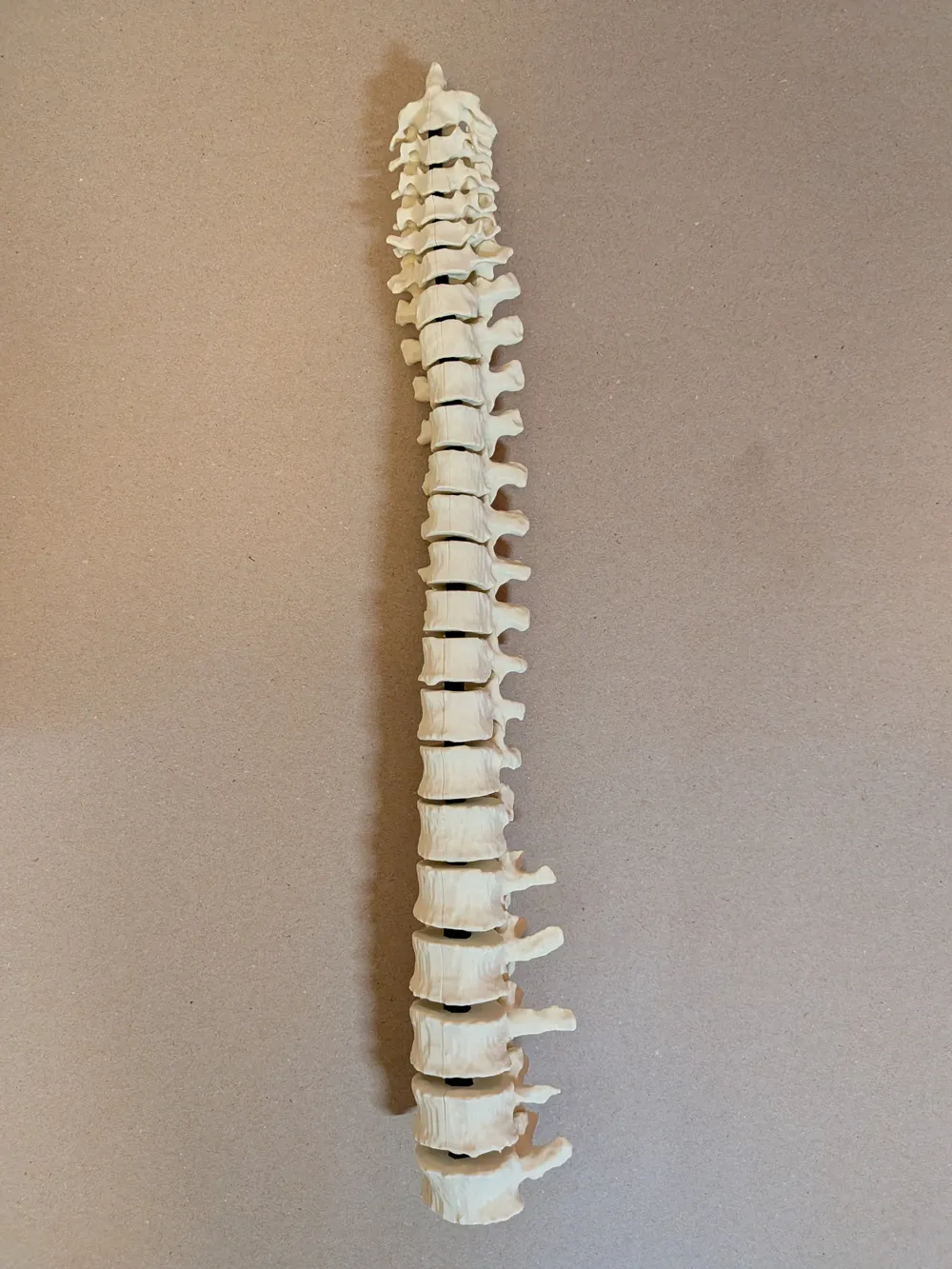
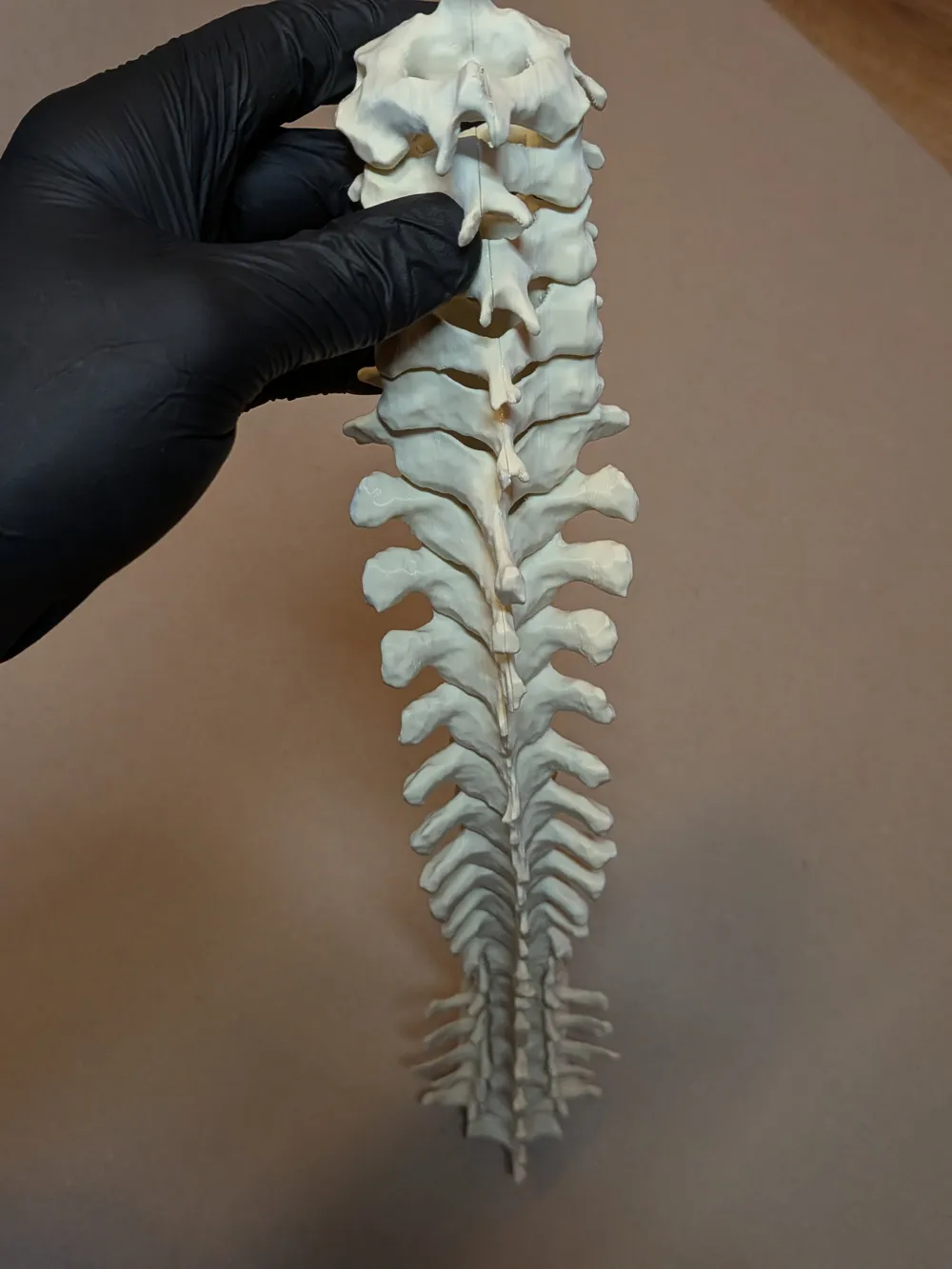
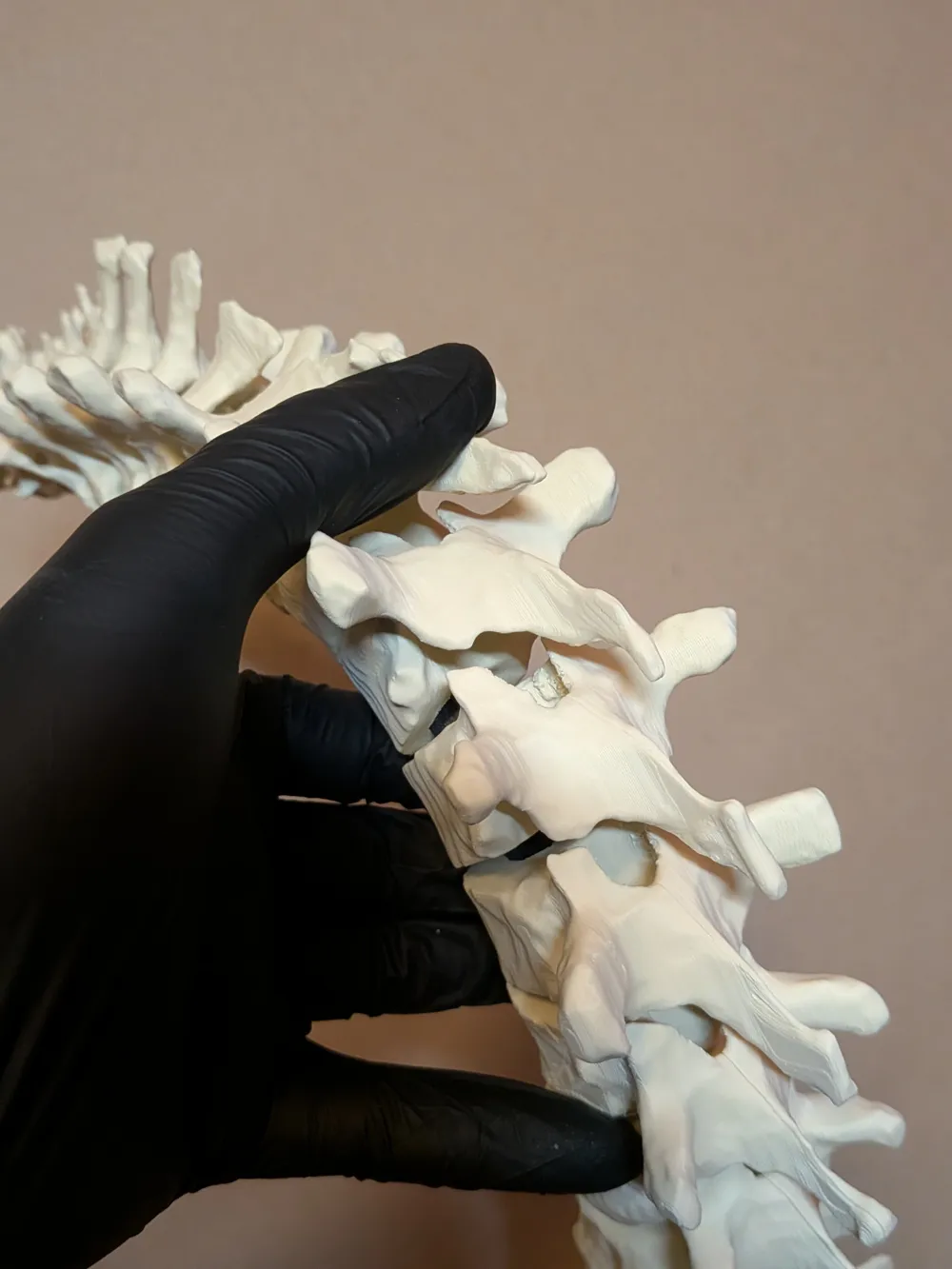
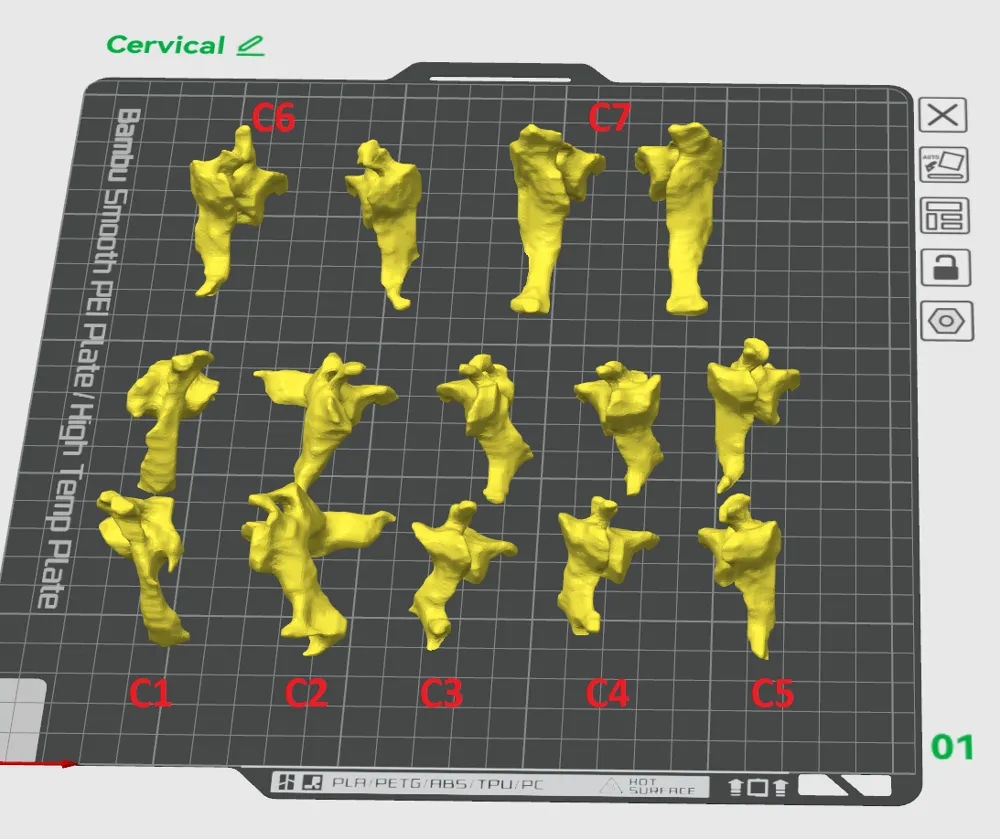
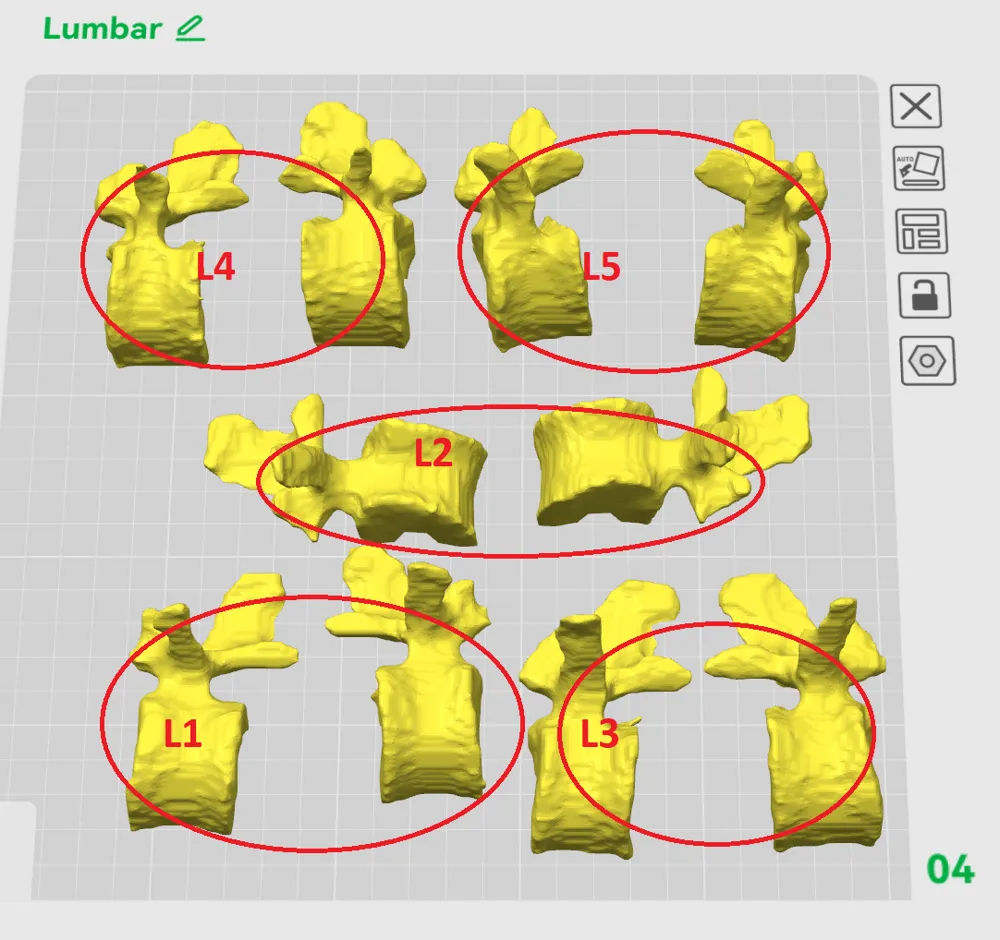
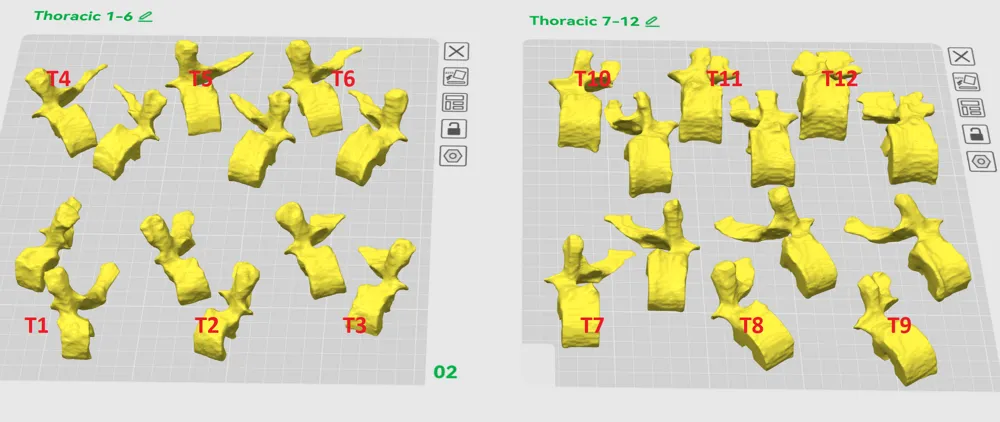
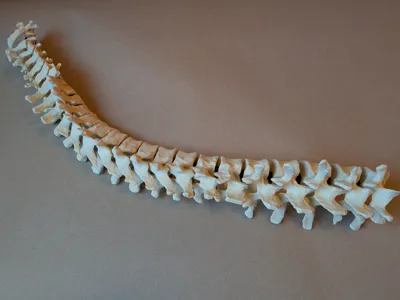
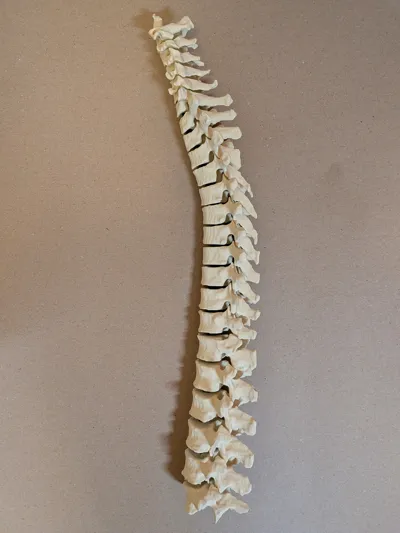
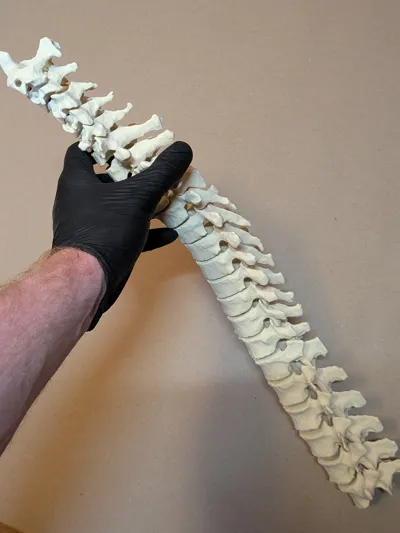
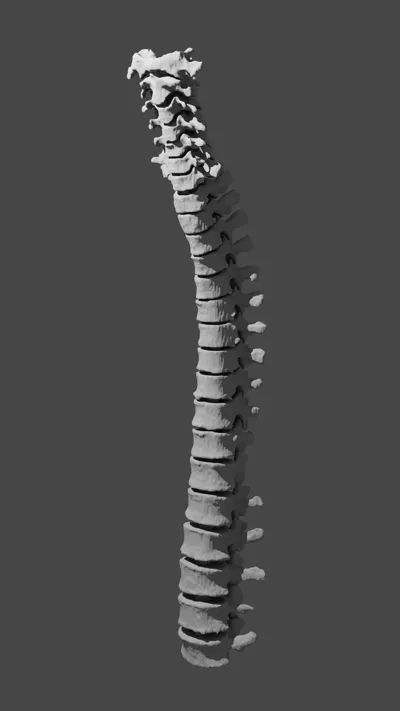
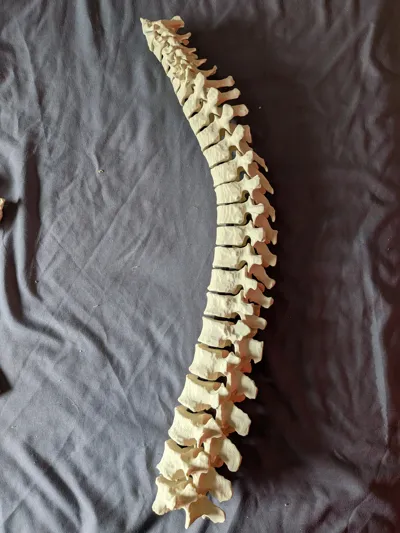
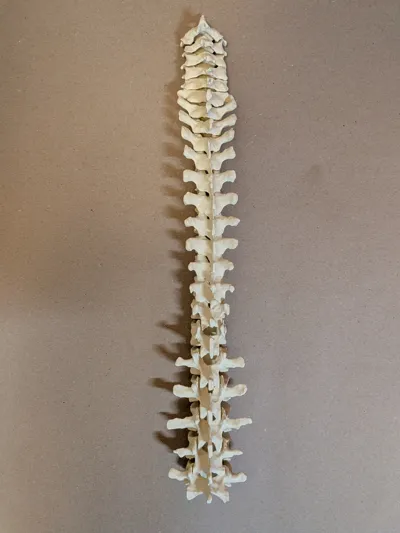
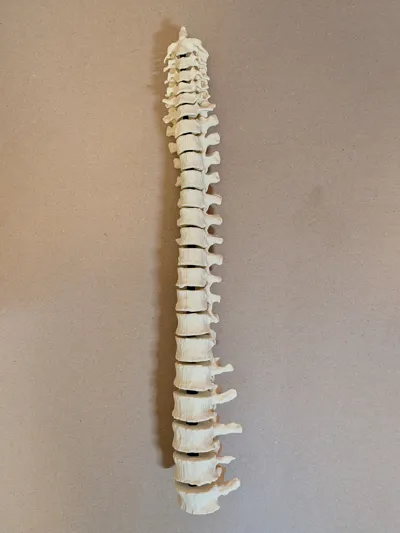
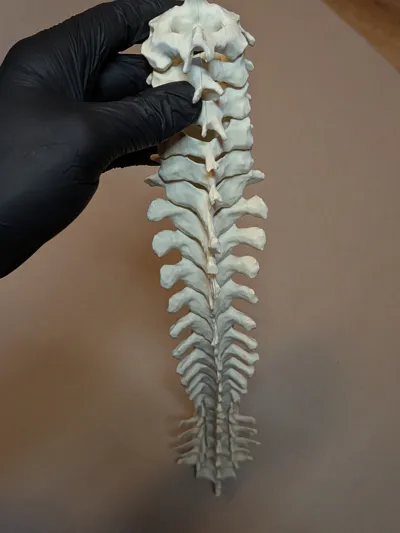
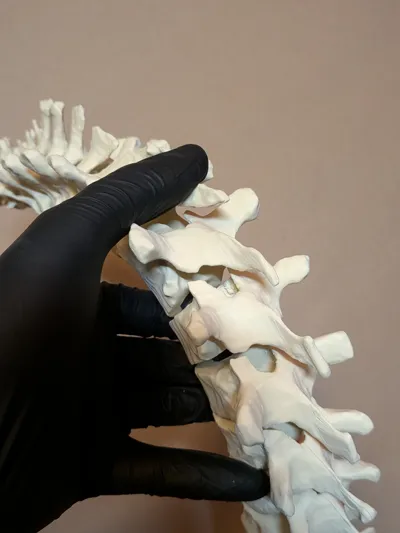
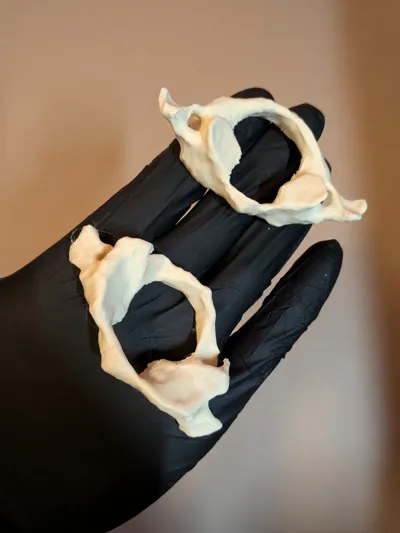
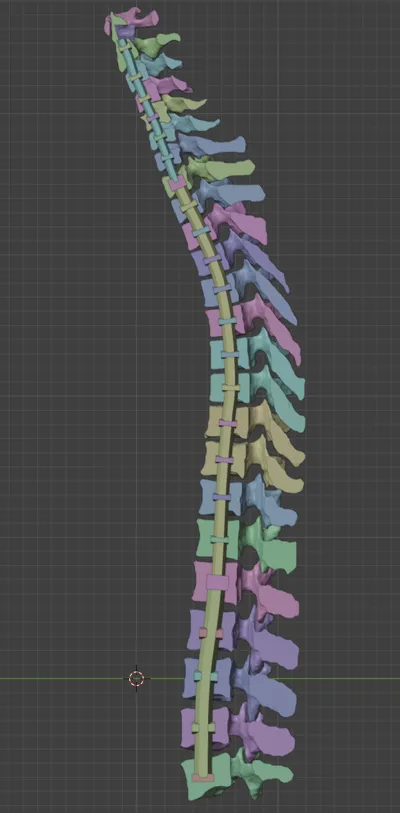
This is an articulating human spine model. I made it primarily as an educational tool, but it can also be a decorative piece or just a fun print to build and assemble. The model is based off of a spine from the NIH 3d project website, which hosts free, open sourced anatomic models. I took a spine model, straightened it in blender to allow for better printing, and then adjusted the mesh of some vertebrae to further improve the final print quality. I then bisected the vertebrae and added a TPU core that can be placed between the vertebrae to allow for realistic flexion and movement.
There is some post processing and assembly required for this model. TPU is HIGHLY recommended for the core. PLA is what I used for the vertebrae. Super glue or some other bonding agent is required. Small clamps are not required, but they can help.
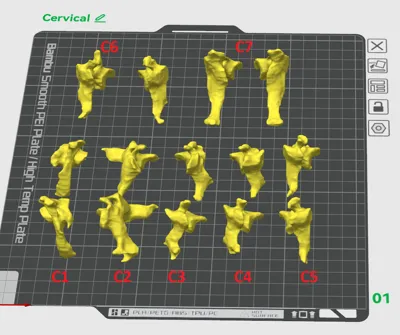
Supports are needed for the model. I used tree supports with success. You can print at whatever resolution you want. I found that at 0.2mm, the supports were easier to remove than at 0.12mm. Variable layer height also works for more resolution on the flatter surfaces, but a straight 0.2mm print looks fine and prints quicker. I did some vertebrae with variable layer height and PETG for the interface layer, but that didn't seem to give much better quality and probably isn't worth the longer print time and extra filament.
If you are having issues with poor quality support removal, you can lower the z height of the TPU core to make it thinner and allow it to fit better. The TPU core can be printed with more walls and infill for more rigidity, if required. I used 95a TPU and 2 walls/15% infill gave more flex, while 3 walls/20% infill was a little more rigid, and probably what I prefer. You can go even more rigid if desired.
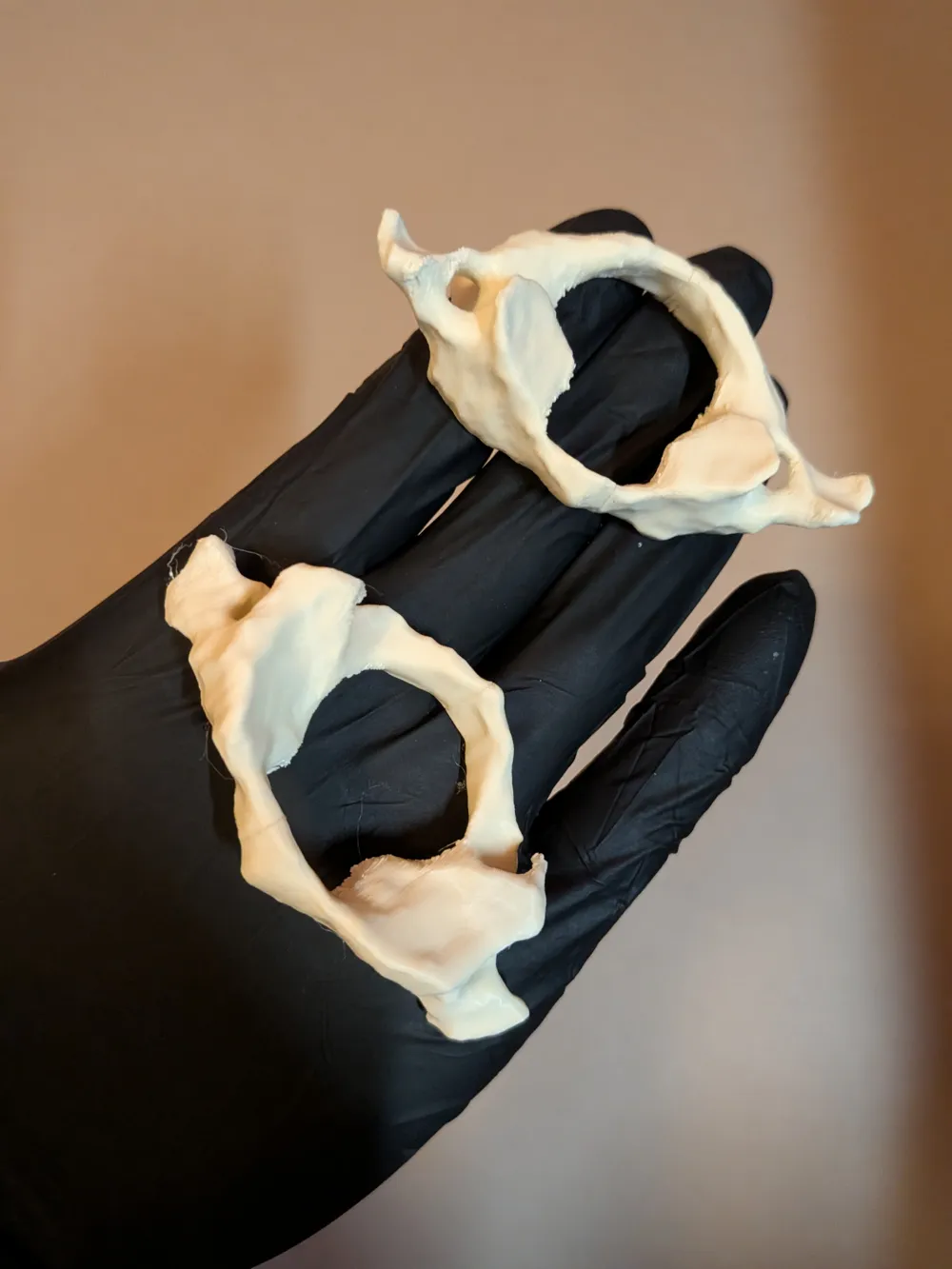
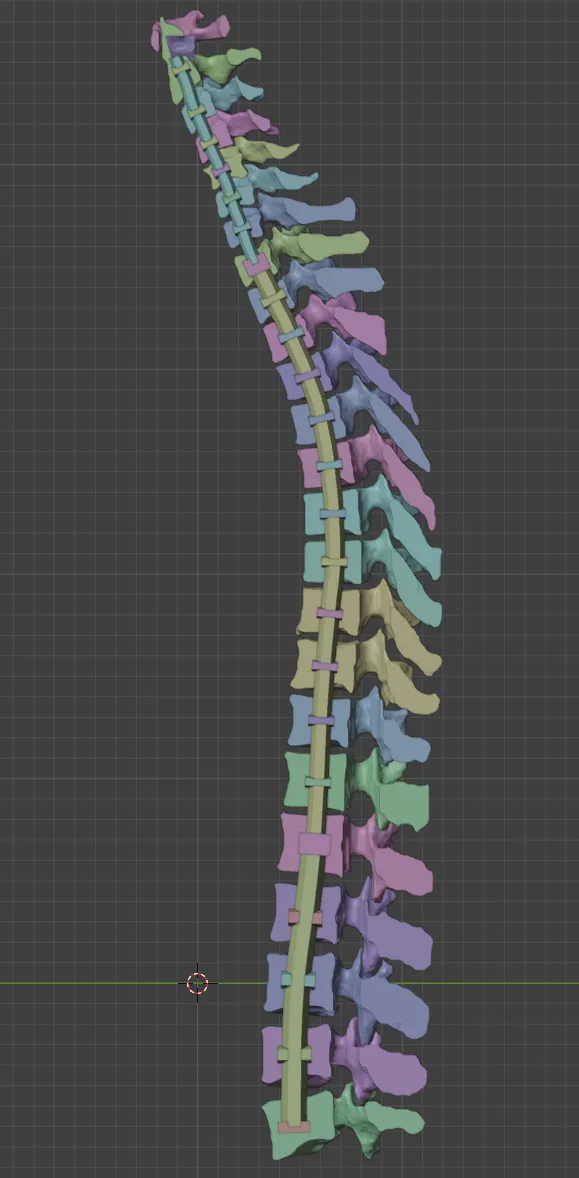
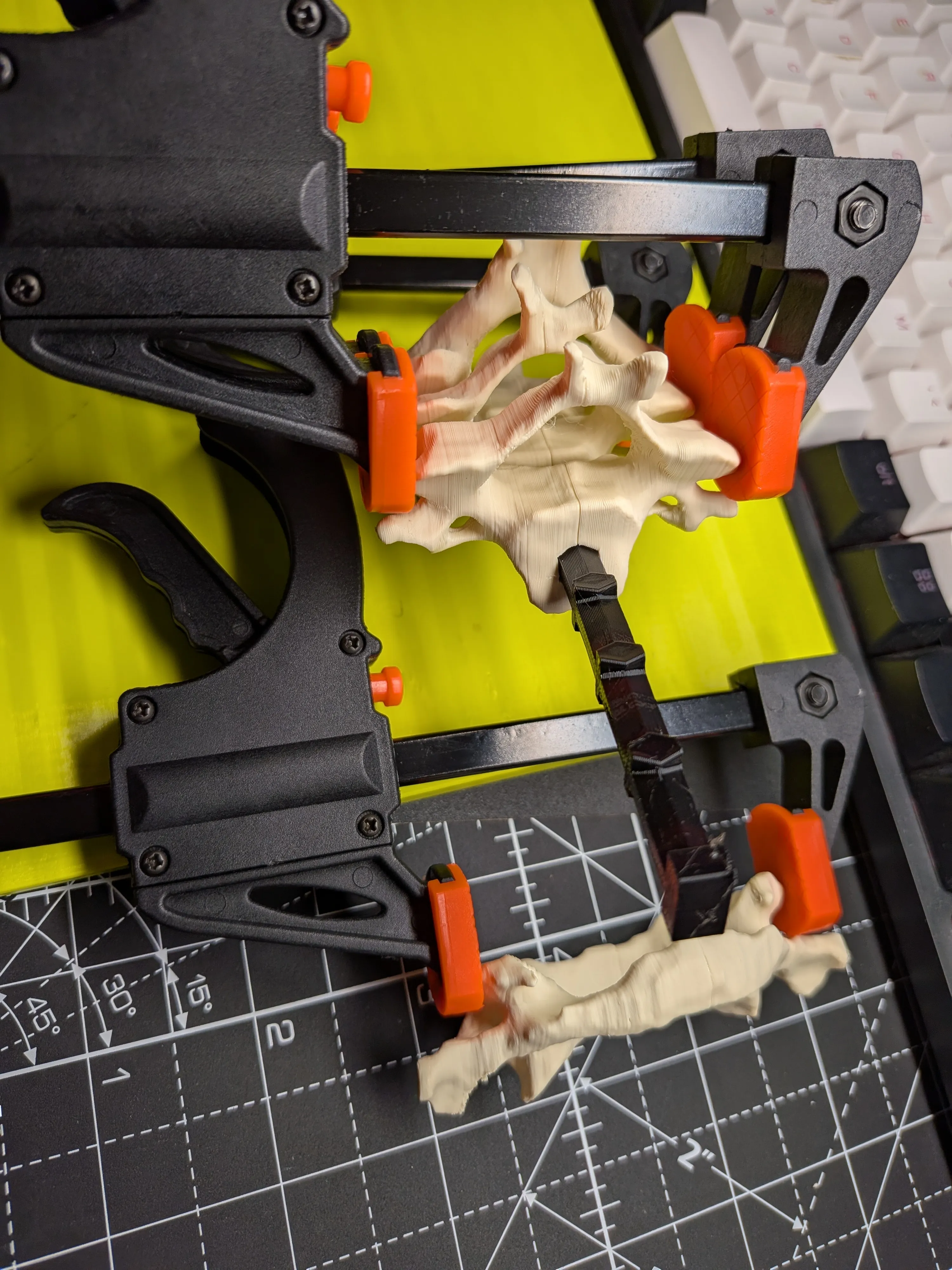
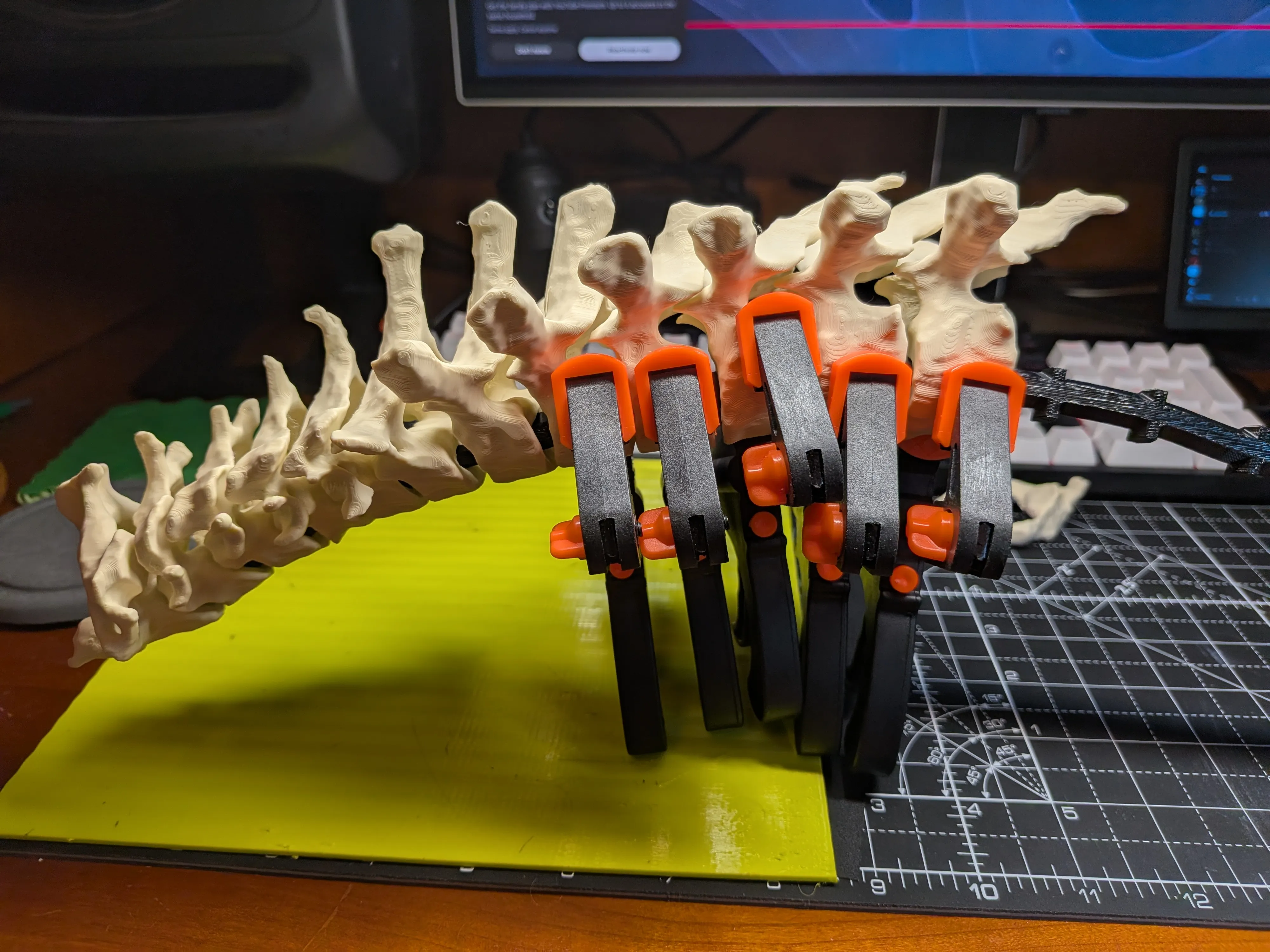
For assembly, I took the vertebrae off the plate and organized them by vertebral number for easier assembly. This will be more difficult if you dump each plate into a big pile. I cleaned up the vertebrae and removed the supports, and then glued them one by one onto the TPU core. I recommend starting from the top, as the lower vertebrae will be easier to add on due to the facet joint orientation. The TPU cores are also labeled, and they are all oriented the correct way for assembly. Please check the Blender diagram showing the cores if you are unsure of how to orient them. Clamps can be used to help compress each vertebrae after assembly for better glue adhesion.
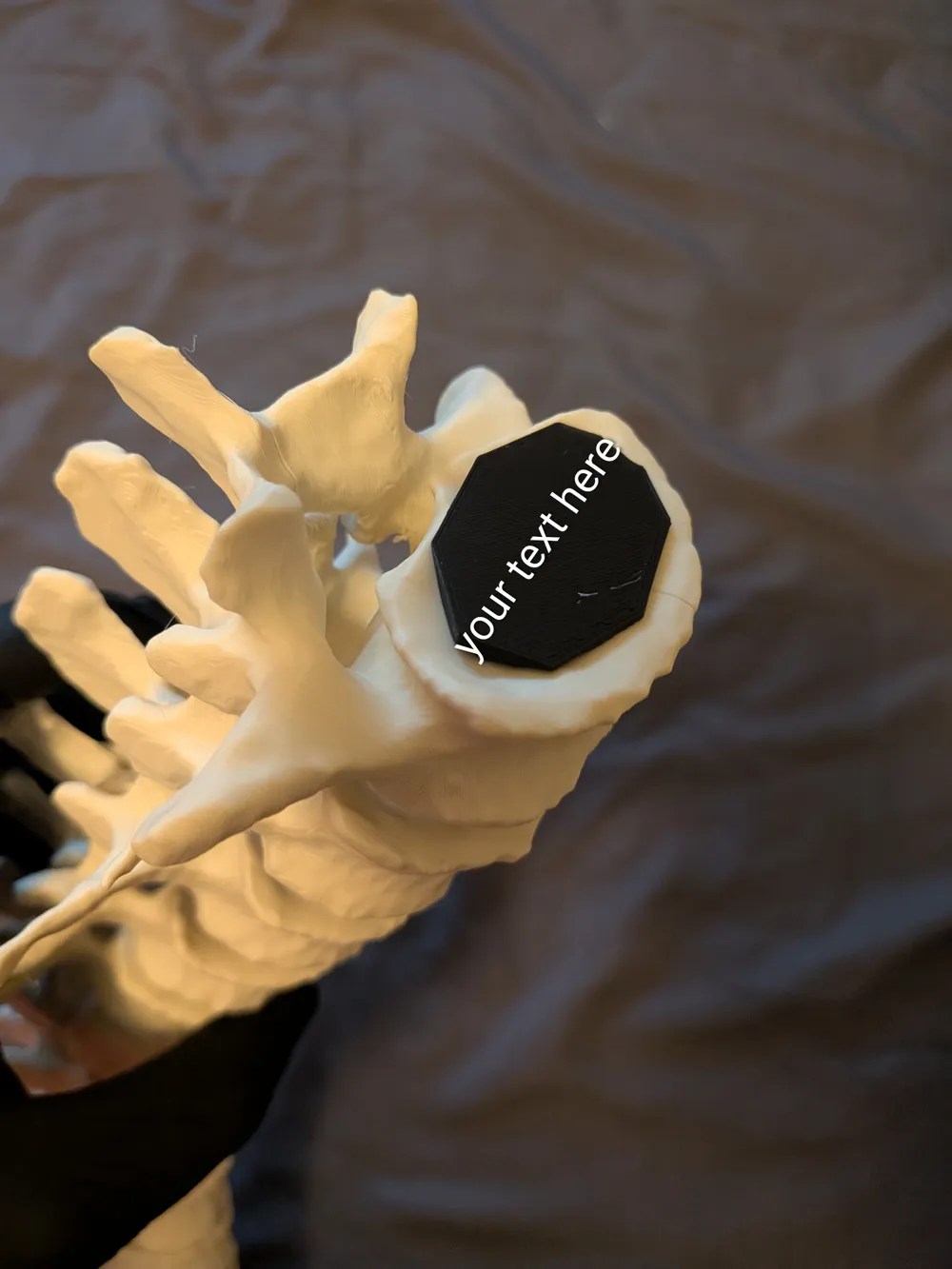
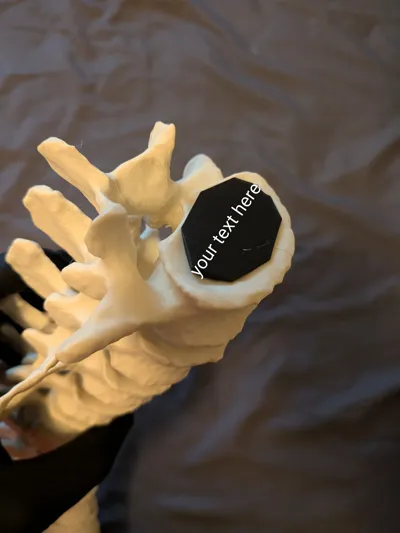
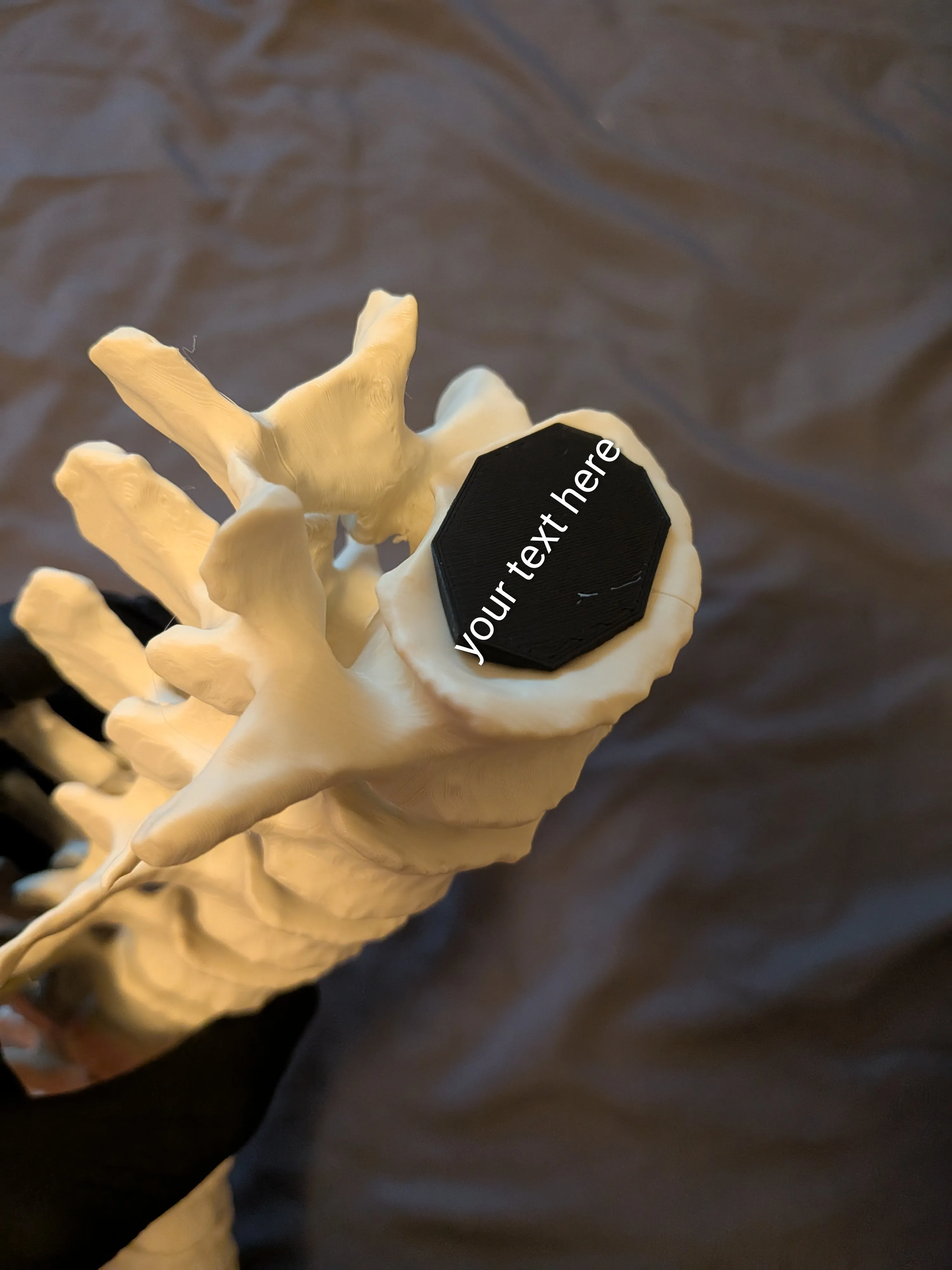
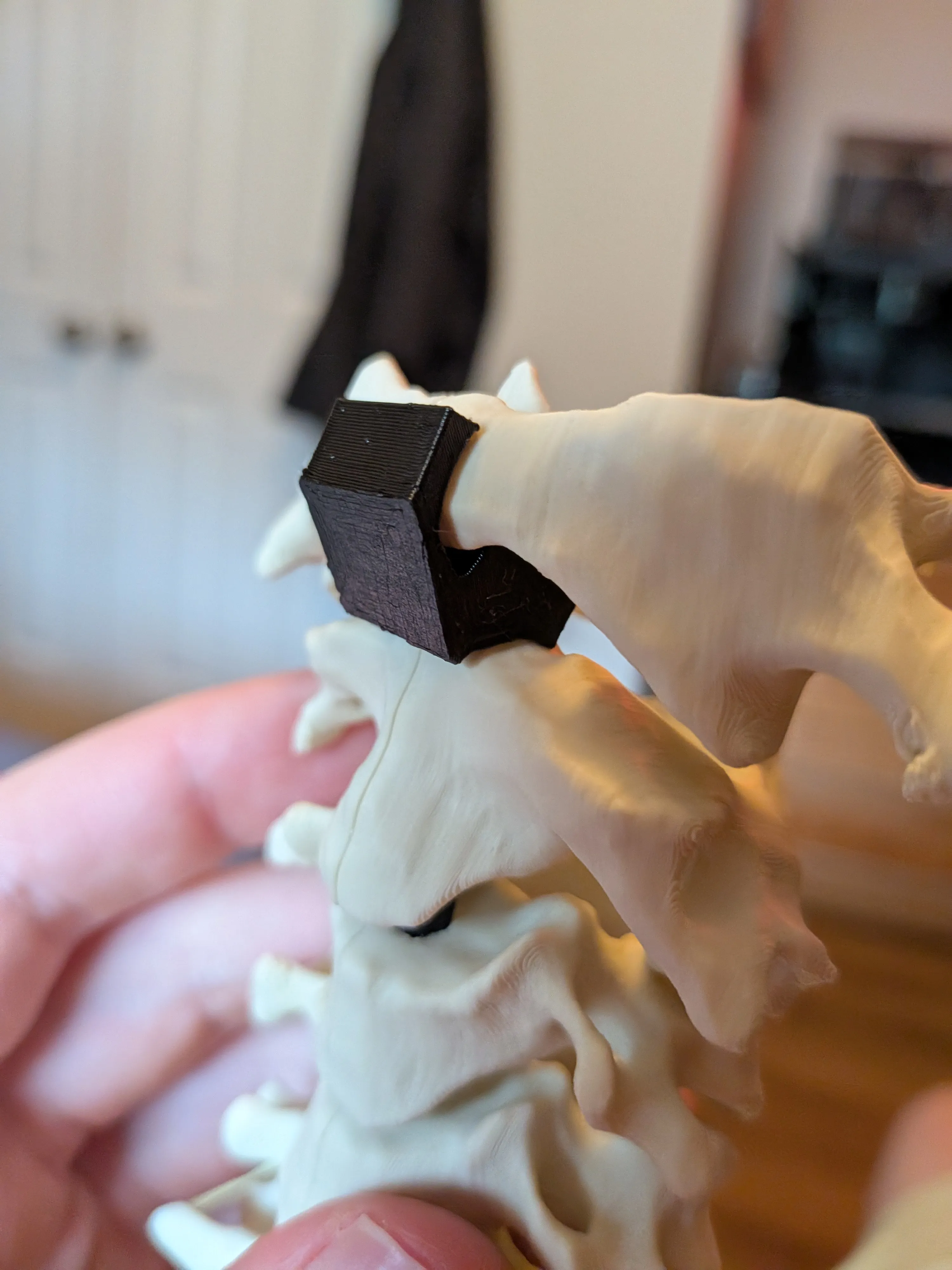
A name plate is included, and will fit perfectly into the bottom of L5. Text can be added to it for personalization. A small TPU clip to attach C1 to C2 is also included.
This remix is based on

License

You shall not share, sub-license, sell, rent, host, transfer, or distribute in any way the digital or 3D printed versions of this object, nor any other derivative work of this object in its digital or physical format (including - but not limited to - remixes of this object, and hosting on other digital platforms). The objects may not be used without permission in any way whatsoever in which you charge money, or collect fees.


Comment & Rating (98)