
H2D H2S H2C Top Air Vent Glass Riser
Print Profile(2)


Description
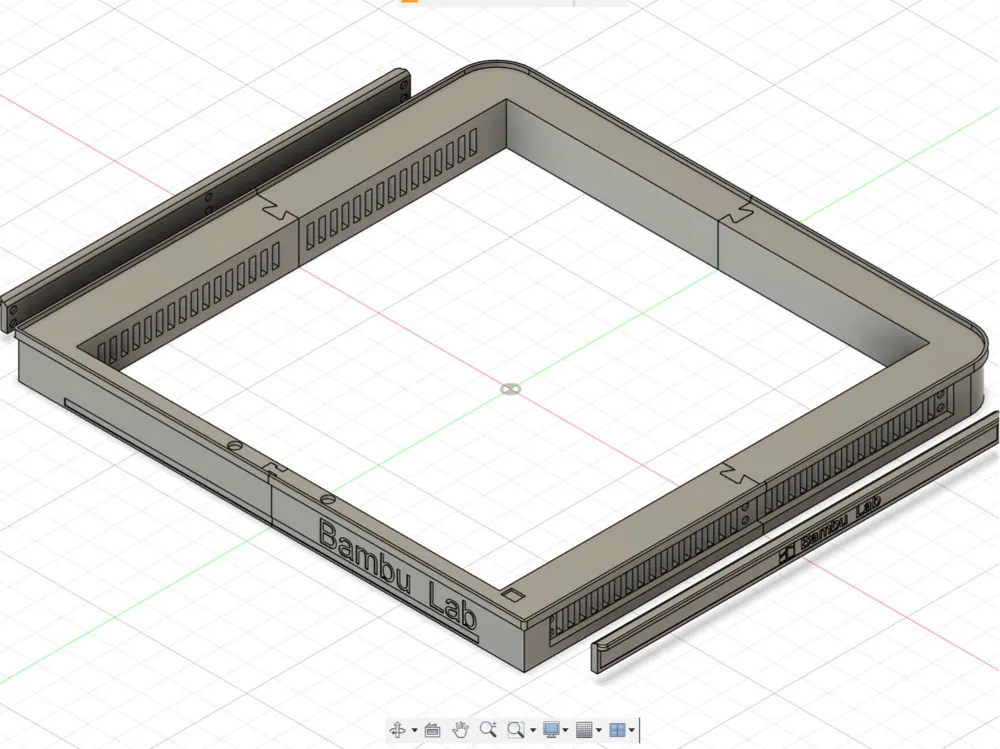
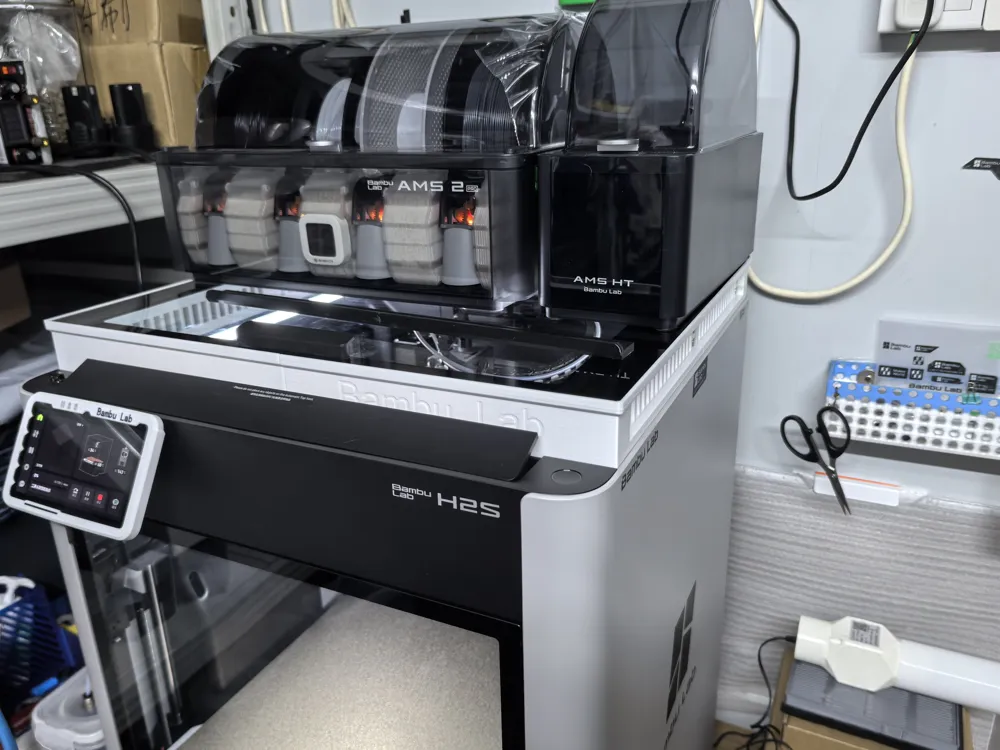
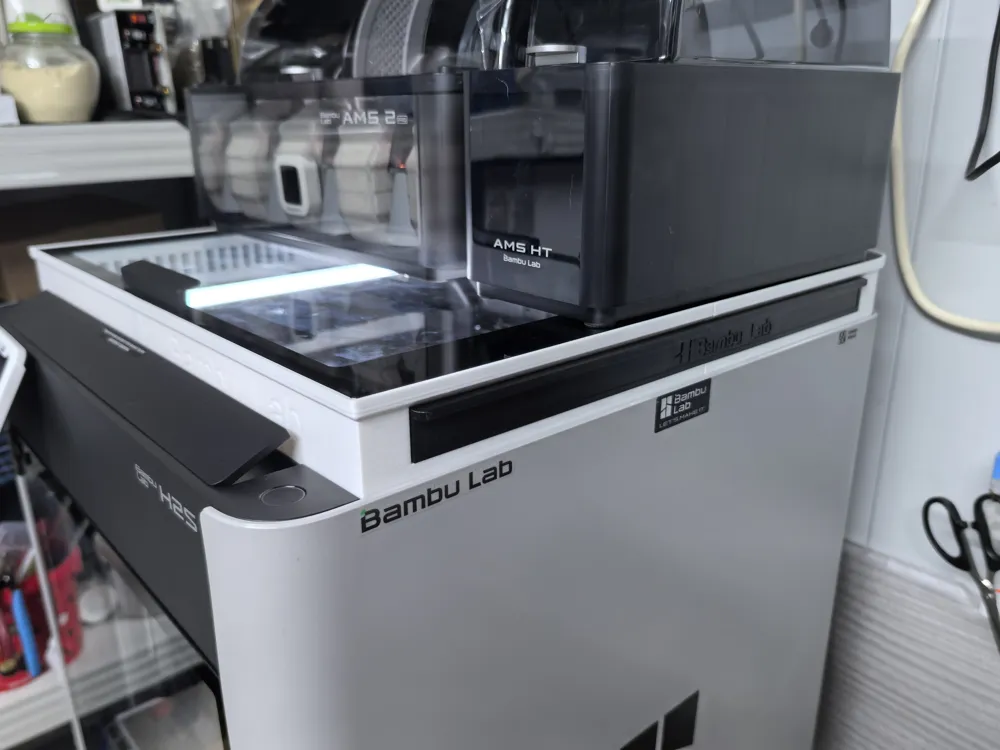
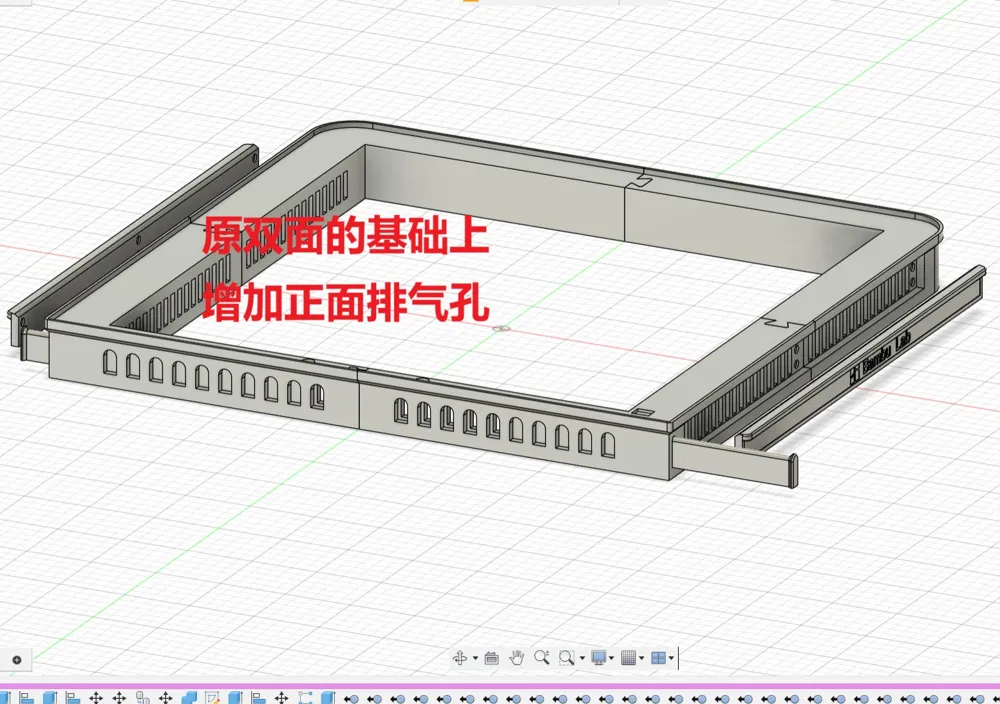
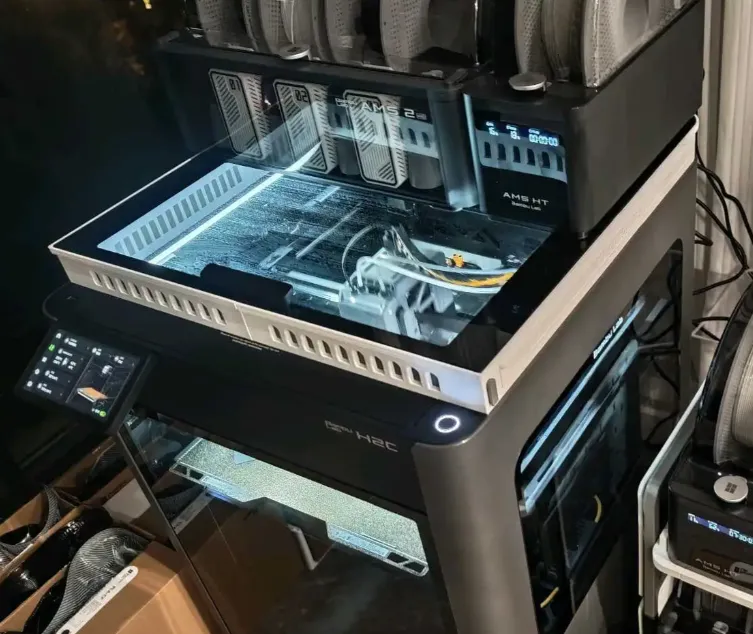
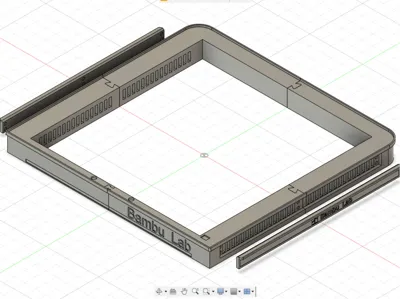
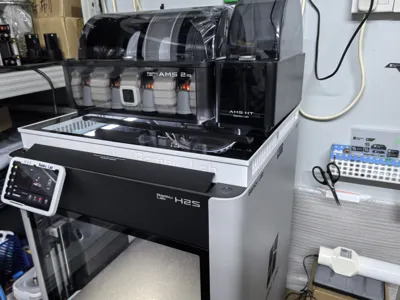
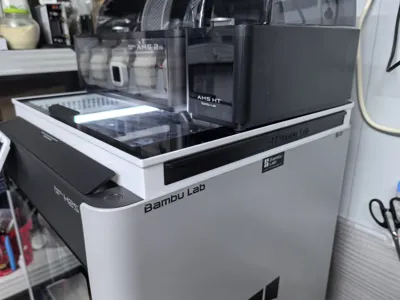
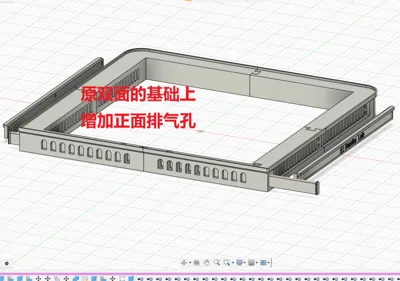
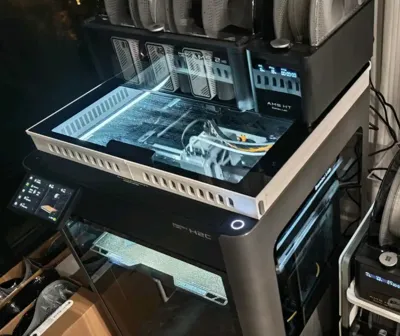
H2D H2S H2C Top Glass Lid Riser with vents that can be opened on both left and right sides
In actual use, the H series works fine in well-ventilated environments with room temperatures below 36°C. However, in poorly ventilated environments with temperatures above 36°C, the chamber temperature will exceed 45°C, triggering a print pause. It is very inconvenient to open the top glass lid to solve this, so this model was designed. The effect in practice is very obvious. There are two versions in the print profile that increase front airflow, double-sided exhaust and triple-sided exhaust. Download according to your needs
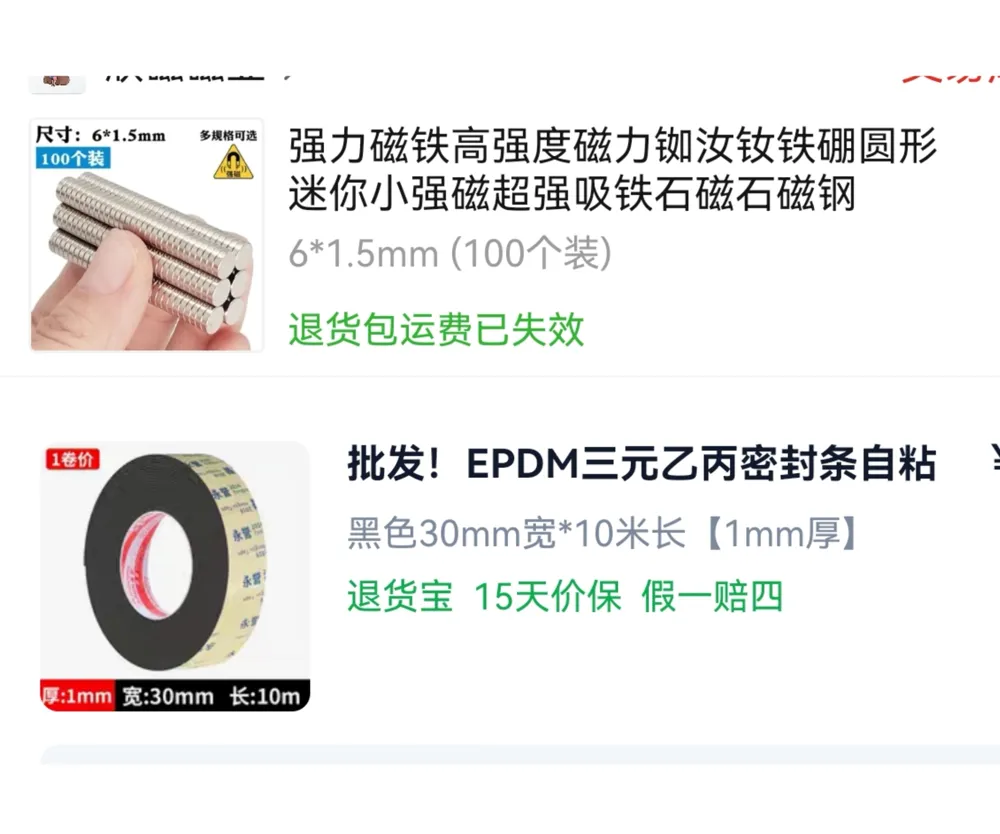
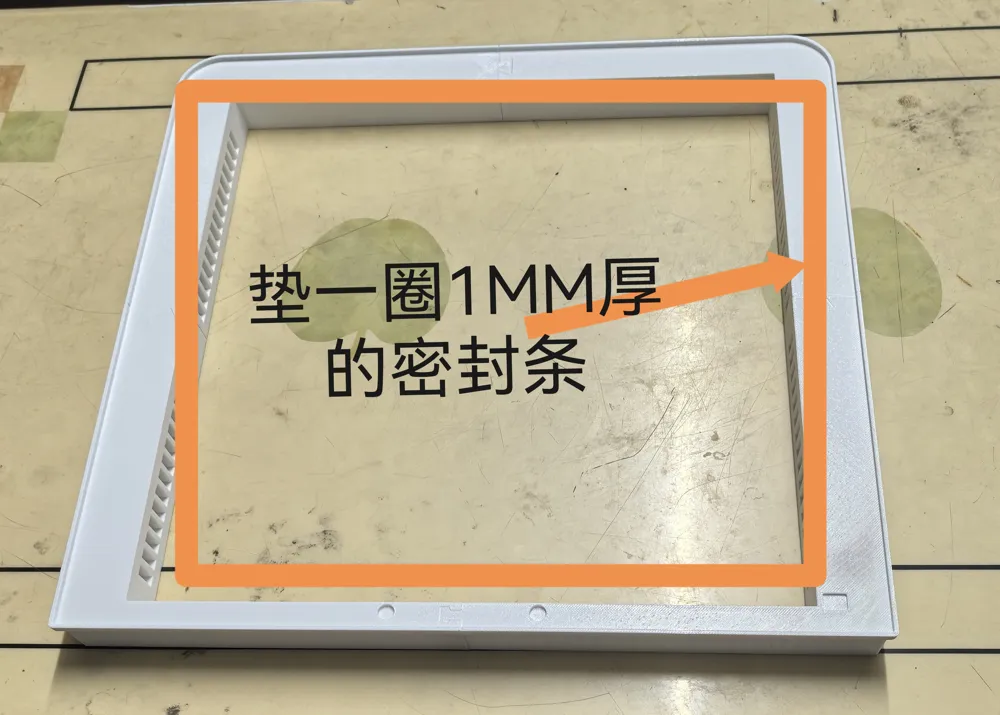
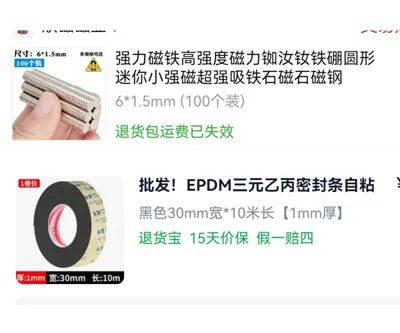
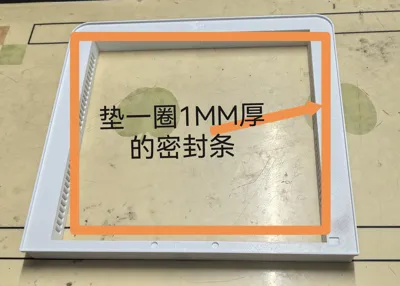
Requires a 1mm thick sealing strip
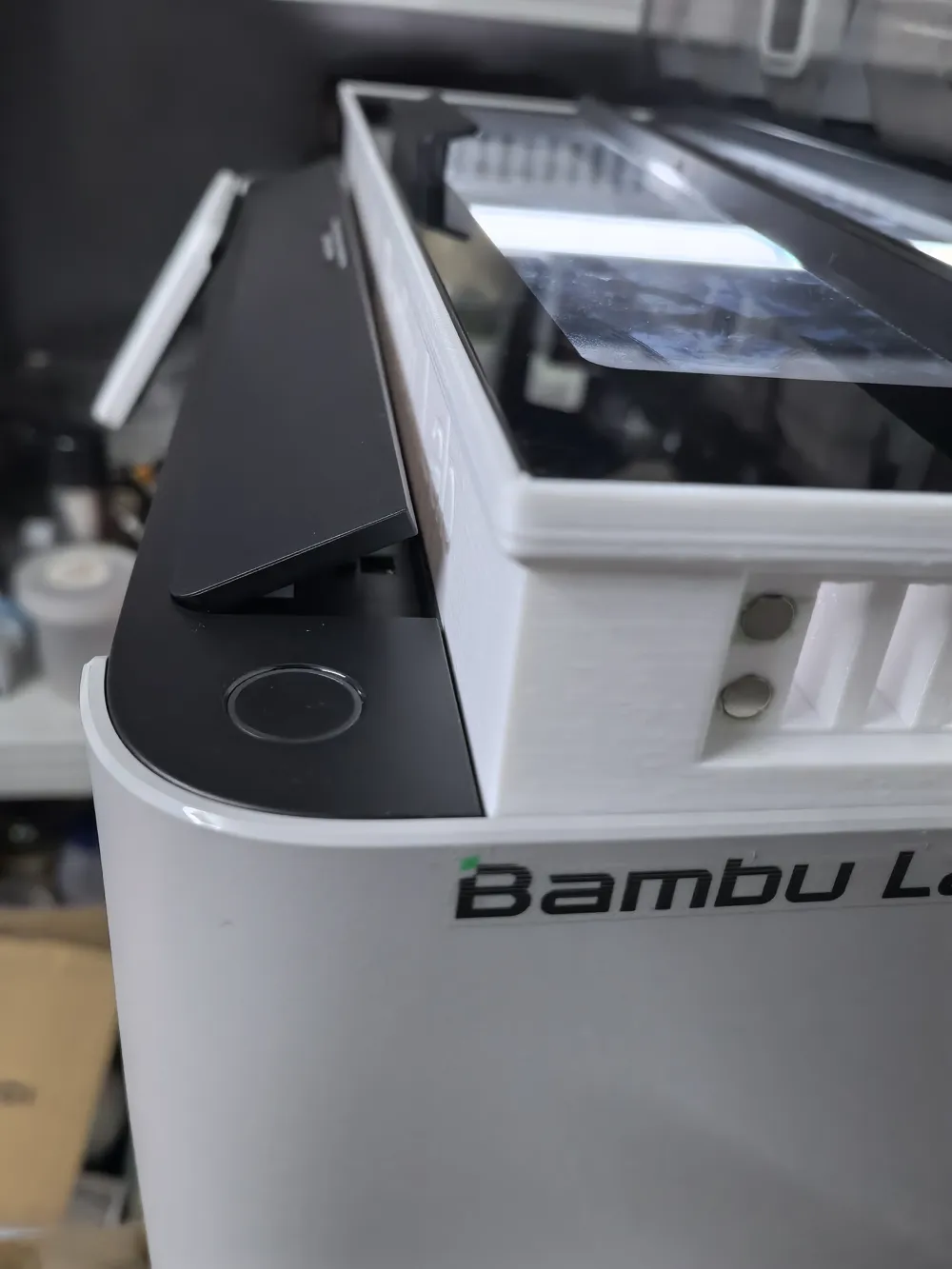
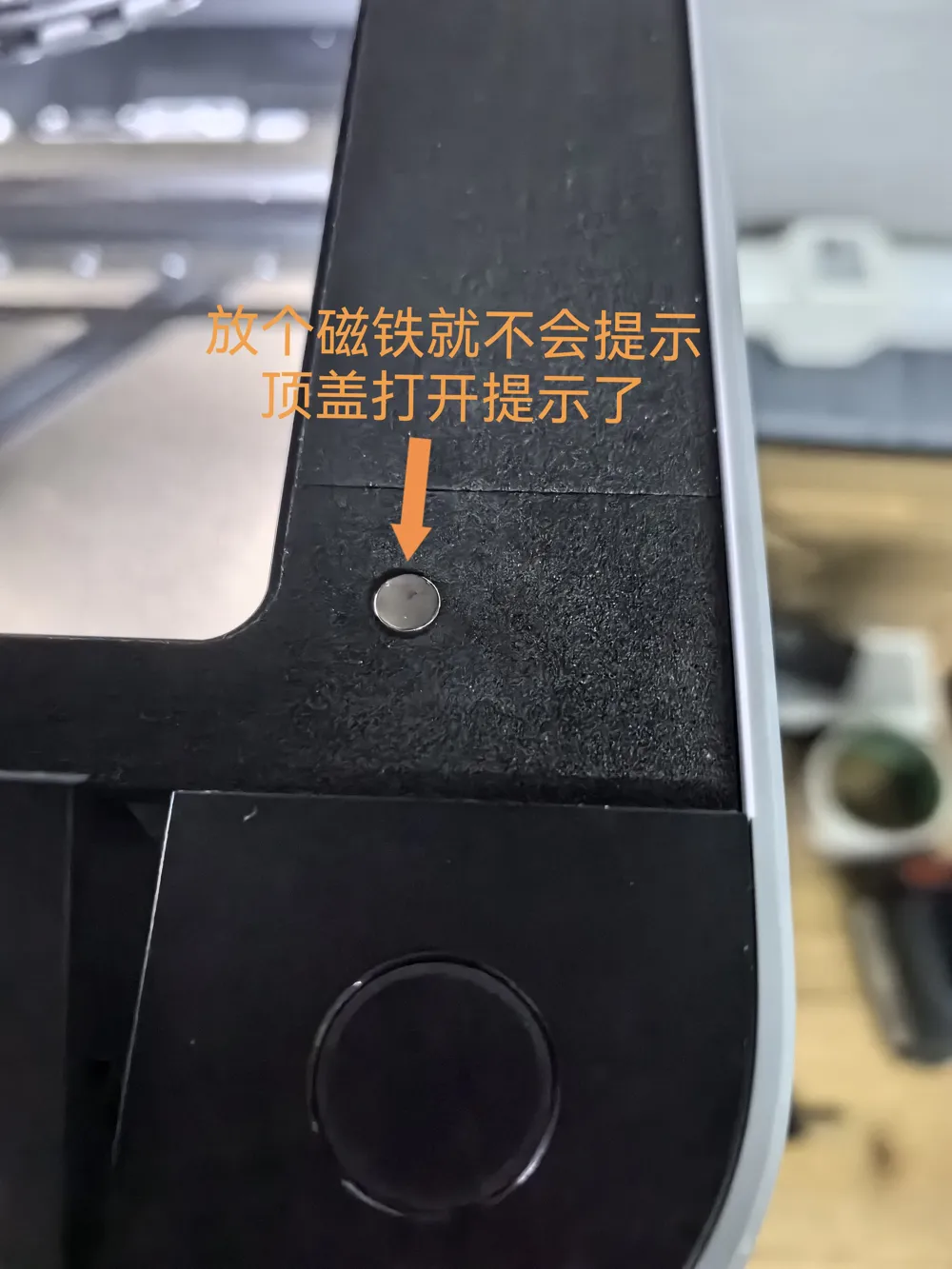
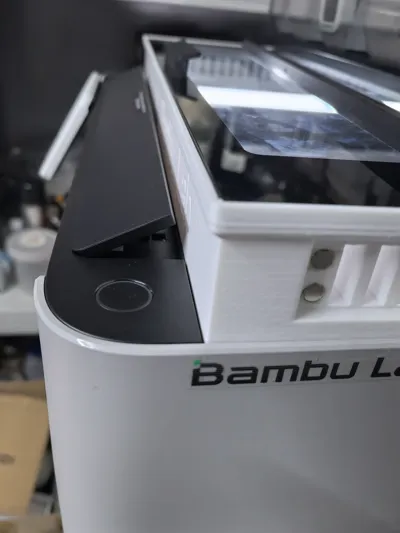
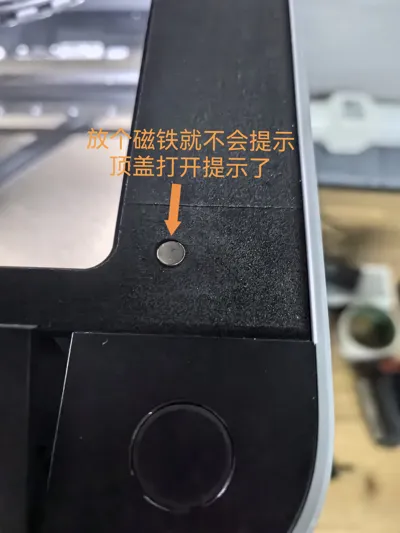
25 strong magnets 6mm in diameter and 1.5mm thick. One of them is used on the top lid switch so that it does not prompt that the top lid is open
Glue is needed when installing the magnets. Note that all magnets should be oriented in the same direction so that the left and right baffles can be interchanged
Before printing, please test the material sinkage rate yourself
The slicer software sinkage rate is 100 by default. If not adjusted, small prints might not show issues, but large prints will have a 1-2mm deviation
Different materials have different sinkage rates. The conventional PETG sinkage rate is around 99.6
Before printing, please adjust the filament sinkage rate
You can print a 100x100x5mm model and measure it after it has fully cooled to see how much it has shrunk, then input this value into the filament settings
I printed with PETG, other materials were not tested. If you want to use ABS (which has a relatively high sinkage rate), please test and adjust the ABS sinkage rate yourself
Please ignore the bumps on the model's surface print quality (cheap filament has impurities and I was too lazy to return it)
Documentation (1)
License

You shall not share, sub-license, sell, rent, host, transfer, or distribute in any way the digital or 3D printed versions of this object, nor any other derivative work of this object in its digital or physical format (including - but not limited to - remixes of this object, and hosting on other digital platforms). The objects may not be used without permission in any way whatsoever in which you charge money, or collect fees.


Comment & Rating (30)