
Overoptimized Internal Y Splitter for H2D/S
Print Profile(1)

Description
Boost Me (for free)
Thanks for supporting my work!
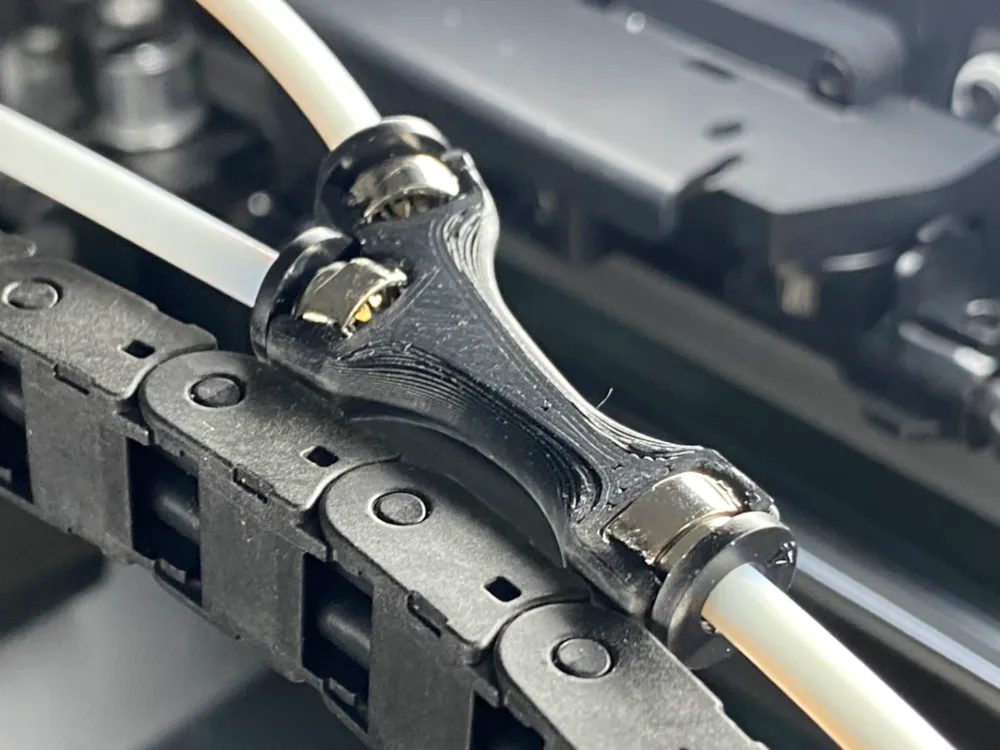
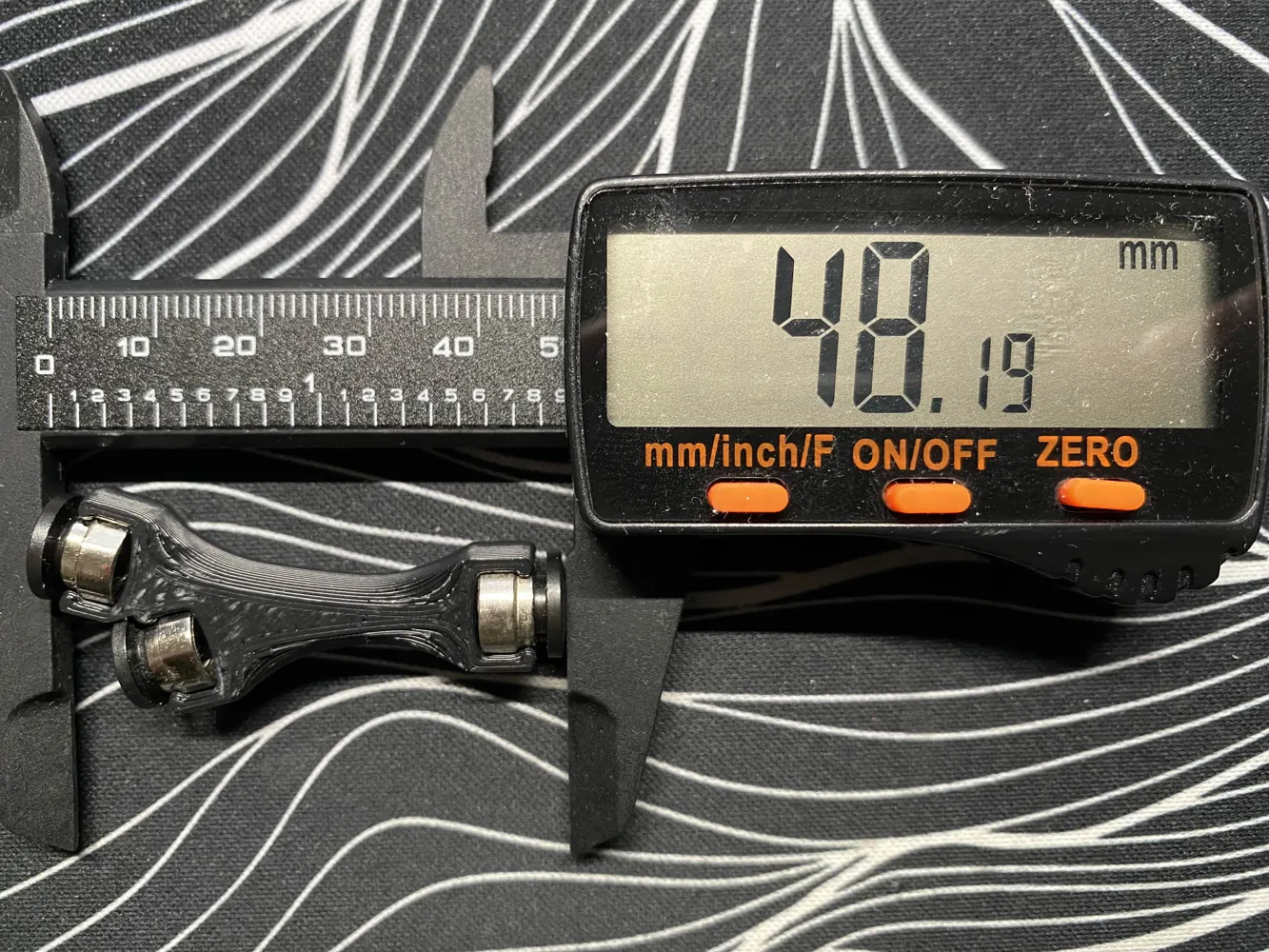
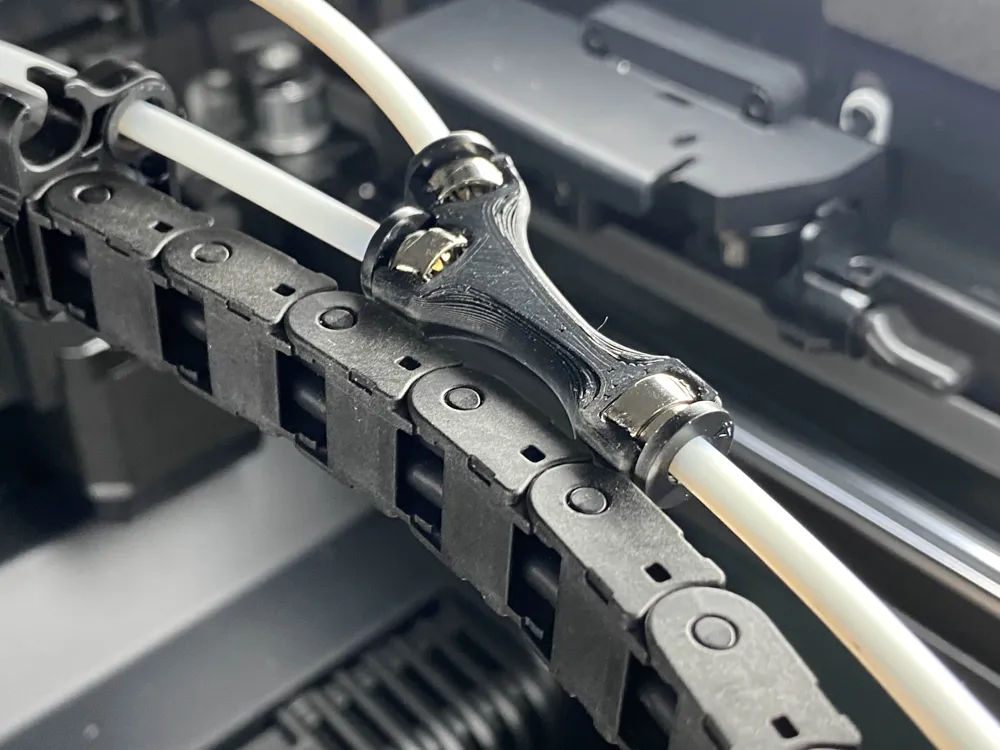
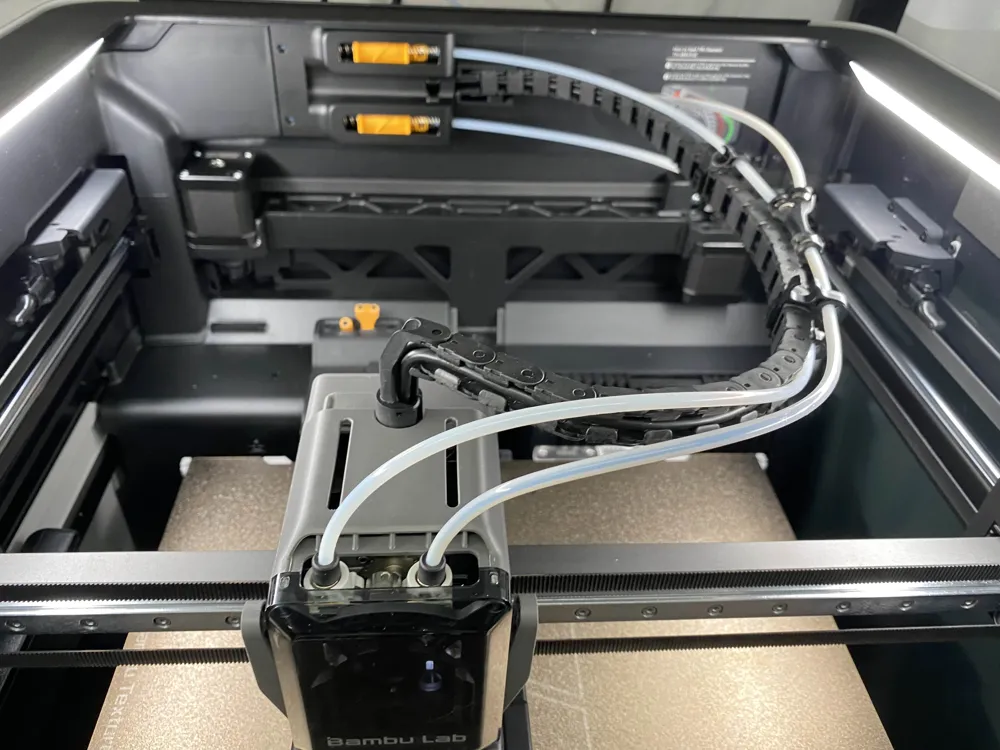
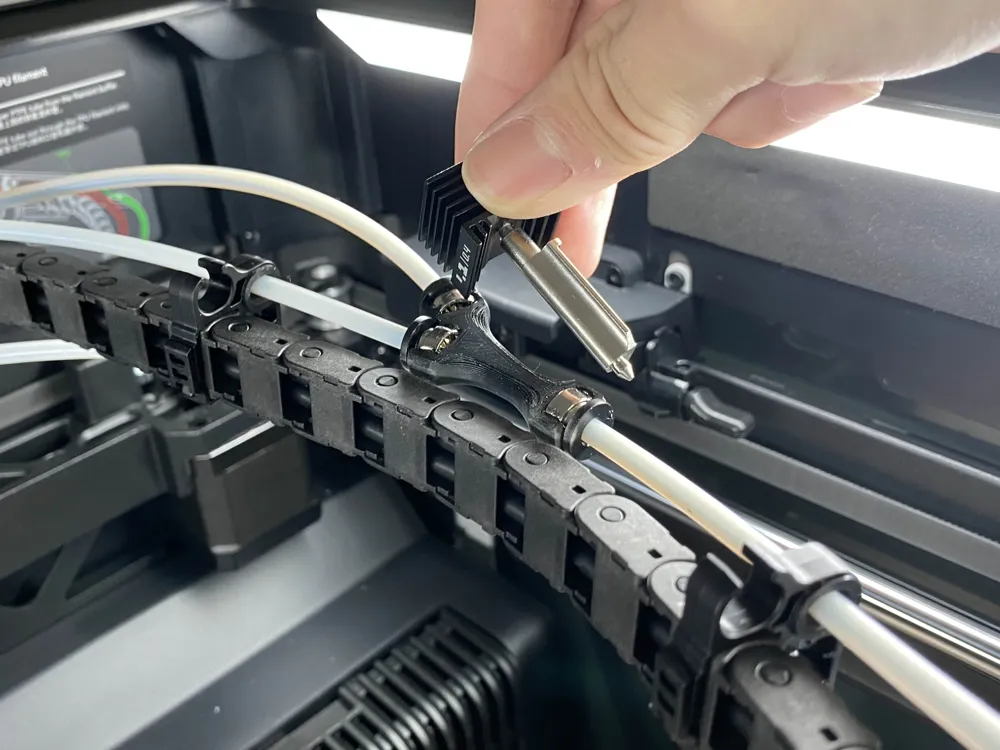
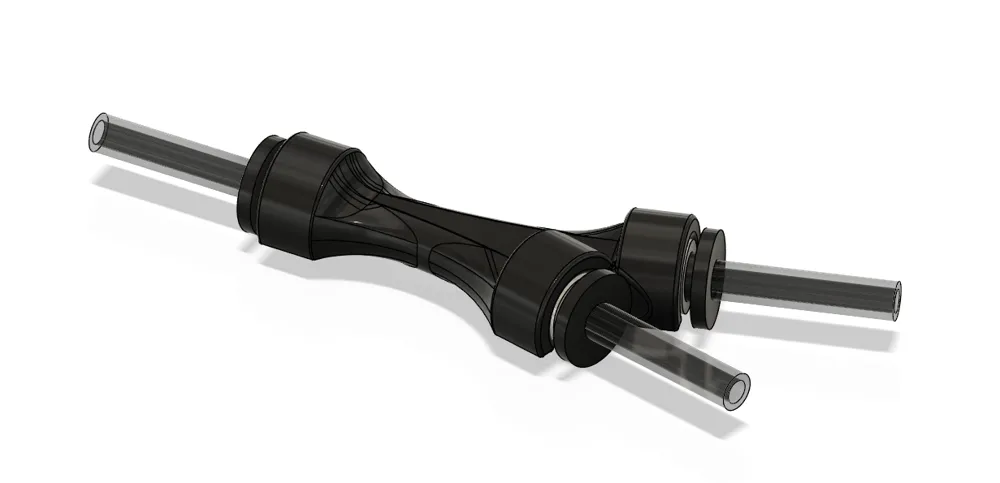
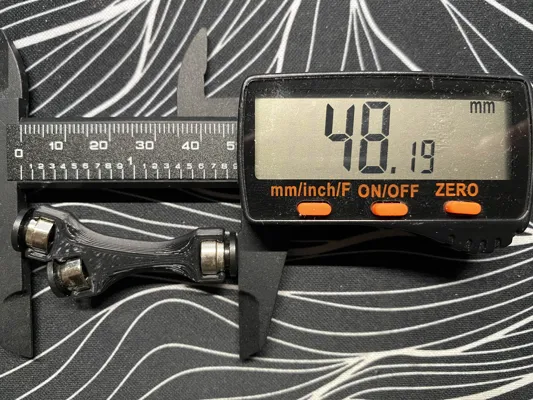
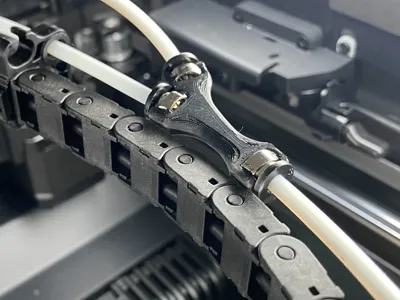
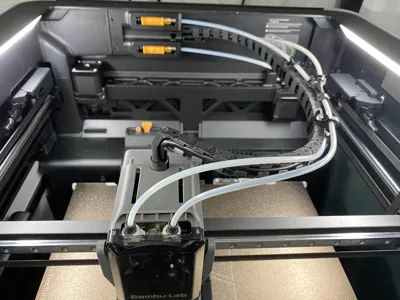
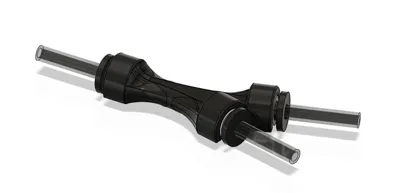
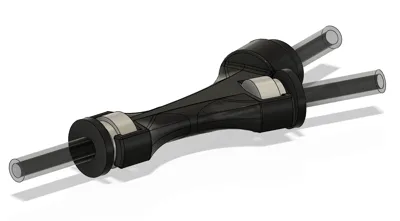
Designed specifically for the H2D/S to link the TPU feed to the main filament feed to the right nozzle. This splitter has been designed to minimize filament feed resistance, footprint, and complexity while maximizing reliability. More on how at the very bottom.
Special thanks to @JustMeSteve for providing feedback
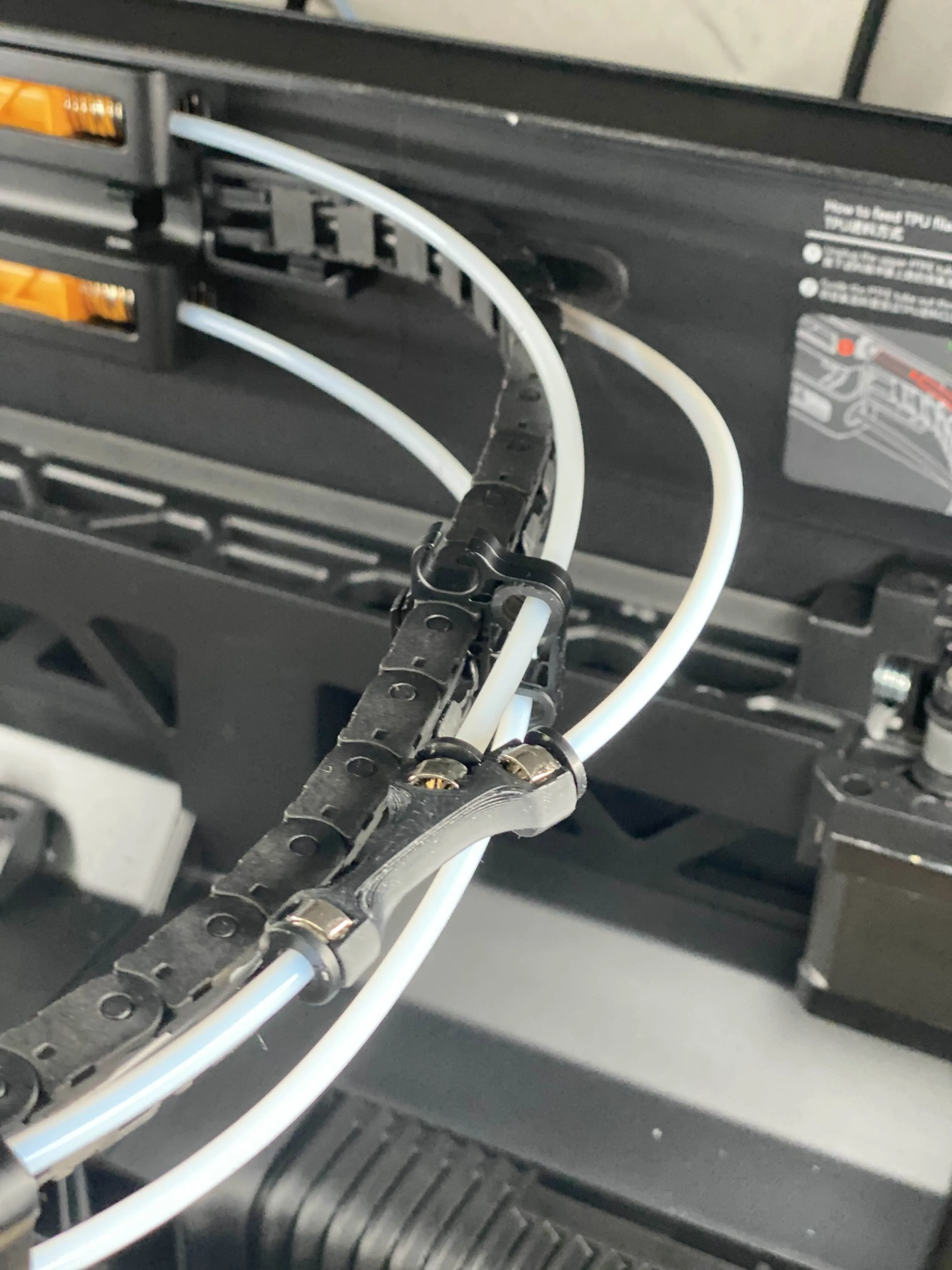
Disclaimer: Please make sure to test the full range of the toolhead's motion after you've attached the Y Splitter. It is possible that the Y Splitter may impede the toolhead's motion as it moves to certain regions within the chamber if it is located too close to a guide clip.
Update: I've been hand feeding some more TPU into it and have experienced some issues with getting it through the splitter. Will publish a v2 it when I have more time.
Materials
- 3x PTFE connectors (these are the same ones used by BBL). They can be found here:
- (Optional) Superglue or epoxy. I personally used this:
- PTFE tubes and cutter
Printing
I printed mine in Bambu ASA, but it will also work with any other high temperature resistant materials (ABS, Nylon, PC, etc). PLA and PETG is not recommended.
You'll notice that there are 2 plates with 2 variants of the Y Splitter: “reinforced” and “classic”
- “Classic” looks cooler in my opinion, but will require glue/epoxy
- “Reinforced” makes glue/epoxy optional (it is still recommended)
Assembly
Remove the back cover on the PTFE connector
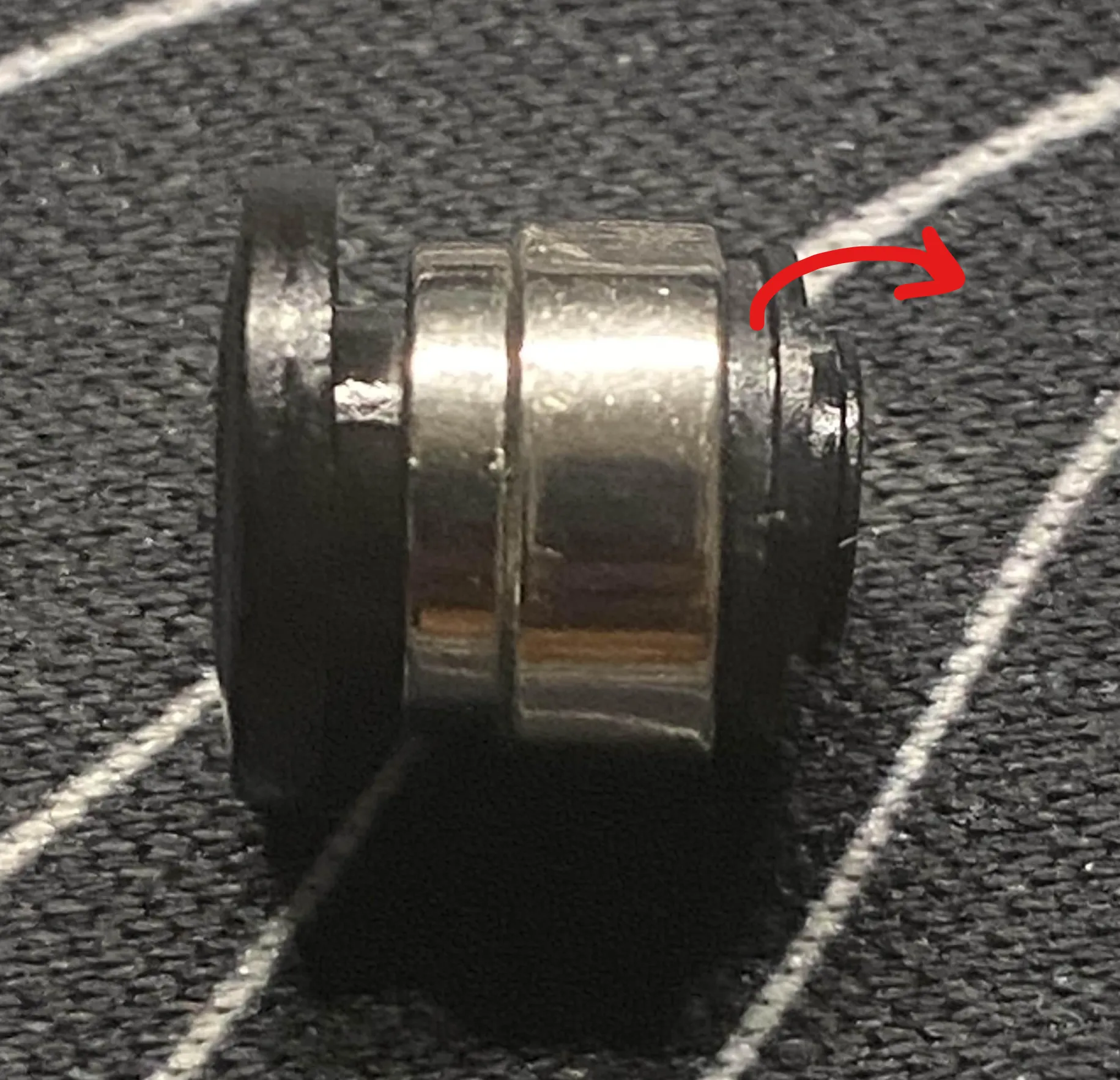
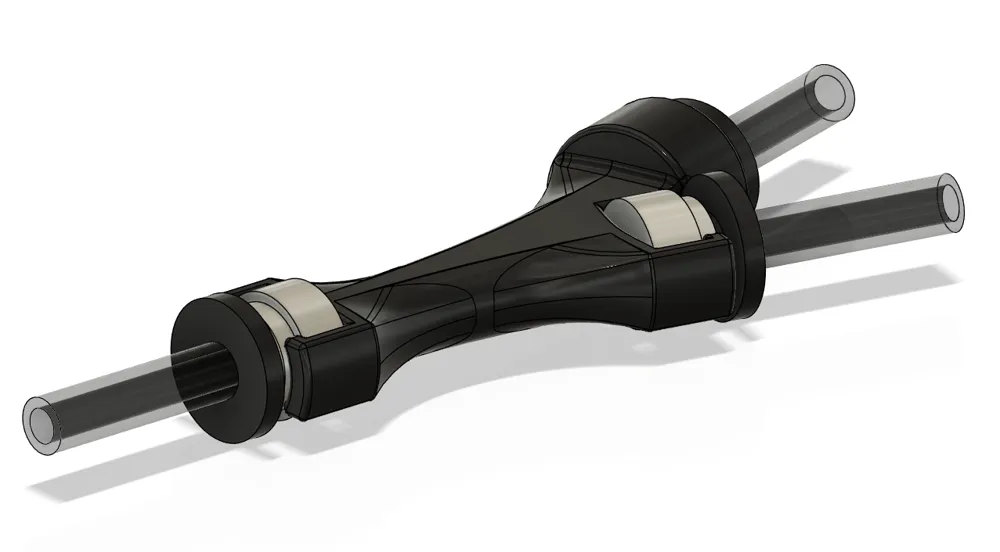
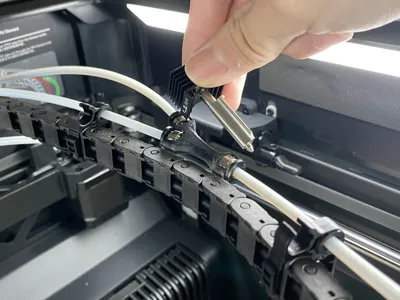
Clip the PTFE connector into the 3D printed part. There is a flat spot on the PTFE connector making the snap in easier; make sure to rotate it in its socket afterwards to ensure that it is secure.
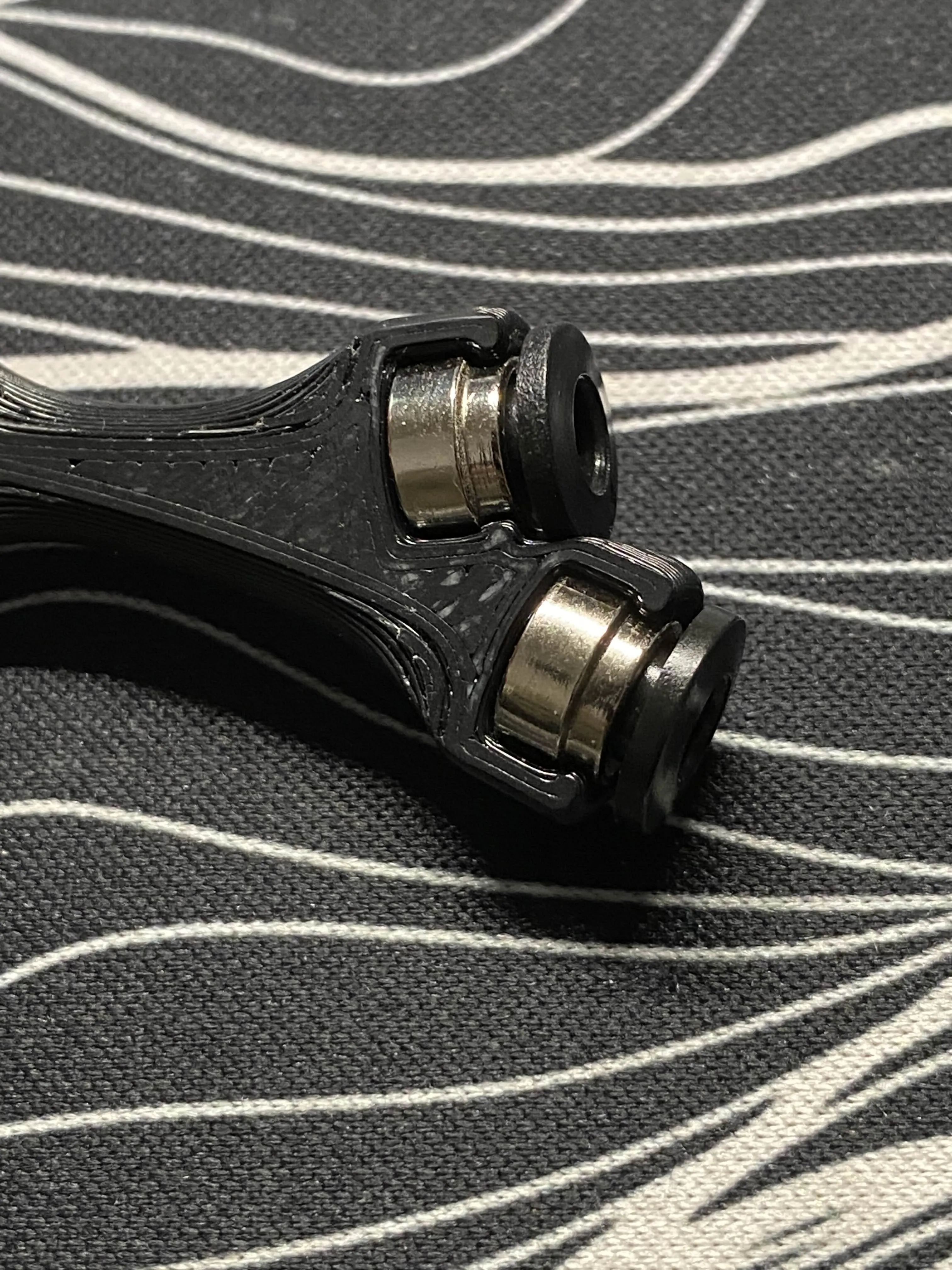
Insert the PTFE tube completely in
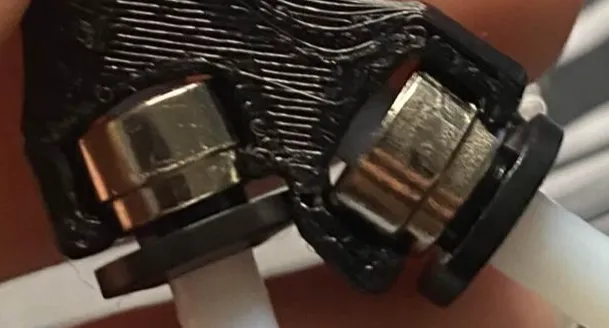
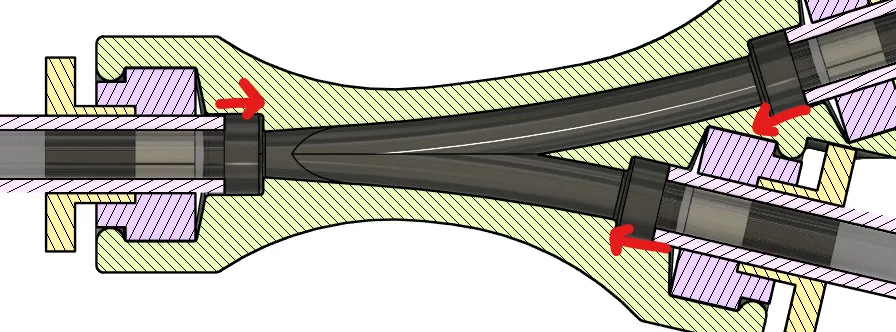
Handfeed through some filament into the input ports, you should feel zero significant snags that prevents the filament from being fed forward.
(Optional, recommended for “classic” variant) Apply a drop or two of glue/epoxy to the PTFE connector and the 3D print. Exercise caution to ensure that it only contacts the metal and plastic so it doesn't get on the pincers holding the ptfe tube or the release button.
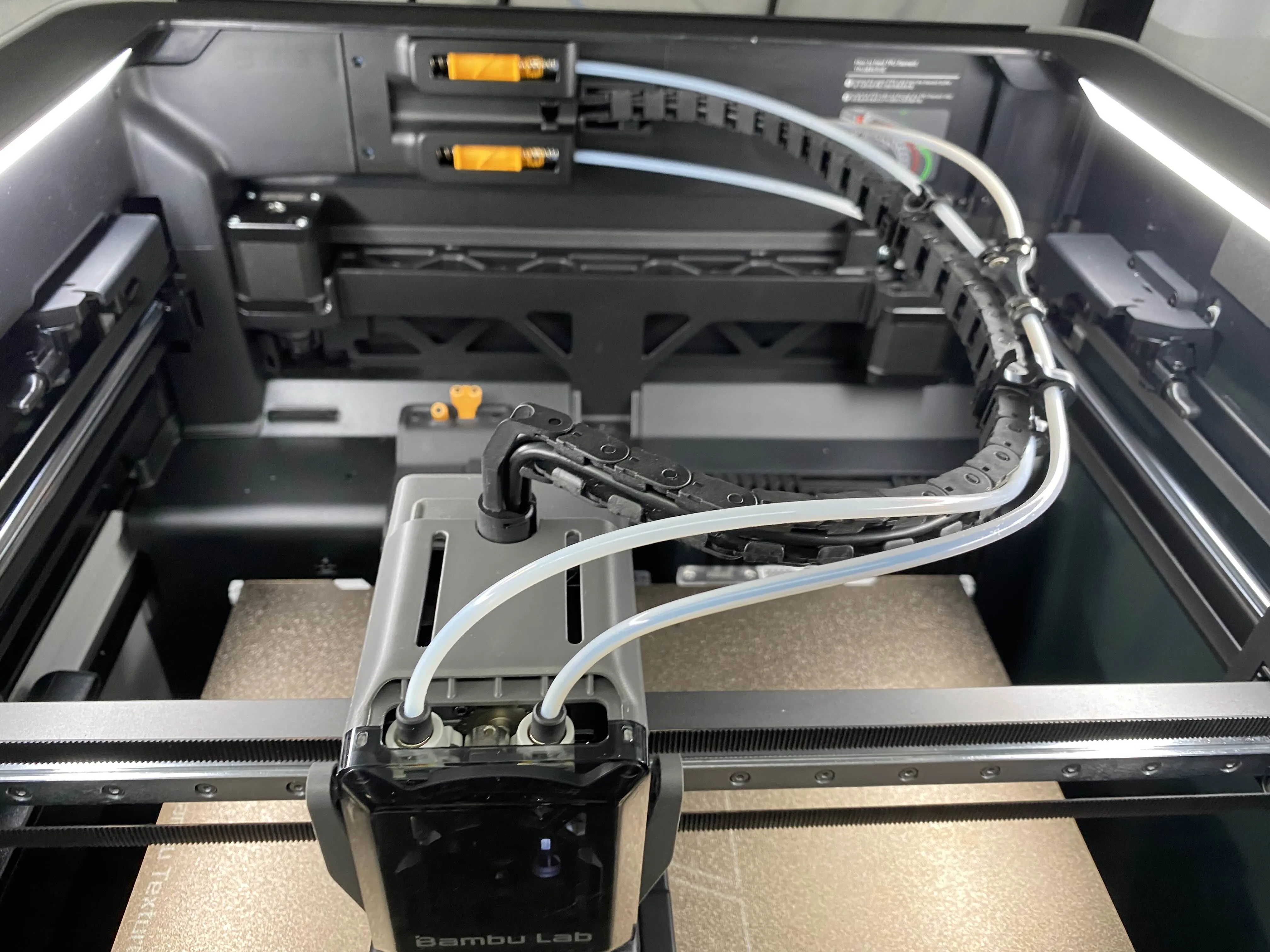
Integrate into H2D as appropriate. After attachment, move toolhead throughout its range of motion to ensure that the Y Splitter will not impede with its motion.
Design explanation
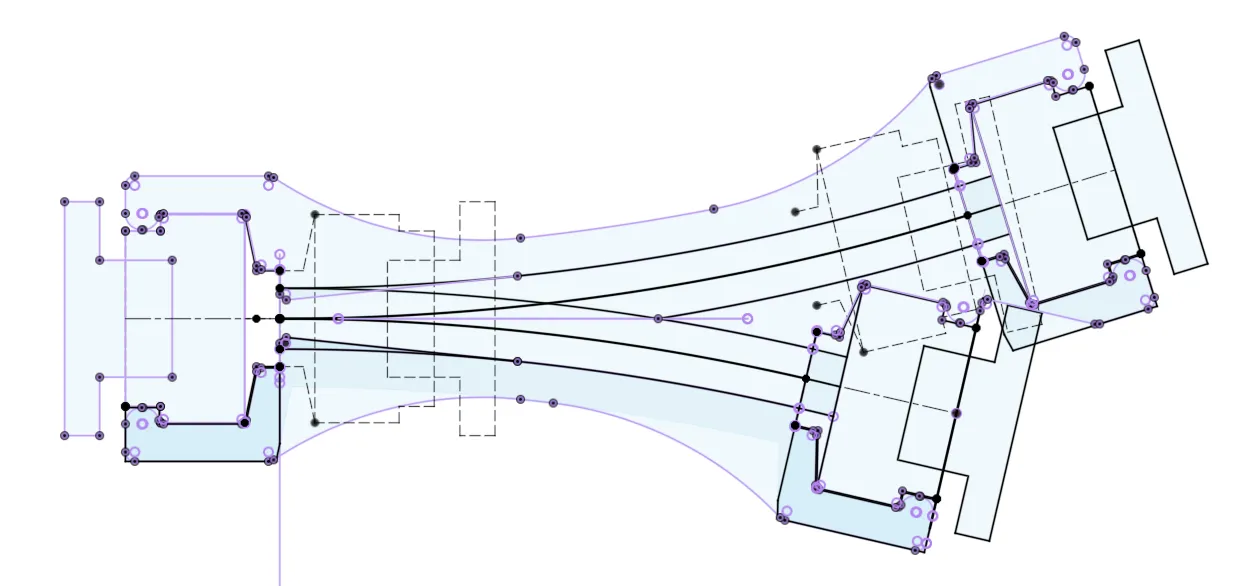
By staggering the 2 PTFE connectors, I am able to shorten the path length taken by the filament within the Y Splitter and reduce feed resistance. Additionally, the 100mm radius bend also drastically reduces feed resistance compared to other designs.
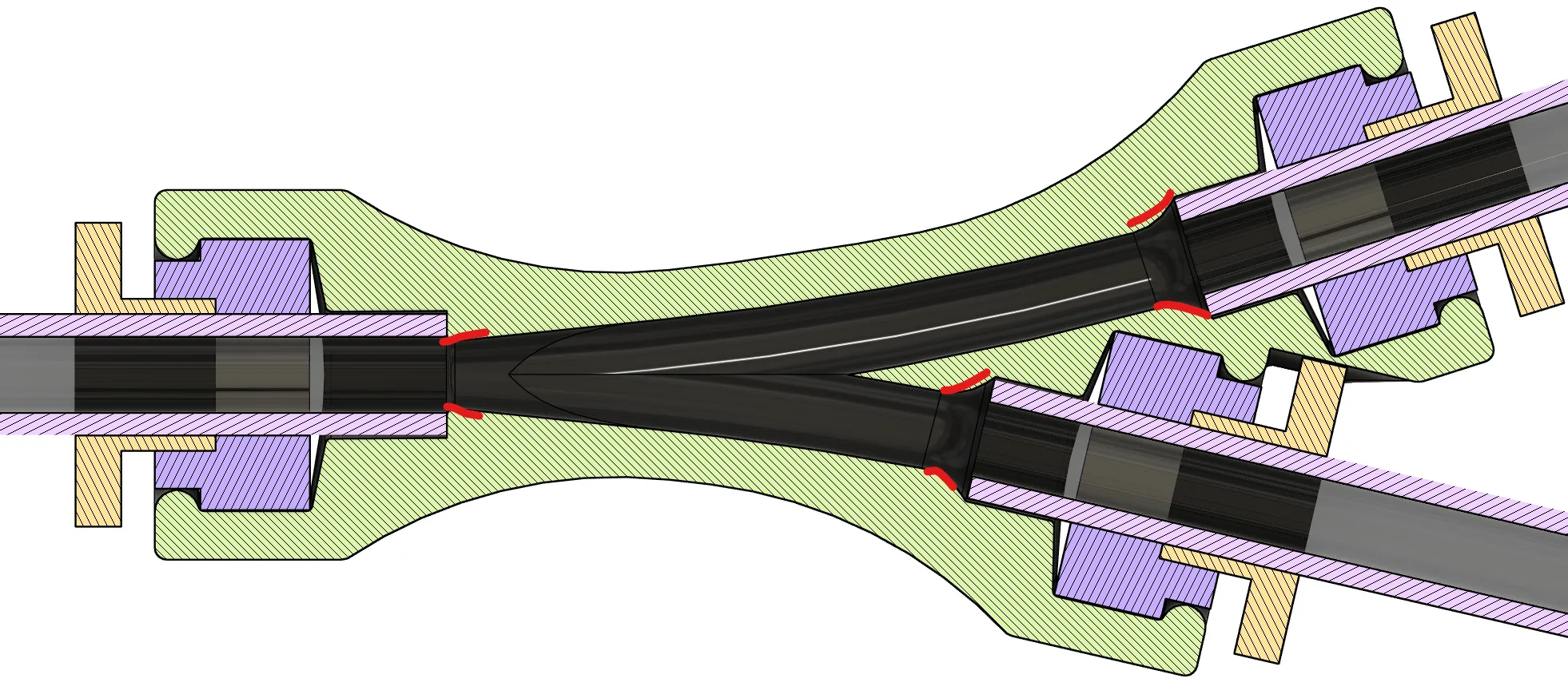
Additionally, rounded geometries and print orientation within the connector helps feed the tip of the filament through the splitter without snags or clips. The fillets and focused entry into the output PTFE tubes makes it impossible for the tip of the filament to embed itself into the connector, and by being printed horizontally rather than vertically, the filament will not clip into the layer lines.
License

You shall not share, sub-license, sell, rent, host, transfer, or distribute in any way the digital or 3D printed versions of this object, nor any other derivative work of this object in its digital or physical format (including - but not limited to - remixes of this object, and hosting on other digital platforms). The objects may not be used without permission in any way whatsoever in which you charge money, or collect fees.


Comment & Rating (12)