
17mm Ball Mount Adapter Socket, AMPS 30x38mm
Print Profile(3)



Bill of Materials


Description
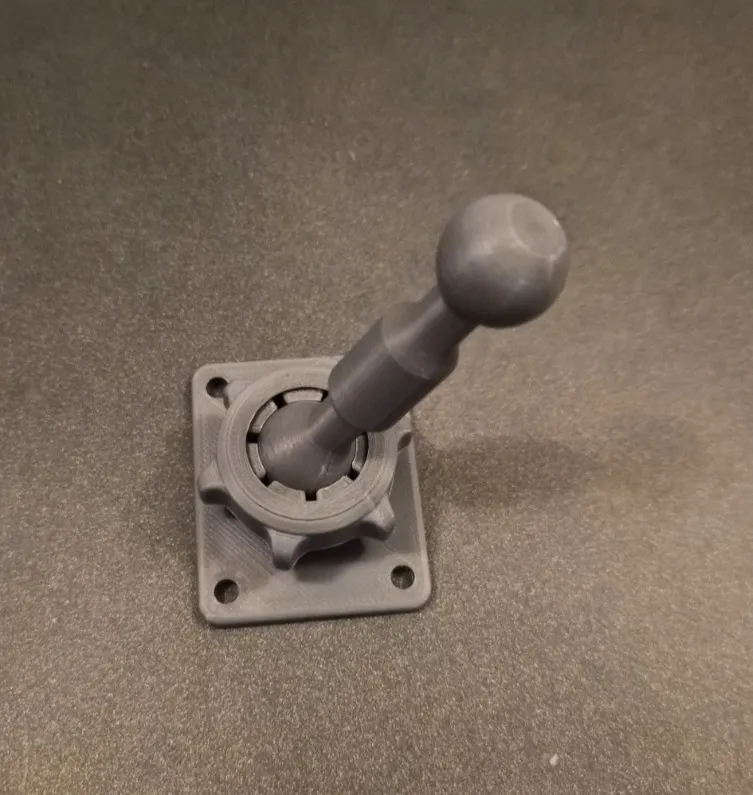
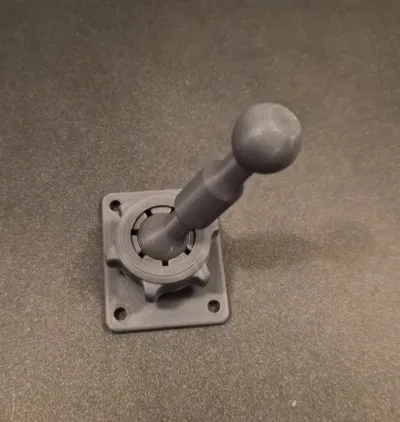
This is a 17 mm socket-style mount built on the AMPS 30 × 38 mm bolt pattern. Many mobile-electronics accessories—phone mounts, GPS units, camera brackets, small displays, etc.—use the 17 mm ball/socket standard along with the AMPS mounting standard. Mounting systems using 17mm ball mounts include various ProClip/Brodit-style components, Garmin mounts, RAM mounts, Bulletpoint systems, Scosche mounts, and others. There are also various available 17mm ball/socket mounts that work with Magsafe.
Also see my 17mm ball adapter, which mates with this socket adapter to form a swivel mount between two AMPS compatible components, such as a bracket and a phone holder.
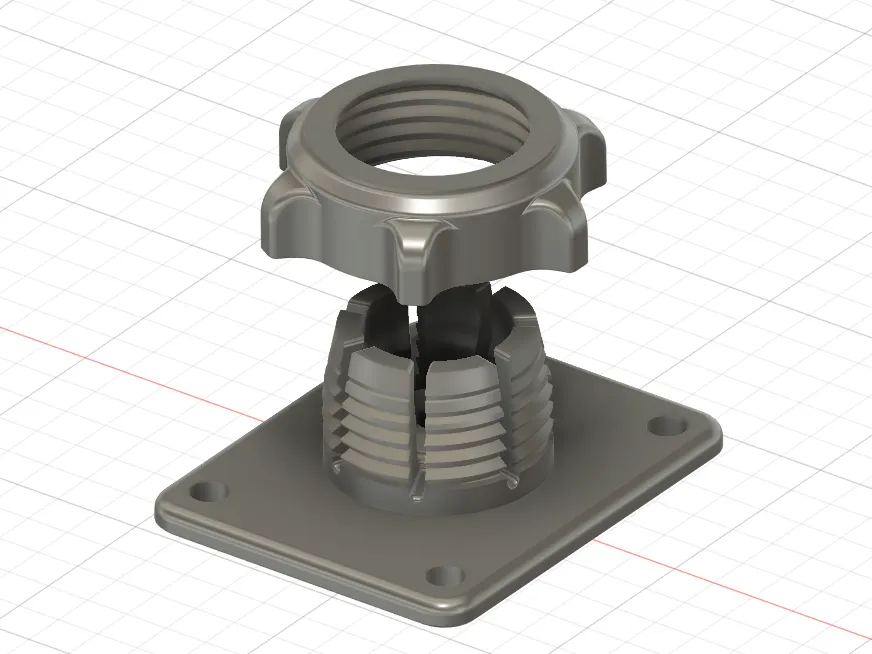
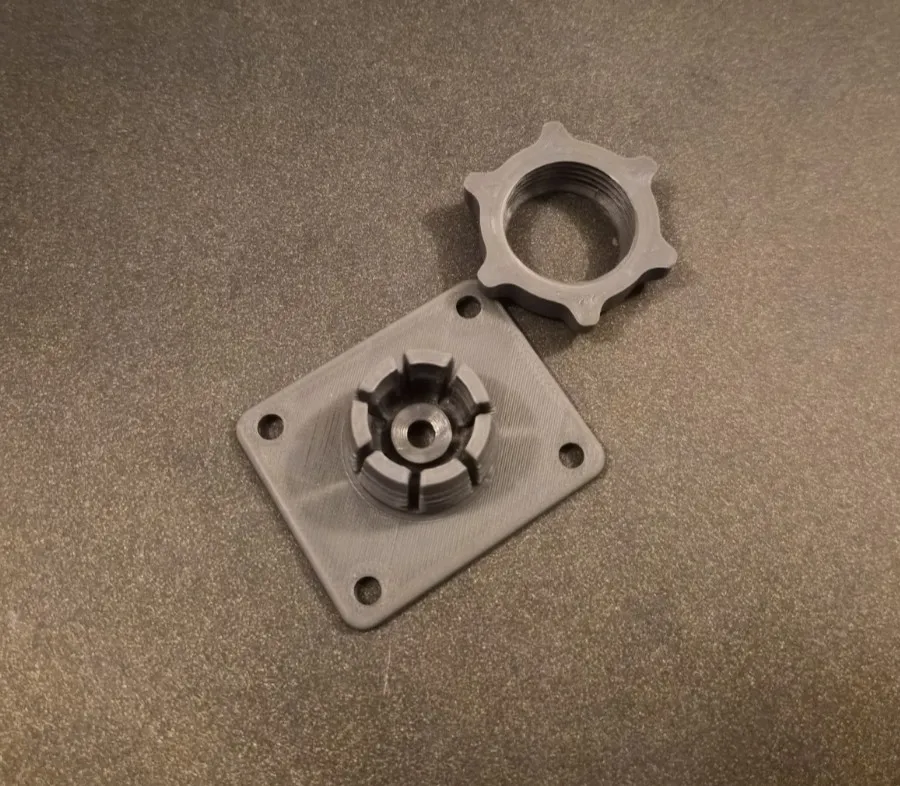
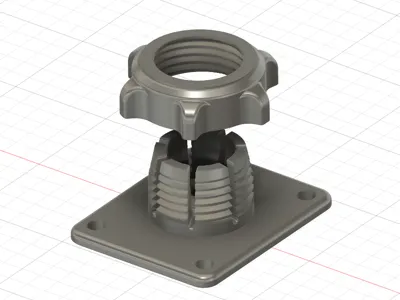
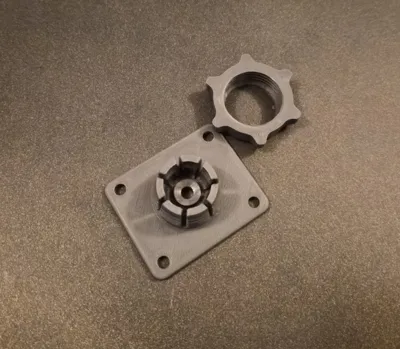
This design has two pieces:
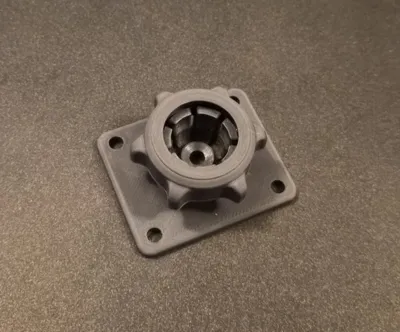
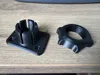
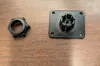
• AMPS-plate socket base – a 17 mm socket that receives a ball component of a ball arm or other accessoriy.
• Compression nut – a threaded collar that slides over the socket and tightens to clamp the ball within the socket.
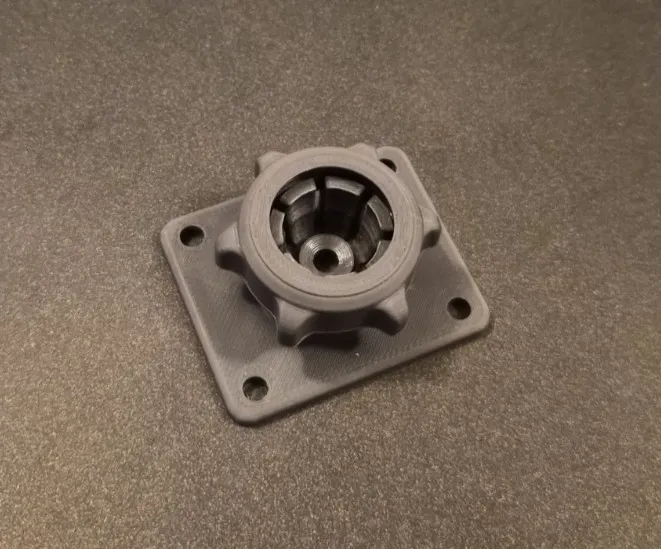
The print profile has a version with nut insets/traps (not shown in the pictures) and another version without nut insets/traps (pictured).
It seems quite strong, even though printed vertically. Also, given the nature of the swivel connection, there probably isn't much lateral torque on anything.
Bambu Lab PETG HF has performed the best for me, producing very smooth threads and a firm, consistent ball-and-socket connection. I also tested several other PETG and PCTG materials; most of them produced noticeably squeaky or gritty threads and joint movement, making it harder to tighten the compression nut. Matte PETG and matte PCTG materials were better than their glossy counterparts. I didn't test PLA, since these types of parts tend to be used in potentially hot car interiors.
License

You shall not share, sub-license, sell, rent, host, transfer, or distribute in any way the digital or 3D printed versions of this object, nor any other derivative work of this object in its digital or physical format (including - but not limited to - remixes of this object, and hosting on other digital platforms). The objects may not be used without permission in any way whatsoever in which you charge money, or collect fees.


Comment & Rating (85)