
Strange Records of the Tang Dynasty: Pei Xijun Chibi Figure
Print Profile(1)

Description
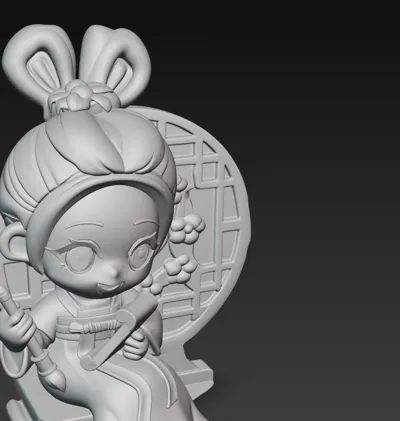
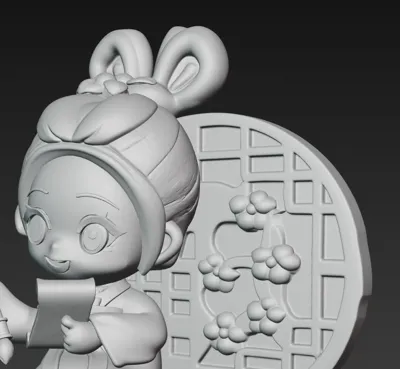
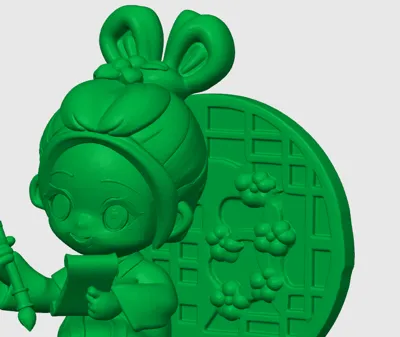
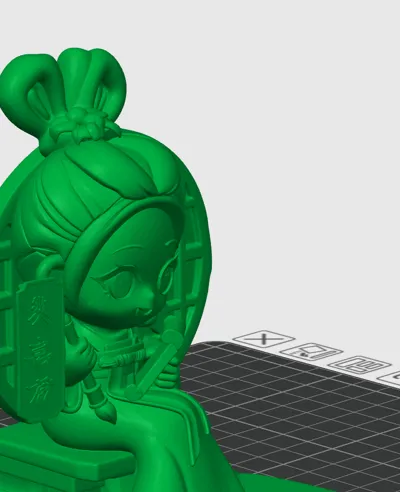
Introduction to 3D Printed Strange Records of the Tang Dynasty: Pei Xijun Chibi Figure
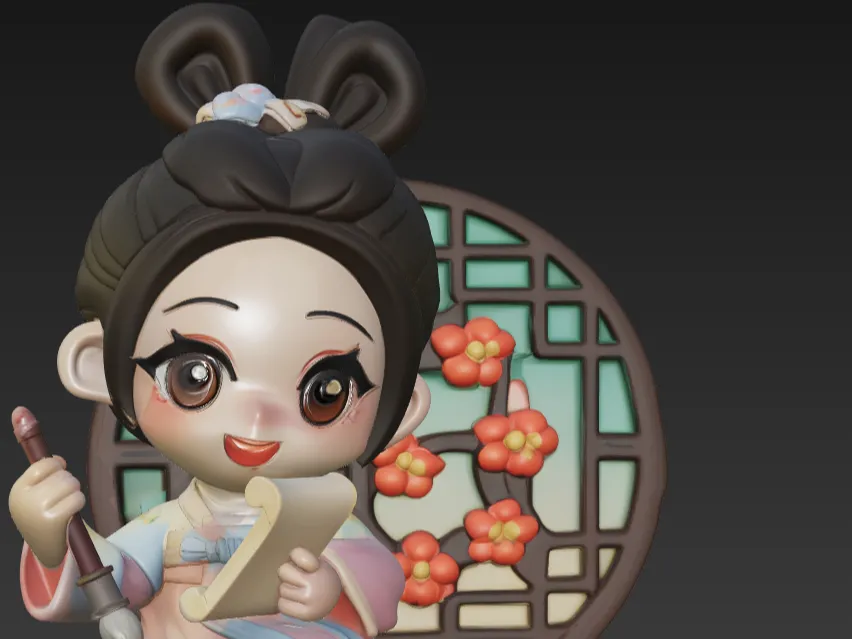
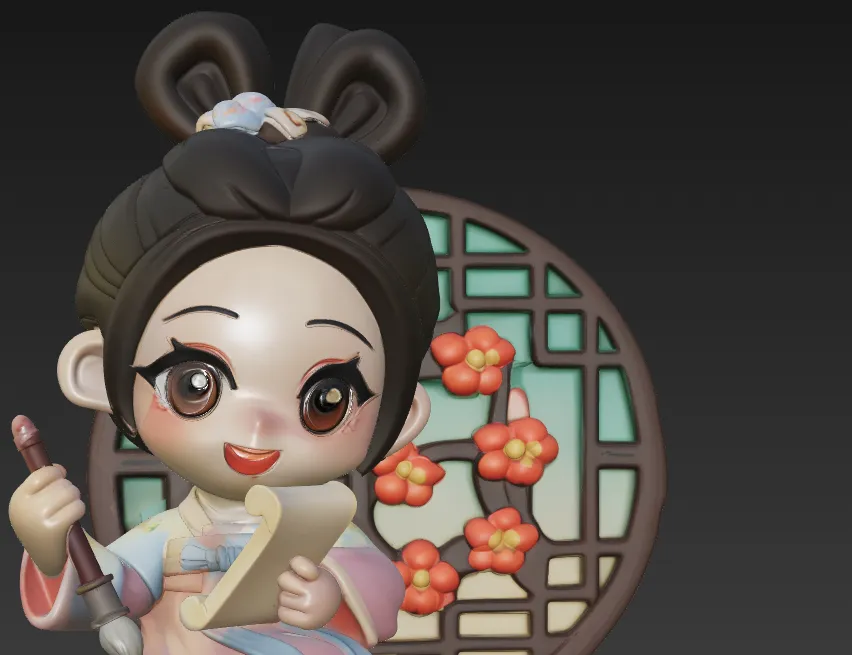
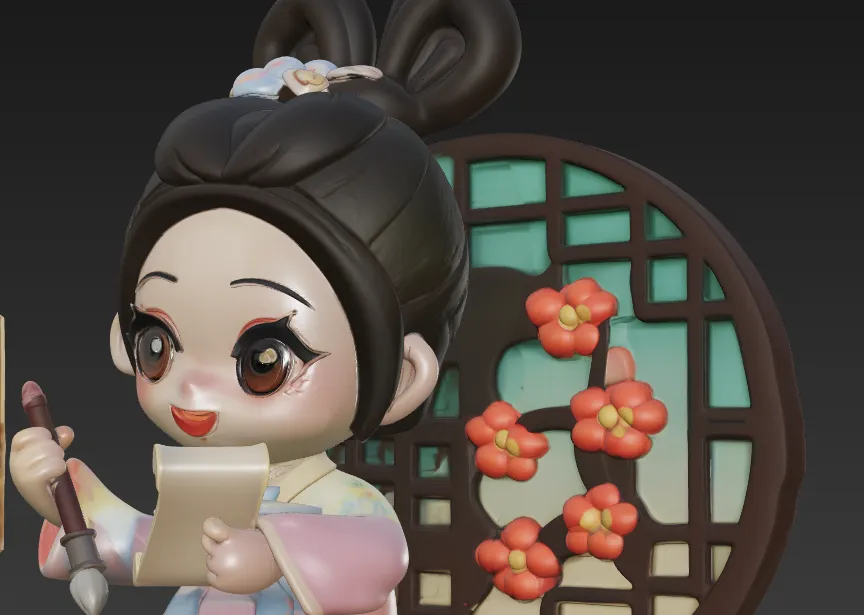
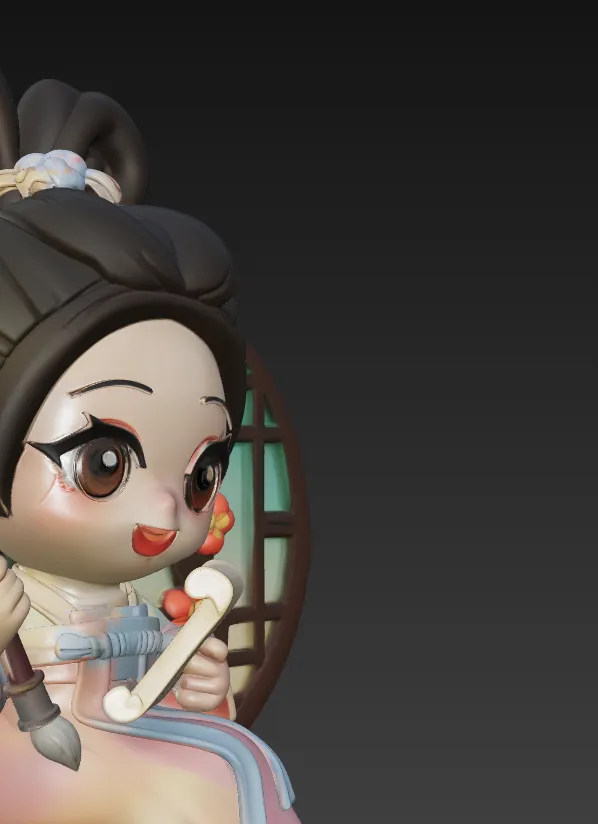
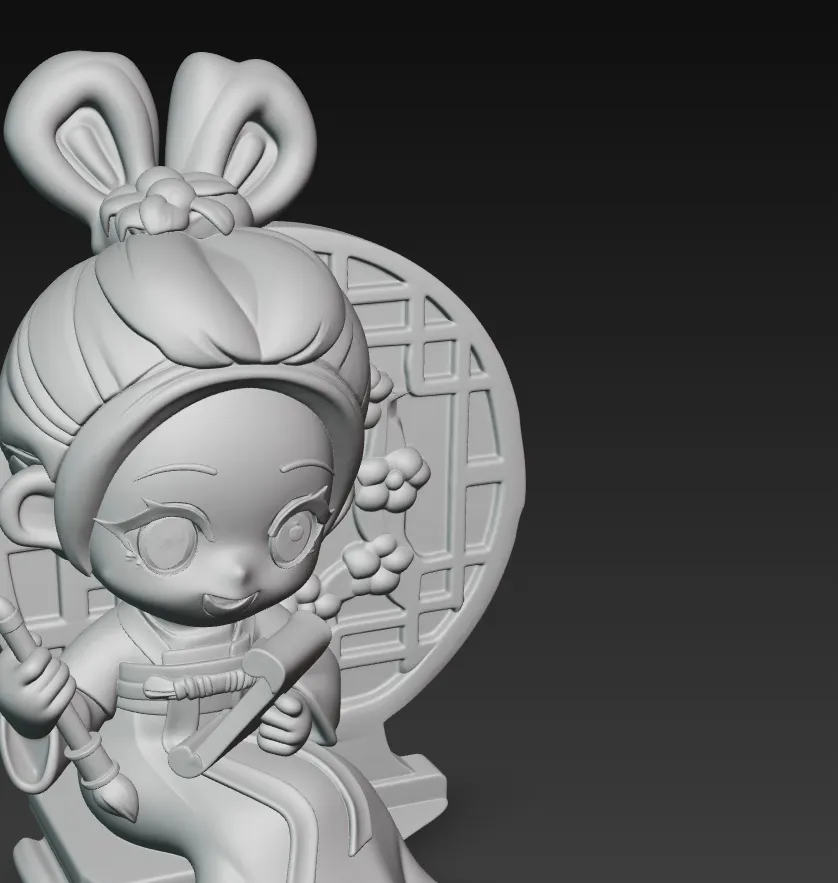
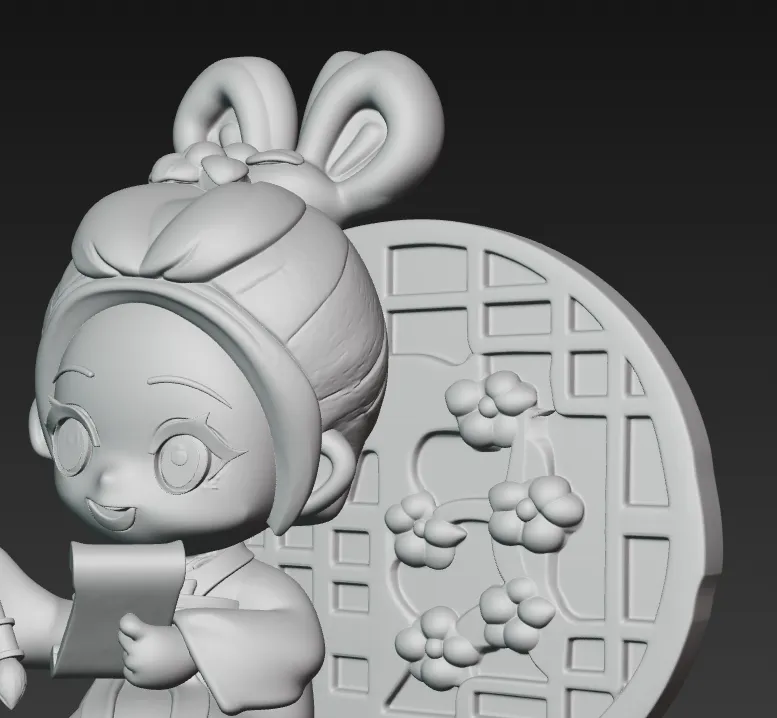
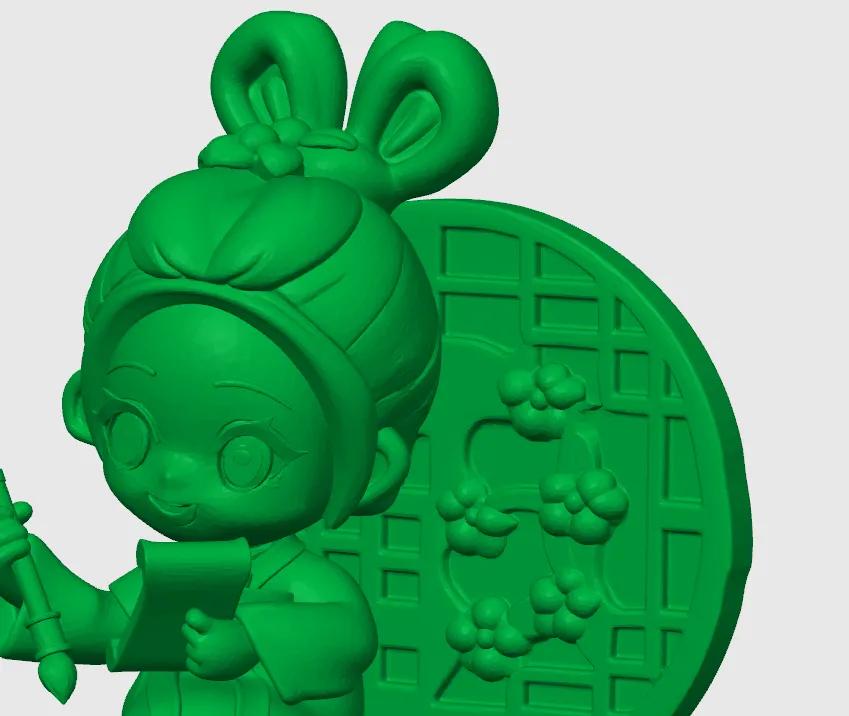
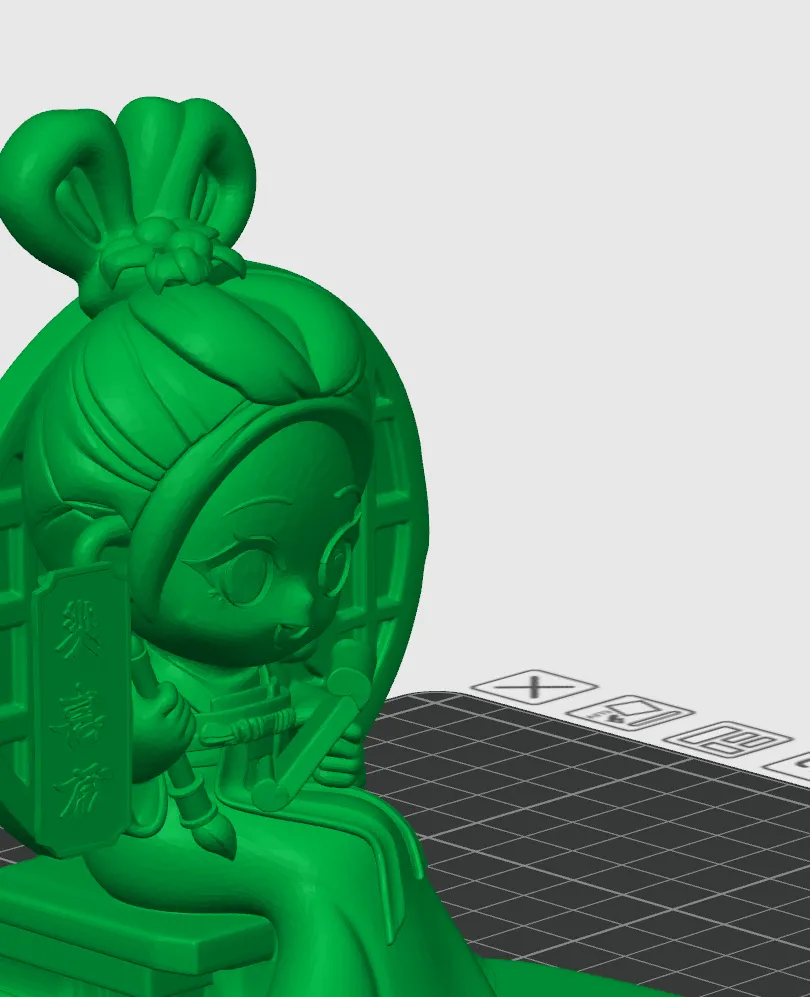
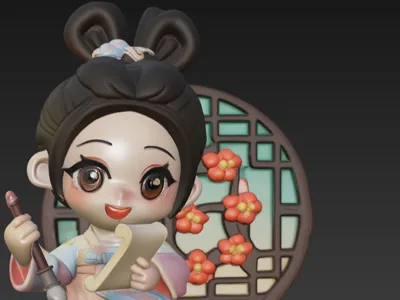
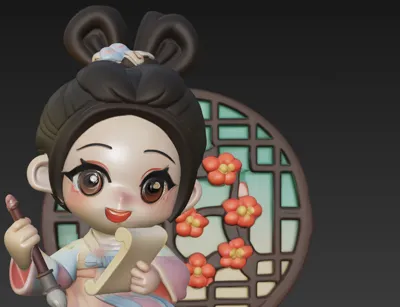
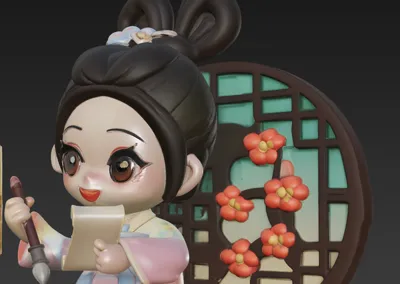
Pei Xijun is a talented female character with a profound classical charm in “Strange Records of the Tang Dynasty.” She is proficient in painting, gentle, and intelligent, with an elegant Tang Dynasty lady's attire and a vibrant temperament that leaves a deep impression. Presenting this “talented painter” in a chibi style and producing her as a figure using 3D printing technology not only preserves her gentle and serene core characteristics but also adds a playful touch through a cute design, creating a collectible that combines ancient elegance with charming fun. The following will detail the 3D printed Strange Records of the Tang Dynasty: Pei Xijun chibi figure from aspects such as character prototype, chibi design highlights, advantages of 3D printing technology, and key production points.
I. Character Prototype and Chibi Design Highlights
Pei Xijun's prototype image exudes the delicate charm of a Tang Dynasty lady, with her elegant ruqun, exquisite hairpins, and the pose of holding a paintbrush or a scroll as her distinct identifiers. The chibi design, while restoring these elements, performs a “cute-ification” reconstruction to achieve a harmonious unity of “gentle” and “cute.”
- Cute-ification of Proportion and Posture: Adopting the classic chibi proportion of “three heads tall,” the head is enlarged with a rounded contour, the cheeks are full like apples, and the body lines are simplified into soft curves, creating a “fluffy” cute appearance. The standing pose is designed as gently lifting the skirt or holding a brush sideways, with a slightly bent waist, showcasing the elegant posture of a lady; the hand gestures are small and agile, such as gently dabbing a scroll with a paintbrush, or holding a pigment dish, fully displaying the delicate sensibility of a talented woman.
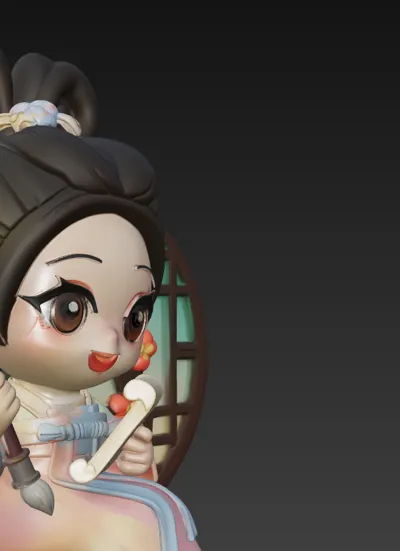
- Enhanced Details of Clothing and Hair Ornaments: The clothing restores the layered design of the Tang Dynasty ruqun, with the top in an elegant light blue or pink, paired with an embroidered long skirt. The skirt hem is designed to naturally spread out in a “wavy shape,” with delicate lace trim added to the edges (cute-ification treatment); a wide belt is tied at the waist, adorned with small jade pendants or sachets, adding classical details. Hair ornaments are a design highlight, retaining the high bun style from the drama, embellished with multiple mini beaded hairpins and silk flowers. The hairpins are made of transparent resin, the silk flowers are enlarged and brightly colored, with a few strands of hair falling at the ends, appearing graceful and flowing; a small hua dian can be added to the forehead, restoring the exquisite makeup of a Tang Dynasty lady.
- Exclusive Design of Talented Woman's Props: The figure is equipped with cute props highly characteristic of the character—holding a mini paintbrush, with its tip stained with “pigment” (decorated with colored resin or paint); an open small scroll is placed beside her, with chibi versions of Lu Lingfeng or Chang'an street scenes painted on it, full of fun; a miniature pigment dish and palette can also be added, with different colored “pigment beads” (small colored resin balls) “contained” within the pigment dish, details that highlight her identity as a “talented painter.”
II. Core Advantages of 3D Printing Production
3D printing technology, with its precision and flexibility, provides many conveniences for the production of Pei Xijun's chibi figure, perfectly bringing the design concept of a “cute talented woman” to fruition.
- Precise Reproduction of Fine Details: Details such as the embroidered patterns on the ruqun, the layers of the beaded hairpins, and the texture of the paintbrush bristles are complex and difficult to accurately present with traditional handcrafting. These details can be meticulously depicted through 3D modeling, and 3D printing can completely print out the wavy pleats of the skirt, the镂空 patterns of the hairpins, and the brushstrokes of the scroll, making the figure's exquisiteness far exceed that of ordinary ornaments.
- Rich and Diverse Personalization: Supports diverse customization according to preference, such as adjusting the figure size (from 5cm mini to 15cm collectible), changing clothing colors (e.g., changing the light blue ruqun to light purple or goose yellow), customizing exclusive scene bases (e.g., a wooden base with “Xijun's Painting Studio” inscribed, or a miniature scene with a “desk + brush, ink, paper, inkstone”), and even designing detachable props (e.g., paintbrushes and scrolls of different shapes) to meet various collection needs.
- Rapid Prototyping and Controllable Costs: No need for complex mold making; models are directly formed via 3D printing, shortening the production cycle to 3-7 days, especially suitable for small batch or personal customization. Material selection is flexible, allowing for the use of photosensitive resin or PLA materials of different price points according to budget, balancing quality and cost-effectiveness, enabling more fans to own this cute talented woman figure.
III. Recommended Printing Process and Materials
Combining the delicate shape and texture requirements of Pei Xijun's chibi figure, choosing suitable 3D printing processes and materials is key to ensuring the figure's quality.
Process Selection
SLA Resin Printing: The preferred process, with extremely high precision (minimum layer thickness 0.025mm), it can clearly print intricate structures such as ruqun patterns, hairpin details, and paintbrush bristles. The printed surface is smooth and delicate, and paint adhesion is strong during subsequent coloring, maximizing the delicate texture of the figure, suitable for collectors pursuing high quality.
LCD Resin Printing: A cost-effective choice, with faster printing speed and precision that meets the basic requirements of chibi figures, suitable for mass production or enthusiasts with a moderate budget. After printing, a simple sanding can achieve good results.
Material Selection
High-Toughness Photosensitive Resin: Used for printing the main body and clothing parts of the figure, it combines hardness and toughness, preventing fragile parts like skirt hems and hair ornaments from breaking. Available in white or skin tone, it serves as a base color for painting.
Transparent/Pearlescent Photosensitive Resin: Specifically used for making hair ornament beaded hairpins, jade pendants, and other components. Transparent resin prints the hairpins, and pearlescent paint can be applied internally to create a crystal-clear effect; pearlescent resin is used for skirt edges or belts to add a dreamy feel and restore the elegant texture of Tang Dynasty clothing.
PLA material: If using FDM process to make large-sized figures, PLA material is environmentally friendly and economical, with rich colors. It can directly print the elegant colors of the ruqun, reducing painting steps, suitable for DIY enthusiasts for secondary creation.
IV. Post-processing and Painting Techniques
Fine post-processing and painting can bring Pei Xijun's chibi figure to life, perfectly showcasing the gentle and vibrant charm of a “cute talented woman.”
- Post-processing Steps: For resin printed parts, thoroughly clean residual resin with alcohol, then progressively sand with sandpaper from 400 grit to 2000 grit, focusing on details such as skirt pleats and hairpin connections to eliminate layer lines and support marks; for small props like paintbrushes and pigment dishes, use an ultrasonic cleaner to assist in cleaning crevices; fill minor imperfections with putty, sand smooth, then spray primer to enhance paint adhesion.
- Painting Techniques: Adopt a painting style of “elegant gradient + detailed hand-painting.” The ruqun uses an elegant gradient color scheme, with colors transitioning from darker at the neckline to lighter at the hem, simulating natural color transitions; skirt patterns are hand-painted with a fine brush, using colors harmonious with the skirt, such as pink and green for floral patterns; hairpin beaded hairpins are sprayed with pearlescent paint, combined with a small amount of fluorescent paint, to present a soft luster under light; facial painting emphasizes a “gentle feel,” using a fair natural skin tone, outlining the eyes with brown, and adding white highlights internally to create clear and lively eyes; chibi patterns on the scroll are finely drawn with colored paints to add fun; finally, spray a layer of matte protective varnish to prevent fingerprints and make the overall texture softer and more elegant.
The 3D printed Strange Records of the Tang Dynasty: Pei Xijun chibi figure is an ingenious fusion of classical talented woman charm and chibi cuteness, not only restoring the core characteristics of the character but also bringing a new visual experience through creative design. Whether as a cherished collectible for fans of “Strange Records of the Tang Dynasty” or a “literary cute” desk ornament, its exquisite details, elegant style, and full talented woman aura make it a highly attractive collectible. Through 3D printing technology, this talented Tang Dynasty painter can “write and ink” on your desk in the cutest possible way.
License

You shall not share, sub-license, sell, rent, host, transfer, or distribute in any way the digital or 3D printed versions of this object, nor any other derivative work of this object in its digital or physical format (including - but not limited to - remixes of this object, and hosting on other digital platforms). The objects may not be used without permission in any way whatsoever in which you charge money, or collect fees.


Comment & Rating (0)