
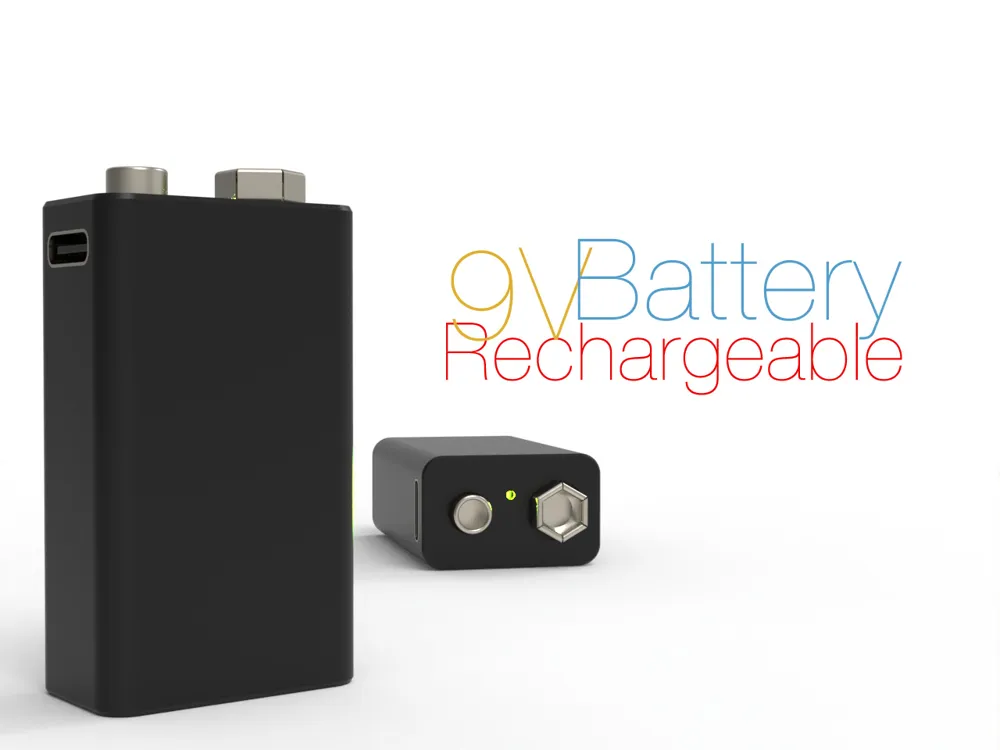
Rechargeable 9V 1000mAh Battery
Print Profile(2)


Description
Rechargeable 9V Battery
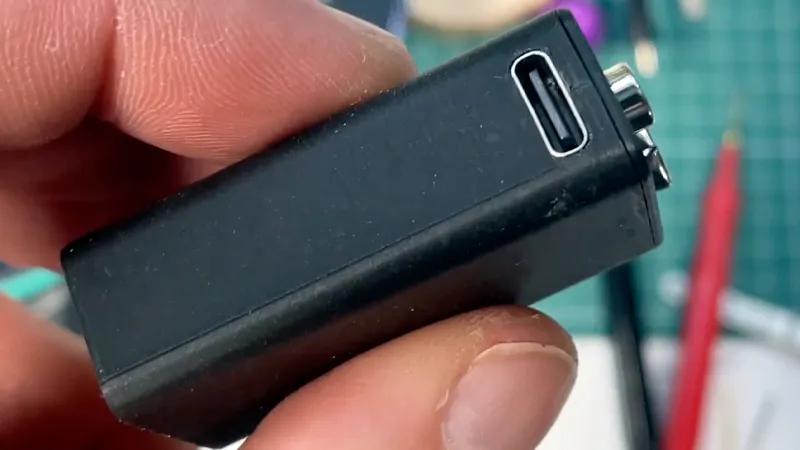
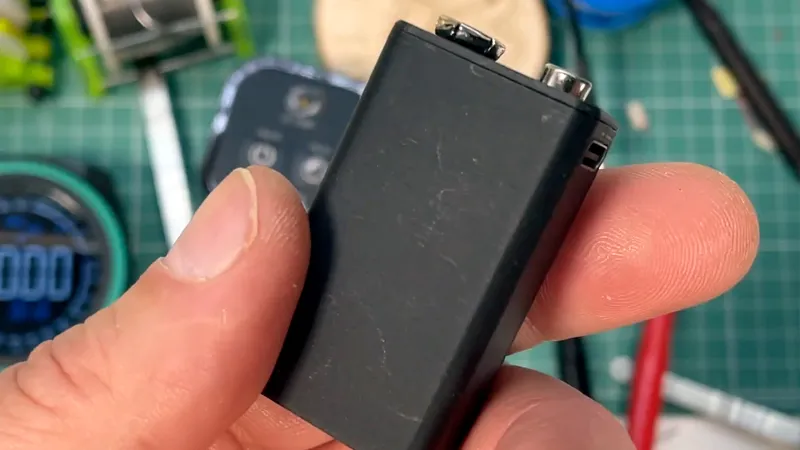
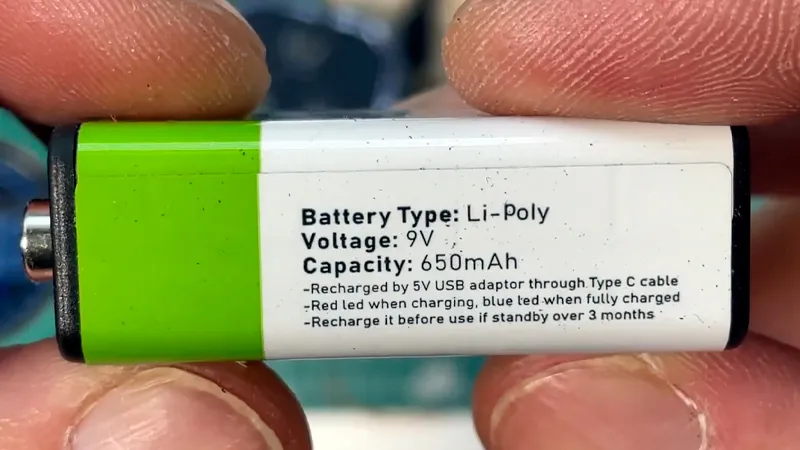
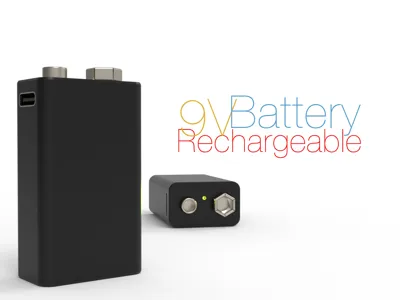
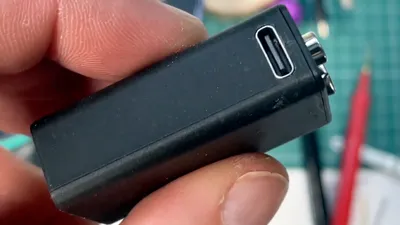
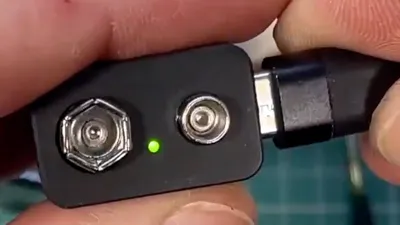
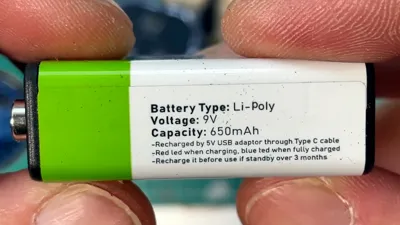
This is a small DIY 9-volt rechargeable battery assembled from leftover miniature cells from another project. Four 250 mAh cells give a total of honest 1000 mAh — without those mythical “12000 mAh” numbers sellers like to print. That amount of energy simply cannot physically fit into a standard 9V housing. In reality, 600–800 mAh is usually the limit, so getting a true 1000 mAh here is a solid result.
Boost Me (for free)
If you liked it, give it a boost or hit like. I’d appreciate it. I hope you enjoy the device I created.
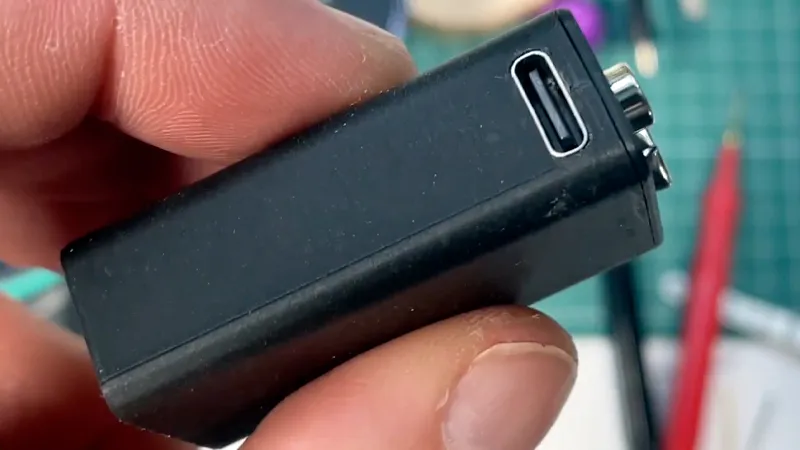
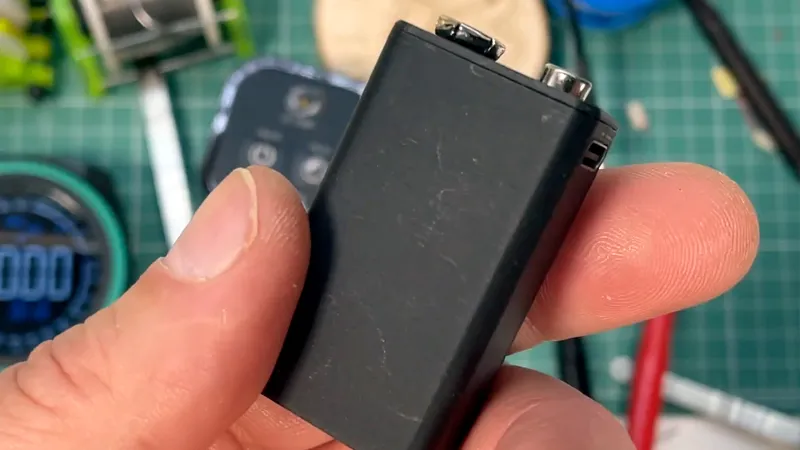
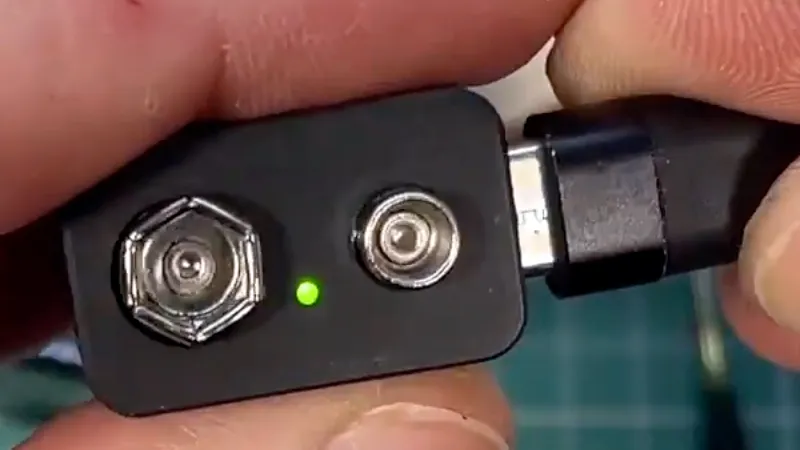
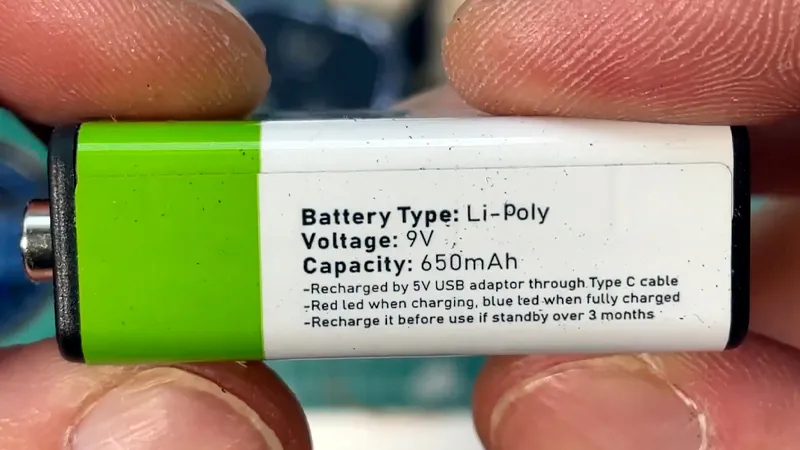
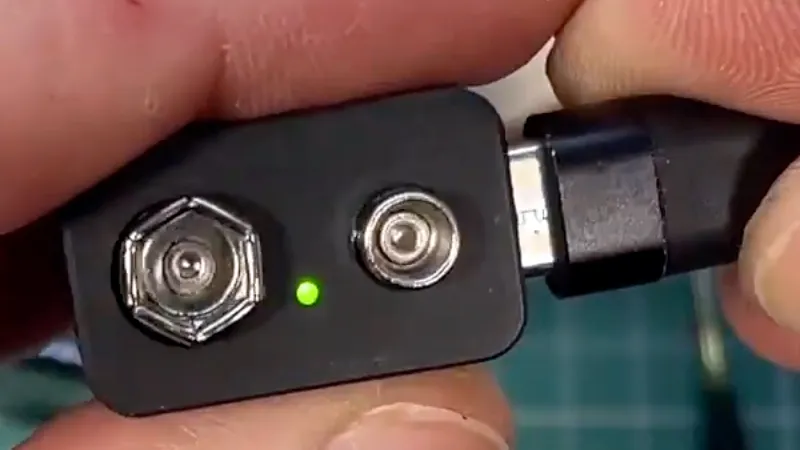
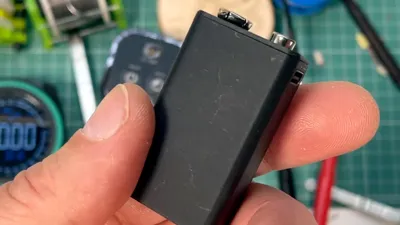
The case is printed with a 0.2 mm nozzle using a minimal layer height — around 0.1 mm. That keeps the surface clean and avoids the staircase effect. The top part of the housing is printed from two materials: the main body uses a standard filament, and the light-pipe area is printed from transparent PLA in several layers. This creates a clear, readable charge-indicator light guide.
The contact pair comes from a regular disposable 9V battery. I never throw these empty batteries away — the contact plates are perfect for soldering wires, prototyping, and powering devices from a bench power supply. I’ve collected quite a few over the years, and for this project one of those plates was trimmed to size and reused.
The 9V format isn’t very common today, but I still have many devices that rely on it, which is why I built this battery in the first place. The design is simple yet capacious — a good compromise for older hardware.
For the charging module: to fit everything inside the case, you need not only the boost converter but also a small custom PCB. I don’t have ready-made ones for sale, but you can order the boards yourself on PCBWay . If you’re planning to build this battery, I assume you’re already comfortable with a soldering iron. There are only six components to place and solder — nothing complicated.
This module powers many of my projects, and people kept asking when I would finally publish it. I planned to produce a batch and release it properly, but never got around to it — and the messages kept coming. So I’m releasing it openly. Build it, use it, improve it.
See the video for details:
If you liked this thing - let me know by putting like!
Parts links below:
Links to used tools:
License



Comment & Rating (4)