
payload rocket standard size engine V1
Print Profile(1)

Bill of Materials
- Estes rocket motor A, B, or C x 1: https://estesrockets.com/collections/engines?srsltid=AfmBOop9iZ1W8qY-7Pd0gE4HA0bI873vpEQdTzl71dxFd36rzC3jarfU
Description
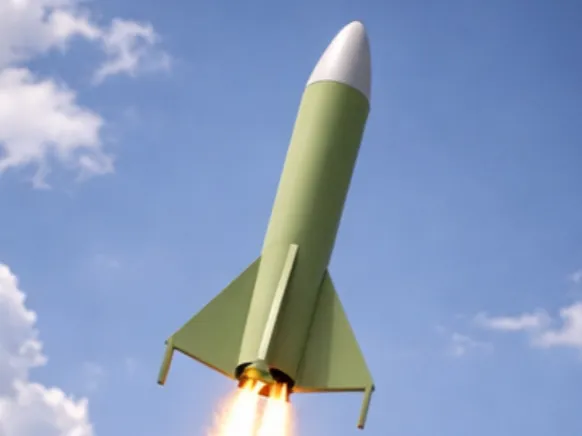
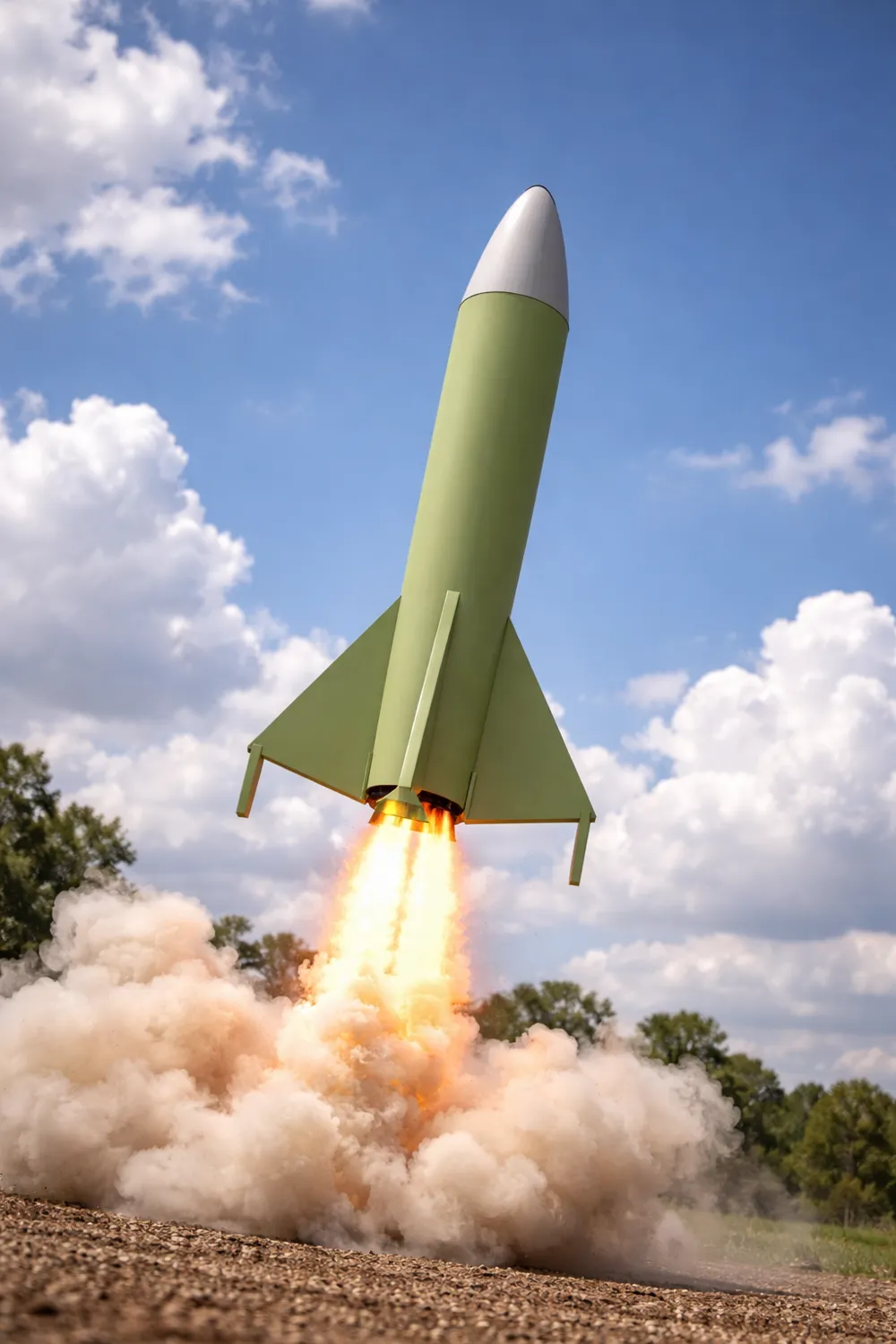
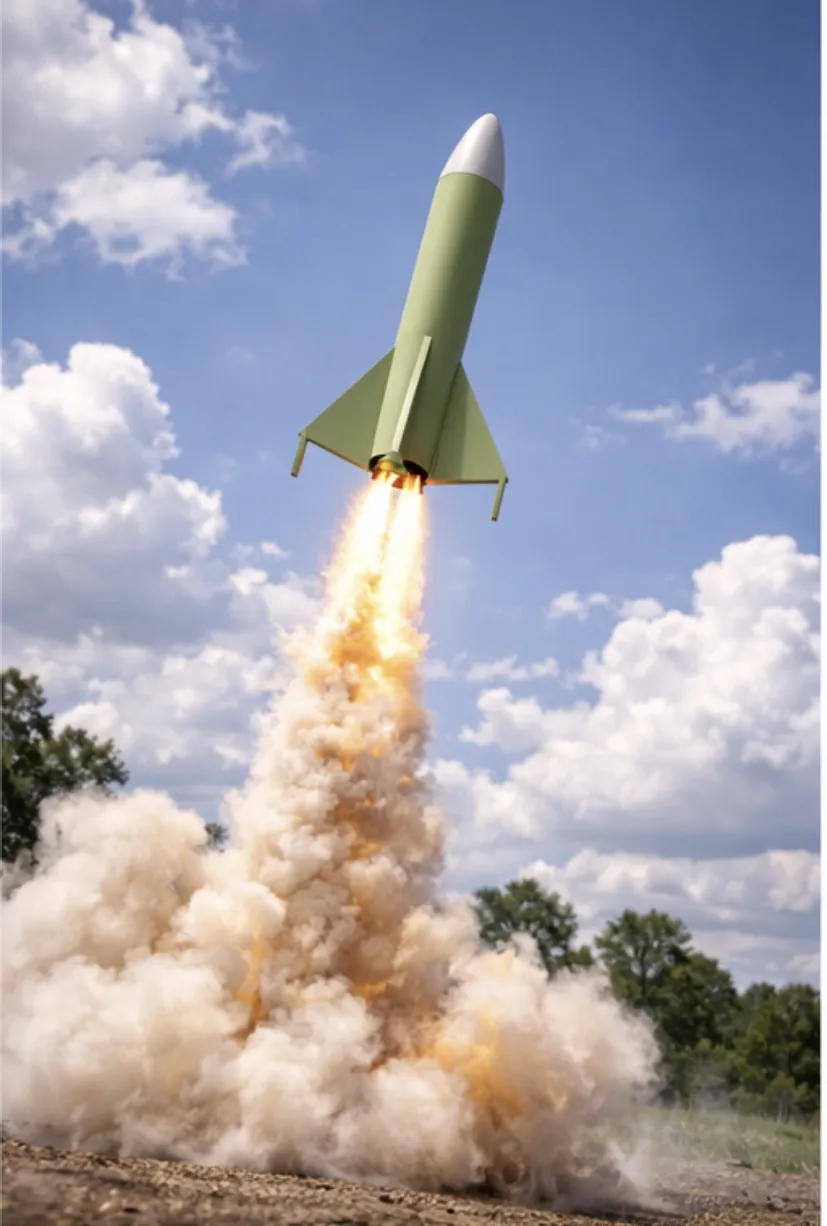
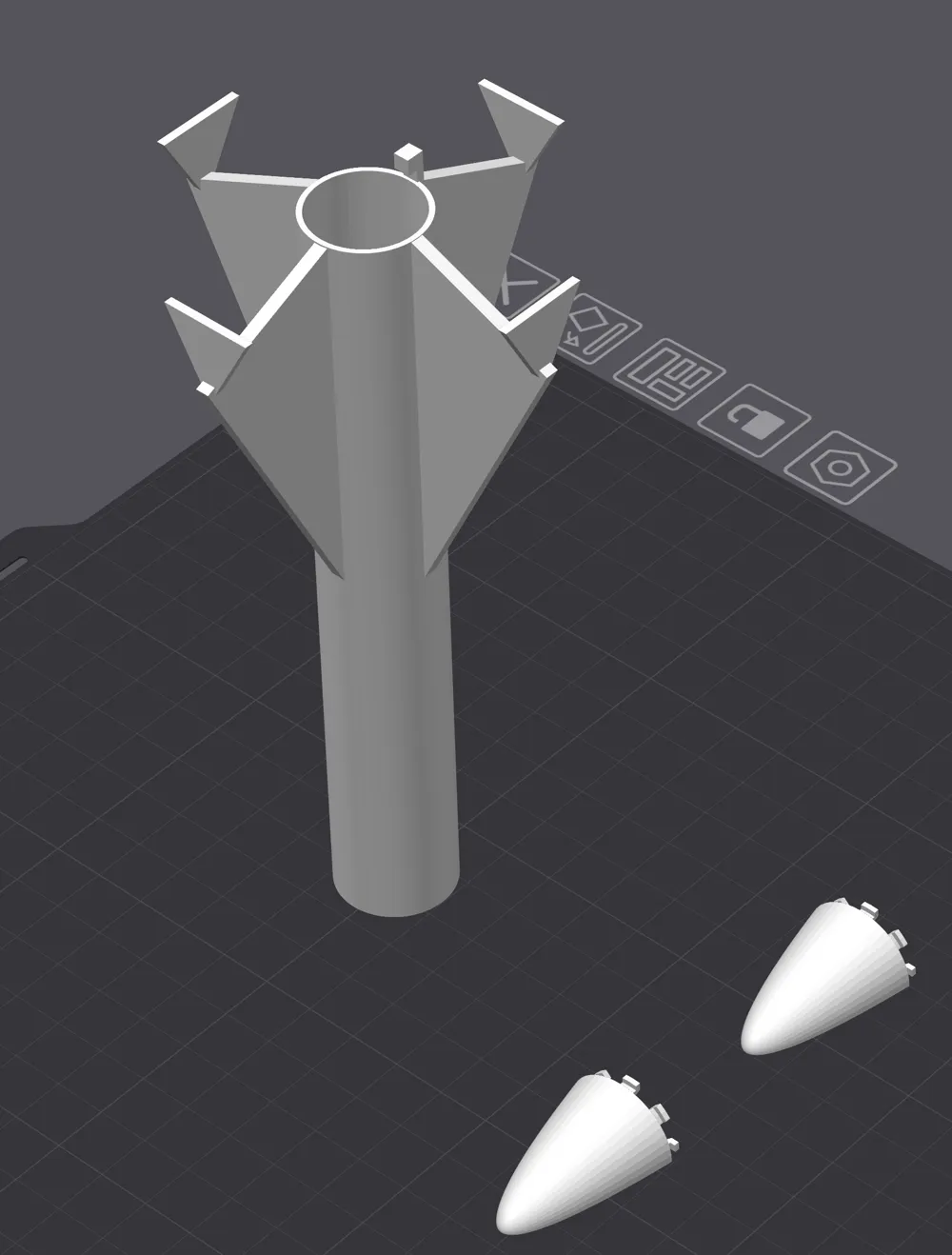
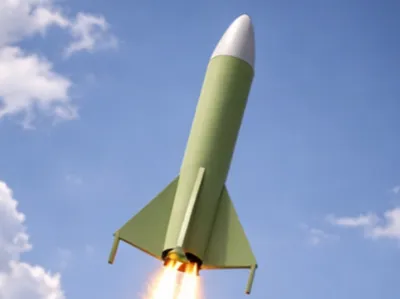
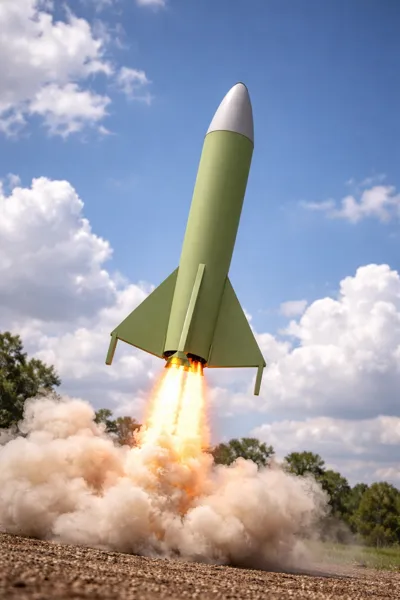
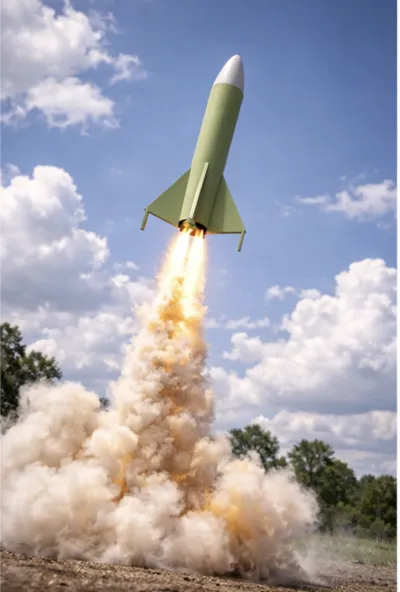
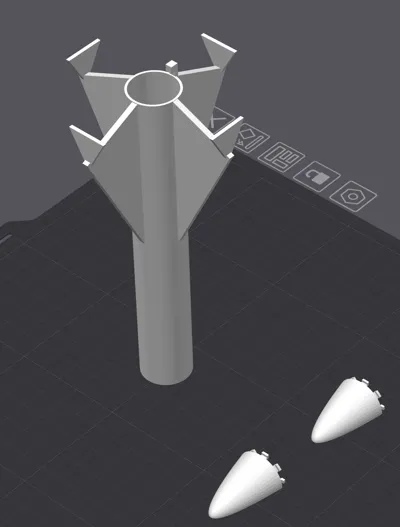
Payload Rocket – Standard Size Engine V1 is a modular hobbyist rocket designed for mid-air payload deployment. Standing 182 mm tall with a 22 mm diameter and 77.88 mm fin span, this rocket is compatible with A, B, and C class 18 mm motors. Its clamshell-style nose cone splits open mid-flight to release small payloads such as streamers, sensors, or tiny electronics.
Built for stable flights and easy recovery, this rocket is perfect for beginners testing payloads or hobbyists seeking a reliable platform for repeatable launches. Launch it with an A motor for low-altitude testing, a B motor for higher visibility, or a C motor for maximum altitude and dramatic payload deployment.
If you want to be cool you can use this luanch card template
Rocket Name: Payload Rocket – Standard Size Engine V1
Manufacturer: [Your Name / Brand]
Motor Compatibility: A, B, C class motors
Launch Date: [Insert Date]
Location: [Insert Launch Site]
Rocket Dimensions:
- Length: ~[Insert length] mm/inches
- Diameter: ~[Insert diameter] mm/inches
- Fin Span: ~[Insert span] mm/inches
Key Features:
- Clamshell-style nose cone deploys payload mid-flight
- Modular design, works with A/B/C motors
- Standard 18mm motor tube
- Durable construction for repeated launches
- Easy recovery with stable flight
Recommended Launch Setup:
- Launch rod or rail: 36–48 inches
- Recovery system: small streamer or parachute in nose payload bay
- Motor selection: A for low-altitude tests, B for mid, C for max performance
Safety Notes:
- Launch in open area, away from people and structures
- Follow NAR/Tripoli safety codes
- Use motor igniters per manufacturer instructions
Flight Plan:
- Place motor and ignite
- Rocket ascends straight, smoke and flames visible
- Nose cone splits mid-flight to deploy payload
- Rocket stabilizes and descends safely
Boost Me (for free)
If you want me to make more models about hobby things or pet things tell me when you boost me!
License



Comment & Rating (3)