
Print Profile(1)

Description
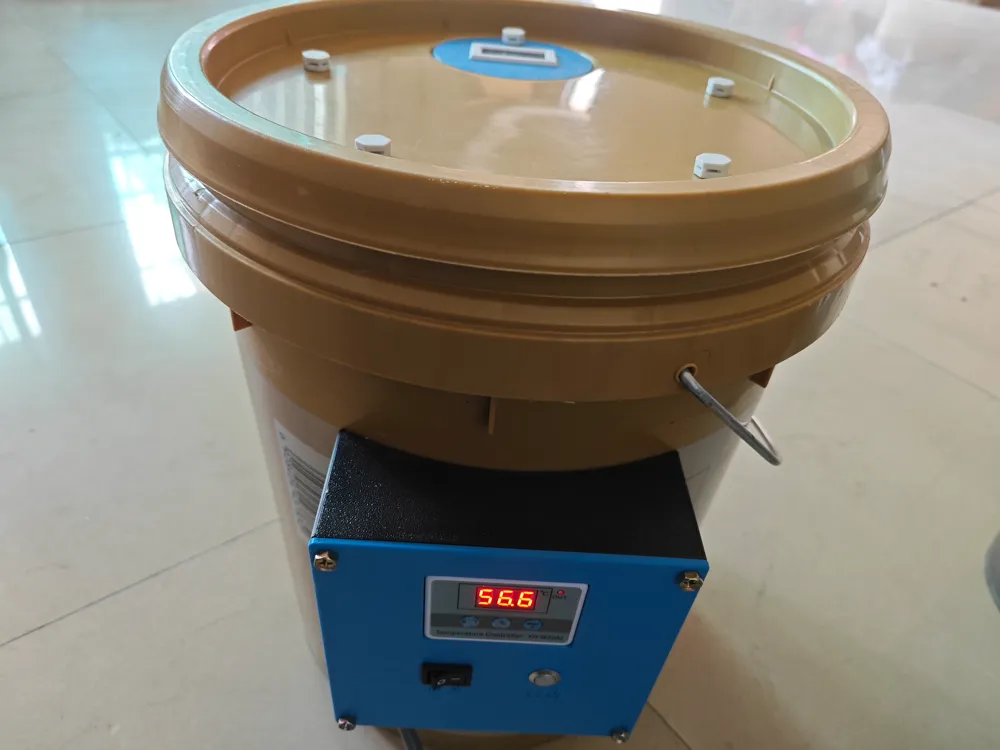
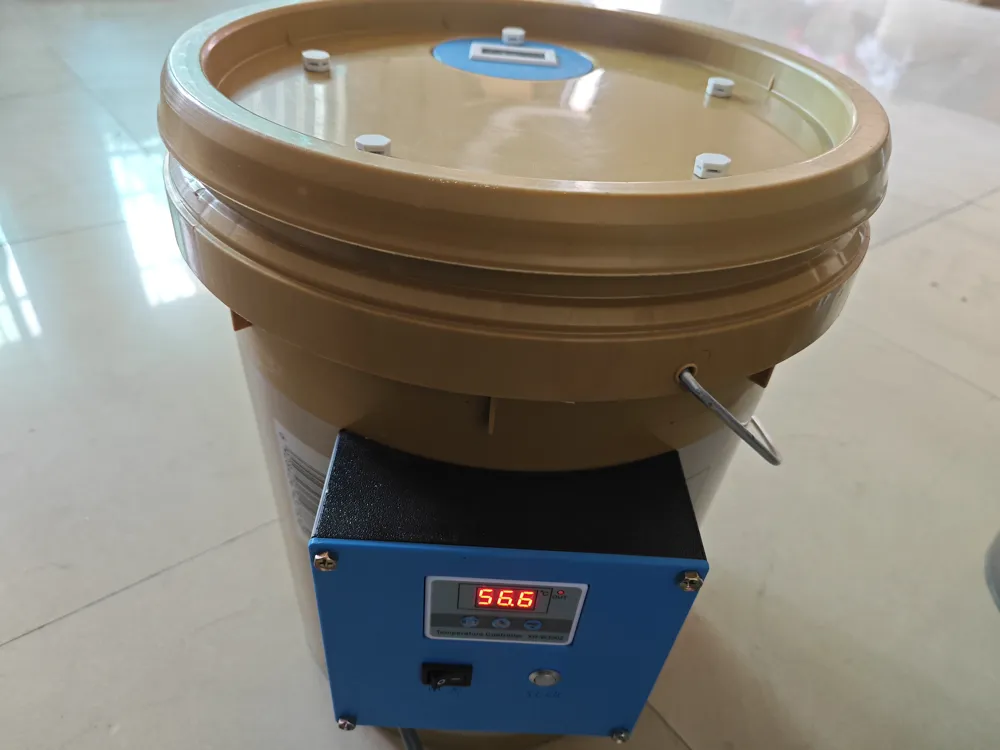
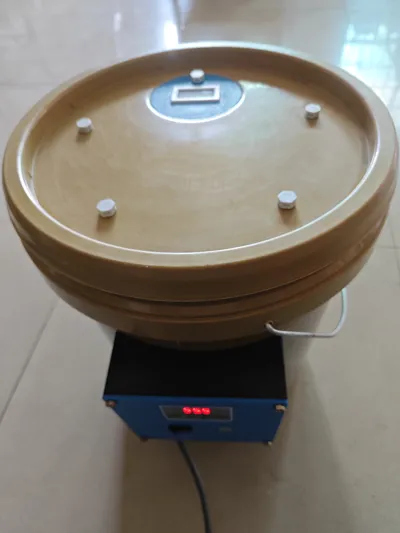
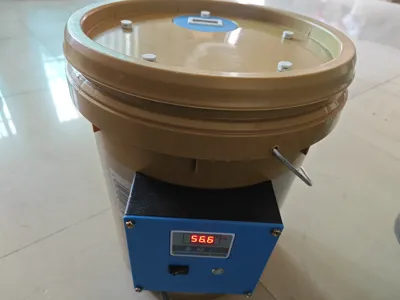
I originally wanted to buy a fruit dehydrator to dry filament, but its simple features didn't interest me, so I decided to build one myself
Friendly reminder: This DIY project uses 220V AC power. Improper use can lead to severe personal injury, so please proceed with caution
Materials:
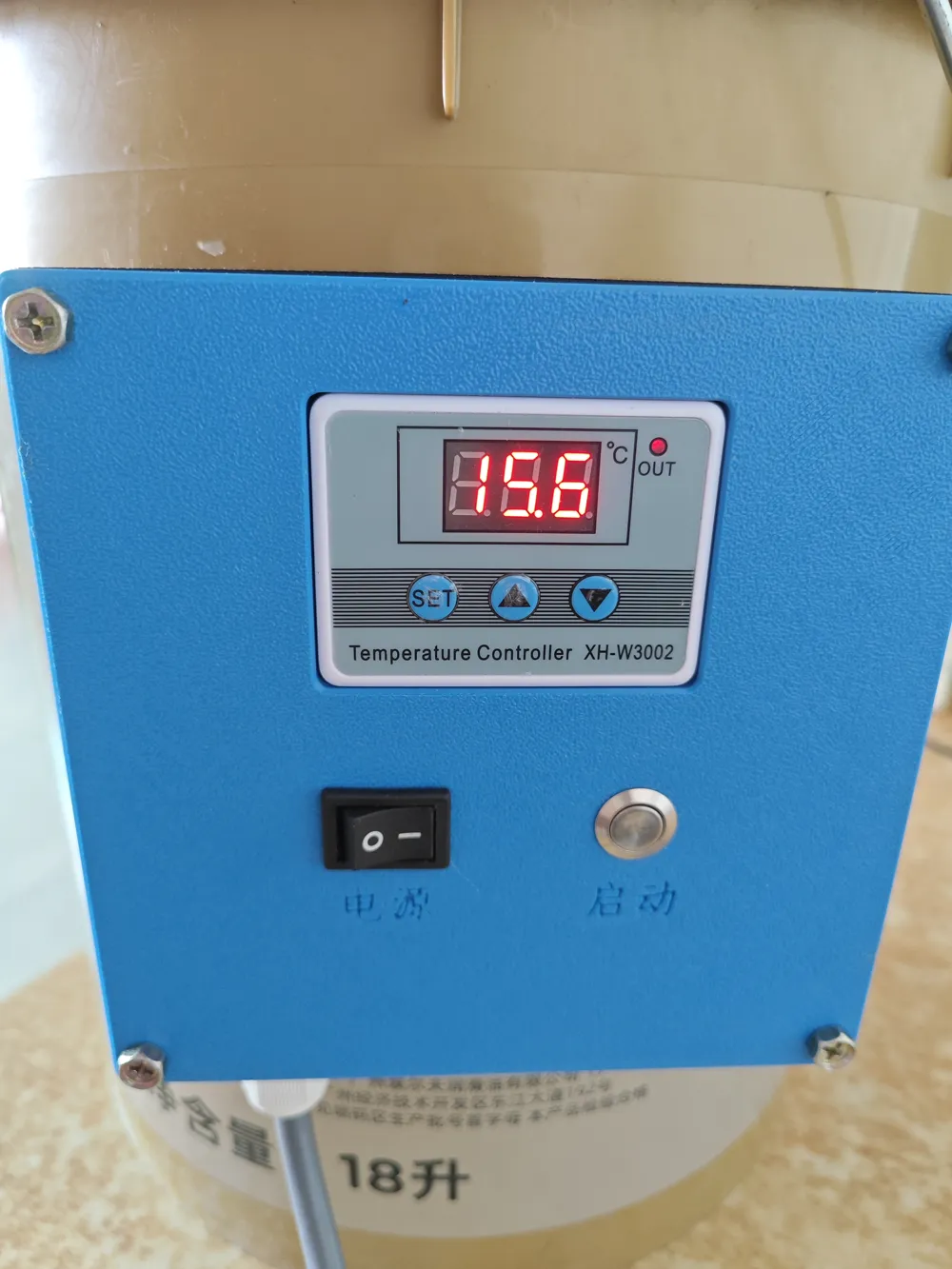
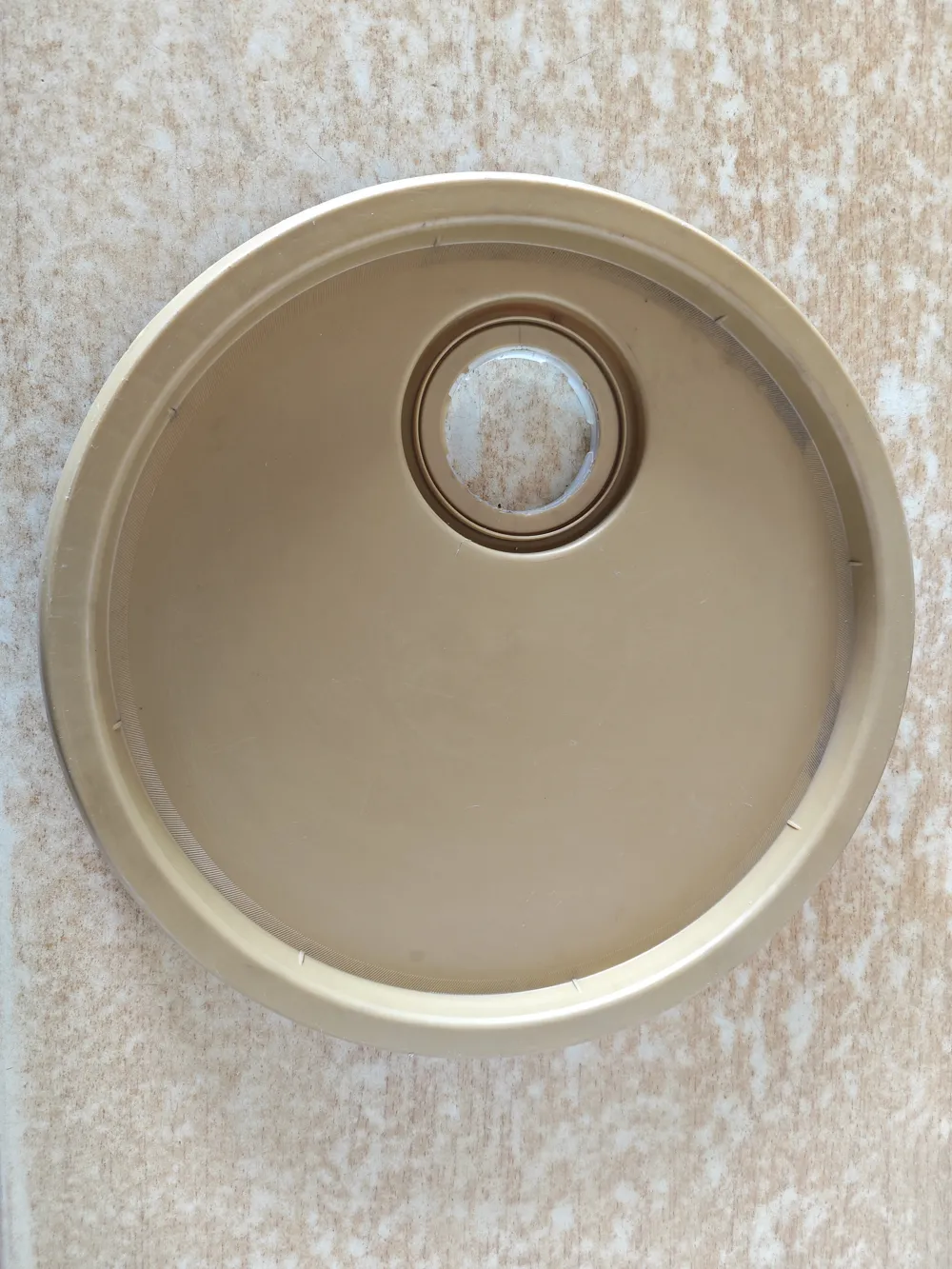
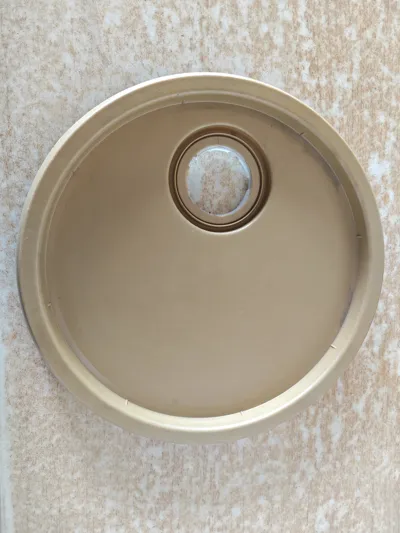
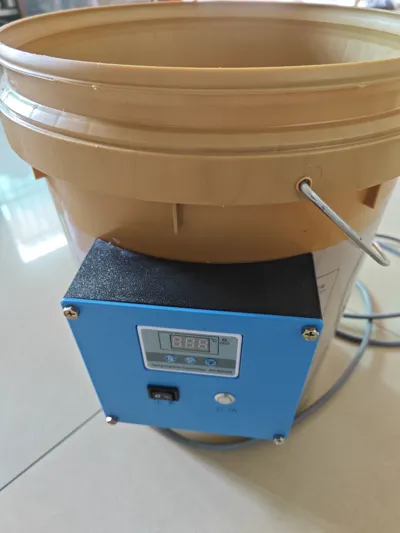
One 18-liter engine oil barrel (self-provided, or any other lidded barrel with an outer diameter of 27cm);
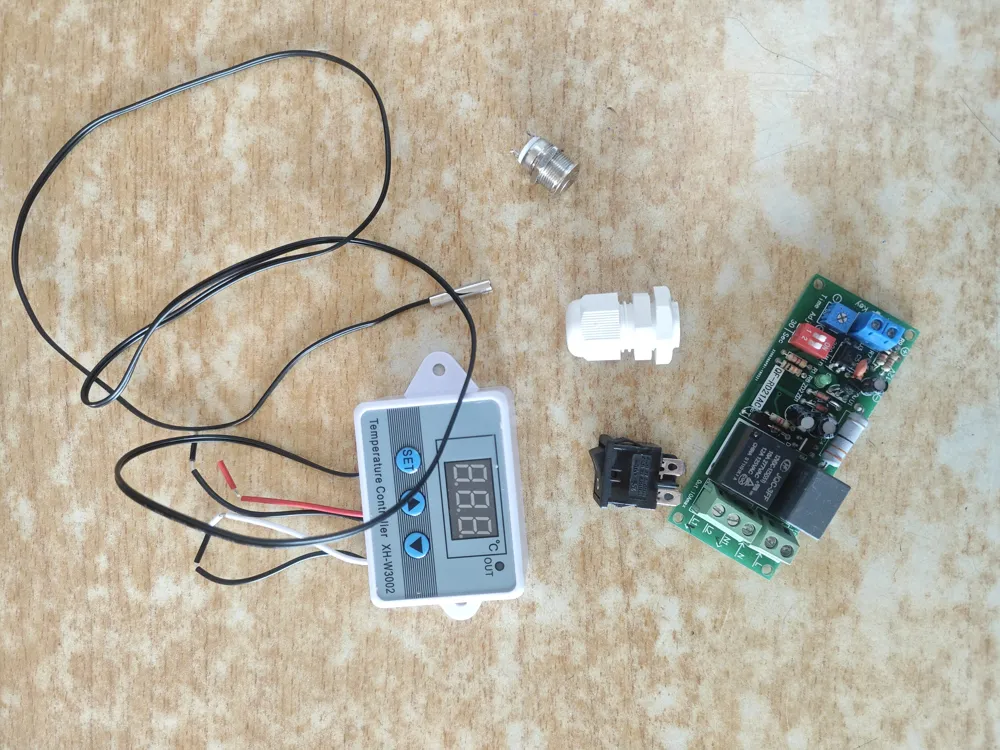
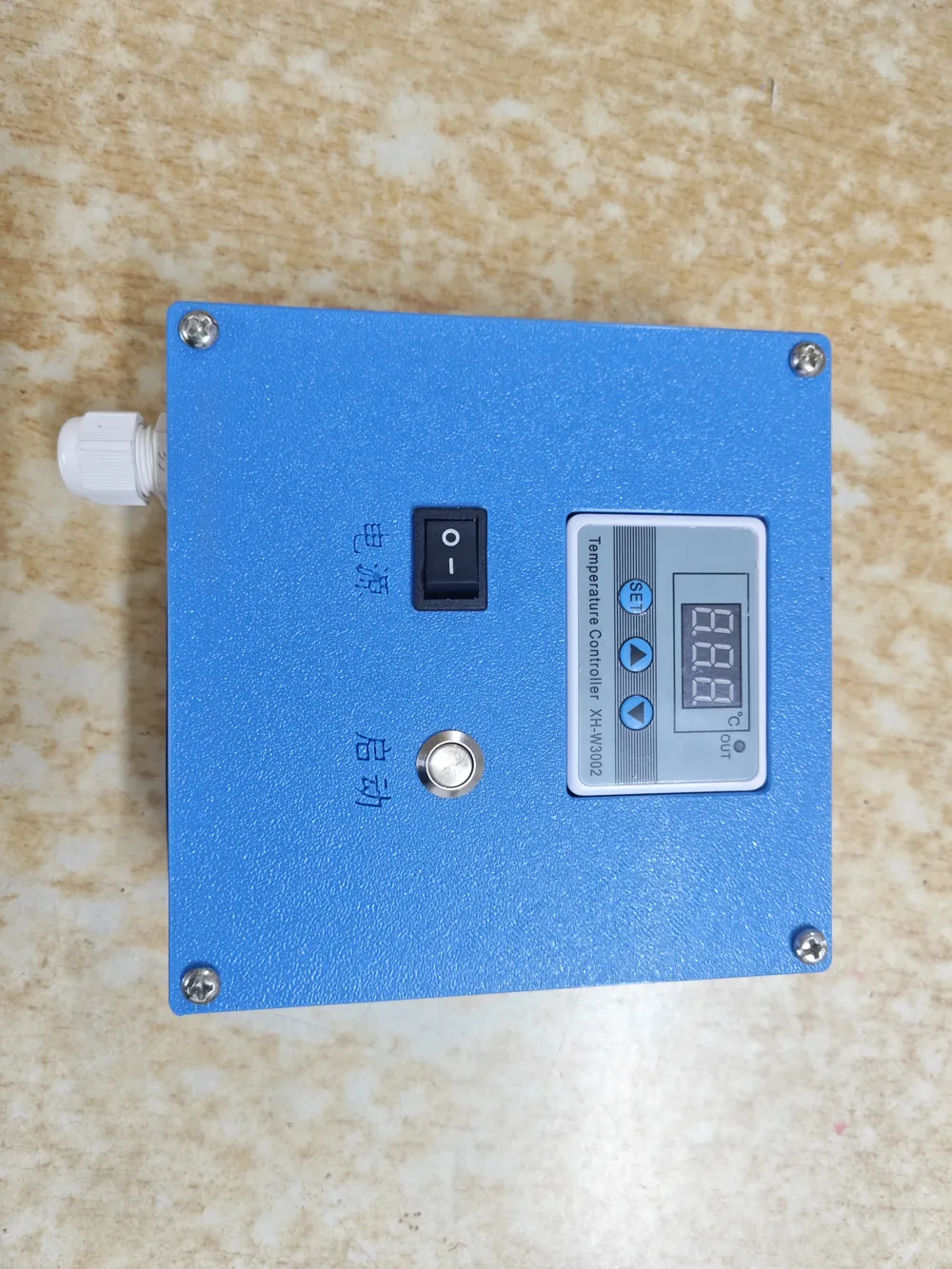
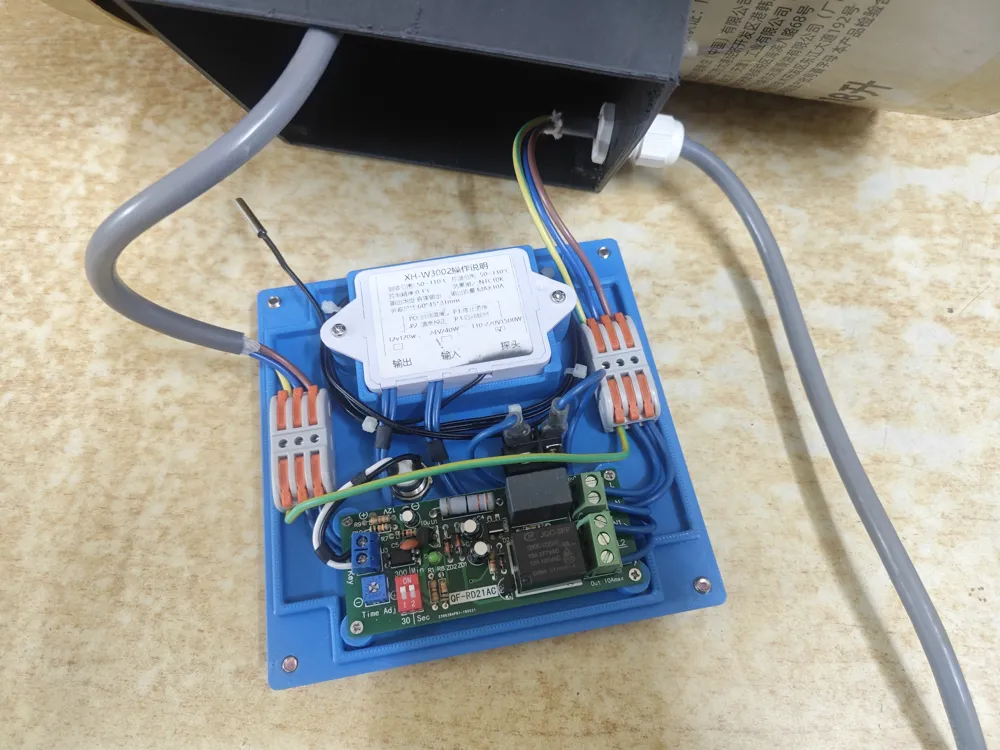
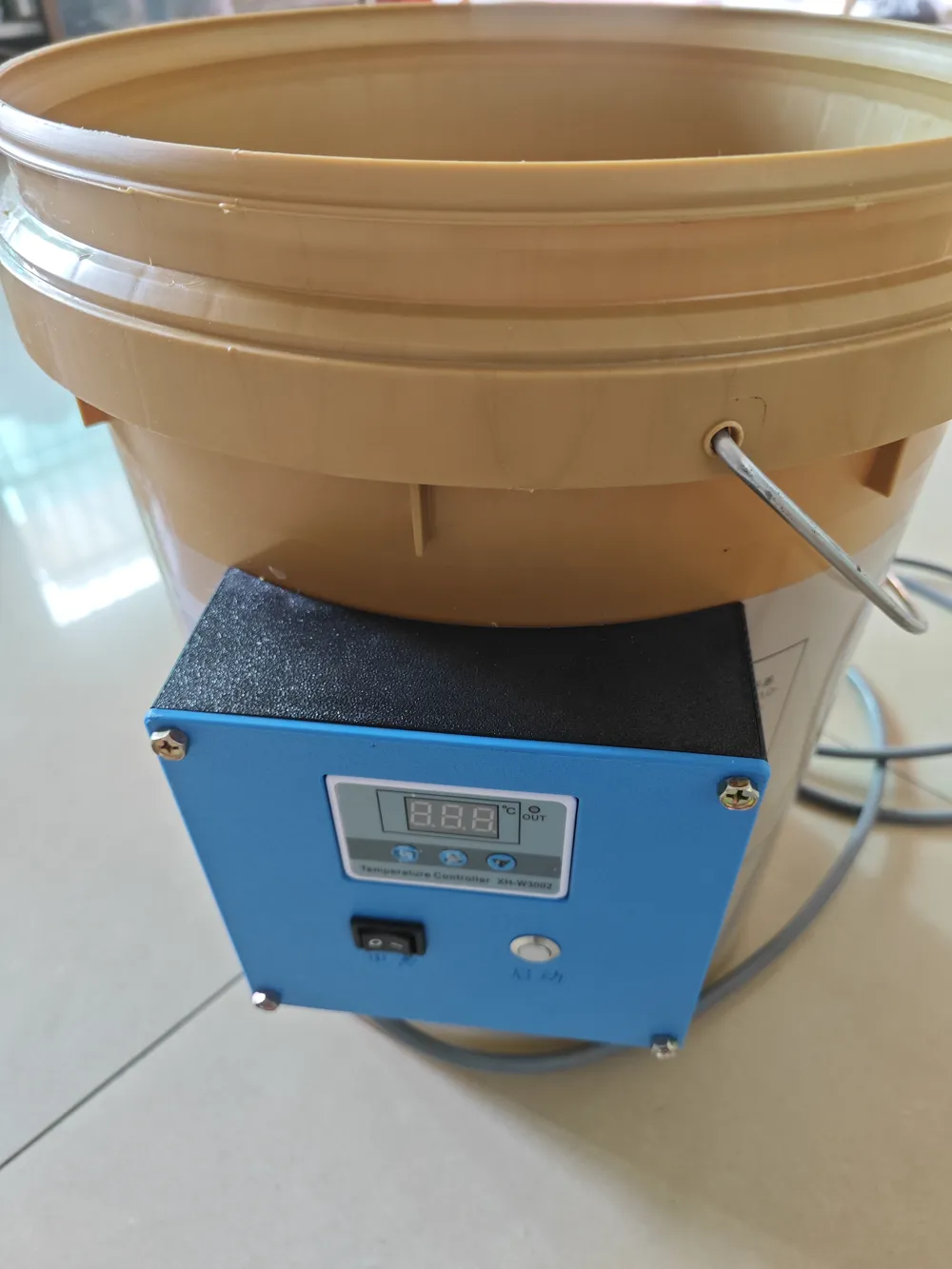
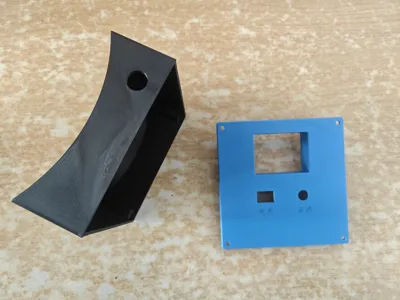
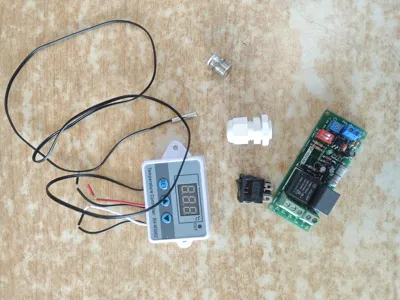
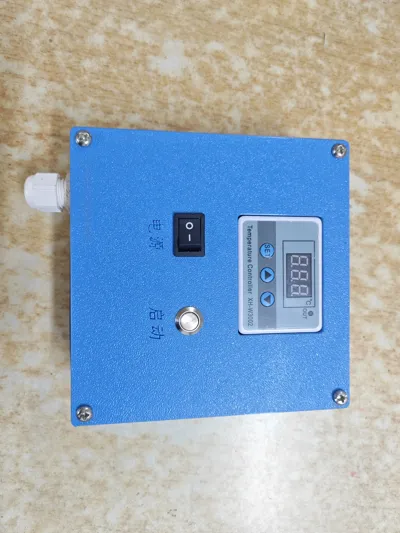
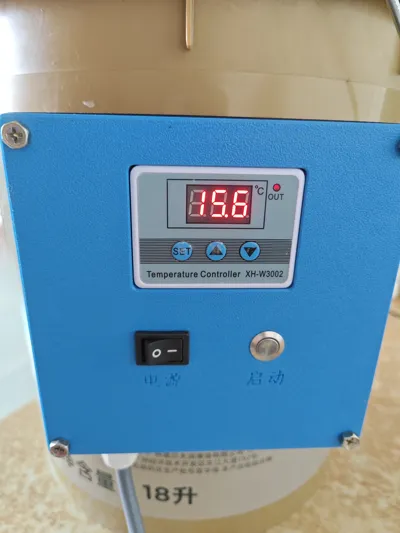
One XH-W3002 temperature controller (220V, 1500W);

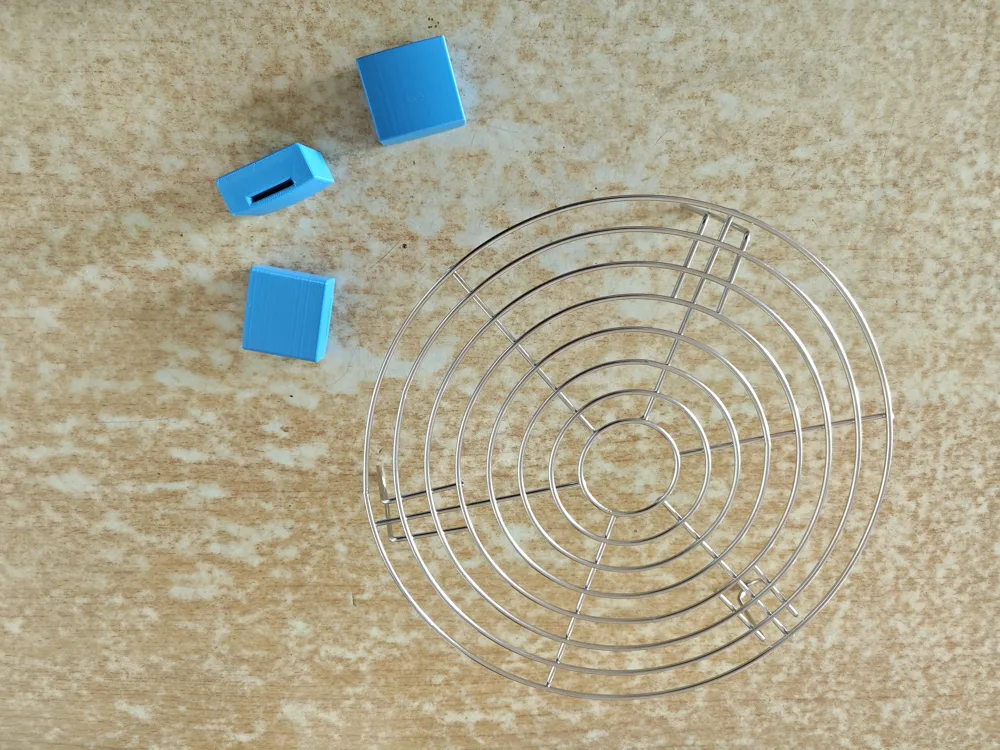
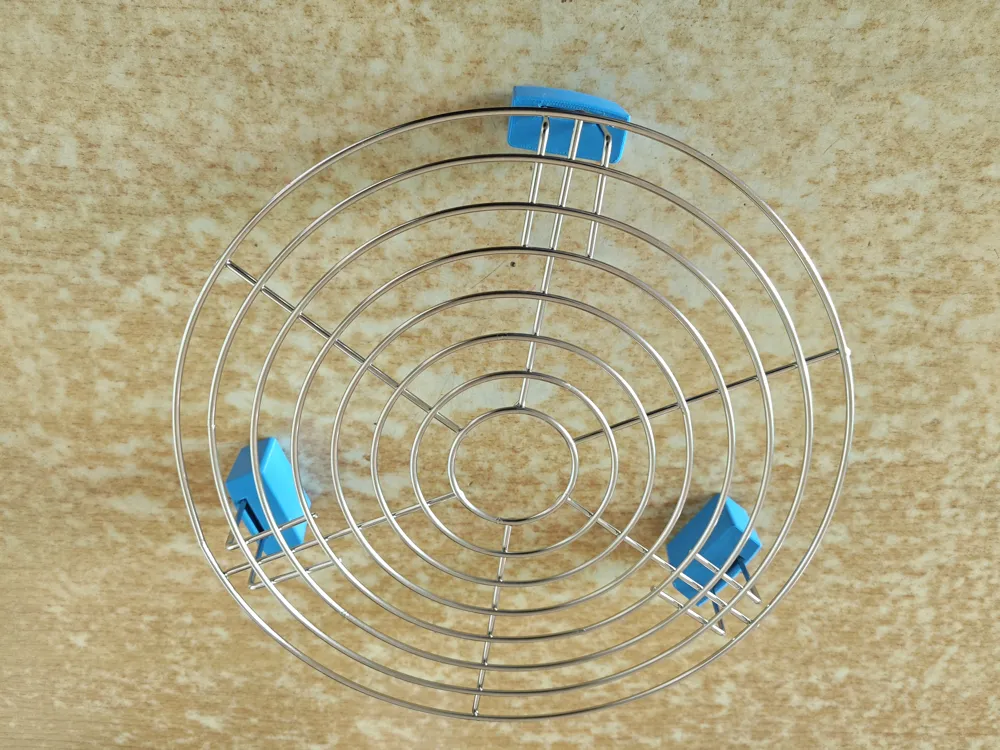
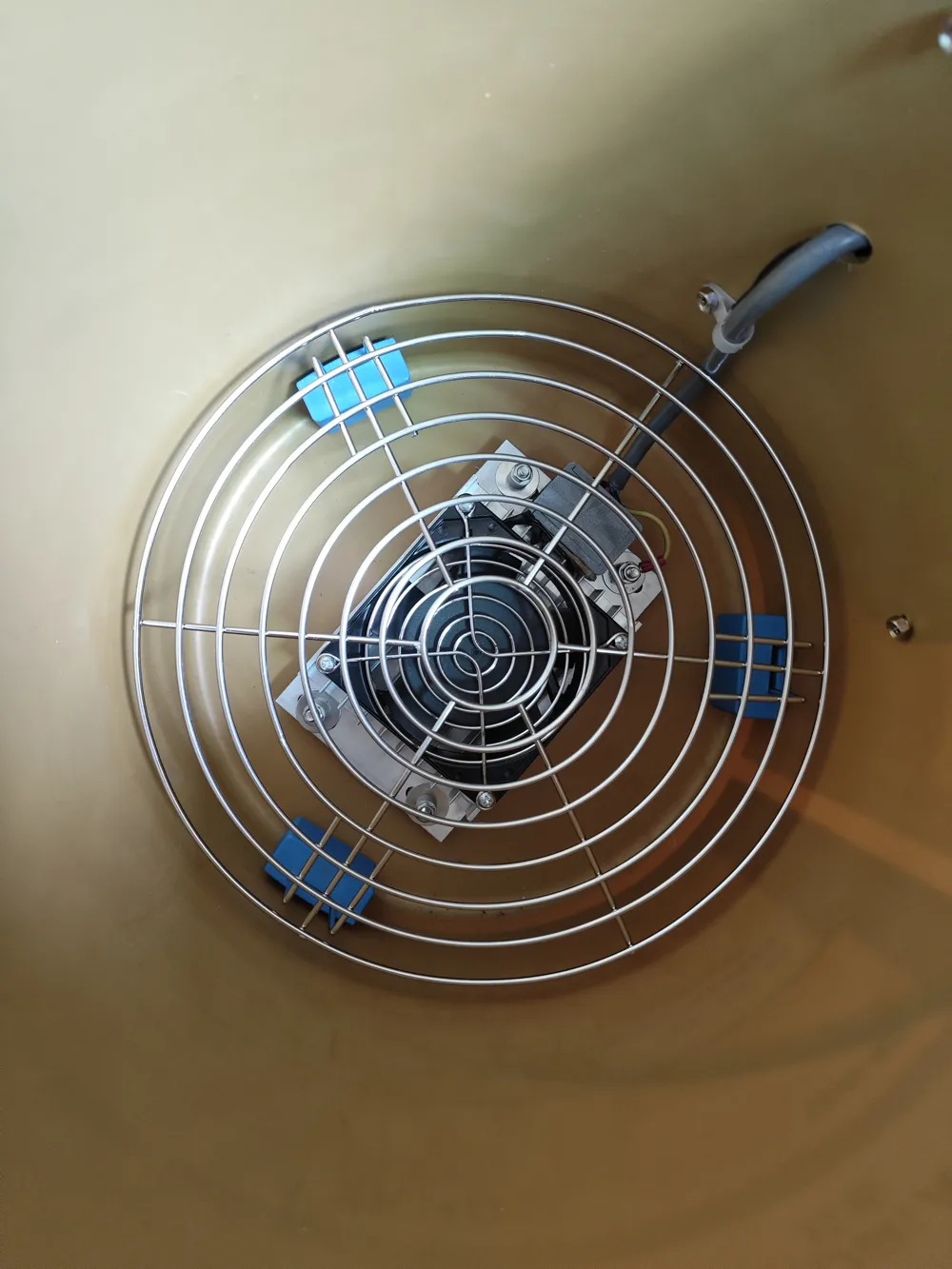
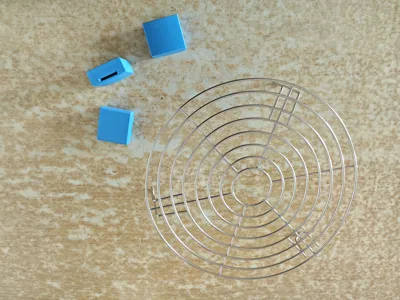
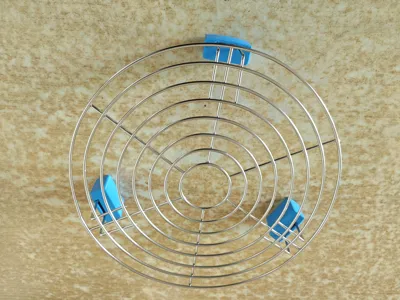
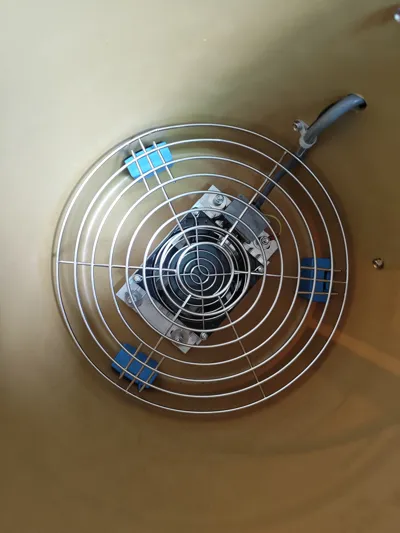
One stainless steel steamer rack (26cm diameter, 7cm high);

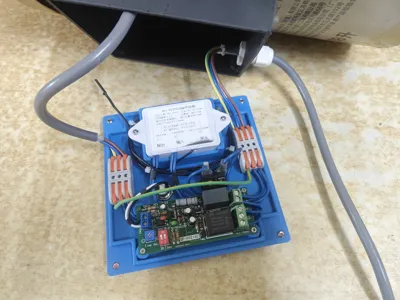
One delay module (RD21AC, 220V, set to 300 minutes);

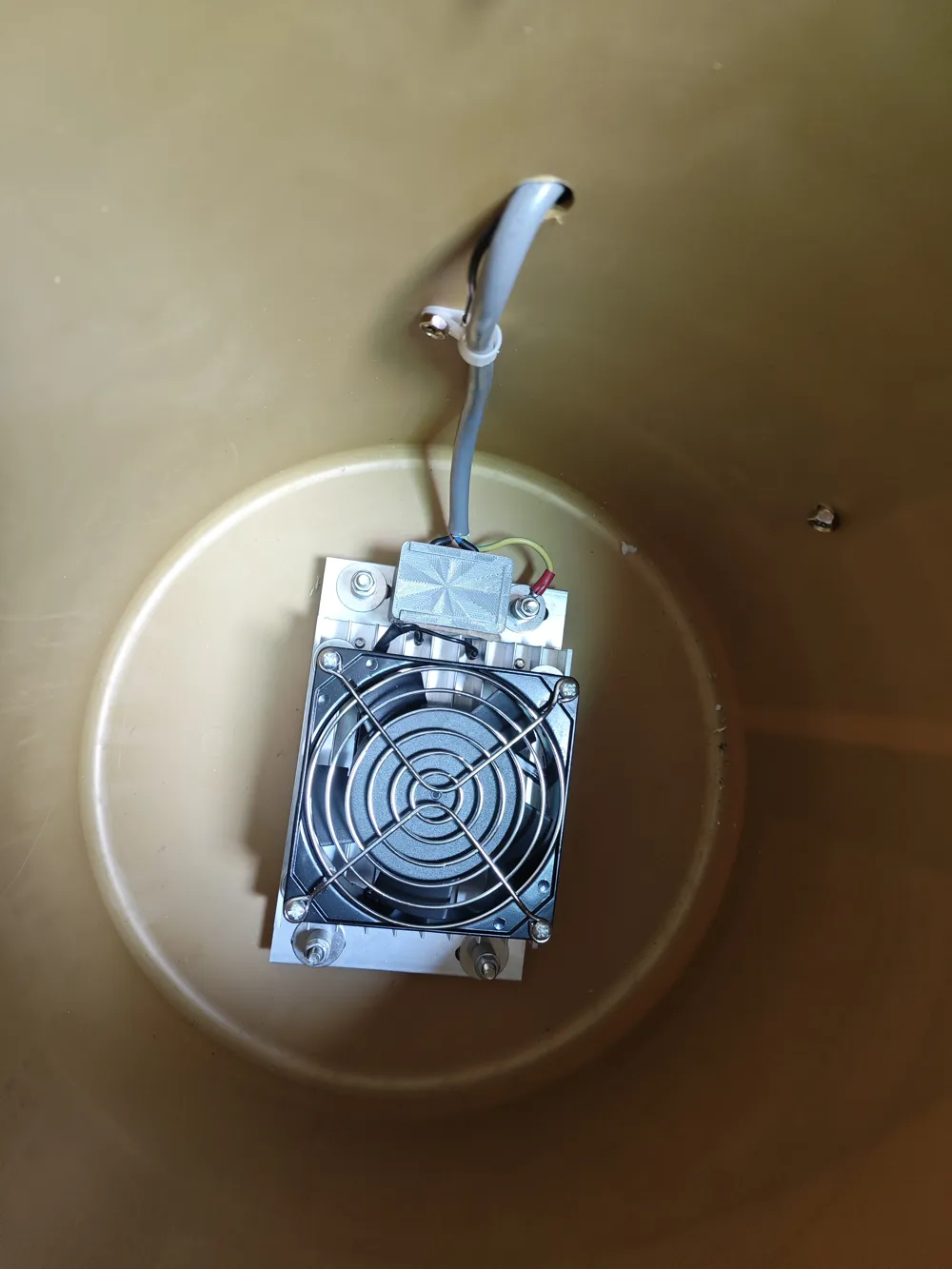
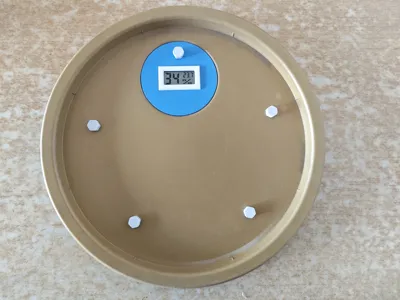
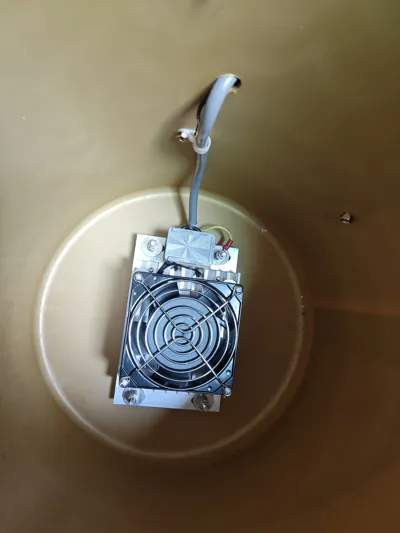
One PTC heater (220V, 200W);

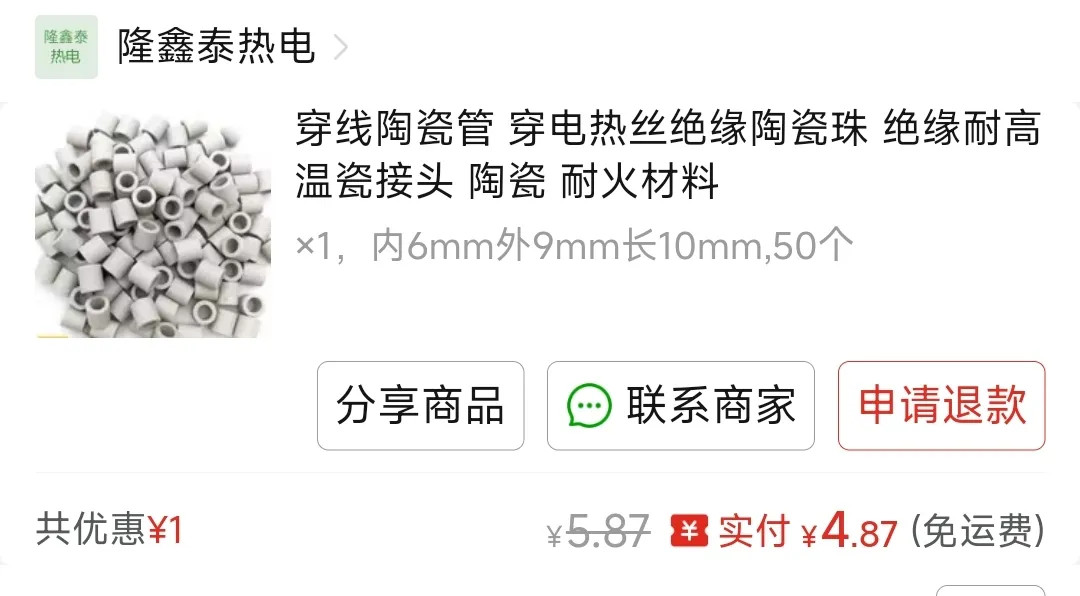
Eight insulated ceramic rings (6mm inner hole, 19mm outer diameter, 10mm high, one used on each fixing screw for both the front and back of the heater);
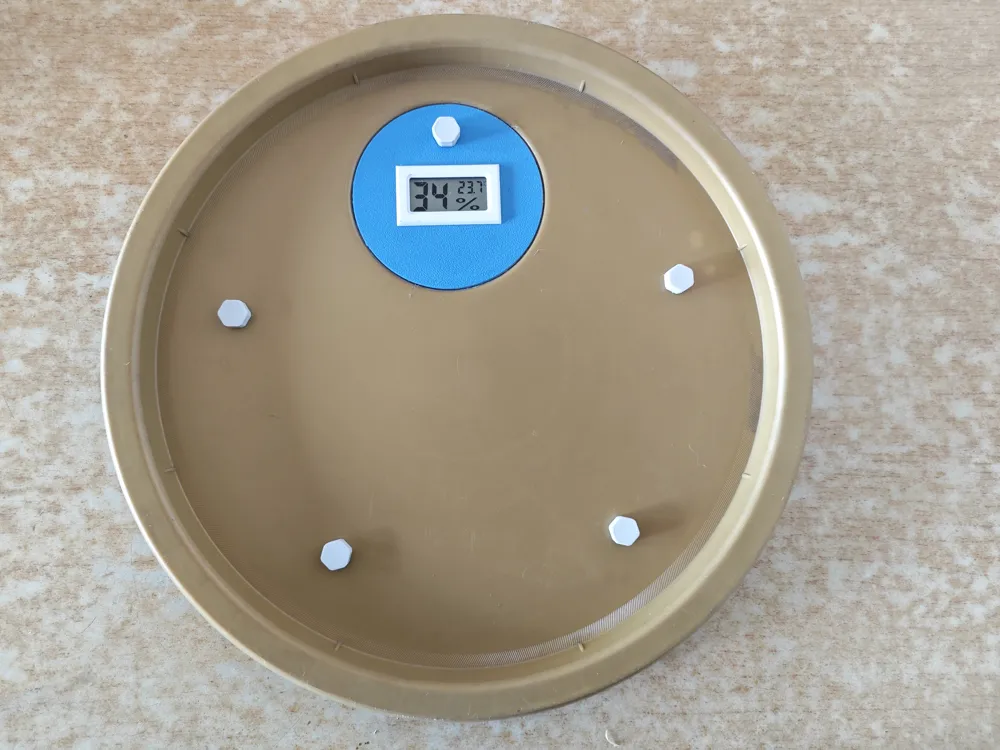
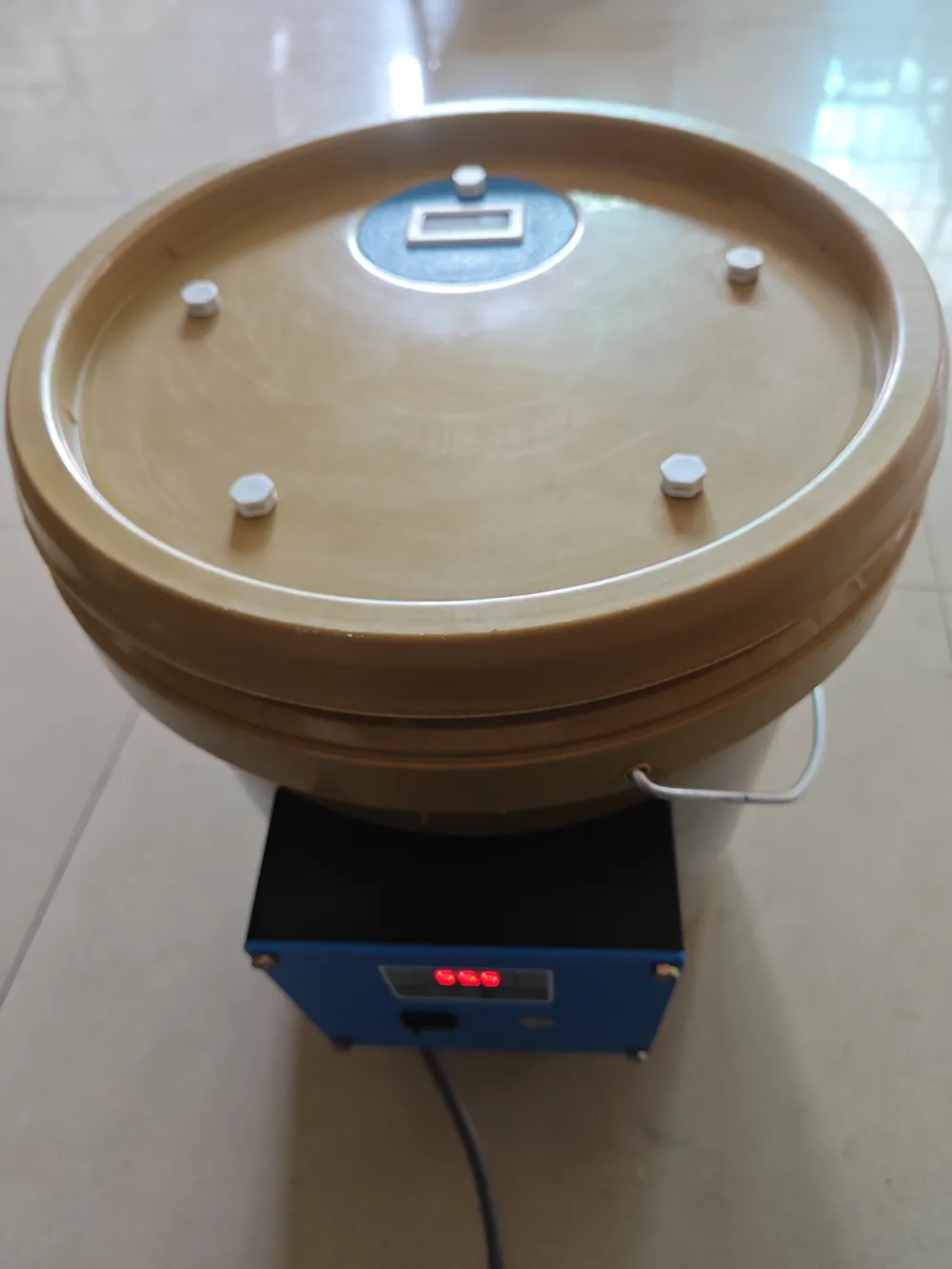
Five one-way valves (for one-way moisture expulsion);

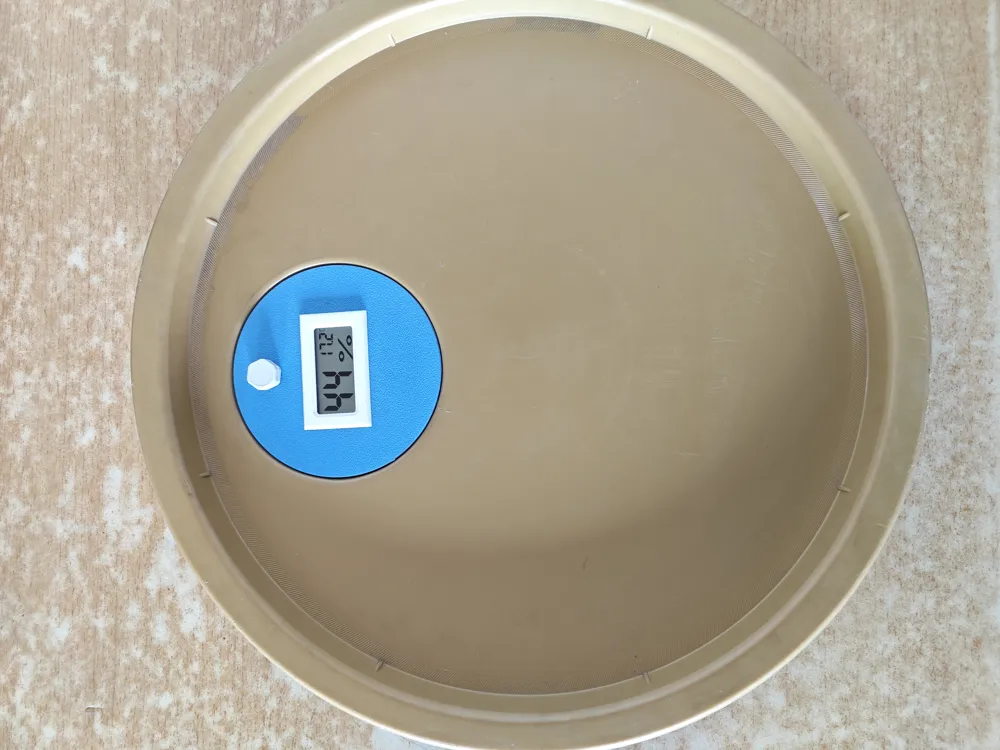
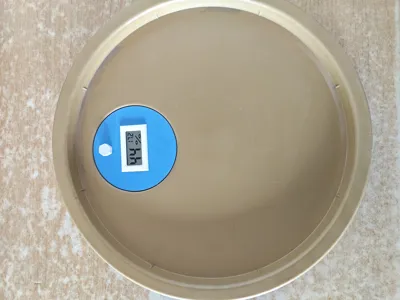
One thermometer hygrometer (common type, opening 46cm*26cm);

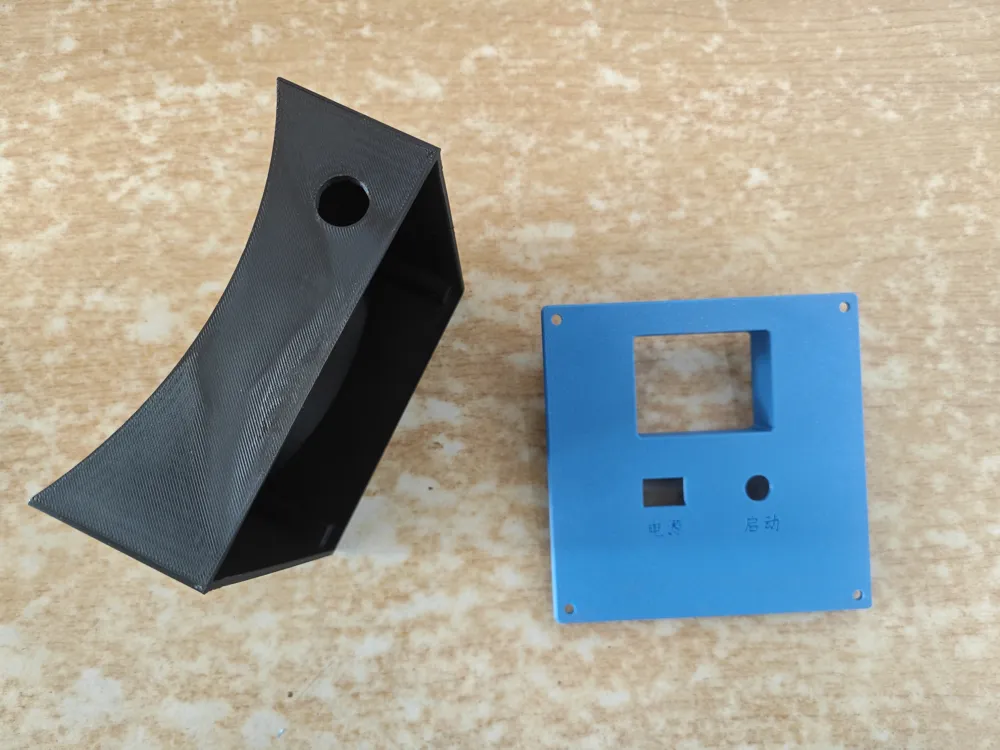
One push button switch (12mm opening diameter);

One rocker switch (19mm*13mm opening);
One PG9 connector;
Two 3P terminal blocks (optional);
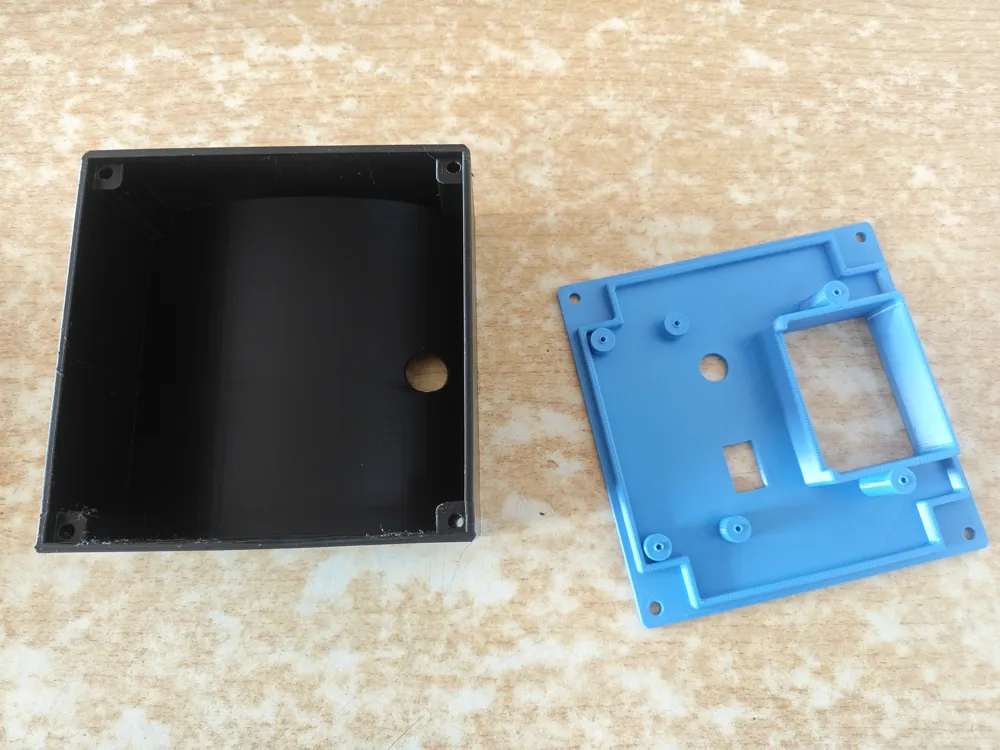
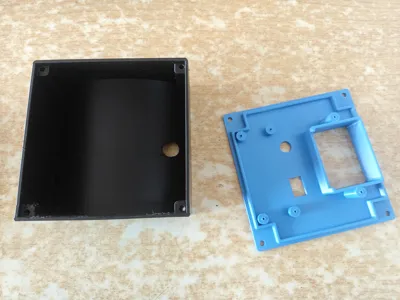
Screws M5X15mm=8, M5X25mm=4, M5 nuts=4, washers/flat spacers=16 (screw length requirements are not strict, approximate lengths are fine. 15mm screws are used to fix the outer casing, which already has threaded screw holes. 25mm screws, nuts, and washers are used to pass through the ceramic rings and secure the heater);
Parts can be found by model number or image. Some small items are from old stock and have no purchase records. I mainly dry PETG, so the temperature control is set to start at 60 degrees Celsius and stop at 65 degrees Celsius. Once set, the parameters can be saved after power off, so there's no need to reset them every time
After plugging in, it's a one-button start, automatically shutting off after 5 hours, which basically meets drying requirements. The oil barrel has a natural advantage in size, with space remaining after placing 4 standard filament spools. The lid doesn't need to be sealed tight during drying; simply place it on top of the barrel. If the hygrometer still shows high humidity after an hour of operation, you can slightly open the lid to create a small gap, allowing the moist, hot air inside the barrel to escape more easily
License

You may create derivative works based on this object, provided that all such derivative works are published exclusively on the MakerWorld platform and include proper attribution to the original creator. You may not share, upload, host, distribute, or publish this object—or any derivative work of this object—on any other digital platform, marketplace, or distribution channel. Commercial use of this object and any derivative works is strictly prohibited. This includes, but is not limited to, selling, renting, sublicensing, or using the object in any context in which you receive monetary compensation or other financial benefits.


Comment & Rating (0)