
Print Profile(1)
Description
Project: Gradi MINI Shield Replacement
Additive Engineering applied to Lighting Design
1. Concept: Design Continuity & Resilience
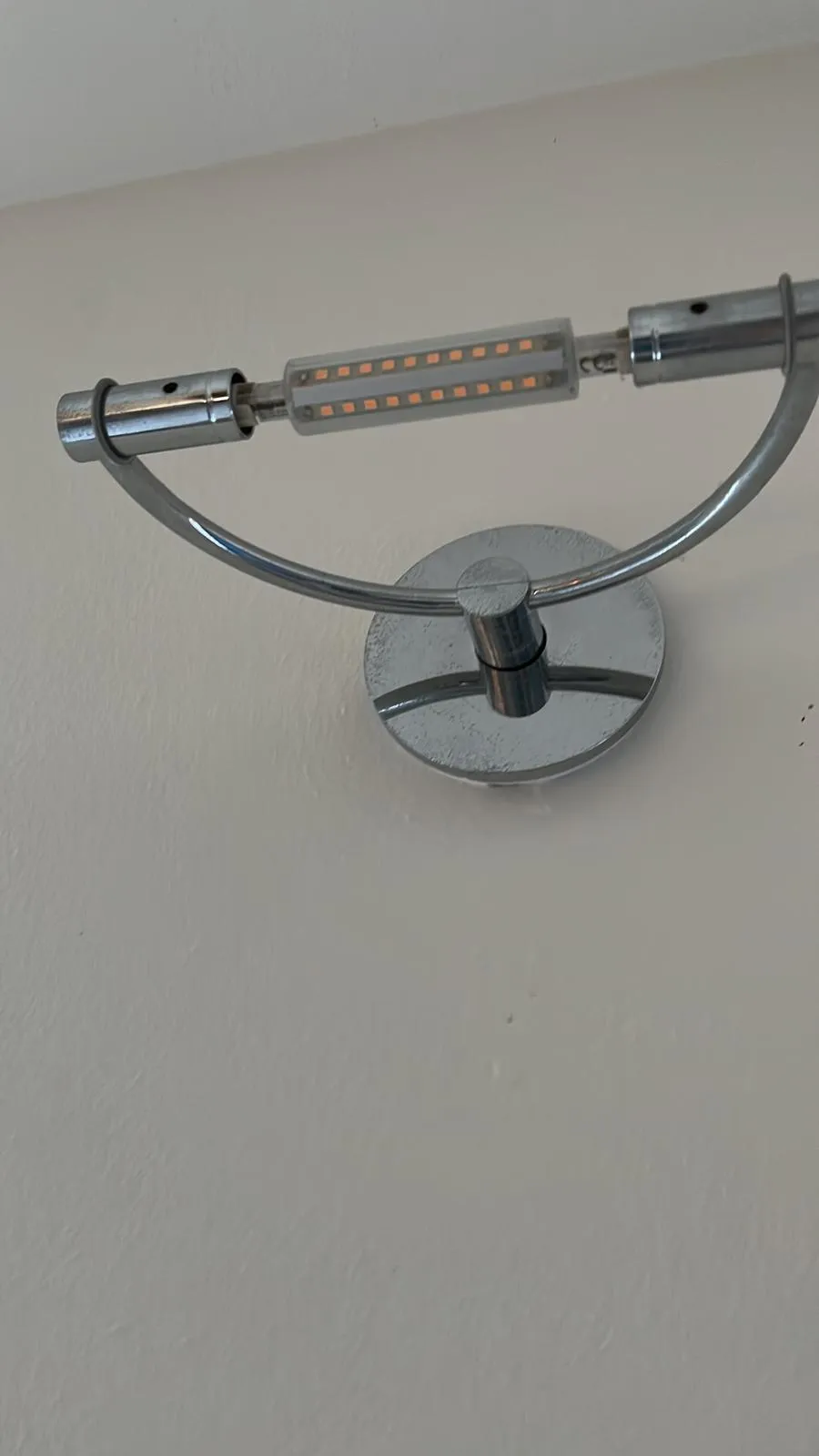
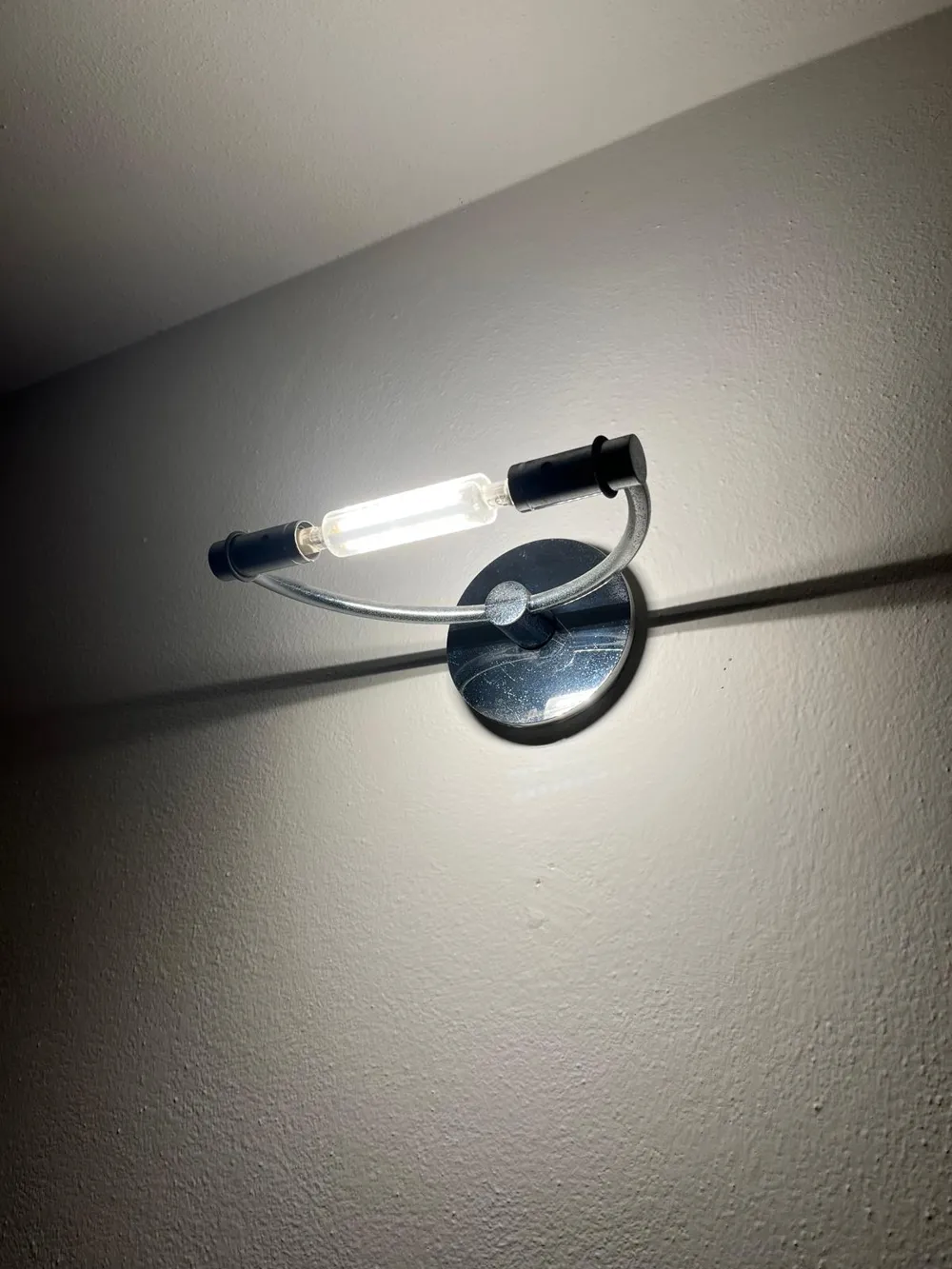
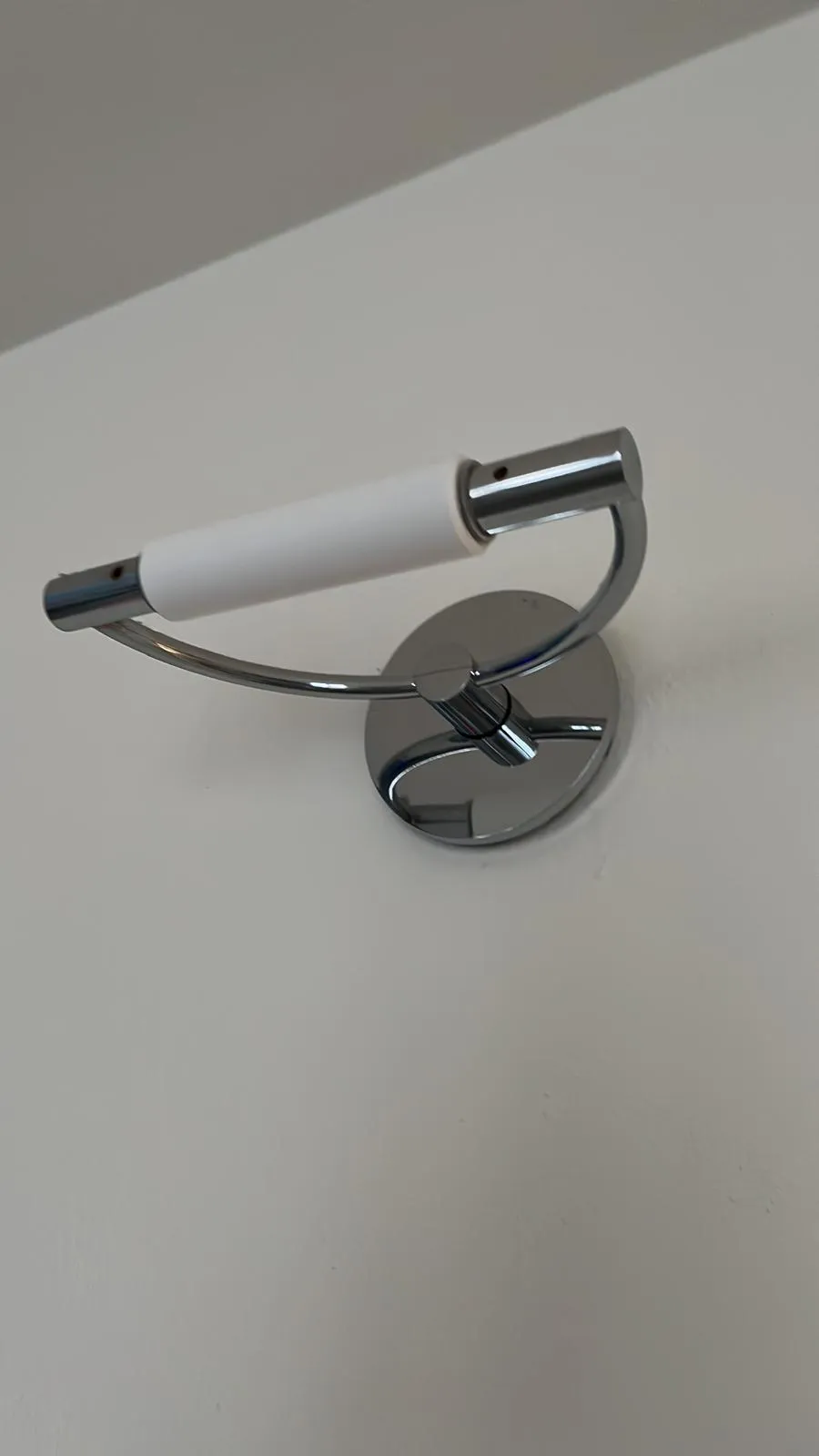
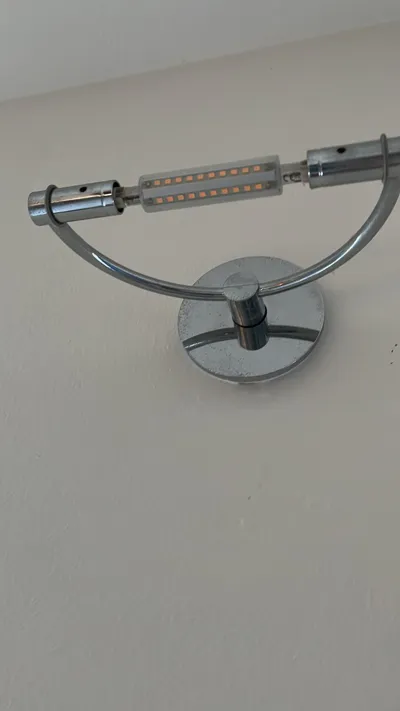
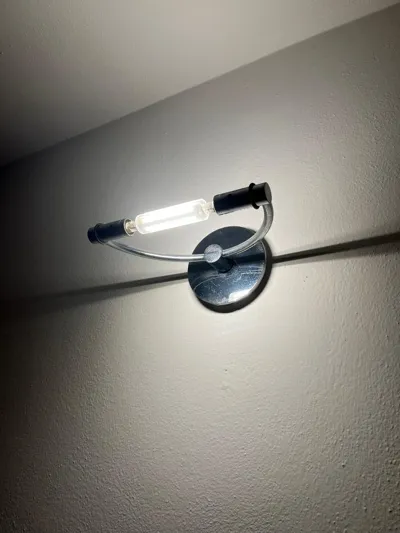
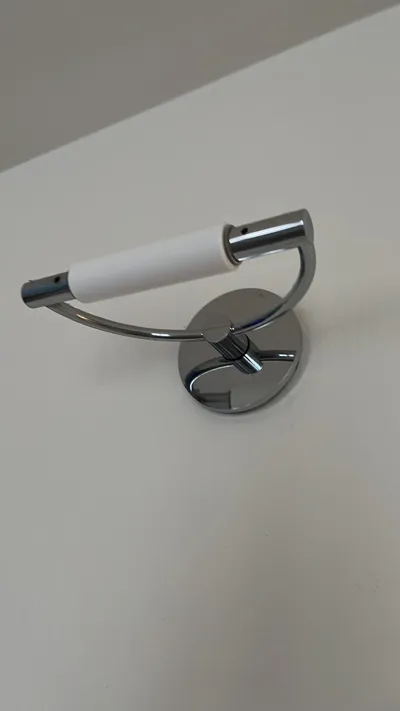
The project's objective is the functional restoration of the Cini&Niels Gradi MINI lamp through additive manufacturing (FDM). The focus is on the optimization of light diffusion based on the specific needs of the environment, ensuring the longevity of a design icon.
2. Technical Printing Specifications
- Technology: FDM (Fused Deposition Modeling).
- Material: High-thermal-resistance polymers (PETG/PC) to manage heat from the source.
- Precision: Optimized layer height for a homogeneous surface finish and controlled diffusion.
3. Geometric Analysis: Light Flow Control
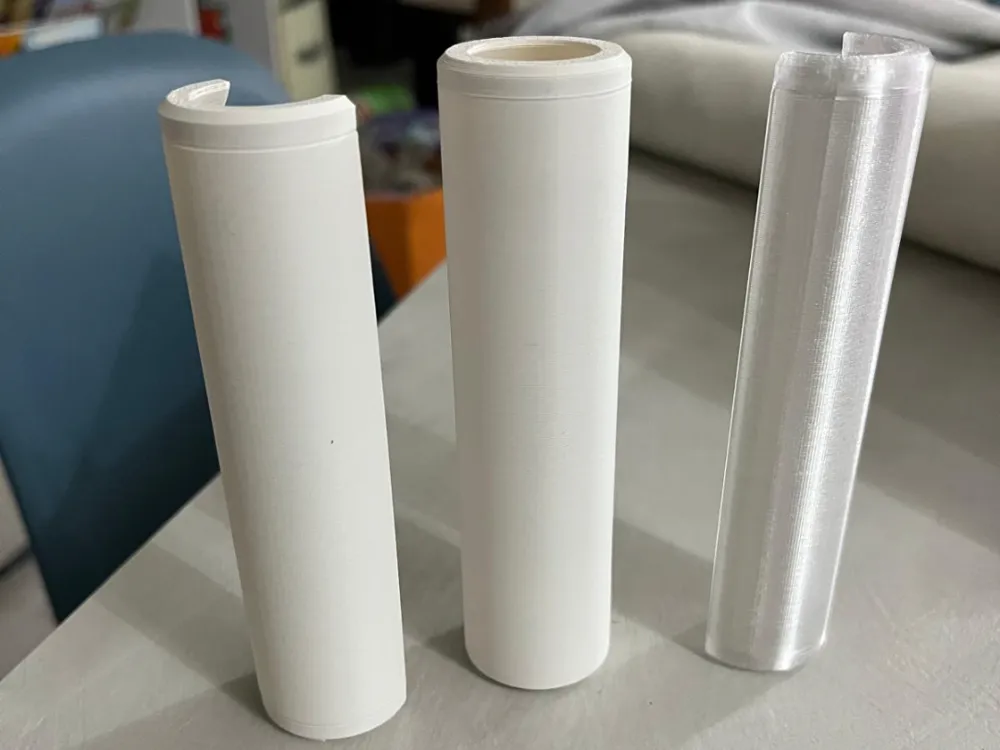
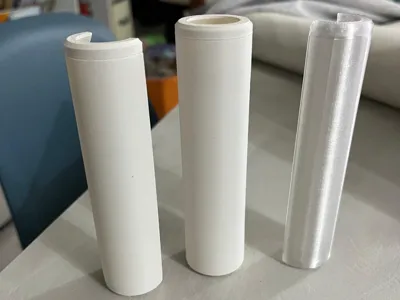
The project is structured with two geometric variants for precise management of the Light Cut-off:
- Full Shield Version (360°): * Function: Maximum shielding power.
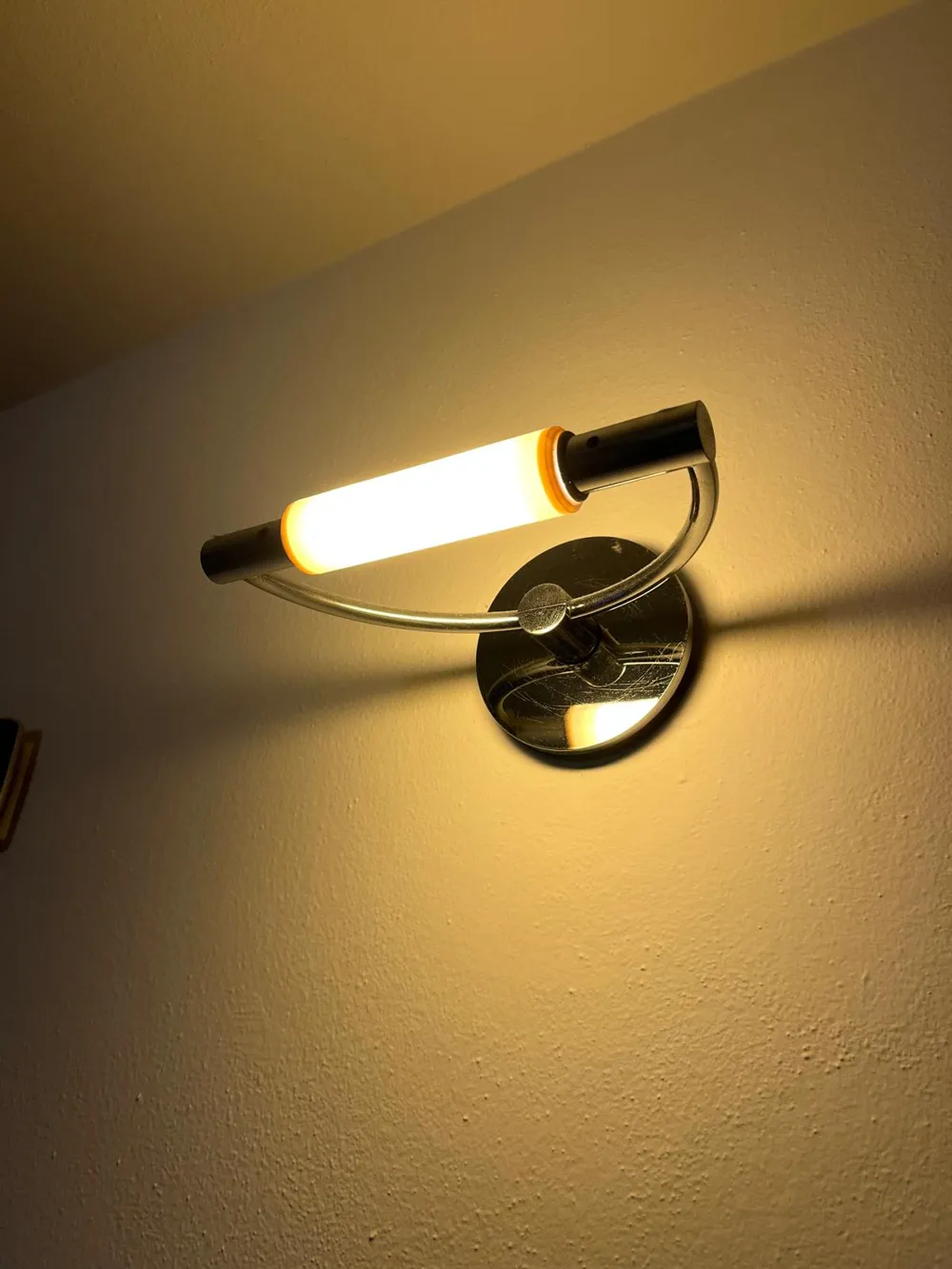
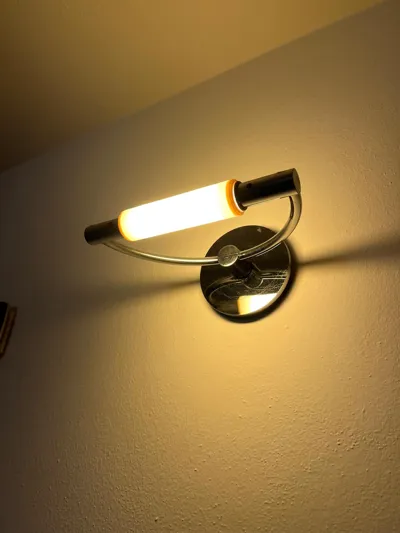
- Effect: Transforms the entire surface into a diffuse illuminating body, ideal for soft ambient light completely free of luminance peaks.
- Hybrid Shield Version (215°): * Function: Extended asymmetrical shielding.
- Technical Advantage: The 215° arc exceeds the semicircle to ensure total blackout from the observer's viewpoint, eliminating side reflections and directing the light flow precisely towards reflective surfaces (wall/ceiling).
4. Chromatic Study and Transmittance
The selection of materials defines the optical behavior of the shield:
- Opaque Finish (White): * Acts as a pure diffuser. It distributes light uniformly with a solid and modern aesthetic, ideal for completely concealing the light source.
- Translucent Finish (Clear/Natural): * Leverages the internal refraction of filaments. It allows for superior light transmission, recalling the aesthetic of the original technical glass but with the structural resilience of the polymer.
5. Conclusions
The integration of the 215° variant allows for superior photometric control compared to standard replacements, offering a customized solution that combines industrial aesthetics and lighting performance.
License

You may create derivative works based on this object, provided that all such derivative works are published exclusively on the MakerWorld platform and include proper attribution to the original creator. You may not share, upload, host, distribute, or publish this object—or any derivative work of this object—on any other digital platform, marketplace, or distribution channel. Commercial use of this object and any derivative works is strictly prohibited. This includes, but is not limited to, selling, renting, sublicensing, or using the object in any context in which you receive monetary compensation or other financial benefits.


Comment & Rating (0)