
Compact Push Latch Mechanism, Paperclip+Pen Spring
Print Profile(1)
Description
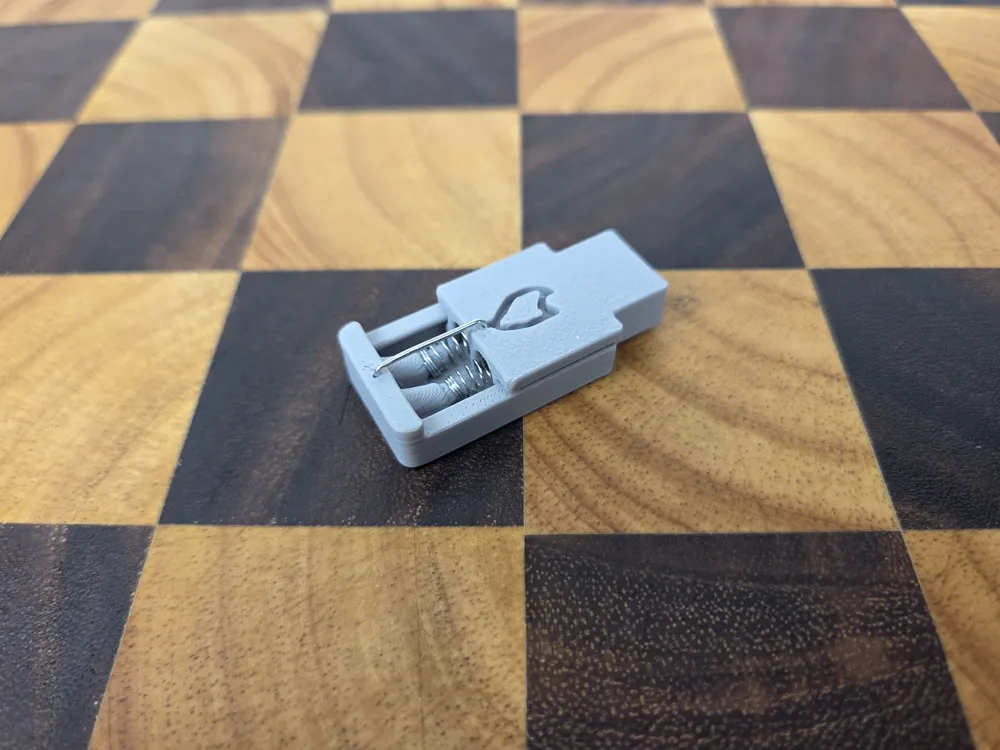
Compact Push-Push Latch Mechanism (Paperclip Actuator)
There are several 3D printable push-push latch mechanisms available online, but most either take up too much space or rely on fully printed actuator arms that wear out quickly.
For example, this popular design works well but is very large, making it difficult to integrate into compact builds:
https://www.printables.com/model/641660-latch-mechanism-v2
This other design is smaller, but the printed actuator arm is too flimsy and really needs its enclosure to function reliably:
https://www.printables.com/model/496329-push-push-mechanism/comments
I was originally inspired to explore this mechanism after watching This Old Tony build a metal version, and I wanted to create a compact, durable version optimized for 3D printing:
Key Advantages of This Design
1. Metal actuator arm (paperclip)
Instead of using a 3D printed actuator arm, this design uses a bent paperclip. While fully printed mechanisms are convenient, plastic actuator arms tend to plastically deform over time, especially under repeated load. A steel paperclip actuator is:
Much more durable
More precise
Less prone to wear
Allows the overall mechanism to be smaller
2. Extremely compact size
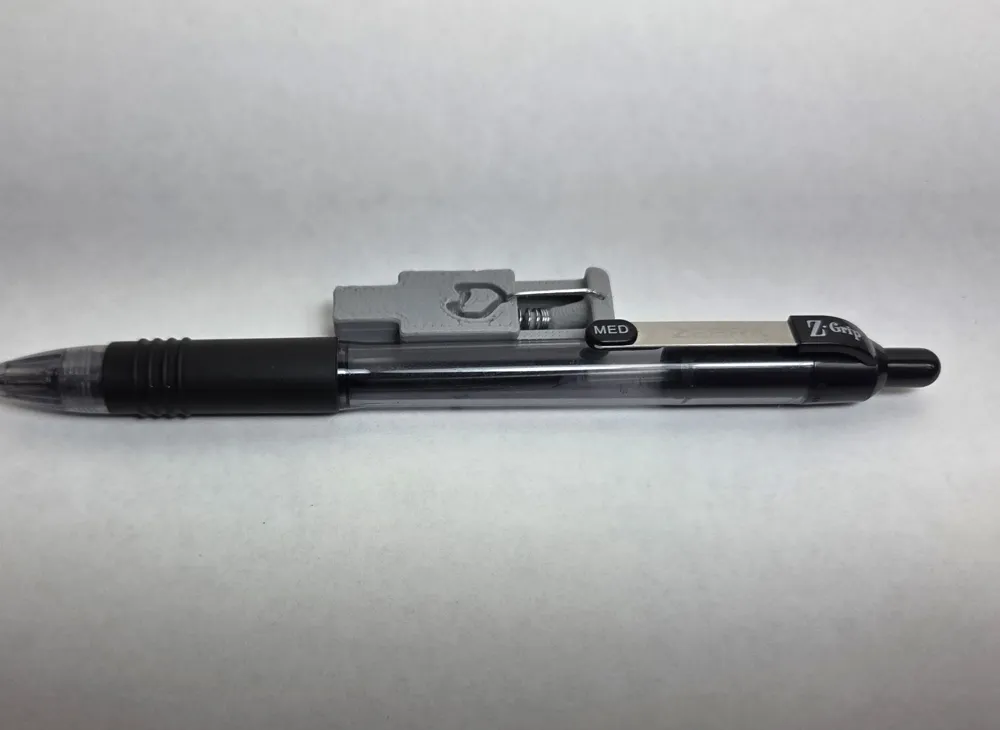
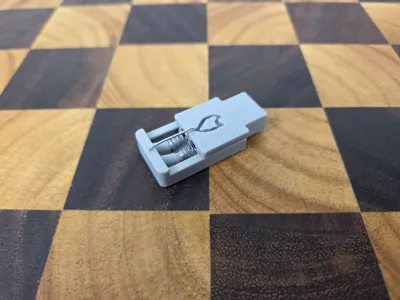
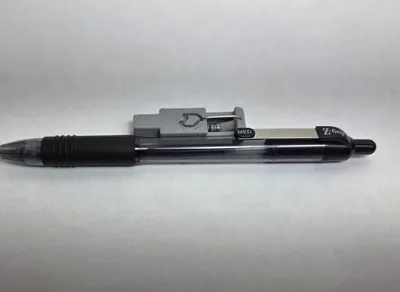
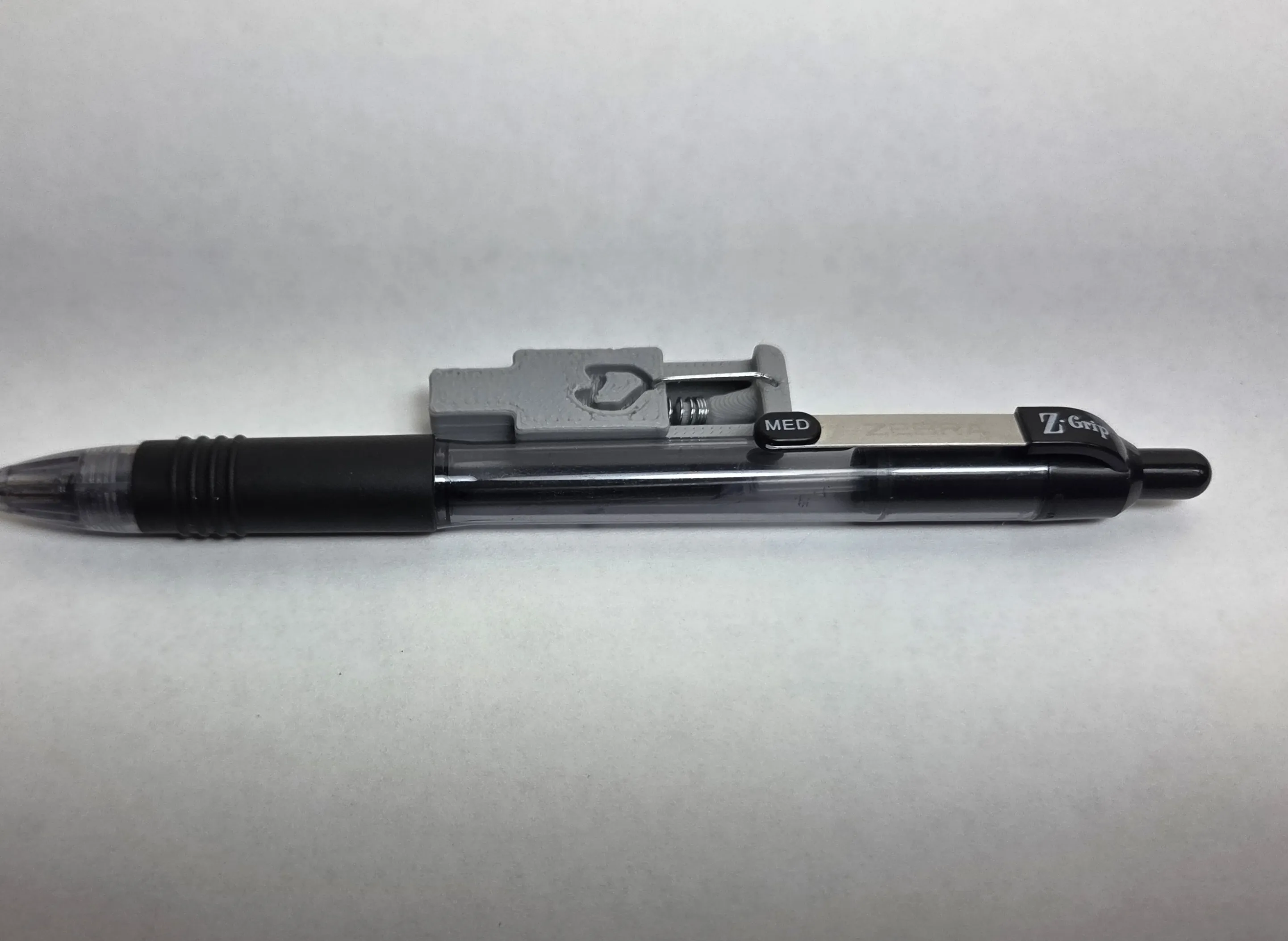
The push latch mechanisms provided are optimized to be as small as possible while maintaining strength. After many test prints, I found that reducing wall thickness further caused parts to fail under spring load. The final single-spring version measures only: 12 mm wide by 10 mm tall.
This is essentially the same diameter as the pen spring used inside it, as you can see in the image below:
Included Versions
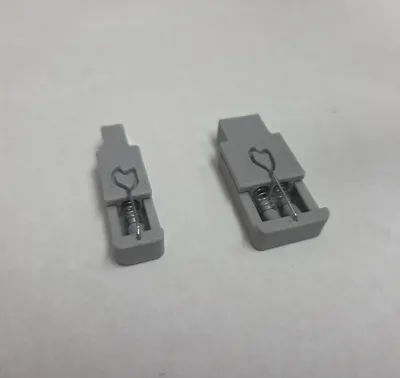
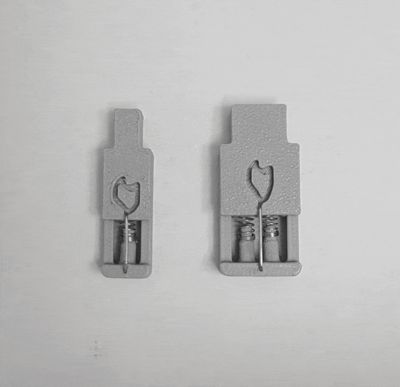
This release includes three different configurations:
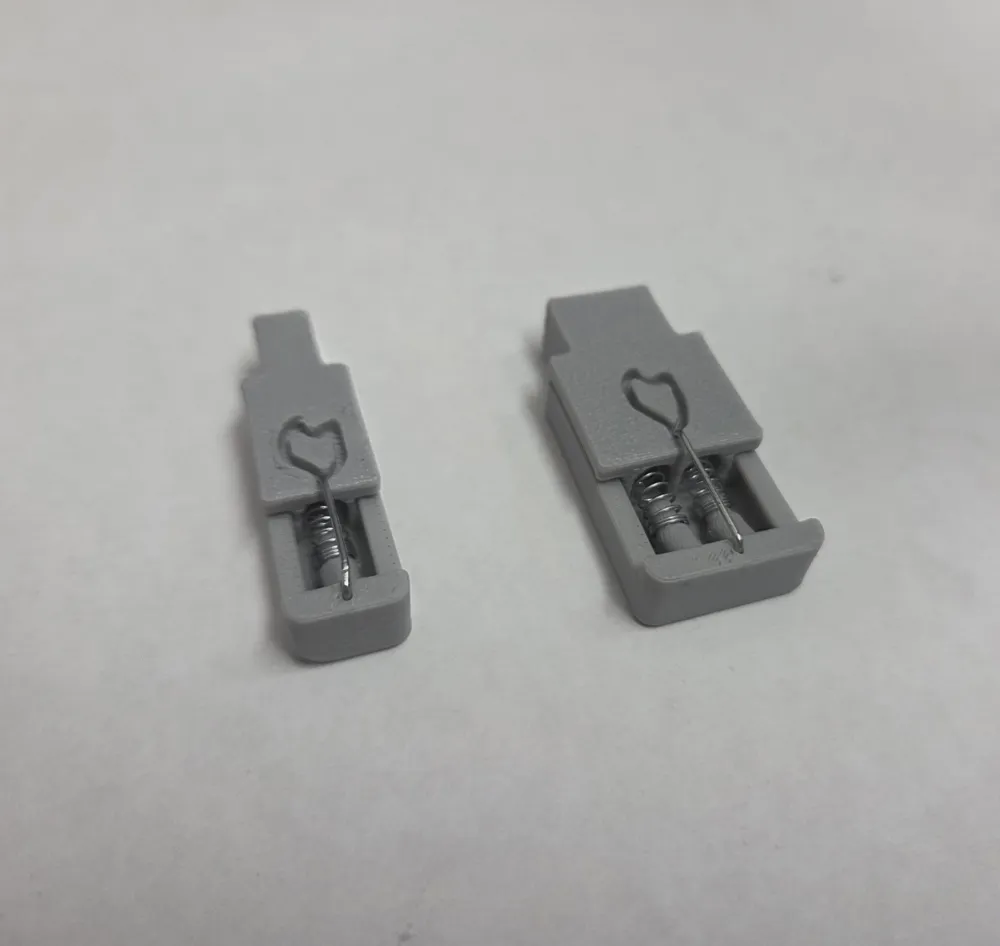

1. Single Spring Version (smallest)
Minimizes overall size
Ideal for small drawers or lightweight applications
Recommended to use two units, one on each side of a drawer
2. Parallel Spring Version (higher force)
Uses two springs side-by-side
Provides increased push force
Better for heavier drawers or objects
Ballpoint pen springs are relatively weak, so doubling them helps in more demanding applications.
3. Compact Parallel Version (optimized travel direction)
This version minimizes size specifically in the direction of spring travel.
It was originally designed for a compact drawer I made to hold my phone and wallet simultaneously, where space constraints were extremely tight.
Travel Distance
These mechanisms are currently designed for approximately 10 mm of push travel. The 25 mm pen springs used can extend up to ~15 mm unloaded, but usable travel is reduced when pushing against an object.
Future Versions
I’m already prototyping additional variants, including:
Series spring version for 20–30 mm travel
Combined parallel + series version with increased force and travel
These will be posted soon.
Hardware Required
1 or more ballpoint pen springs (~25 mm long)
1 paperclip (for actuator arm)
Assembly Instructions
Detailed assembly instructions are included in the Other Files section as:
PowerPoint presentation (.pptx)
PDF version
These show:
How to bend the paperclip actuator
How to install springs
How to assemble the mechanism
Customization
A fully parameterized SolidWorks file is included, allowing you to easily adjust:
Travel distance
Spring size compatibility
Overall dimensions
Mounting geometry
This makes it easy to integrate into drawers, hidden compartments, panels, or other custom mechanisms.
If you need a compact, durable, and reliable push-push latch, this design offers significantly improved strength and longevity compared to fully printed alternatives.
Documentation (1)
License



Comment & Rating (3)