
Modular Polygon Prisms – STEM Building Kit
Print Profile(9)

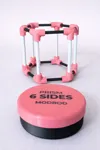
Description
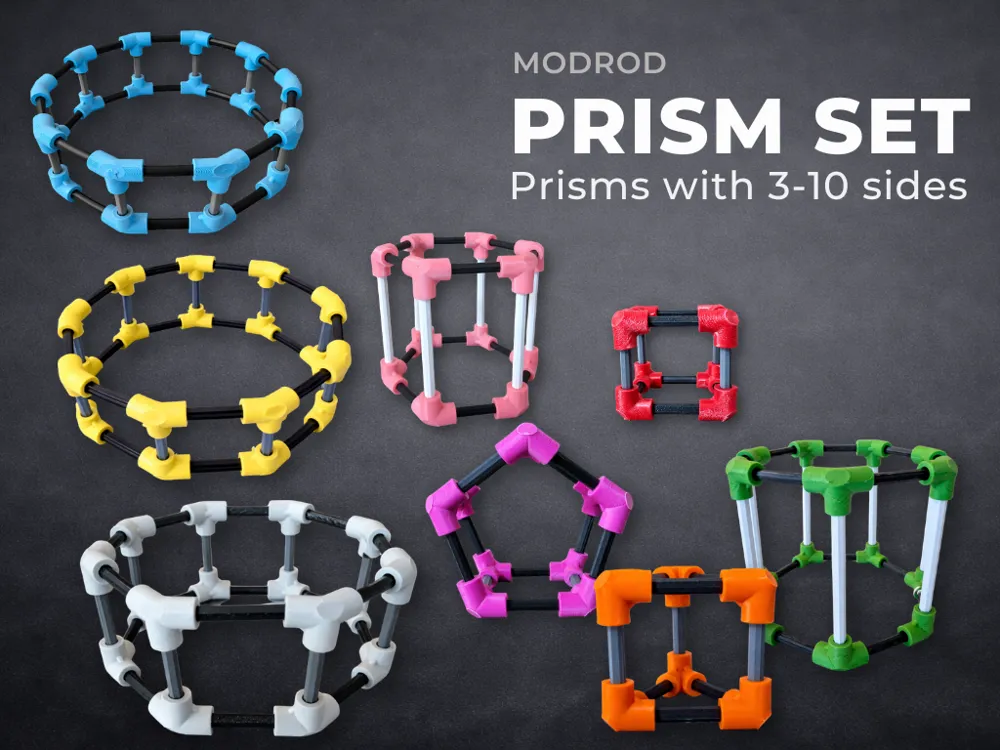
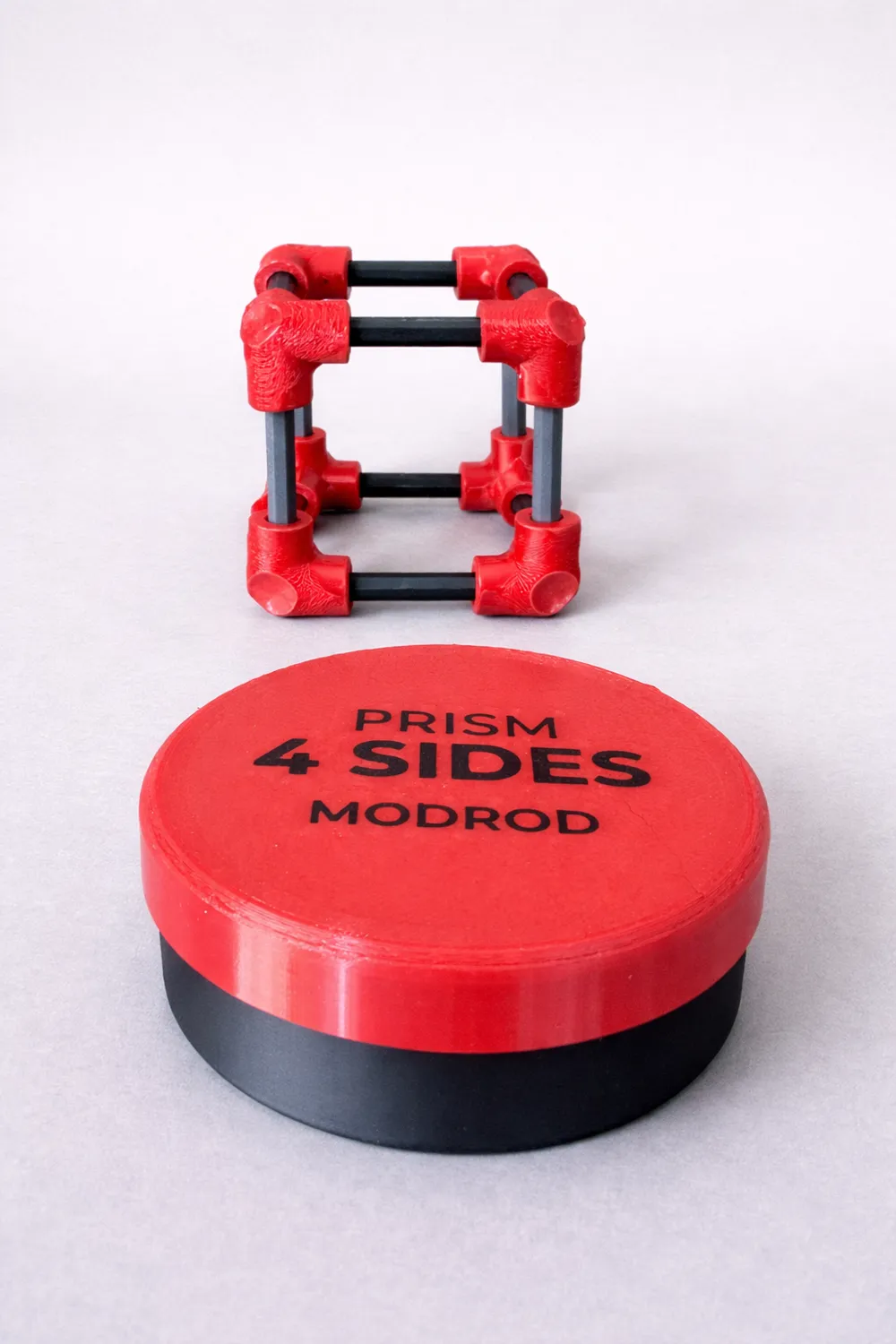
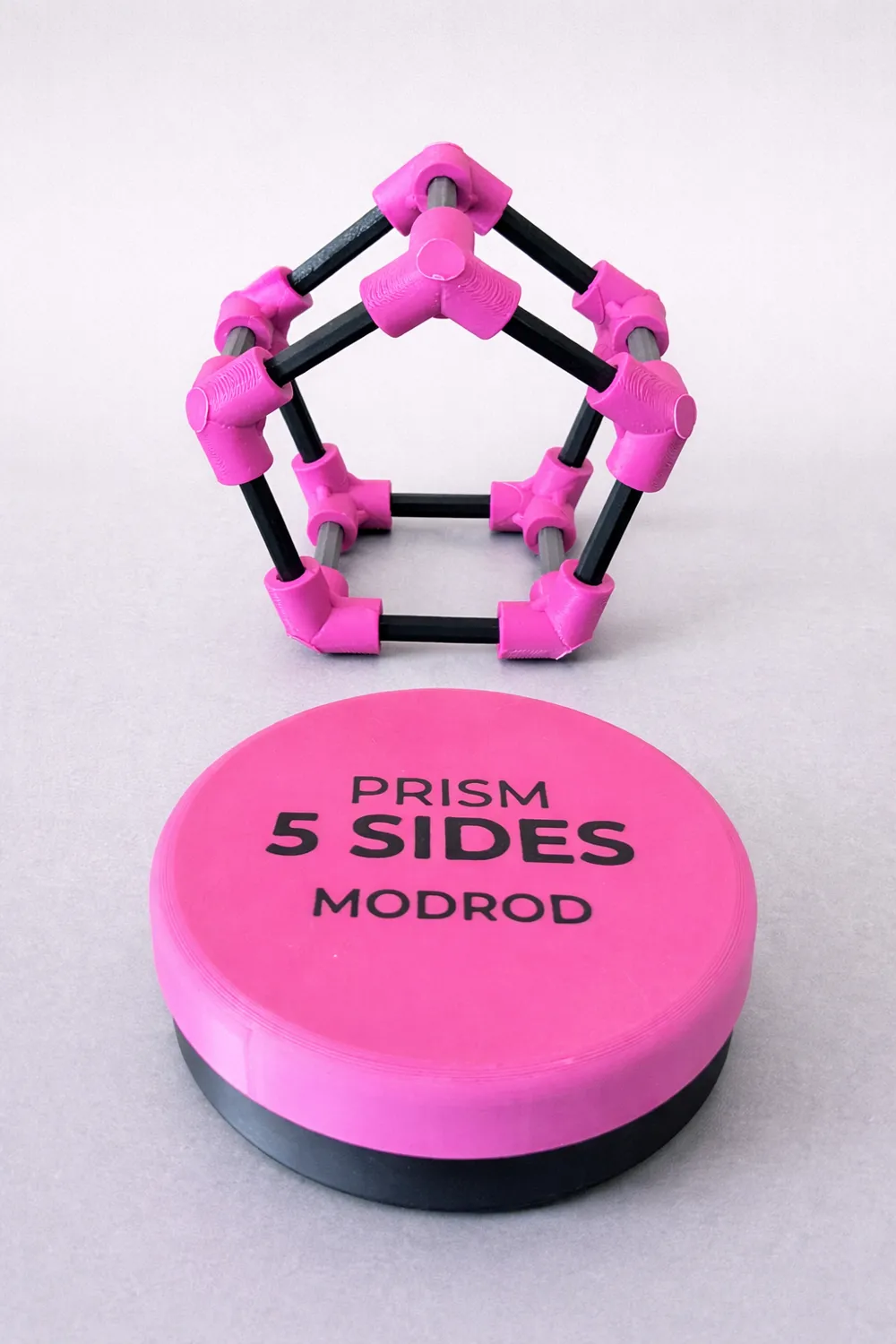
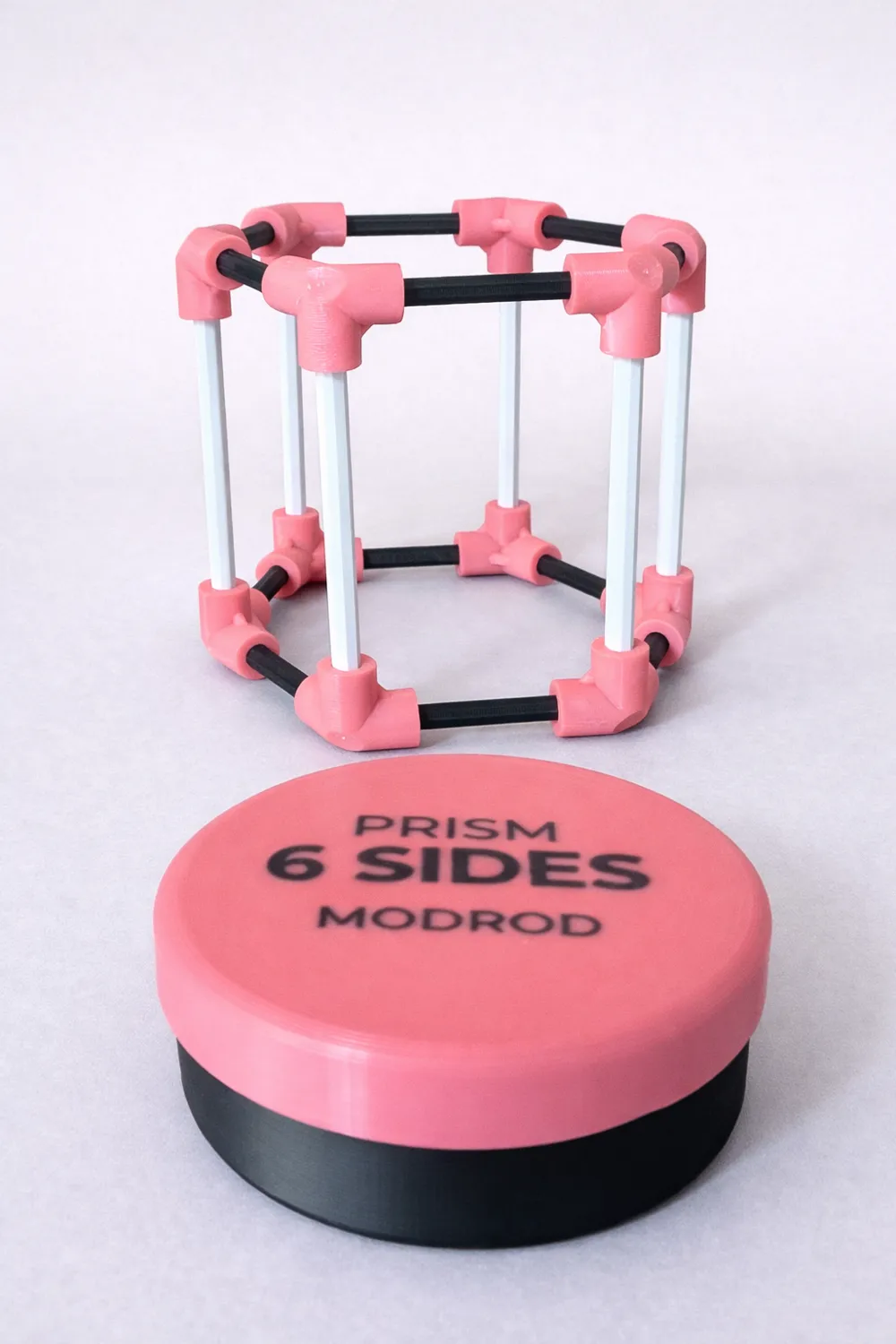
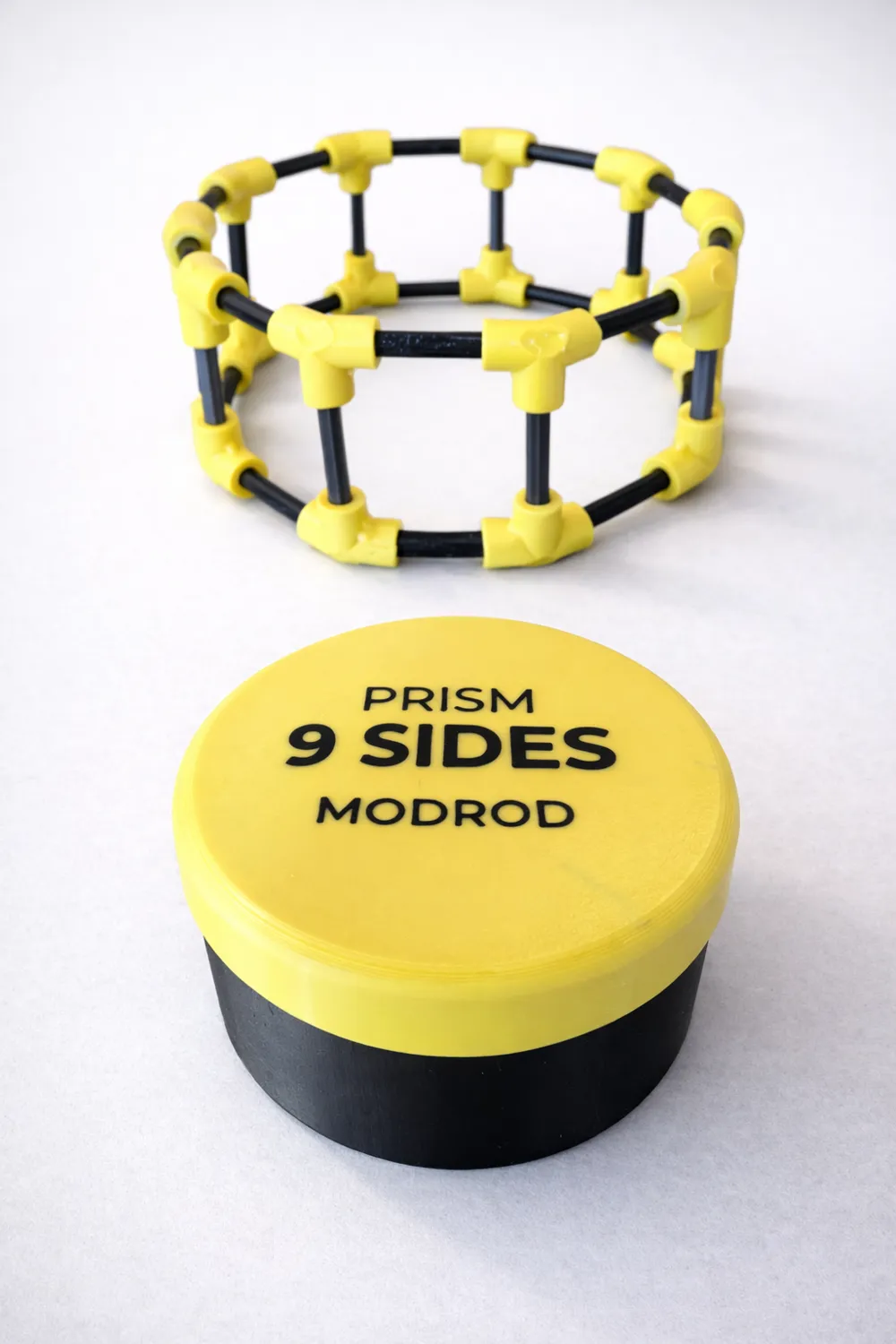
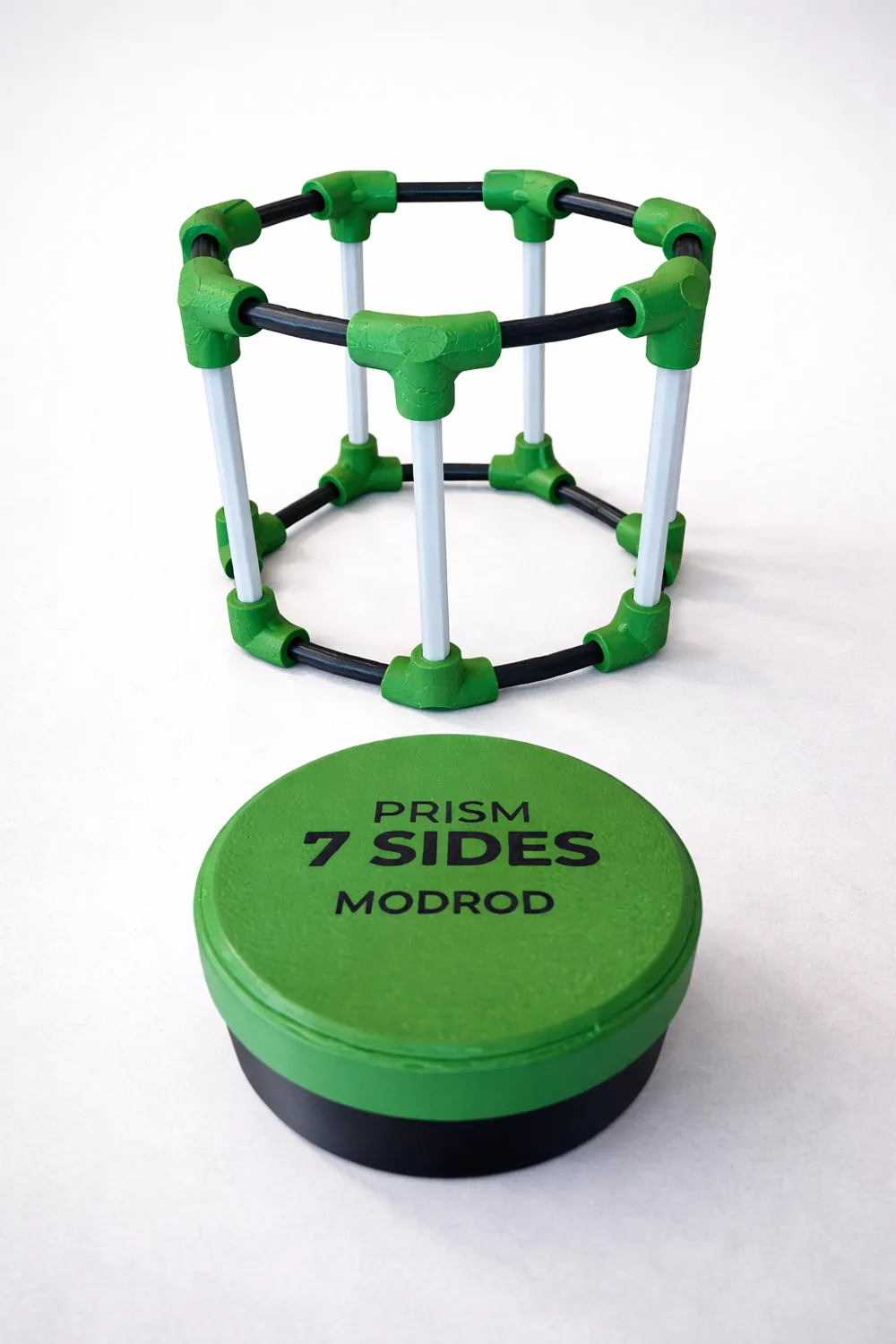
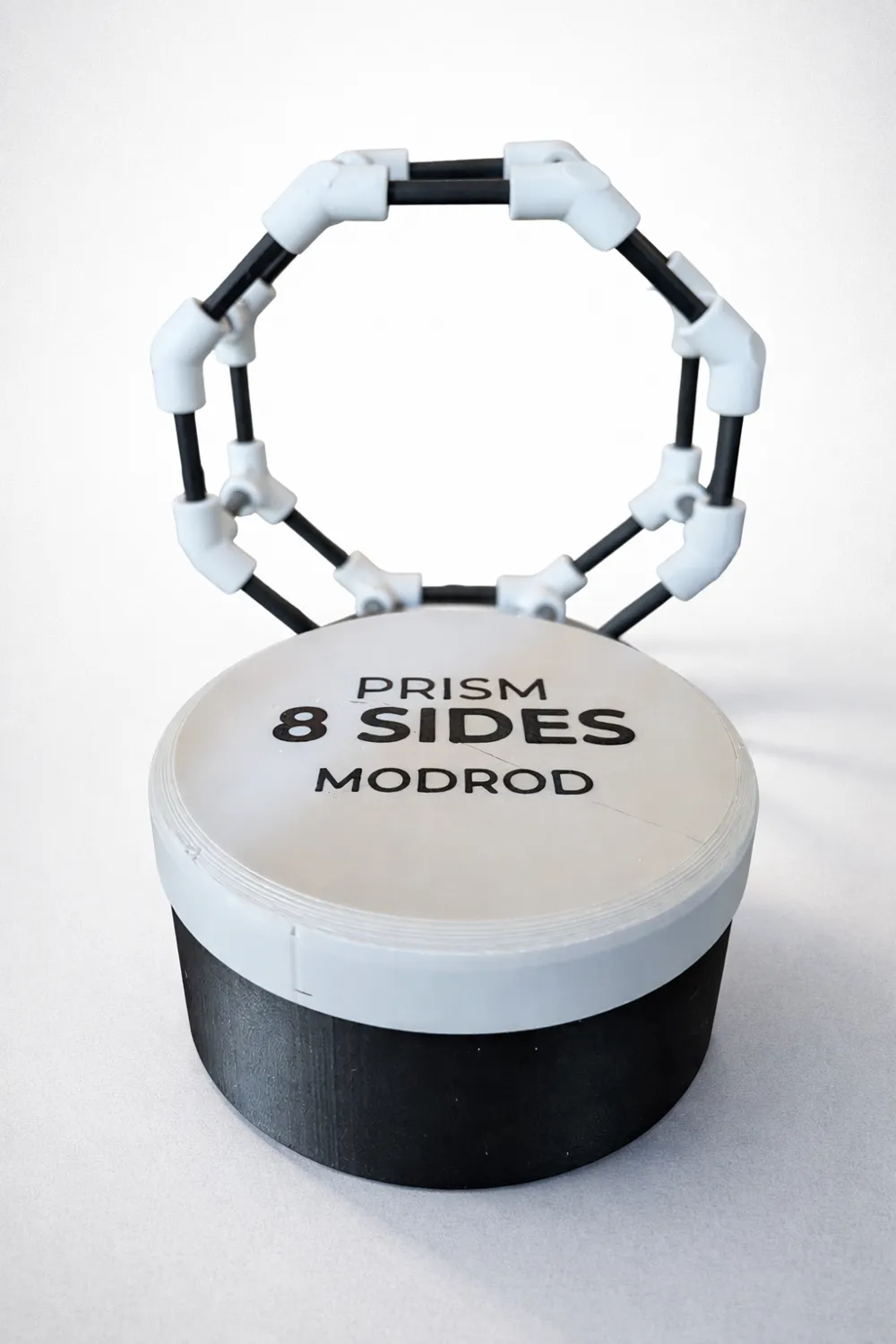
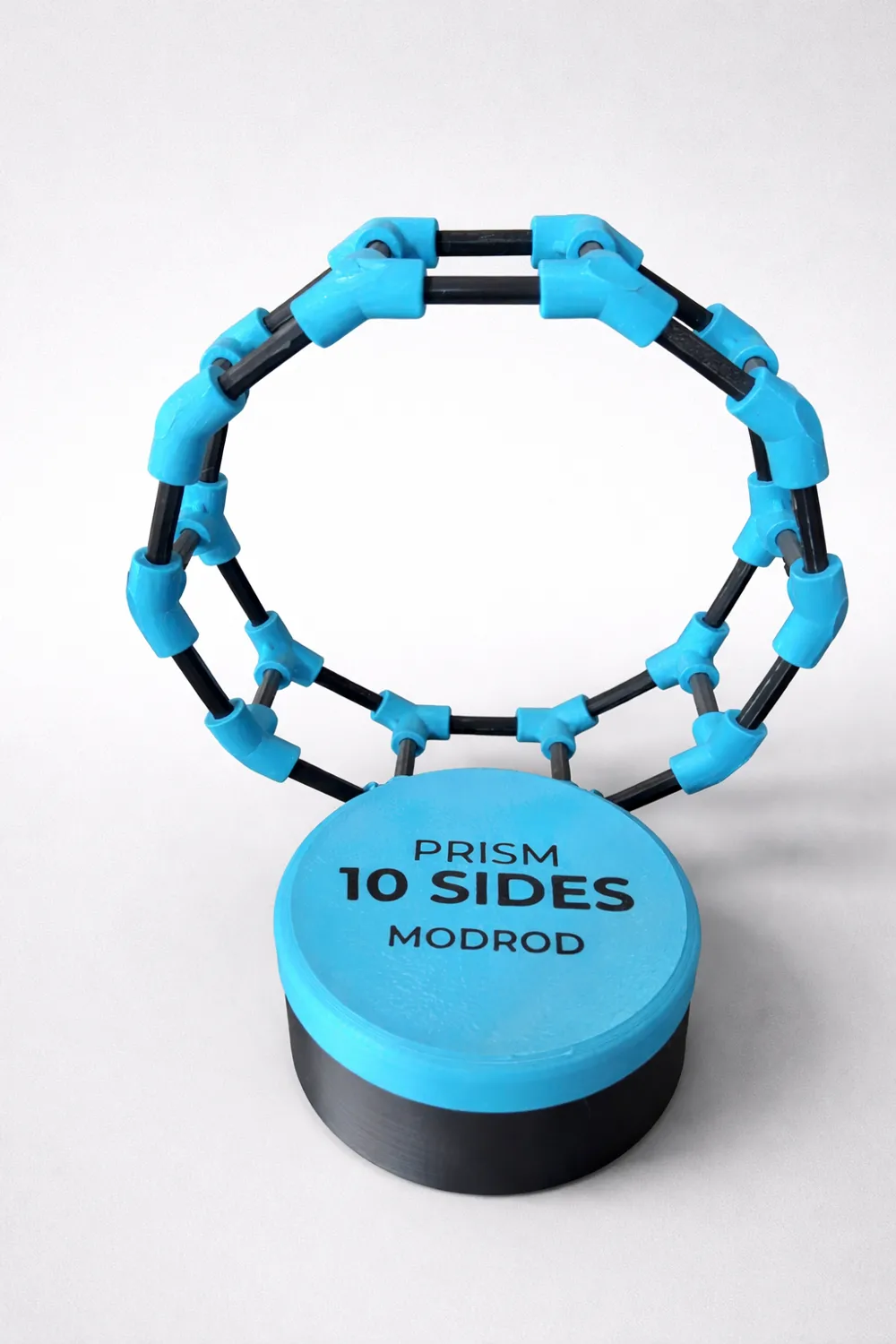
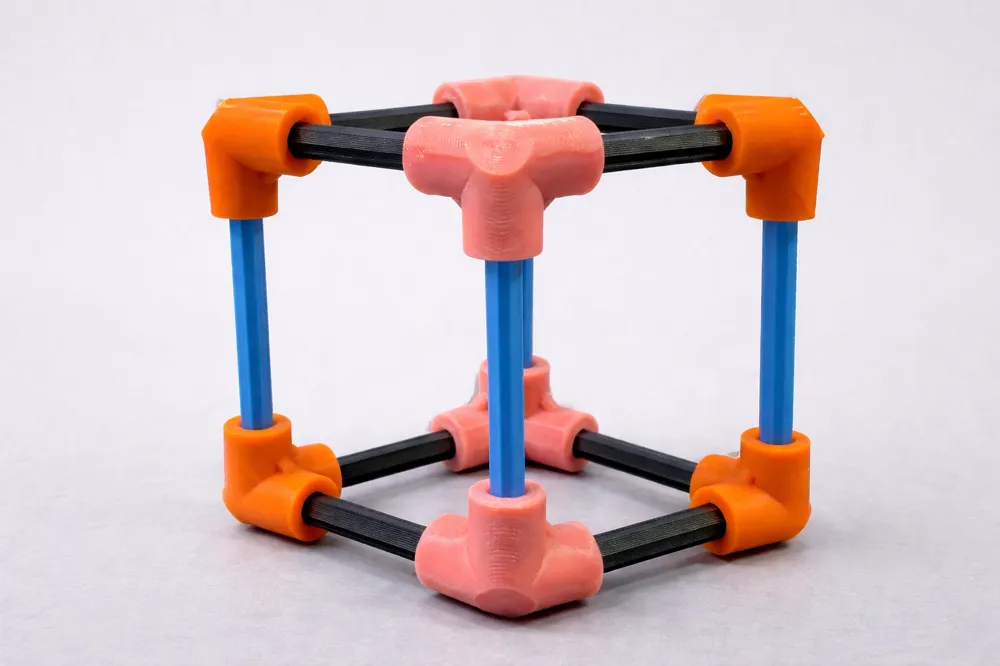
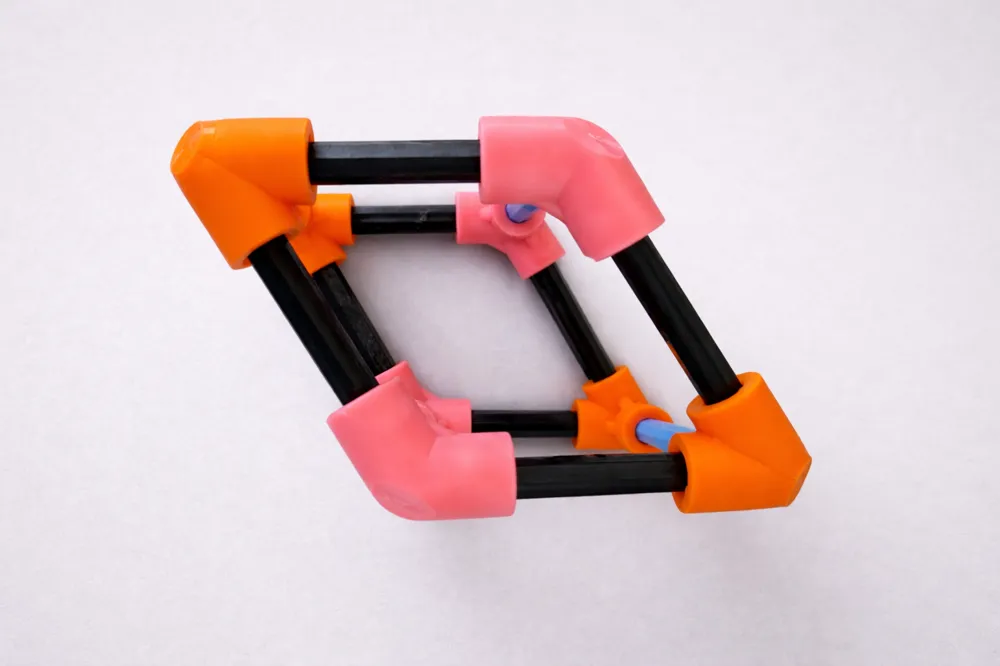
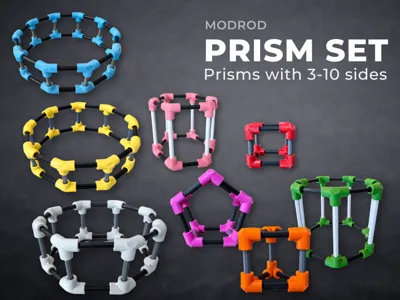
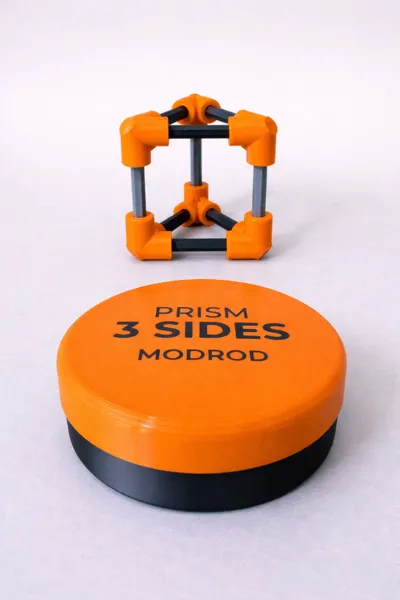
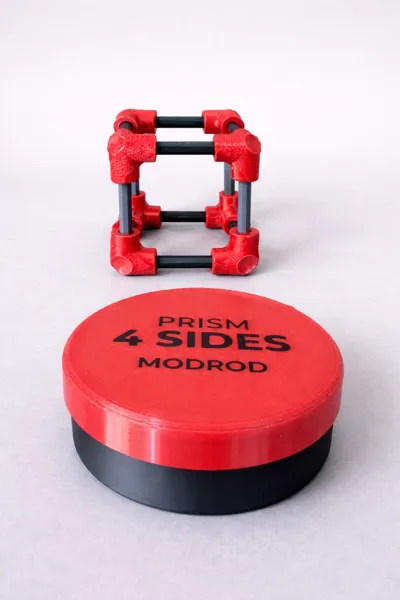
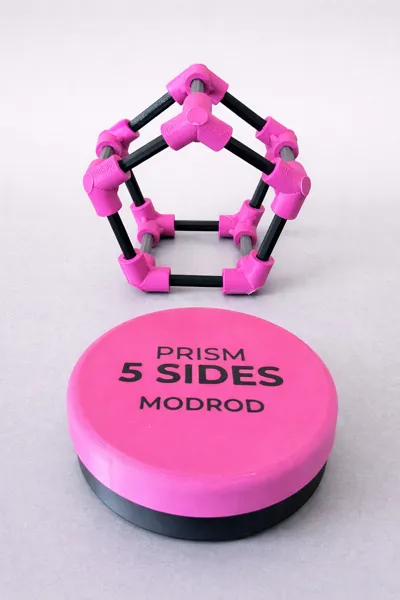
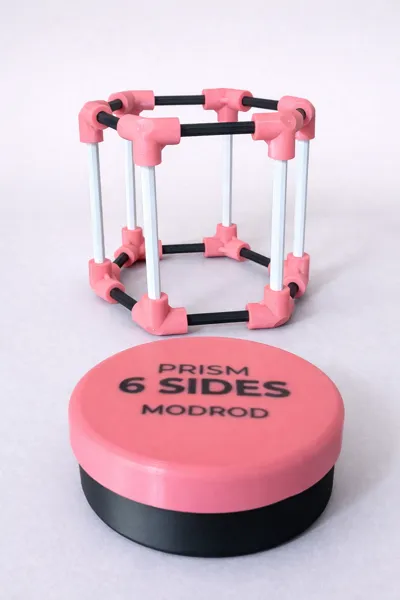
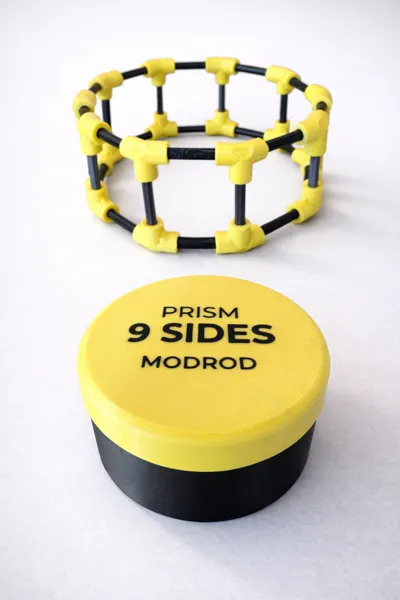
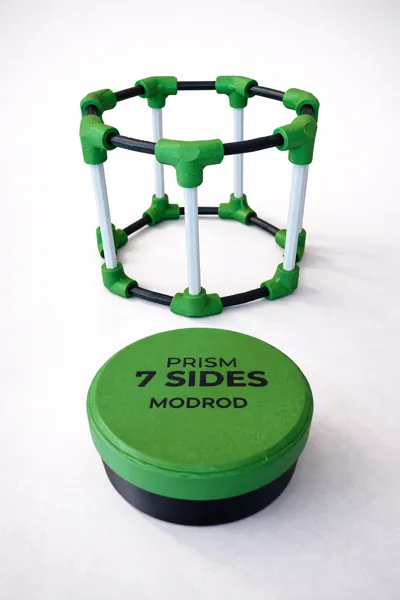
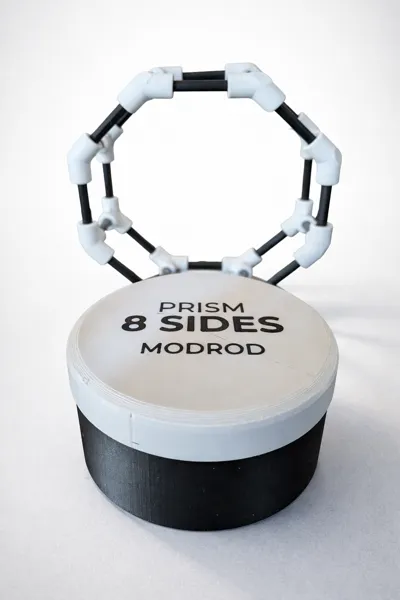
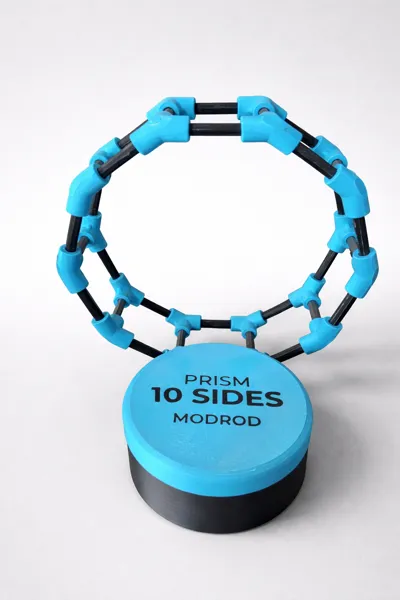
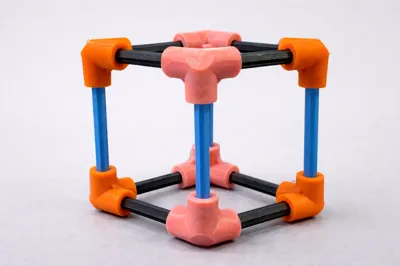
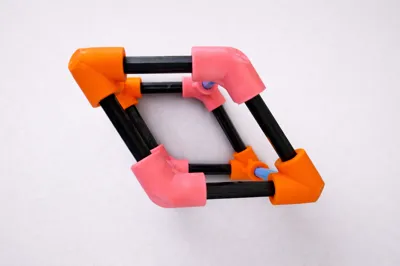
Build polygon prisms with 3 to 10 sides using a fully modular rod & connector system.
This set is the first of the MODROD series — an expandable geometric construction system designed for learning, experimenting and building custom 3D structures.
What You Get
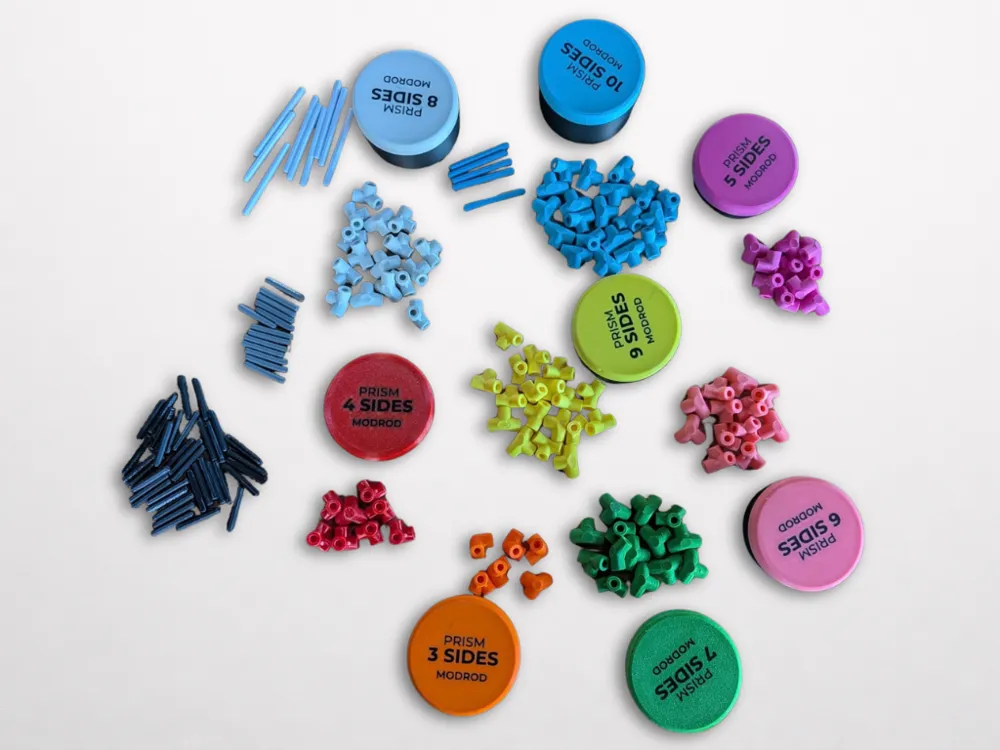
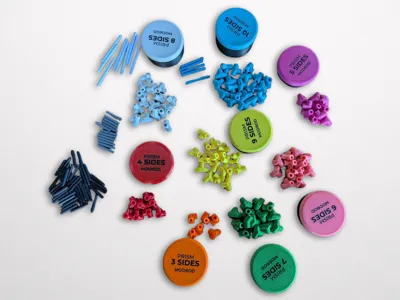
Each prism (3–10 sides) is provided as a separate 3MF file and includes:
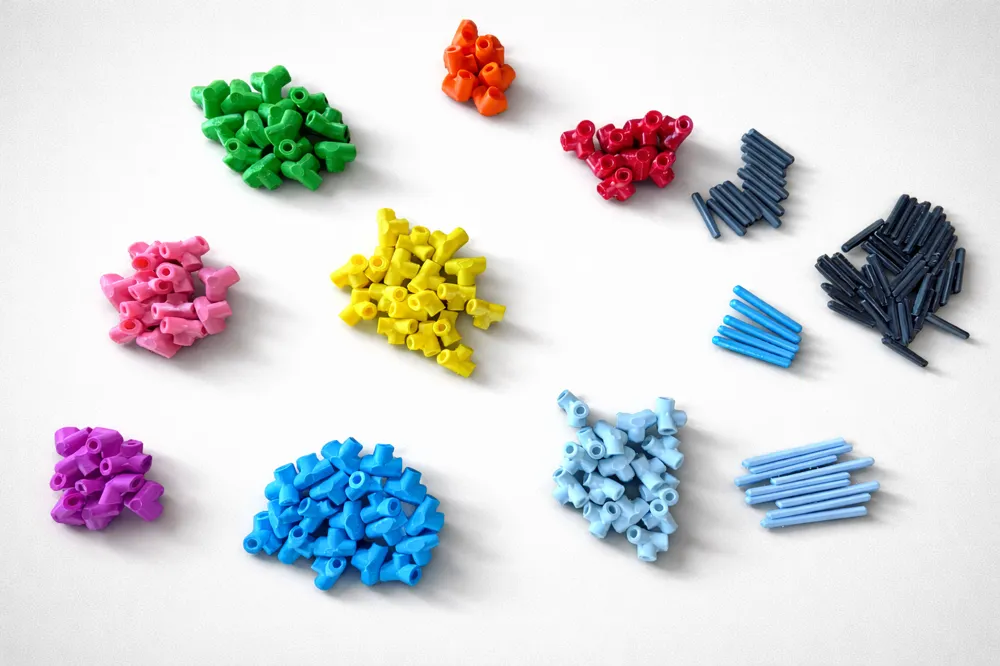
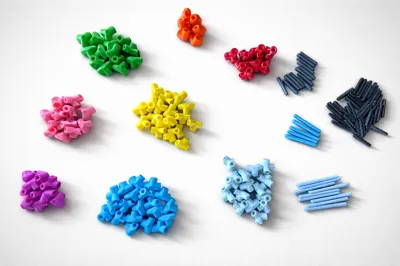
- Connectors & rods to fully assemble the prism
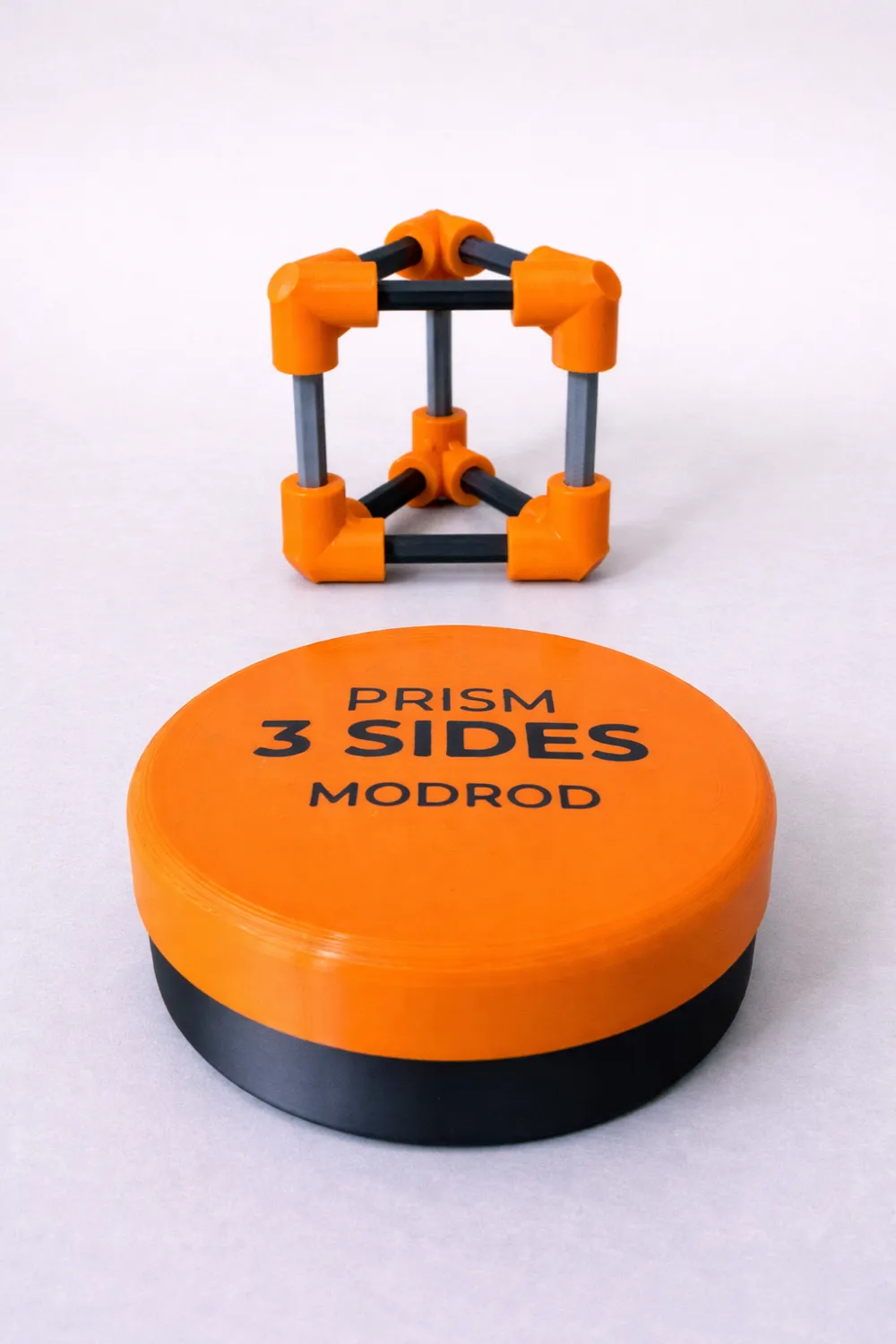
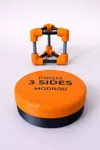
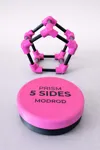
- Dedicated storage box/container sized specifically for that prism
- Test plate for fit calibration
This allows you to print only the side count you choose.
You can print a larger quantity of rods separately using the dedicated rod print profile (see the table at the end for the number of rods required for each prism).
Important – Fit Calibration
The rod–connector fit should be neither too loose, nor too tight. It will depend on your:
- printer tolerances
- filament brand
- material (PLA, PETG, etc.)
- extrusion flow and calibration
Print the included test plate first.
Scale if necessary before printing the full prism.
Friction-fit systems naturally require slight tuning depending on the printer.
STEM Applications
Ideal for:
- exploring polygons and prisms (see table at the end for more details)
- understanding how 2D shapes extend into 3D solids
- developing spatial reasoning
- classroom demonstrations
- homeschool STEM activities
- maker experimentation
Students can physically build and examine how different polygon bases create different prism geometries.
Expand Beyond the Set
The included files cover regular prisms from 3 to 10 sides. However, the system is modular.
You can
- mix components
- create hybrid structures
- design entirely new geometric shapes
The same rods and connectors allow for custom builds beyond the included models.
If you need connectors angled differently you can generate them using the Customize button in the post Customizable 3-Way Connector – Adjustable XY Angle (rod diameter: 6 mm, clearance: 0.2 mm, wall thickness: 3 mm, inset depth: 1.3).
Modular System Design
All prisms are built on the same rod and connector logic, ensuring:
- interchangeable parts
- expandability
- compatibility with future ModRod releases
I have extensively tested the system to ensure structural robustness and long-term durability.
Connector Specifications & Compatibility
After multiple iterations and stress tests, I have converged to the following set of parameters:
- Rod diameter: 6 mm
- Clearance: 0.2 mm
- Wall thickness: 3 mm
- Inset depth: 1.3 mm
Earlier versions I tested, with thinner 2 mm walls, showed reduced resistance to pressure and occasional cracking. The current dimensions provide significantly improved strength while maintaining reliable friction fit.
You can also create your own custom connectors by choosing from the variety of designs available in my Modular Connector collection.
Rod Specifications & Compatibility
The rods used in this system have the following specifications:
- Diameter: 6 mm
- Designed for flat printing with chamfered ends, which ensures strong rods that slide well into the connectors
- Optimized using the parameter $fn = 8 for stable, which allows efficient flat-bed printing
If you already have rods available, you do not need to print the rods included in this set.
You can simply scale the connectors to match your own rod diameter if needed.
A dedicated Customizable rod/pipe model is available in a separate post, and you can generate your own rods there.
This release establishes the core geometry platform for the MODROD ecosystem.
Printing Recommendations
- PLA, PETG, other materials should work as well
- 0.2 mm layer height
- 3–4 perimeters for structural strength
- print rods flat
- Supports needed for connectors with large angles - PETG support interface for PLA prints yields the cleanest prints (see note below for more details)
Each prism includes a custom-fit box for easy storage.
Note on Print Settings for Connectors
The included 3MF files for connectors are pre-configured for optimal strength and surface quality.
For best results, I print the connectors in:
- PLA (main material)
- PETG interface support
Using PETG as interface support creates a clean separation layer and significantly improves overhang quality while maintaining strong structural walls.
This setup is already configured in the provided 3MF files.
If you prefer a simpler and quicker setup, you can disable the PETG interface support and set all support parameters to default values, and print entirely in PLA.
Prism details
| prism type | number of corners | base corner angle (degrees) | number of connectors | number of rods |
| 3-sided / triangular prism | 3 | 60 | 6 | 9 |
| 4-sided / rectangular prism | 4 | 90 | 8 | 12 |
| 5-sided / pentagonal prism | 5 | 108 | 10 | 15 |
| 6-sided / hexagonal prism | 6 | 120 | 12 | 18 |
| 7-sided / heptagonal prism | 7 | 128.57 | 14 | 21 |
| 8-sided / octagonal prism | 8 | 135 | 16 | 24 |
| 9-sided / nonagonal prism | 9 | 140 | 18 | 27 |
| 10- sided / decagonal prism | 10 | 144 | 20 | 30 |
📂 This model is part of my 3D model collections.
Explore more functional & educational models on my profile.
Boost Me (for free)
If you like this model and want to support my work, consider giving it a boost 🚀
License

You shall not share, sub-license, sell, rent, host, transfer, or distribute in any way the digital or 3D printed versions of this object, nor any other derivative work of this object in its digital or physical format (including - but not limited to - remixes of this object, and hosting on other digital platforms). The objects may not be used without permission in any way whatsoever in which you charge money, or collect fees.


Comment & Rating (13)