
Levitation Base - The Zhen
Print Profile(1)
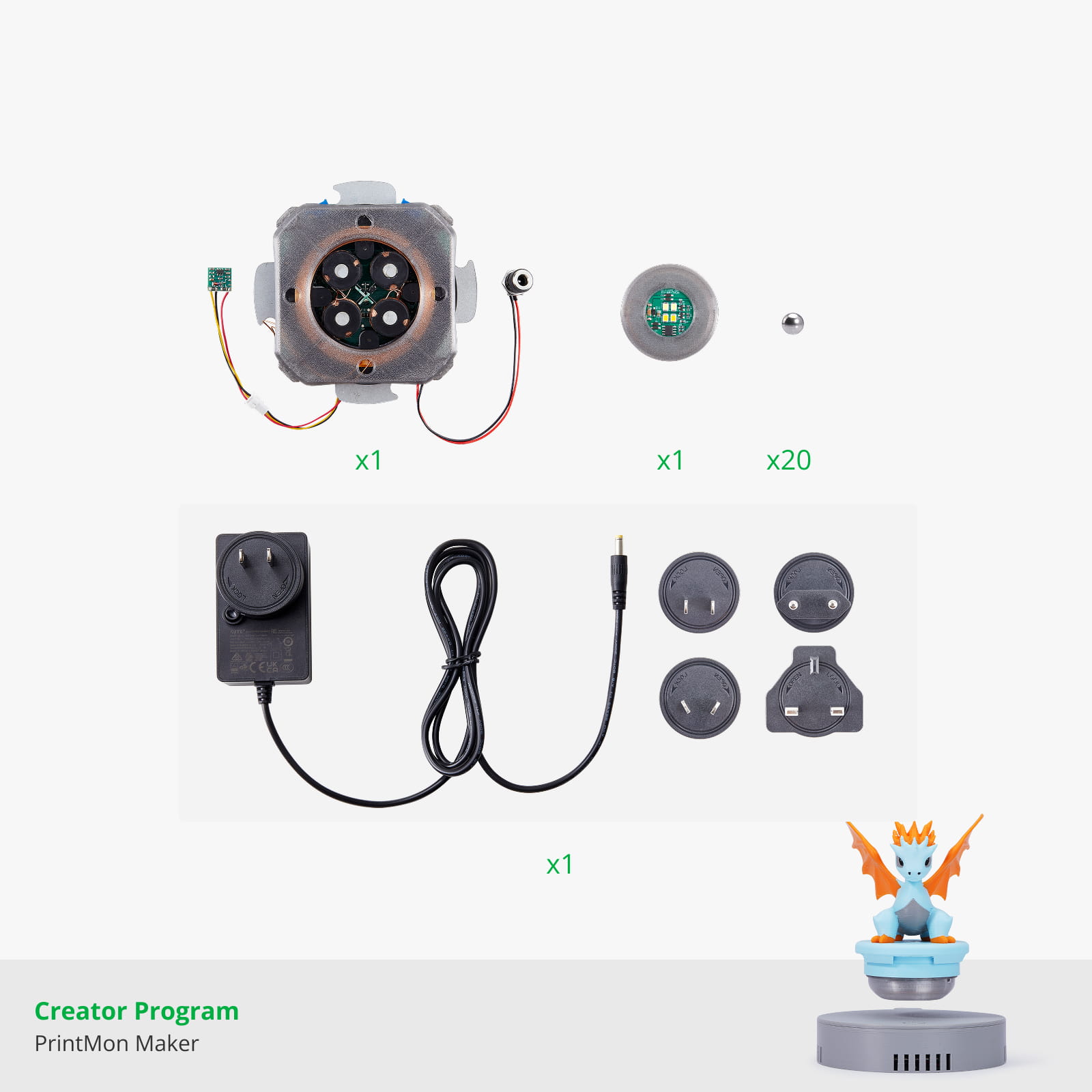
Bill of Materials



- Super Glue x 1: To secure top plate and TPU feet
Description
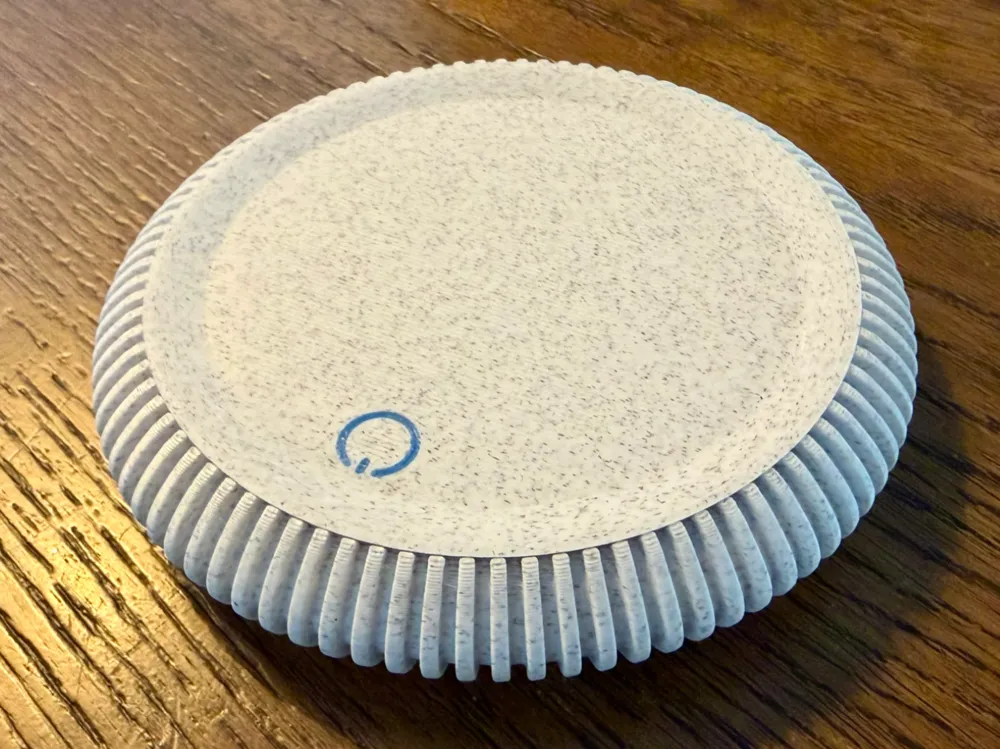
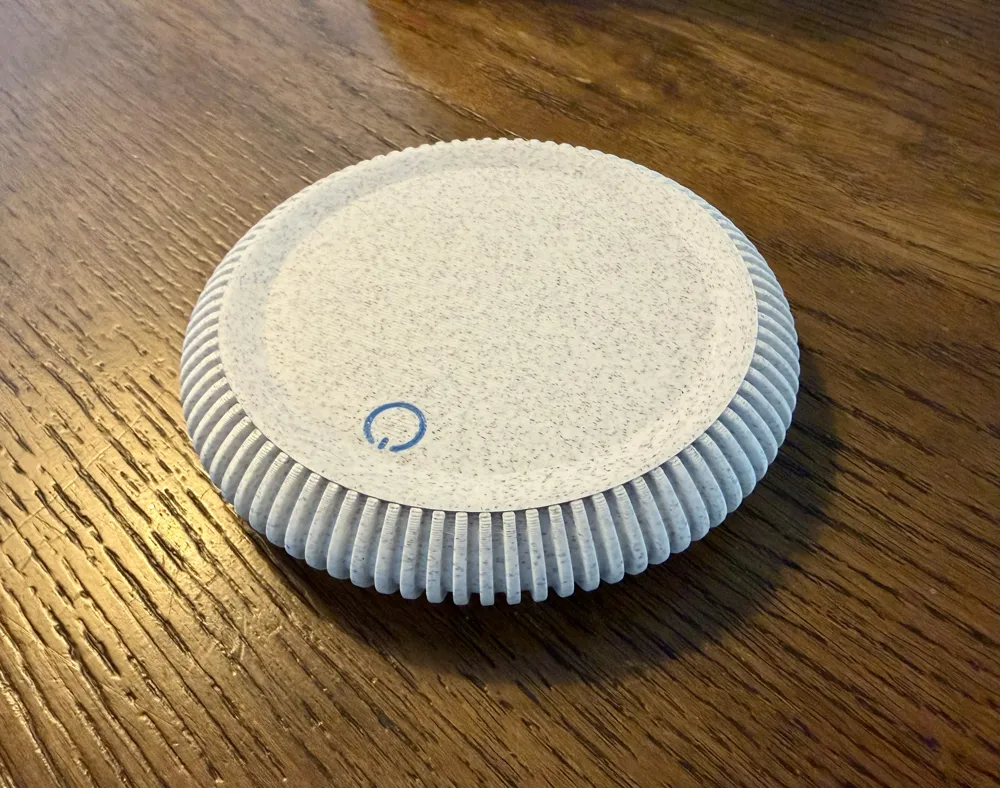
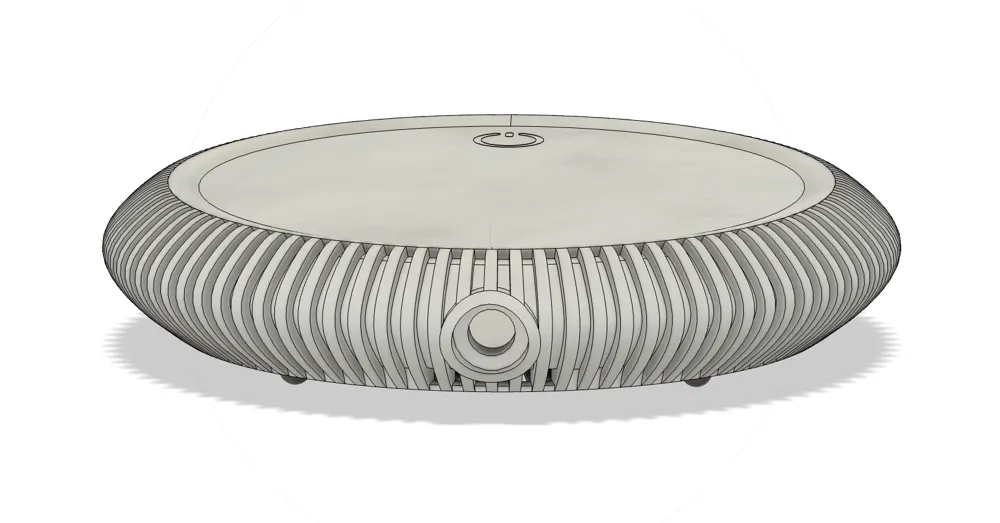
Floating Object Levitation Base Housing
A clean, ventilated enclosure for the Bambu Lab levitation module
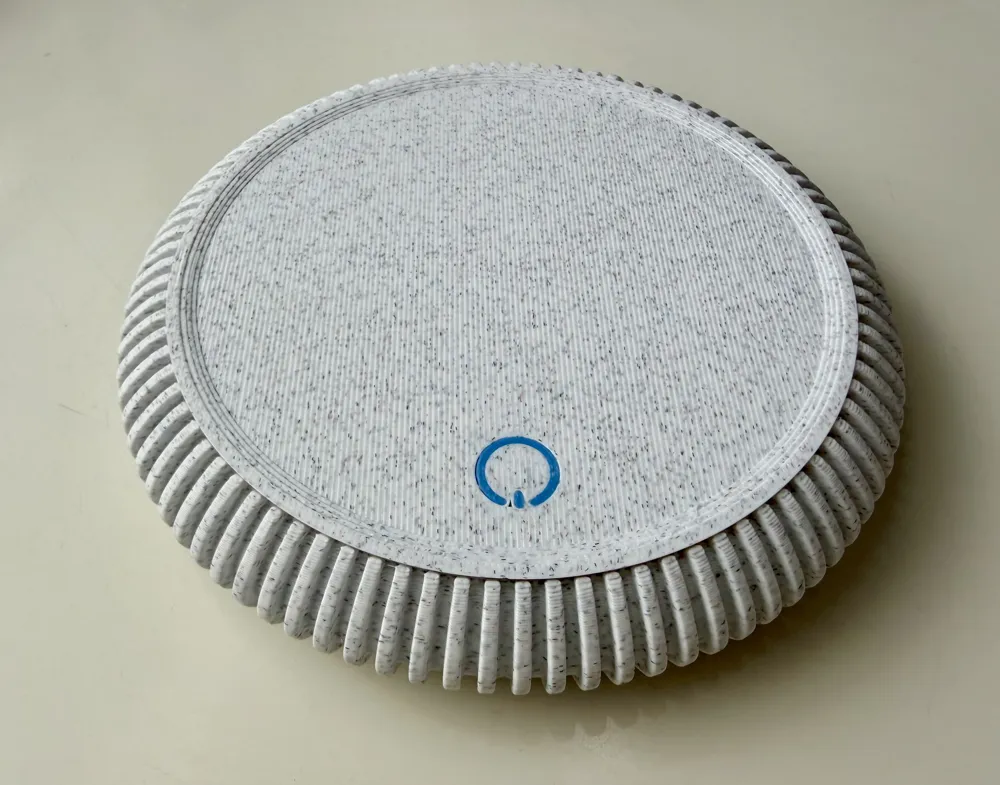
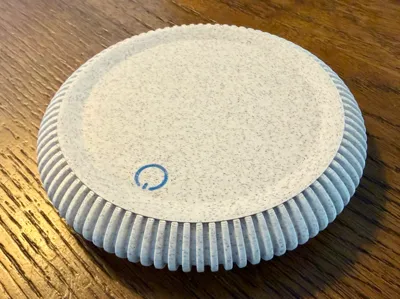
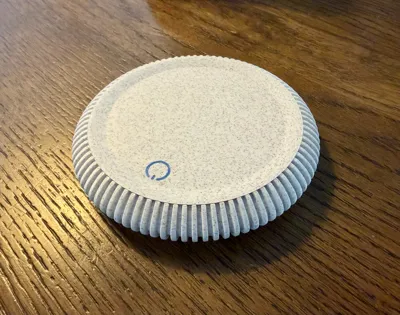
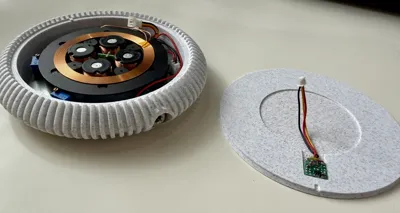
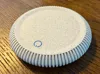
This project is a custom-designed enclosure for the Bambu Lab magnetic levitation kit, created to turn the stock electronics into a clean, display-ready desktop object.
Instead of leaving the levitation hardware exposed, this housing transforms the module into a minimal floating display base suitable for desks, studios, shelves, and maker workspaces.
The design focuses on three key principles:
thermal airflow, clean aesthetics, and practical assembly.
Design Features
Integrated ventilation system
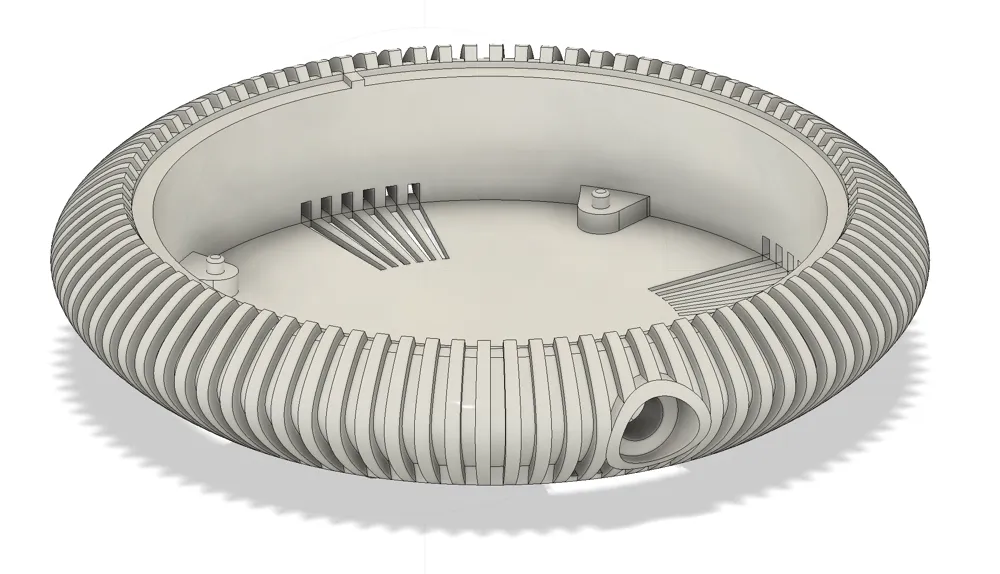
Magnetic levitation electronics generate heat during operation. To manage this effectively, the enclosure incorporates multiple airflow paths designed directly into the geometry.
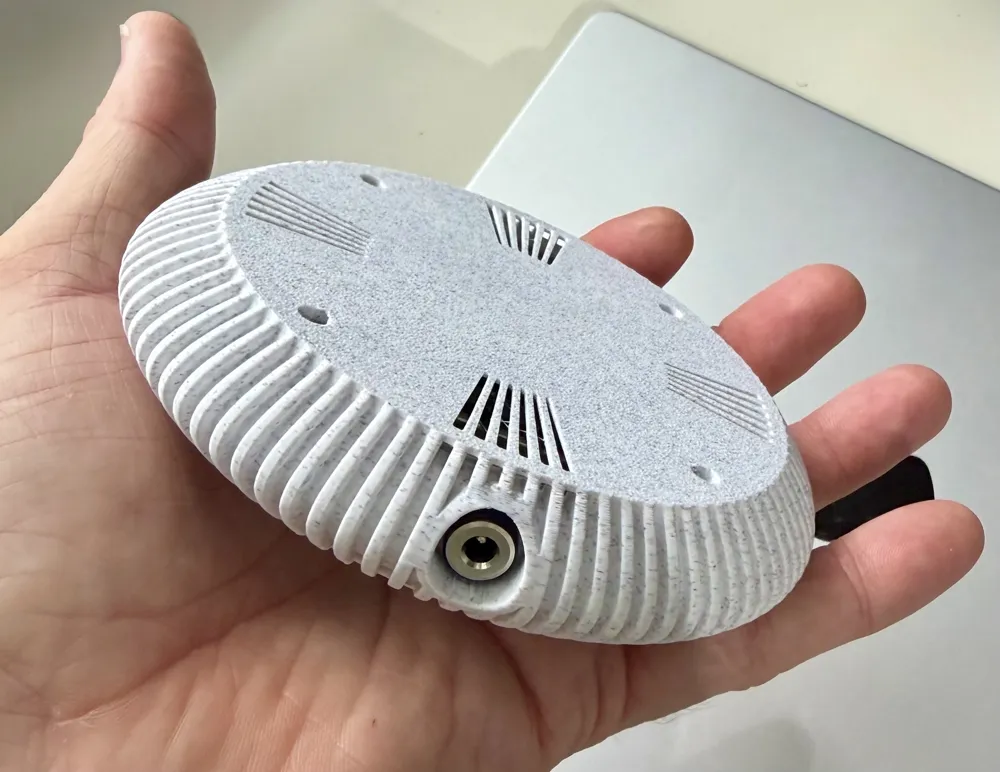
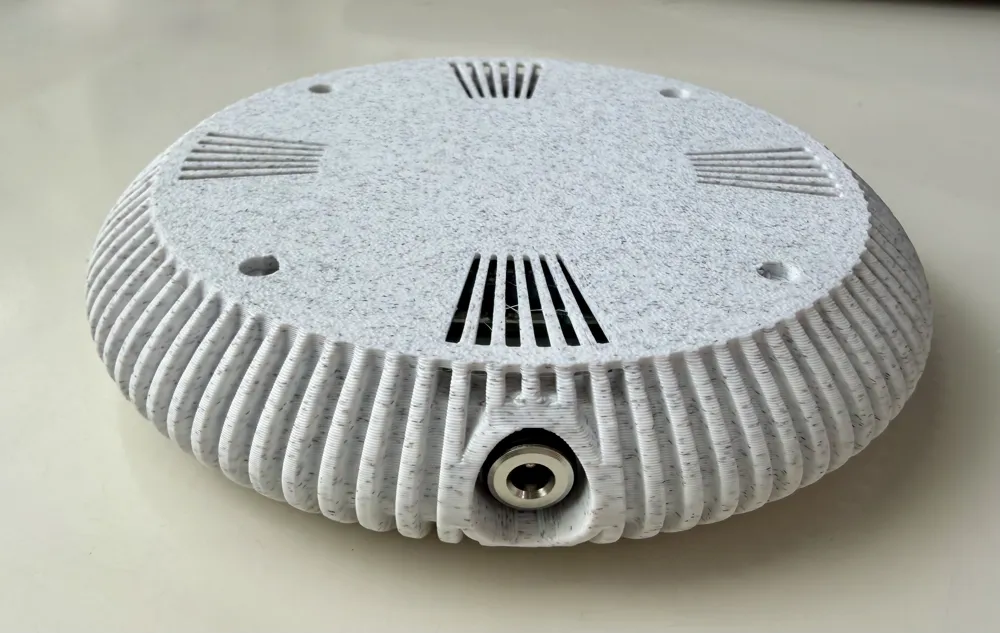
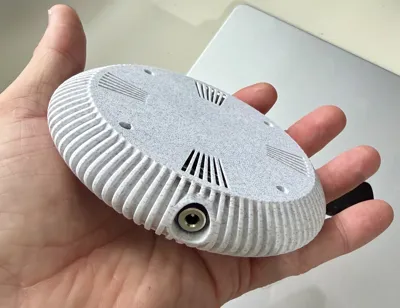
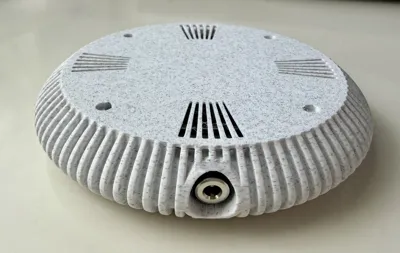
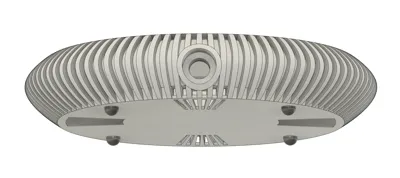
Subtle ventilation slots are integrated into the underside surface and sides, allowing warm air to escape while maintaining a minimal appearance. These vents are intentionally styled to feel like part of the design rather than exposed cooling holes.
Ribbed perimeter cooling
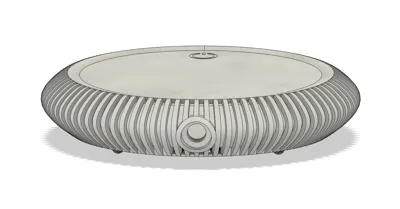
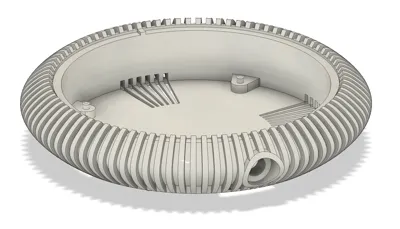
The radial rib structure around the outer perimeter increases surface area and allows passive heat dissipation around the electronics chamber.
Beyond improving airflow, the ribbing also gives the enclosure a distinctive industrial texture while maintaining structural strength with minimal material.
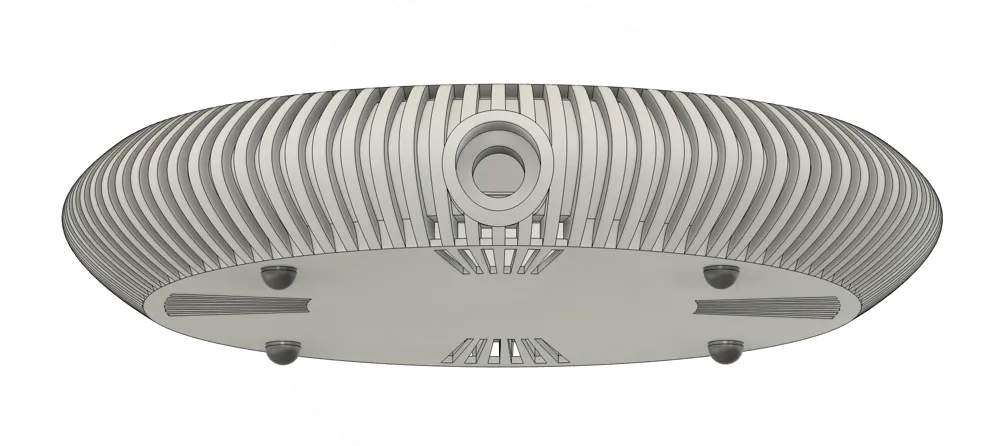
Raised TPU feet for airflow
The base is designed to use TPU printed feet, which lift the enclosure slightly off the desk surface.
This small elevation creates an airflow gap beneath the housing, allowing cooler air to enter from below and move naturally through the ventilation system.
Additional benefits include:
• improved cooling performance
• reduced vibration transfer
• increased grip on smooth surfaces
Press-fit DC power jack
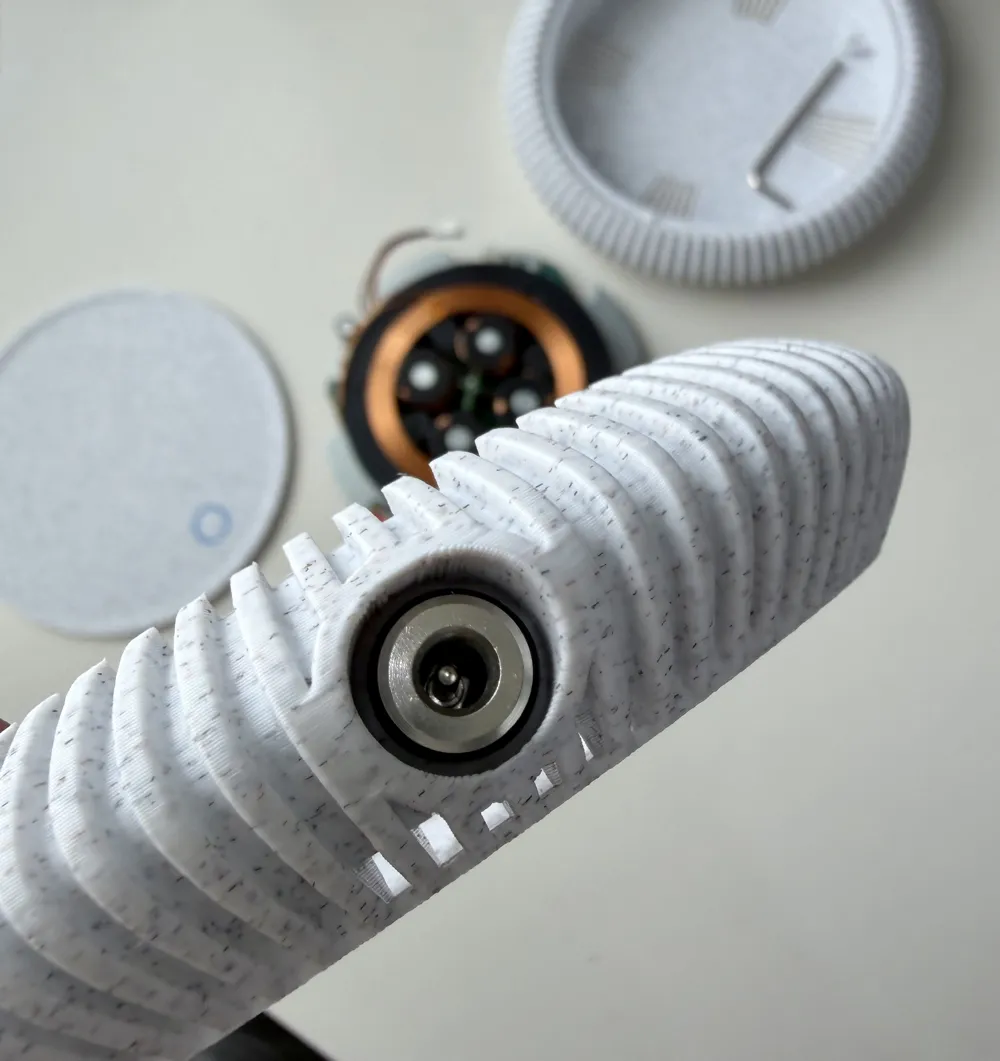
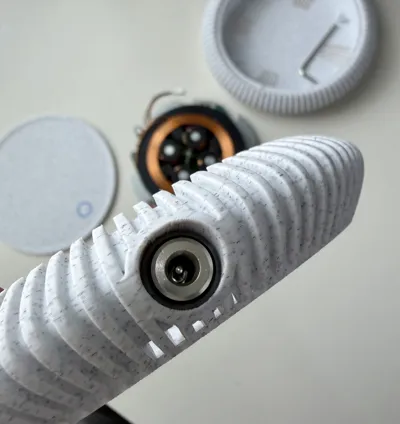
The power input is designed around a press-fit DC barrel jack integrated directly into the housing wall.
This allows the connector to be securely seated in the enclosure without additional brackets or fasteners, keeping the exterior clean while simplifying assembly. The result is a tidy, professional-looking power connection with no loose wiring or exposed components.
Clean two-part construction
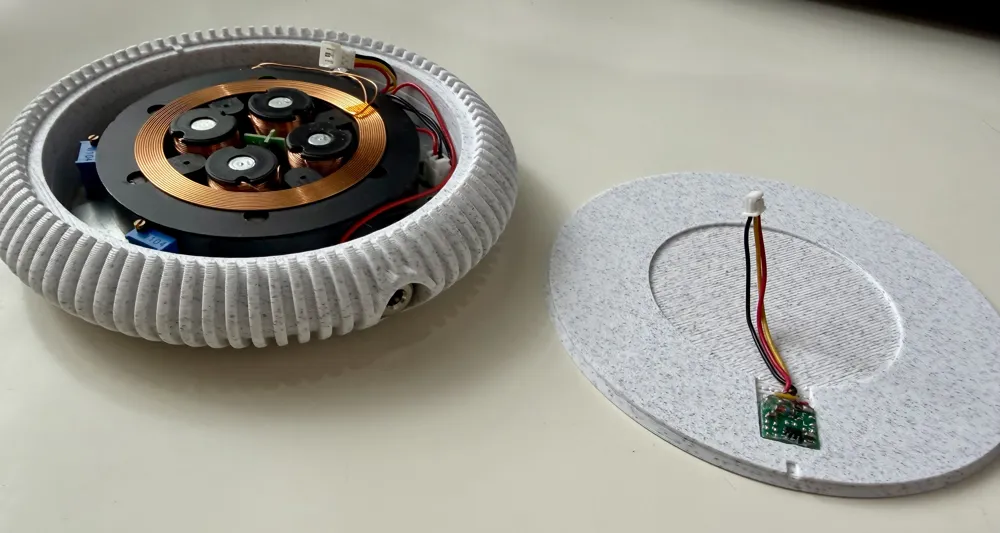
The enclosure prints as a two-piece assembly: (Plus the 4no TPU feet)
• Main housing body
• Bottom plate with internal electronics mount
This approach makes installation straightforward while keeping all electronics and wiring hidden inside the enclosure.
Minimal display-focused design
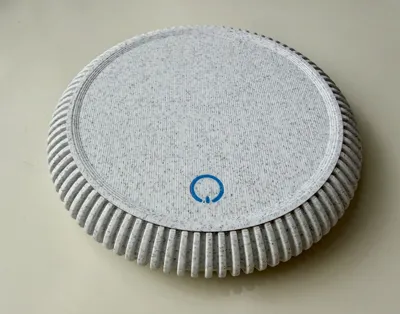
The housing was designed so the floating object remains the visual centerpiece. Smooth surfaces, subtle ventilation details, and controlled geometry give the base a refined appearance that feels closer to a finished product than a DIY enclosure.
Assembly
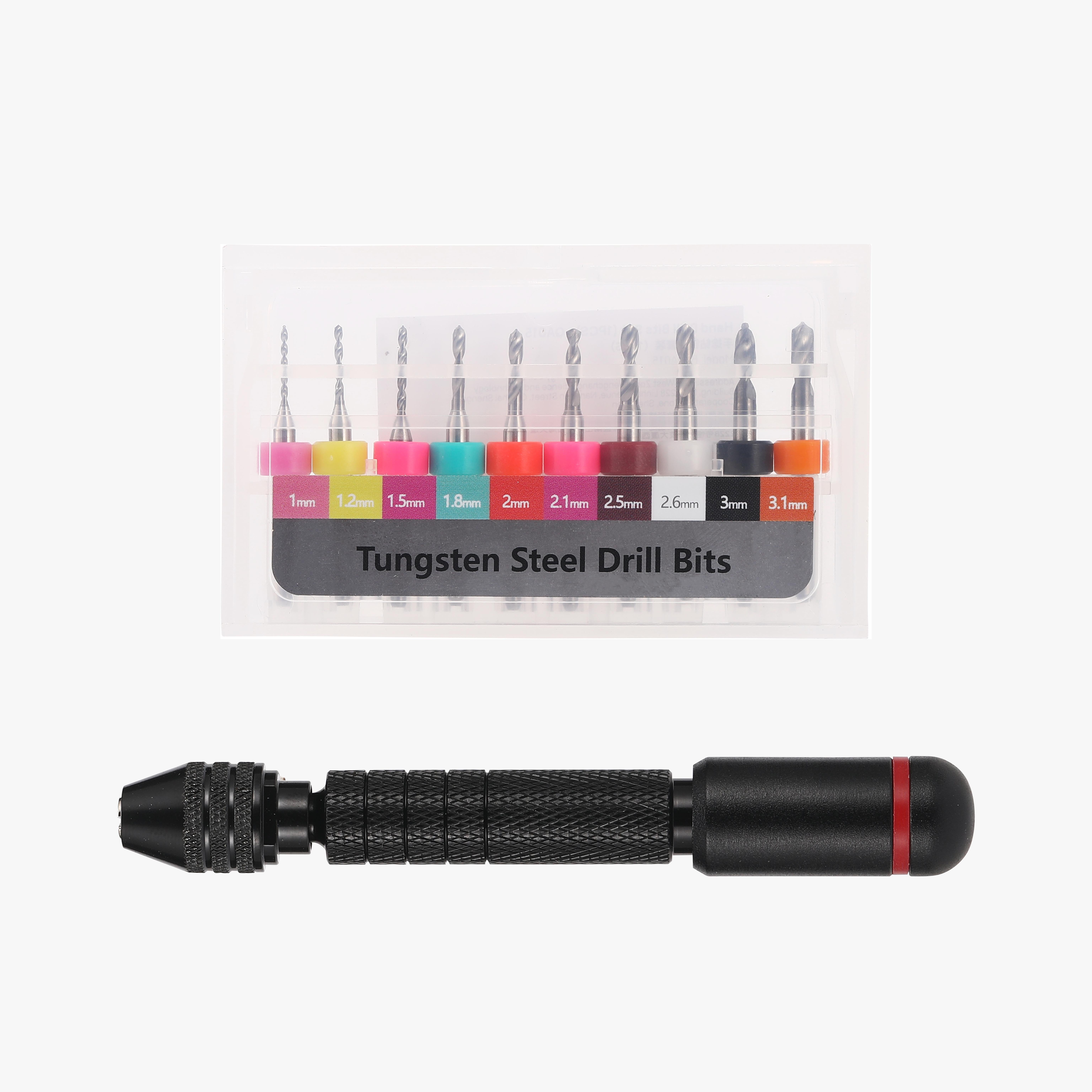
- Ensure the 4no fixing point in the base are 2.0mm diameter use the 2.0mm bit from bambulabs hand drill set just incase the holes are to small.
- Install the Bambu Lab levitation module into the main housing using 4no machined screws supplied by Bambulabs
- Press-fit the DC barrel connector into the integrated socket.
- Route the wiring through internally and plug terminate into the Levitation board
- Super glue the touch sensor to the the underside of the top plate theres a position for it recessed into the underside
- Super glue the top plate in position on the base there is a notch to locate the plate to face forward. We suggest glueing the outer rim and flipping the base upside down on the desk to apply consistent pressure and ensure a nice tight seal
- Super glue the 4no TPU feet to the underside of the base there is also a 2mm recess to locate the feet in position
Once assembled, connect power and enjoy your floating display.
Use Ideas
he levitation base works well for floating:
• small sculptures
• magnets and art objects
• display models
• desk ornaments
• maker showpieces
Anything lightweight and magnetic can become a floating centerpiece.
License

You shall not share, sub-license, sell, rent, host, transfer, or distribute in any way the digital or 3D printed versions of this object, nor any other derivative work of this object in its digital or physical format (including - but not limited to - remixes of this object, and hosting on other digital platforms). The objects may not be used without permission in any way whatsoever in which you charge money, or collect fees.


Comment & Rating (4)