
"Cylinder of 5ths" - A Music Theory "Cheat Sheet"
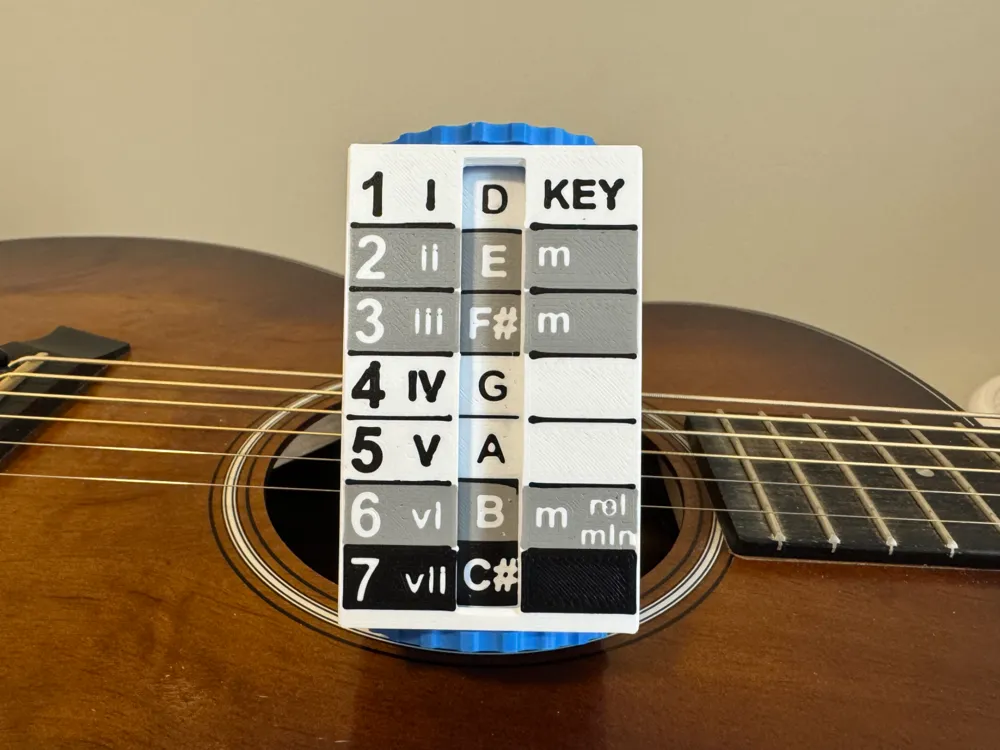
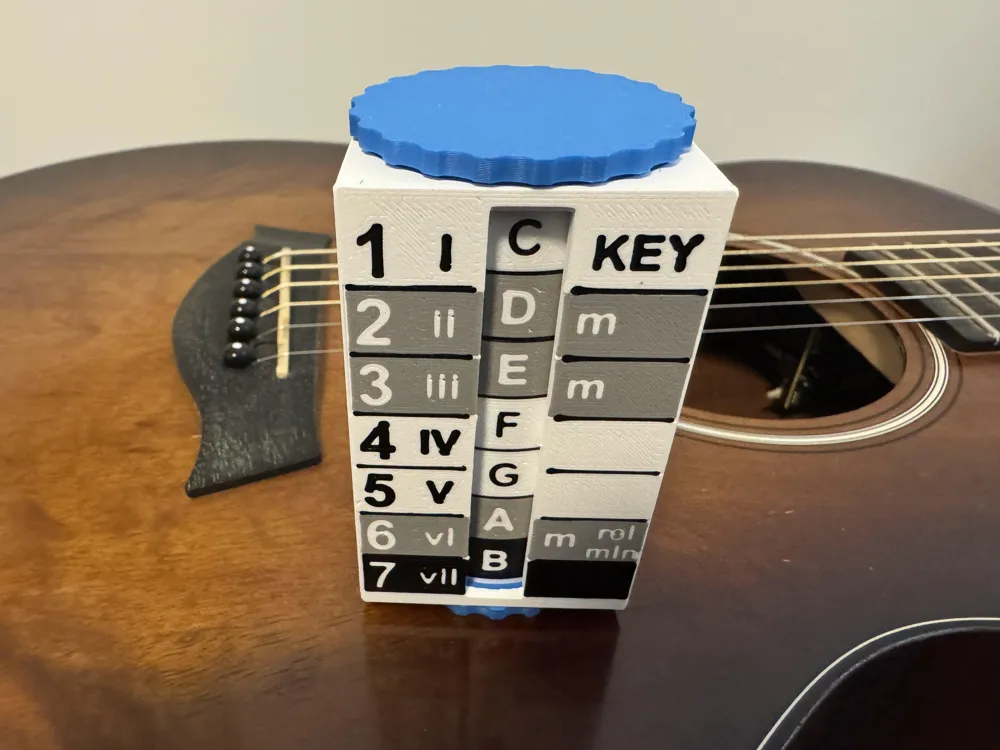
Print Profile(1)
Description
Boost Me (for free)
If you like this print, please consider giving it a Boost. It means a lot!
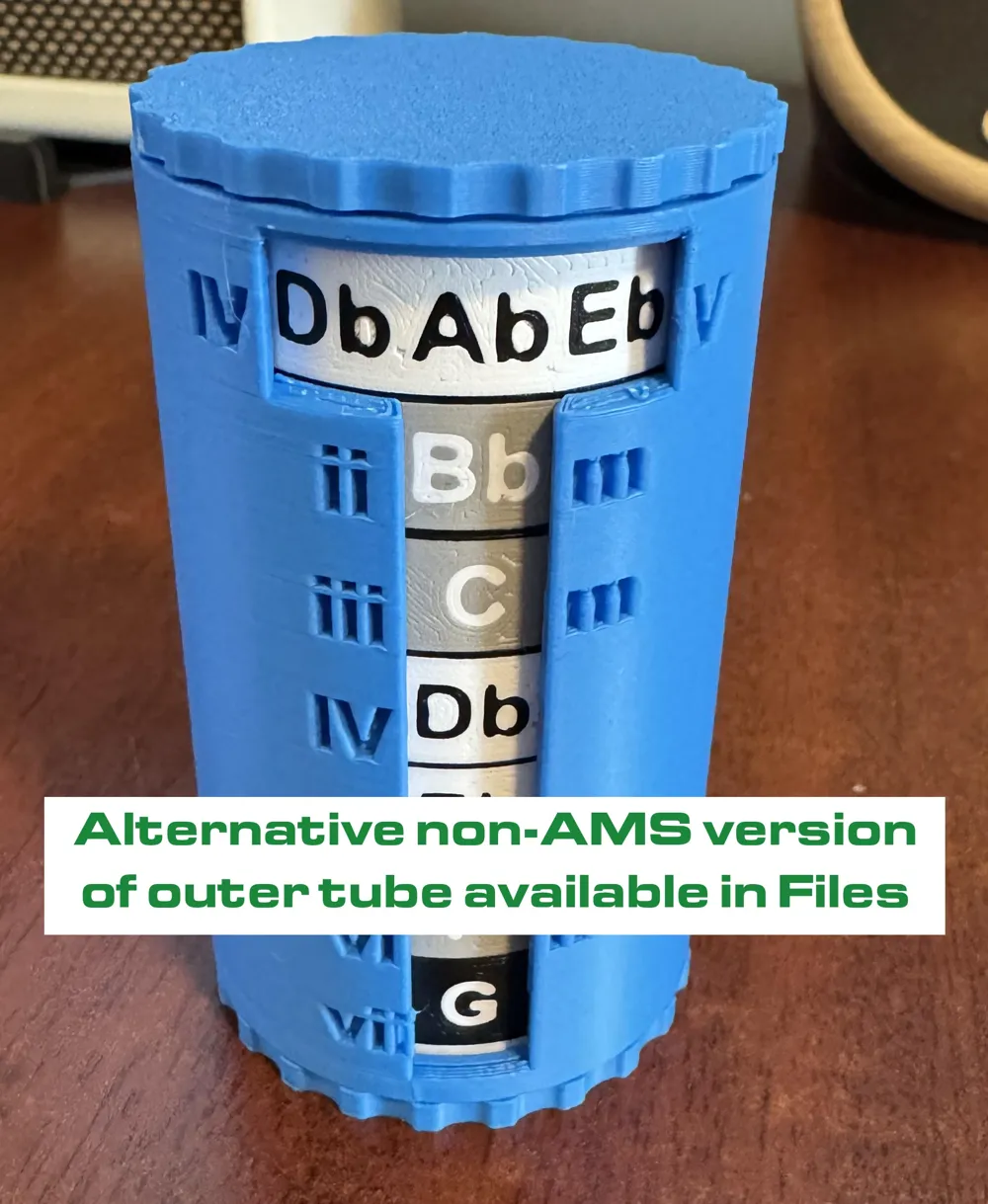
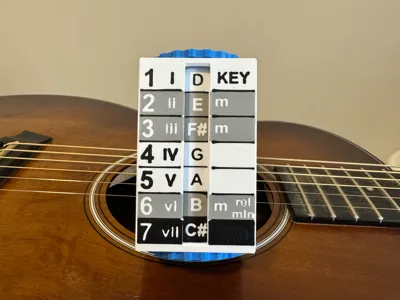
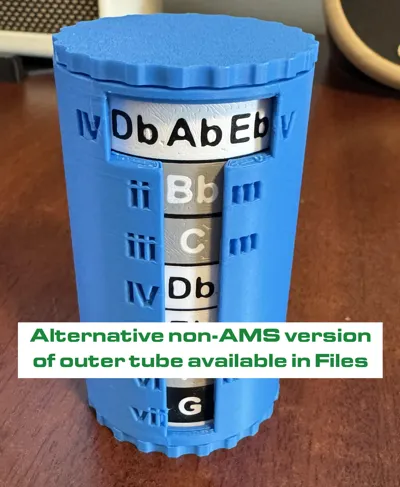
*** On request, I made a non-AMS version of the outer tube that has an expanded window to reveal the subdominant and dominant notes on either side of the root, providing an instant visual of the primary chords in any key. Obviously, the top middle is the Key/Root/I. It is available in the downloadable files ("Non-AMS Main Outer.3mf")
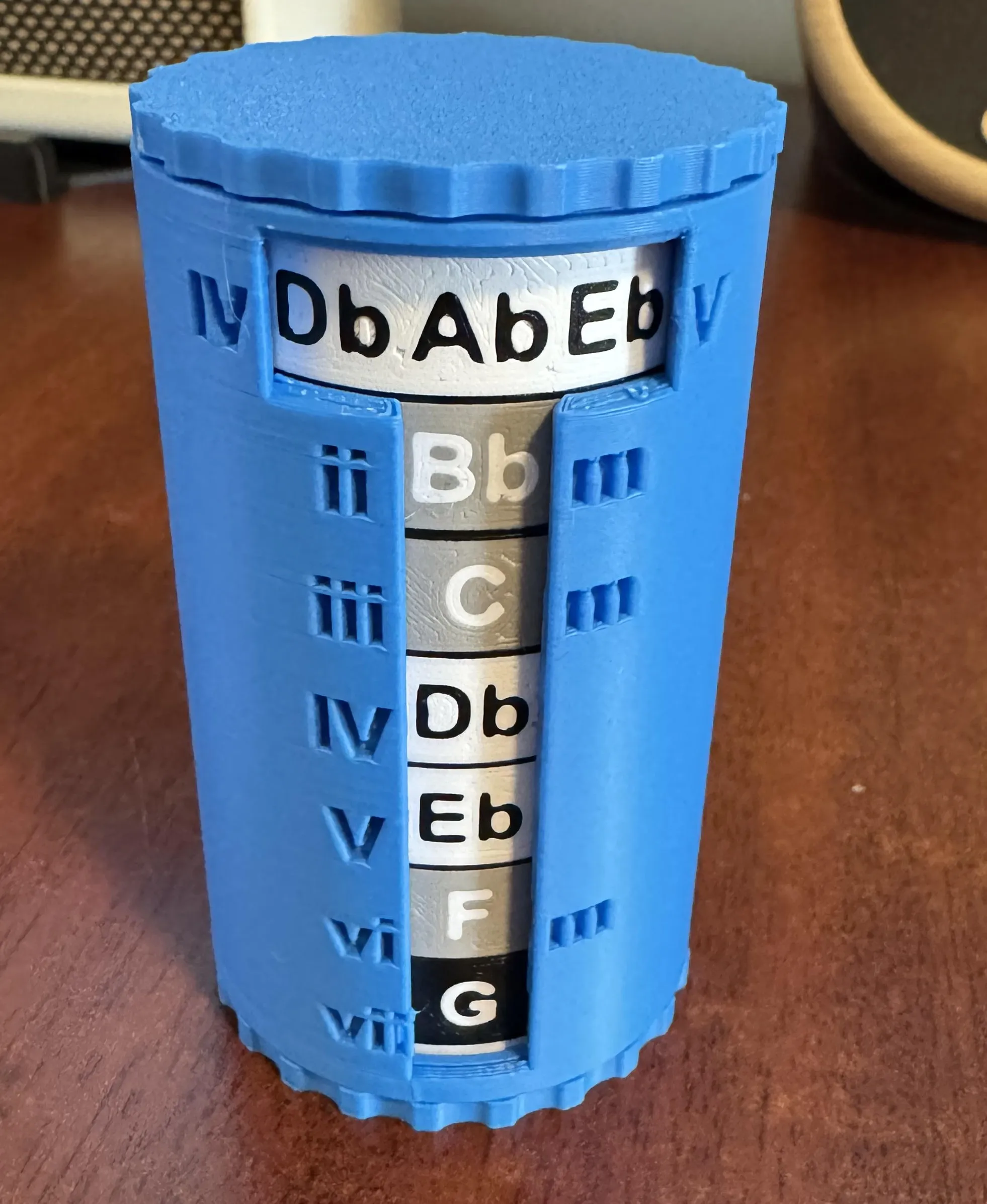
Stop spinning your head trying to read a complex Circle of Fifths. Never get lost in a key again. Just spin, align, and play.
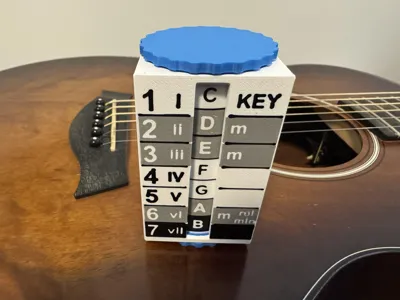
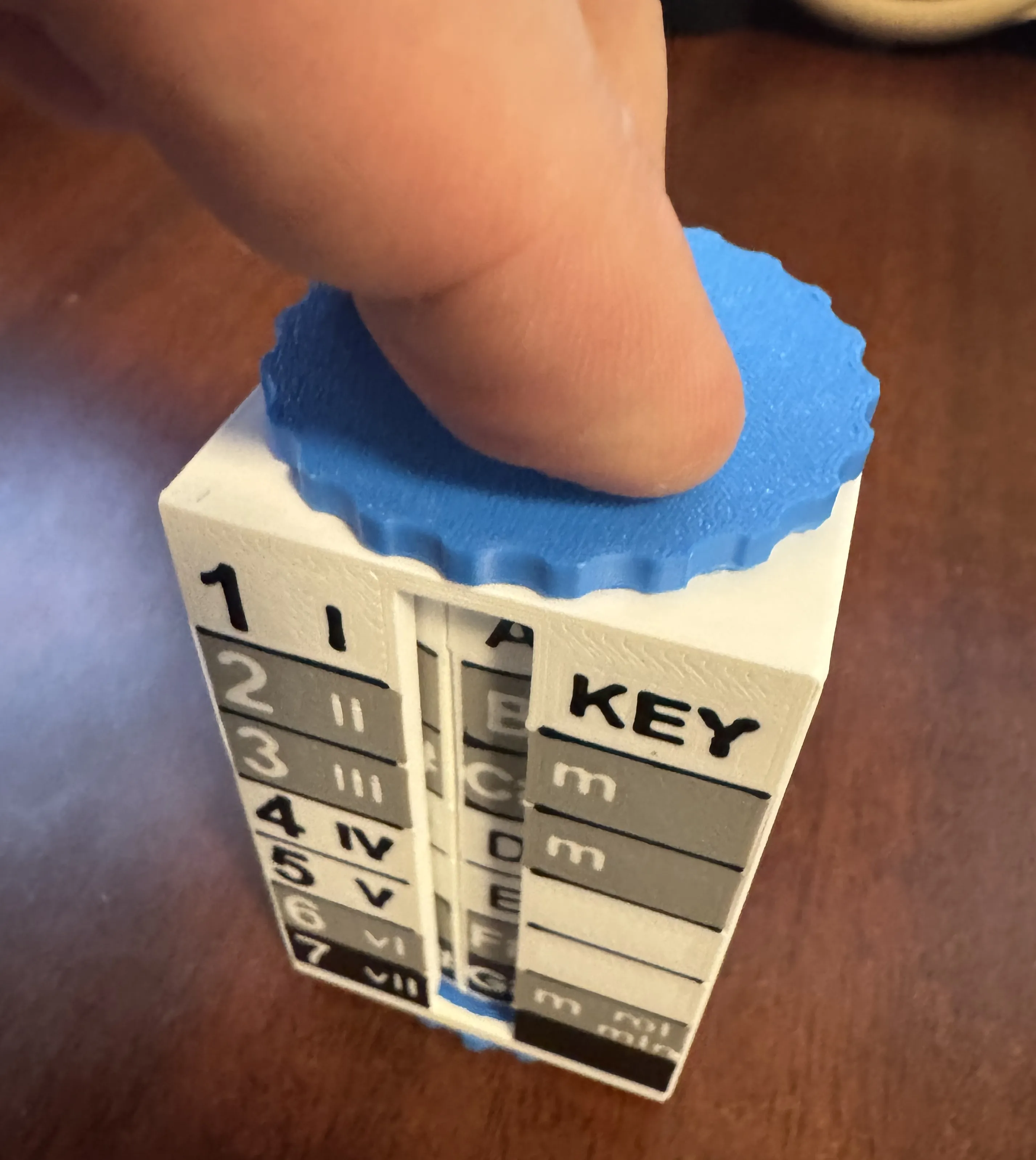
While the Circle is great for deep theory, most players just need to know: “I'm in the key of G; what are my chords?” This Diatonic Key Cylinder is designed for songwriters, guitarists, and students. By simply rotating the outer sleeve to your desired key, the internal columns align to show you every note and chord in that scale instantly.
Why is this better than a Circle of Fifths Wheel?
The Circle of Fifths can be overwhelming—it shows you every key at once, which is a lot of "visual noise" when you're just trying to write or play a song
- Clarity: Unlike the wheel, which requires you to jump around a circle to find your 4 and 5 chords, this cylinder presents the entire key in a logical, top-to-bottom list
- Zero Mental Math: No more counting steps. If you're in F#, just look at the windows. Your Tonic (1), Subdominant (4), and Dominant (5) are right there
- Intuitive Color-Coding: The design uses three distinct shades to group chord "families":
- White (1, 4, 5): The Major Pillars—your "Rock 'n' Roll" bread and butter
- Grey (2, 3, 6): The Minor Relatives—the "moody" chords for emotional depth
- Black (7): The Diminished Outlier—a "warning" color for the most tense note in the scale
Key Features:
- Roman Numeral Integration: Includes both standard numbers and Roman Numerals so you can follow professional lead sheets and Nashville Number charts
- Relative Minor: Features a dedicated "rel min" label for the 6th degree, helping you instantly find the "darker" version of your current key.
- Pocket-Sized Reference: Small enough to sit on a desk or keep in a guitar case, providing a 3D interface that’s more durable and easier to read than a paper chart
PRINTING INSTRUCTIONS:
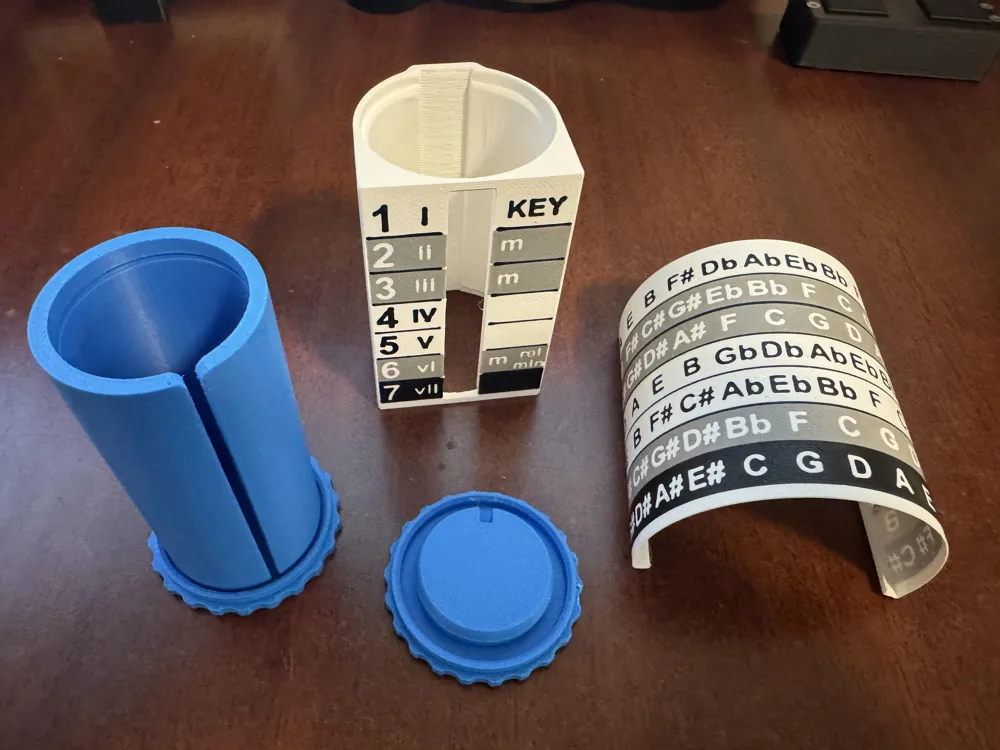
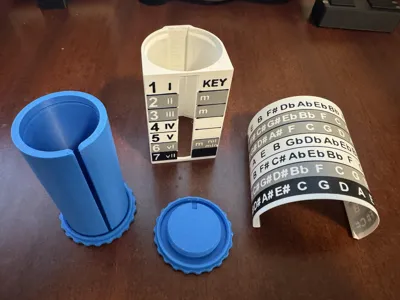
The model comes in 4 parts that need to be assembled. No glue needed. Designed and printed using an A1 with a 0.4 nozzle with standard PLA filament.
- Print all 4 parts - AMS with 3 colors needed for 2 of the parts
Note: The outer ring printed well with no supports but if you are having issues with the top gap not printing well, you can use tree supports Fold the letter plate into a tube and hold the flat edges together with one hand and thumb
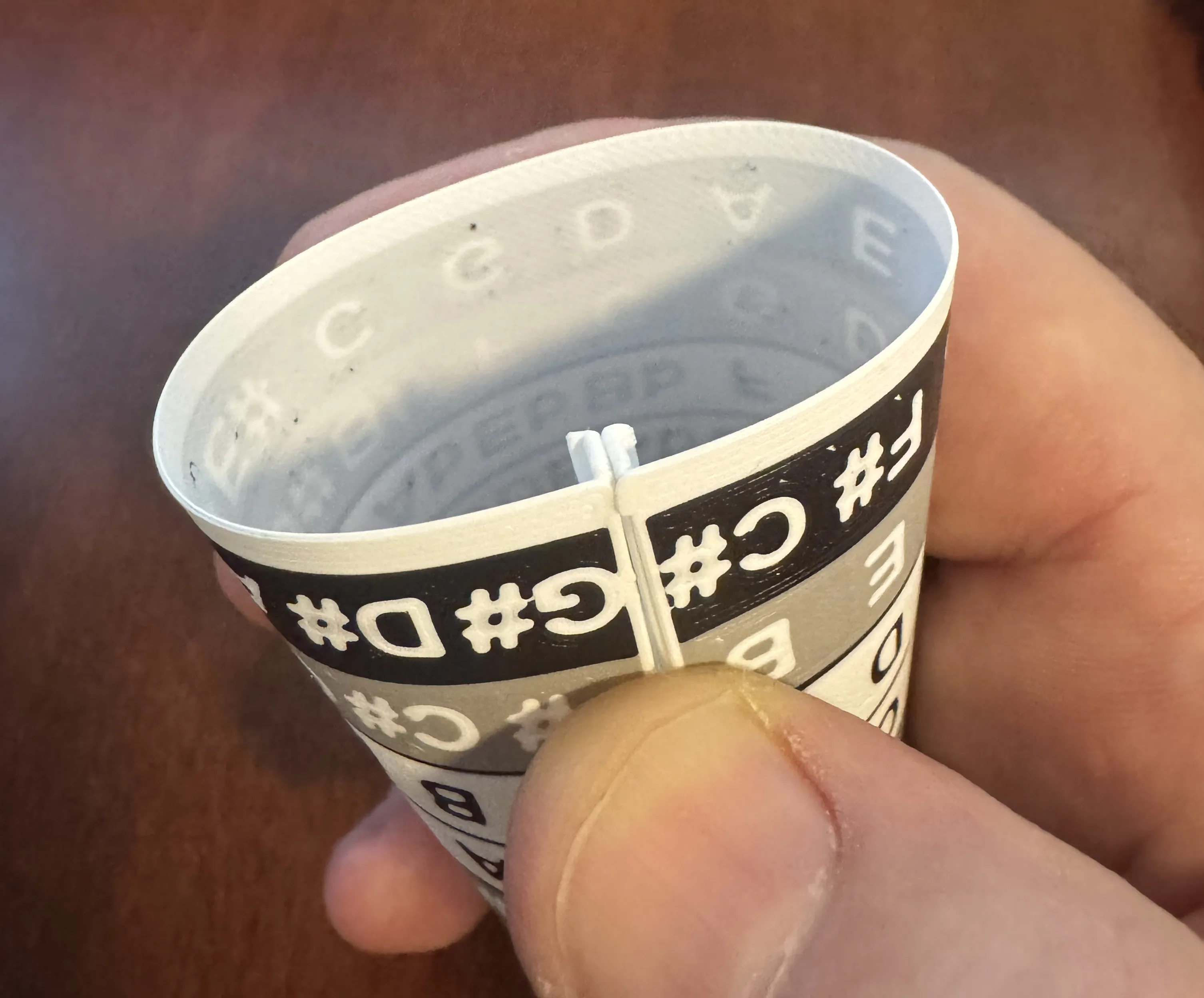
Insert the inner tube into the letter plate tube you are holding by aligning the cutout and sliding it in
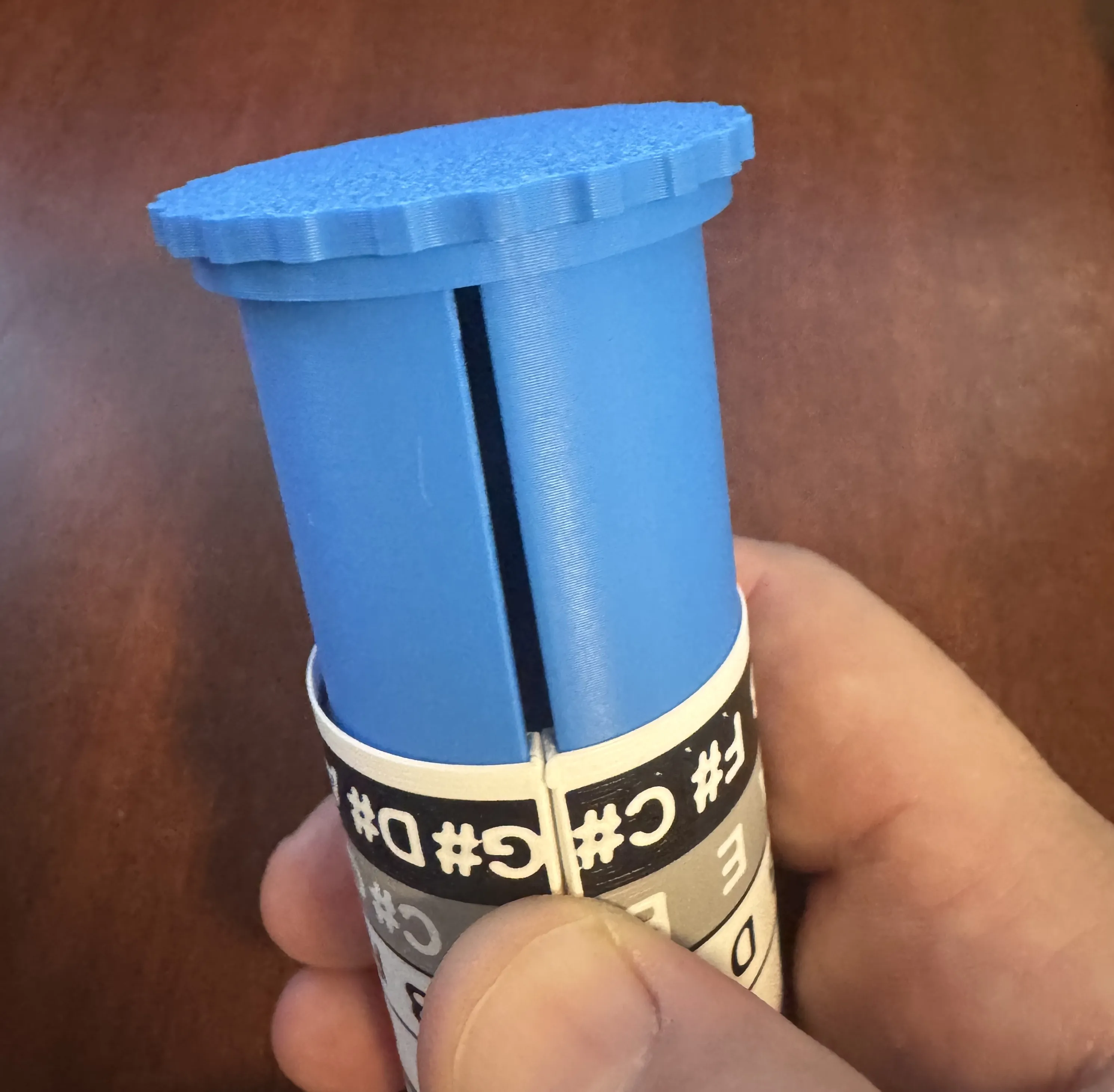
Insert the letter plate all the way down and into the gap so that the top is aligned with the edge of the tube
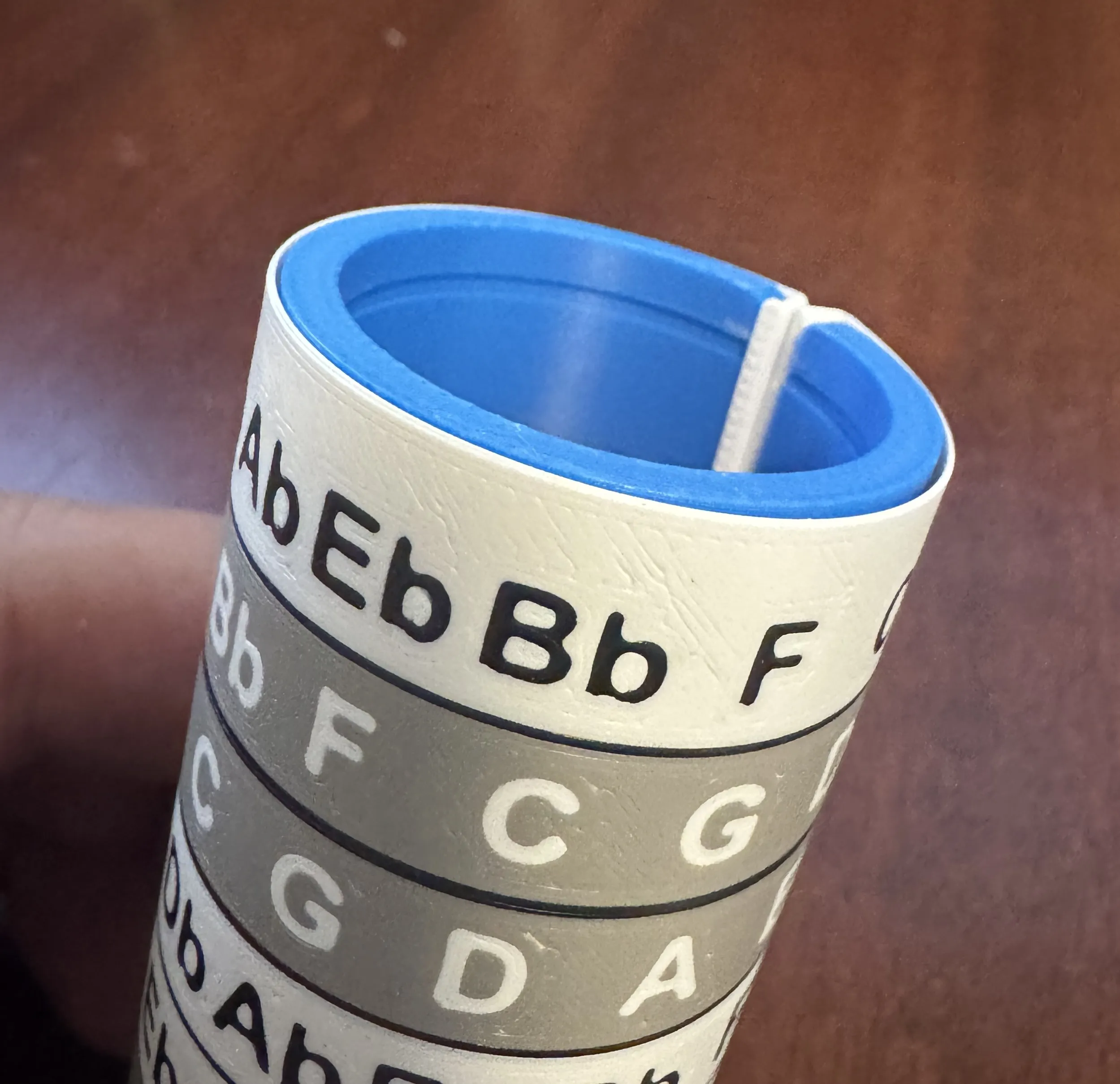
Place the outer ring over the tube and then put on the lid ensuring you are aligning the gap in the lid with the edges of the letter plate
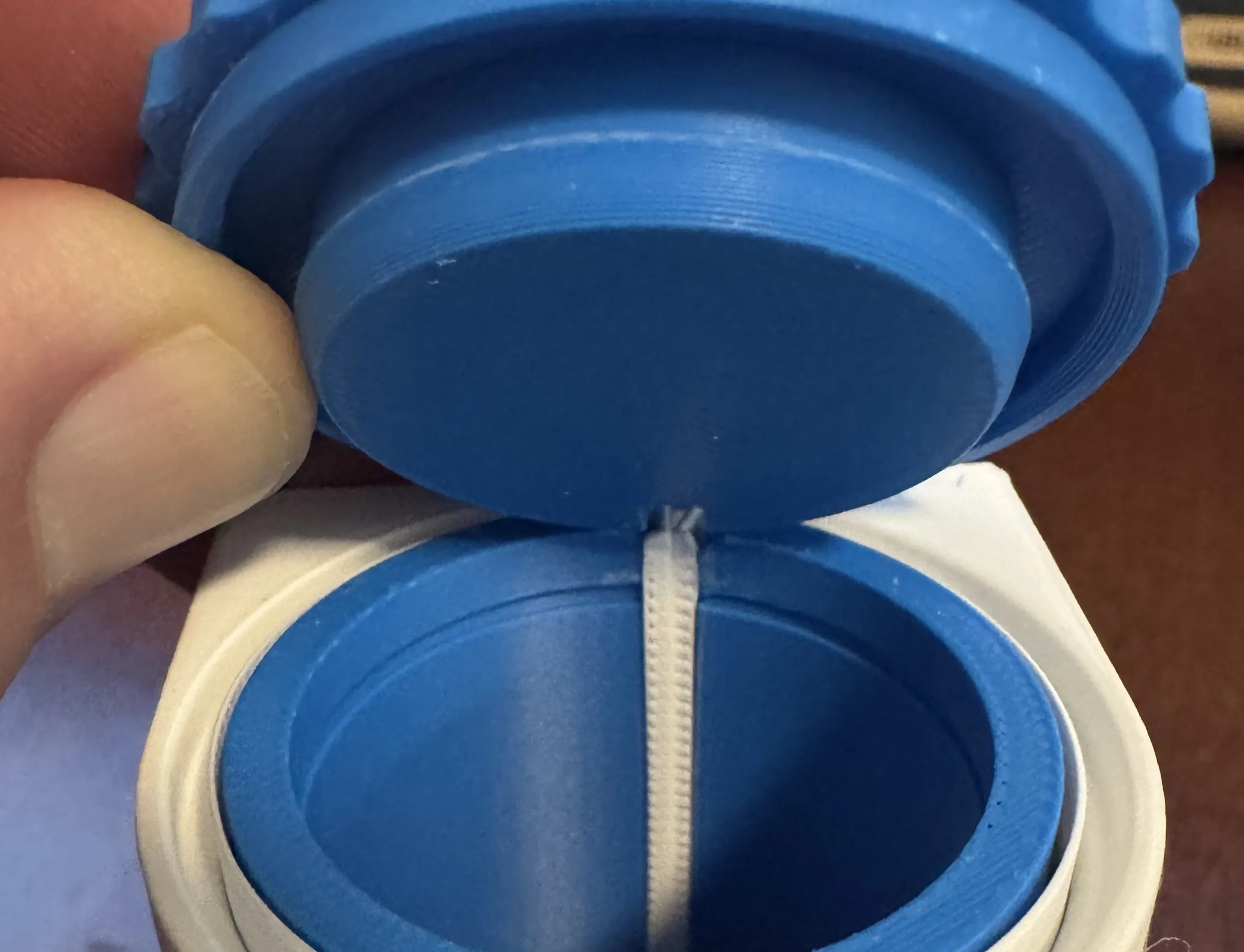
Press on the top until it clicks in place
Documentation (1)
License

You shall not share, sub-license, sell, rent, host, transfer, or distribute in any way the digital or 3D printed versions of this object, nor any other derivative work of this object in its digital or physical format (including - but not limited to - remixes of this object, and hosting on other digital platforms). The objects may not be used without permission in any way whatsoever in which you charge money, or collect fees.


Comment & Rating (3)