
Filamentsample
Print Profile(7)
Description
Filament Sample
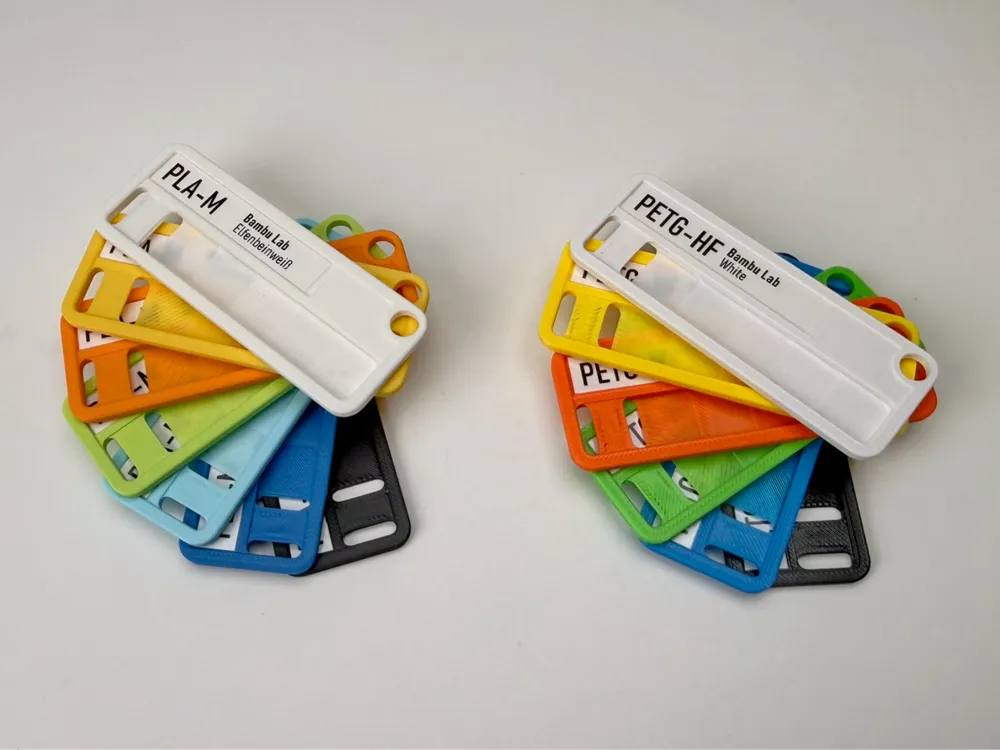
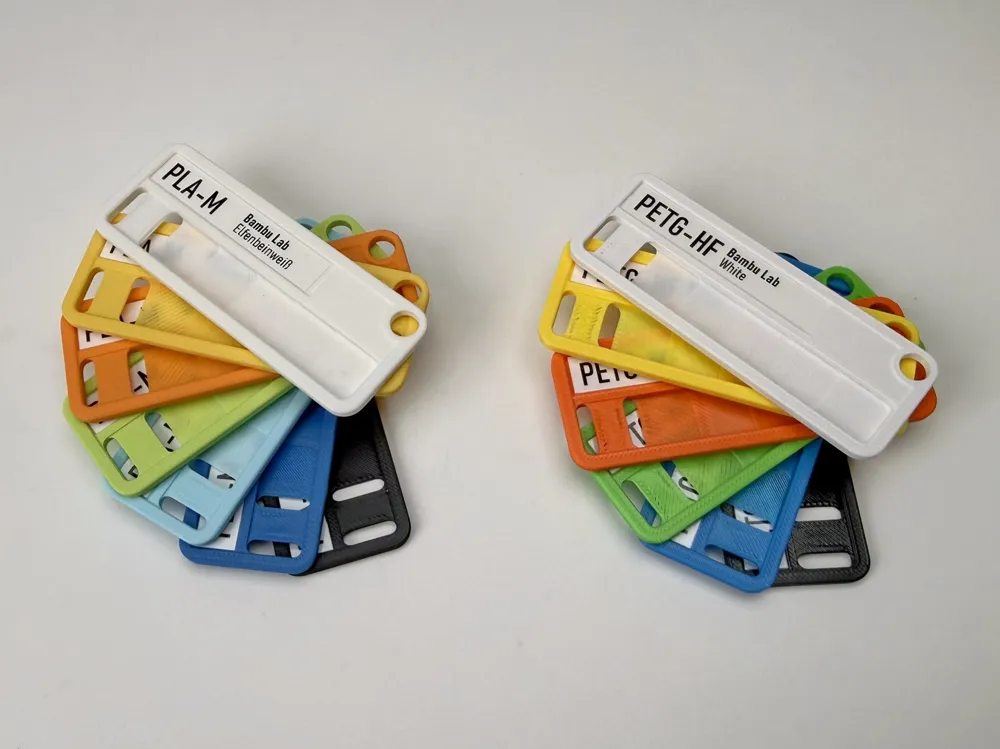
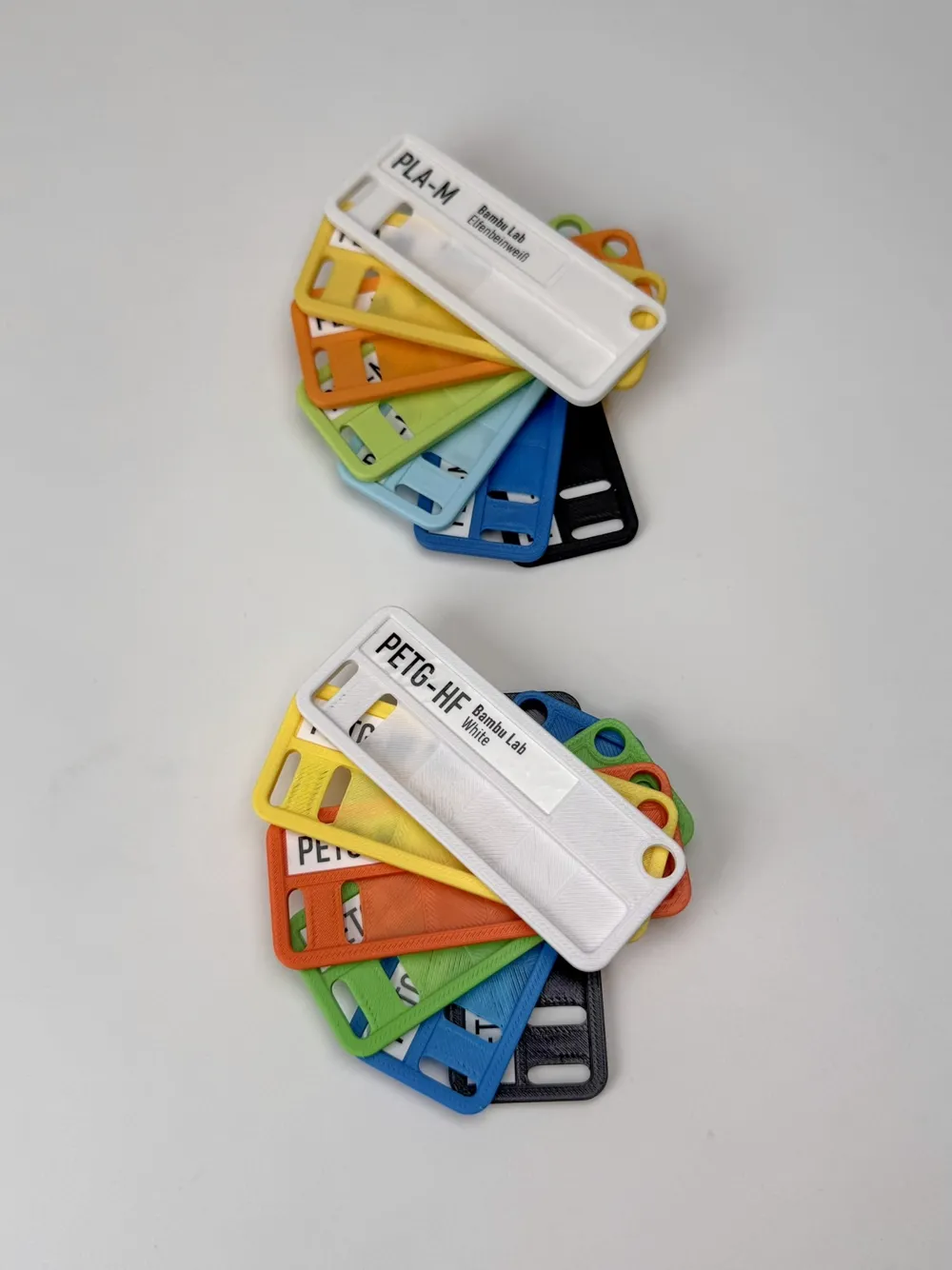
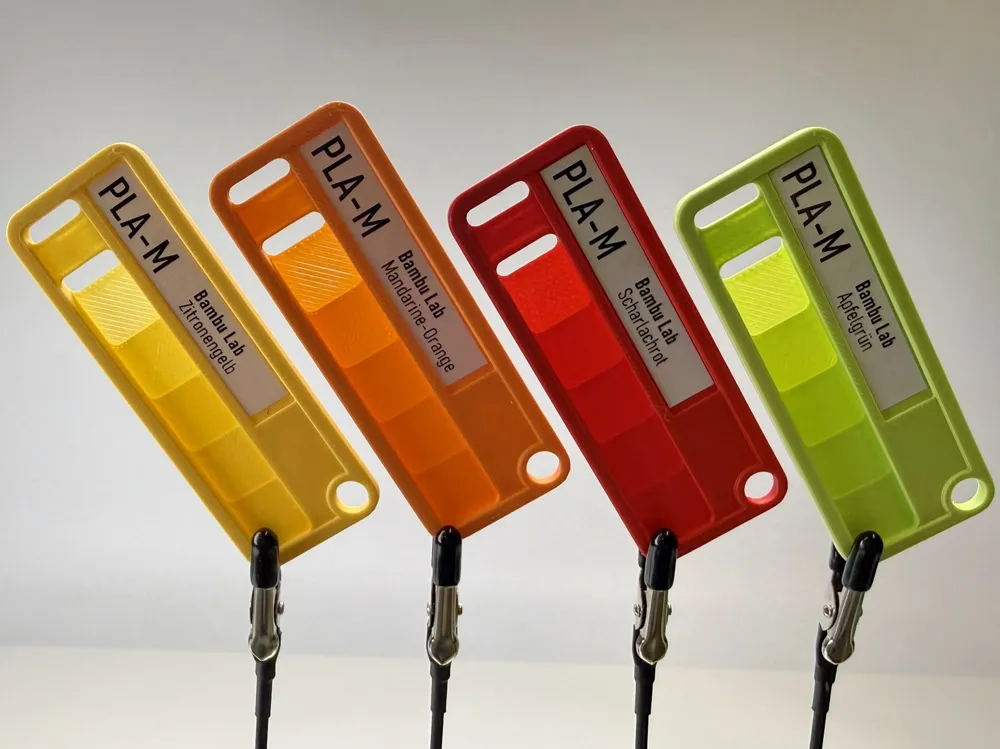
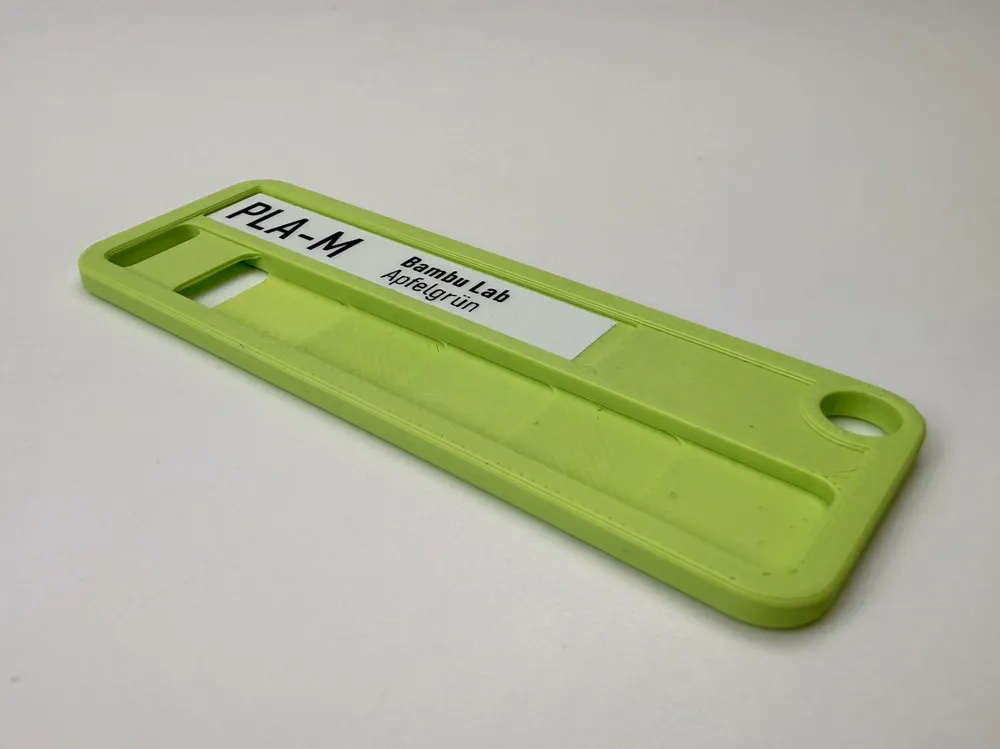
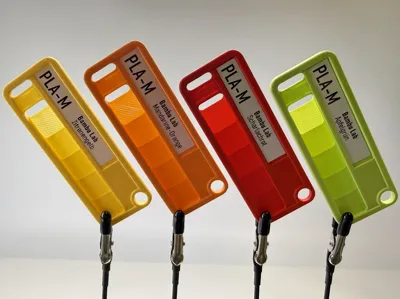
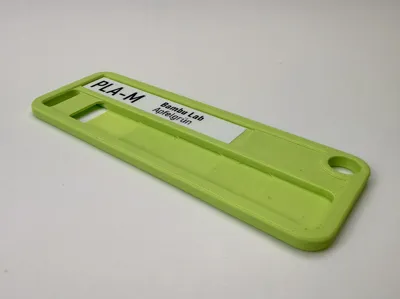
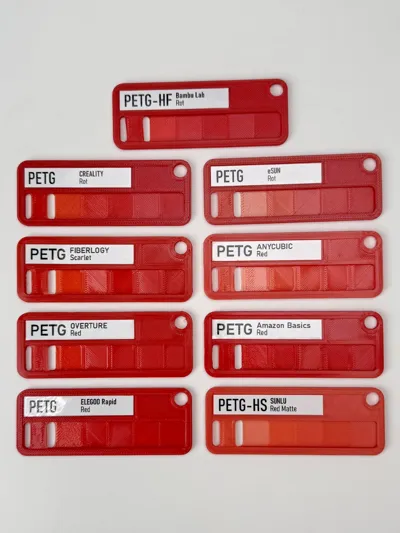
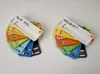
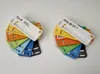
To optimally compare filaments, I have been using self-created test strips for years. Such test patterns can be found on many 3D printing platforms, but my variants are specifically tailored to my needs. The test files are always printed with the respective standard settings of the material used. This makes it easiest to determine if adjustments are necessary. I deliberately refrained from including additional test structures, as these are more related to the printer settings than to the material itself. Labeling was also not integrated into the print model, as this unnecessarily complicates production – a label provides a much better solution.
Important Factors for Evaluation
- Print quality
- Color
- Layer transparency
- Bridging behavior
Color Comparison
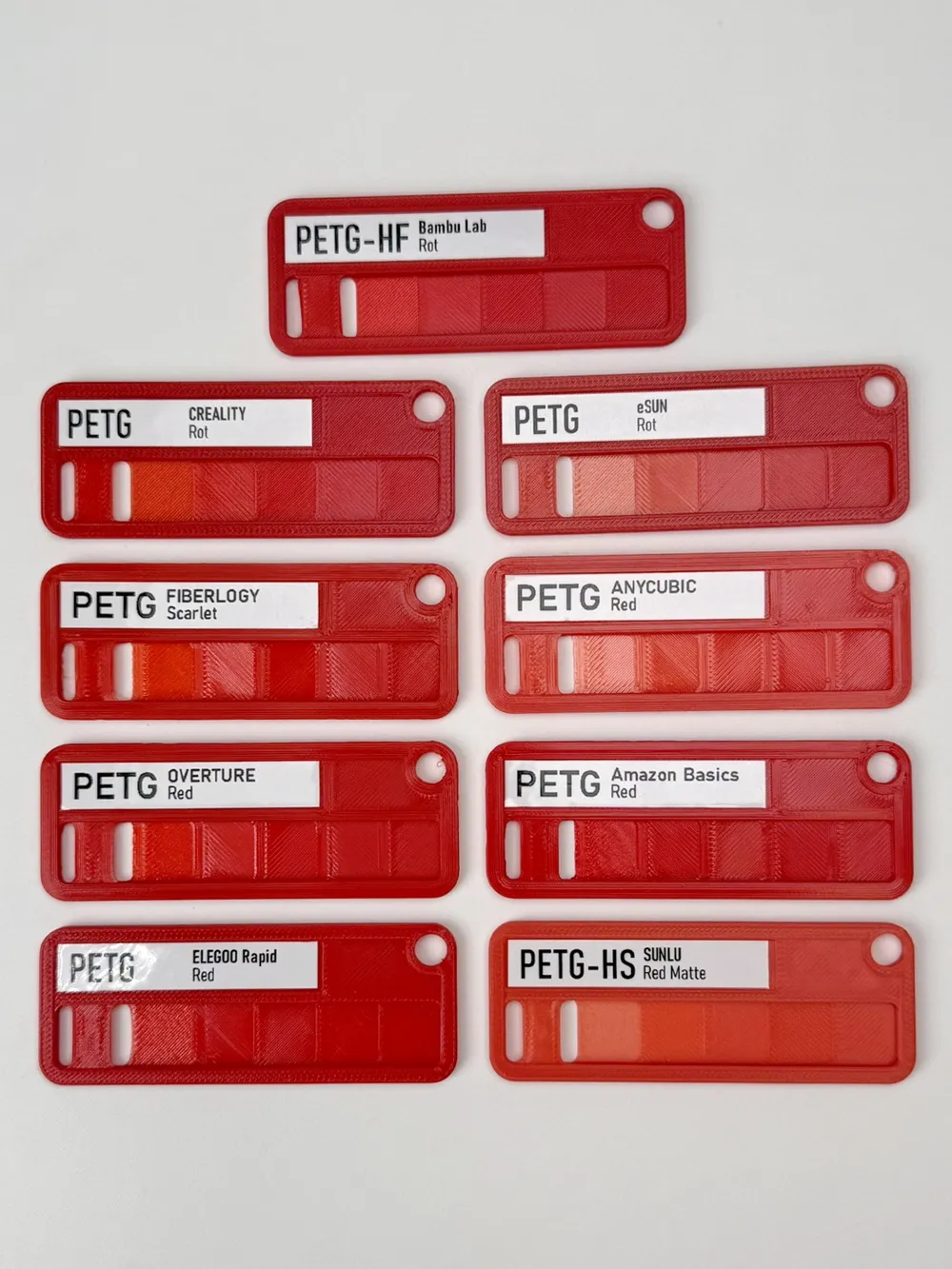
Color comparison is particularly easy with these samples. I always examine the samples under various lighting conditions such as daylight, artificial light, and – particularly relevant – backlit conditions. This quickly reveals whether the colors are suitable for their intended purpose. Some manufacturers save on pigments, which is immediately visible through the samples, as they then appear very pale. Color casts can also be easily identified this way. Since filaments are often displayed differently in stores than in reality, this approach facilitates reordering and helps avoid wrong purchases.
Transparency Test
For the transparency test, layers with different thicknesses in 0.2 mm increments are available. Simply view these against backlight or, even better, in front of the light source used.
Print Settings
The most important profiles for PLA, PETG, ASA, and ABS are pre-configured. They are based on the respective standard settings and can therefore be easily adapted for other materials. The print bed used should be the one that is also used in your own project.
Labeling
My samples are labeled with a Brother P-touch labeling device. The labels have a length of 50 mm and a width of 9 mm. If you don't own such a printer, you can also use other labels and cut them to size.
Storage
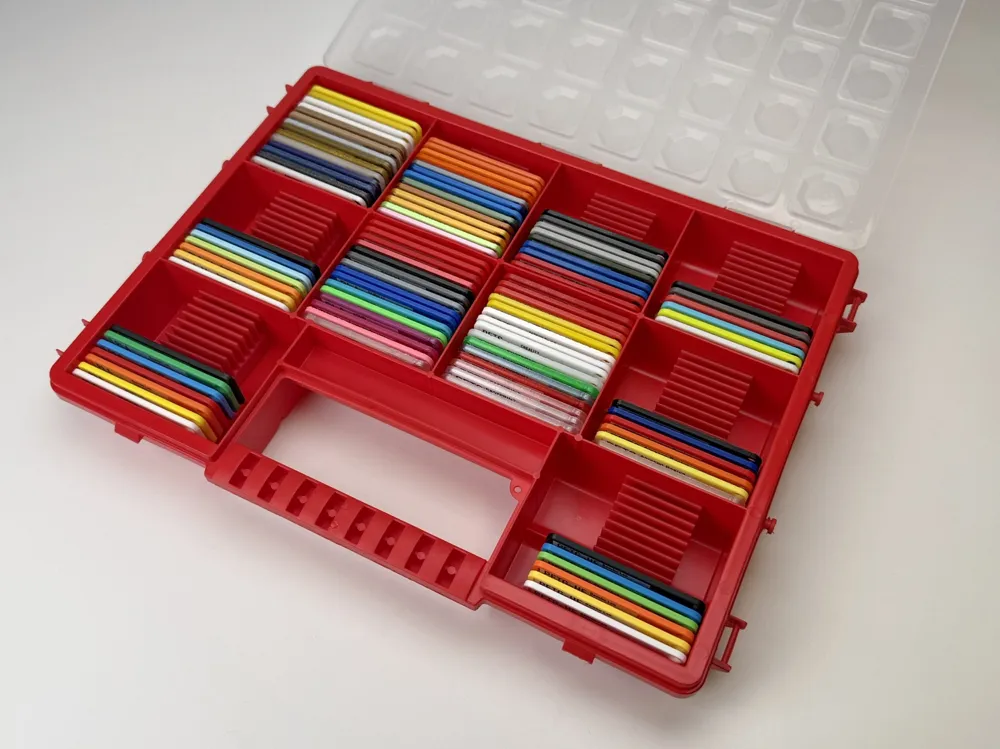
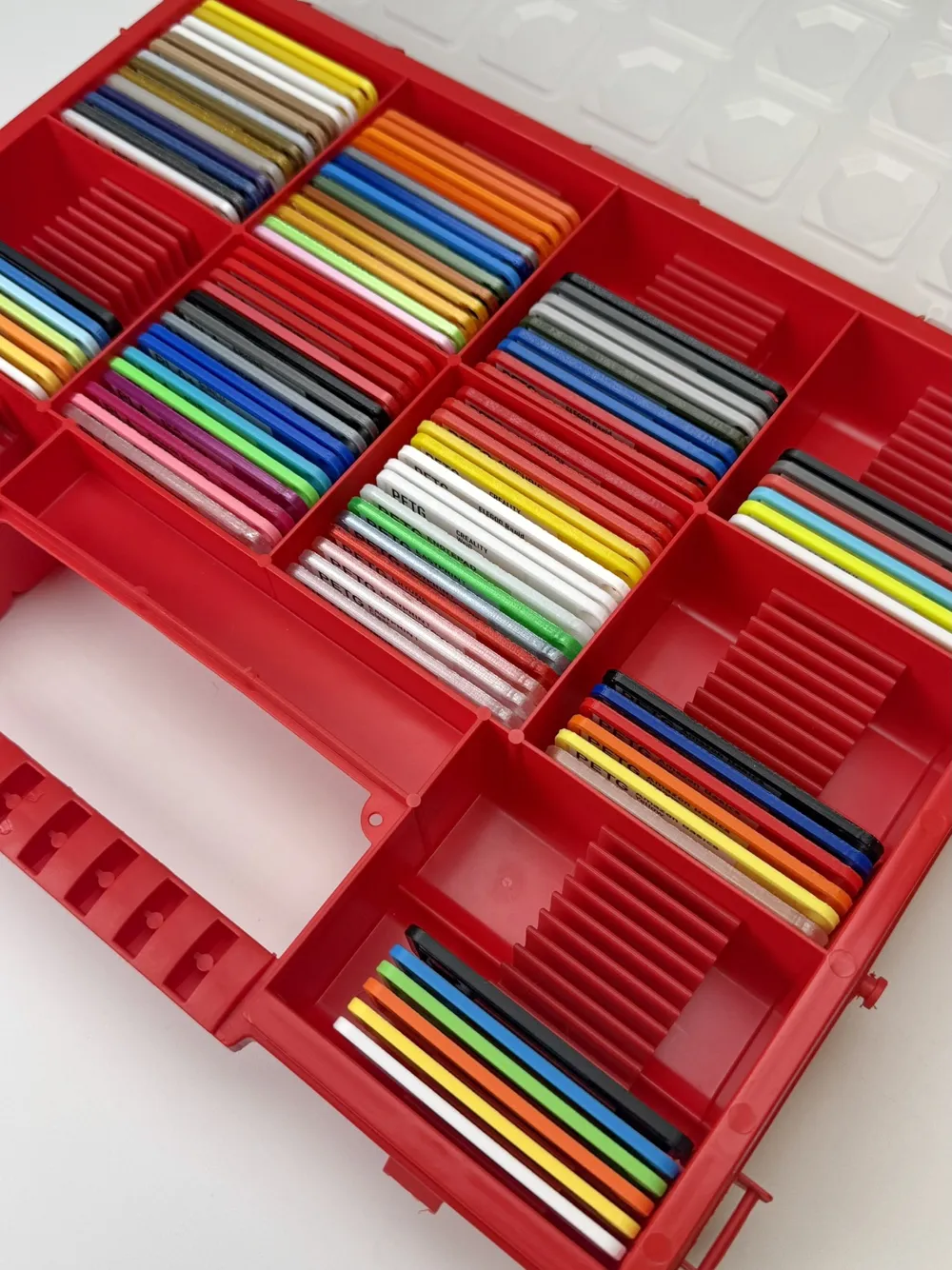
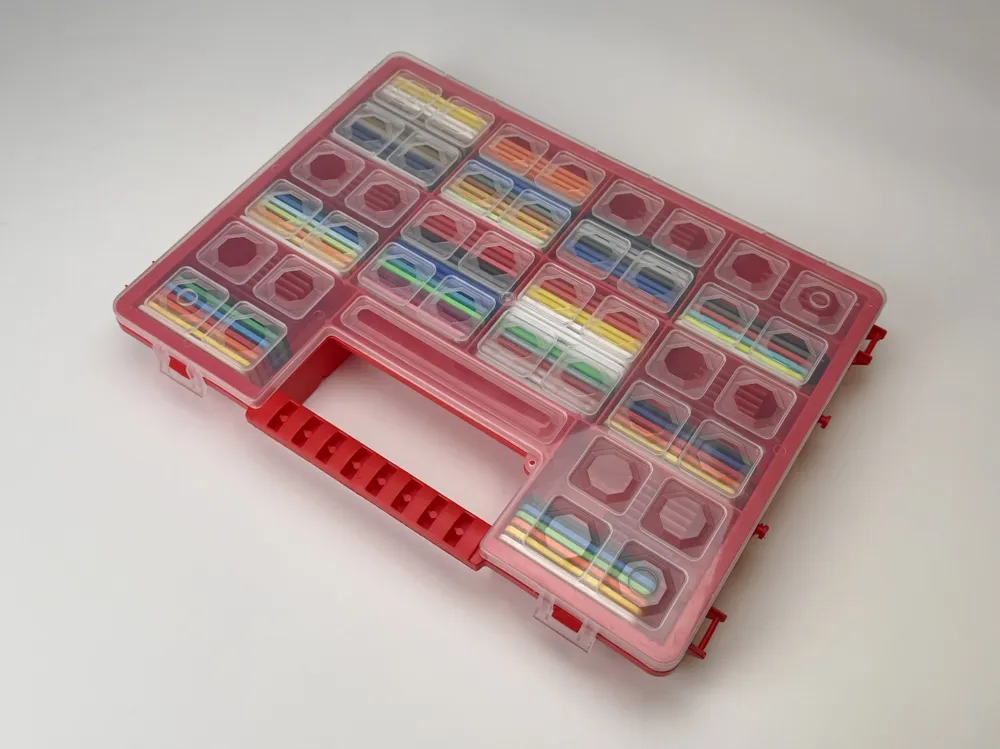
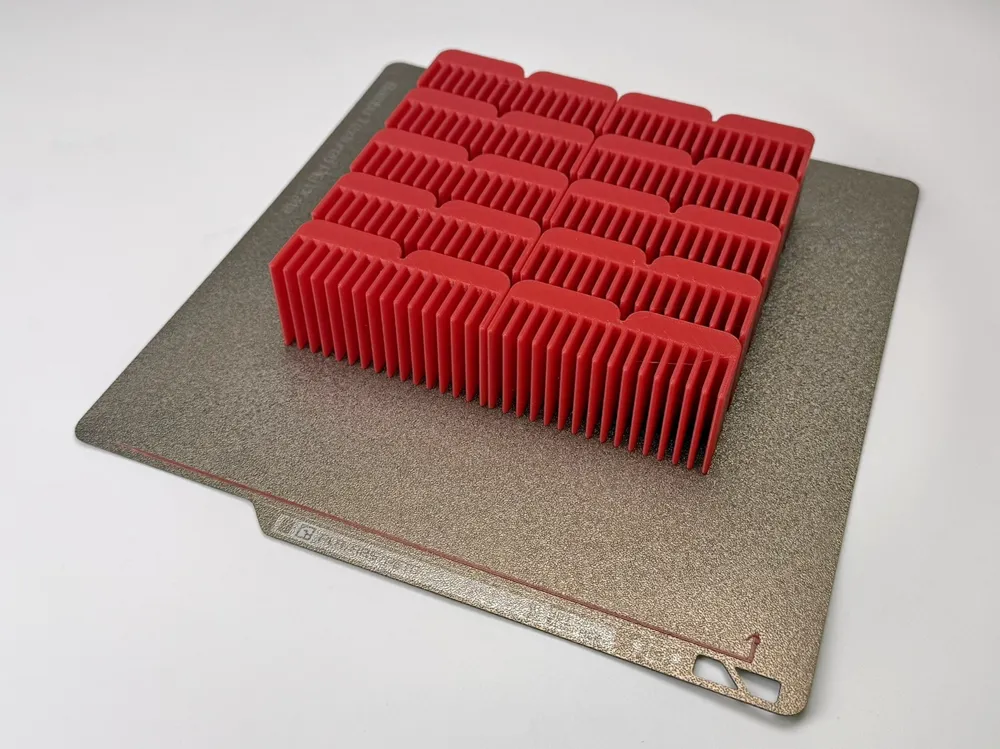
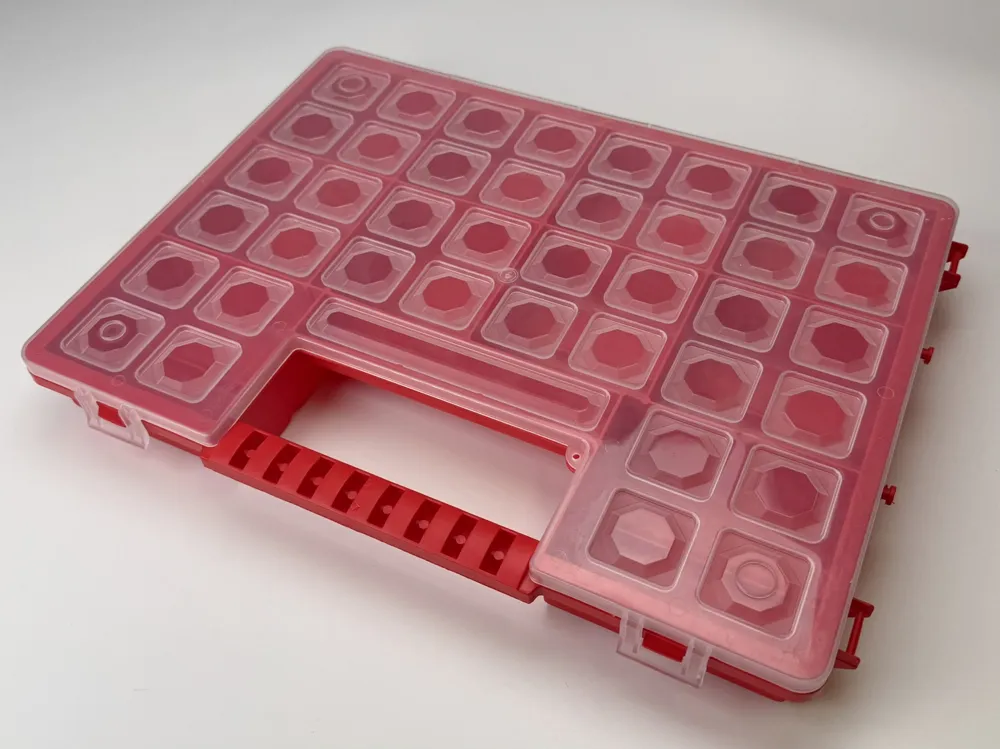
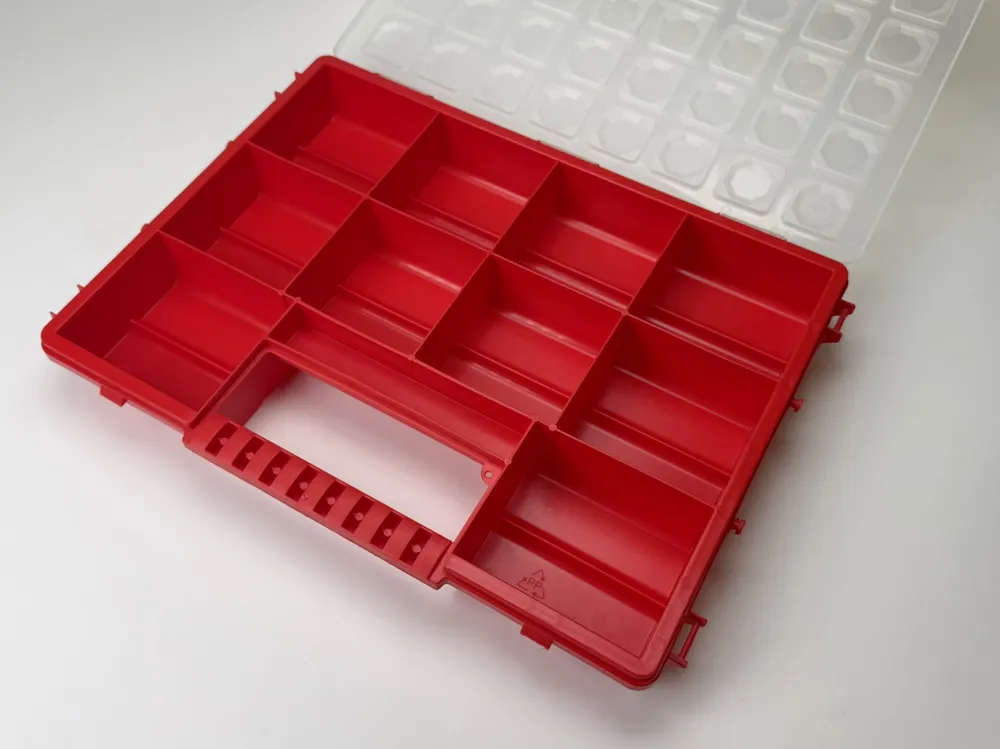
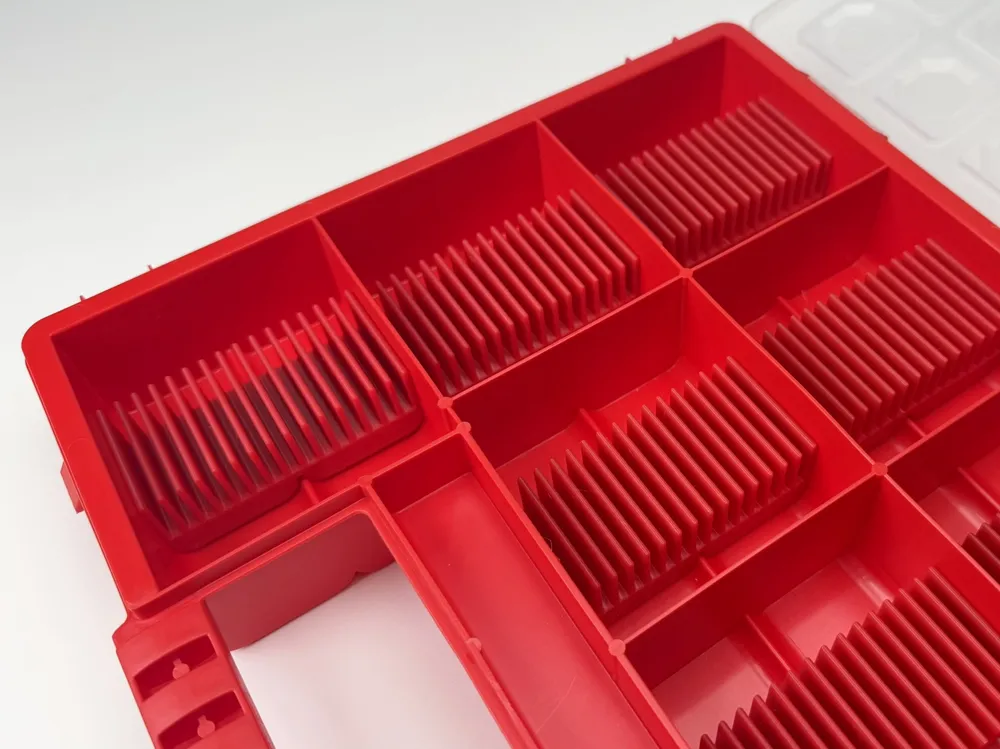
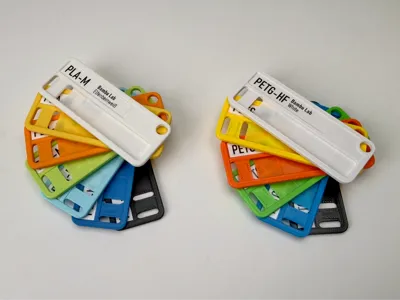
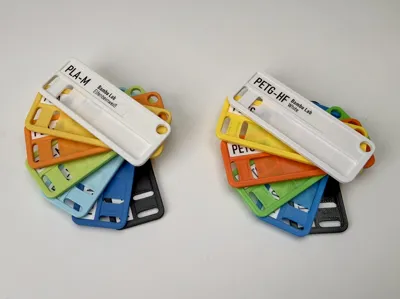
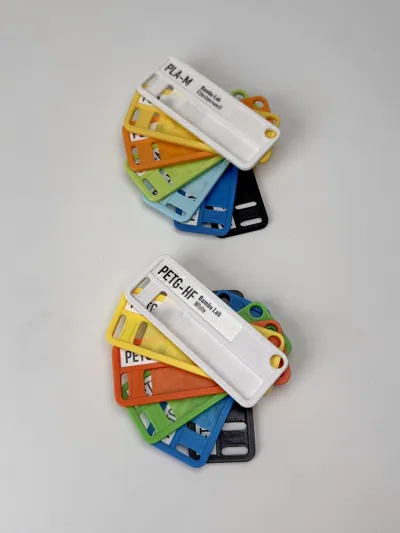
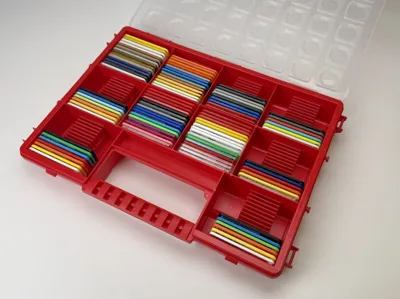
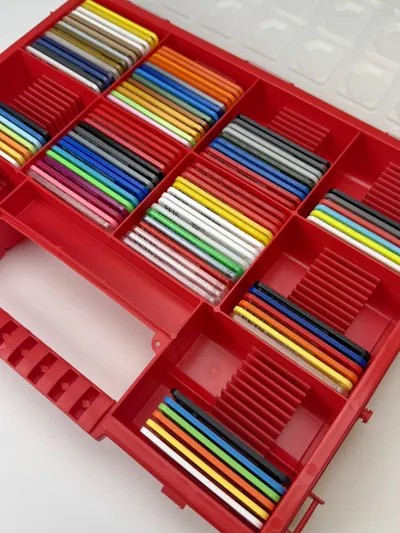
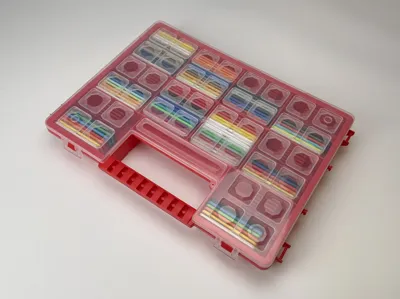
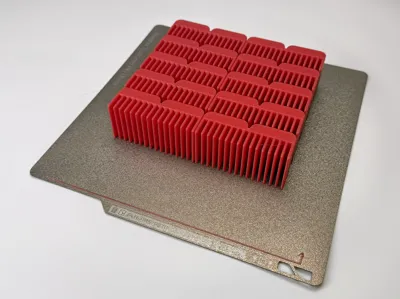
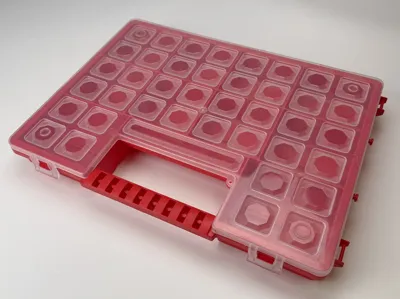
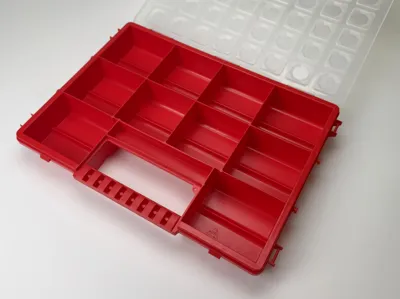
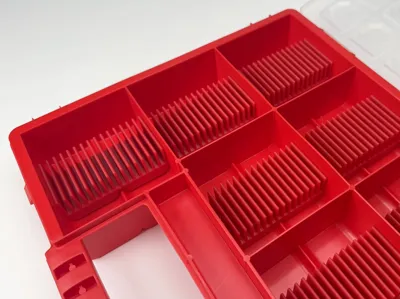
For storage, I use sorting boxes from the hardware store (OBI). These are inexpensive, lightweight, have a transparent lid, and are stackable. For better organization and handling of the filament samples, I have created special inserts for these boxes. Alternatively, the small plates can simply be threaded through the hole.
License



Comment & Rating (0)