
Reaction Ball v2.0
Print Profile(1)
Description
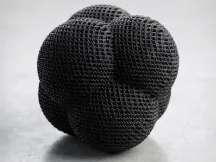
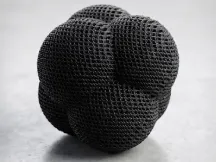
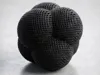
Reaction Ball v2.0 — Printed in Siraya Tech Roamr 85A
Train your reflexes. Outsmart the bounce.
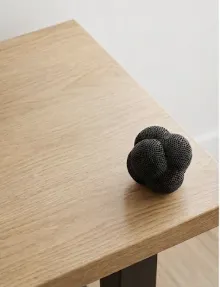
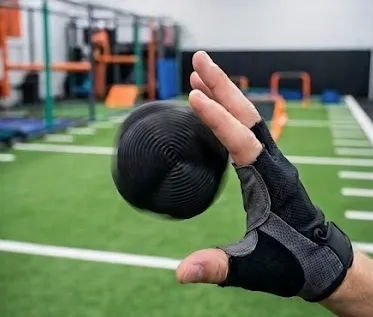
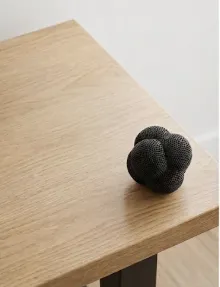
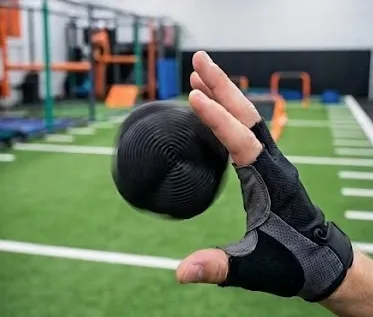
This 3D printed reaction ball is a multi-lobed training tool designed to produce unpredictable, erratic bounces. This forces athletes to track, react, and respond in real time. Whether you're a hockey player, martial artist, tennis player, or just want a serious coordination challenge, this ball will keep you on your toes.
What Makes This Design Different
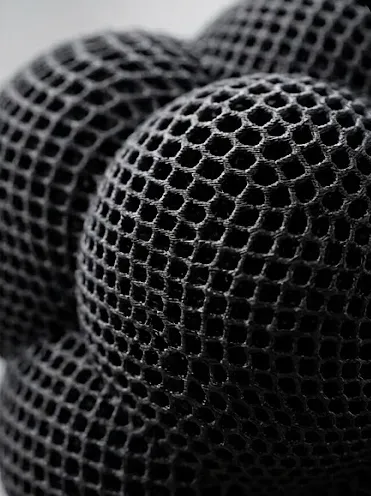
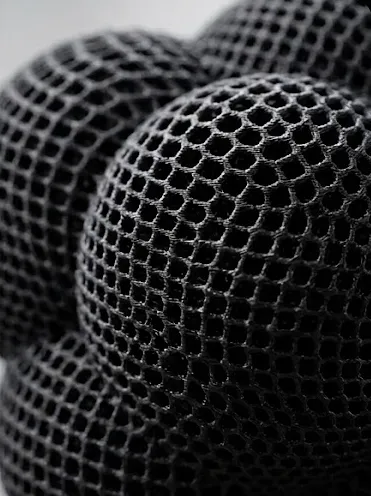
This model is sliced with zero perimeter walls — a deliberate design choice that replaces rigid shell layers with pure infill structure. Combined with Siraya Tech's Roamr 85A foaming TPU, the result is a ball with outstanding energy return and a natural, rubber-like feel on impact.
Supports have been tuned for clean, easy removal — no digging required.
The no-wall approach is critical. Adding walls will make the ball too stiff and kill the bounce response. Trust the infill.
Material: Siraya Tech Roamr 85A (Recommended) - Any High Rebound Filament Will Work
Roamr 85A was originally engineered for high-performance 3D printed footwear midsoles — and it turns out that makes it a near-perfect reaction ball material. Here's why it works so well:
- 48% rebound resilience — a snappy, responsive bounce that mimics the feel of professional athletic equipment
- Up to 57% weight reduction via active micro-foaming, giving the ball a lightweight, "air-infused" feel without sacrificing toughness
- Variable hardness from 68A to 85A — dial in the feel by adjusting your print temperature for a softer or firmer response
- Premium matte finish — the micro-foaming creates a fine, non-glossy texture that hides layer lines and eliminates the typical "plastic" look of TPU prints
- Excellent abrasion resistance for repeated high-impact use on floors, walls, and hard surfaces
Other high-rebound materials that work great: PEBA 90A, standard TPU, or any foaming/high-rebound flexible filament in the 85A–95A shore hardness range. The key is energy return — the bouncier the material, the better the ball performs. Avoid PLA, PETG, or any rigid filament.
Print Settings
| Parameter | Value |
|---|---|
| Material | Siraya Tech Roamr 85A (or high-rebound flexible) |
| Wall Loops | 0 ← Do not change this |
| Infill Density | 35% |
| Infill Pattern | Lockedzag |
| Layer Height | 0.2mm |
| Nozzle | 0.4mm |
| Supports | Tree (Auto) — tuned for easy removal |
⚠️ Zero walls is intentional. This is the defining feature of this print — do not add perimeter walls or you will significantly reduce flex and rebound performance.
Printing Tips for Roamr 85A
- Dry your filament before printing — Roamr is hygroscopic and moisture negatively impacts both print quality and foaming performance. Dry at 70–80°C for 4–6 hours. Siraya Tech
- For best results, print directly from a dry box or filament dryer, maintaining humidity below 15%. Siraya Tech
- Do not load through an AMS — feed directly to the extruder.
- Use my settings!
Use Cases
- Hockey, soccer, and lacrosse agility training
- Hand-eye coordination and reaction time drills
- Wall bounce training and solo catch drills
- General athletic conditioning
A genuinely high-performance training tool that proves great material selection matters as much as great geometry. The Roamr's foamed structure and energy return bring this closer to a commercial rubber reaction ball than anything a standard TPU print could achieve. Happy printing! 🏒
License

You shall not share, sub-license, sell, rent, host, transfer, or distribute in any way the digital or 3D printed versions of this object, nor any other derivative work of this object in its digital or physical format (including - but not limited to - remixes of this object, and hosting on other digital platforms). The objects may not be used without permission in any way whatsoever in which you charge money, or collect fees.


Comment & Rating (14)