
WW2 Lunge Mine
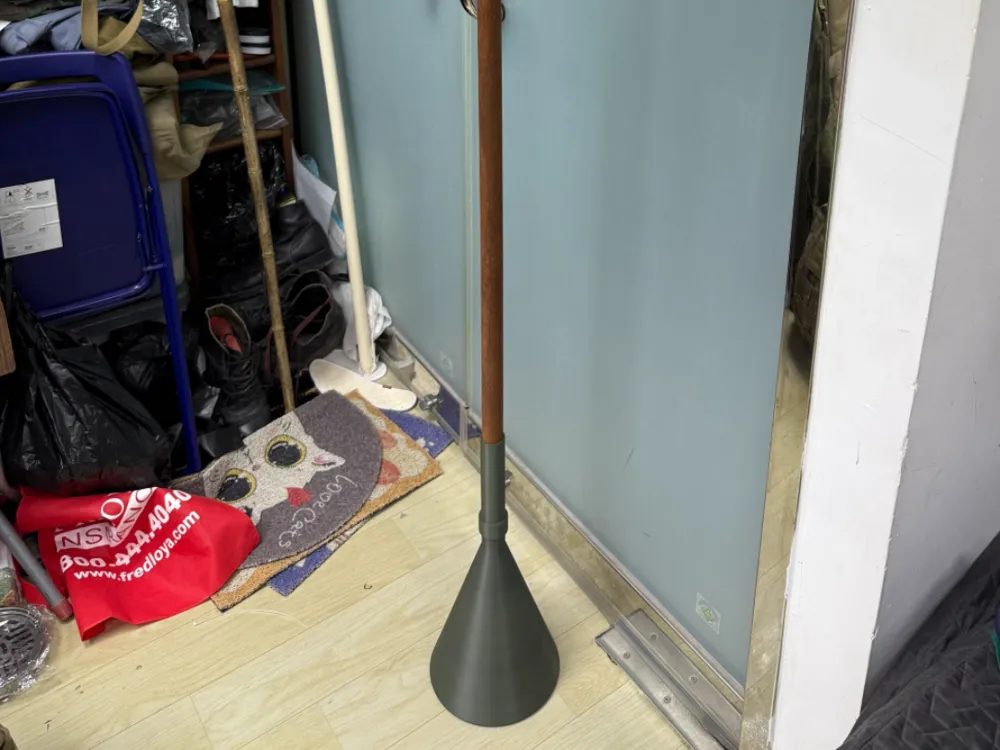
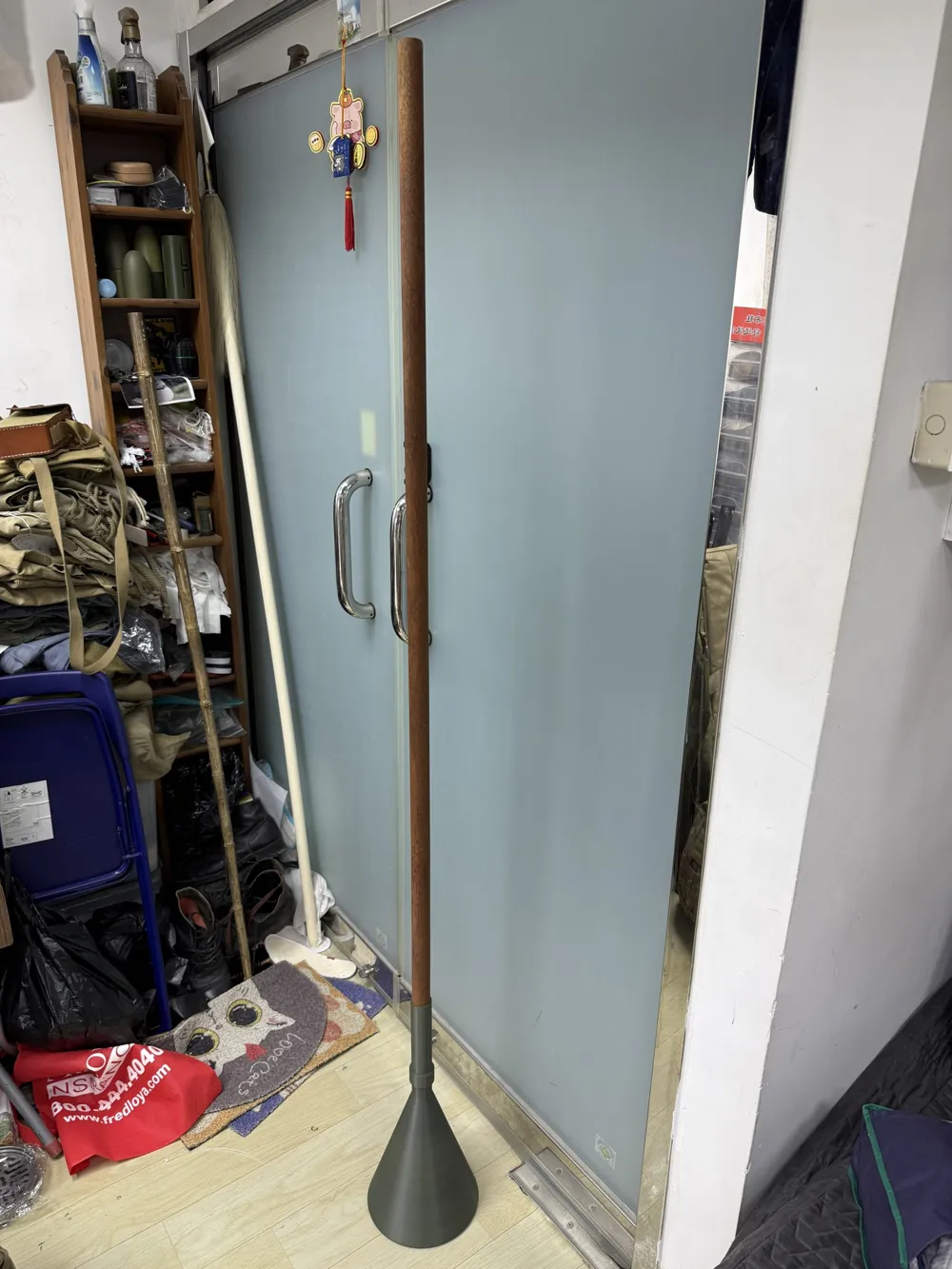
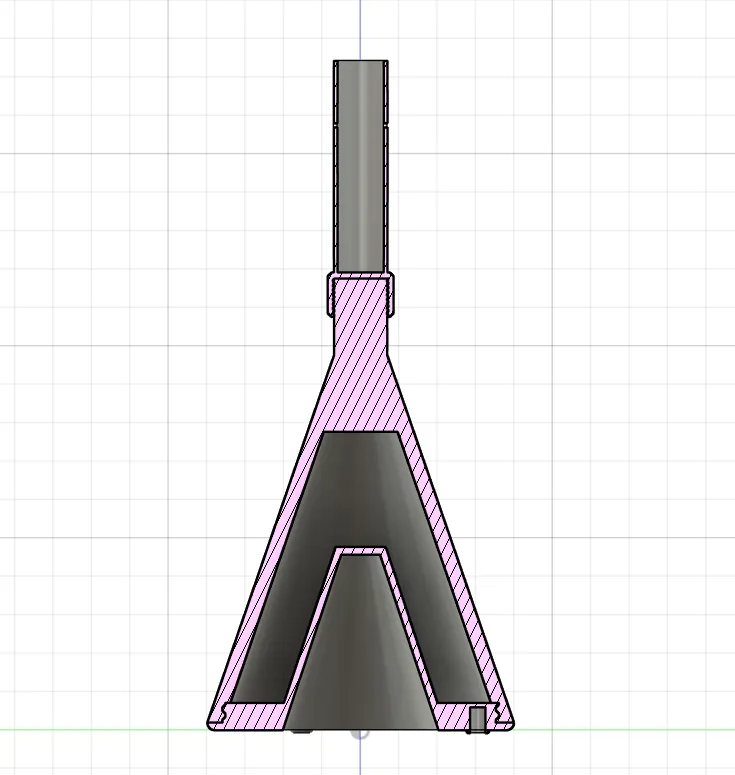
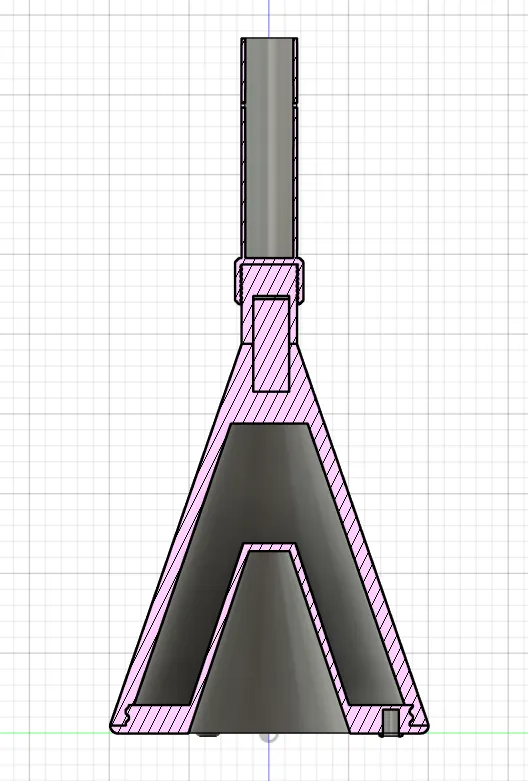
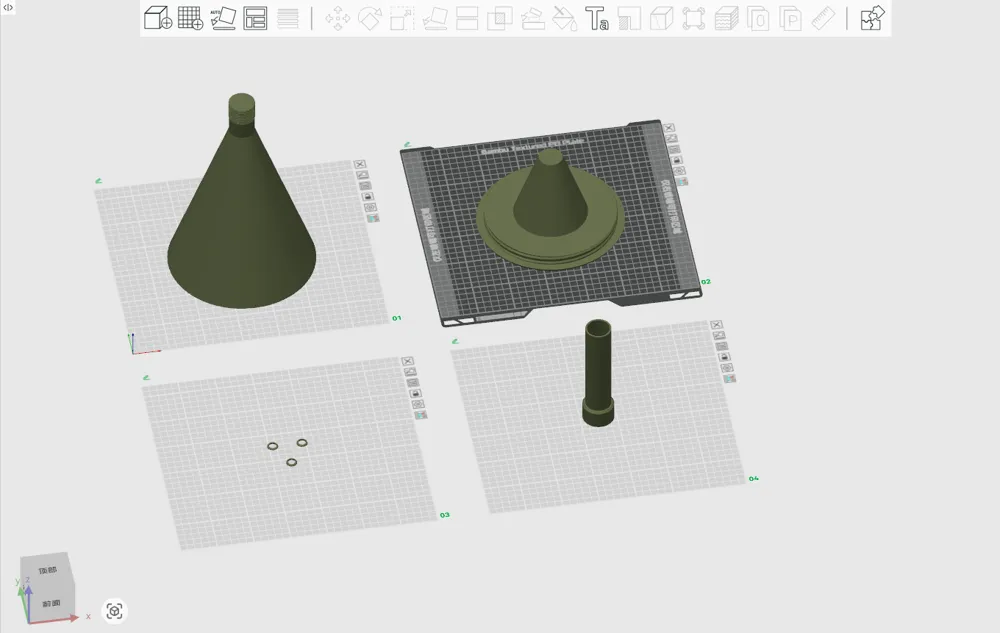
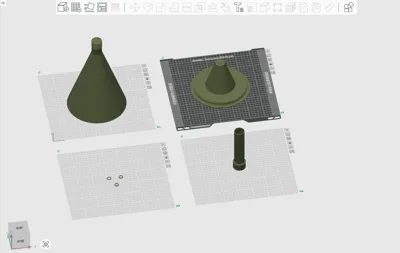
Print Profile(2)
Bill of Materials
Description
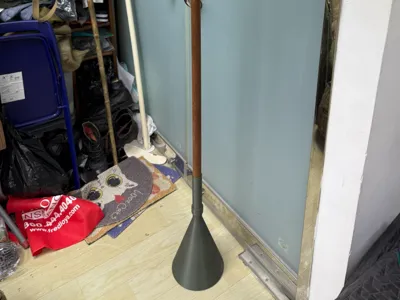
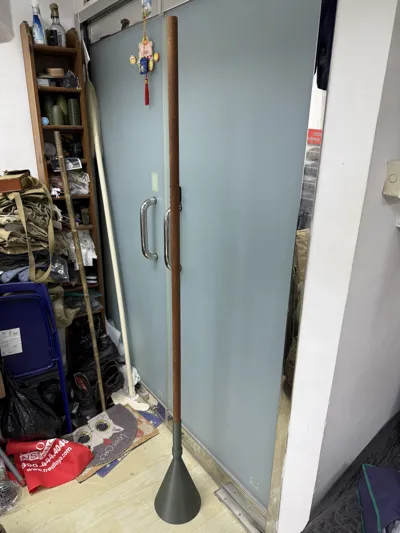
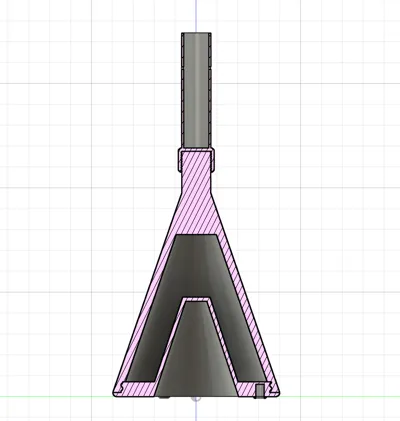
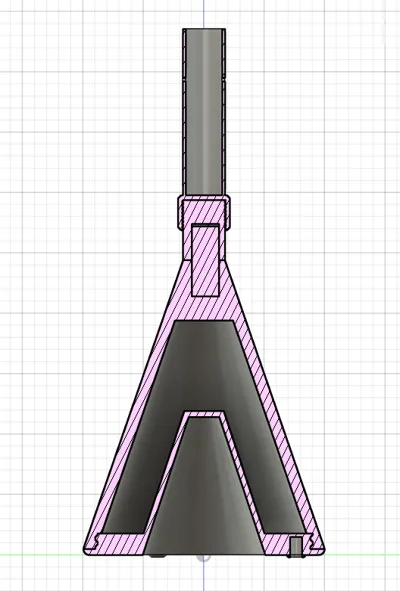
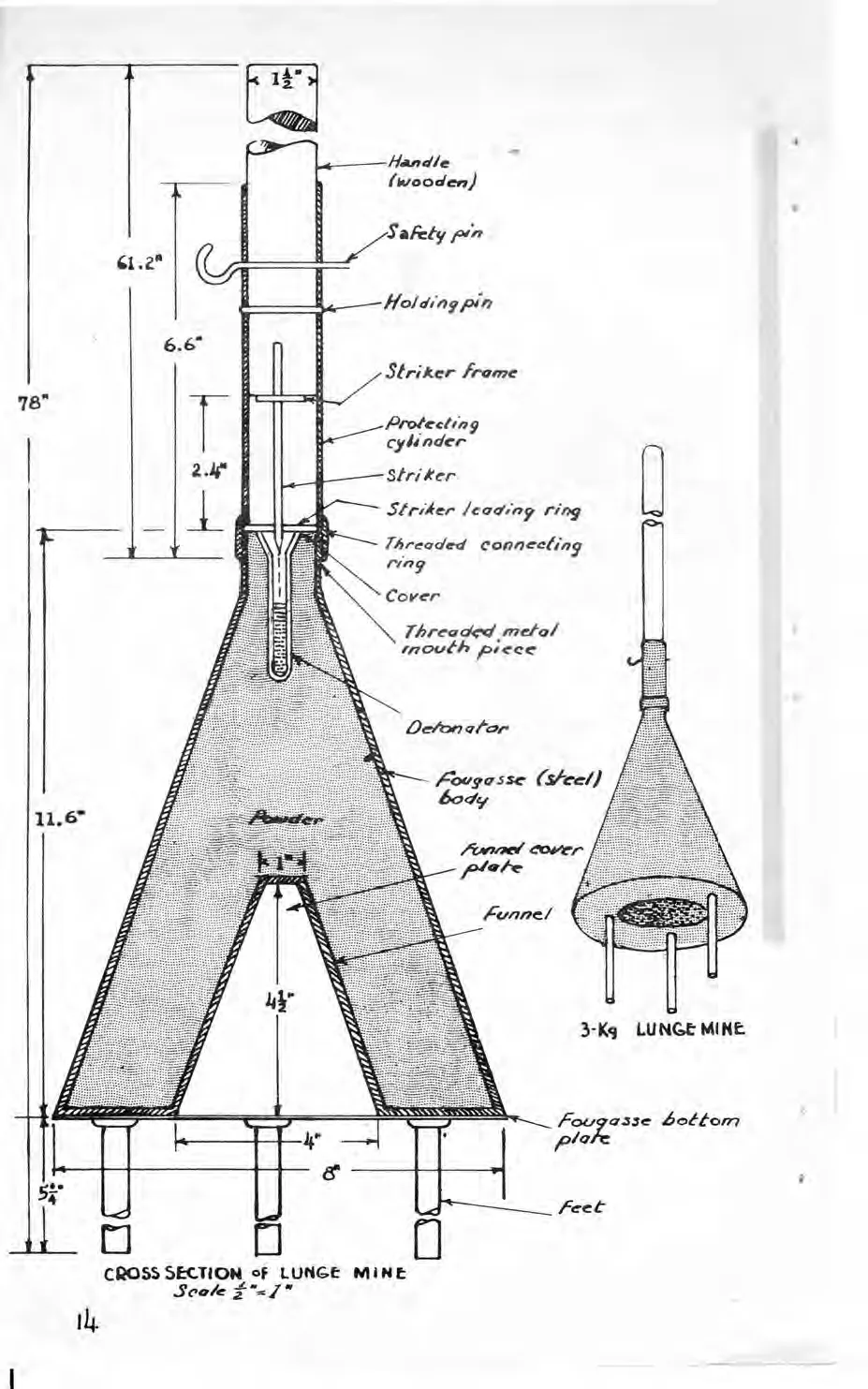
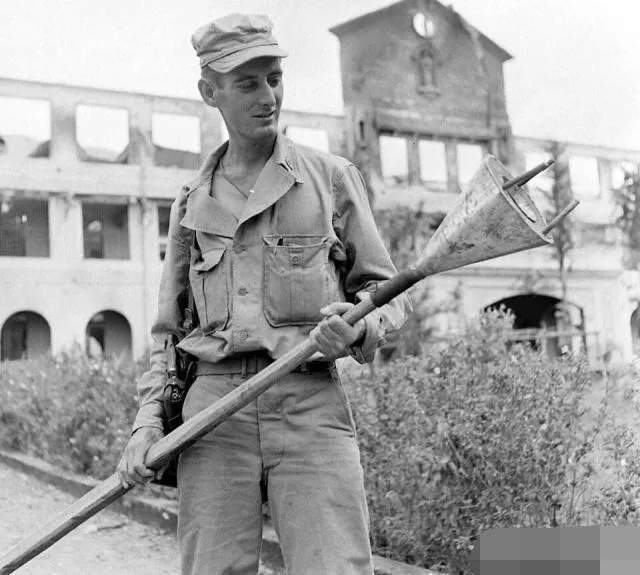
This time, we present the Lunge Mine model. By 1944, the situation in the Pacific theater was extremely disadvantageous for Japan. Facing the overwhelming superiority of American M4 'Sherman' tanks, conventional Japanese anti-tank weapons (such as the Type 97 anti-tank rifle and magnetic anti-tank grenades) were almost entirely ineffective. Unable to effectively replicate more advanced weapons like the American 'Bazooka' or the German 'Panzerfaust' anti-tank rocket launchers, the Japanese Army adopted the Navy's 'one plane for one ship' Kamikaze tactic, attempting to compensate for their significant equipment disadvantage with the extreme 'one man for one tank' approach. Although ineffective in the Pacific theater, the Japanese left behind a large number of these lunge mines after their surrender. In the subsequent First Indochina War (the Anti-French Resistance War), these weapons were repurposed by the Vietnamese military (Viet Minh). Modified with simplified fuses and long poles, they became effective anti-tank weapons, successfully attacking French tanks multiple times and serving as a symbol of the struggle for national independence.
Hardware:
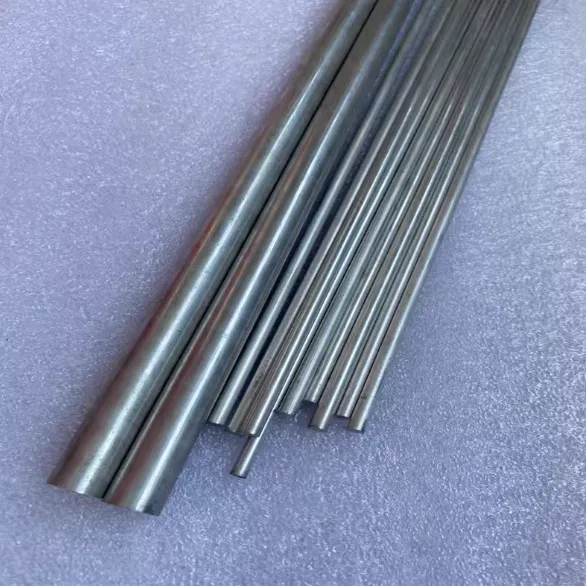
Solid aluminum alloy round bar Ø10mm*500mm (needs to be cut into three sections, each 13.3cm long)
License

You shall not share, sub-license, sell, rent, host, transfer, or distribute in any way the digital or 3D printed versions of this object, nor any other derivative work of this object in its digital or physical format (including - but not limited to - remixes of this object, and hosting on other digital platforms). The objects may not be used without permission in any way whatsoever in which you charge money, or collect fees.


Comment & Rating (0)