
Canard Glider – Stable Flight, Under 2h
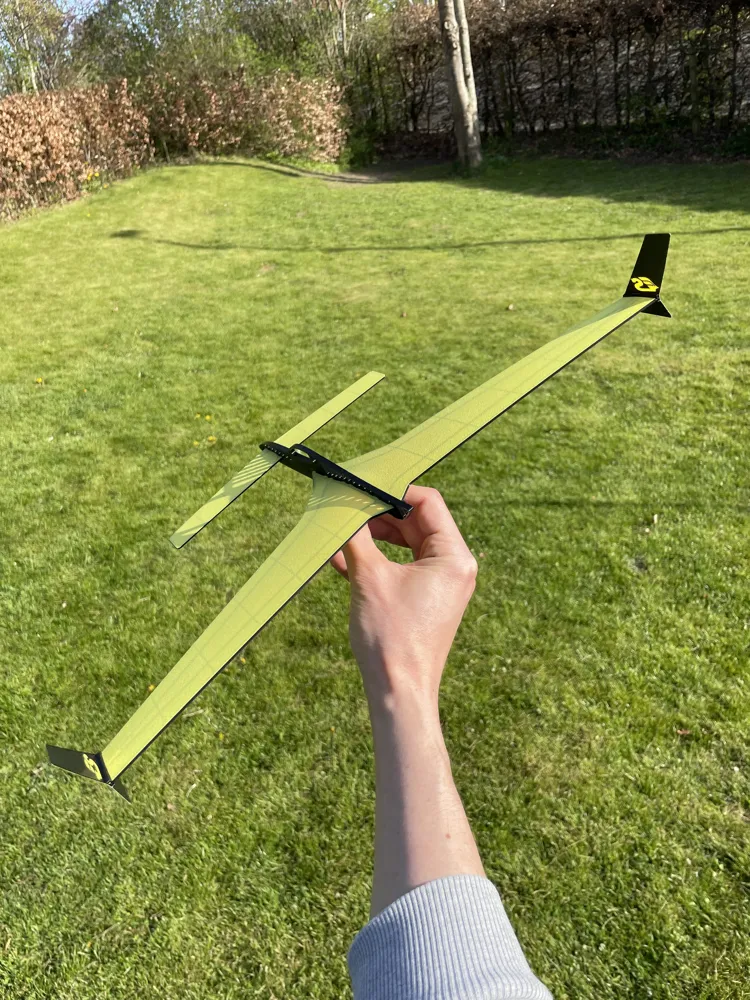
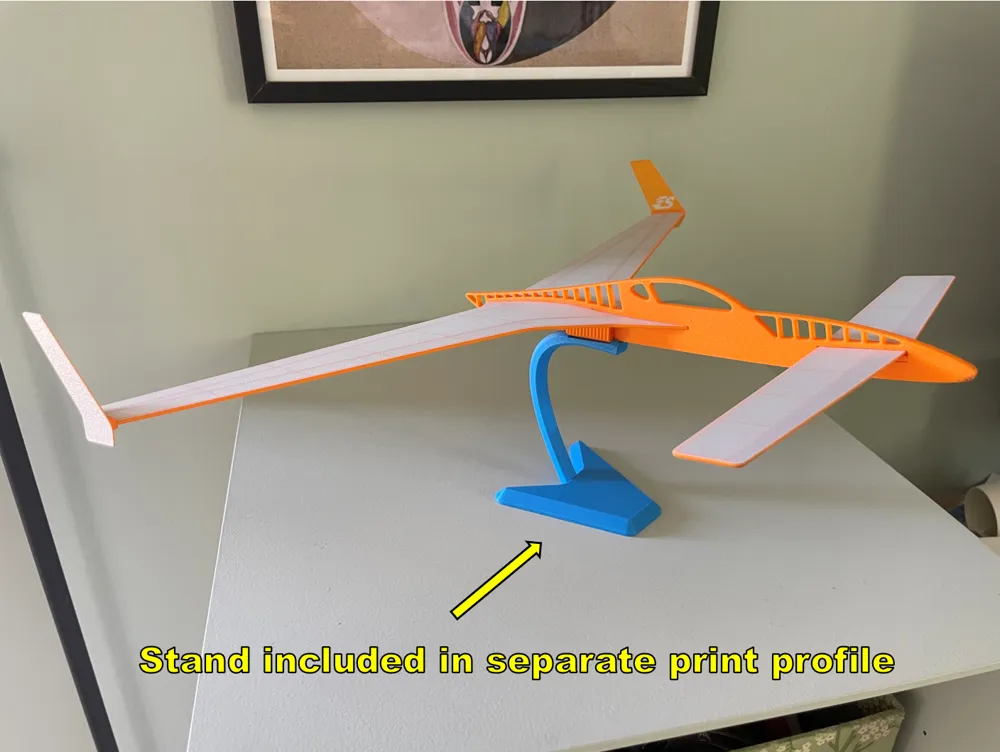
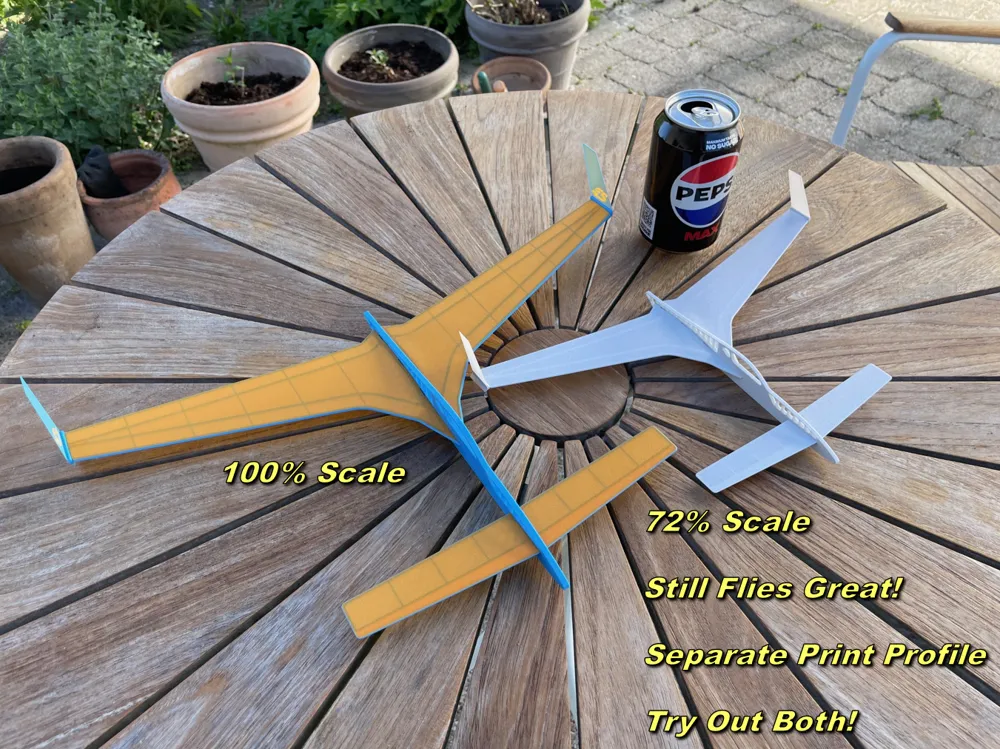
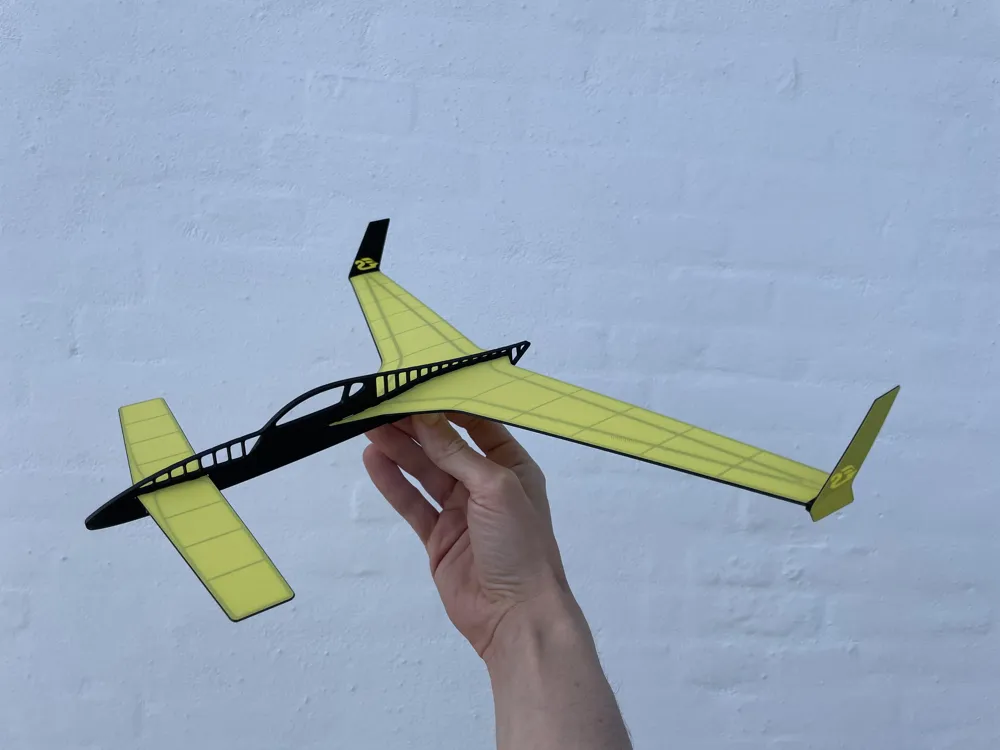
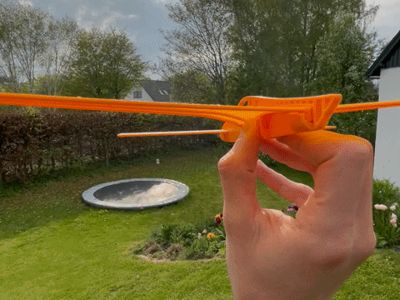
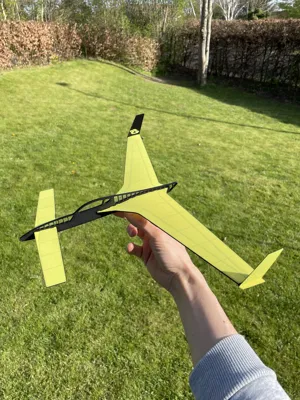
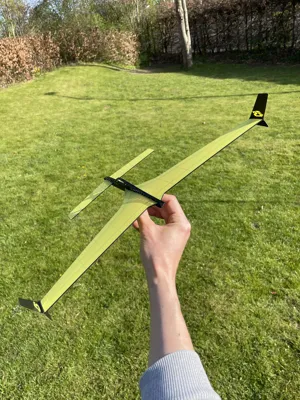
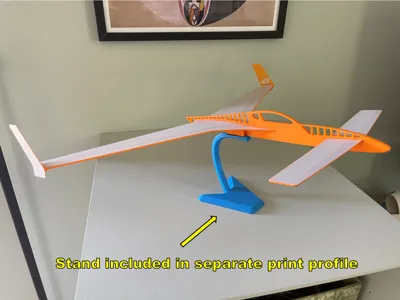
Print Profile(5)
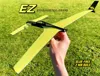
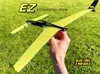
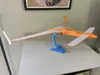
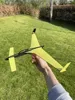


Description
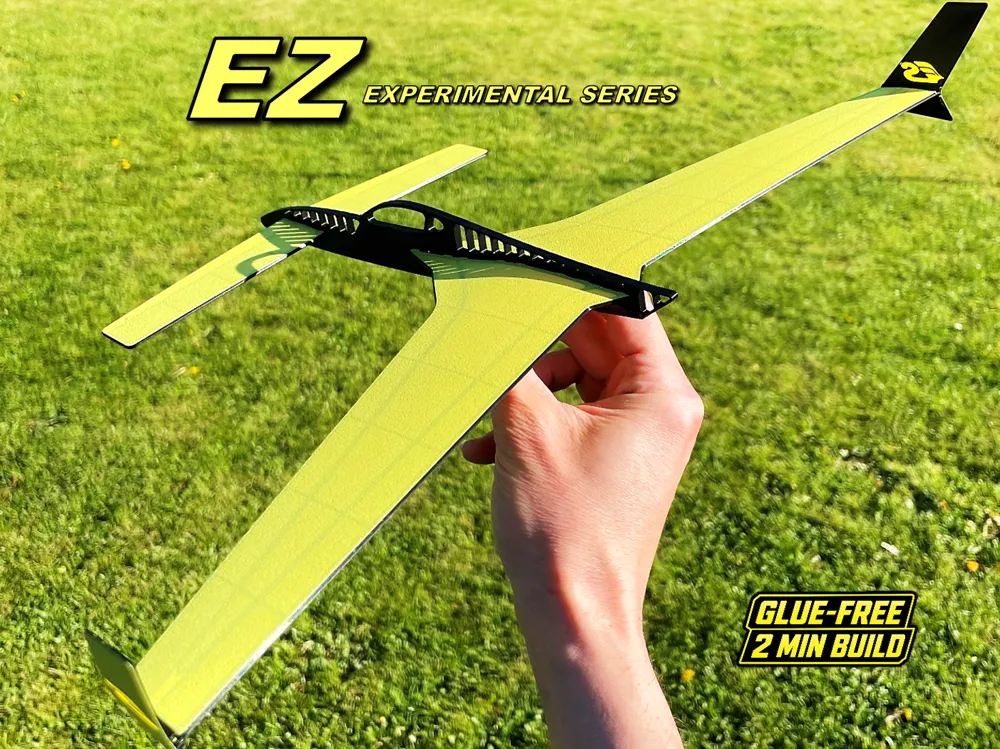
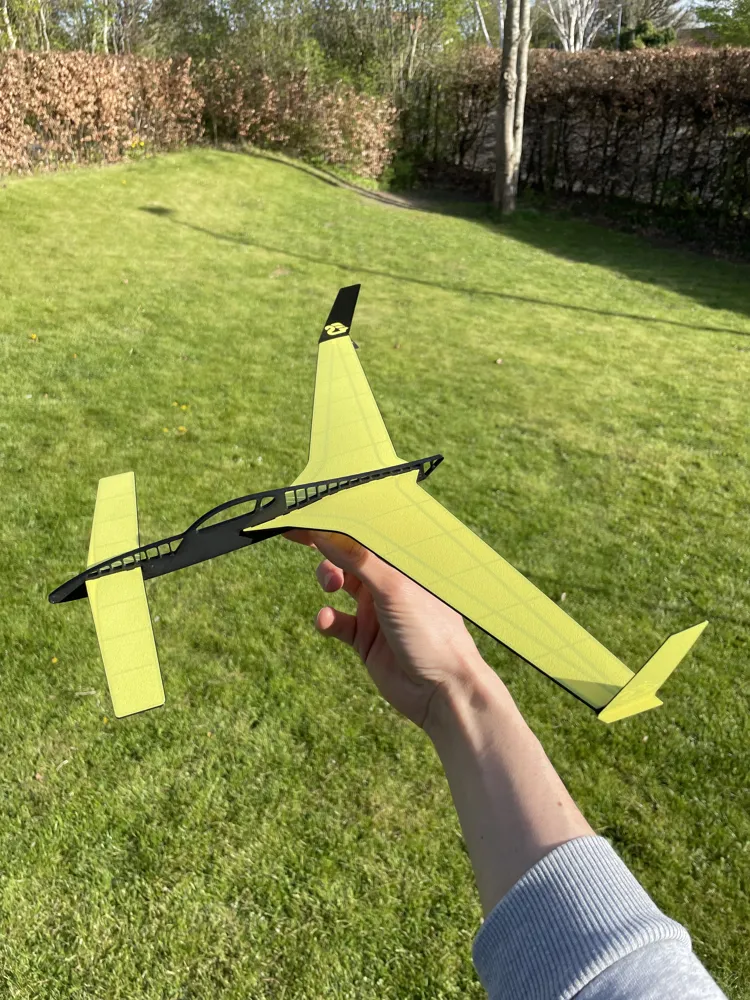
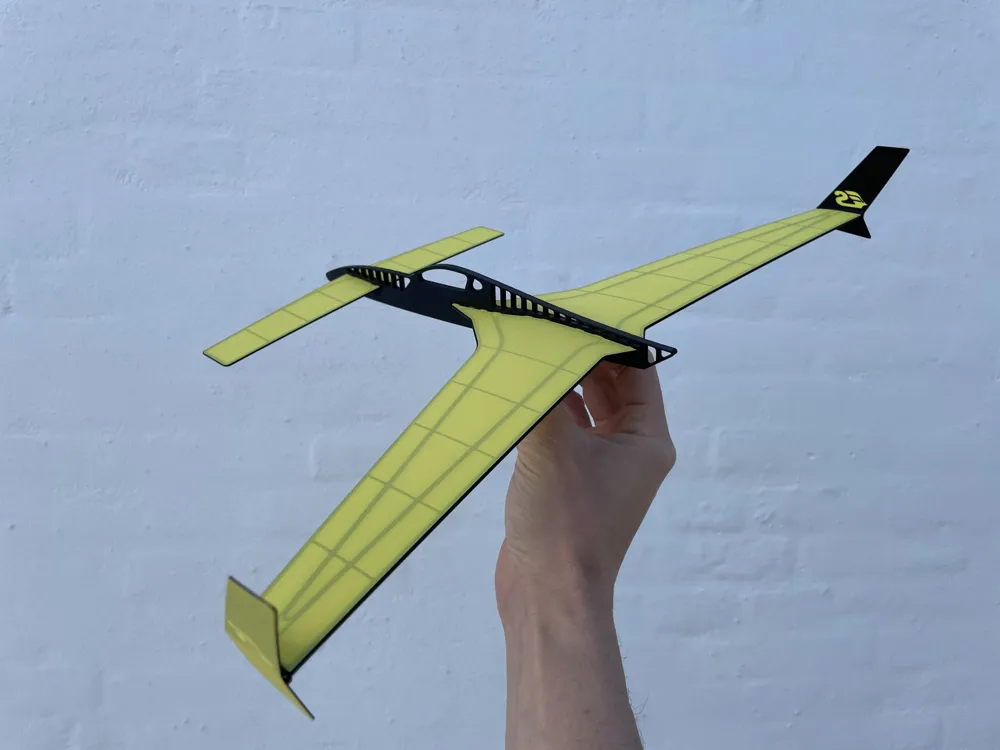
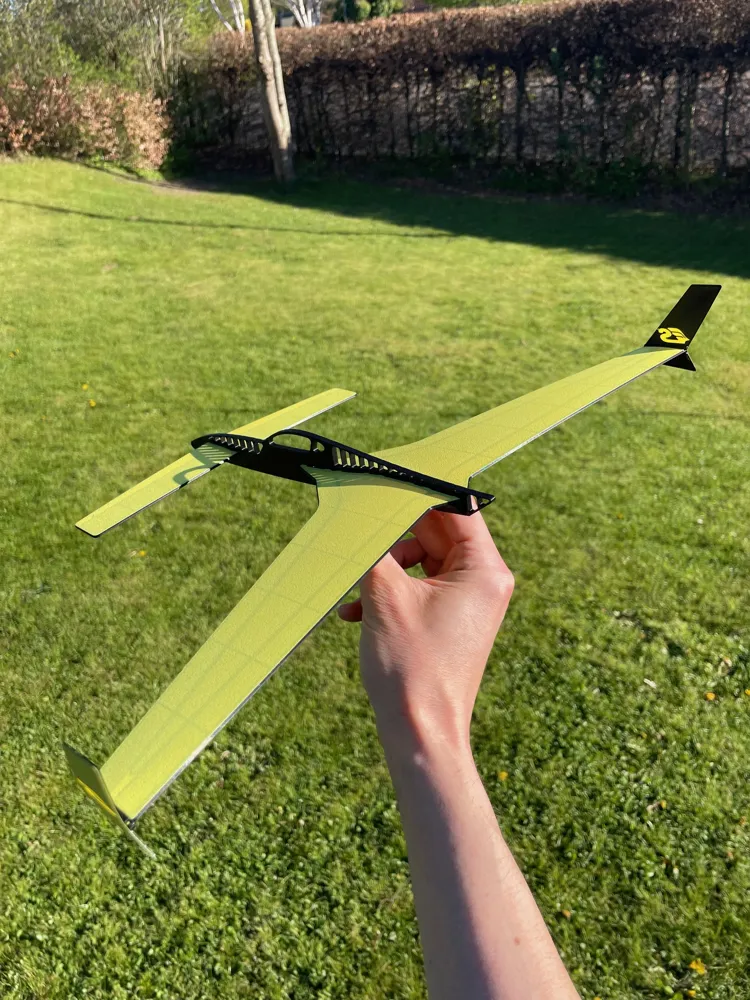
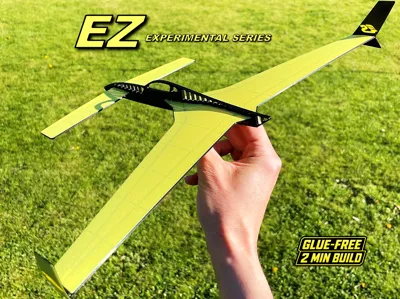
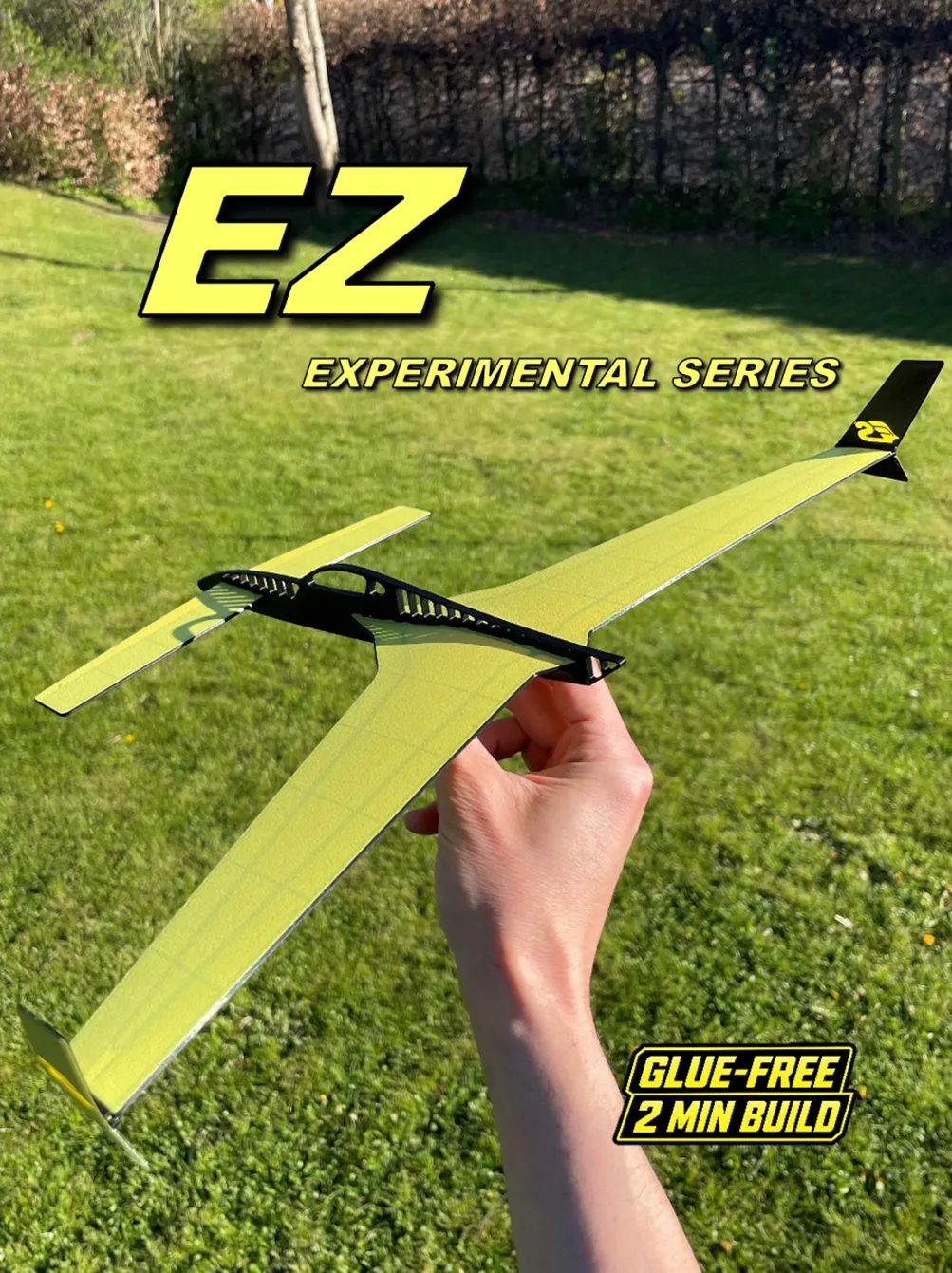
Canard Glider – Experimental Series #1
This model is the first design in my Experimental Series, where I explore unconventional aircraft concepts and flight characteristics.
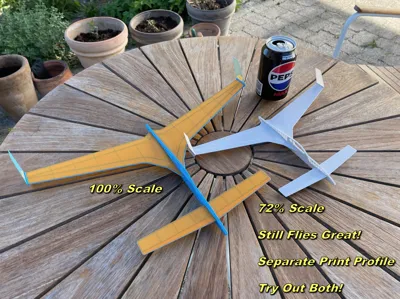
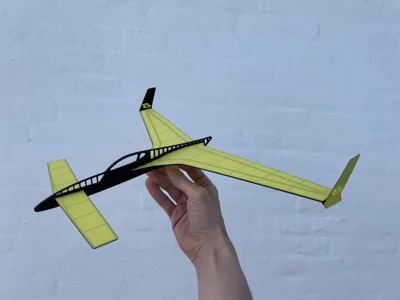
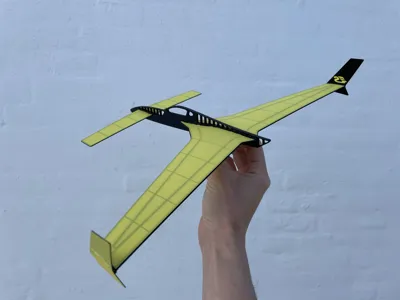
Inspired by aircraft designer, Burt Rutan’s Long-EZ, this glider uses a canard configuration, meaning the front wing provides both lift and pitch control—very different from a traditional layout.
Features
- Canard layout (front wing acts as elevator + lift)
- Cambered main wing for efficient glide
- Dihedral wing for added stability
- Winglets for improved lateral control
- Clean, lightweight design
Flight Performance


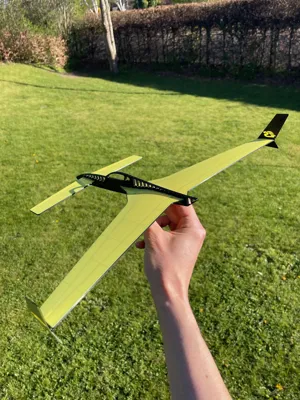
- Flies very straight and stable
- Capable of long, smooth glides
- Handles strong hand launches without stalling
- Easy to gain height with a firm throw
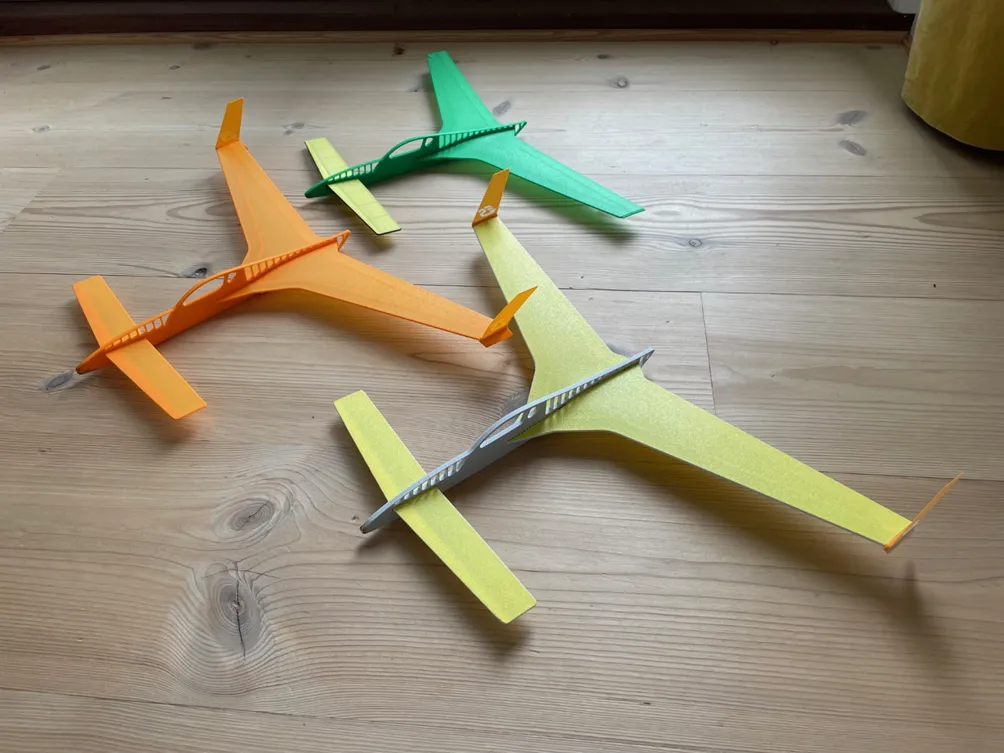
I recommend checking out the complete lineup and save your favorites for later.
Complete Lineup
Experimental Series
- Canard Glider — Experimental Series #1
- (NEW) Gossamer Albatross Glider — Experimental Series #2
Sky Series
- Cumulus 680 — slow, smooth, relaxed glides
- Cumulus 400 Speed Wing — faster flights
- Stratus 500 — balanced and versatile
- Stratus 500 A1 mini version - Original size
Boost Me (for free)
If you enjoyed this design or want to see more from the Experimental Series, consider leaving a boost 🚀 or like ❤️—it really helps me keep developing new concepts.
Assembly guide:
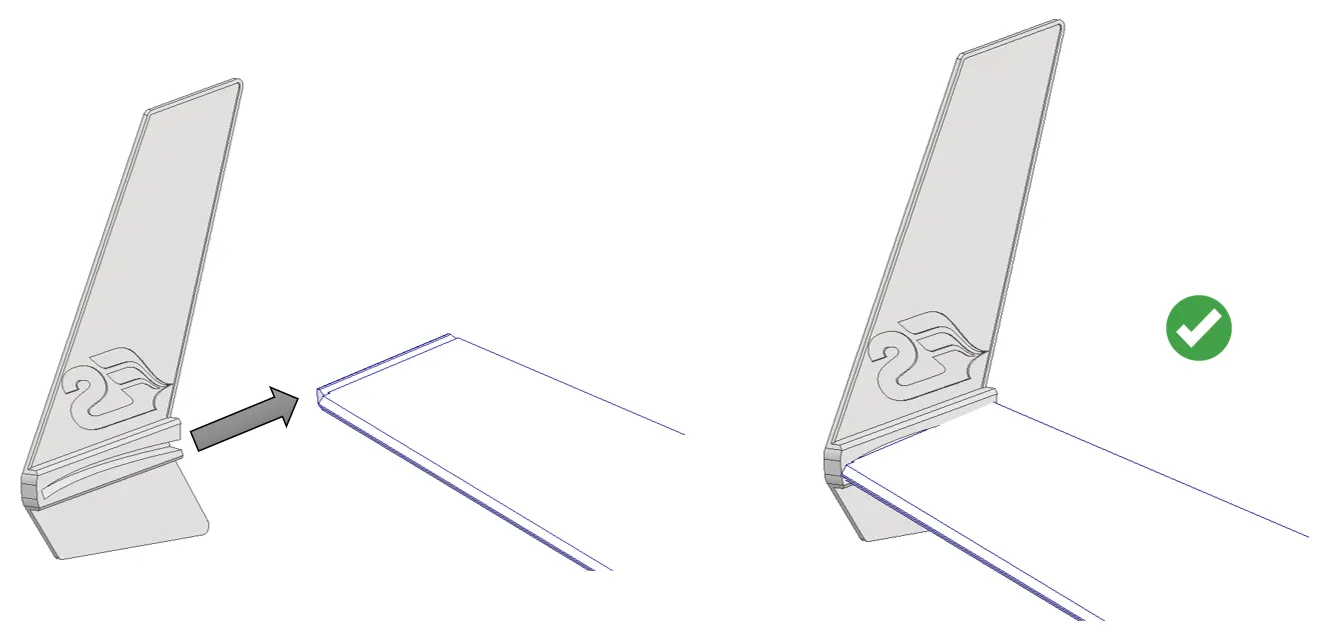
1) Winglets: Align slot on winglet and wing and slide the winglet fully on.
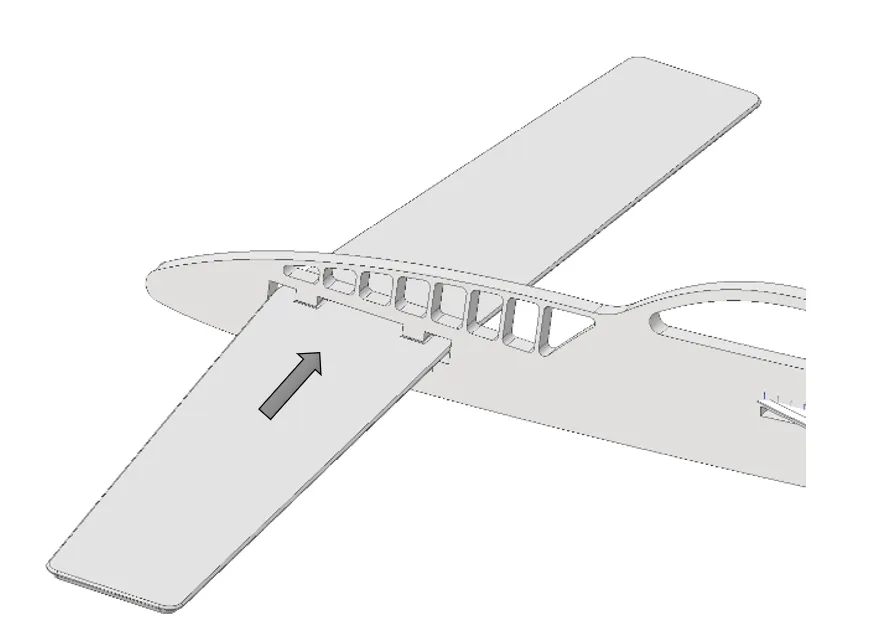
2) Canard: Place the canard inside hole and insert pins into holes.
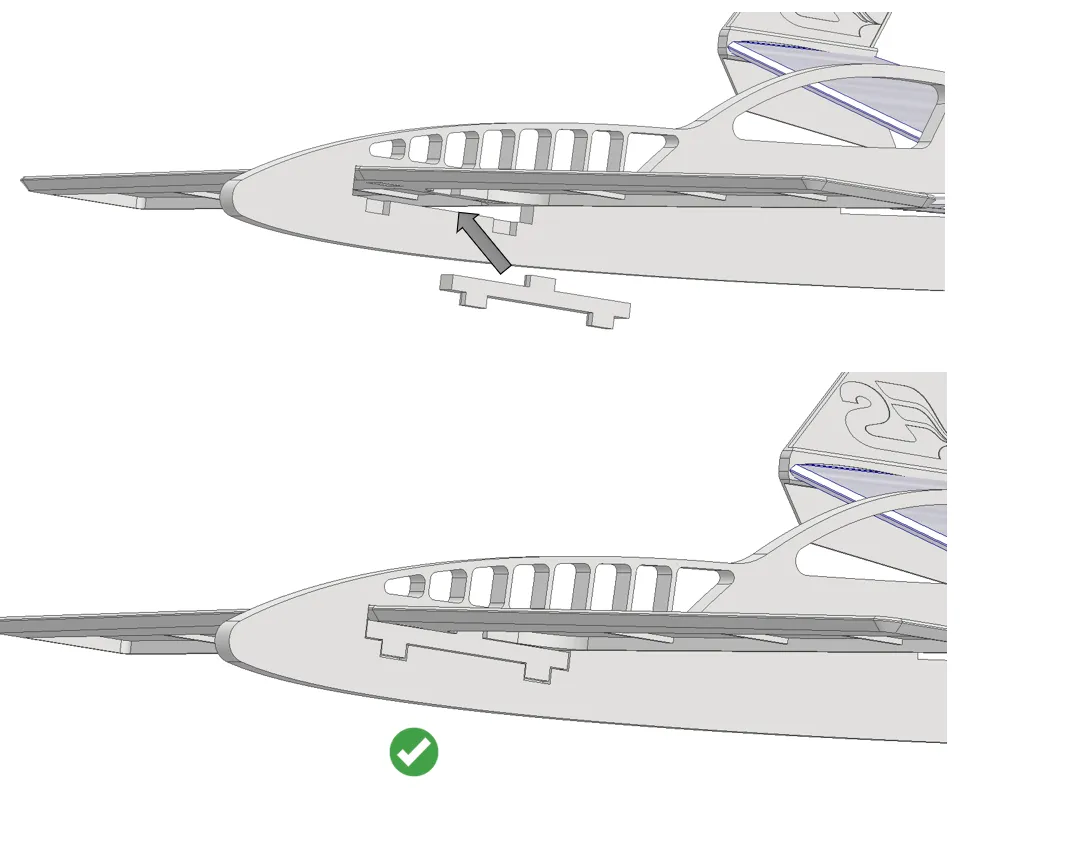
Lock the canard in place by inserting the canard lock into the slot:
3) Main wings: Insert wings into the slots in the fuselage.
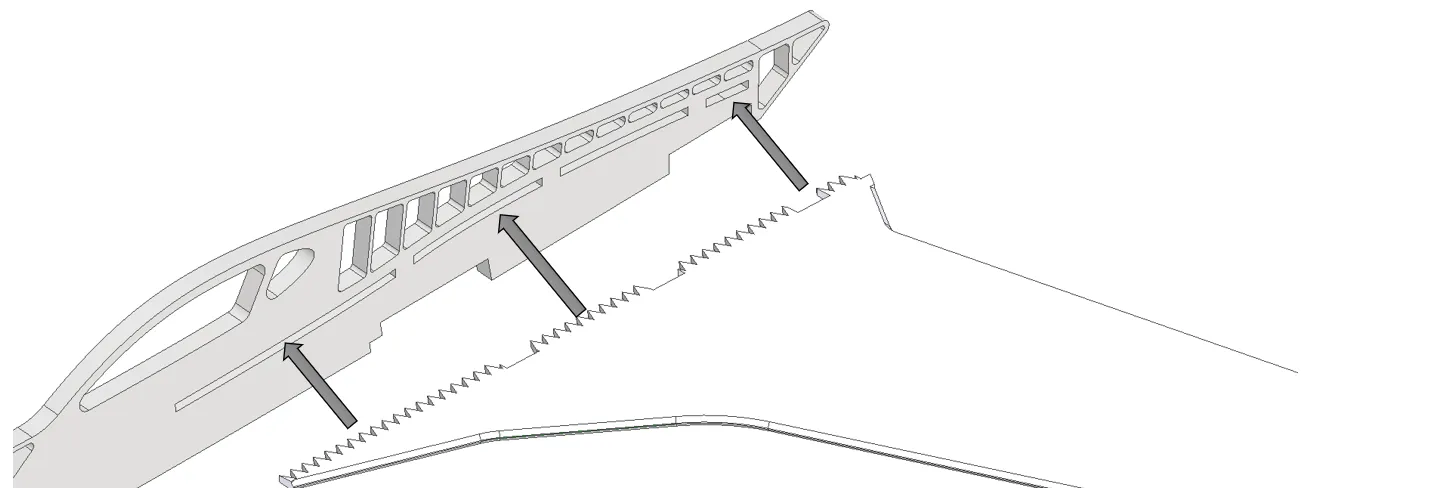
then press the clamps into the designated grooves to secure them. Note the clamp orientation.
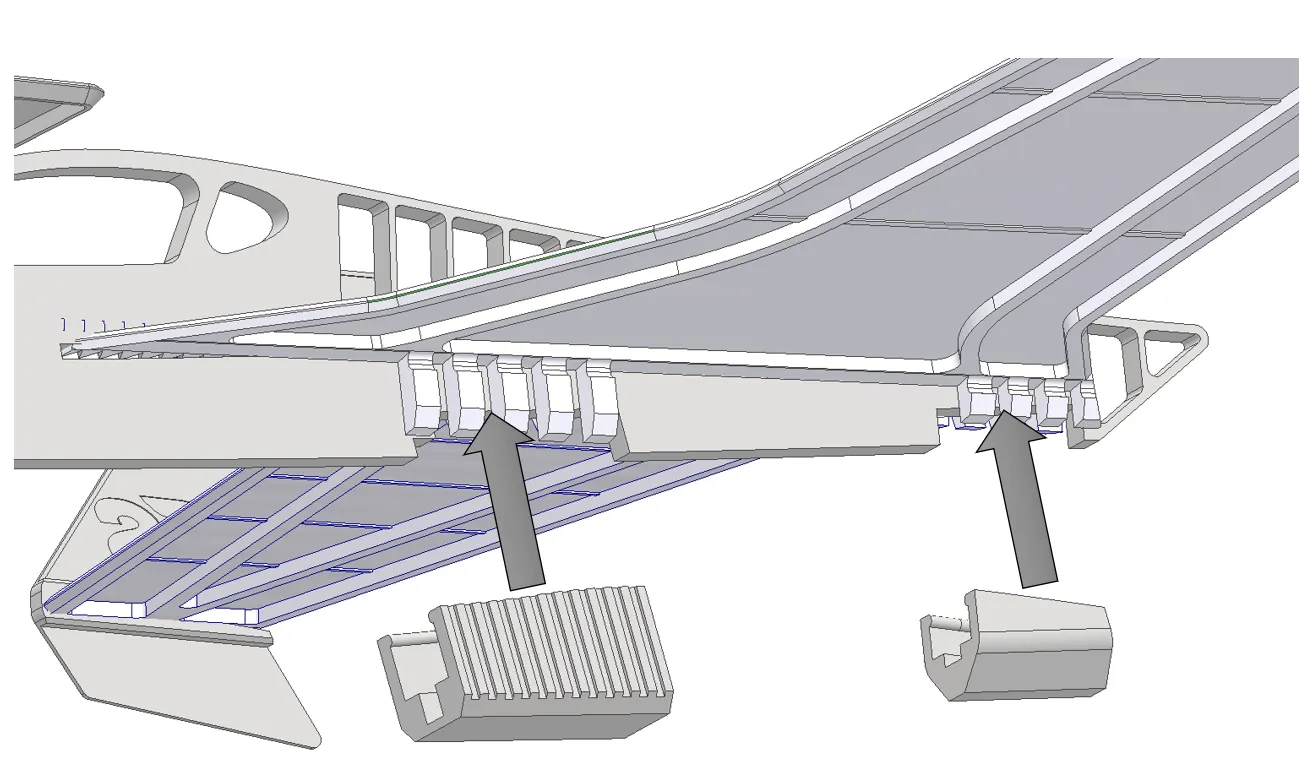
Your glider is now fully assembled and ready to fly!
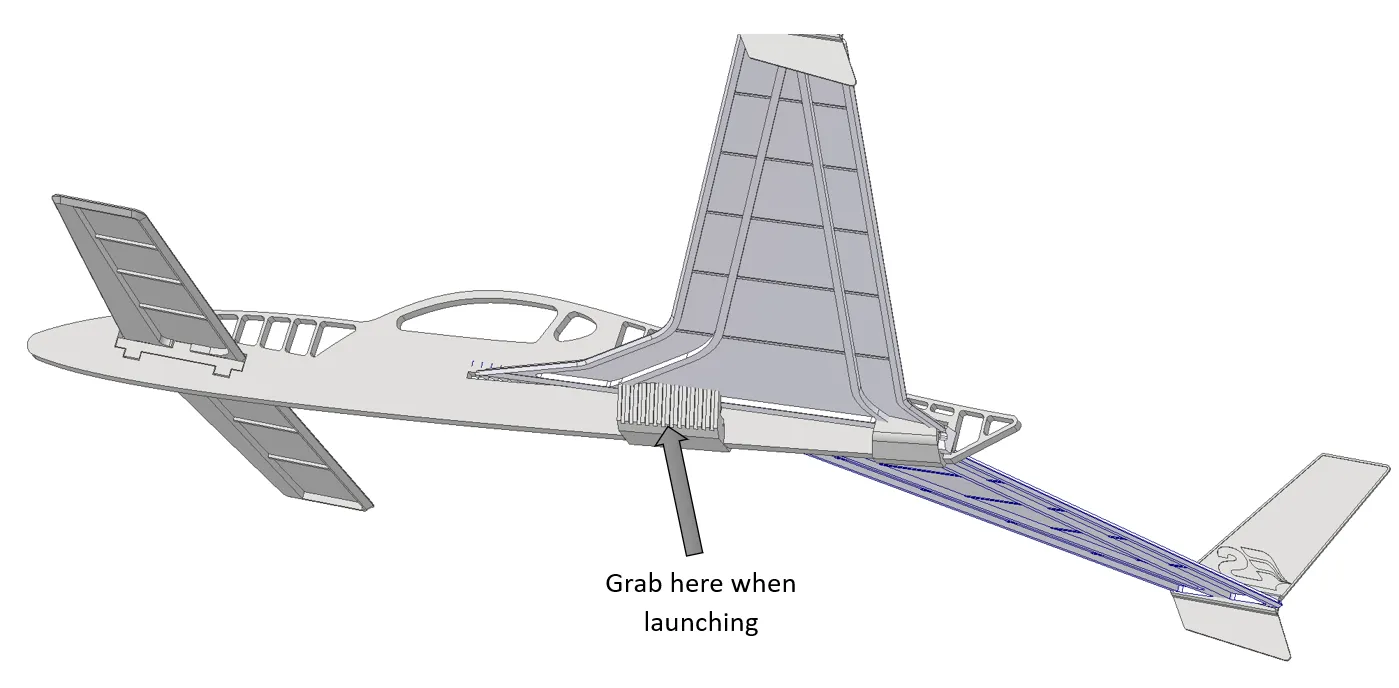
I wish you a happy flight :)
In the following text post I wanted to give interested makers a closer look into the development process behind the Canard Glider that I submitted for the Spring Play Challenge contest.
Inspiration
The Canard Glider was heavily inspired by Burt Rutan’s experimental aircraft, especially the iconic Long-EZ configuration.
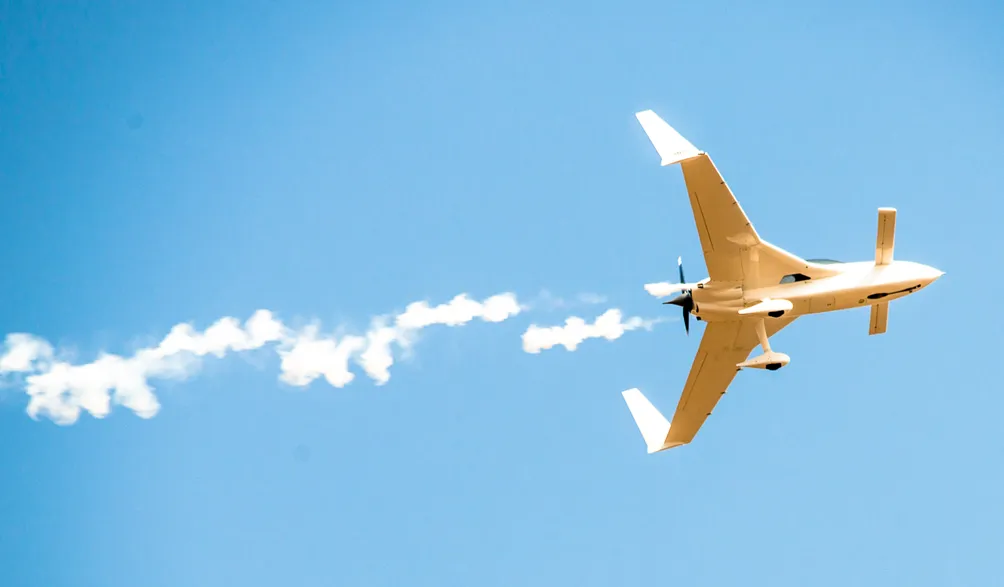
My goal was to create a compact and highly printable glider that combined stable flight characteristics with the distinctive appearance of a real canard aircraft.
Special attention was given to preserving the recognizable silhouette and canopy shape of the original aircraft while still optimizing the design for lightweight printing and stable glide performance.
Iterative Development
The project went through many iterations during development.
I continuously experimented with:
- canard geometry
- wing camber
- dihedral
- center of gravity
- canard incidence angle
- structural reinforcement
Even very small changes produced surprisingly large differences in flight behavior.
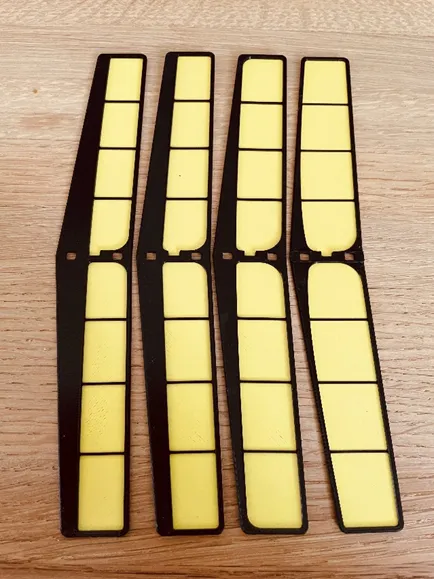
Although the canard variations above appear visually similar, each configuration produced different flight characteristics.
Some versions created unstable flight with excessive wing rocking, while heavier versions introduced too much nose-down pitching behavior.
The final configuration was selected because it produced the smoothest and most stable glide while still maintaining enough lift and pitch recovery.
Stability and Center of Gravity
One of the biggest challenges was balancing the aircraft correctly.
Canard aircraft require a much more forward center of gravity than conventional gliders, and small weight changes had major effects on stability.
Material was intentionally removed from the upper parts of the fuselage and canard structure in order to move the center of gravity lower inside the aircraft body.

This improved roll stability and reduced unwanted rocking during glide.
The lightweight truss-like fuselage structure therefore serves multiple purposes:
- reducing weight
- improving stiffness
- lowering the center of gravity
- and maintaining printability.
Canard Aerodynamics
The final canard configuration uses approximately 3 degrees of positive incidence relative to the main wing.
This allows the canard to generate lift early while also improving pitch stability and self-correcting flight behavior. The red markings indicate the canard root angle, while the blue markings indicate the main wing root angle.
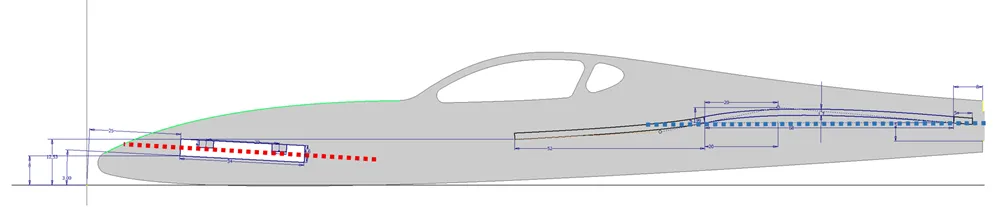
A major goal was ensuring that the canard stalls before the main wing. This causes the aircraft to naturally lower its nose and recover instead of entering a deeper stall.
The final geometry provided the best balance between:
- smooth glide performance
- forgiving launches
- stable recovery behavior
- and reliable flight characteristics.
One advantage of the canard configuration is that the aircraft remains stable even during aggressive launches, making it easier for both children and adults to fly successfully.
Structural Design
The canard leading edge was reinforced because it experiences the highest landing loads.
The reinforcement also helped move more weight toward the front of the aircraft, which became important for achieving the correct balance.
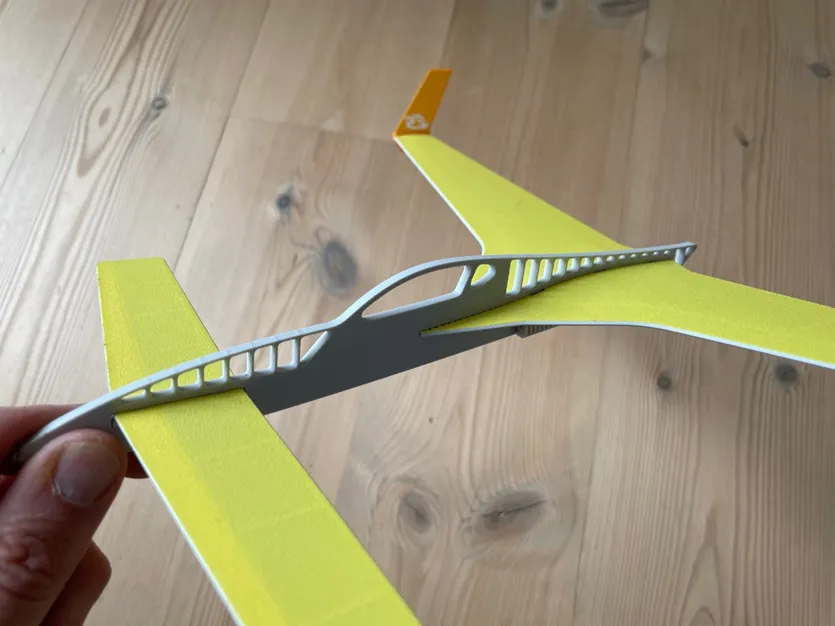
Throughout development I continuously balanced:
- structural stiffness
- weight distribution
- aerodynamic efficiency
- and printability.
Future Development
One maker suggested experimenting with a powered version of the aircraft.
I happened to have a small motor, capacitor, and charging circuit available, so I decided to test a lightweight electric configuration.
Surprisingly, the concept worked remarkably well and opened up interesting possibilities for future development.
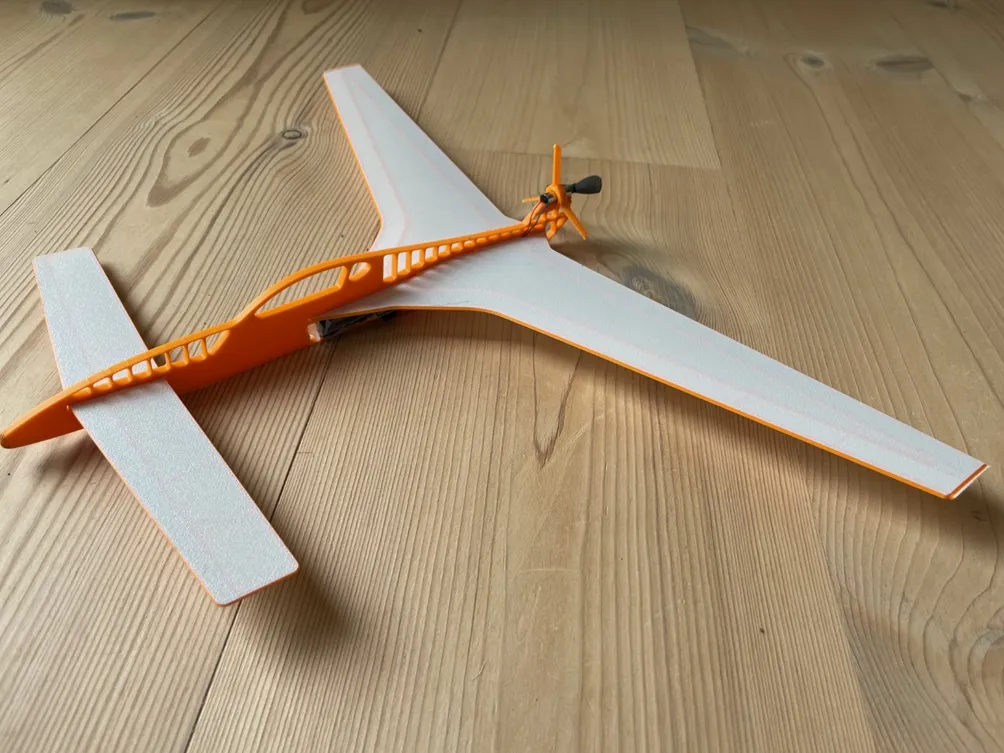
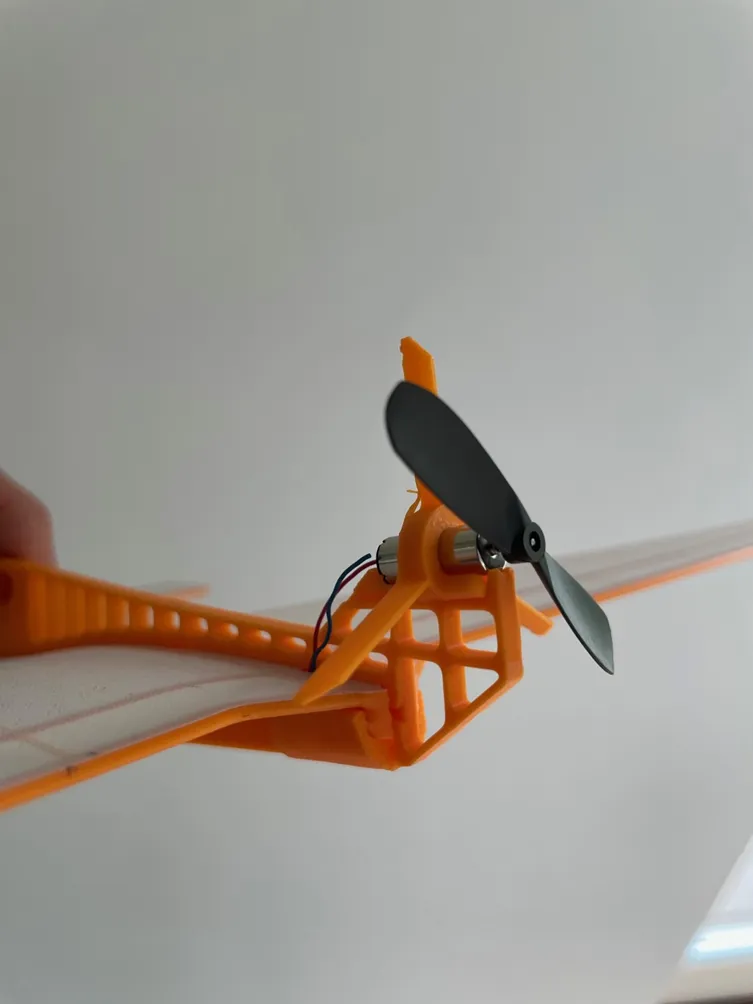
The powered version still preserves much of the original canard stability and flight behavior, and it will likely become part of future iterations.
Final Goal
The final objective of the project was not simply to create another printable glider, but to develop an aircraft that combined:
- experimental aviation aesthetics
- aerodynamic exploration
- reliable flight behavior
- ease of printing
- and an enjoyable user experience.
The result is a lightweight canard aircraft optimized for stable and forgiving glide performance while still preserving the unique aerodynamic character and visual identity of a true experimental canard aircraft.
At the same time, one of the biggest goals throughout the project was simply to spread as much joy as possible by creating an aircraft that people of all ages could print, launch, experiment with, and enjoy outdoors together.
Membership
Want to sell printed versions of my planes? Join the membership to get commercial usage rights and support future aircraft development, testing and new releases.
License

You shall not share, sub-license, sell, rent, host, transfer, or distribute in any way the digital or 3D printed versions of this object, nor any other derivative work of this object in its digital or physical format (including - but not limited to - remixes of this object, and hosting on other digital platforms). The objects may not be used without permission in any way whatsoever in which you charge money, or collect fees.


Comment & Rating (281)