
One Room Schoolhouse
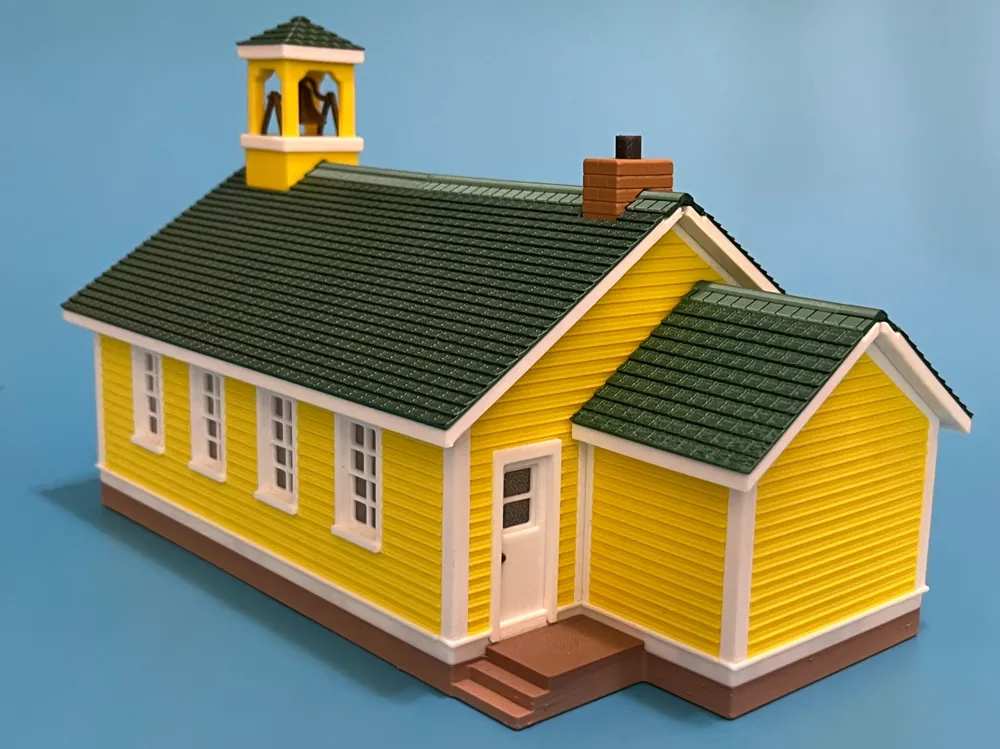
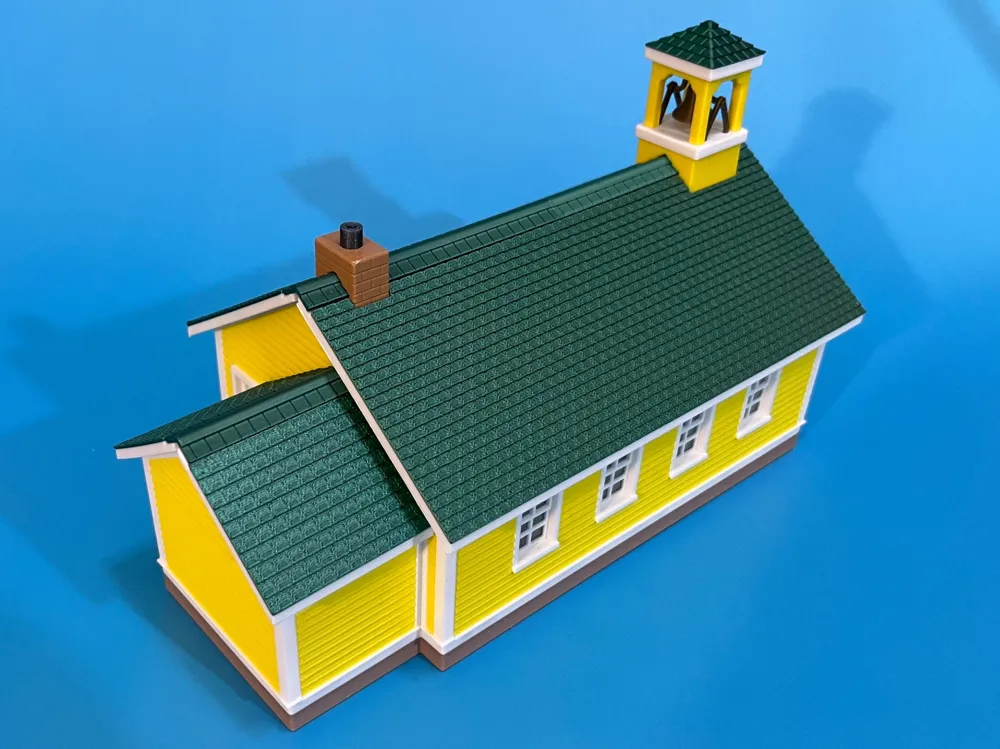
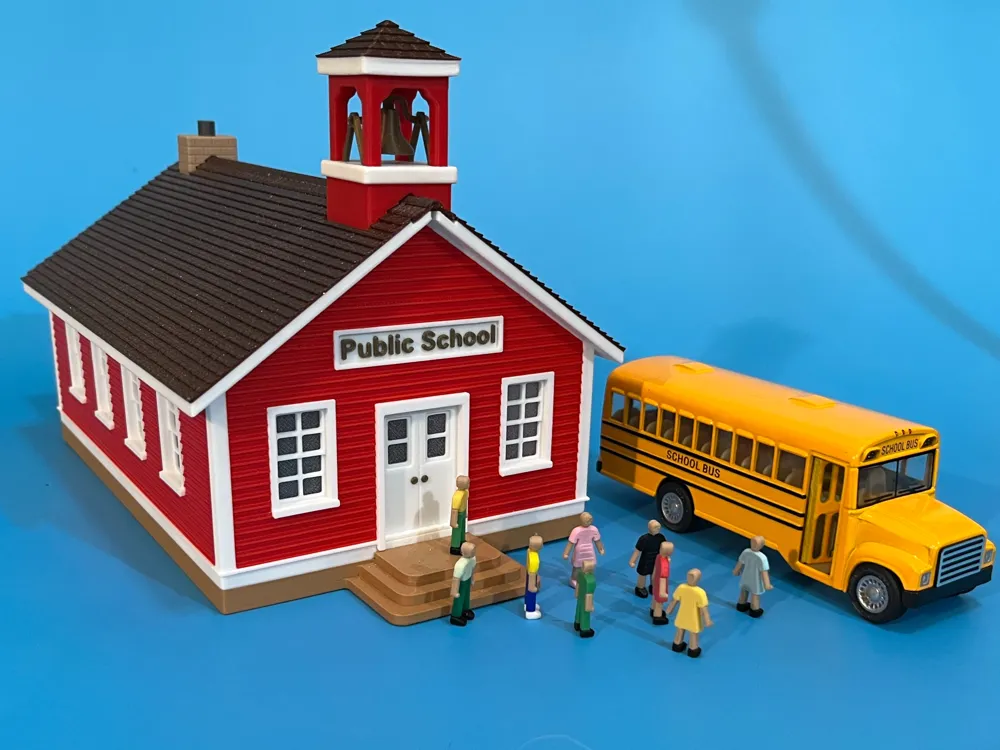
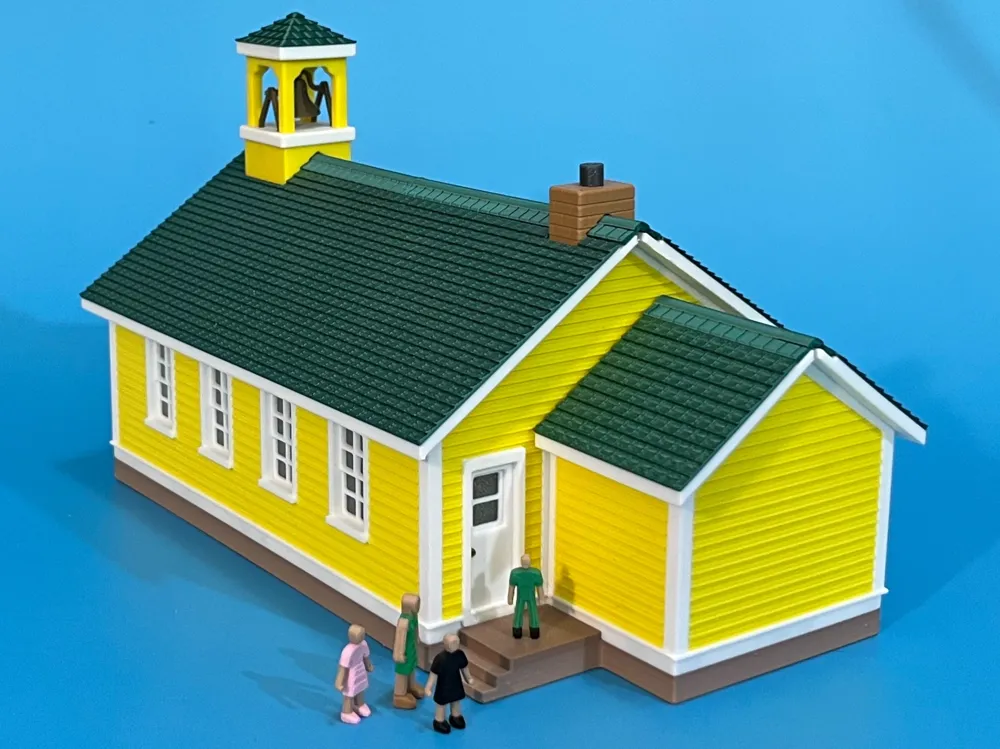
Print Profile(1)

Bill of Materials





Description
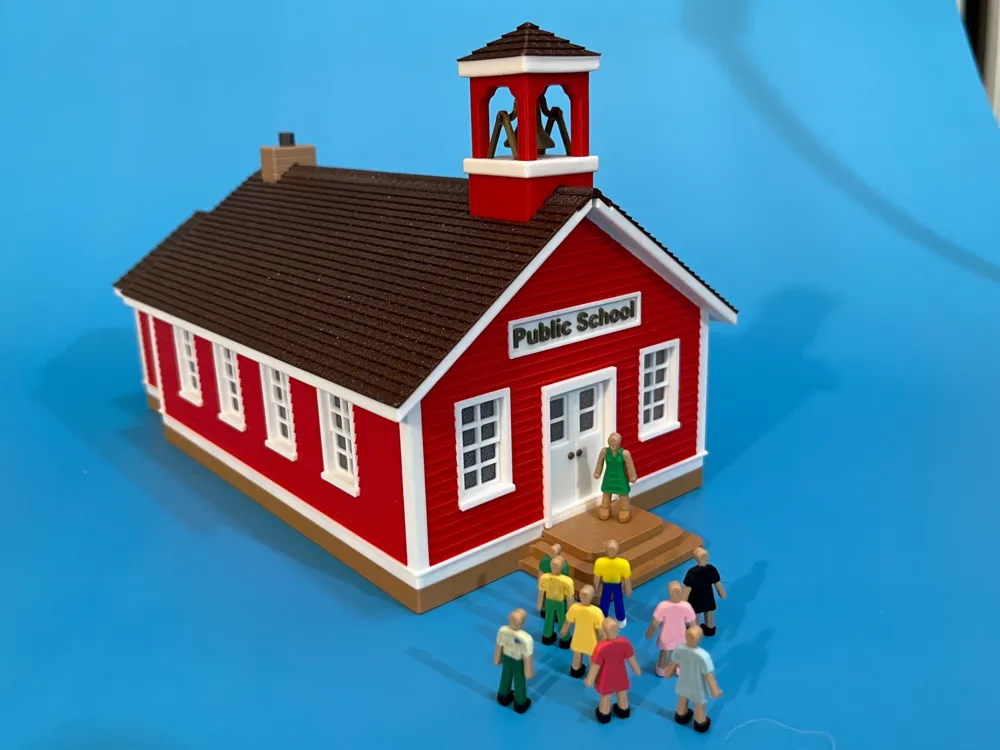
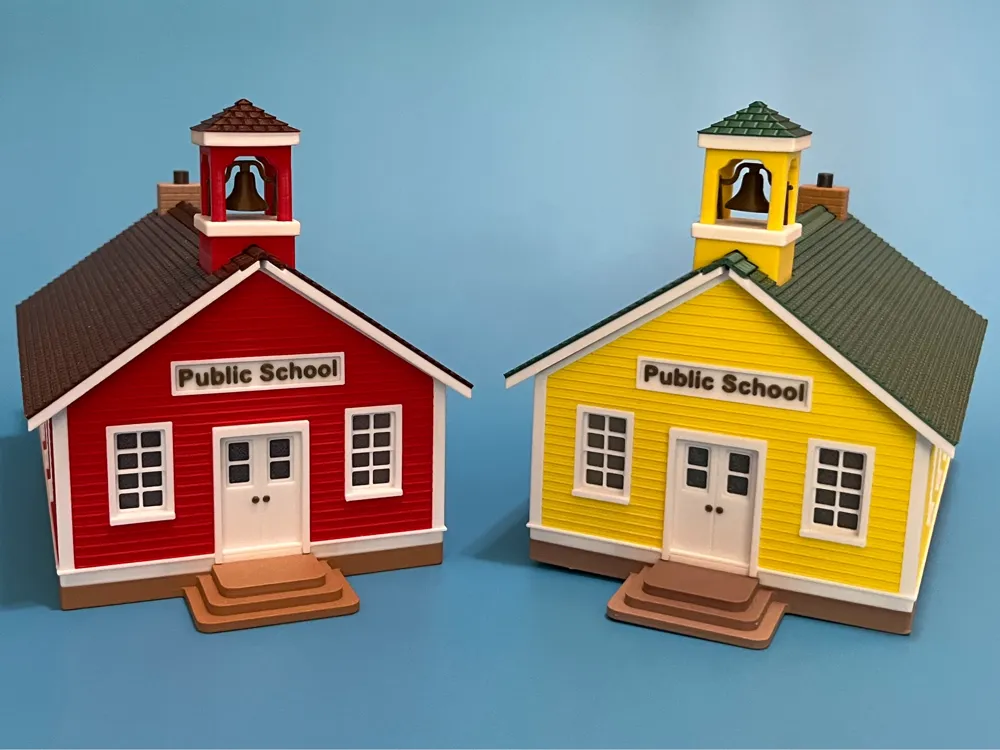
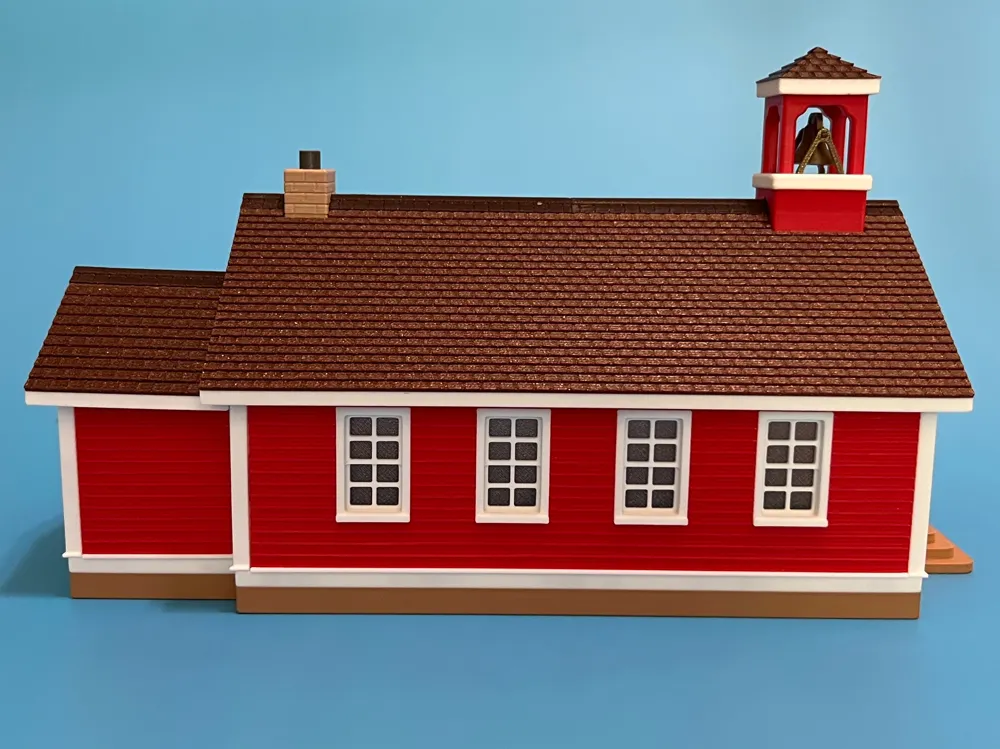
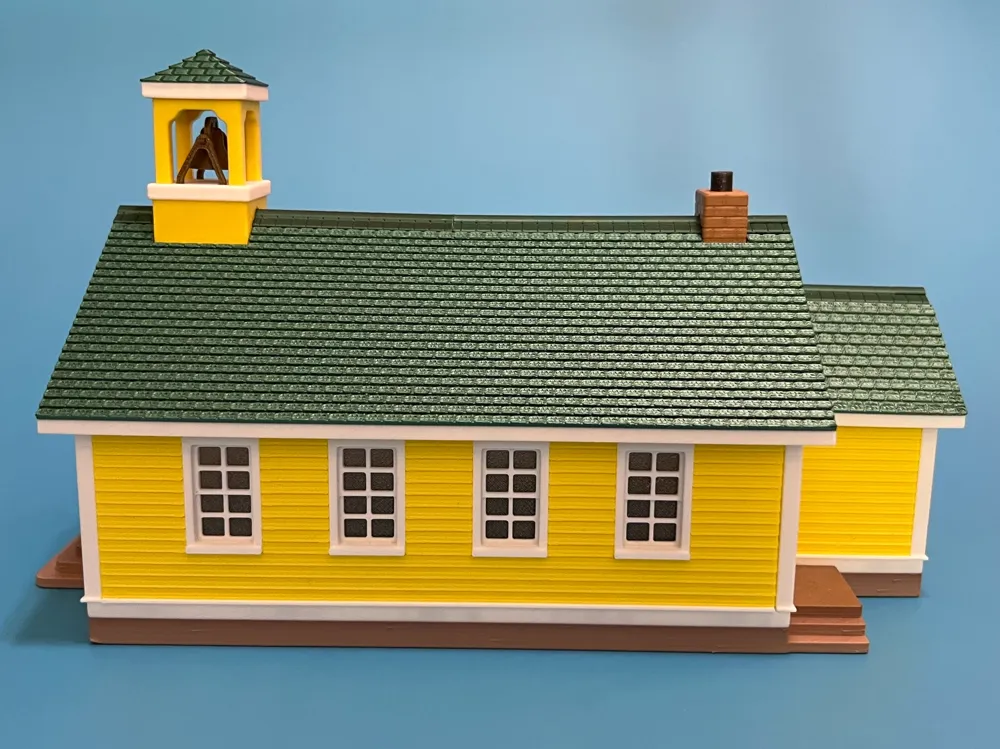
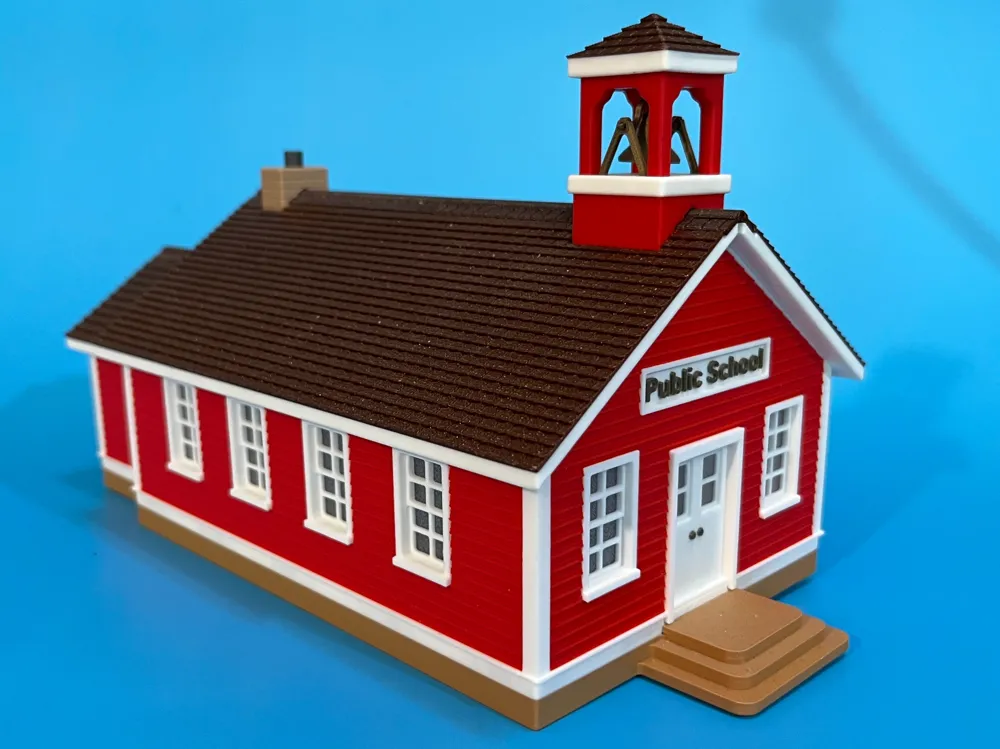
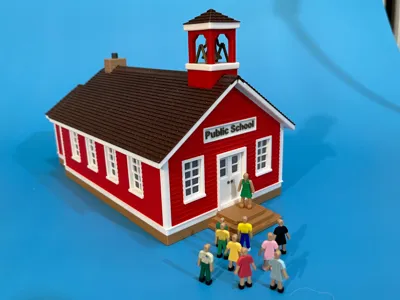
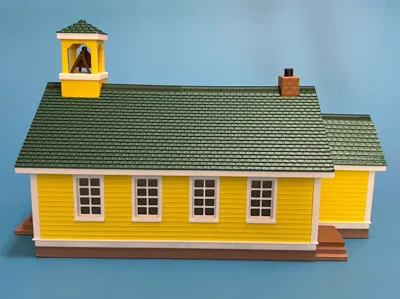
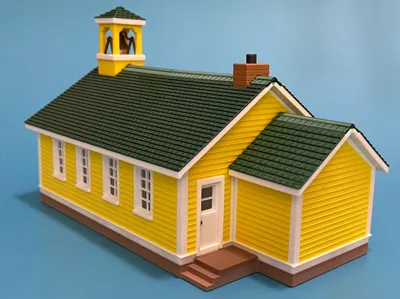
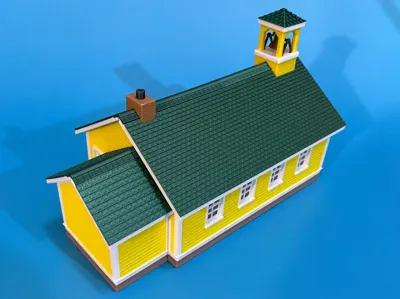
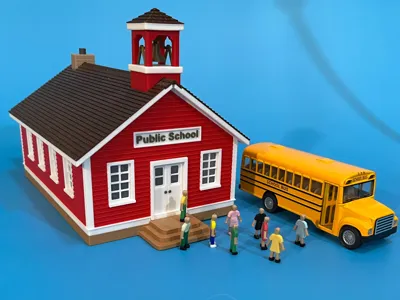
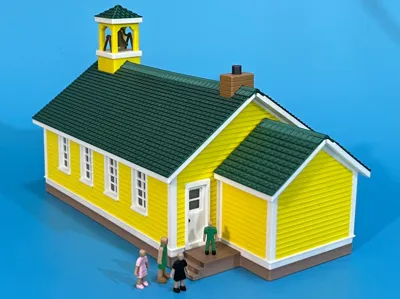
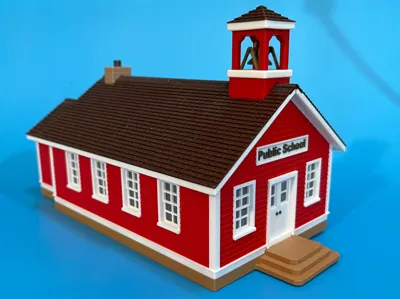
In Europe, prior to the 1700’s schools and education were only available to the children of the powerful and well connected. In the aftermath of the Reformation there arose a movement to educate the masses. The idea being that if everyone was taught to read, they could read the Christian Bible for themselves and become more devout Christians in the process. To this end universal public schools were proposed. Began first in Scotland and quickly spread throughout the British Isles, Scandinavia, Northern Europe and North America. As transportation was limited the first schools arose as one room schools, built by local craftsmen, where local children from 6 to 13 or 14 years old were taught in a single room by a single teacher - usually a young single woman. Owing to their religious pretentions, these early school buildings took the form of rural churches. Whereas the church bells called people to mass and to prayers, the school bells called students to school and their studies. The religious idea backfired, and instead public education brought us the weakening of church power, the democratization of Europe and the Americas, the industrial revolution, and has led to modernity and a technologically based society. By the 1920’s transportation had improved, that is buses had become available, and schools began consolidating into larger schools, where children could be split into classes by age and ability. The one room schoolhouses went out of use after World War II. Most have been destroyed, but a few have been preserved. This particular model was inspired by the Tolland school, seen along the road to the Moffat Tunnel, a train and water tunnel that cuts across the continental divide, just west of Rollinsville, Colorado.
Most of the people of Colorado live along the front range, on the eastern edge of the Rocky Mountains – a mostly dry and bleak place. When people have time off from their busy schedules, many like to head to the hills, to some of the most spectacular mountains in the world. The road from Rollinsville to the Moffat tunnel, called both East Portal Road and Tolland Road, runs along South Boulder Creek and leads to the Rollins Pass Road, also called Hell Hill Road, that leads to the Arapaho and Roosevelt National Forests, and the high-country wilderness areas of the James Peak Wilderness and the Indian Peaks Wilderness – and the continental divide, at places reaching more than 13,000 feet (4000 meters), well above timberline. Not counting the rail line, the Tolland schoolhouse is the last intact structure one sees before heading into the wilderness.
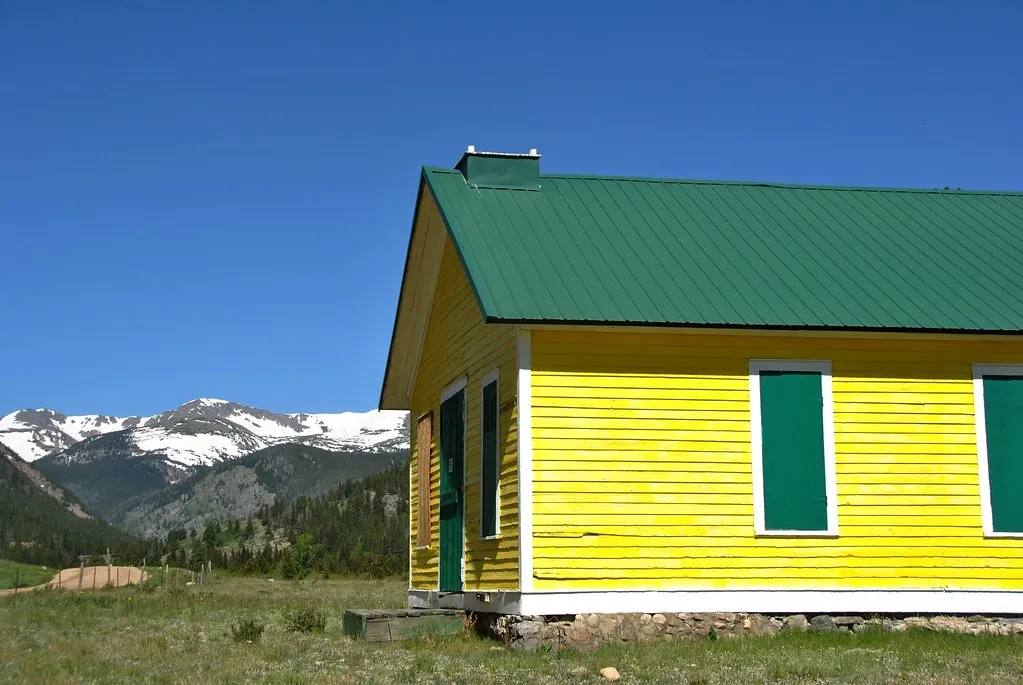
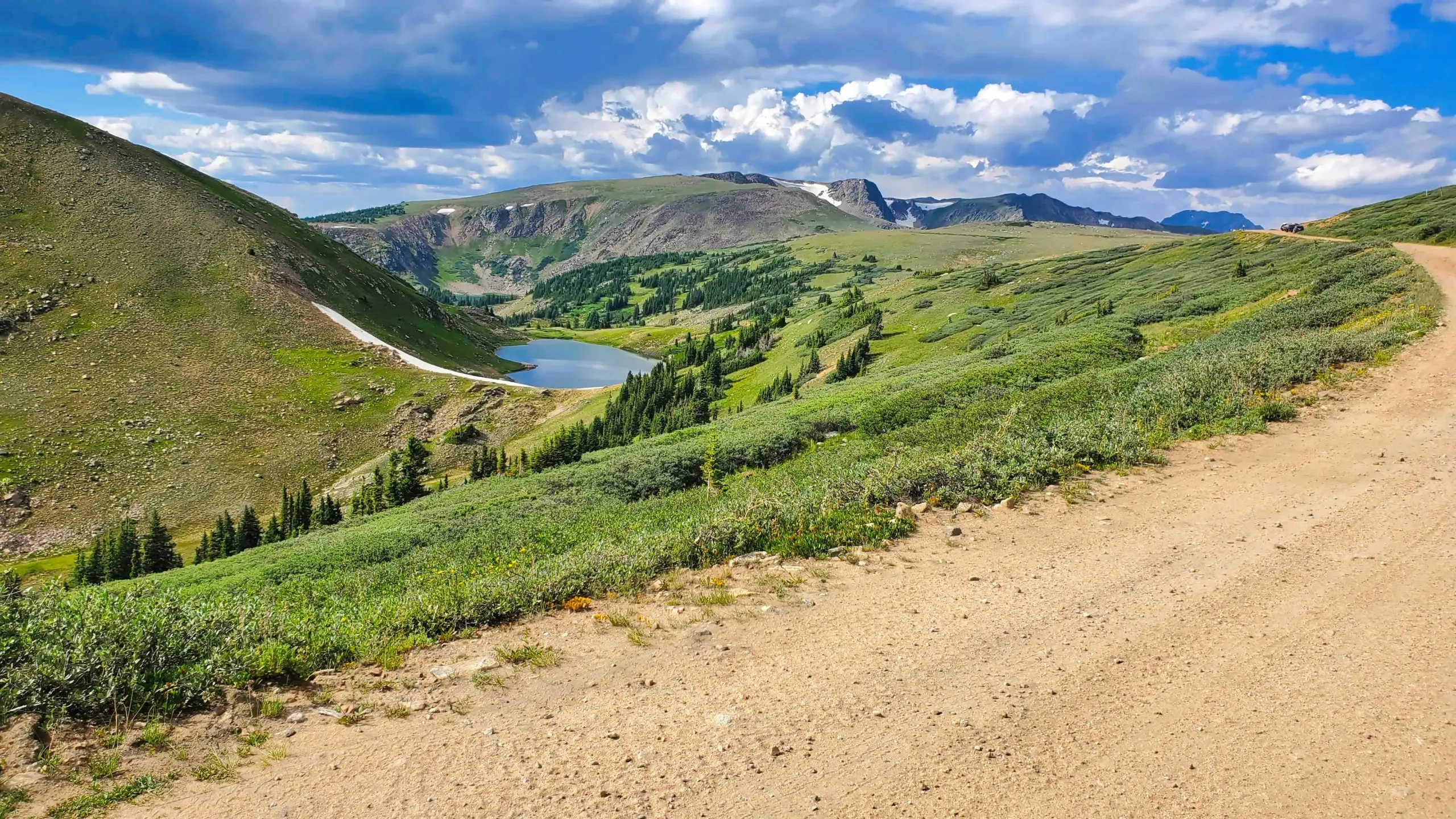
Rollins Pass Road along the Continental Divide.
Filaments
For the windows I have used SUNLU transparent clear PLA. The chimney pipe can be any black or dark grey.
Documentation (1)
License

You shall not share, sub-license, sell, rent, host, transfer, or distribute in any way the digital or 3D printed versions of this object, nor any other derivative work of this object in its digital or physical format (including - but not limited to - remixes of this object, and hosting on other digital platforms). The objects may not be used without permission in any way whatsoever in which you charge money, or collect fees.


Comment & Rating (0)