
Ebike Motor Test Stand with 10mm AntiRotation Lock
Print Profile(1)

Description
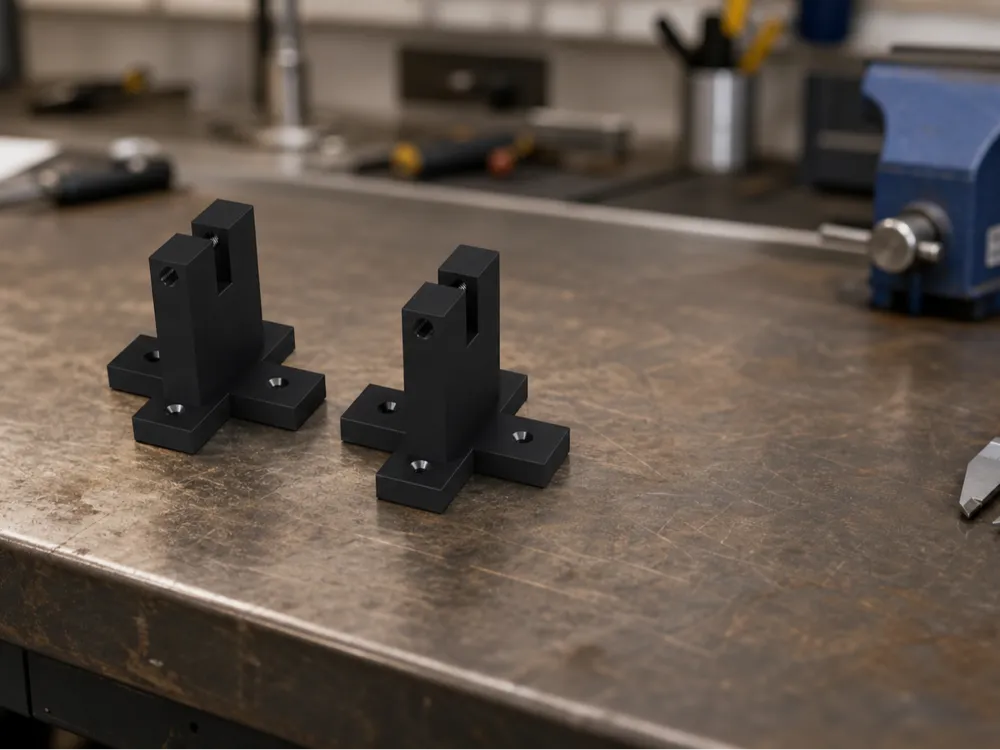
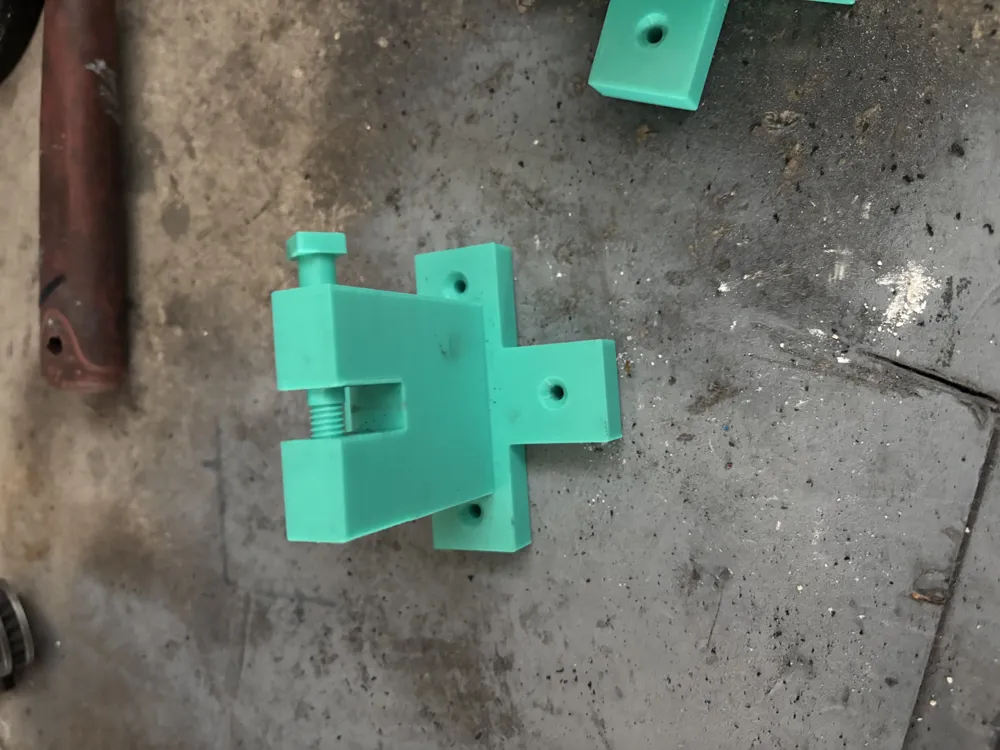
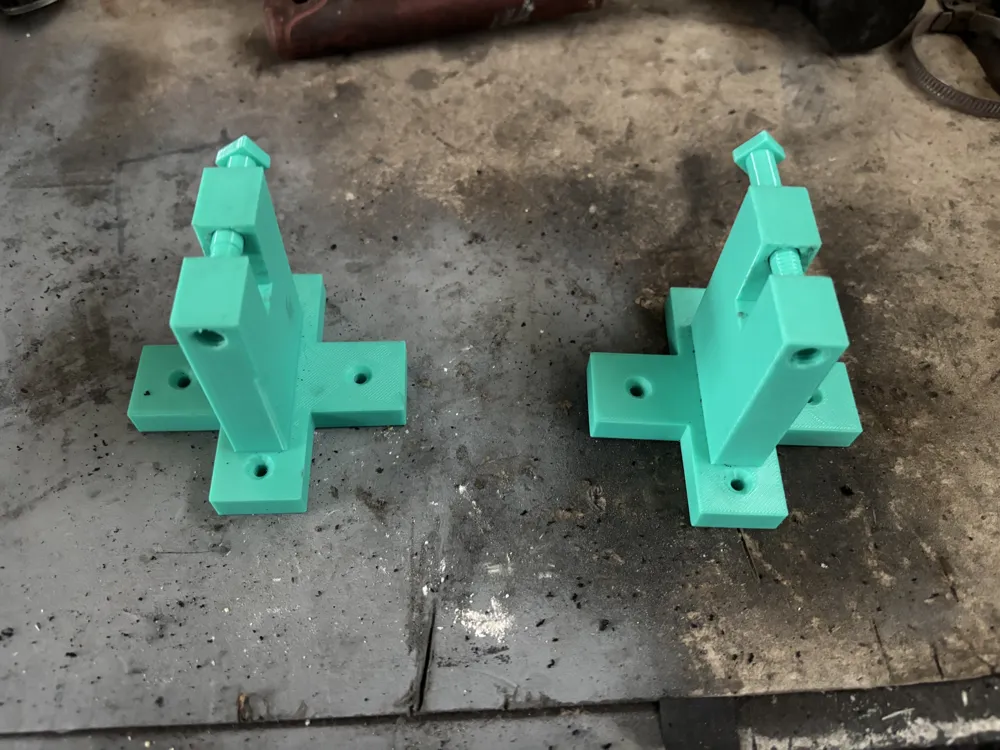
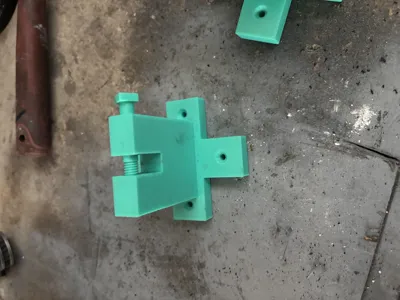
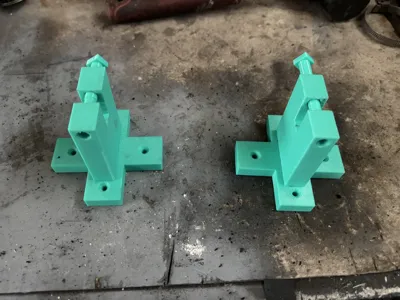
This is a 3D Printed bench stand system to stably lock and test an ebike motor, useful for Hall sensor tests, rotation checks, and electrical controls off the bike. The project consists of two identical PETG stands printed with Bambu Lab P2S and a 0.4 mm nozzle, designed to work as a pair on a test bench. Each stand has a cross base to increase support, a rigid vertical upright, and a U-shaped upper fork for precise motor positioning.
To improve fixing security, you have also printed two locking screws that prevent the motor from coming out during tests. Furthermore, the stands include a 10 mm interlocking feature that prevents the motor from rotating on itself, increasing positioning precision and overall stability. The structure is therefore designed not only to support the load but also to restrain the motor in a mechanically controlled manner.
Print Profile
- Material: PETG.
- Printer: Bambu Lab P2S.
- Nozzle: 0.4 mm.
- Layer height: 0.20 mm.
- Perimeters: 4-5.
- Infill: 40-55%, gyroid or cubic is better.
- Fan: low, about 20-35%.
- Nozzle temperature: 240-250 °C.
- Bed temperature: 75-85 °C.
- Brim: recommended, especially for the supports.
- Orientation: vertical print with cross base on the plate.
Functional Note
As a mechanical bench piece, the project benefits from numerous walls and good adhesion between layers, even more than extreme infill; therefore, PETG is a correct choice for strength and toughness. For a robust and clean result, the profile should prioritize dimensional stability, moderate cooling, and good layer fusion.
License



Comment & Rating (0)