
Tactile Exploration — Montessori 3D Printed Tactile Blind Matching Teaching Aid
Print Profile(2)
Description
Boost Me (for free)
✨ Original Design Intention
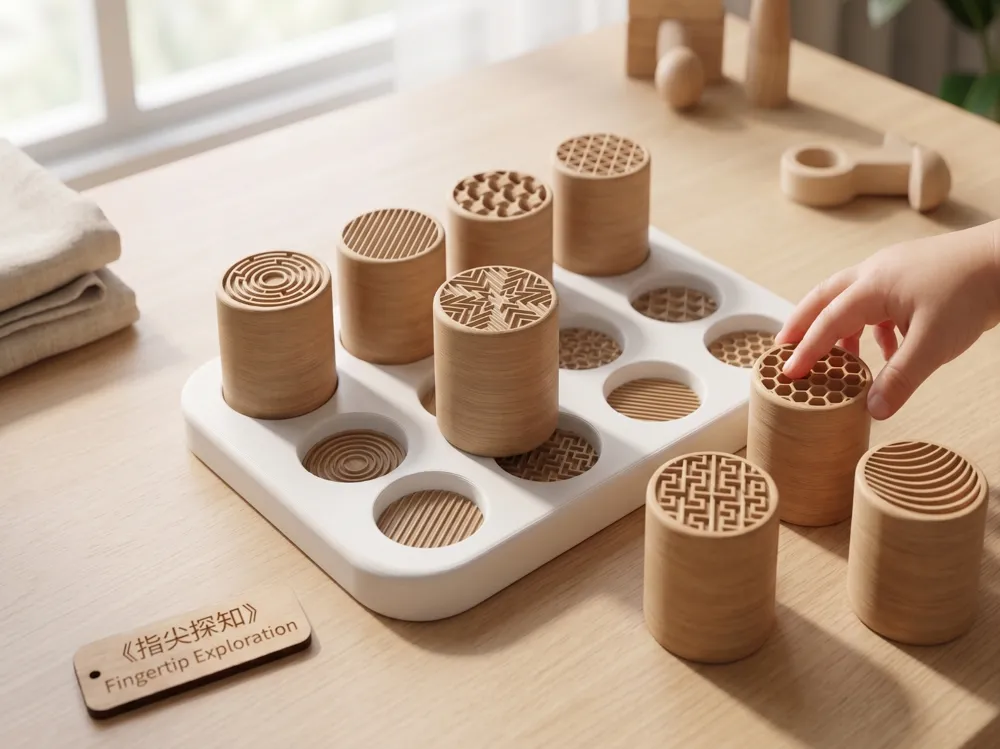
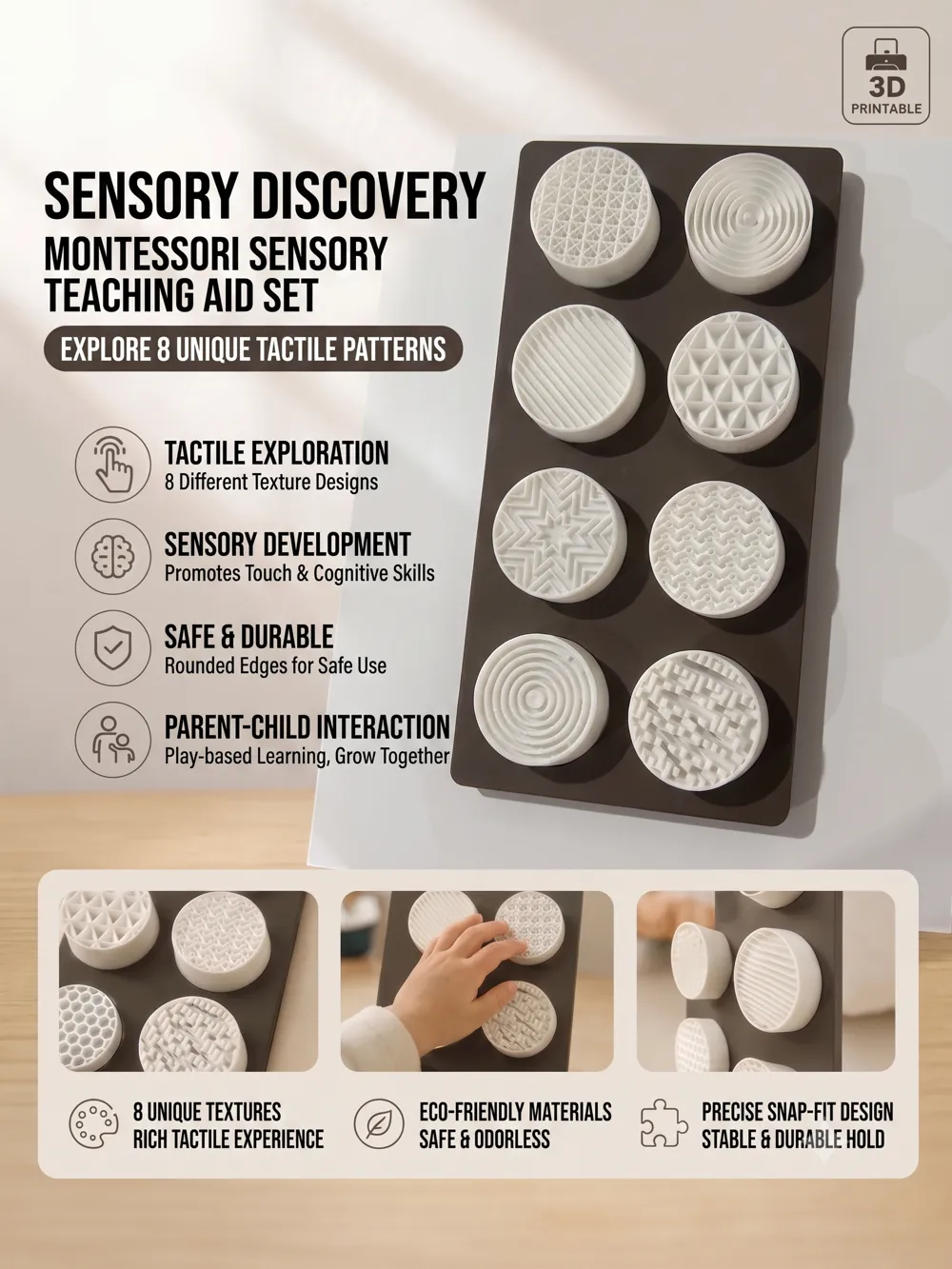
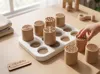
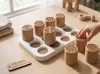
Traditional Montessori tactile teaching aids are usually handmade from sandpaper, cloth, or wood, with complex craftsmanship and single textures. This project breaks away from the conventional thinking of traditional 3D modeling, **completely based on the underlying routing and infill algorithms of FDM 3D printer slicer software (Bambu Studio)**, transforming dull geometric shapes into 8 distinct physical textures. This is not only a fun parent-child sensory teaching aid, but also a deep exploration of the aesthetic craftsmanship of 3D printing slicing. In terms of appearance, the overall design adheres to minimalist aesthetics, with pure lines and safe, rounded edges, allowing children to focus entirely on tactile perception through their fingertips, free from visual interference of colors and complex shapes
🧠 Educational Value and Interactive Play
- Sensory Expansion : The tops of the 8 bricks and their corresponding base holes feature different geometric textures such as concentric circles, Hilbert curves, octagrams, honeycombs, and straight lines (which can be modified according to the slicer infill pattern)
- Fingertip Detective: Scramble the bricks and place them into an opaque bag, then have the child close their eyes (or wear a blindfold). The child needs to rely solely on fingertip touch to distinguish tactile feedback such as "rough, fine, wavy, grid, recessed", build a geometric spatial image in their mind, and finally precisely match it with the corresponding textured holes in the base
- Core Skill Development: Extremely suitable for children aged 3-6, it effectively trains concentration, fingertip micro-movement tactile sensitivity, and early spatial geometric imagination
🚀 Core Process Innovations
This model retains the most basic geometric forms in 3D modeling software, and all tactile "magic" is generated with one click in **Bambu Studio** by modifying "Local Object Parameters":
- Sparse Infill Algorithm: By setting the "Top Shell Layers" of certain bricks and specific areas of the base to **0**, the internal infill with 15% density is directly exposed
- Heterogeneous Material Seamless Separation : (Optional Process Play) This design supports using the physical property of **PLA and PETG being incompatible with each other**. By adding multiple layers of PETG as a zero-tolerance separation layer between the brick and the bottom texture piece in the slice, "Print in Place and snap apart" can be achieved, perfectly ensuring that the textures of the two mating surfaces are 100% coaxial and fit perfectly
License



Comment & Rating (0)