
HydroMover - The Water Powered Toy Car
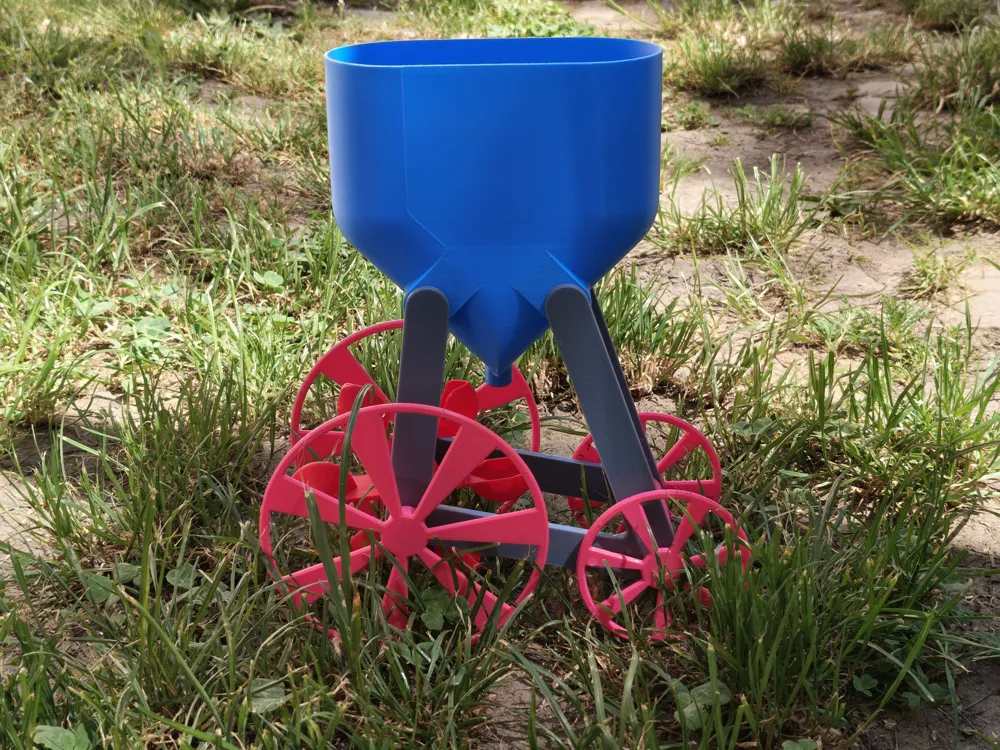
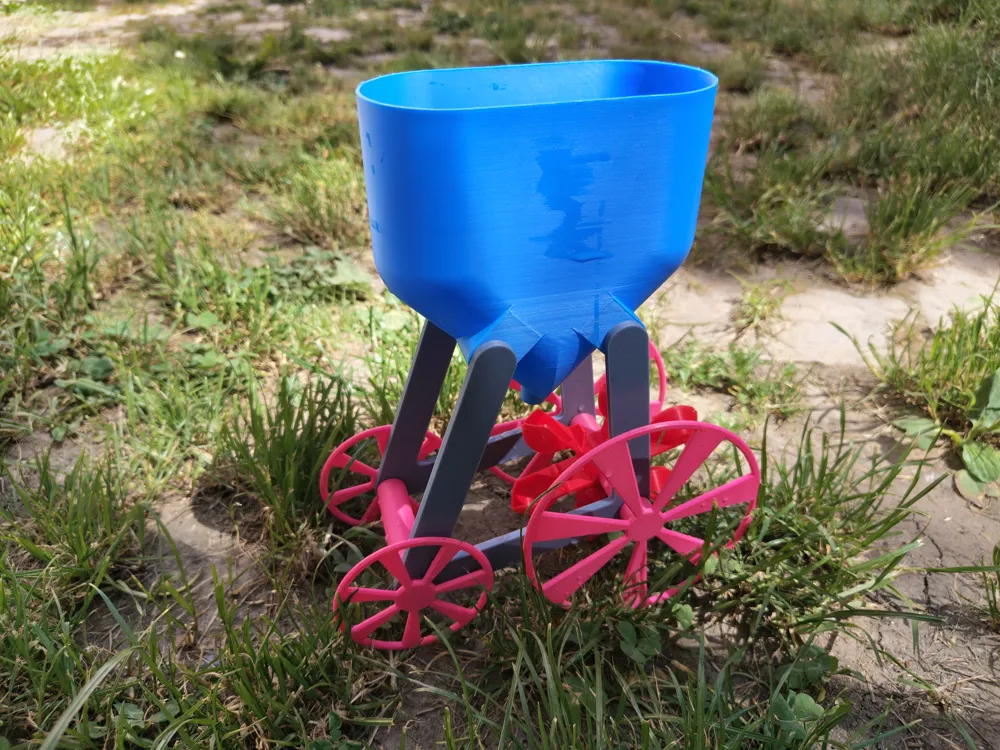
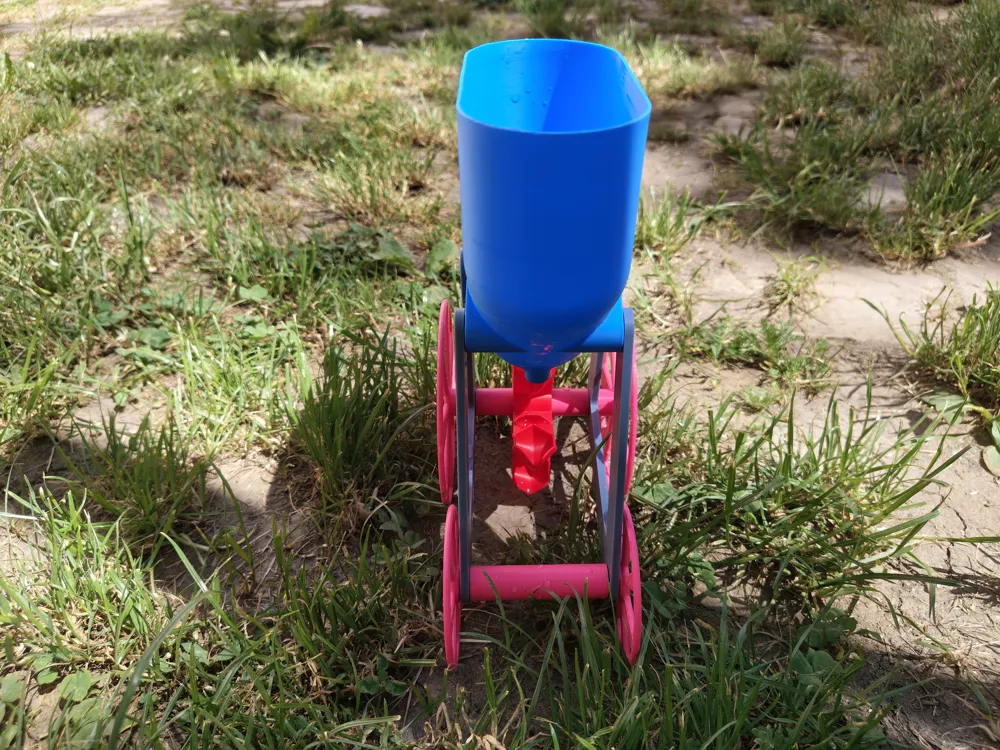
Print Profile(3)
Description
⭐ The Original
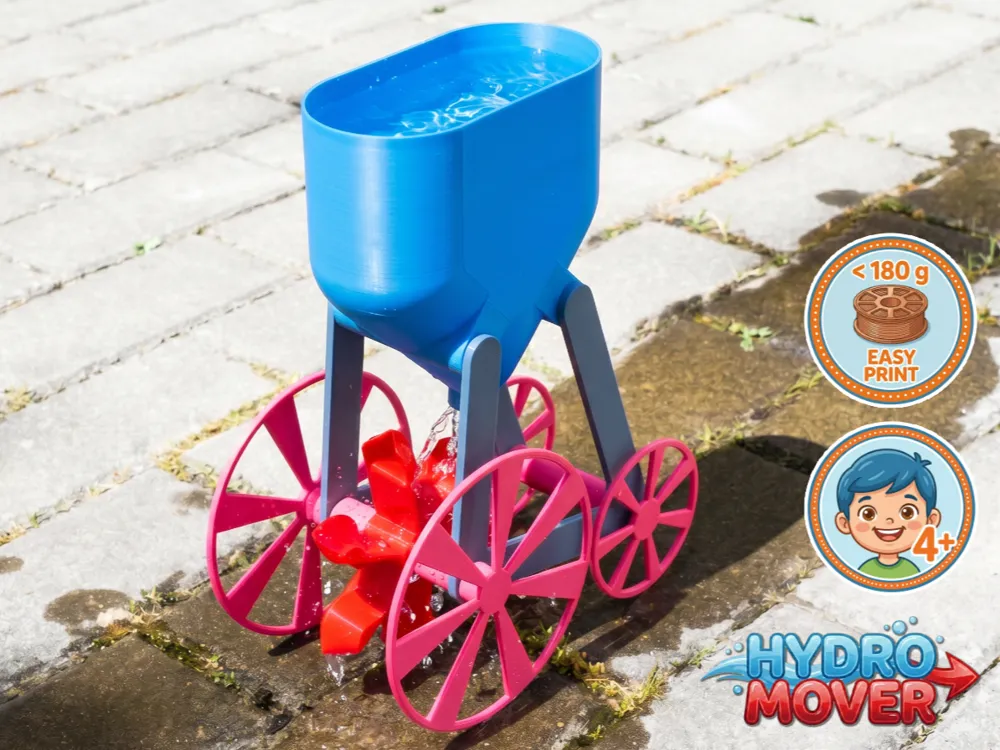
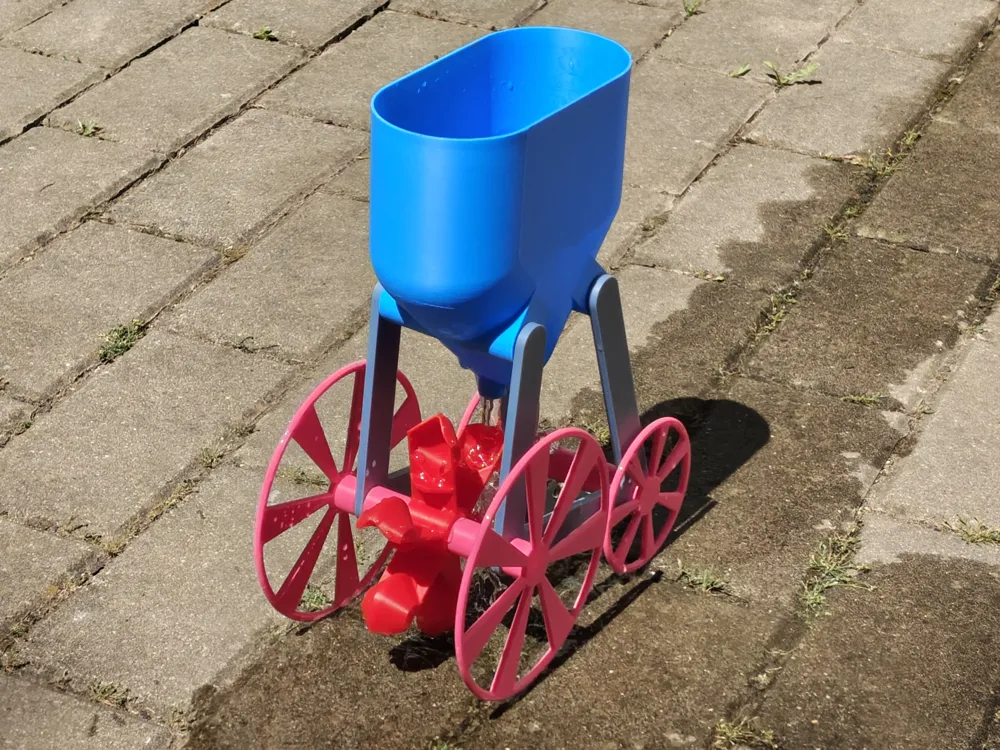
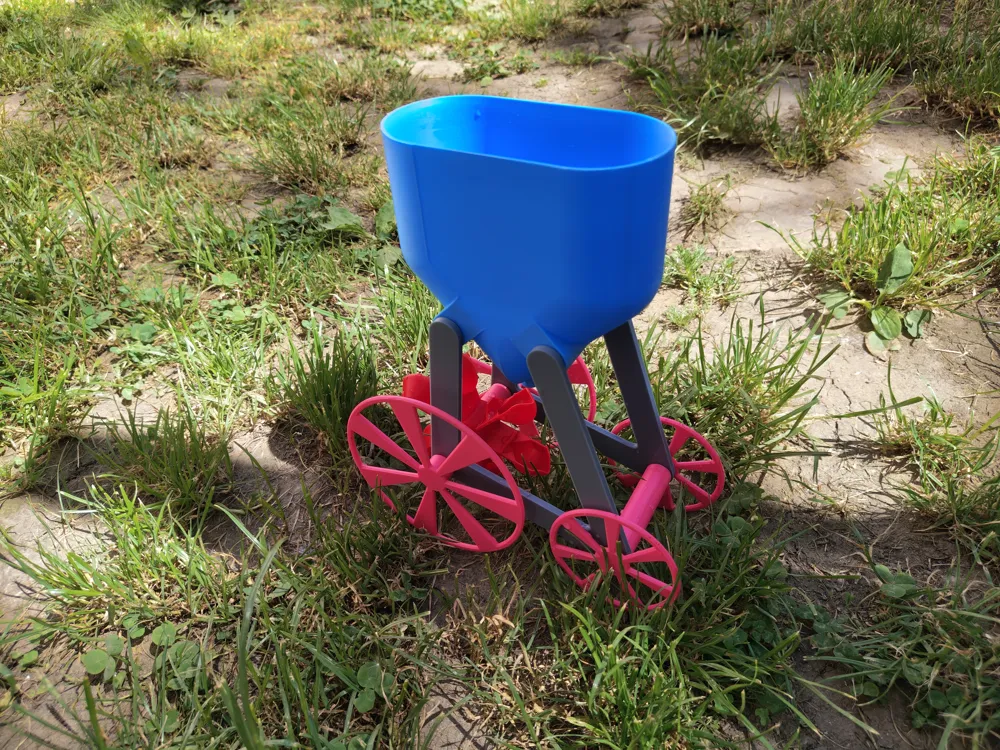
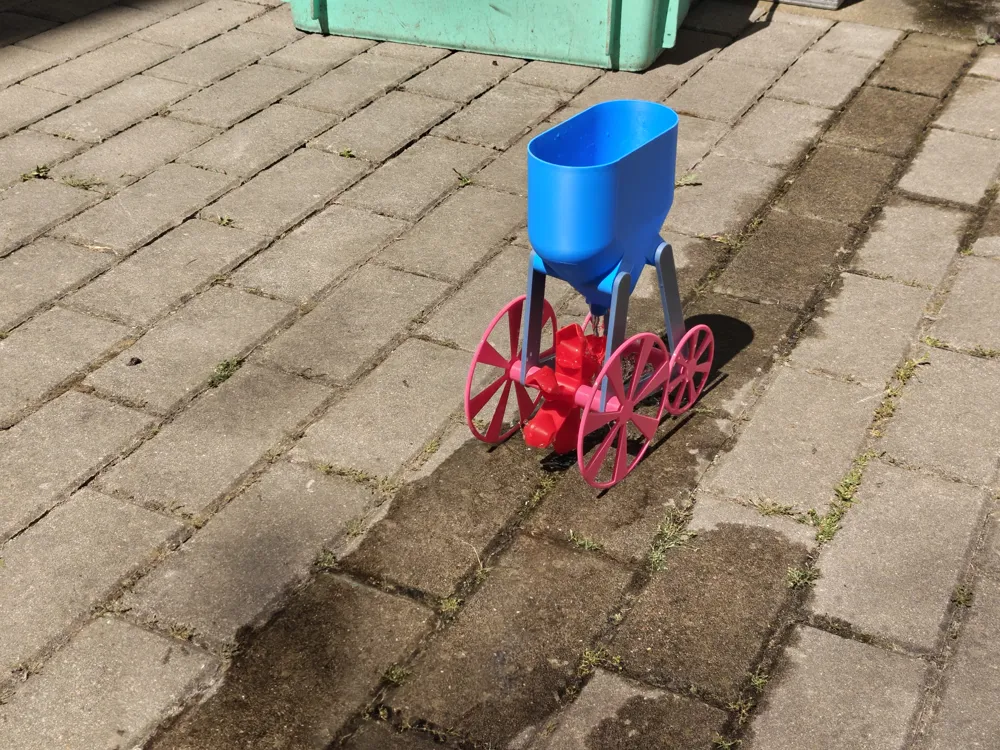
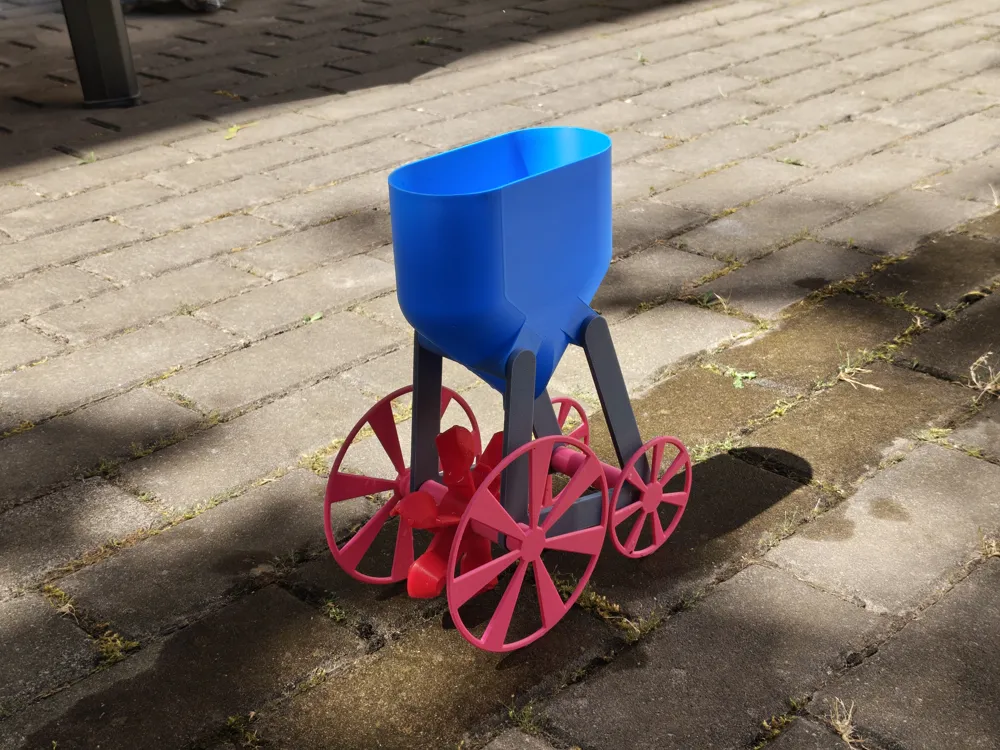
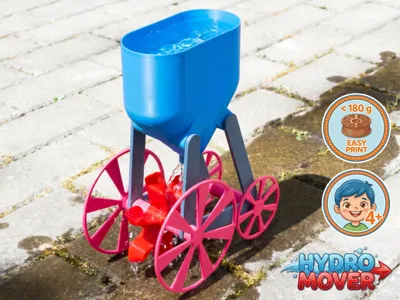
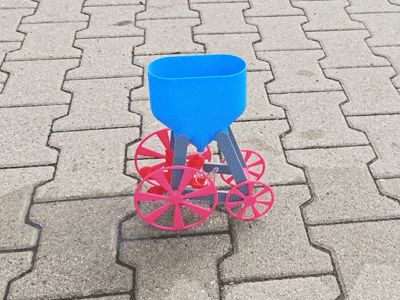
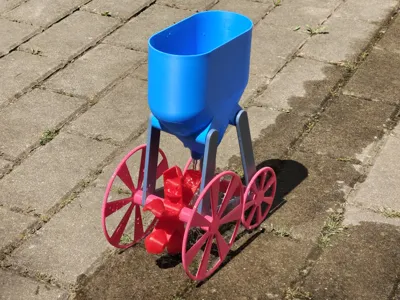
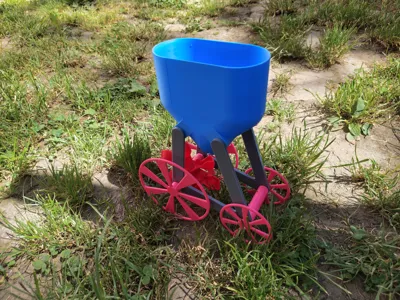
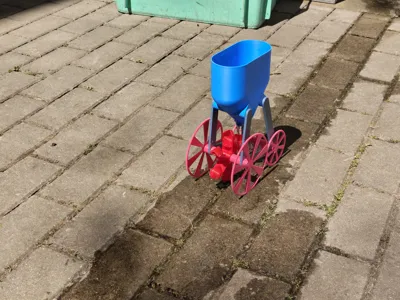
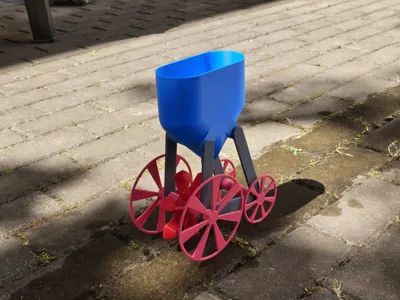
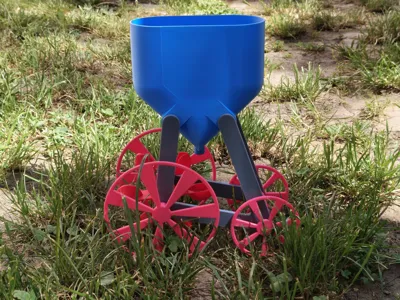
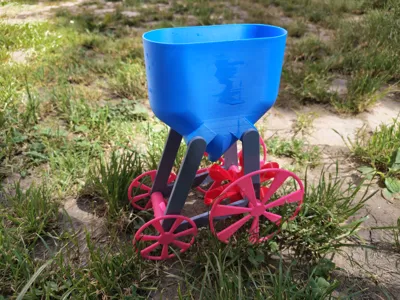
The HydroMover is the world's first fully 3D Printed vehicle with pure water propulsion that operates entirely without batteries, motors, electronics, or additional parts. This toy car uses only the physical force of water and gravity for locomotion. The perfect craft and discovery project for children aged 4 and up
The HydroMover has made it into the spotlight of Flashforge 3D! Thanks to Flashforge for the feature 😁👍
🛠️ Step-by-step assembly instructions (Super easy!)
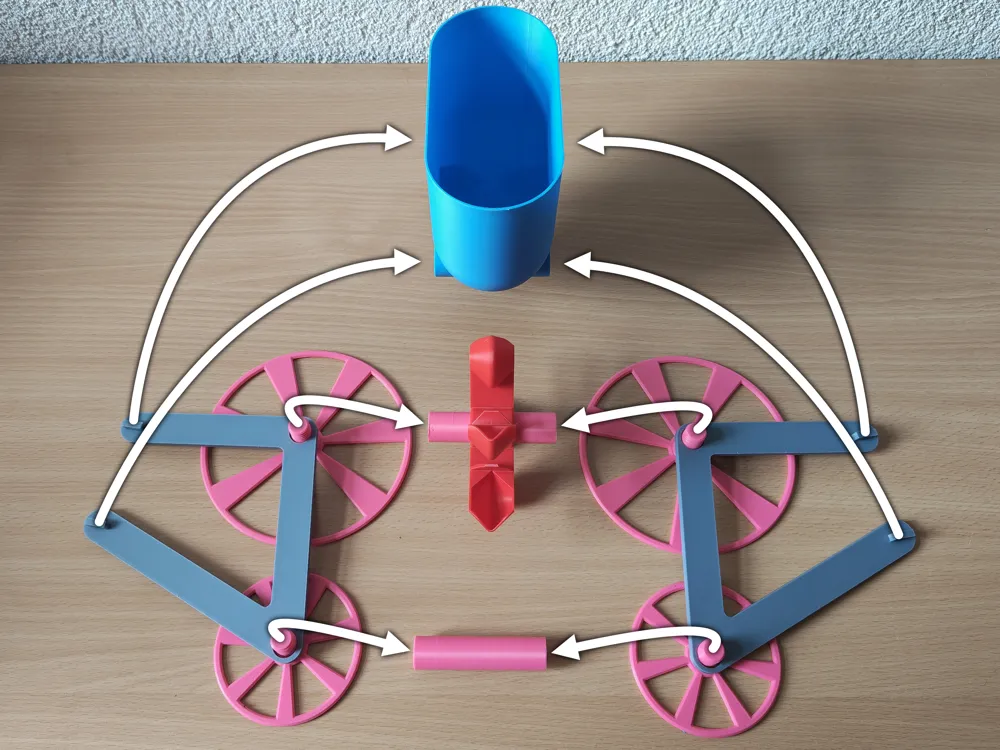
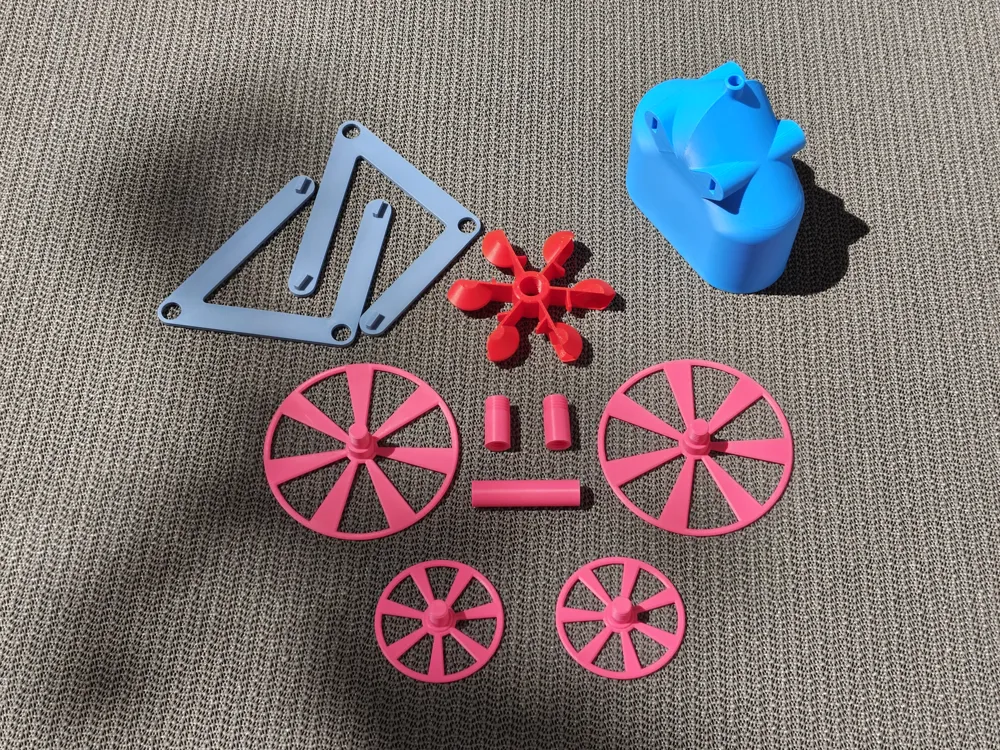
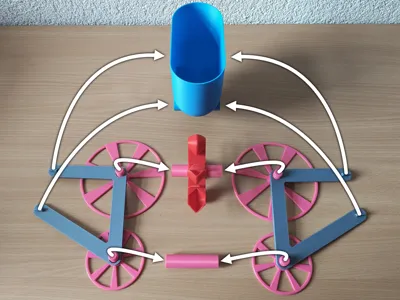
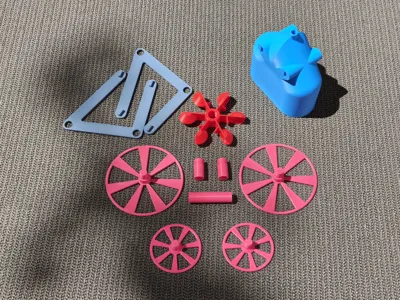
The assembly of the 11 parts requires no glue or tools. All threads are 3D Printed and are simply screwed together by hand
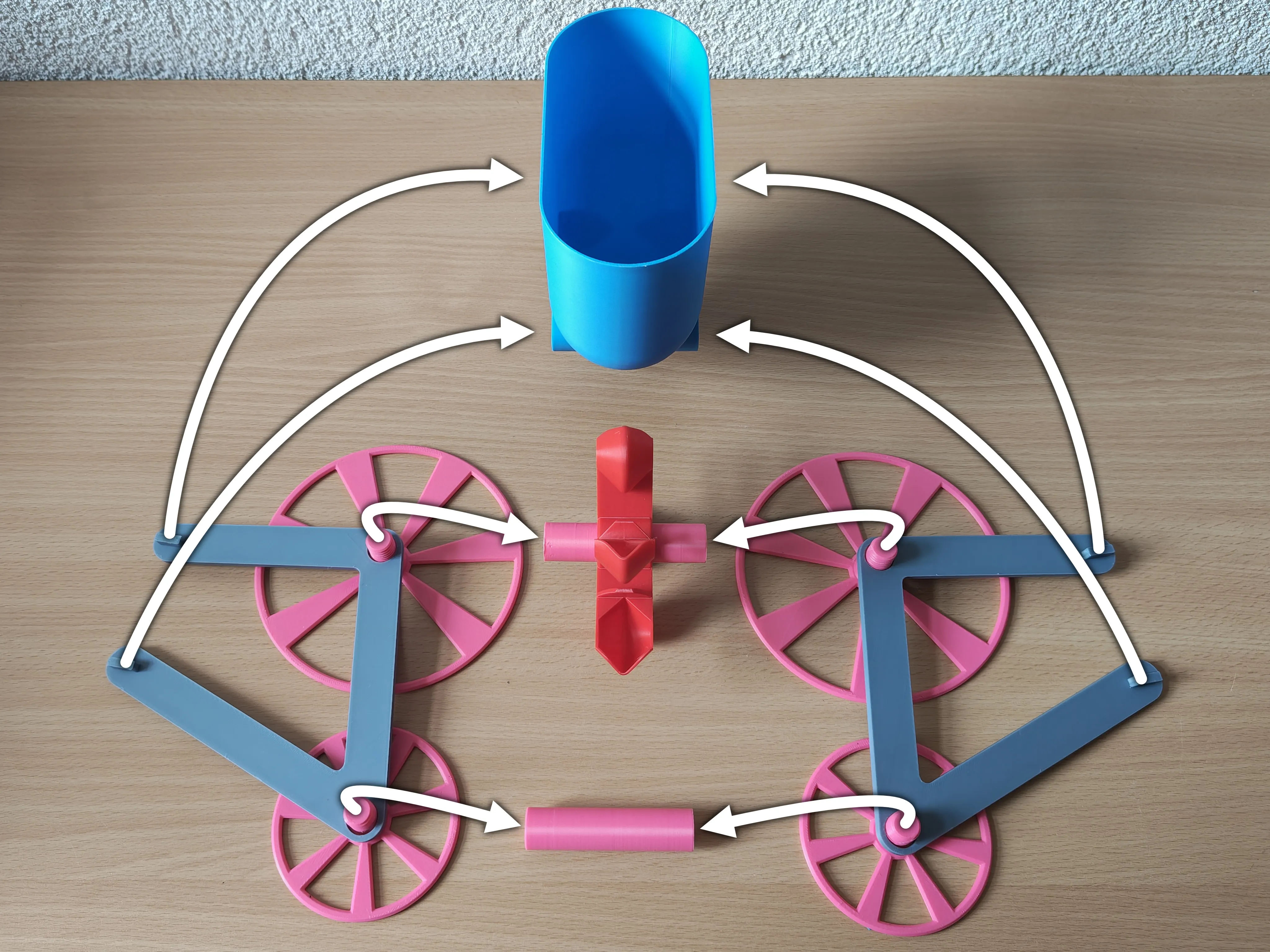
- Prepare the water wheel: Screw the two short screws into the left and right sides of the water wheel
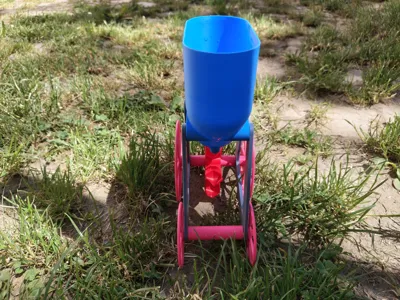
- Rear axle & water wheel: Insert the large wheels through the straight chassis legs and screw them firmly to the water wheel. (Important: The bucket openings must face forward!)
- Front axle: Hold the long axle shaft between the angled chassis legs and screw it from the outside with the small wheels
Attach the tank: Simply snap the water tank into the holder on top of the chassis. Done!
🎓 Hands-on Physics: How does it work?
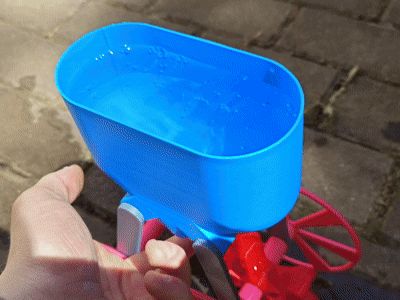
This toy makes physics tangible and shows children directly how mechanics work in real life. Gravity pushes the water down in the tank, creating the necessary pressure at the nozzle. There, the water shoots out as a jet from the 8mm opening and precisely hits the blades of the water wheel (this is exactly how real hydroelectric power plants generate electricity)
Children also learn about mass and inertia. The water makes the vehicle heavy at the beginning (approx 750g of water with a vehicle weight under 180g). The water jet must therefore overcome static friction initially to set the vehicle in motion
⚠️ Important for a perfect ride
Since there's no artificial motor power assisting, the environment determines success: You need an absolutely flat, smooth surface (like smooth asphalt or stone flooring) without pebbles or obstacles
As soon as the water shoots out, give the car a very small push with your finger. This minimal impulse breaks the high starting and rolling resistance caused by the weight of the full water tank on the axles. Alternatively, a slight downhill slope works perfectly. Once the HydroMover is rolling, the water jet effortlessly keeps it going
🖨️ Printing Information for Parents
The model has been optimized for material savings and stability. The entire set is neatly divided across only 2 print plates (A1 mini 4 print plates) and uses under 180 grams of filament. To avoid print failures, the tank and the tall axles are provided with a brim, which ensures maximum bed adhesion. Another tip for material choice: The model is optimized for standard PLA (Bambu Lab PLA Basic). Silk or other exotic filaments can affect tolerances as they have different shrinkage behavior when cooling. So if you want to be on the safe side, please print the toy in standard PLA 😊
🛠️ Preparation (Adult task!)
After printing, the brim on the axles and tank must be carefully removed with a utility knife. Please do not leave this to children. Only if the cut edges are absolutely smooth will the axles run completely freely later without braking friction in the bearings
💧 Note on Usage
This model uses water as a mechanical propulsion medium to teach children physical principles in a playful way. Responsibility for conscious resource management lies solely with the guardians. To minimize water consumption in the context of sustainability, we recommend using a closed loop system (e.g., by collecting and reusing the water using a suitable tray)
Get the original, fire up your printer, and show your kids how much power is in a simple cup of water!
👍 Free support: A like and a place in your collection show us that the CAD hours were worth it. ☺️
License

You shall not share, sub-license, sell, rent, host, transfer, or distribute in any way the digital or 3D printed versions of this object, nor any other derivative work of this object in its digital or physical format (including - but not limited to - remixes of this object, and hosting on other digital platforms). The objects may not be used without permission in any way whatsoever in which you charge money, or collect fees.


Comment & Rating (180)