
Print Profile(1)
Description
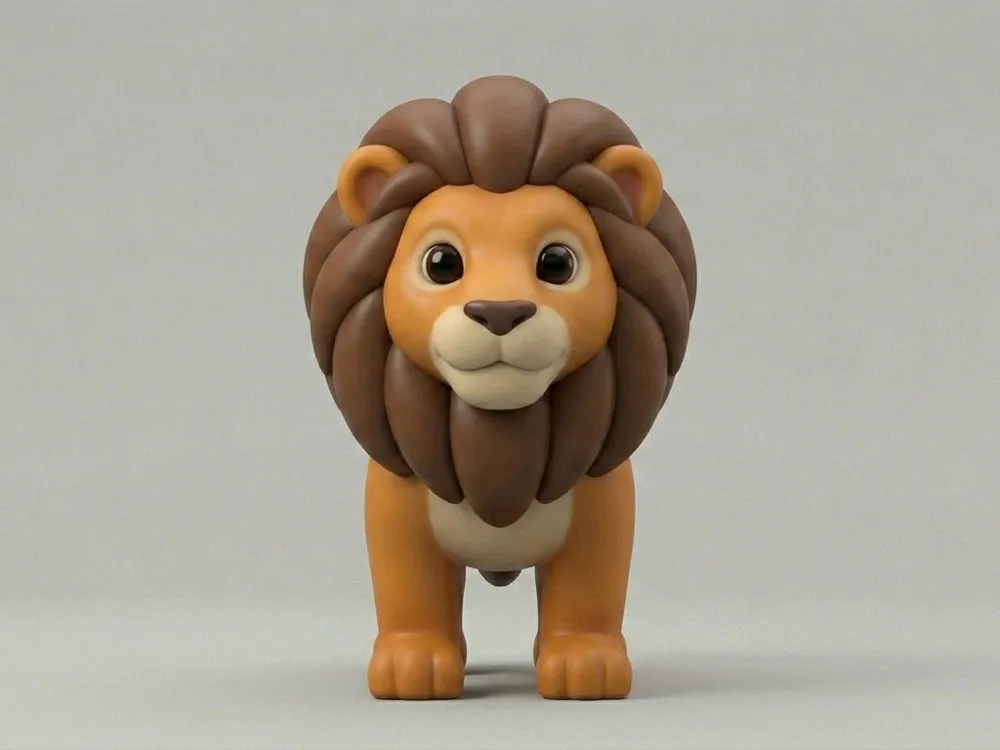
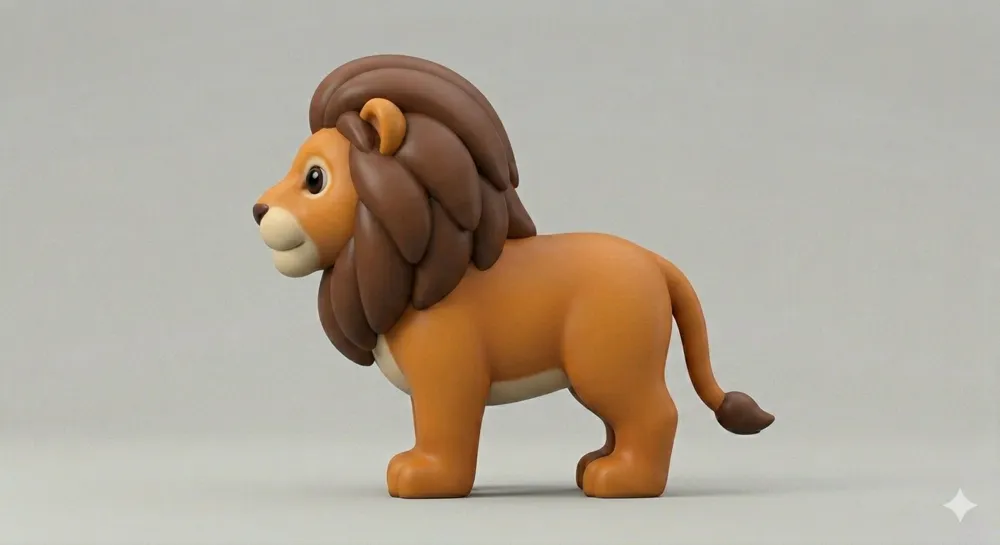
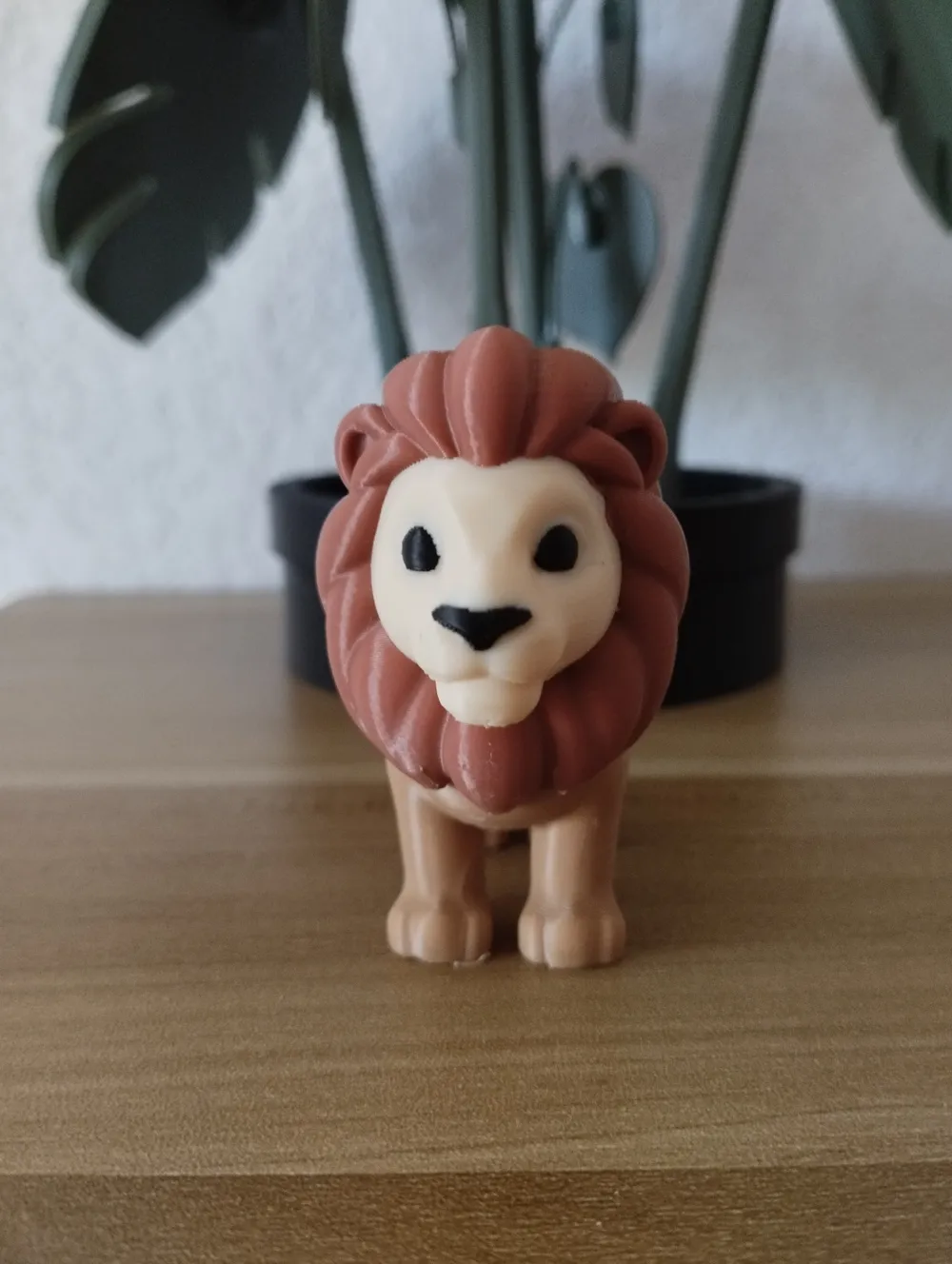
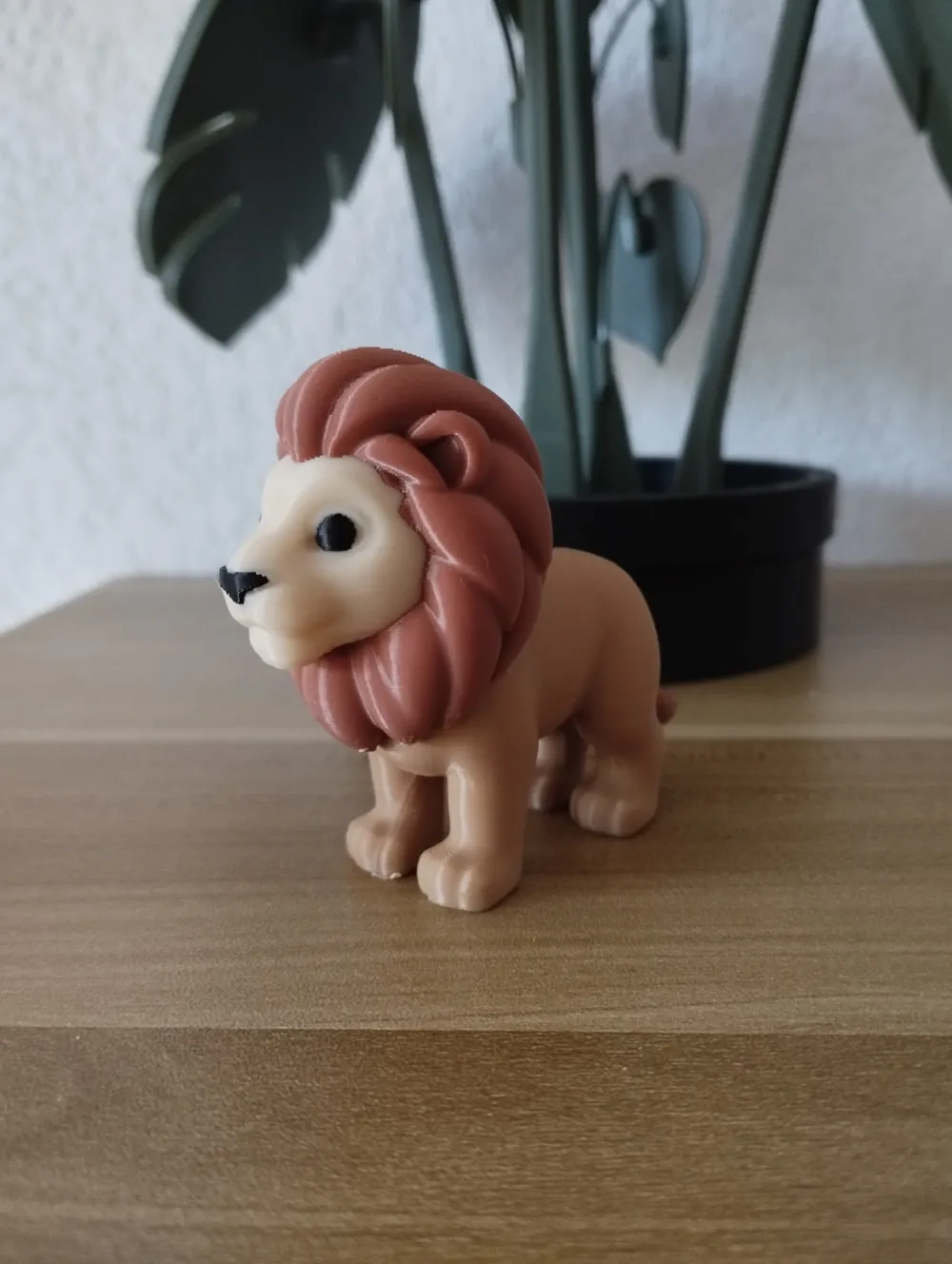
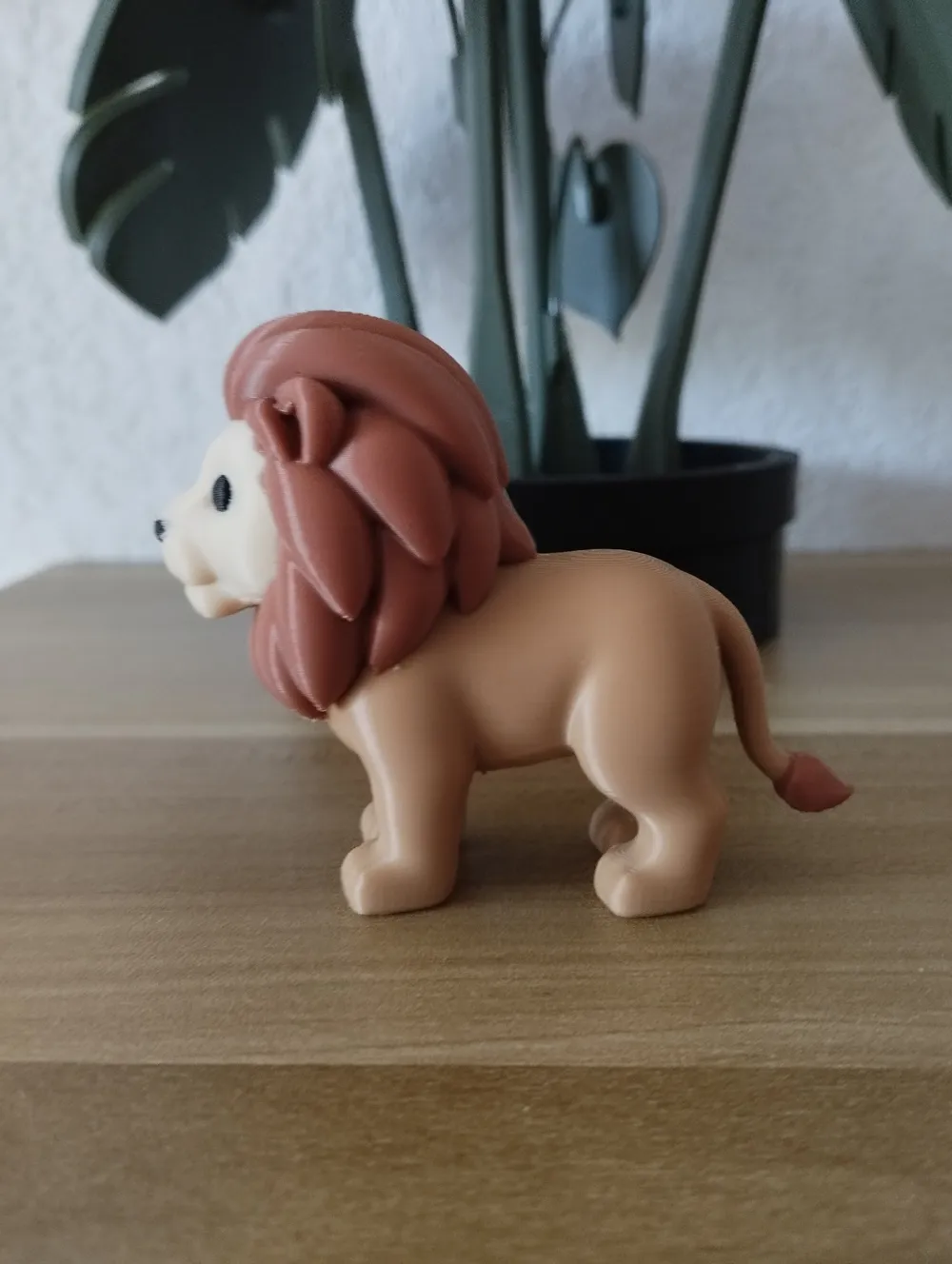
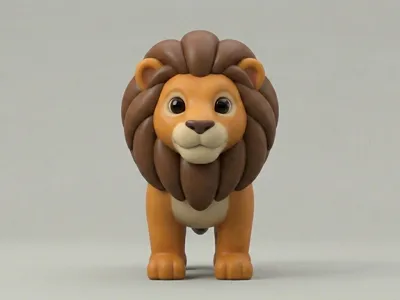
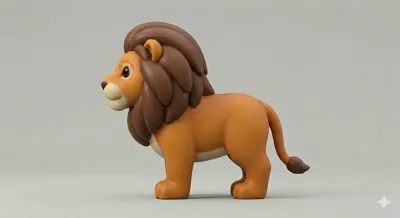
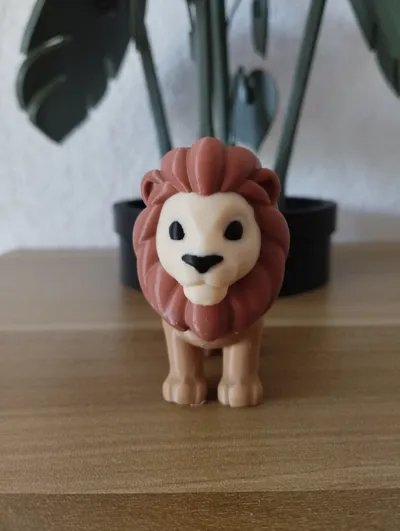
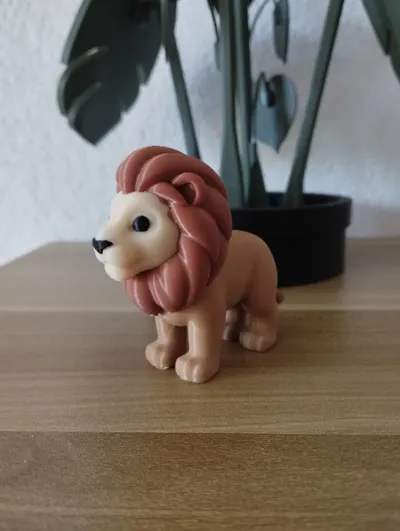
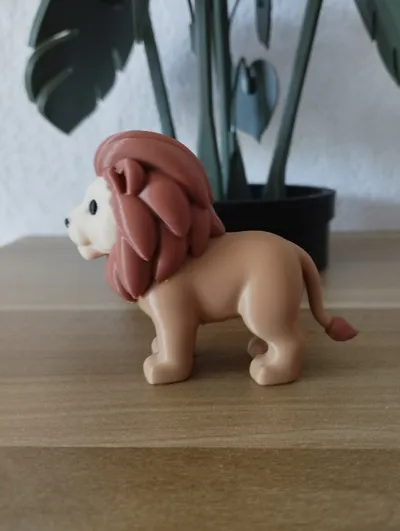
Here is a brief summary of the lion, rightly nicknamed the "king of animals" :
Who is he?
The lion is a carnivorous mammal of the feline family (like the tiger, leopard, or cat). It is the second largest big cat in the world after the tiger. The male is easily recognizable by its imposing silhouette and majestic mane, the female is the lioness, and the cub is the lion cub.
Physical Characteristics
- The mane: Reserved for males, it starts growing around 2 years of age. The darker and denser it is, the healthier and more powerful the lion, which impresses rivals and attracts lionesses.
- A powerful roar: The lion roars. Its roar is so powerful that it can be heard up to 8 kilometers away, serving to delineate its territory.
Lifestyle and Social Structure
Unlike most other big cats, which are solitary hunters, the lion is a highly social animal :
- The pride: It lives in groups (prides) composed of a few dominant males, several related females, and their cubs.
- Task sharing: It is the lionesses who hunt most often, in groups and in a coordinated manner. Males, being heavier and less agile, primarily defend the territory against intruders and hyenas. However, the male always eats first (the "lion's share").
Diet and Habitat
- Habitat: It is found mainly in the savannas and grassy plains of Sub-Saharan Africa. There is also a very small, highly endangered population of Asiatic lions in the Gir Forest in India.
- Diet: It is an exclusively carnivorous apex predator. Its favorite prey are large herbivores: wildebeest, zebras, antelopes, and sometimes buffalo.
A Vulnerable Species
Although it has no natural predators as an adult, the lion is now classified as vulnerable. Its population has dramatically decreased due to habitat loss, conflicts with livestock breeders, and poaching.
Boost Me (for free)
thank you
License

You shall not share, sub-license, sell, rent, host, transfer, or distribute in any way the digital or 3D printed versions of this object, nor any other derivative work of this object in its digital or physical format (including - but not limited to - remixes of this object, and hosting on other digital platforms). The objects may not be used without permission in any way whatsoever in which you charge money, or collect fees.


Comment & Rating (0)