
Parts Storage and Filament Rack Trolley Workbench
Print Profile(6)
Description
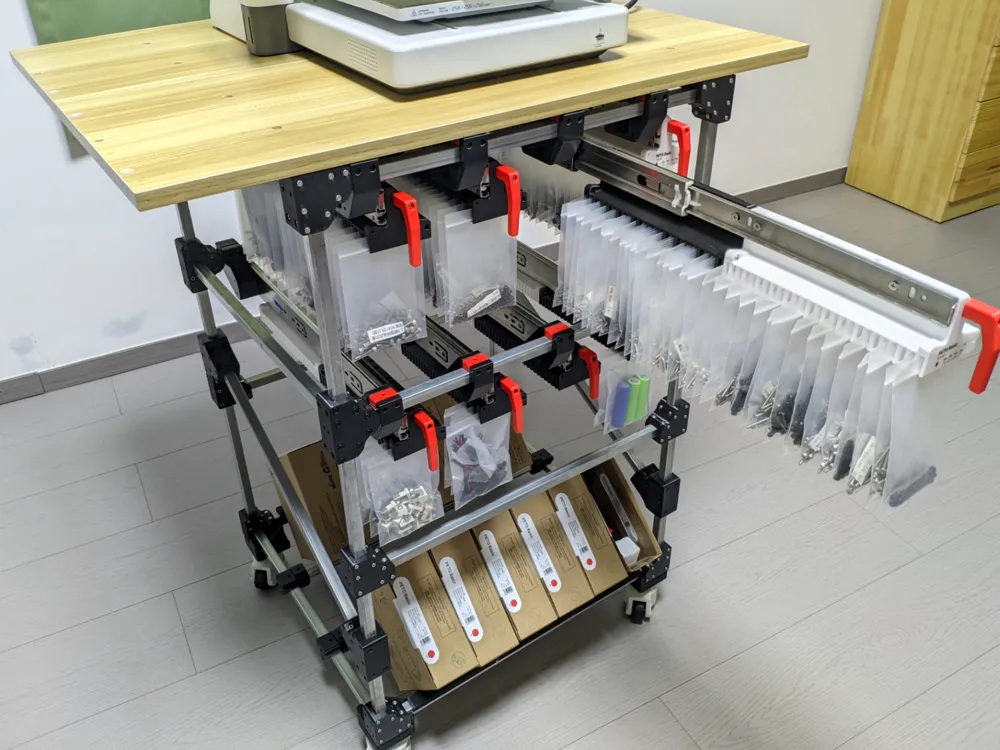
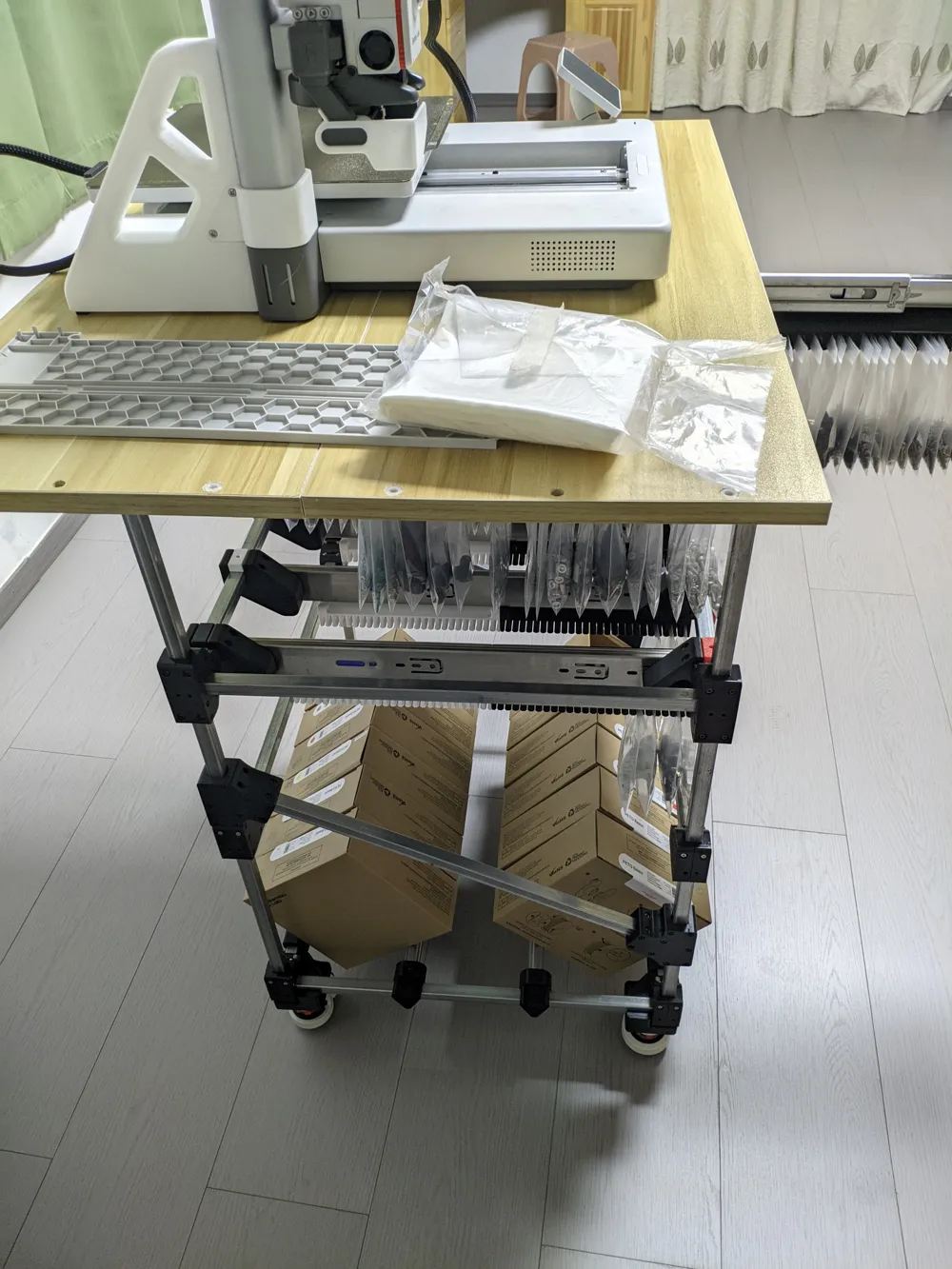
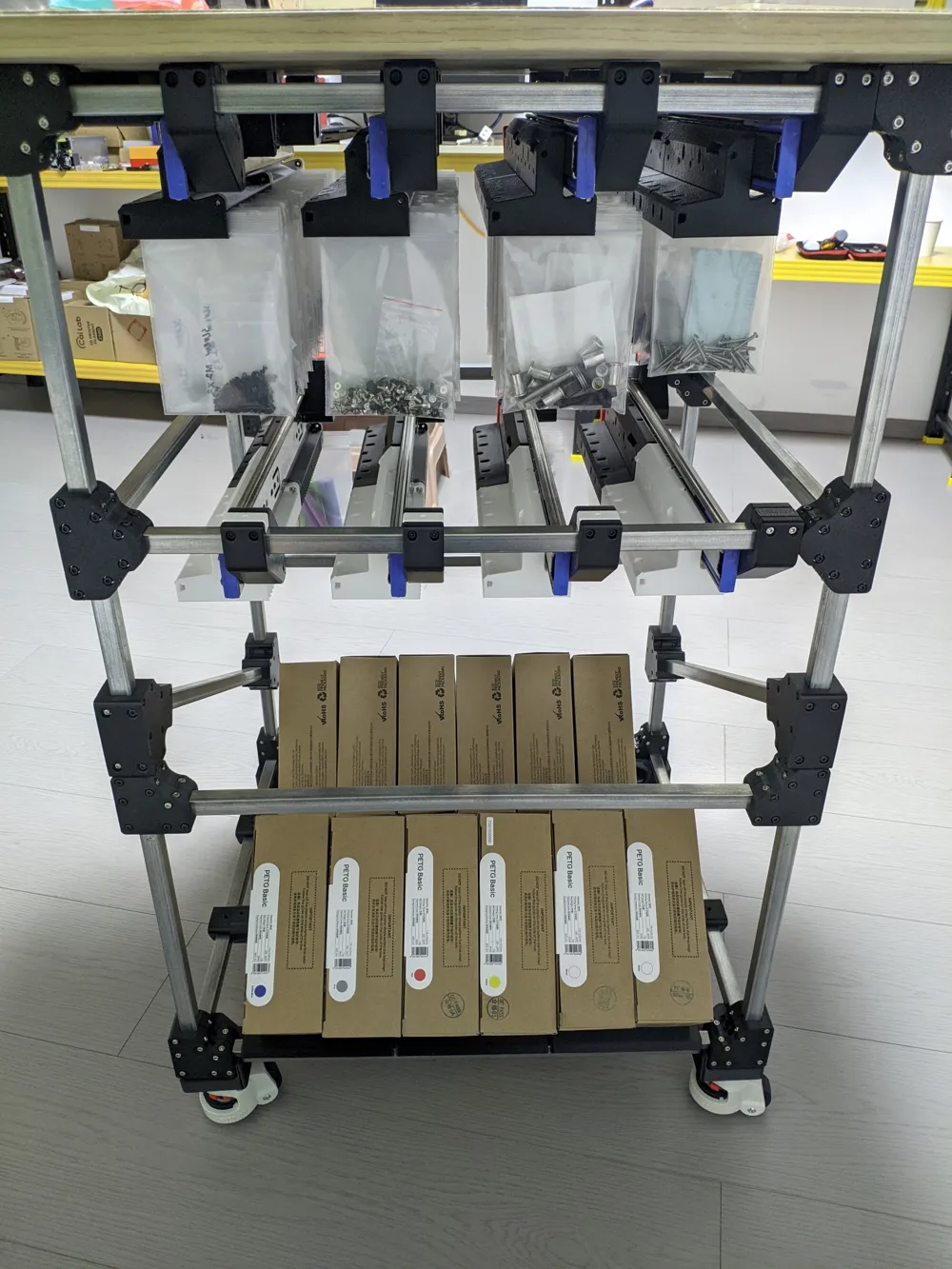
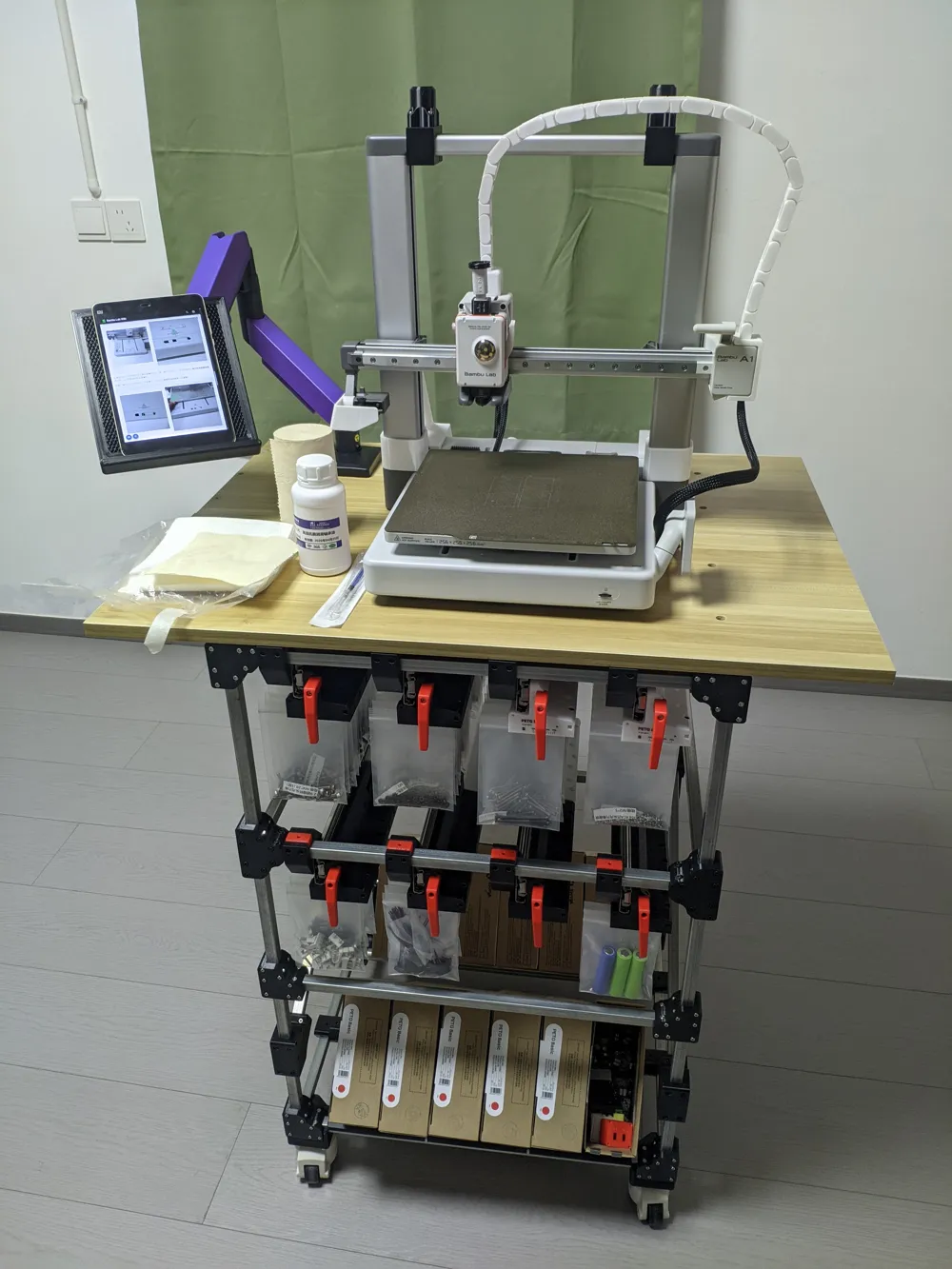
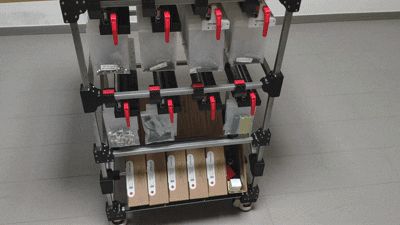
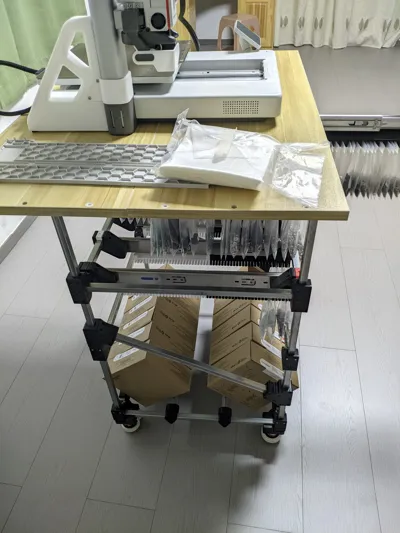
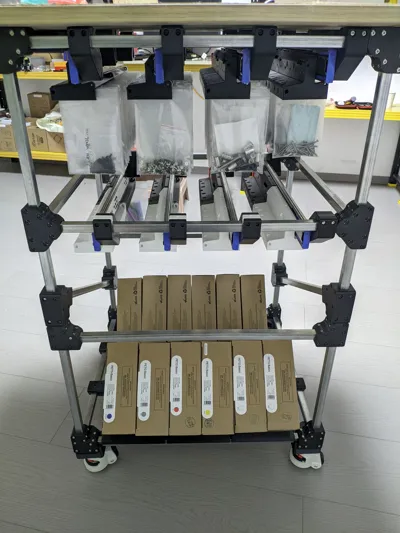
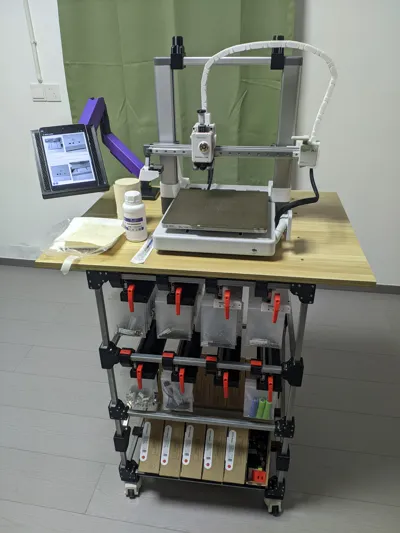
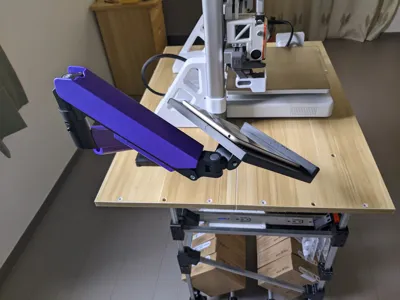
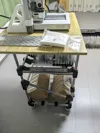
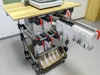
A storage rack and workbench made from inexpensive 1515 square tubes as the main body, combined with various three-way connectors and fixing blocks. It has a moderate height and requires no drilling, welding, special skills, or tools
Multiple storage racks can be horizontally combined into a larger workbench by connecting the square tubes using the provided three-way connectors
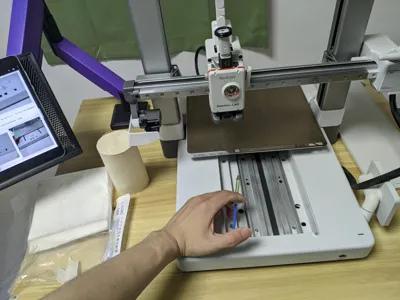
The tabletop was removed from old furniture, or you can customize MDF yourself; a thickness of 1.5cm or more is recommended
M3 nuts are needed

M3 set screws

M3*30 cap head bolts

3*7*0.5 flat washers

M6*20 hex socket cap head self-tapping screws

23 pieces of 0.5m long 1515 square tubes, two of which need to be cut in half. Contact the seller before purchasing to have them cut. (They don't look as good as aluminum profiles, but they won't break the bank and offer better strength. If you find them unappealing, you can spray paint them)

2 pieces of 0.5m long, 20mm diameter round tubes (can be replaced by the square tubes mentioned above)

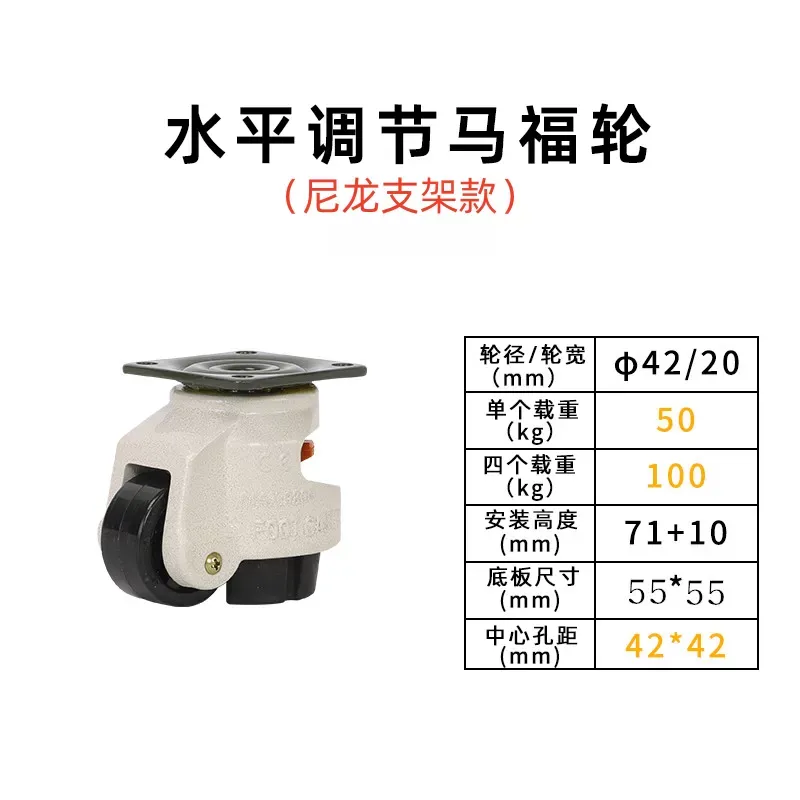
4 40f casters

You can install some brackets as needed
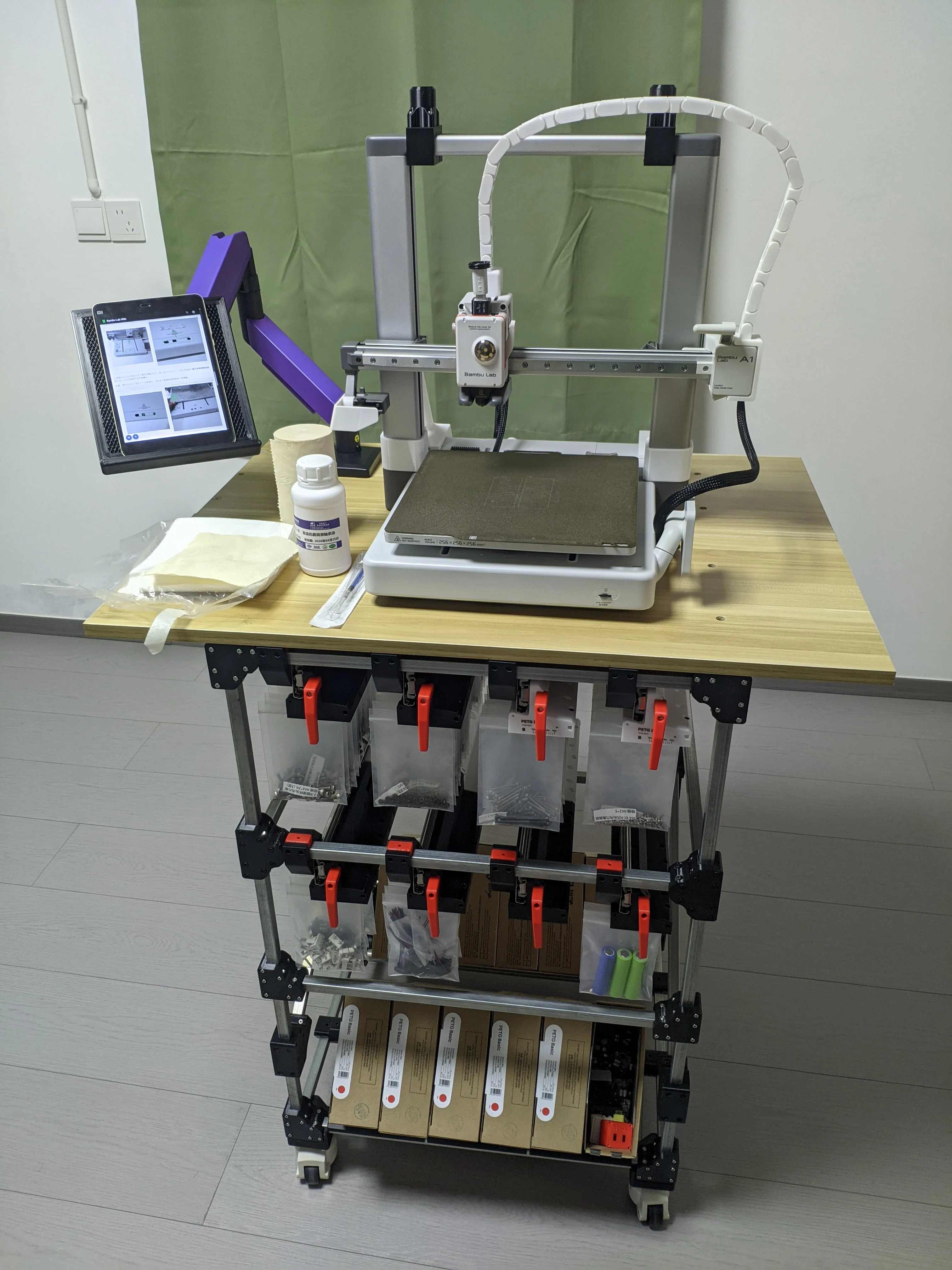
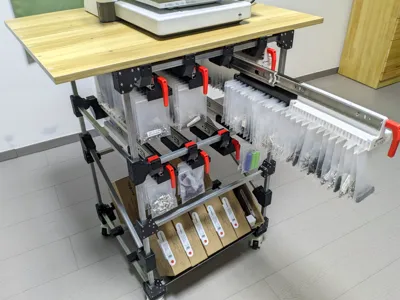
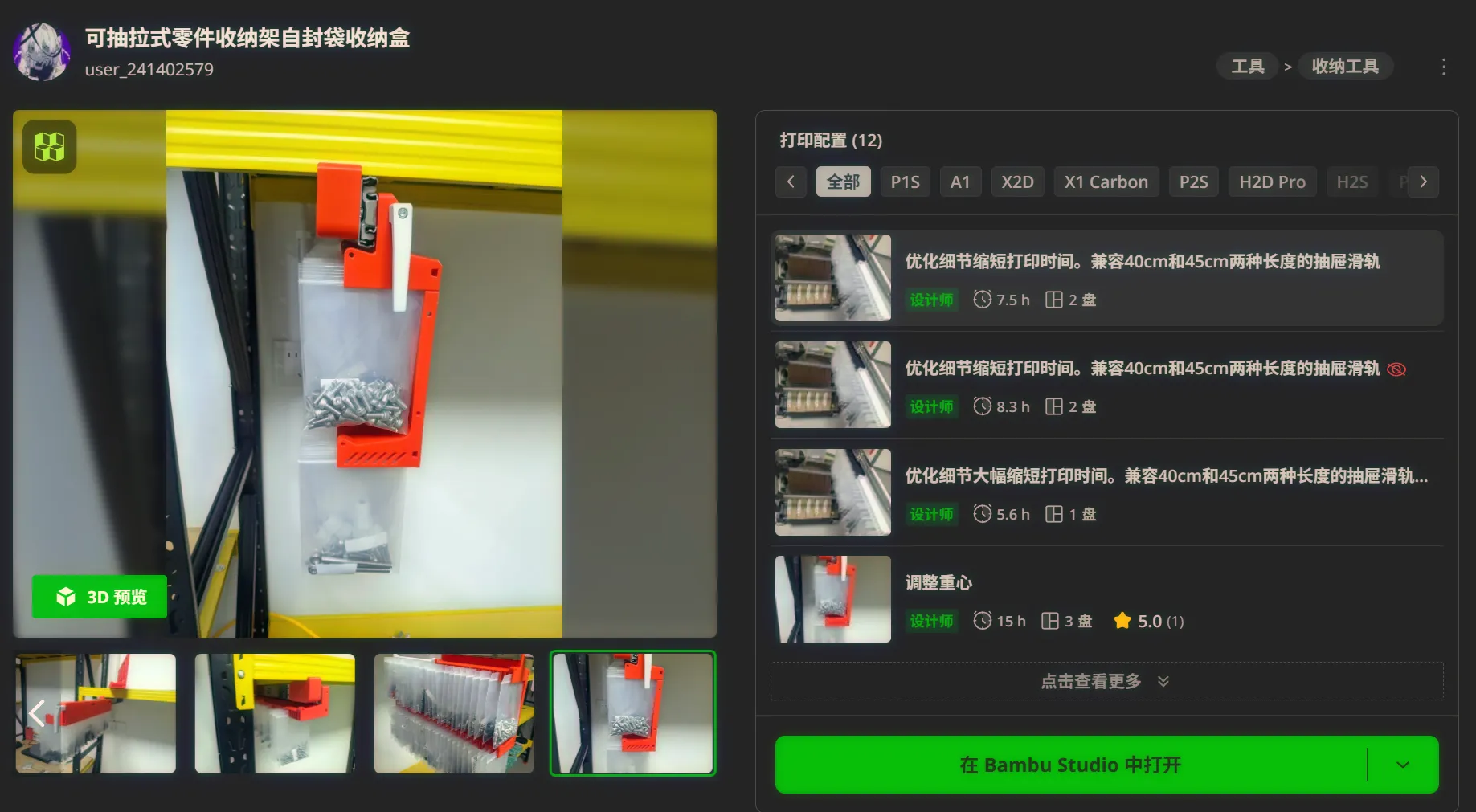
You can find a pull-out self-sealing bag hanger here, which can be fixed onto the square tubes with the provided fixing blocks and 45cm drawer slides
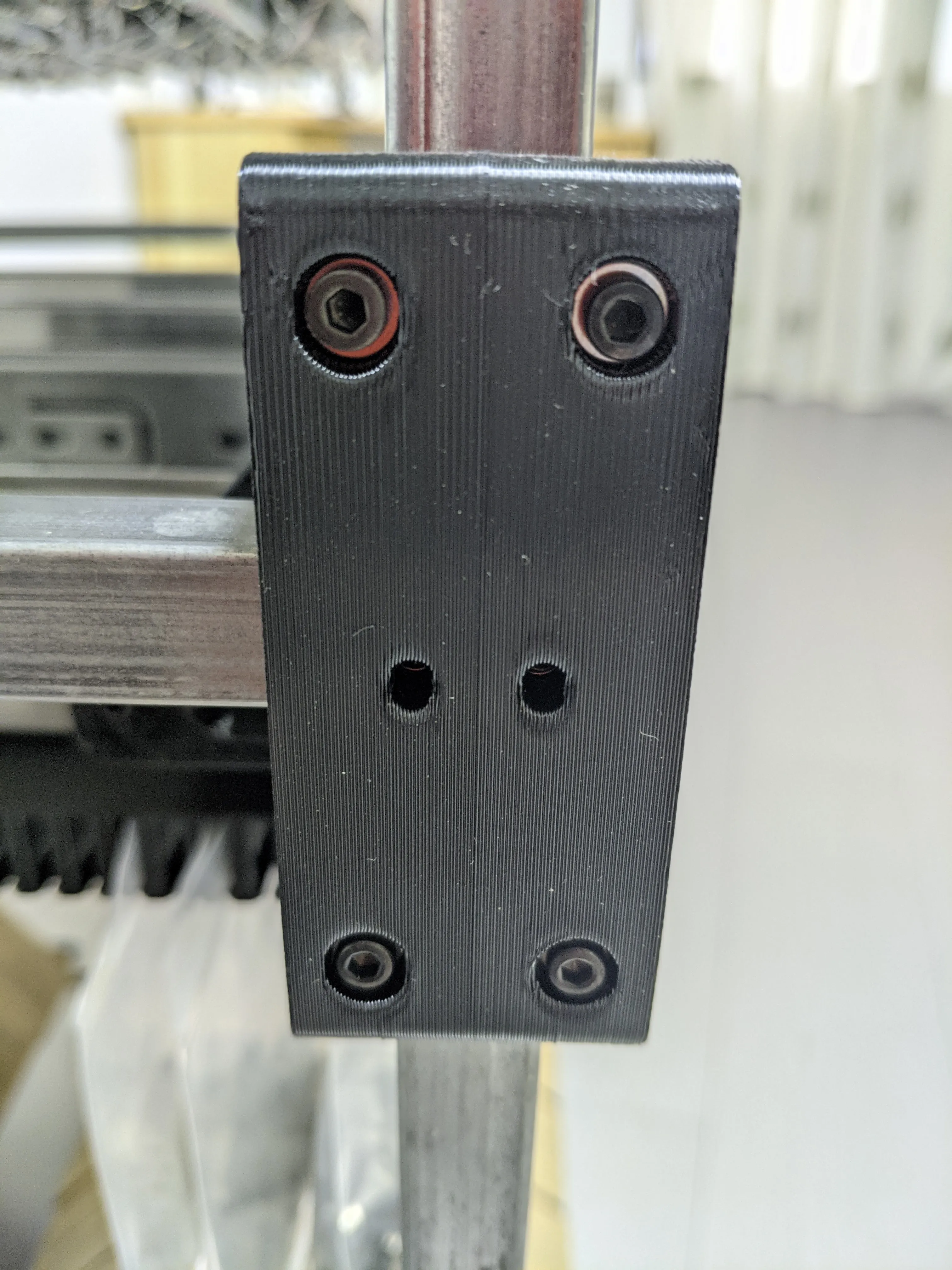
When installing the three-way connectors, first secure the side bolts, then tighten the set screws after all components are assembled

The 0.6mm nozzle print profile uses a pseudo-Brick Layers slicing method. This method applies different line widths to adjacent upper and lower outer perimeters, causing the perimeters to offset and enhance print strength; therefore, the flow rate needs to be slightly increased
License

You may create derivative works based on this object, provided that all such derivative works are published exclusively on the MakerWorld platform and include proper attribution to the original creator. You may not share, upload, host, distribute, or publish this object—or any derivative work of this object—on any other digital platform, marketplace, or distribution channel. Commercial use of this object and any derivative works is strictly prohibited. This includes, but is not limited to, selling, renting, sublicensing, or using the object in any context in which you receive monetary compensation or other financial benefits.


Comment & Rating (0)