
Parametric 22.5 watt PD DIY charger (LX-PB225M)
Print Profile(1)
Description
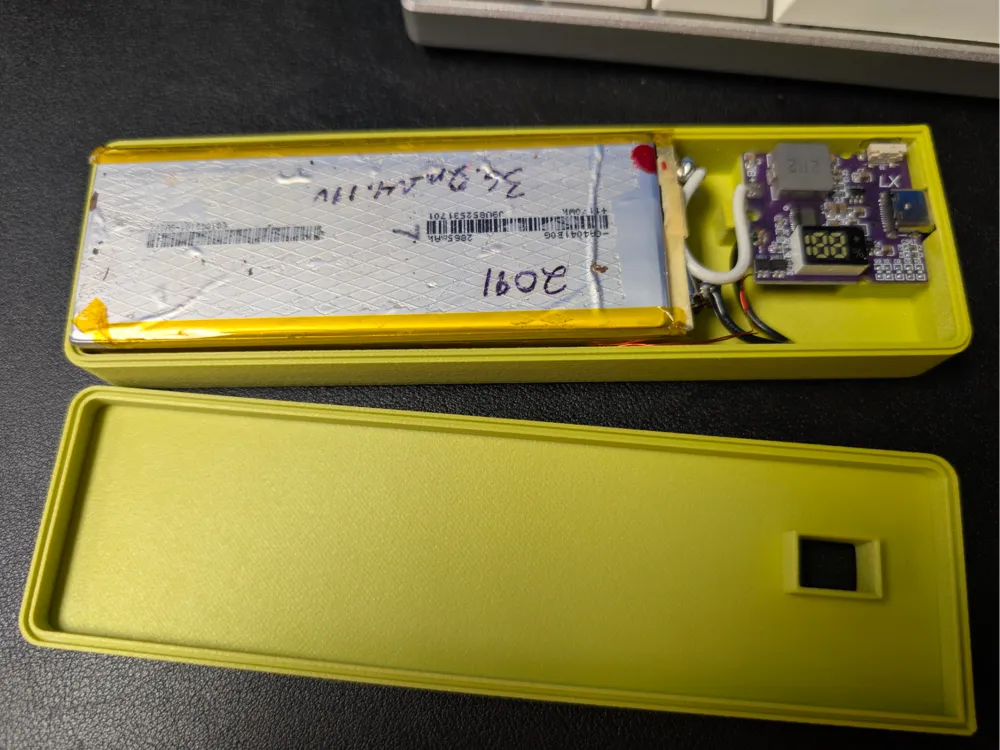
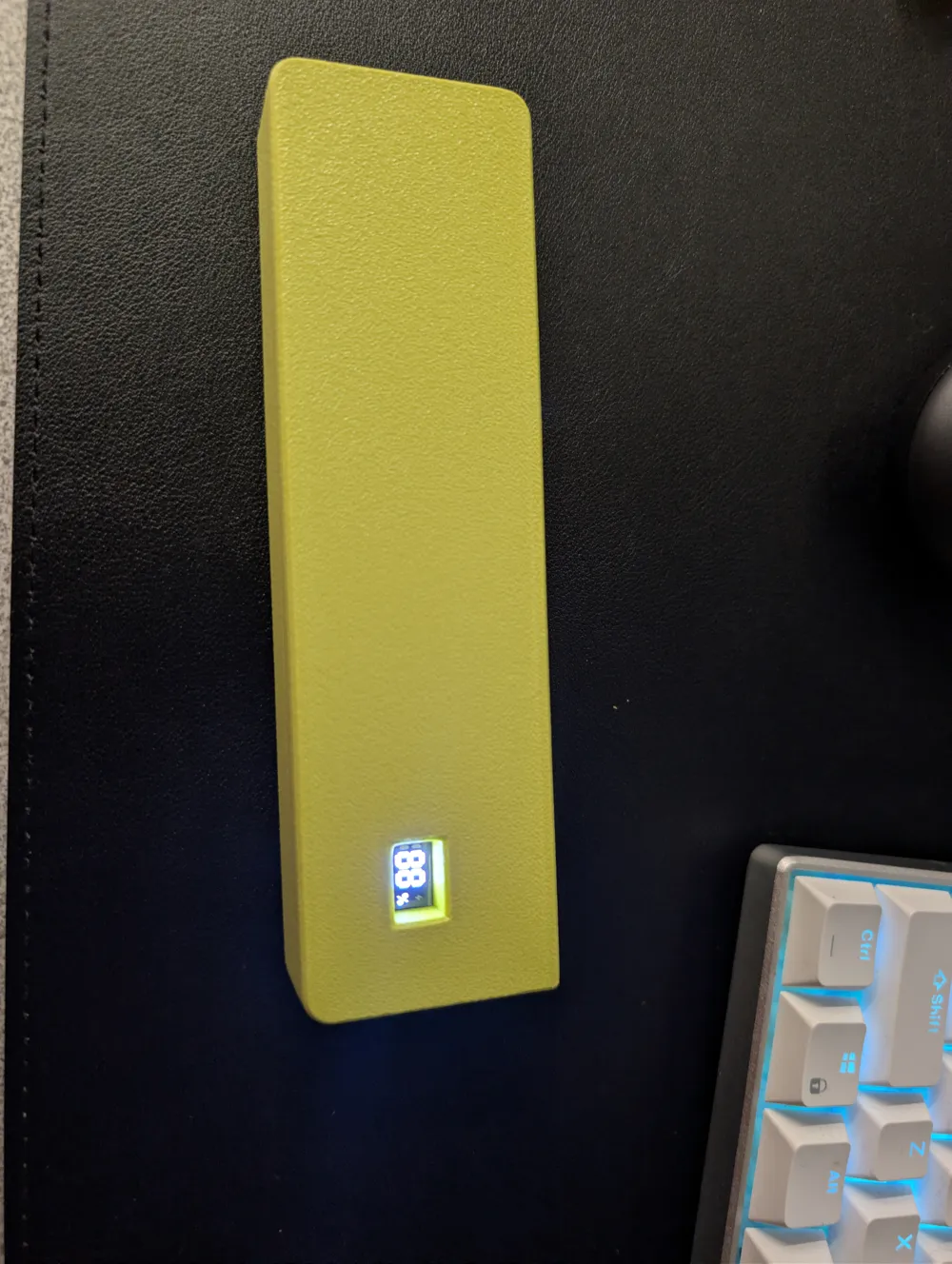
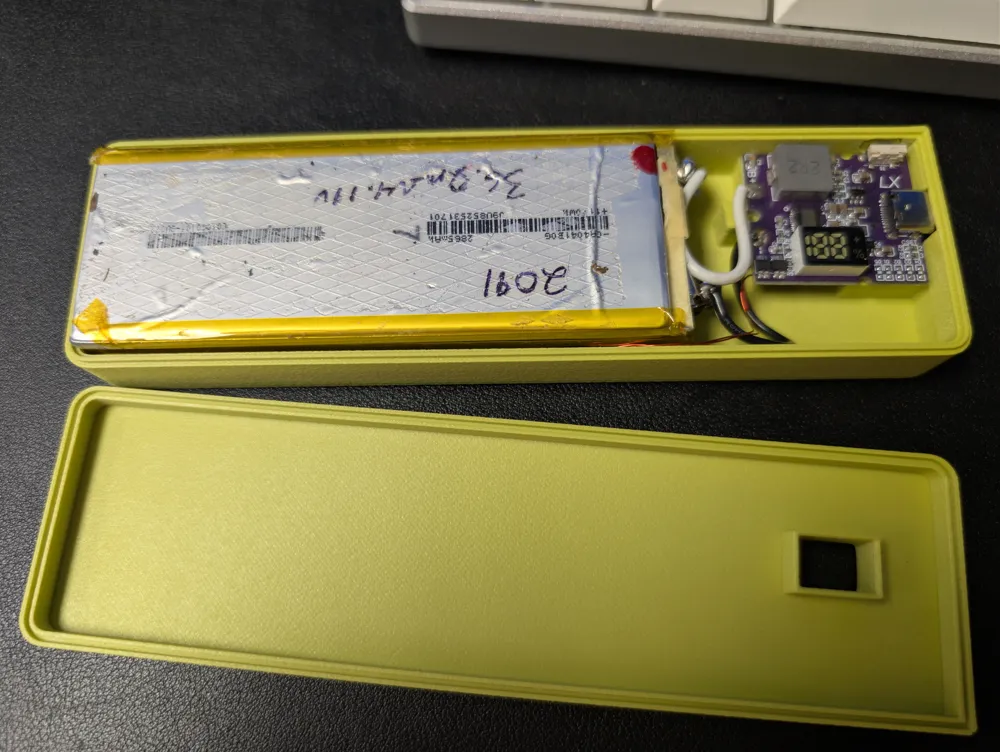
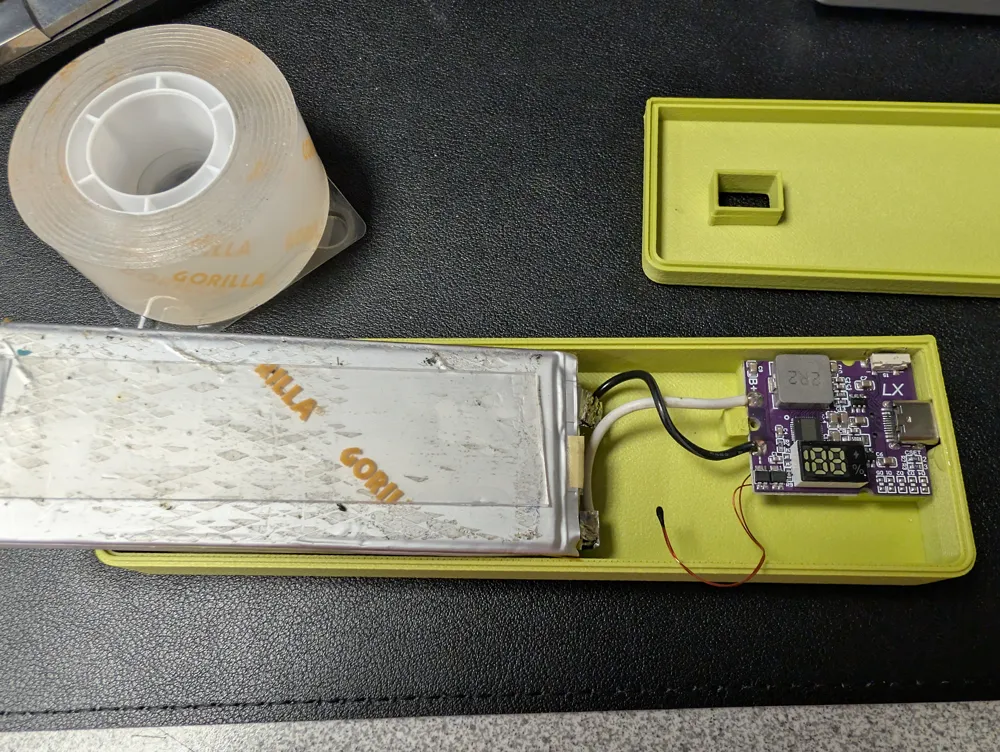
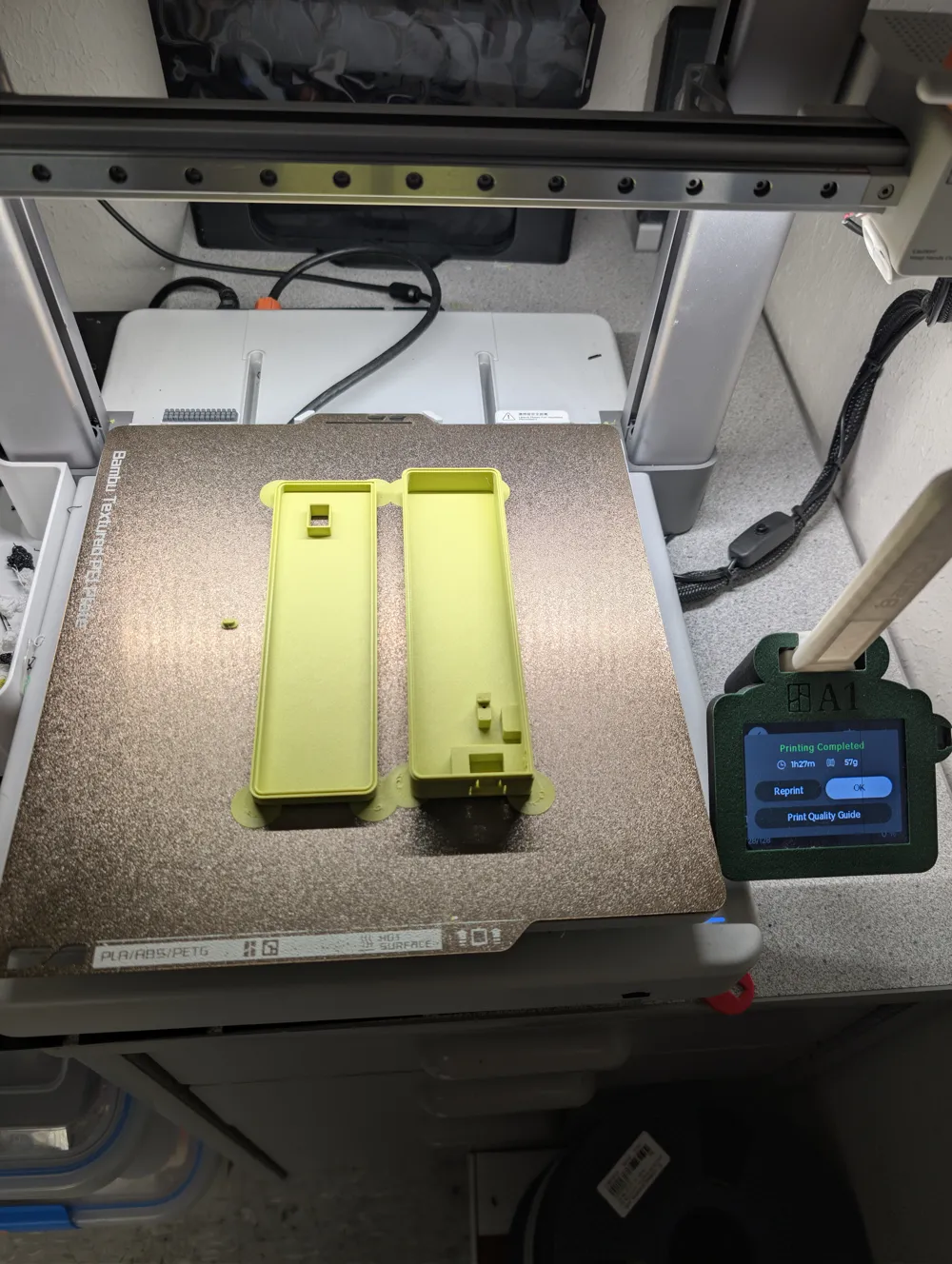
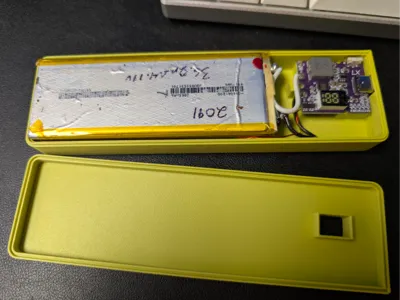
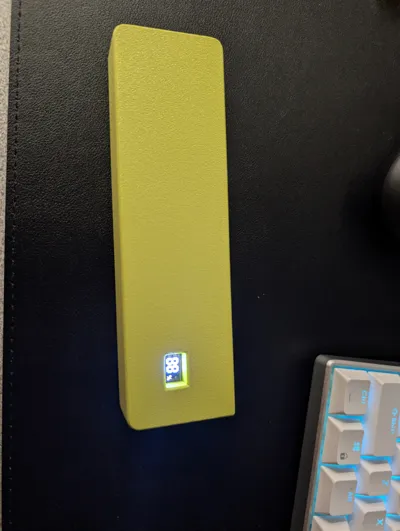
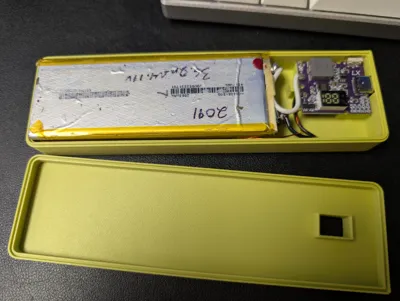
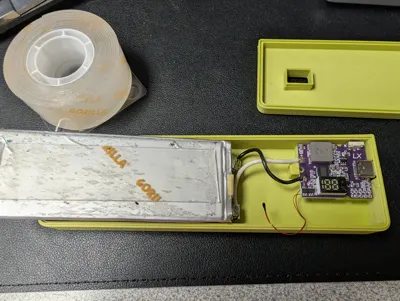
This is the parametric version of my 22.5W PD DIY Charger enclosure. If your salvaged cells don't match my fixed-size design, this one lets you punch in your actual measurements and the box rebuilds itself to fit.
I've been pulling pouch cells out of dead laptops and power banks and pairing them with cheap AliExpress BMS boards. Every cell is a slightly different size, so I made this parametric version so you don't have to start from scratch every time.
How to Use It
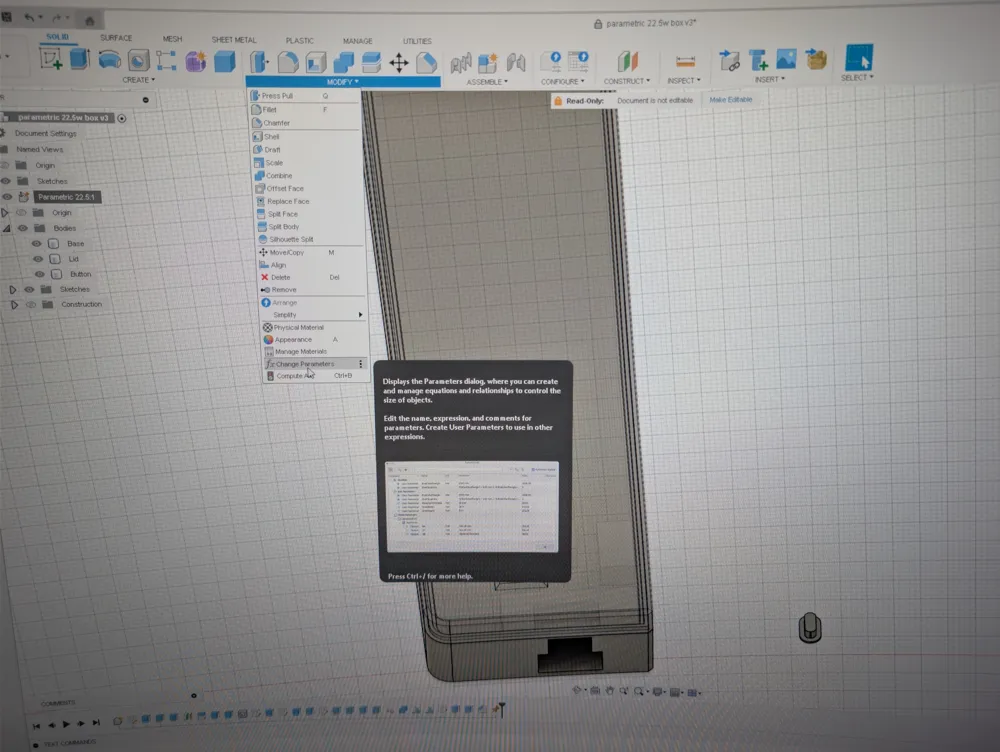
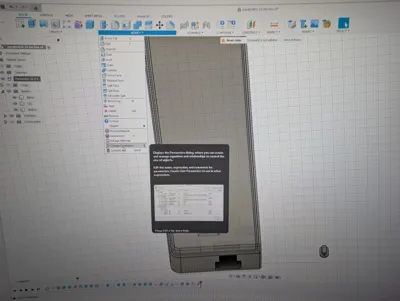
Open the .f3d file in Fusion 360 and go to Modify > Change Parameters (Ctrl+B). Update the values in the table to match your cell and Fusion will rebuild the model. Export the Base and Lid as STL files and print.
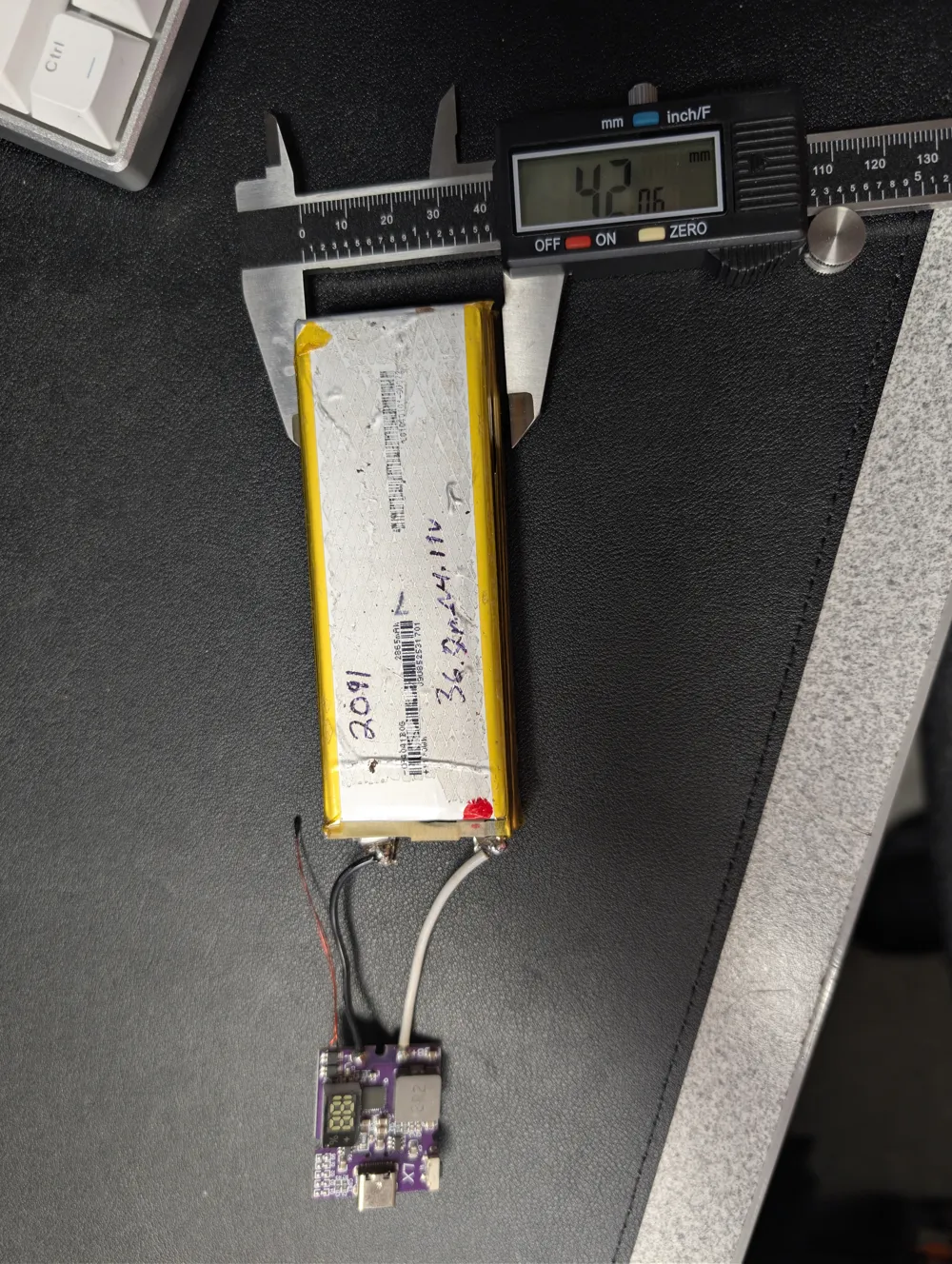
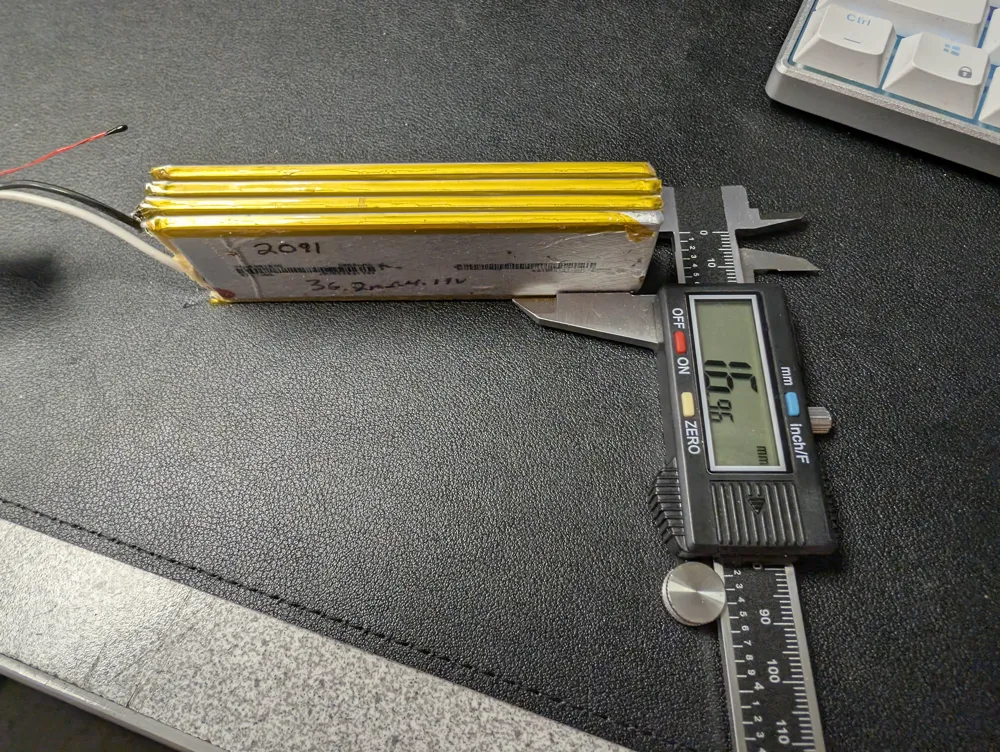
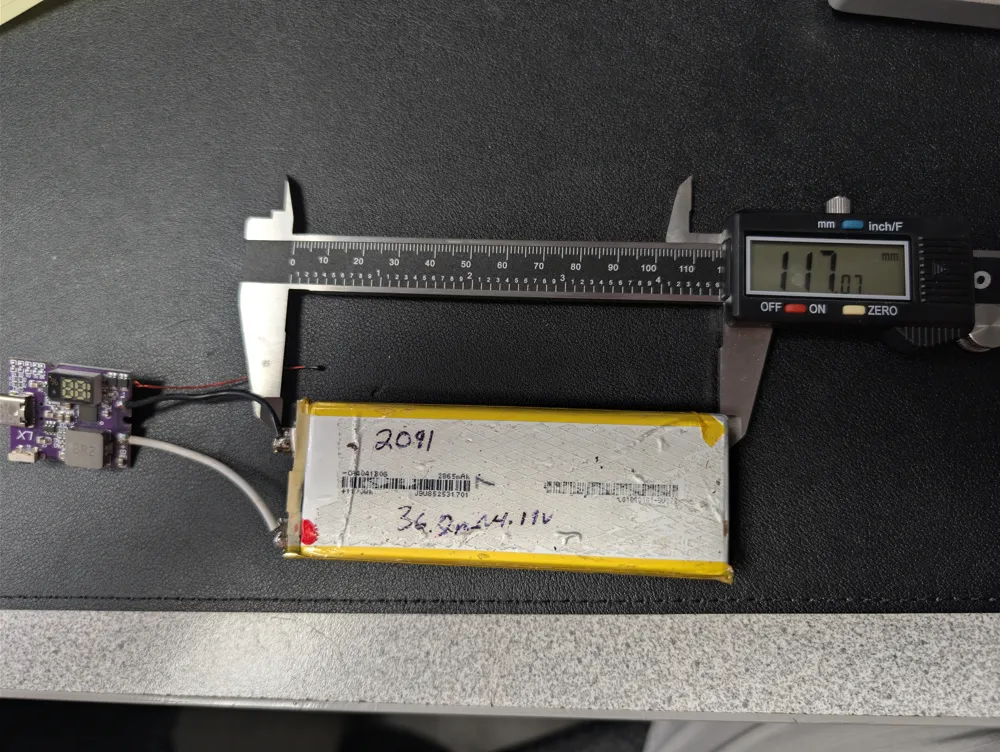
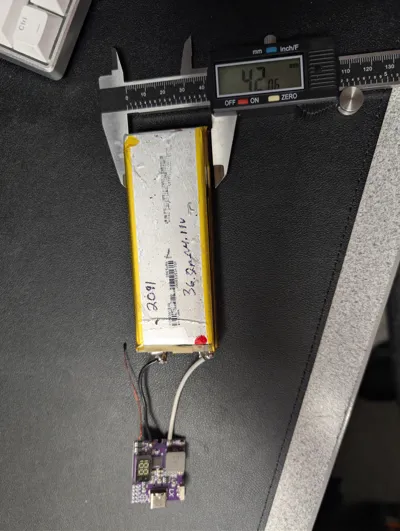
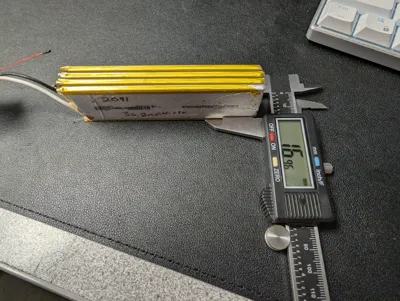
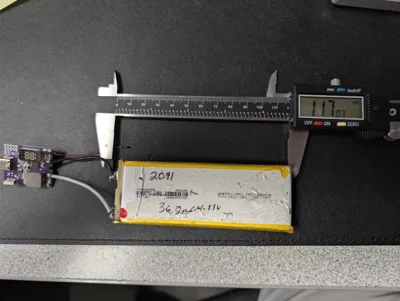
Measure your cells with calipers, not a ruler. Add about 0.5mm to width and length so the cell actually slides in clean.
DO NOT LEAVE YOUR CALIPERS BRIDGING BOTH TERMINALS WHILE MEASURING. A metal caliper across the positive and negative tabs is a dead short. I am not responsible for carelessness. Measure one dimension at a time and stay aware of where your leads are.
Parameters
| Parameter | Default | Notes |
|---|---|---|
| Width | 42 mm | Flat-side width of your cell |
| Length | 118 mm | Tip-to-tip length |
| Height | 13 mm | Min 13mm, split between base and lid |
| Lid_offset | 2.5 mm | Leave this unless you need the seam lower |
| Battery_inset | 7.6 mm | How far the cell sits into the lid, min 2.6mm |
Print Settings
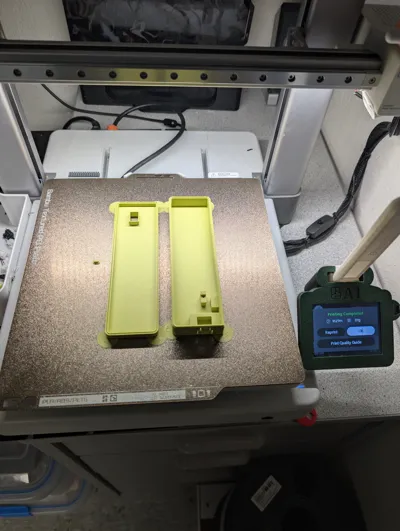
I printed this in Polymaker HT-PLA-GF Power Tool Green. It has a much higher heat tolerance than standard PLA and holds up well near a charging cell. PETG is a solid alternative if you don't have it. 3 wall loops, 20% infill, 0.2mm layer height, no supports needed.
Safety, Please Read
I want the DIY community to keep tinkering and reusing hardware for years to come. That only happens if we stay safe. Please read this before you build.
DO NOT SHORT YOUR CELLS. Metal tools, loose wire ends, and bare tabs in close proximity are all it takes. Stay aware of what's touching what, always.
No spicy pillows. If your cell is swollen at all, do not use it. Do not charge it, do not discharge it, do not put it in an enclosure. A swollen pouch cell is already in a bad state and does not belong in a build. Dispose of it properly at a battery recycling location.
Thermal runaway is real. A shorted, overcharged, or punctured LiPo can vent hot gas or catch fire fast. Charge in a safe location and don't leave it unattended.
Use a BMS. Don't connect a bare cell to anything without a battery management board that covers overcharge, over discharge, and short circuit protection.
Be careful soldering to tabs. Too much heat on a pouch cell tab can damage the internal separator and cause a short that won't show up right away. Keep it quick and clean, or use a spot welder with nickel strip if you have one.
Check your salvaged cells. Pulled cells have unknown history. Anything sitting below 3.0V at rest needs to go. Capacity test before you trust it in a build.
This print is just a housing. It doesn't provide insulation or fire containment. Build responsibly and at your own risk. I am not responsible for how this file is used.
Boost Me (for free)
If this helped your build, a Boost costs nothing and helps other makers find it. Thanks for checking it out!
License

You shall not share, sub-license, sell, rent, host, transfer, or distribute in any way the digital or 3D printed versions of this object, nor any other derivative work of this object in its digital or physical format (including, but not limited to, publishing derivative works outside the Makerworld platform or hosting on other digital platforms). The objects may not be used without permission in any way whatsoever in which you charge money or collect fees. Subject to the above restrictions, derivative works may be published only within the Makerworld platform, and all such derivative works must be licensed under the same SDFL‑C license, without modification or additional terms. You may download the digital versions of this object, 3D print it, and display images, videos, or usage demonstrations of 3D printed versions of the object on personal social media platforms or Makerworld official channels, provided that no digital versions of the object are shared or distributed.


Comment & Rating (1)