
Model 20 - Stepped Ruler for Sewing (Thick Version)
Print Profile(8)
![[Kitty-A] External Step Gauge - 25cm](https://makerworld.bblmw.com/makerworld/model/USa847cc3a722b8/889732587/instance/3beb1c72be7c15b7.jpg?x-oss-process=image%2Fresize%2Cw_100%2Fformat%2Cwebp)
![[Kitty-B] Outward Step Gauge - 17cm (Please choose if changing to single-color printing)](https://makerworld.bblmw.com/makerworld/model/USa847cc3a722b8/889749485/instance/ed64336979f63ce6.jpg?x-oss-process=image%2Fresize%2Cw_100%2Fformat%2Cwebp)
Description
Precautions:
****Before printing, please perform filament treatment, including but not limited to: filament flow rate calibration, scaling calibration, filament drying, etc.****
Additionally, the thick ruler takes a long time to print, so please ensure the build plate is clean and apply adhesive. During printing, check the printing progress multiple times and observe the print effect.
Also, if using PETG filament with an enclosed printer, please pay attention to controlling the chamber temperature to prevent heat creep and extruder overload caused by excessive summer temperatures.
Please note in advance: the Kitty model has two printing methods, A and B, both are multi-color. For single-color printing, please select Kitty-B and modify it (by unifying the color of all parts).
!!!!!Multi-color printing does not support mixing two different types of filaments (e.g., PLA and PETG)!!!!!
————————————
Model 20 (this link) is a sewing [thick] stepped ruler. For the [thin] sewing stepped ruler, please refer to Model 13.
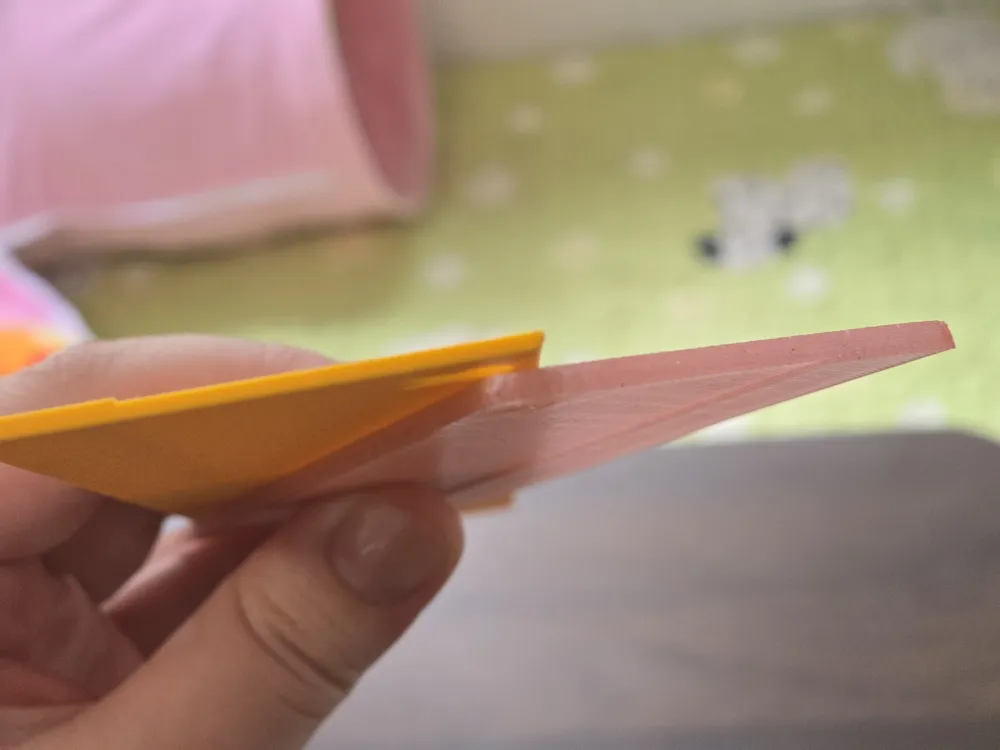
Differences between the two: *The average thickness of the thin ruler is approximately 2~3mm, while the average thickness of the thick ruler is approximately 3~5mm*
Additionally, the 'inward sewing line - stepped ruler' is mainly used for drawing lines and is not made in a thick version to ensure accuracy.
————————————
Advantages and disadvantages of the thick ruler:
Advantages—Good durability, more complex and diverse styles, full of aesthetic appeal.
Disadvantages—Long printing time, waste, numerous printing precautions (see pinned post).
————————————
【Introduction to different rulers, ↓】
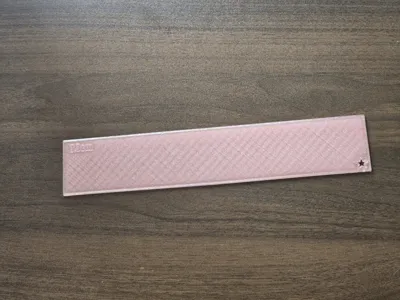
1. Stepped ruler for 'fabric strips' (fabric strips include: binding strips / strap strips / strap lining) [2.0 thick version]
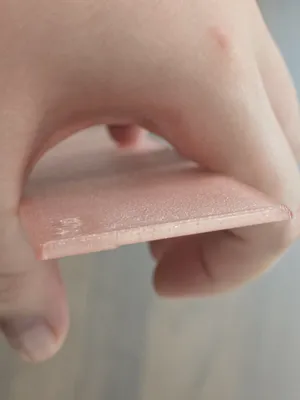
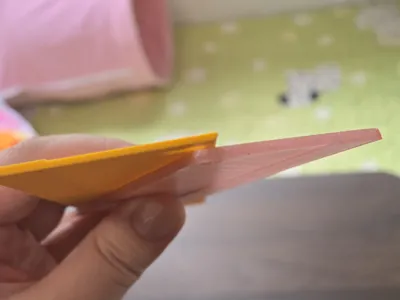
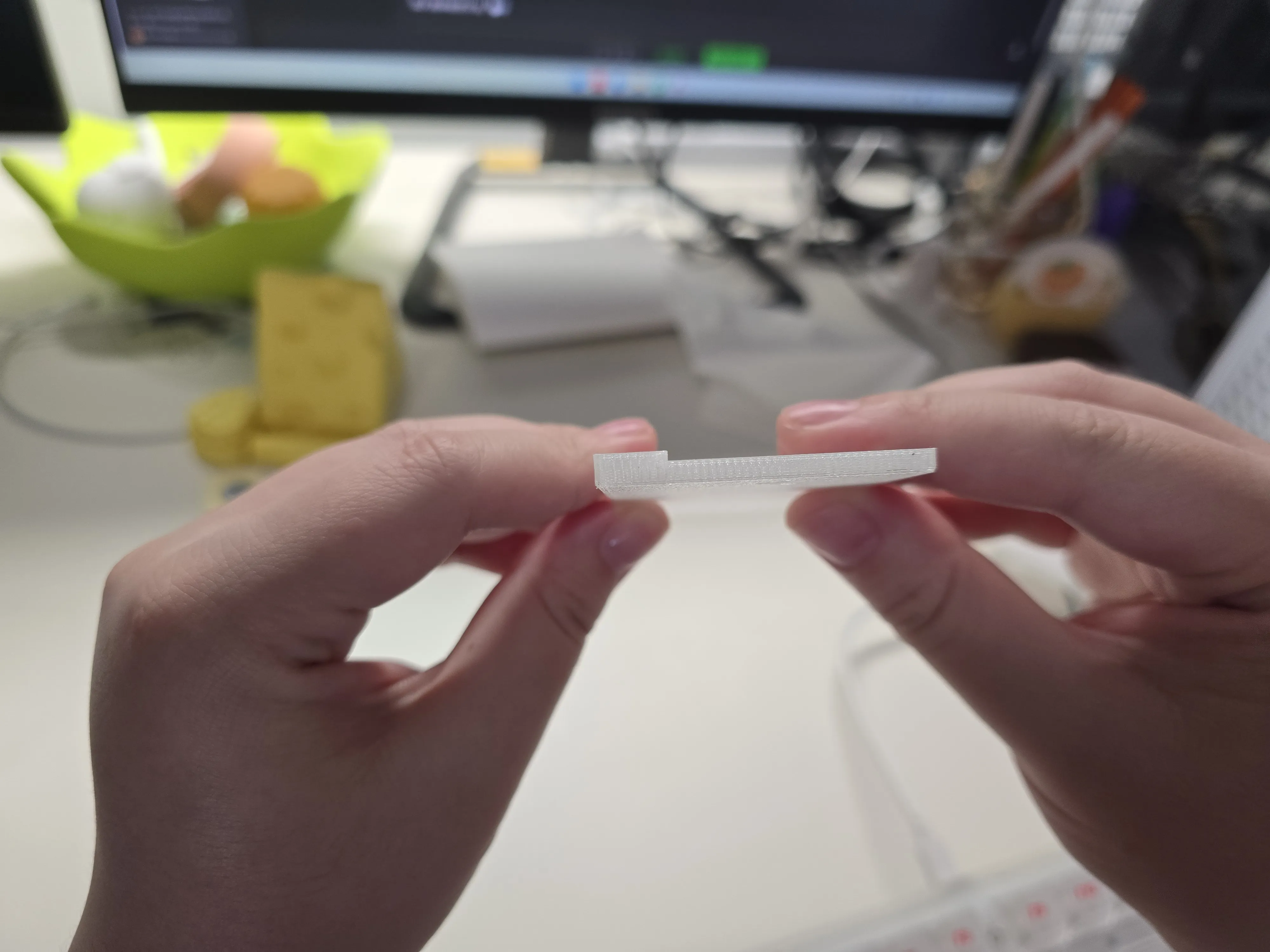
Side comparison of thick and thin versions (yellow is the thin ruler, pink is the thick ruler):
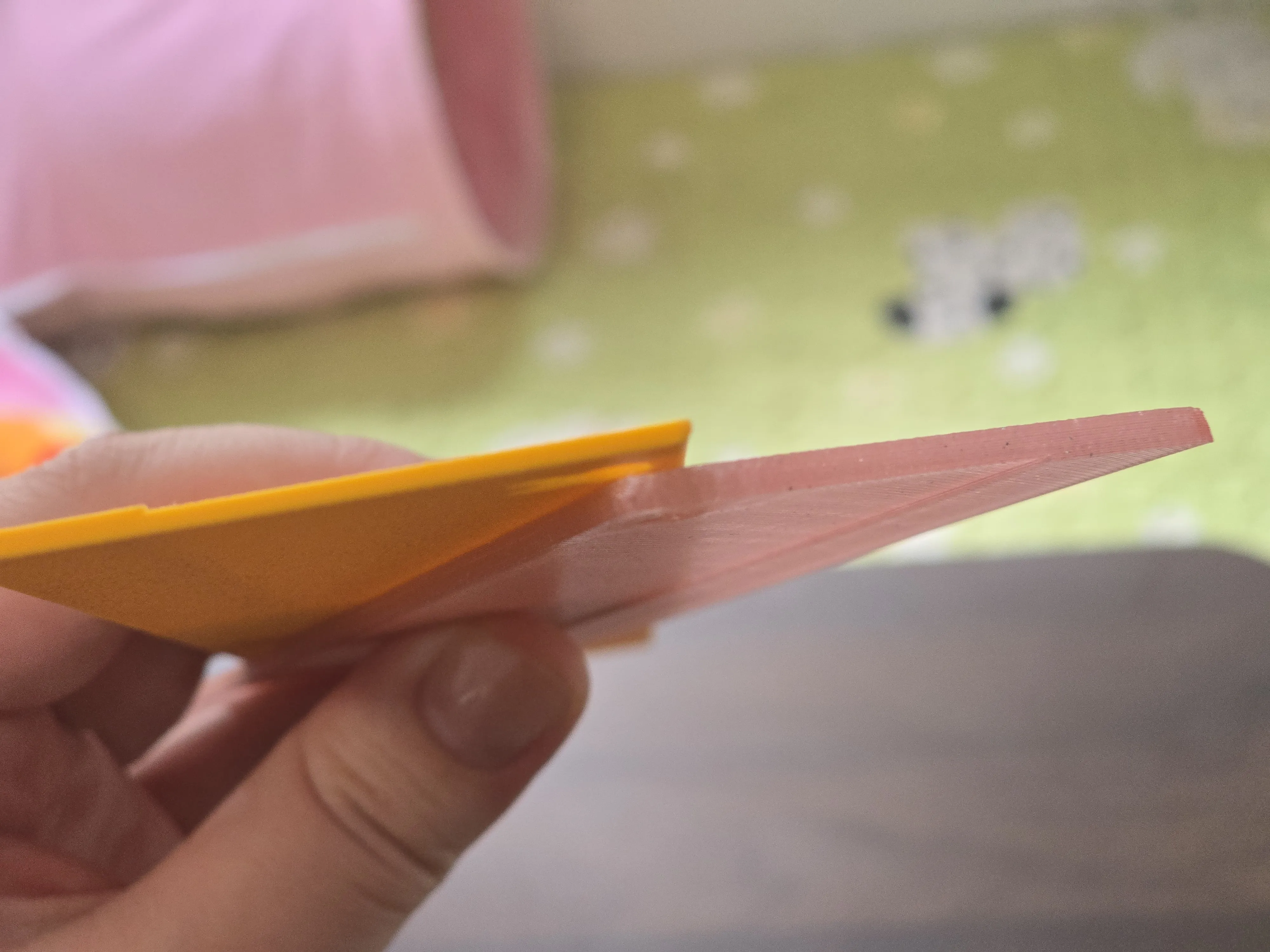
Total of five sizes—1.8cm wide, 2.5cm wide, 3cm wide, 3.3cm wide, 3.7cm wide.
(Among them, 2.5cm, 3.3cm, and 3.8cm are similar in width to YKK brand #3 zippers, #5 zippers, and #5 wide zippers, respectively)
Additionally, they can be used in combination, using the 'fabric strip stepped ruler' to assist in cutting the net-sized mid-length 720 lining/canvas lining for the side of the inner-bound small bag.
1.8cm wide = 3.3cm - 0.7cm*2 - 0.1cm (net size of mid-length 720 lining/canvas lining width)
2.5cm - 0.5cm*2 = 3.3cm - 1.8cm = 1.5cm wide
Each width of ruler is available in two lengths—17cm long (suitable for A1 mini printing) and 25cm long.
Instructions:
First, prepare a piece of fabric with neat edges, and select a fabric strip stepped ruler of a specific width according to your specific needs.
Place the 'fabric strip stepped ruler' against the edge of the fabric, then you can quickly draw the cutting line of the width you need, or directly cut the fabric strips to your desired width with a rotary cutter.
Note:
The fabric strip stepped ruler has a small step and needs to be used on a hard flat surface such as a cutting mat;
The chamfer and height of the cutting surface are universally adapted after comprehensive consideration.
If there is a need for thinning/thickening, or other seam allowance sizes, please adjust them yourself in Bambu Studio.
————————————
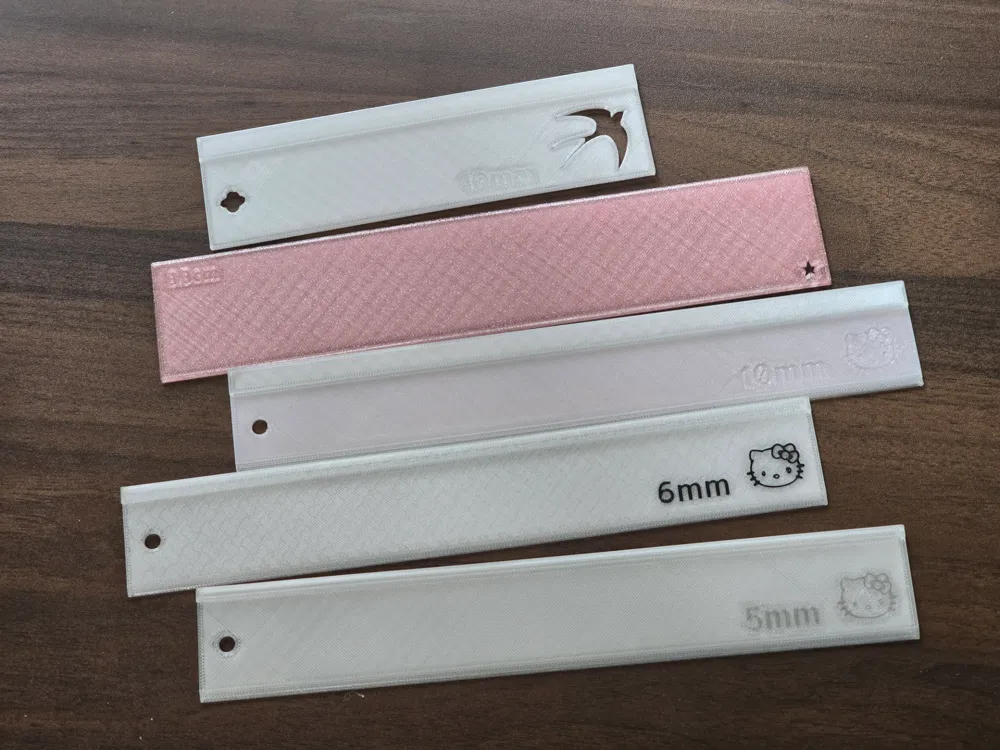
2. 'Outward Seam Allowance' Stepped Ruler
Instructions for 'Outward Seam Allowance Stepped Ruler'
Place the ruler against the edge of the interlining to quickly add the required seam allowance to the fabric with iron-on interlining.
(There is also a rounded stepped ruler that can quickly add the required seam allowance to rounded corners, see Model 10)
________________________________
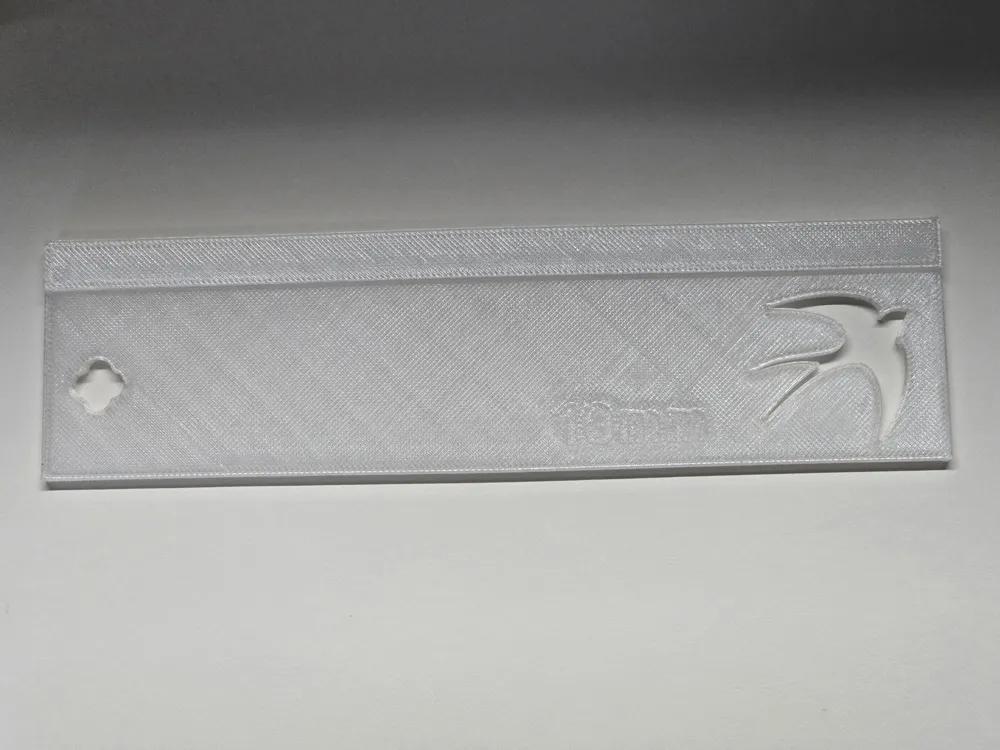
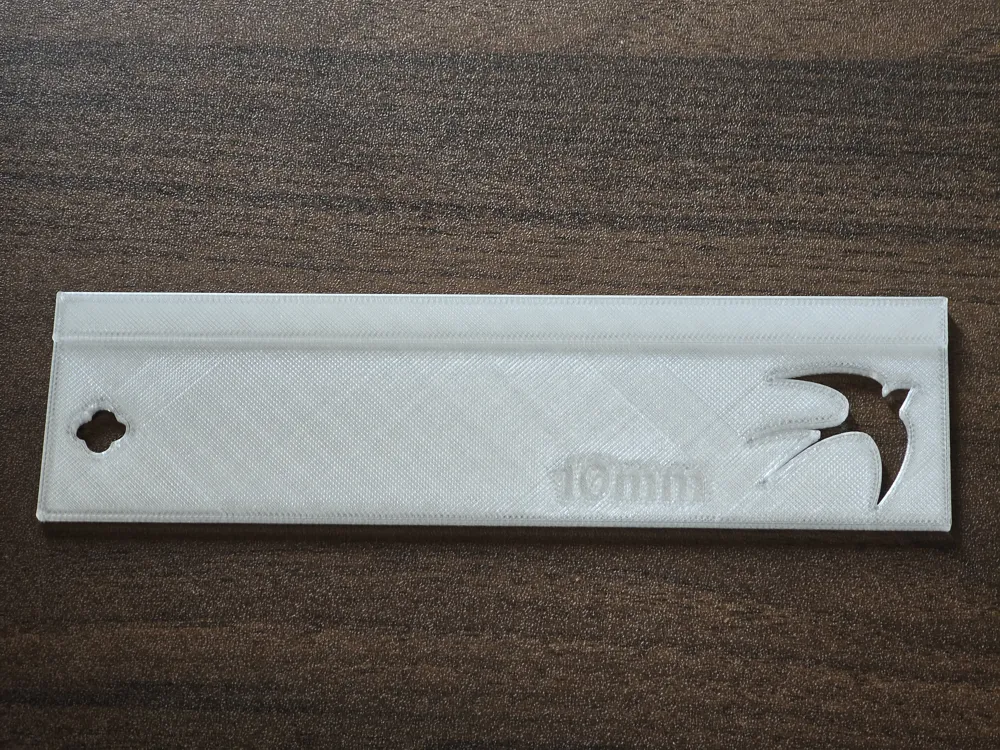
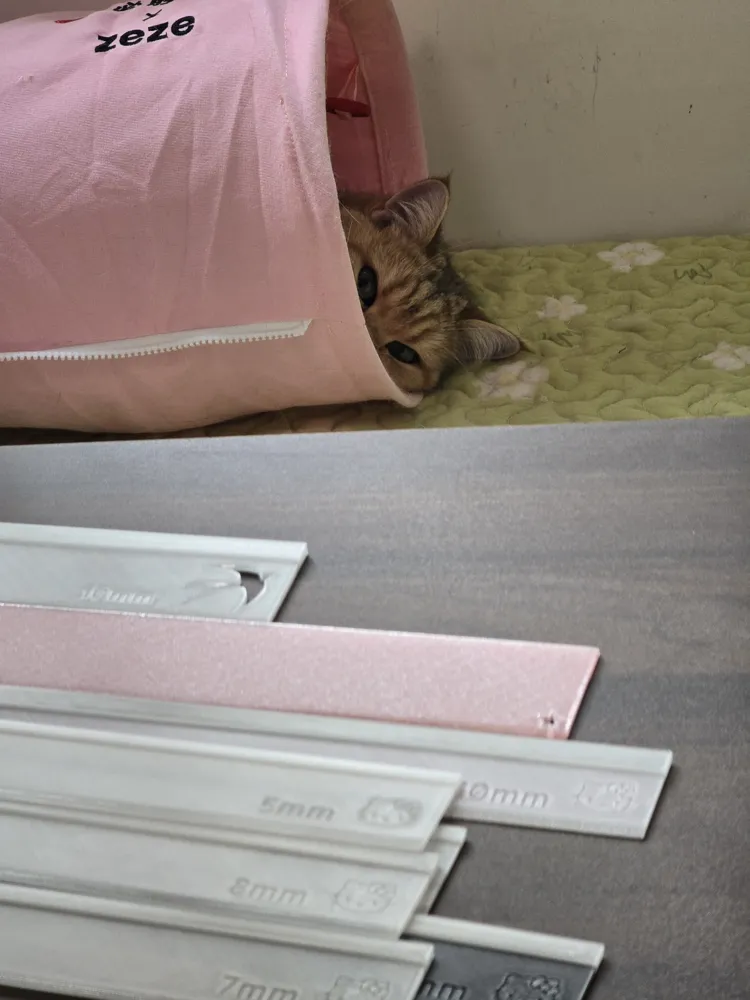
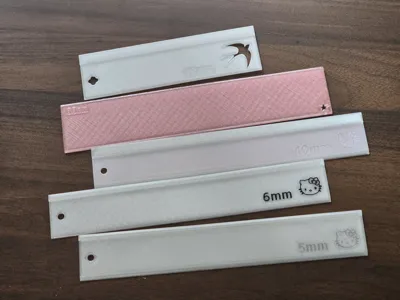
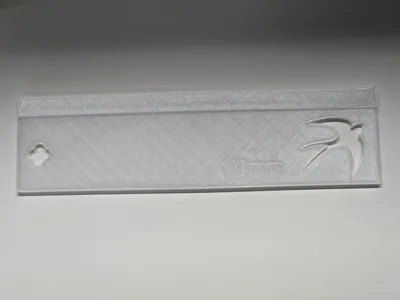
There are two main categories of styles—Kitty pattern style (for drawing lines and cutting) and Chinese swallow style (more suitable for cutting).
Each style is available in two lengths—17cm long [printable on A1 mini] and 25cm long.
Specifically,
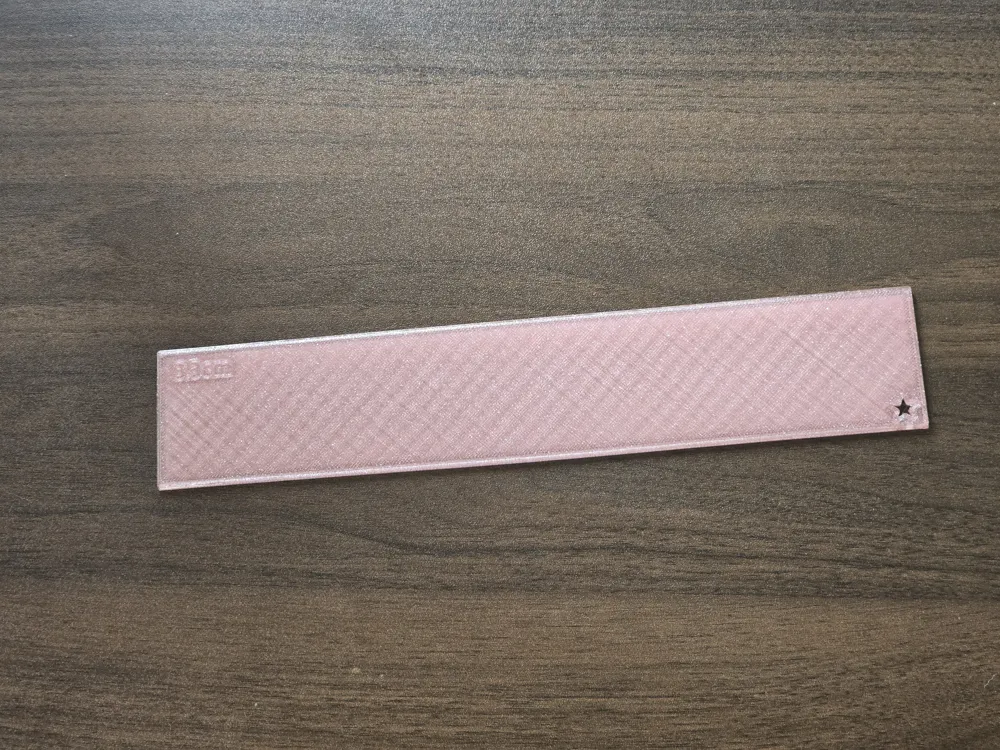
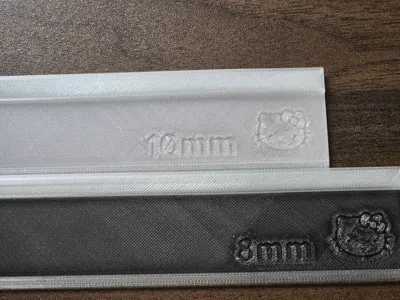
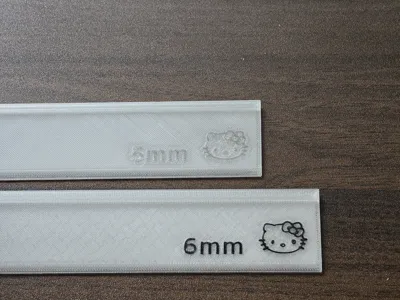
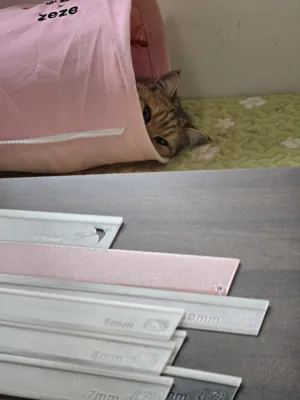
Kitty style seam allowances—3mm-5mm-6mm-7mm-8mm-10mm-12mm-13mm-15mm (9 types).
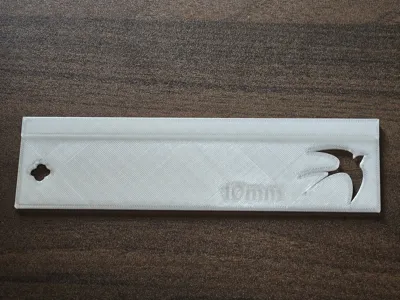
Chinese swallow style seam allowances—3mm-5mm-7mm-10mm-13mm-15mm (6 types).
(1) Kitty style [Two printing schemes]
_______________________________
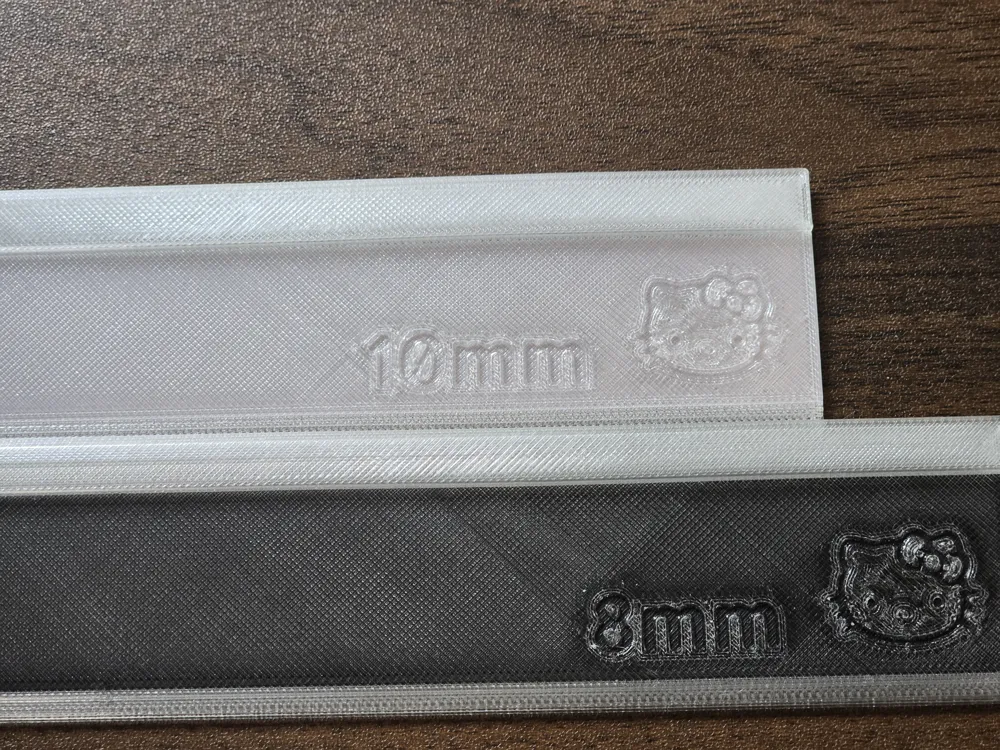
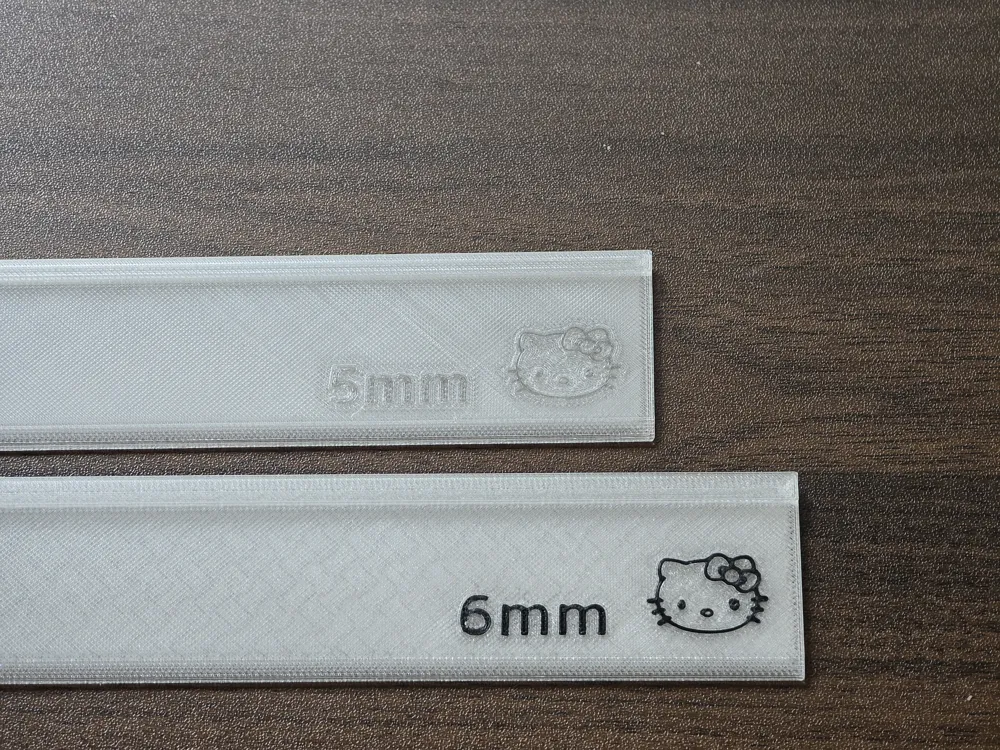
Kitty Ruler Overview:
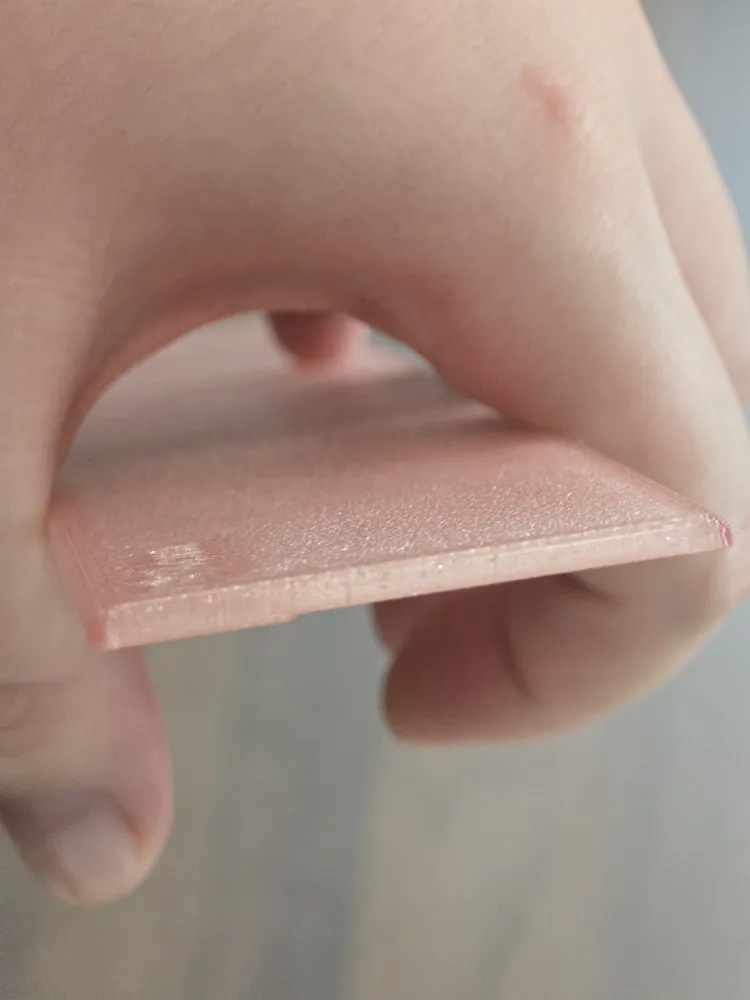
The Kitty style ruler covers a wide range of seam allowances, with different chamfer treatments on all edges, providing high accuracy when used for drawing lines, while also considering stability when cutting with a rotary cutter.
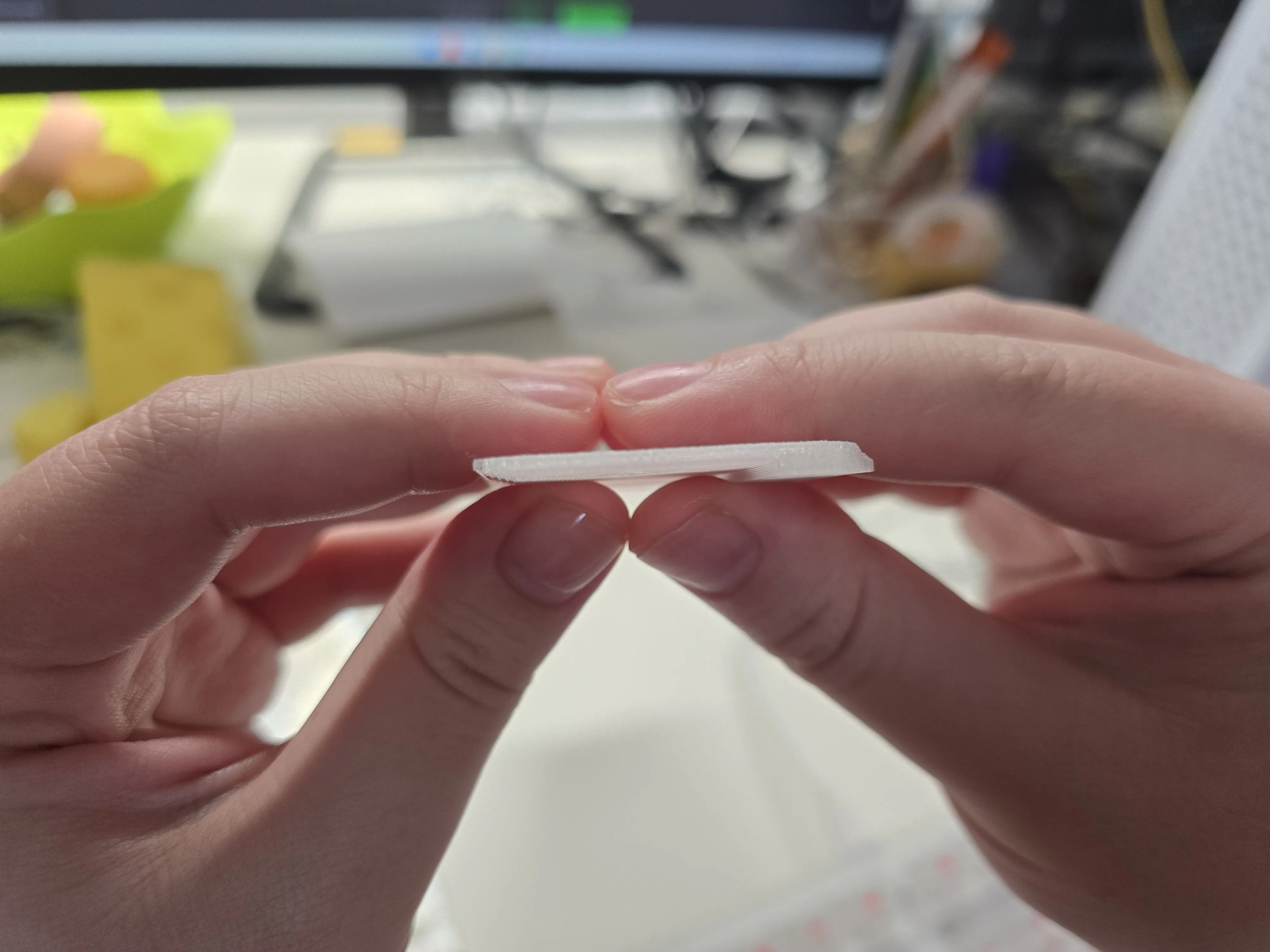 Side chamfer view
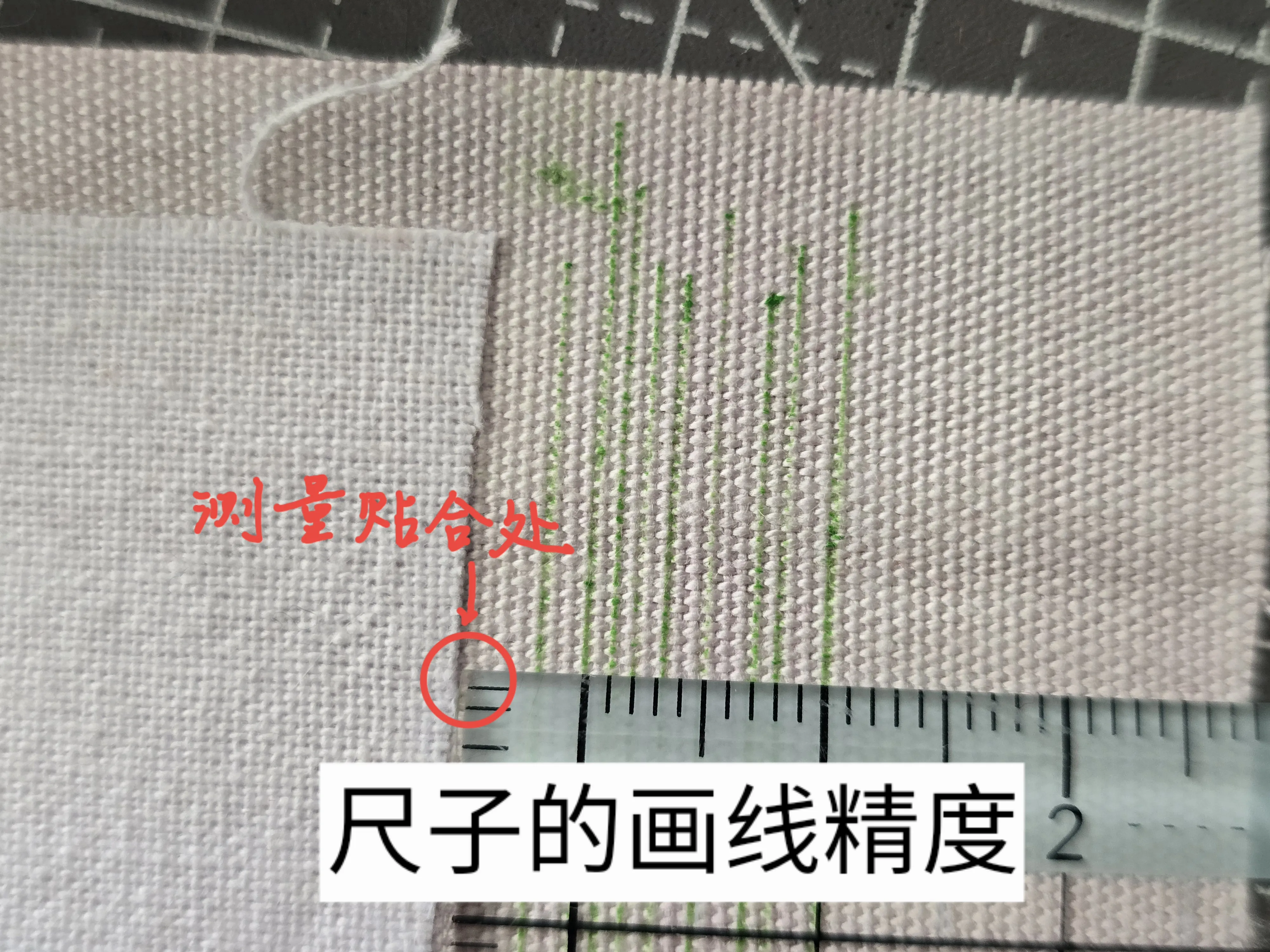 Test record 1
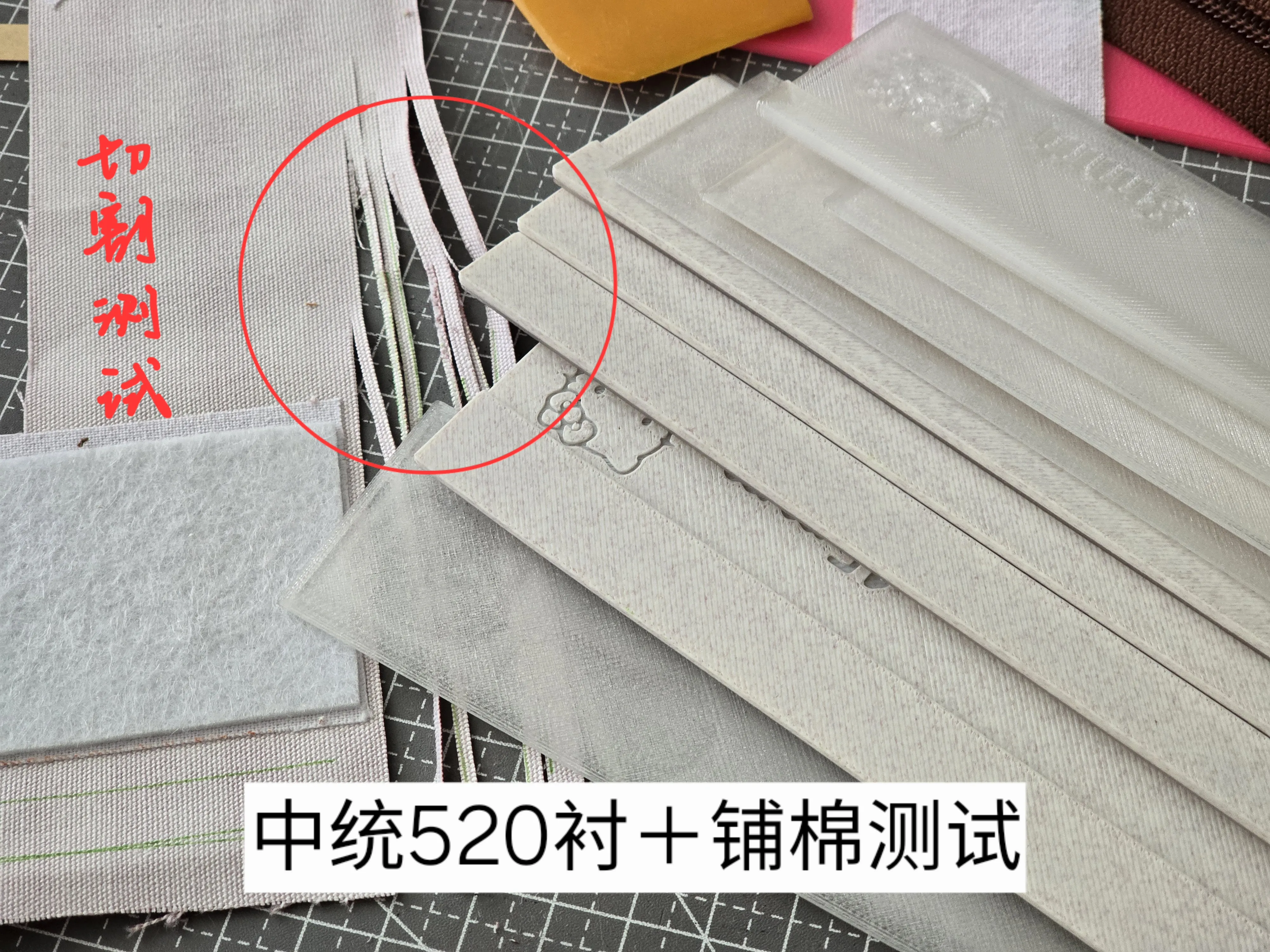 Test record 2
______________________________
① Kitty-A Scheme:
Multi-color scheme: The numbers and Kitty pattern lines are color 1, and the ruler body is color 2.
The numbers and Kitty pattern lines can partially fill the ruler surface.
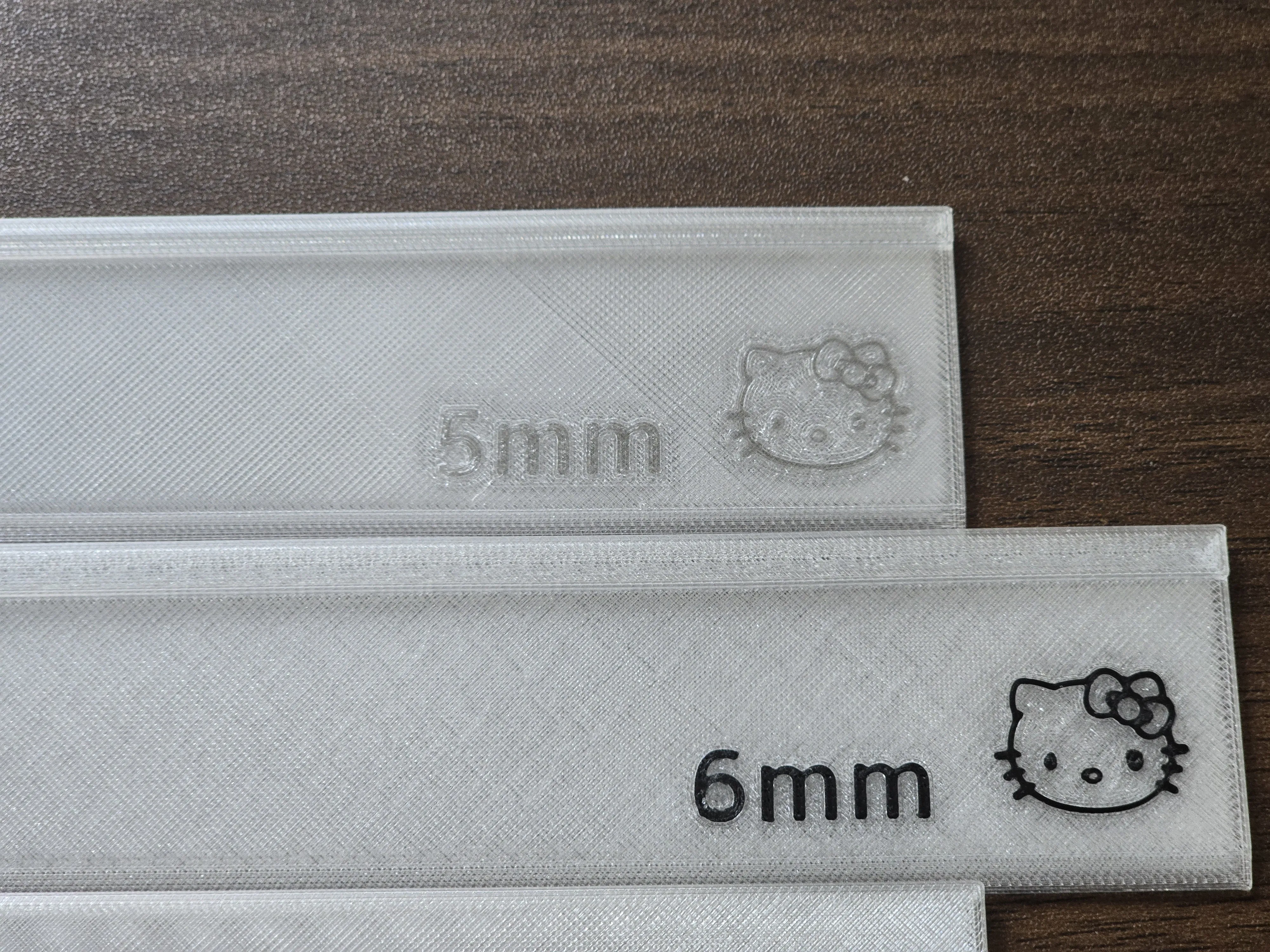
【Color 1 (dark translucent filament, solid filament) Color 2 (translucent filament)】
______________________________
② Kitty-B Scheme
Multi-color scheme: Similar to a sandwich layer, with a middle layer as color 1 and the top and bottom ends as color 2.
The numbers and Kitty pattern lines are grooves.
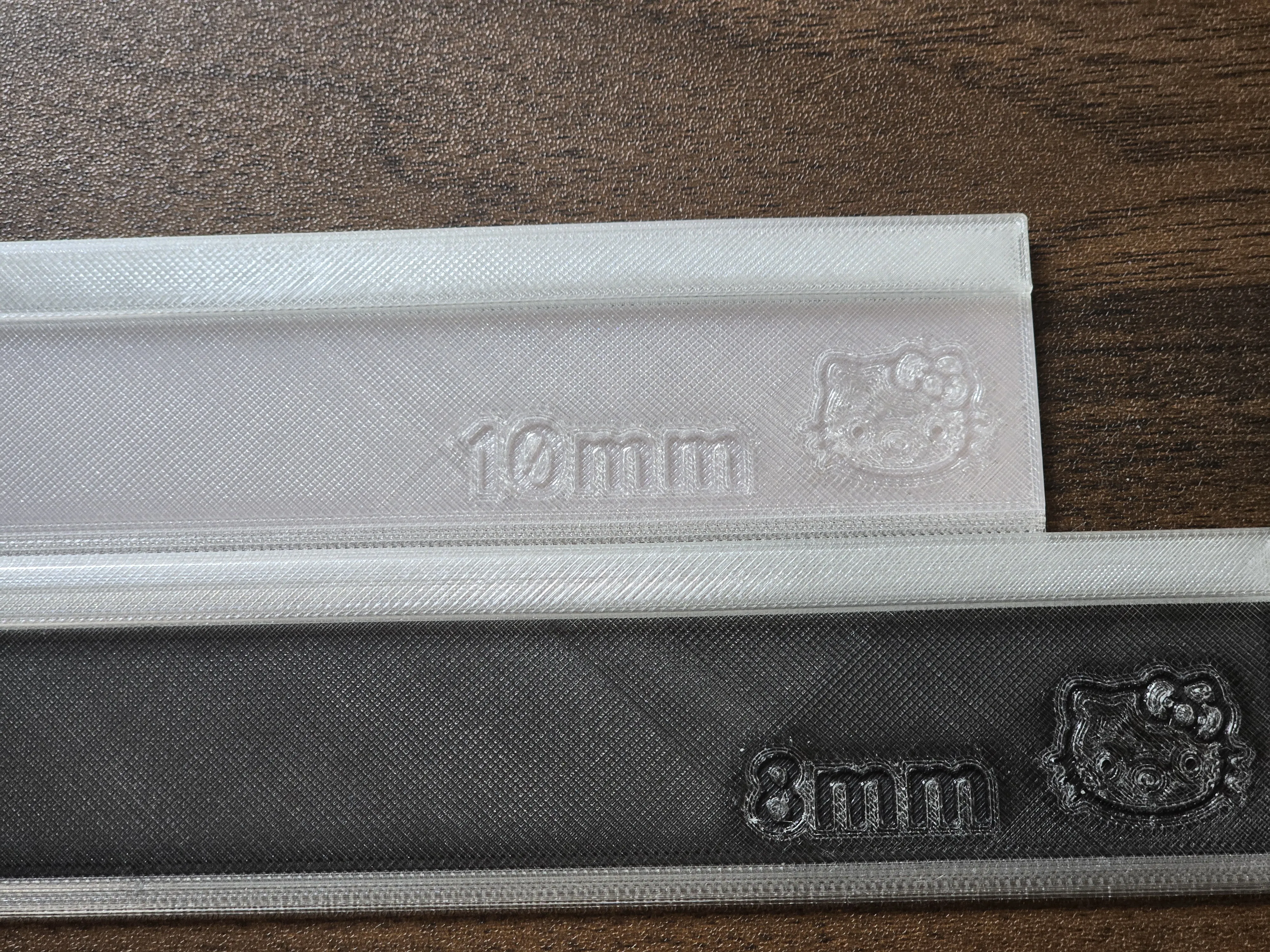
Color 1 (solid filament) Color 2 (translucent filament)
______________________________
③ Kitty Single-Color Scheme
If multi-color printing is not convenient, please select the Kitty-B printing scheme and change the different filaments in the object to the same filament.
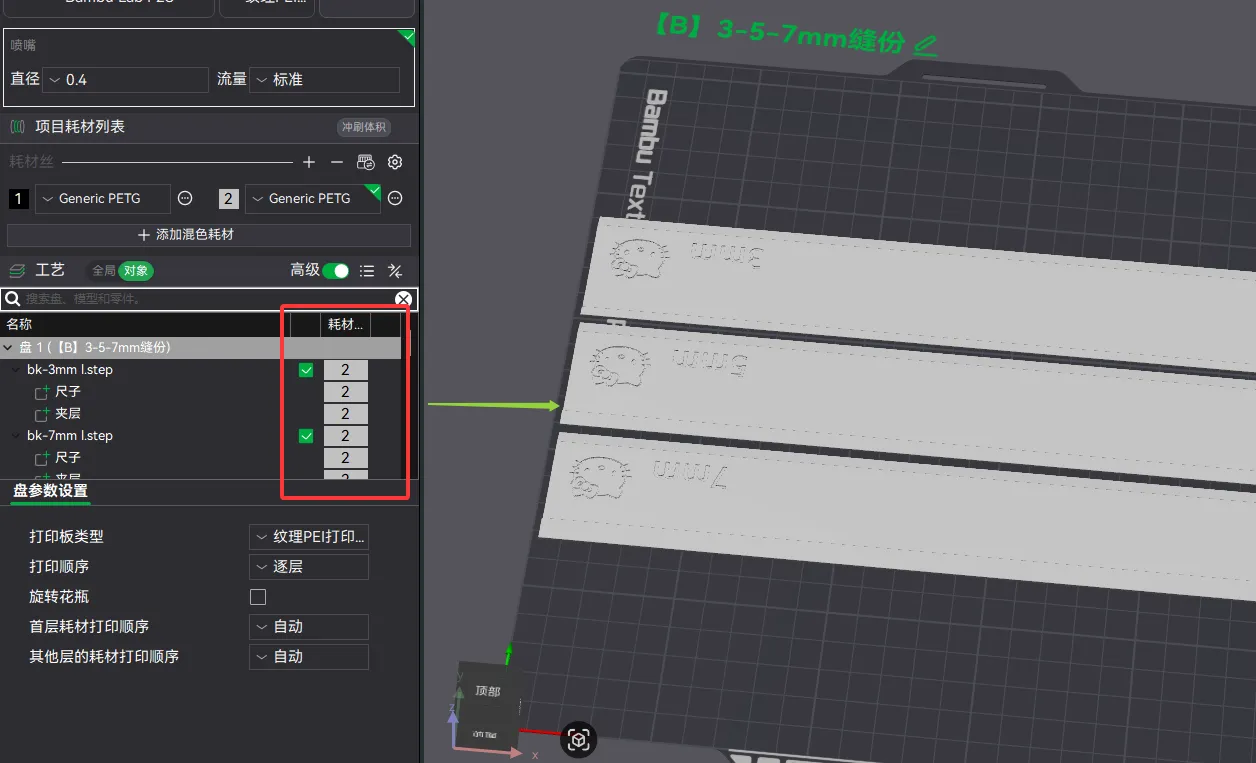
————————————————————
(2) Chinese Swallow Style
Slightly thicker than the Kitty style, with all four sides being vertical, making it more suitable for assisted cutting with a rotary cutter.
!!!!!When using, please be careful that the 'swallow part' might catch on the fabric, and pay attention to observe!!!!!
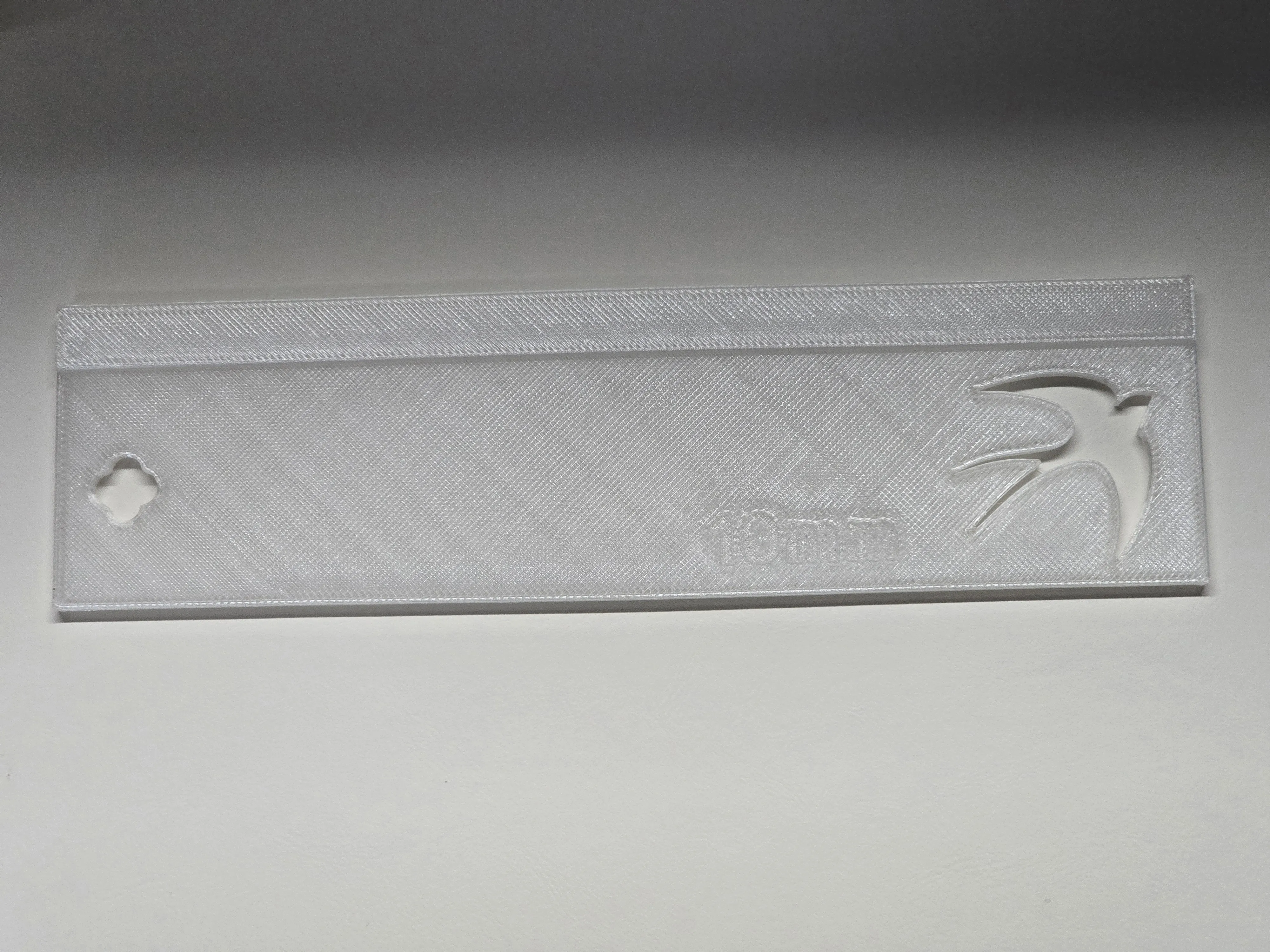
License

You shall not share, sub-license, sell, rent, host, transfer, or distribute in any way the digital or 3D printed versions of this object, nor any other derivative work of this object in its digital or physical format (including - but not limited to - remixes of this object, and hosting on other digital platforms). The objects may not be used without permission in any way whatsoever in which you charge money, or collect fees.


Comment & Rating (0)