
Silica Desiccant Boxes for Ezy Storage 18L
Print Profile(4)


Description
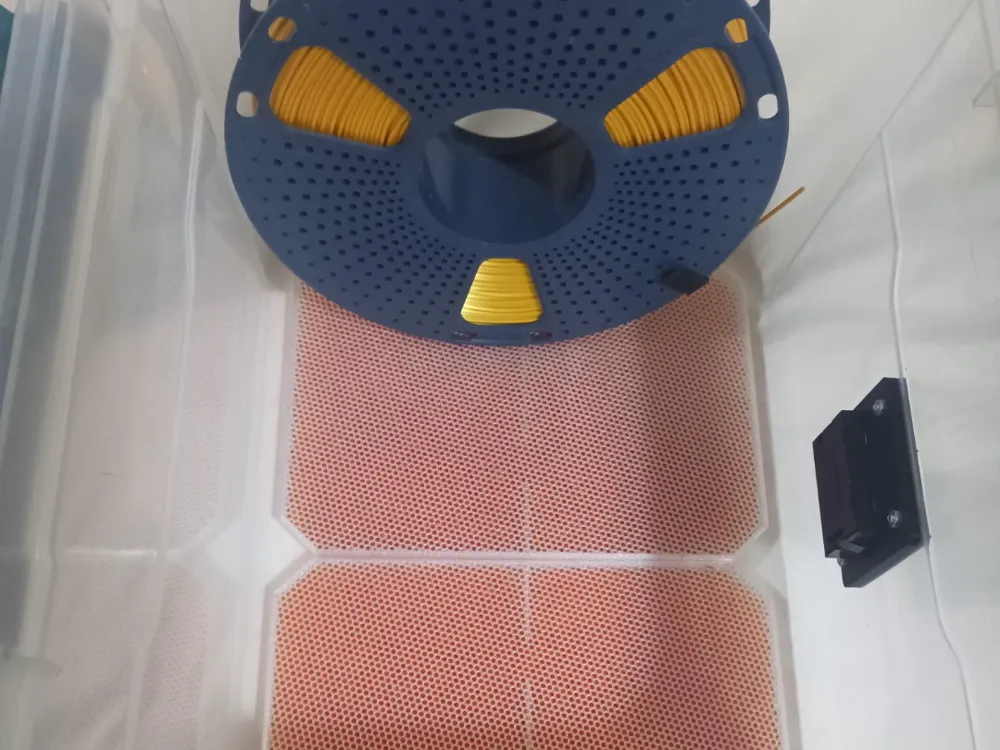
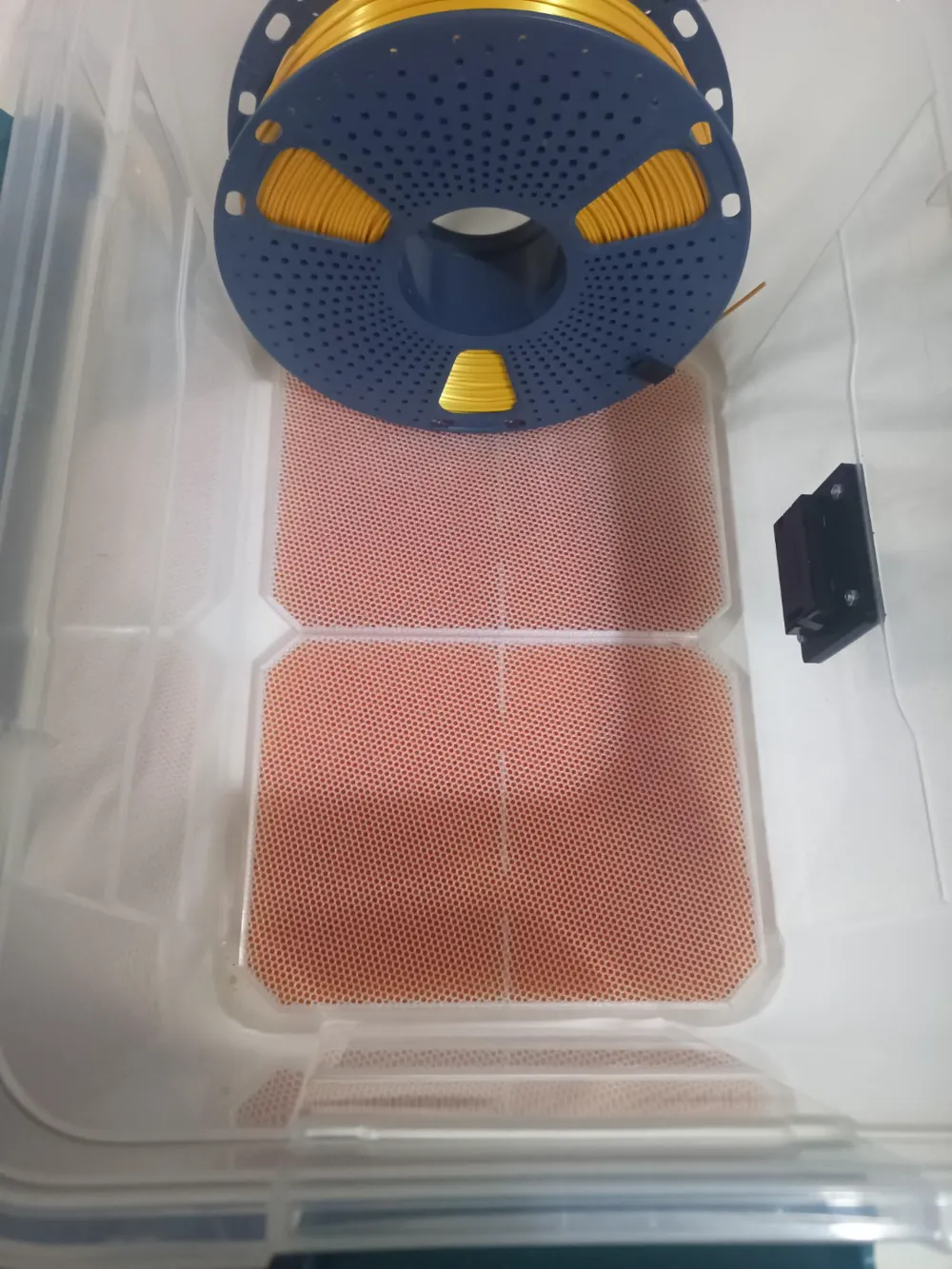
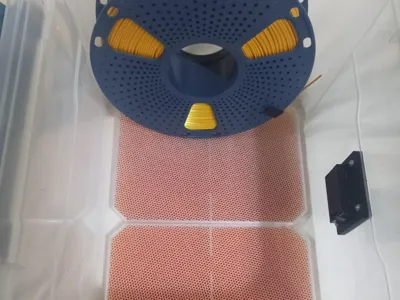
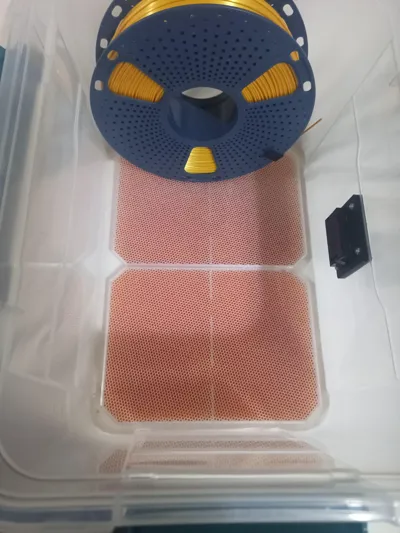
Remixed from @fasaxc/Shaun's parametric silica container generator (https://www.printables.com/model/47745-silica-gel-boxes-with-snap-on-lid-parametric), with a redesigned internal wall/divider to increase load bearing strength when placing rolls of filament directly on top.
I have printed these with 30% honeycomb infill, but this figure may need to be adjusted depending on the size of your silica beads.
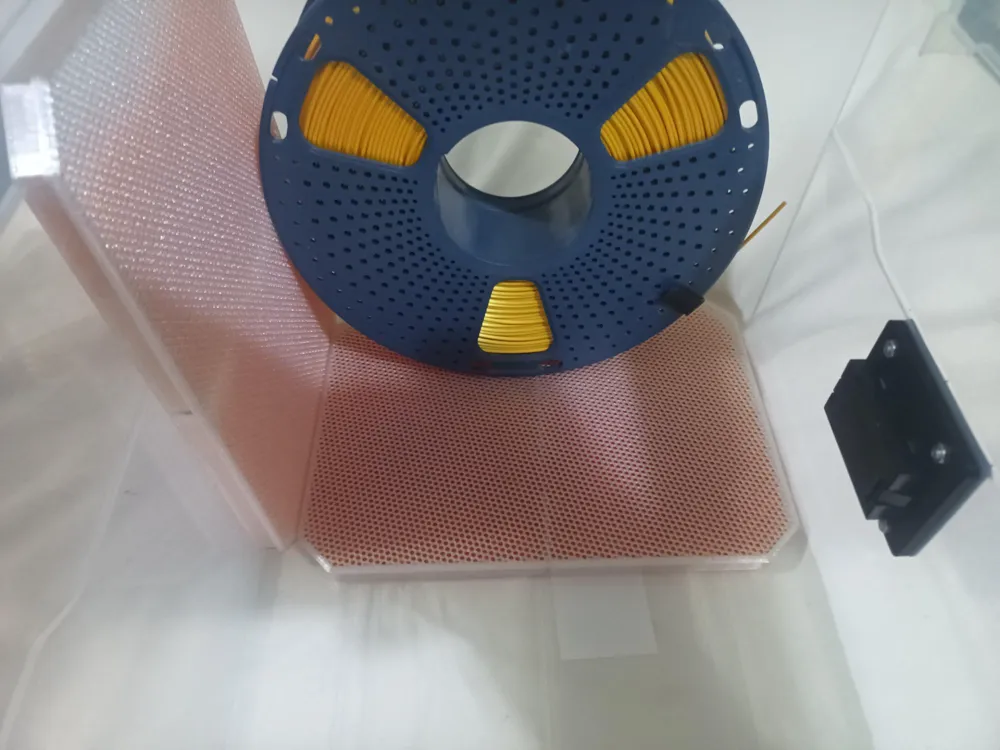
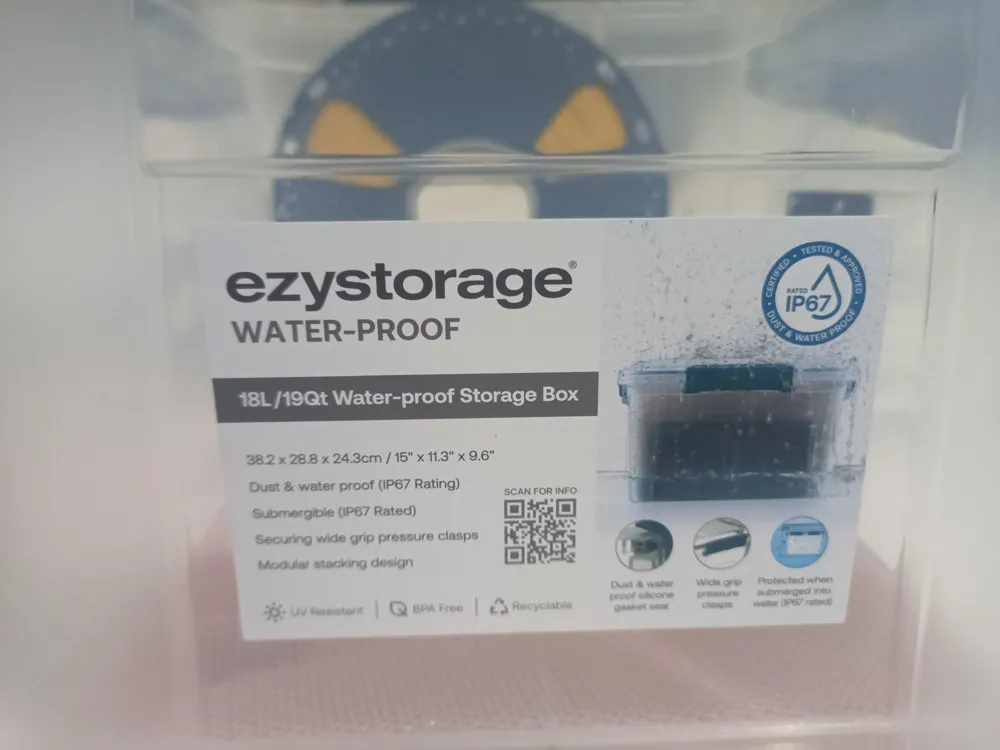
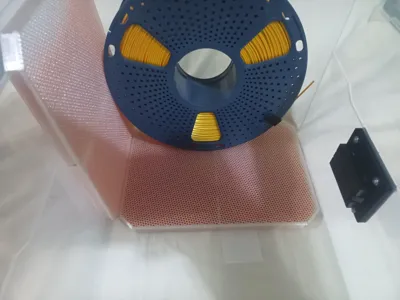
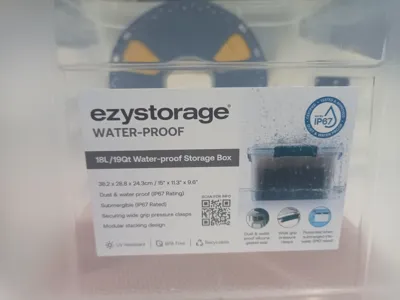
Sized for the Ezy Storage 18L IP67 Waterproof Container (https://www.bunnings.com.au/ezy-storage-18l-waterproof-ip67-clear-storage-container_p0419242), which can store 4-5 rolls of filament each. Two of these silica cases can be positioned flat at the bottom of the container and/or vertically against one of the sidewalls of the container. You may prefer to orient them vertically when using the container as a print-thru drybox, as you won't need to remove filament and rollers when replacing the desiccant cases.
They have been printed with clear PolyCarbonate filament, which I would recommend, as they can be regenerated in a suitable temperature controlled oven without removing the silica beads, owing to the heat resistance of PC. Being clear also means it is easy to see the hydration status of the beads without opening the case or the container they are stored in. My intention is to seal these cases with a high temperature glue to prevent inadvertent opening/spillage of the desiccant beads.
One could keep a stockpile of these in another airtight container, ready to swap out expended silica cases with minimal “downtime”, to best protect their filaments from humidity exposure.
UPDATE: After a while using these, I find it preferable to print them with a 40% honeycomb infill, as opposed to the original 30%. The reason being, that beads will occasionally fragment after being heated to return their original dehydrated state. These fragments can sometimes fall through the 30% mesh.
I have added a new print profile for this change.
This remix is based on

License



Comment & Rating (70)