
Articulated Goofy Octopus


Print Profile(5)


Description
------------------------------------------------------
There is a new, improved version of this model available here: https://makerworld.com/en/models/1297536-articulated-octopus-new-version#profileId-1329179
------------------------------------------------------
🐙
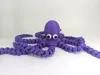
Articulated Goofy Octopus.
Printed and assembled model is approximately 30cm in diameter.
Fits on A1 mini plate.
Eyes print separately to avoid wasteful color swaps.
Tentacles are compatible with this non-goofy octopus version as well.
NOTE: The default profile prints a 1-layer grid on the bottom. This grid is very easy to remove and improves print reliability when printing the small segments in the tentacles. NO GRID version: https://makerworld.com/en/models/1188017-osha-the-octopus-2-color-no-ams-needed#profileId-1199335
After printing
- Please wait for the plate to cool down before removing the print as it consists of some small, delicate parts.
- Plug eyes into the head. They should fit tightly, but glue might be necessary depending on your filament choice and printer settings.
- Plug the tentacles in the head. It was designed to be a press fit, but, again, glue might be necessary depending on your filament choice and printer settings.
Please remember to rate your prints!
Profile ratings are not only important for other users but also serve as valuable feedback for designers!
Click here to see my other models
Boost Me (for free)
If you like this model, please boost! It's free to you, but it's a meaningful way to support me and my designs.
General 3d Printing Tips
- Make sure your printing plate is clean! Oils from your skin can cause adhesion issues for your prints. Regularly wash your print plate with a detergent like Dawn, and avoid touching the surface when removing prints from the bed.
- If it's an option on your printer, always level the bed before each print. If you have to perform this manually, do so after every few prints. It takes a bit of time and patience, but it's a fair trade for reliable results.
- Ensure bed and nozzle temperatures are within the expected range for the material you're printing. Temperatures that are too high or too low can negatively affect the print, causing warping, malformed layers, or adhesion issues.
- Reduce your printing speed. Slower speeds are especially important for overhangs, as they give the material more time to cool as it's deposited.
Membership
Click here to obtain a commercial license to sell physical prints of my 3D models.
License



Comment & Rating (354)