
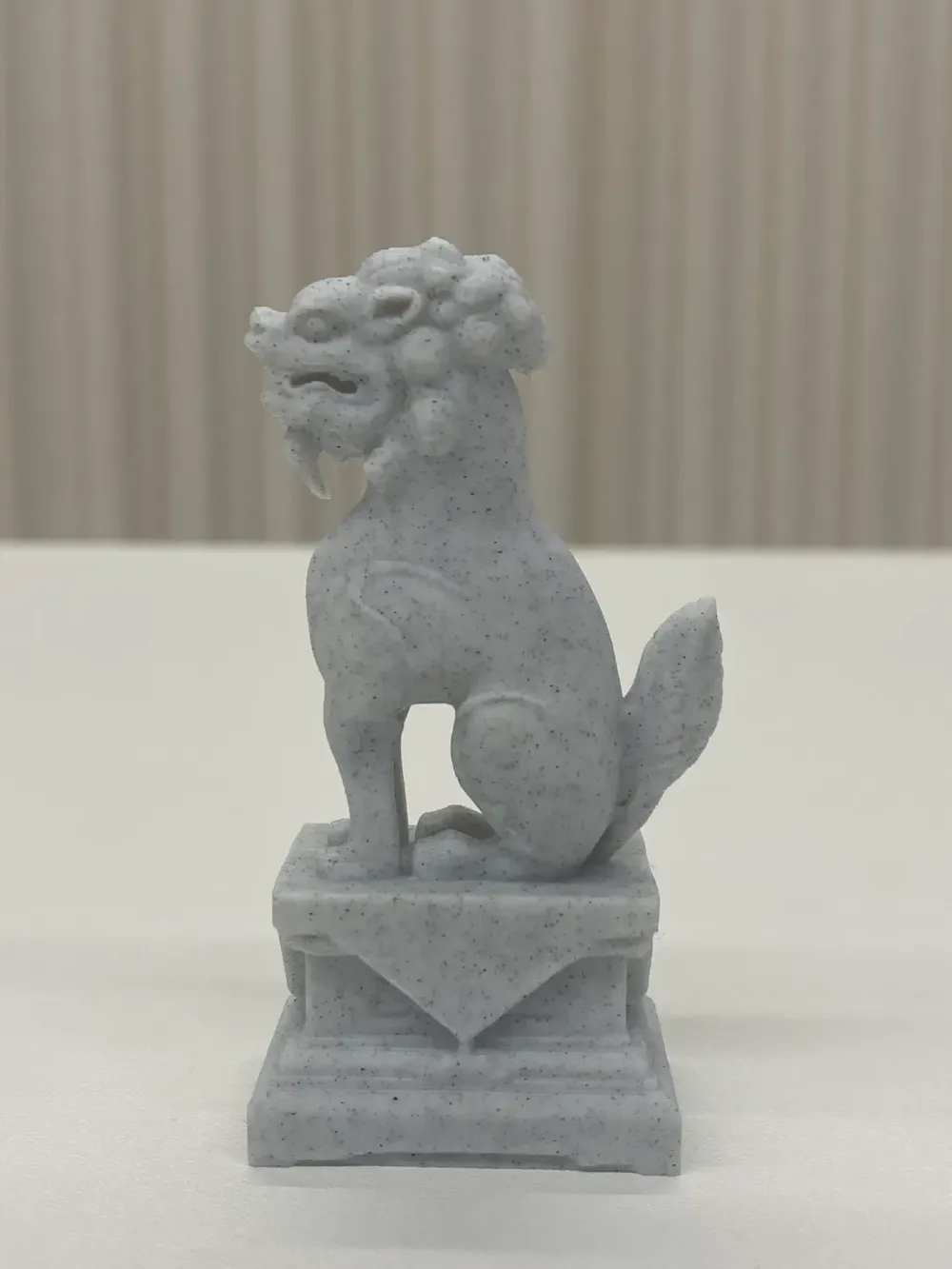
Chinese Palace Architecture - Roof Ridge Six Beasts - Lion
Print Profile(1)
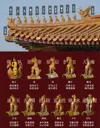
Description
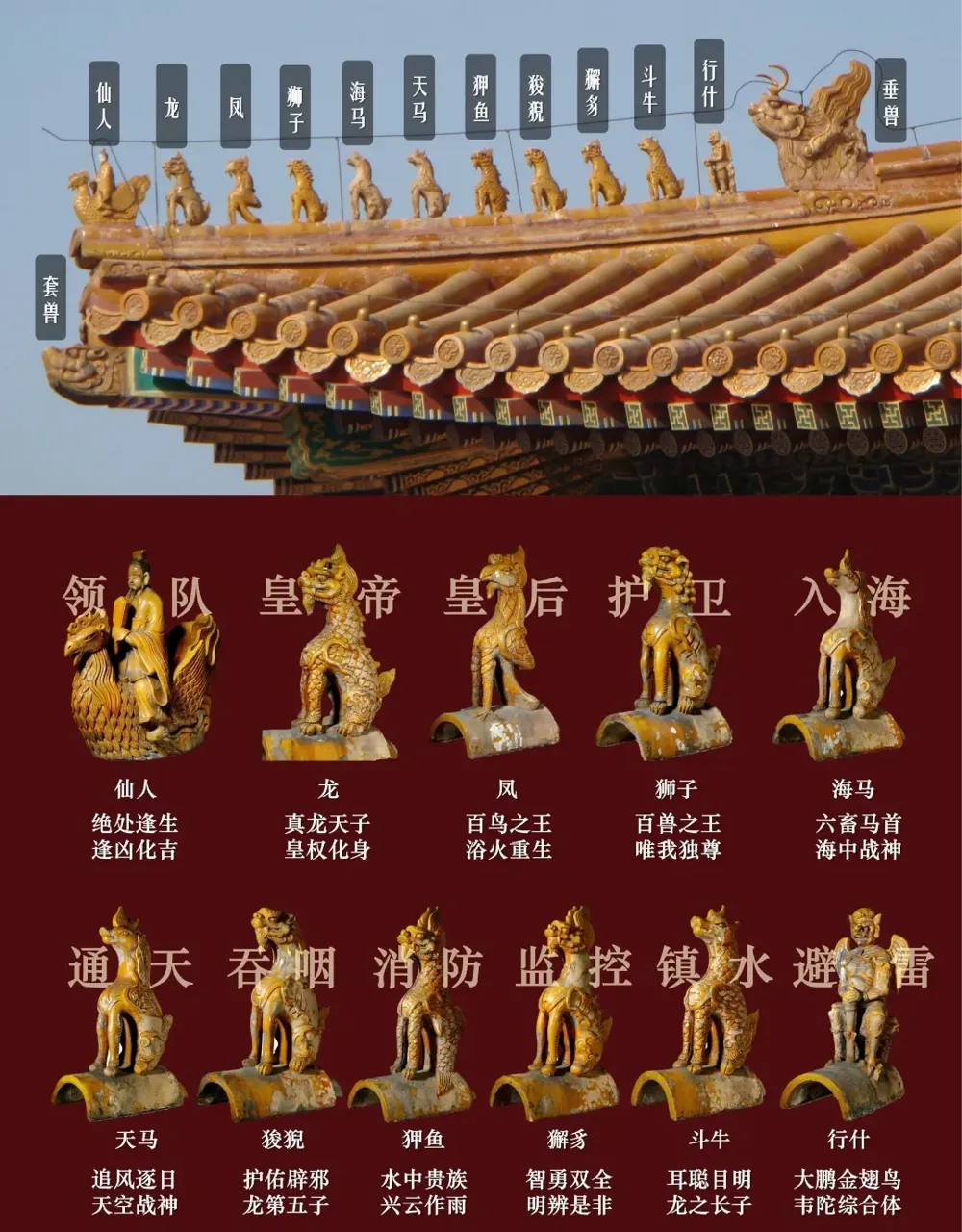
"Ridge Beasts" generally refers to "Five Ridges and Six Beasts", a unique architectural element of traditional Chinese palace buildings. This architectural feature is embodied on the roof of the building, specifically a main ridge (ridgepole) and four sloping ridges extending to the edge of the eaves, together forming "five ridges". The ends of the ridgepole are usually decorated with a dragon's head (or called "Chi Wen"), which is in the image of a ferocious beast swallowing the ridge, both symbolic and adding majesty to the building.
The four sloping ridges, on the other hand, are arranged with five groups of crouching beasts, totaling six (one group per ridge, but the total number varies depending on the method of calculation, here emphasizing "six beasts" as a traditional saying), these crouching beasts are collectively known as "Five Ridges and Six Beasts".
In ancient architecture, "Five Ridges and Six Beasts" plays multiple roles, it is both a symbol of auspiciousness, an element of decorative beautification, and a mythical beast that protects the building from damage. The design of these crouching beasts reflects the ancient architectural consideration for the protection of wooden structures, using beast-shaped decorations to suppress the ridges, embodying the wish for fire prevention and disaster avoidance. At the same time, the gaping maw of the dragon's head firmly bites the end of the ridge, not only enhancing the structural stability of the building, preventing rainwater infiltration, but also imbuing the building with majesty and beauty.
In addition to its application in the field of architecture, "Five Ridges and Six Beasts" also has some meaning in colloquial speech. It is often used to describe a state of extreme discomfort or restlessness in one's heart, this usage stems from the image characteristics of these crouching beasts, ferocious and menacing. In Northern Chinese, "Five Ridges and Six Beasts" also means to be idle and not know what to do, bored.
Furthermore, in some literary works, descriptions of "Five Ridges and Six Beasts" appear, such as in "Dream of the Red Chamber", where it is used to describe the magnificence and splendor of royal architecture with "golden beast face, colorful and brilliant dragon head".
Overall, "Five Ridges and Six Beasts" is an important element of traditional Chinese culture, it not only embodies the exquisite craftsmanship and unique charm of ancient architecture, but also reflects people's yearning and pursuit of a better life.
Boost Me (for free)
License

You shall not share, sub-license, sell, rent, host, transfer, or distribute in any way the digital or 3D printed versions of this object, nor any other derivative work of this object in its digital or physical format (including - but not limited to - remixes of this object, and hosting on other digital platforms). The objects may not be used without permission in any way whatsoever in which you charge money, or collect fees.


Comment & Rating (2)