
Great proletarian revolutionary-Chairman Mao
Print Profile(1)
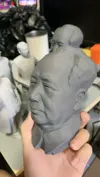
Description
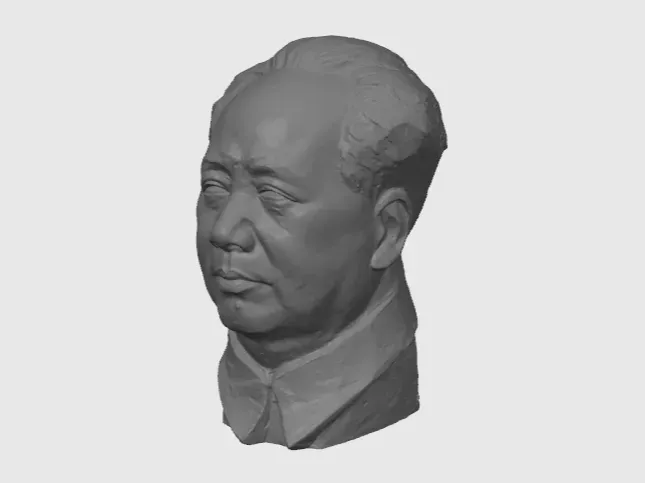
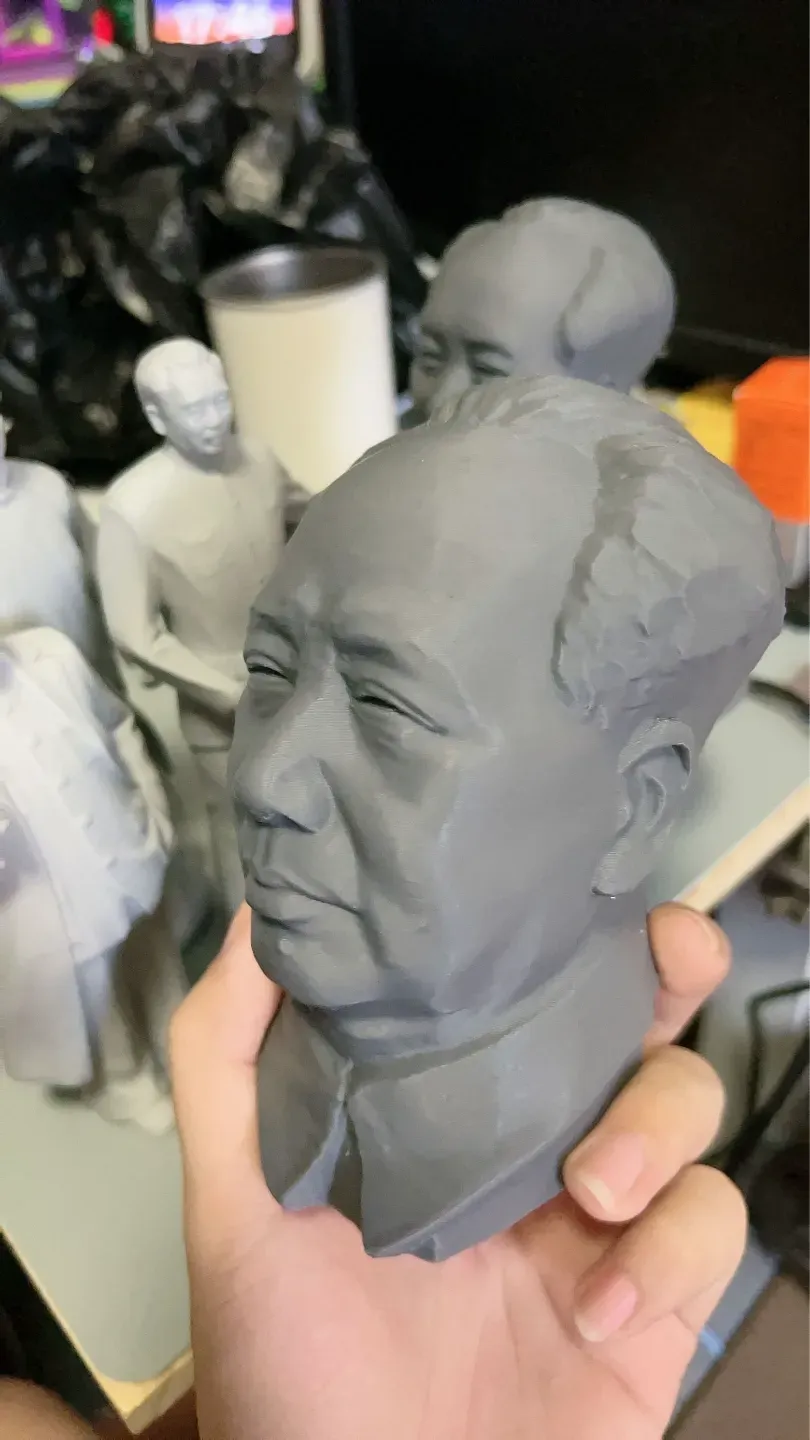
Great proletarian revolutionary-Chairman Mao
Mao Zedong(December 26, 1893 - September 9, 1976), courtesy name Runzhi(originally Yongzhi, later changed to Runzhi), pen name Ziren, a native of Xiangtan, Hunan, a great Marxist, a great proletarian revolutionary, strategist, theorist, the main founder and leader of the Communist Party of China, the People's Liberation Army of China and the People's Republic of China.
May Fourth Movement Before and after, Mao Zedong came into contact with and accepted Marxism. In 1921, he attended the First National Congress of the Communist Party of China. In 1923, he attended the Third National Congress of the Communist Party of China, served as a member of the Central Executive Committee, and participated in the central leadership work. In 1924, the Kuomintang-Communist cooperation, was elected an alternate member of the Central Executive Committee of the Kuomintang. In 1927, the Kuomintang-Communist cooperation broke down, leading the Autumn Harvest Uprising, led the uprising forces to Jinggangshan. In 1928, he met with Zhu De at the Jinggangshan Meeting, and established the Workers' and Peasants' Revolutionary Army Fourth Army. In 1931, he served as the chairman of the provisional central government of the Chinese Soviet Republic. In 1933, he was elected a member of the Political Bureau of the CPC Central Committee. In 1934, he participated in the Long March. In 1935, the Zunyi Conference established a new central leadership led by Mao Zedong. In 1936, he served as Chairman of the Central Revolutionary Military Commission. During the War of Resistance Against Japan, he led the Communist Party of China to conduct guerrilla warfare behind enemy lines. In 1943, he served as Chairman of the Political Bureau of the CPC Central Committee. From 1949 to 1976, he served as the supreme leader of the People's Republic of China.
Mao Zedong's contribution to the development of Marxist-Leninist thought, military theory, and his theoretical contributions to the Communist Party are known as Mao Zedong Thought, which was established as the guiding ideology of the CPC in 1945. He was the great pioneer of the Sinification of Marxism, the great founder of China's socialist modernization drive, one of the greatest patriots and national heroes in modern China, the core of the first generation of central leadership of the Party, a great man who led the Chinese people to completely change their destiny and the face of the country, a great internationalist who made significant contributions to the liberation of oppressed peoples around the world and to the cause of human progress, and is considered one of the most important figures in modern world history.
License

You shall not share, sub-license, sell, rent, host, transfer, or distribute in any way the digital or 3D printed versions of this object, nor any other derivative work of this object in its digital or physical format (including - but not limited to - remixes of this object, and hosting on other digital platforms). The objects may not be used without permission in any way whatsoever in which you charge money, or collect fees.


Comment & Rating (3)