Search models, users, collections, and posts

HoloCubic Metal 3D Printed Enclosure 稚晖君's Open-Source Small Television
IP Report
Print Profile(2)
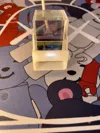
PLA 0.2mm layer, 2 walls, 15% infill
Designer
39 min
1 plate
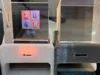
PETG Translucent 0.2mm layer, 2 walls, 15% infill
Designer
44 min
1 plate
Open in Bambu Studio
Boost
7
22
1
2
18
6
Released
Description
Content has been automatically translated.
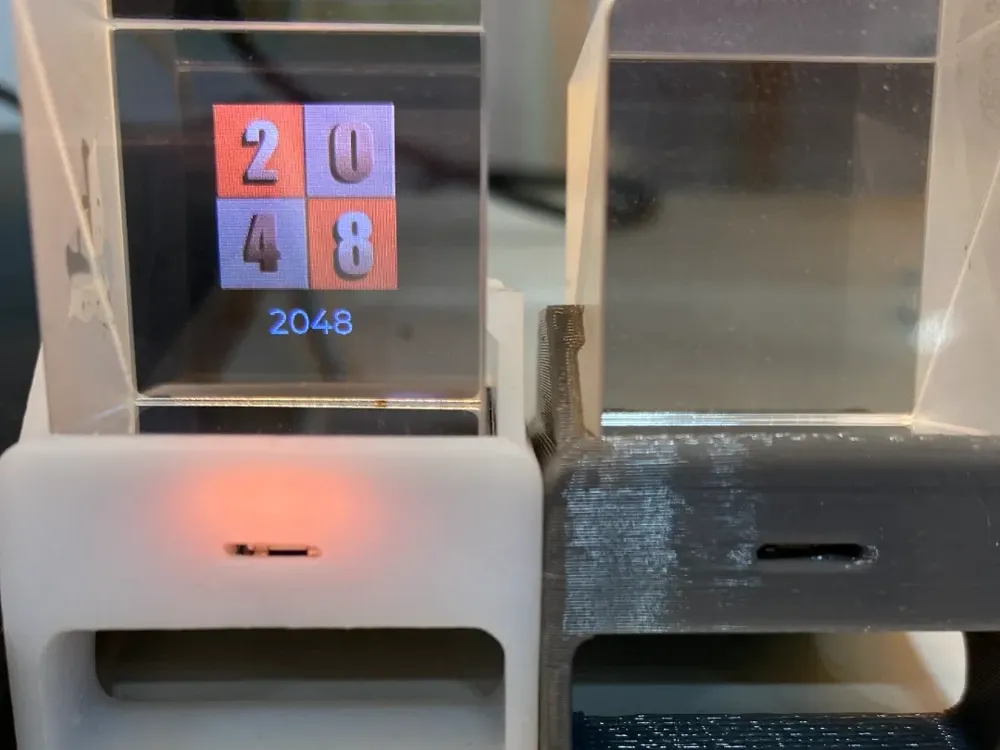
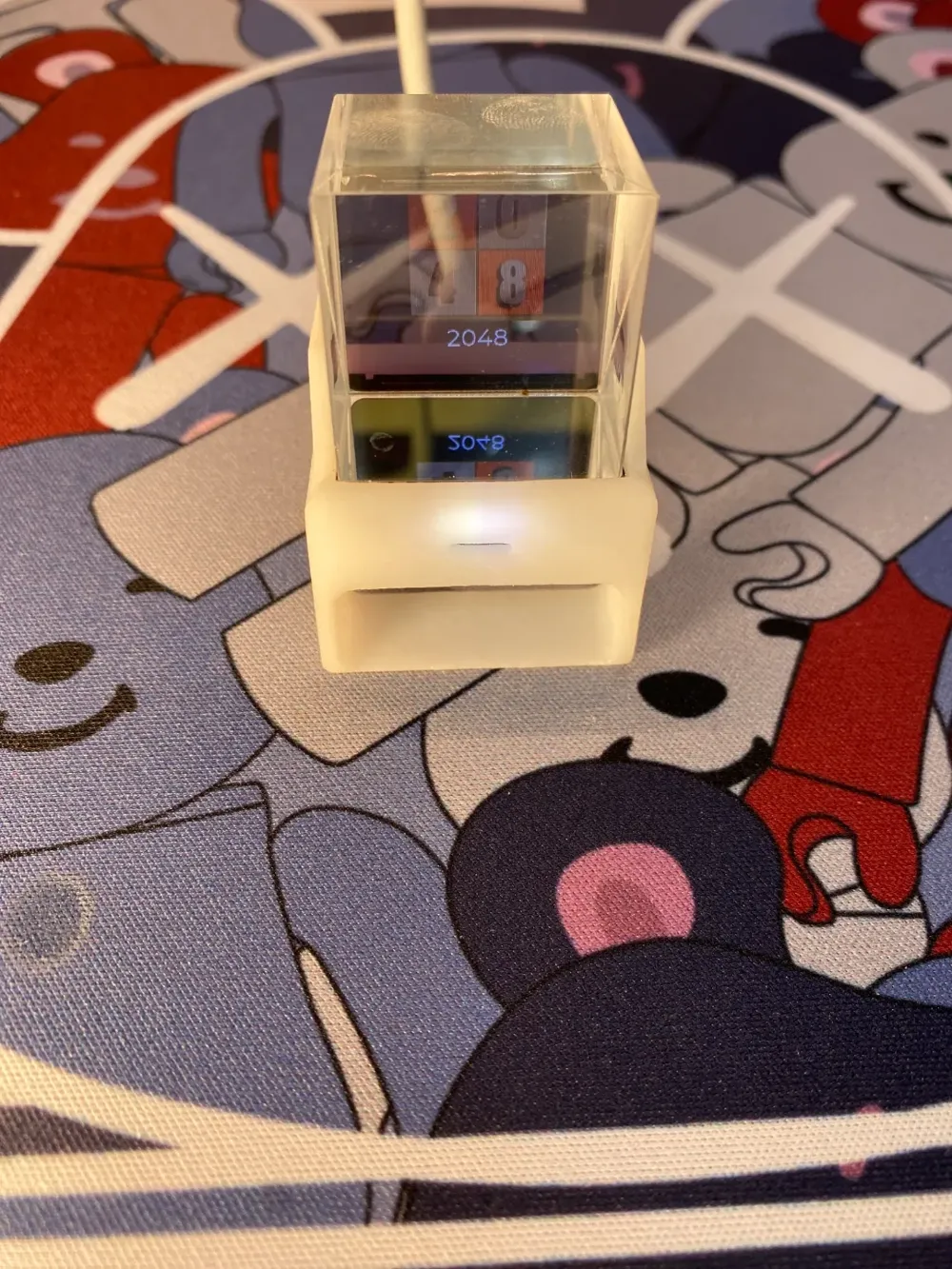
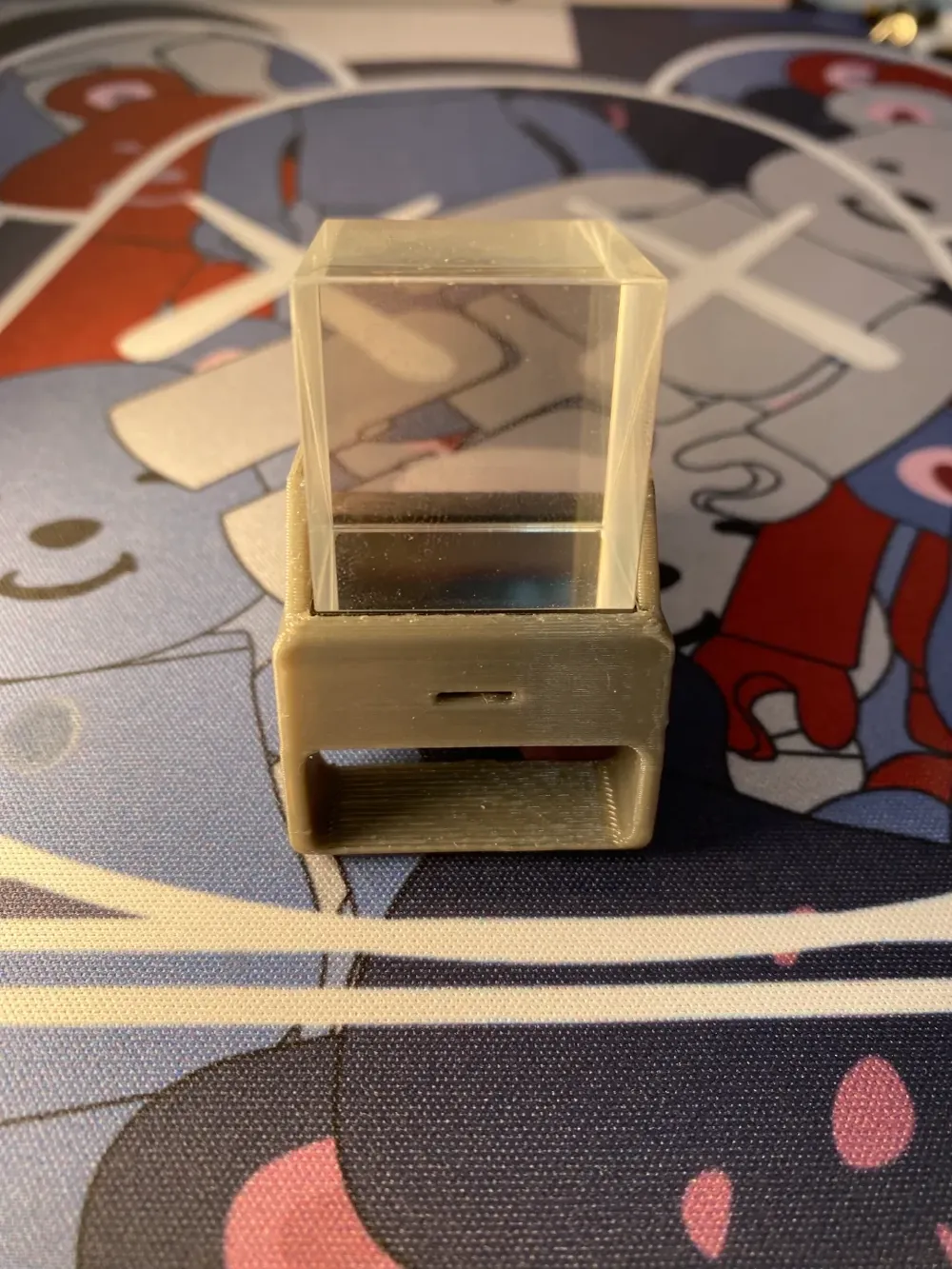
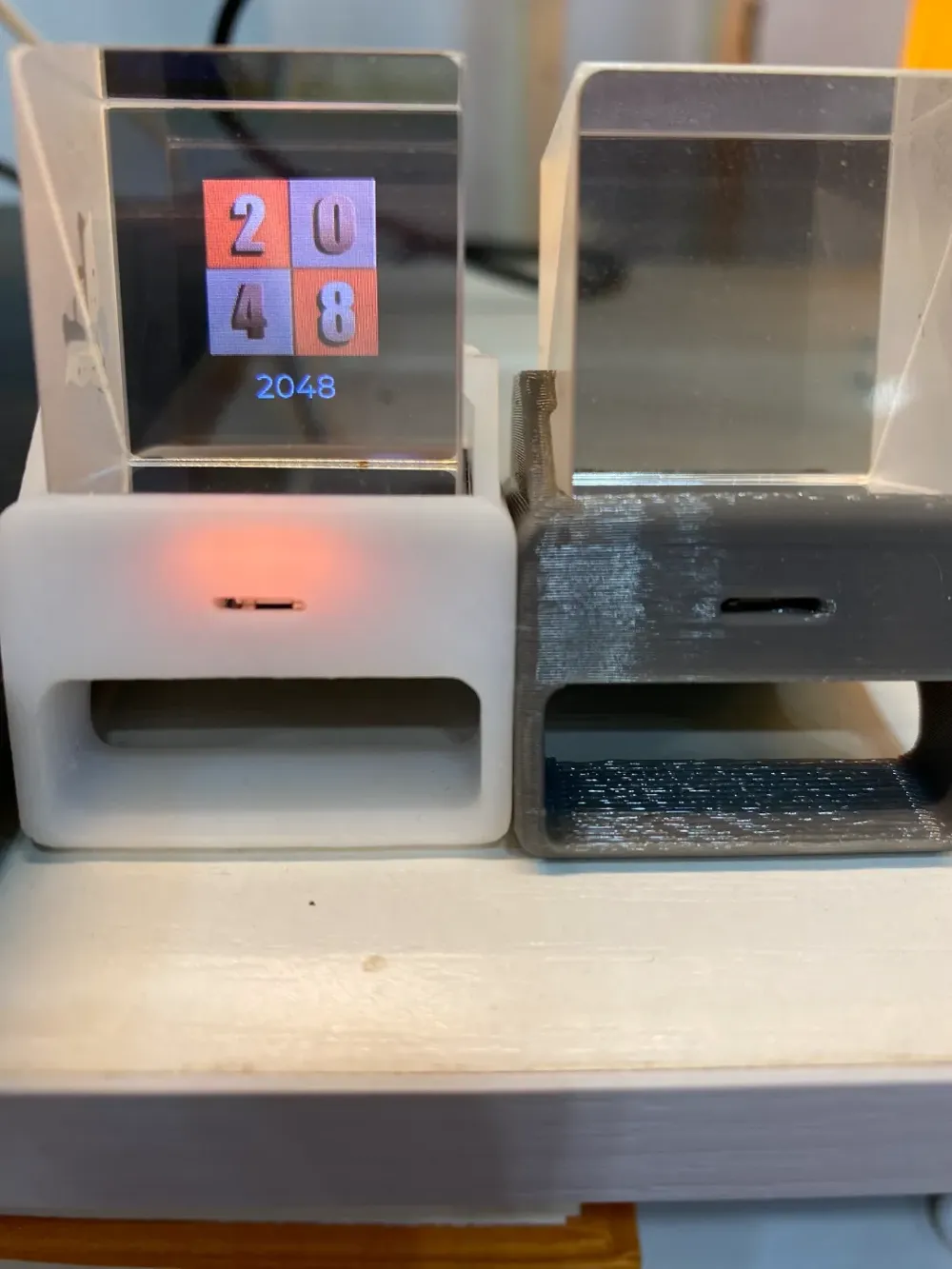
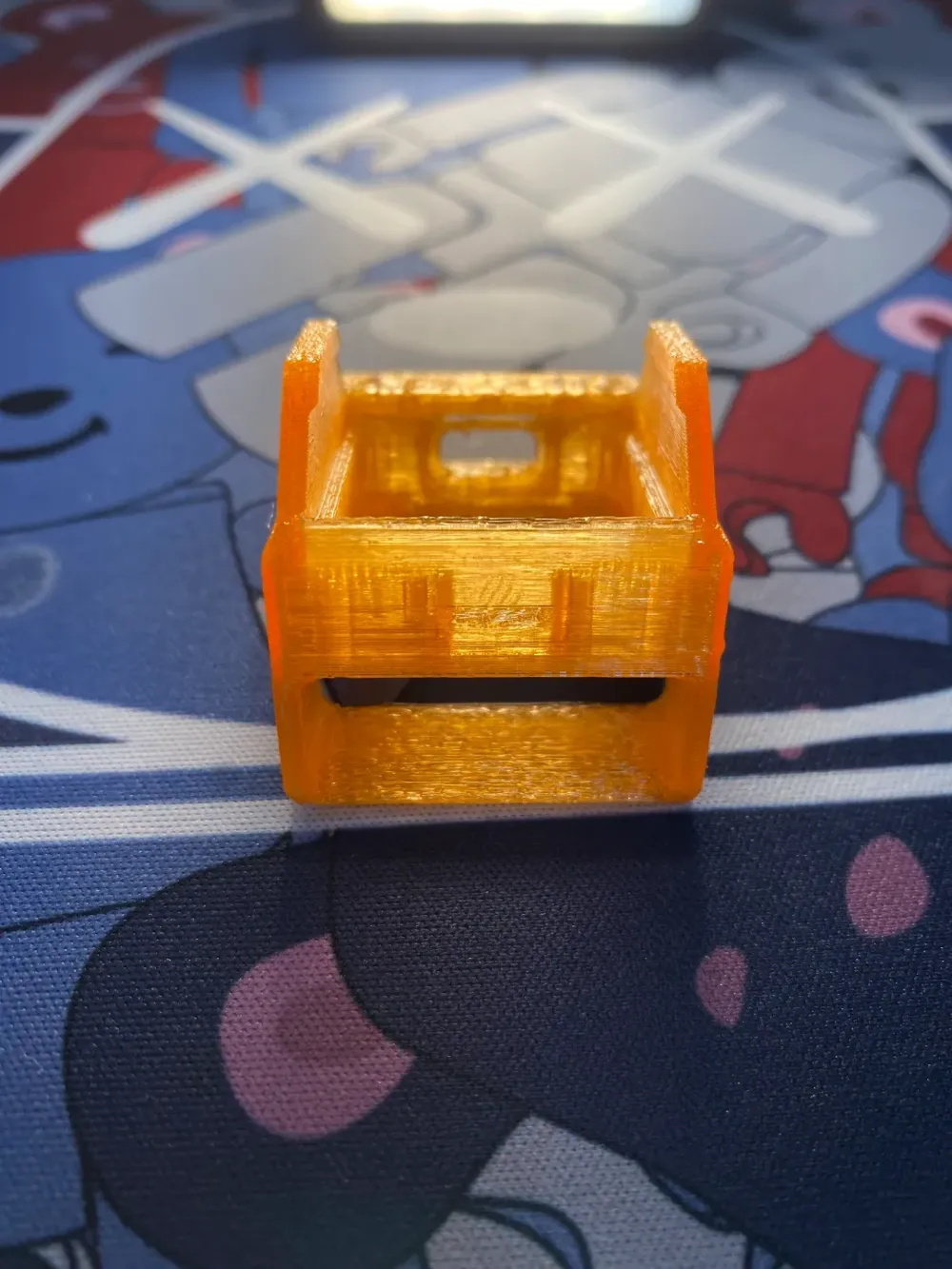
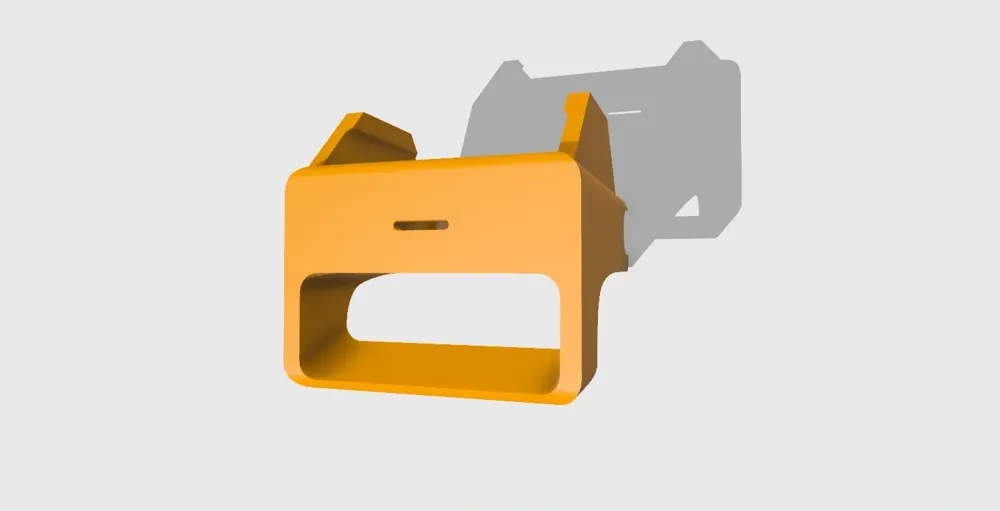
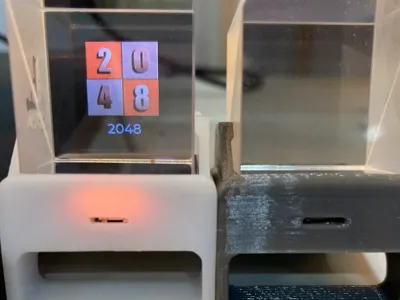
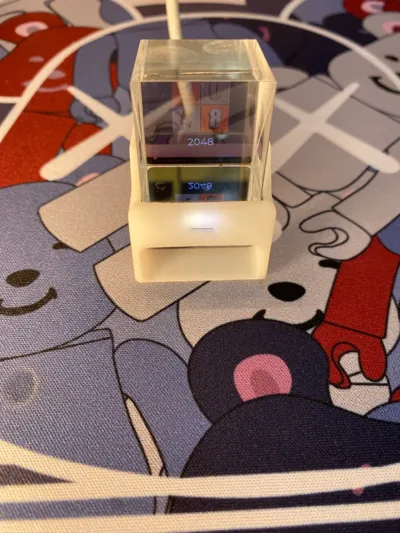
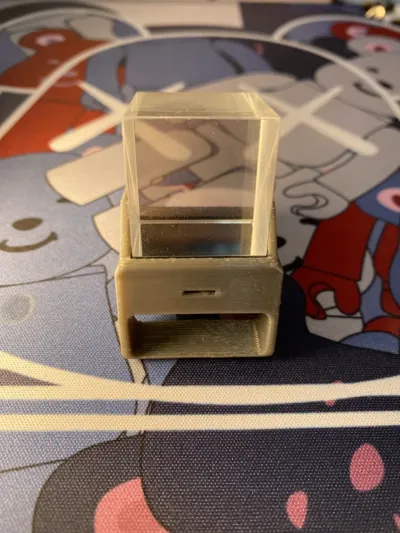
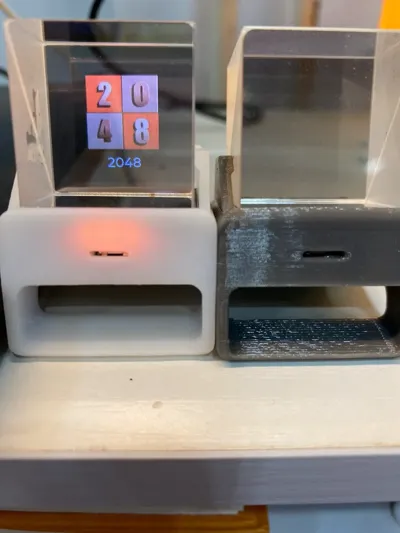
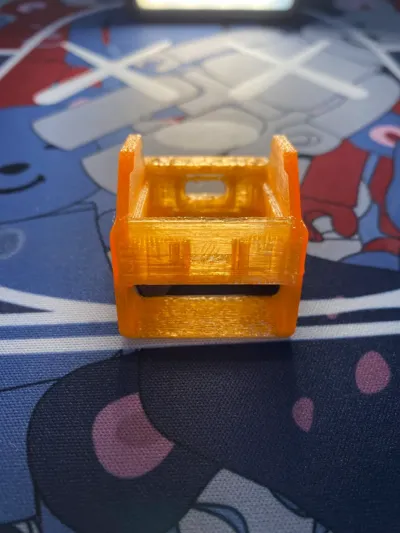
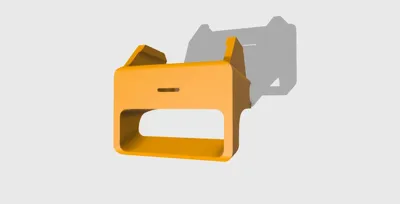
HoloCubic 3D Metal Printing Files Released
Metal Printing Files
The blogger's replica is not the original version by 稚晖君, but the open-source AIO firmware version of the small television. Its Metal 3D printing files are also adapted to the AIO version and have not been verified for the original version. The replication experience is being compiled and will be updated later.
Recommended printing consumables: PLA, PETG Transparency.
Boost Me (for free)
HoloCubic Introduction
HoloCubic is a network-enabled pseudo-holographic transparent display desktop station that uses a dispersive prism and electronic components to create a visually holographic effect. This project combines hardware and software development, providing a creative platform for DIY enthusiasts to explore the applications of transparent displays.
- Original Author's Introduction Video:Watch Video
- Original Author's Open Source Project:GitHub - peng-zhihui/HoloCubic
- AIO Firmware(Recommended):GitHub - ClimbSnail/HoloCubic_AIO
Hardware
Soldering and Debugging
- Soldering and Testing
- Includes ME6211 voltage regulator, resistors, capacitors, and other components.
- Test the Type-C interface and CP2102 USB-to-serial chip.
- Gradually troubleshoot common problems such as cold solder joints and short circuits.
Soldering and Testing ESP32
- Check if the communication between ESP32 and CP2102 is normal.
- Use the host computer to view the serial port information and confirm that the baud rate is set to 115200.
Other Hardware Components
- MPU6050 accelerometer
- FPC card socket
- LCD expansion board
- SD card base
- WS2812B LED
Software
Development Environment
- Use PlatformIO for development.
- The graphical interface is based on the LVGL library.
Boost Me (for free)
License

This user content is licensed under a
Creative Commons Attribution-Noncommercial-NoDerivatives


Comment & Rating (1)