
Byzantine Sundial Calendar





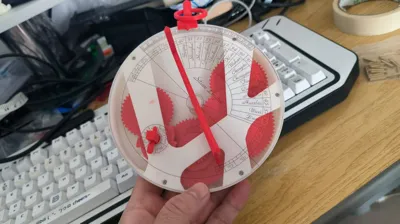
Print Profile(1)

Bill of Materials

- D3×15mm黄铜轴 x 8: 黄铜轴
Description
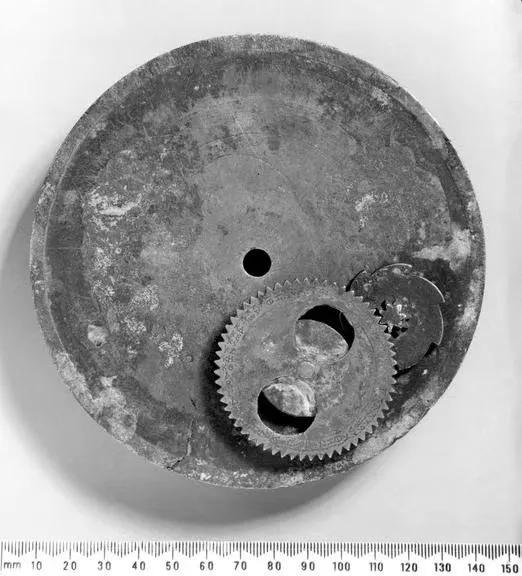
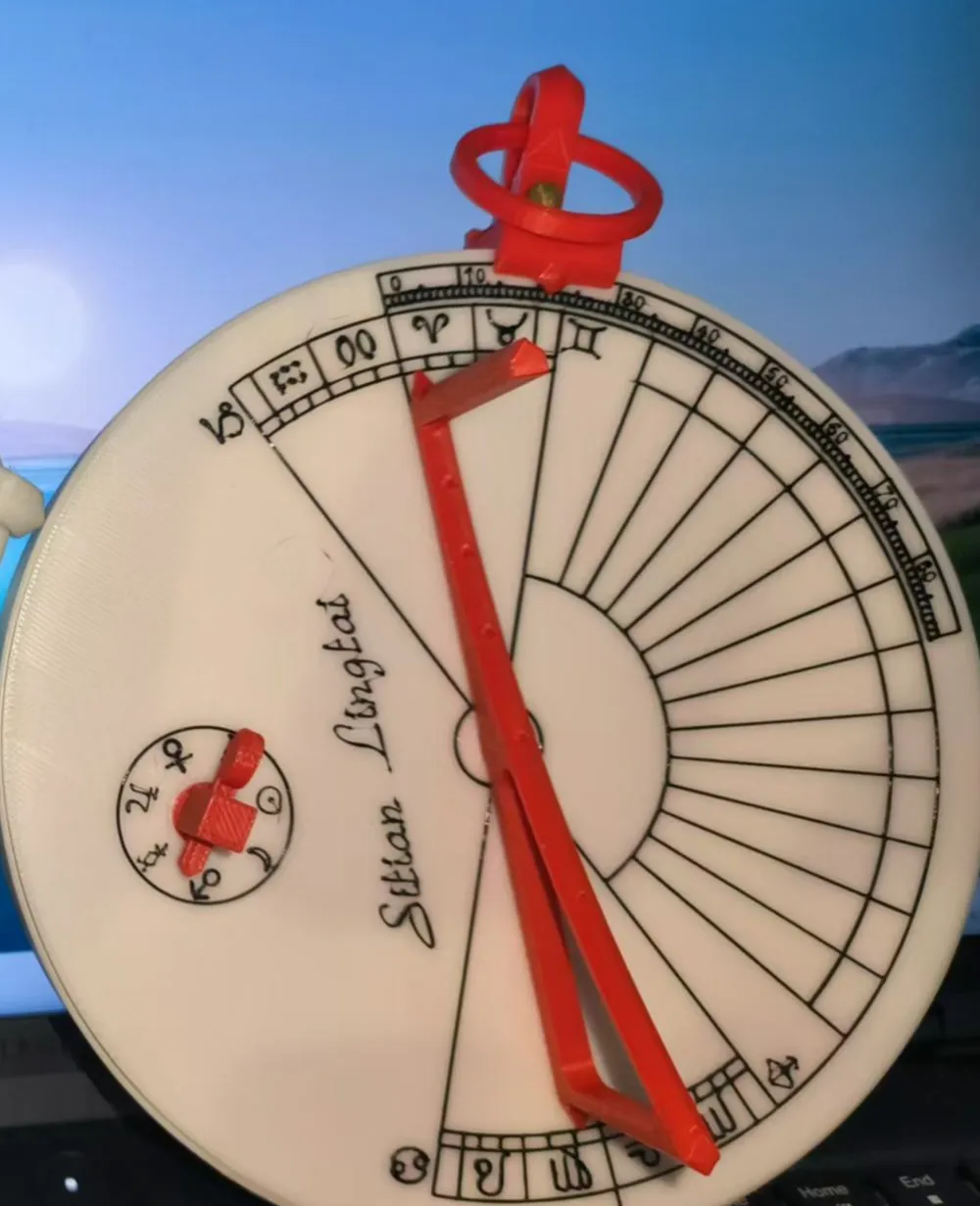
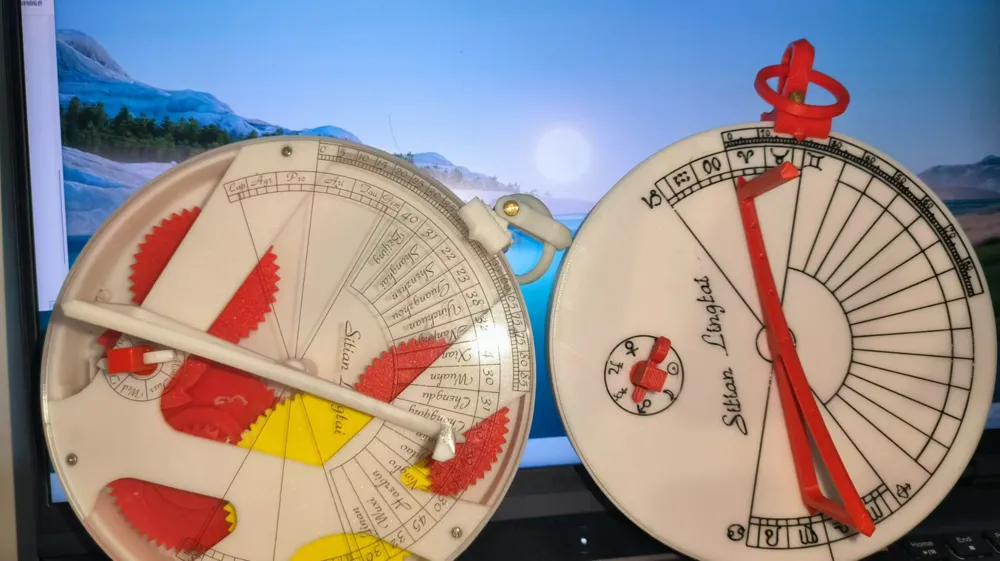
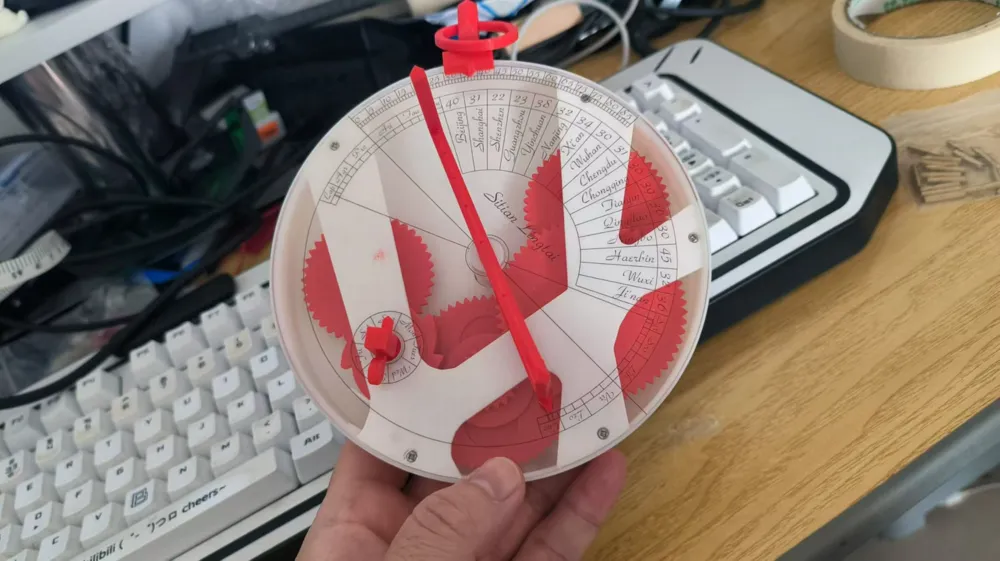
Sundial-calendar consisting of four surviving parts (including front sundial plate, suspension arm, Moon disc with gear, and arbor with ratchet and two gear wheels). Made in the Byzantine Empire, maker unknown, 400-600.
16 locations are inscribed in Greek on the sundial plate, translated as: Constantinople, Syene, Thebaid, Africa, Alexandria, Antioch, Rhodes, Athens, Sicily, Thessalonika, Rome, Dalmatia, Doclea, Caesarea Sratonis, Palestine, and Ascalon.
This device, consisting of a sundial and geared mechanical calendar, is the second oldest known of its kind. The earliest known example is the Antikythera Mechanism.
The owner of this device would have been able to use it as a sundial to tell the time in 16 locations across the ancient world and would have been able to predict the positions of the Sun and Moon in the zodiac and the lunar phases.
License



Comment & Rating (0)