
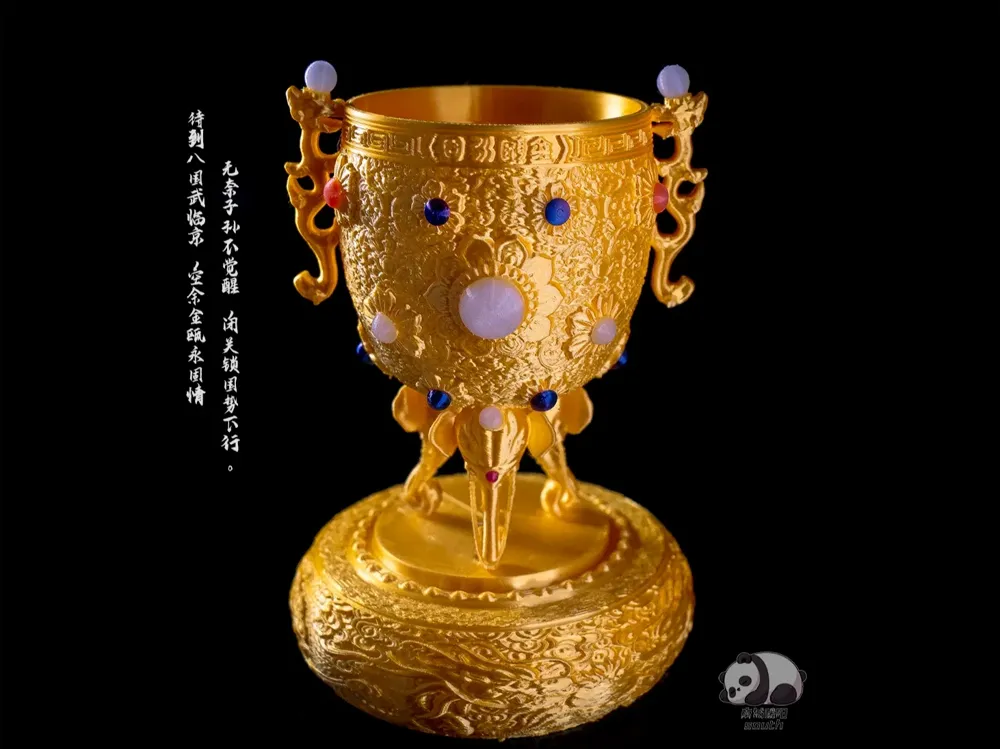
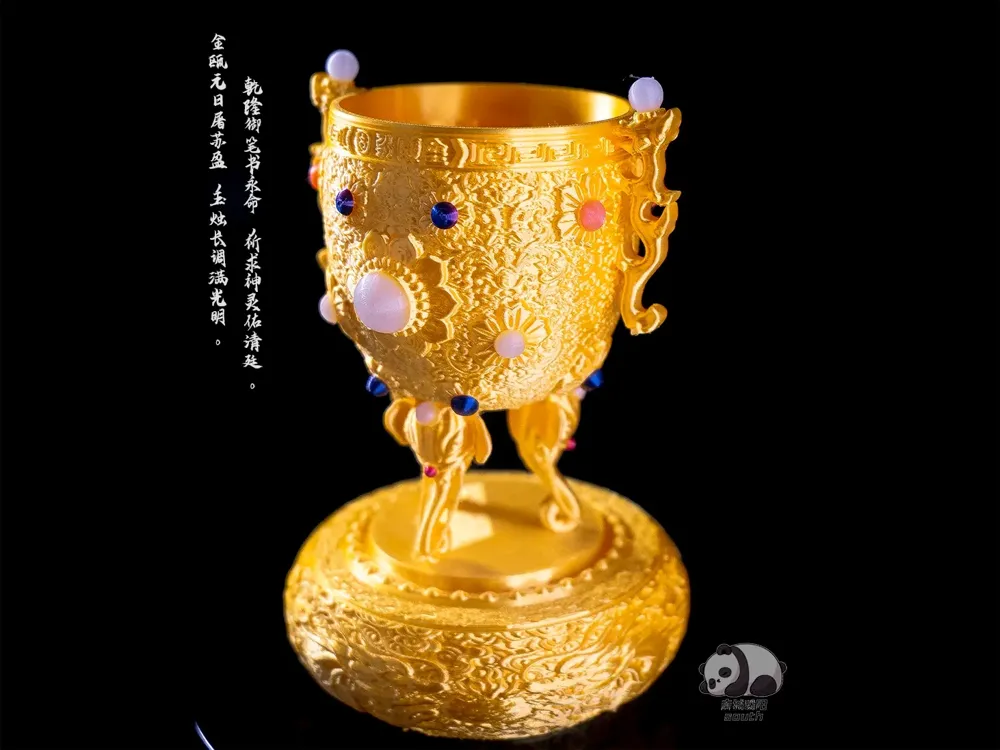
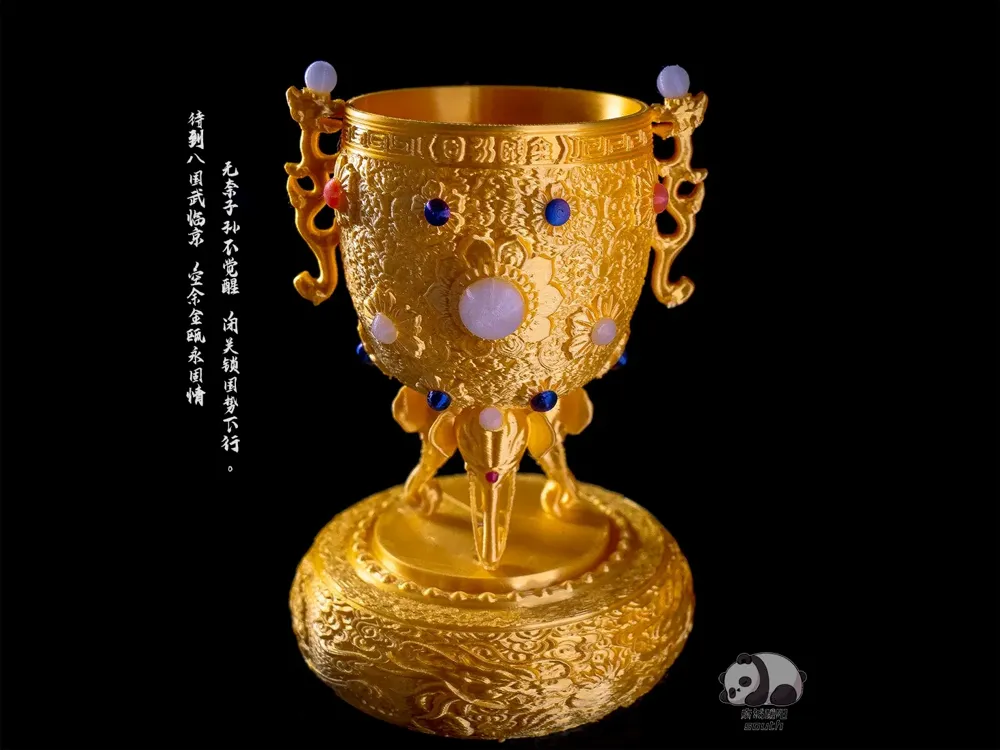
Qianlong-style Gold-inlaid Gemstone Jinou Yonggu Cup
Print Profile(2)
Description
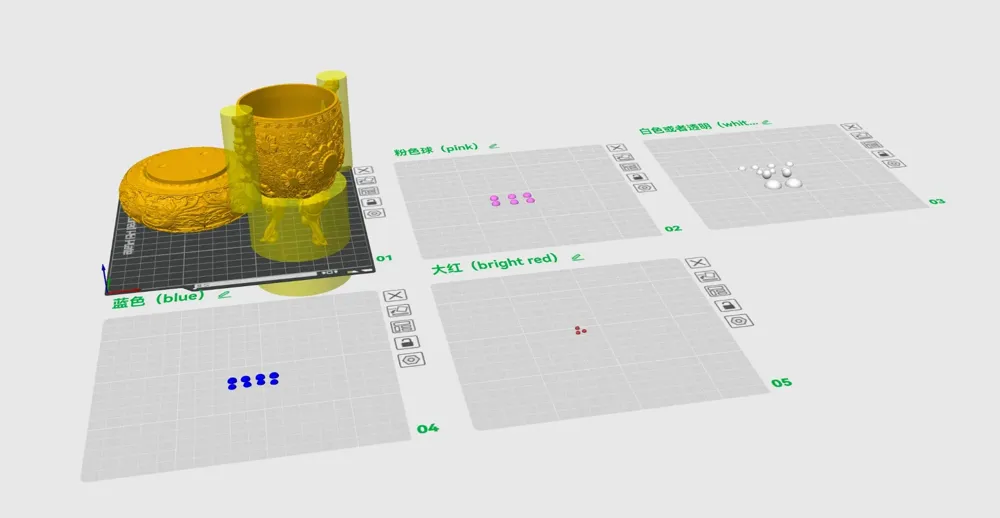
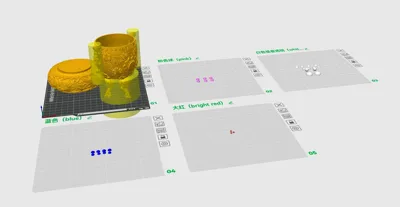
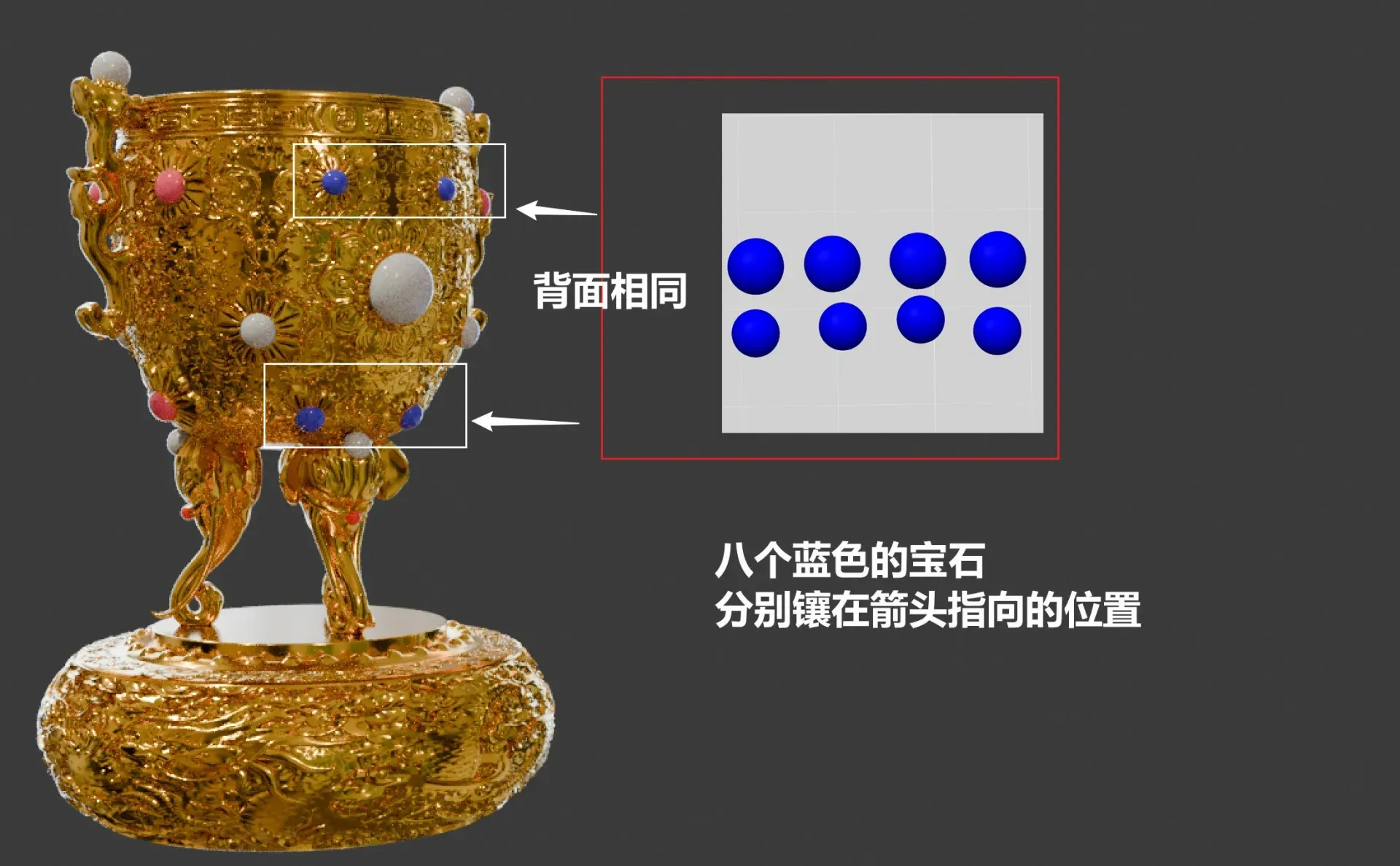
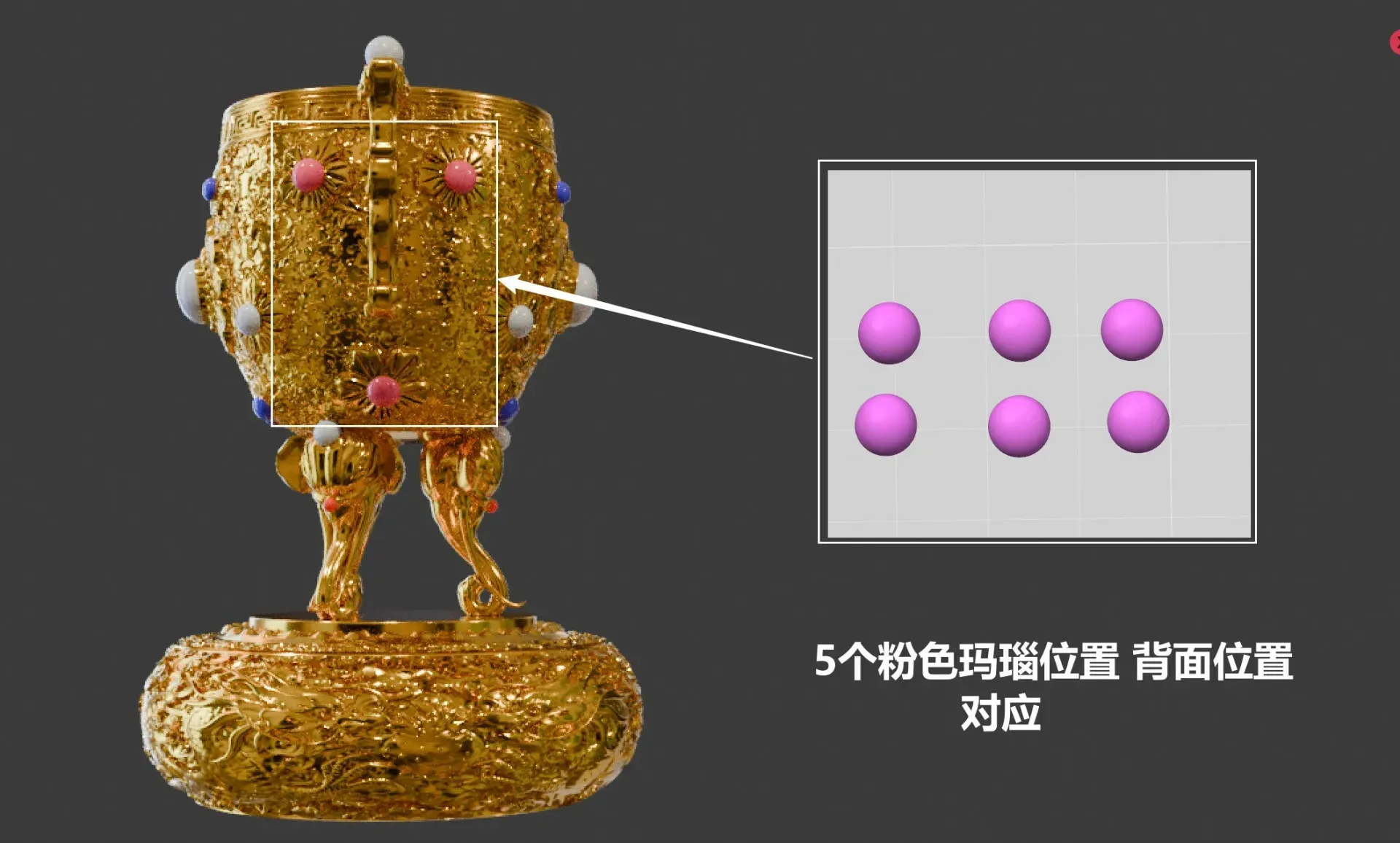
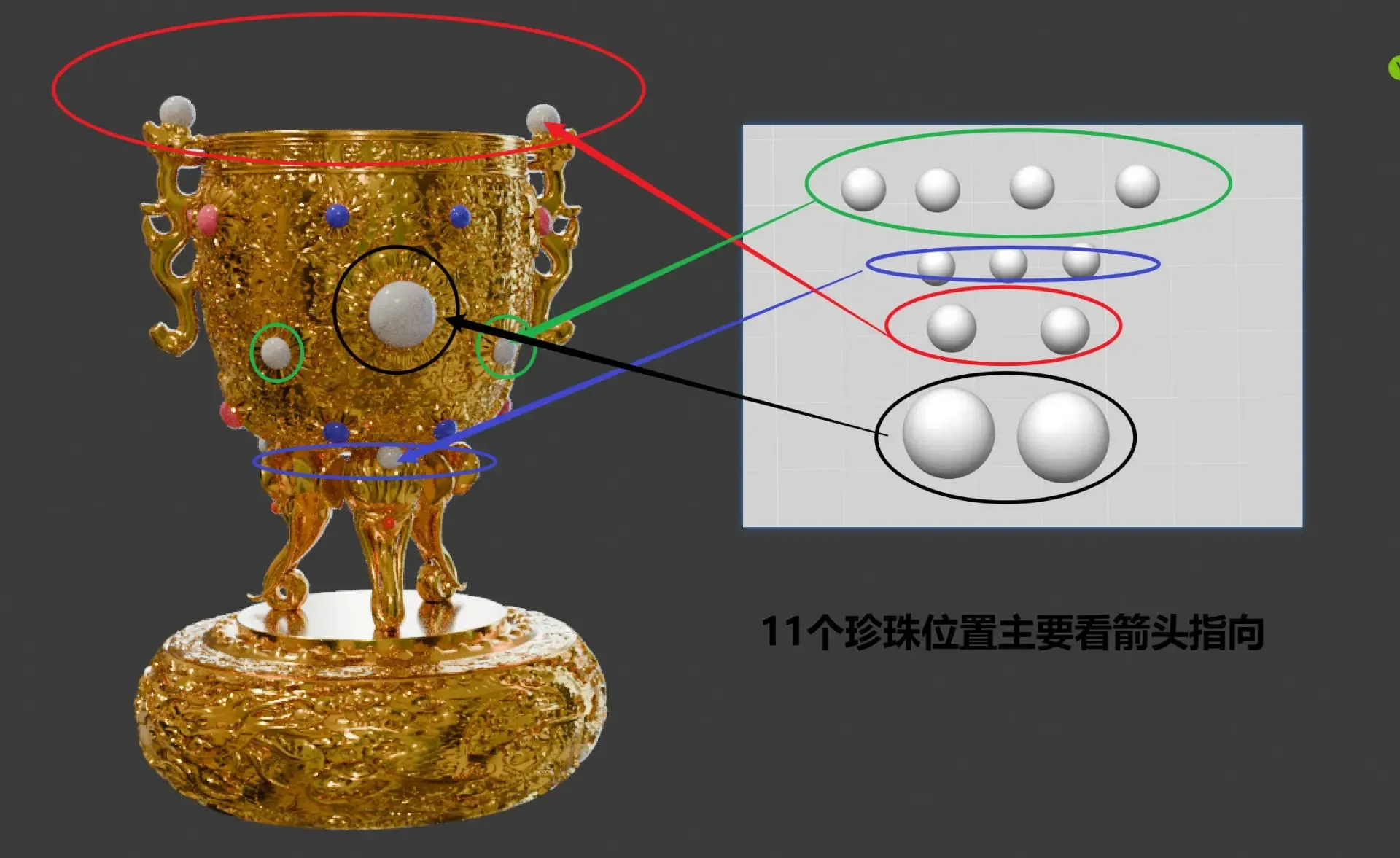
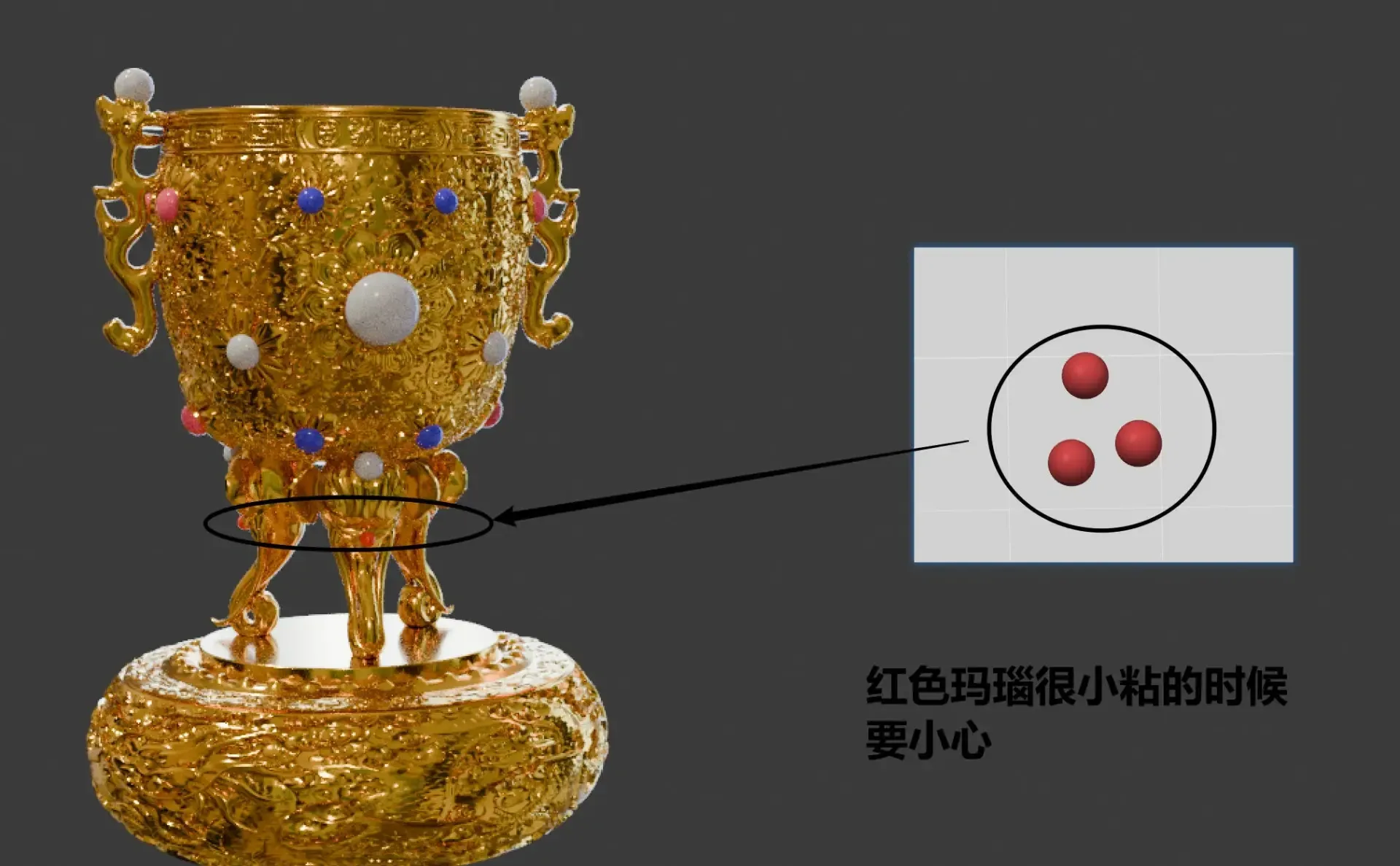
The model requires glue to hold the gems on the cup in place, the specific locations are as follows 1
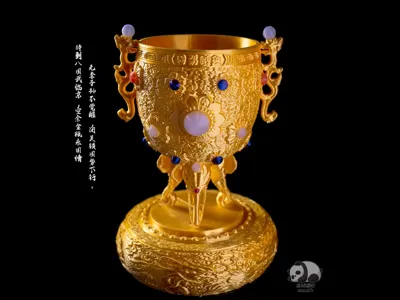
“Jinou Yonggu” mainly refers to a precious object in the Qing Dynasty palace – the Jinou Yonggu Cup, a royal ceremonial object with profound political and cultural significance. It is not only a valuable object, but also a symbol of the Qing Dynasty emperor’s wishes and symbol of the long-lasting peace and stability of the nation.
1. Name and Symbolism
“Jinou” refers to a golden wine cup, symbolizing the complete and unbroken integrity of the nation. “Yonggu” expresses the wish for long-lasting peace and stability of the nation and the people. Together, “Jinou Yonggu” represents the nation being as whole and undamaged as a golden cup, and enduring for a long time. The name of this cup embodies the Qing Dynasty emperors' strong desire for national unity and social stability across generations.
2. Historical Background
The Jinou Yonggu Cup was first made during the Yongzheng reign of the Qing Dynasty, and was later passed down to the Qianlong and Jiaqing reigns, serving as one of the most important ceremonial objects in the Qing Dynasty palace. It was specifically used in major celebrations or royal ceremonies, such as New Year’s Day, Wan Shou Jie (the Emperor’s birthday), and sacrifice ceremonies, and held important ritualistic and symbolic significance. This cup symbolizes the stability of the imperial power and the nation, and is one of the symbolic objects for the royal family’s prayer for the lasting stability of their dynasty.
3. Appearance and Craftsmanship
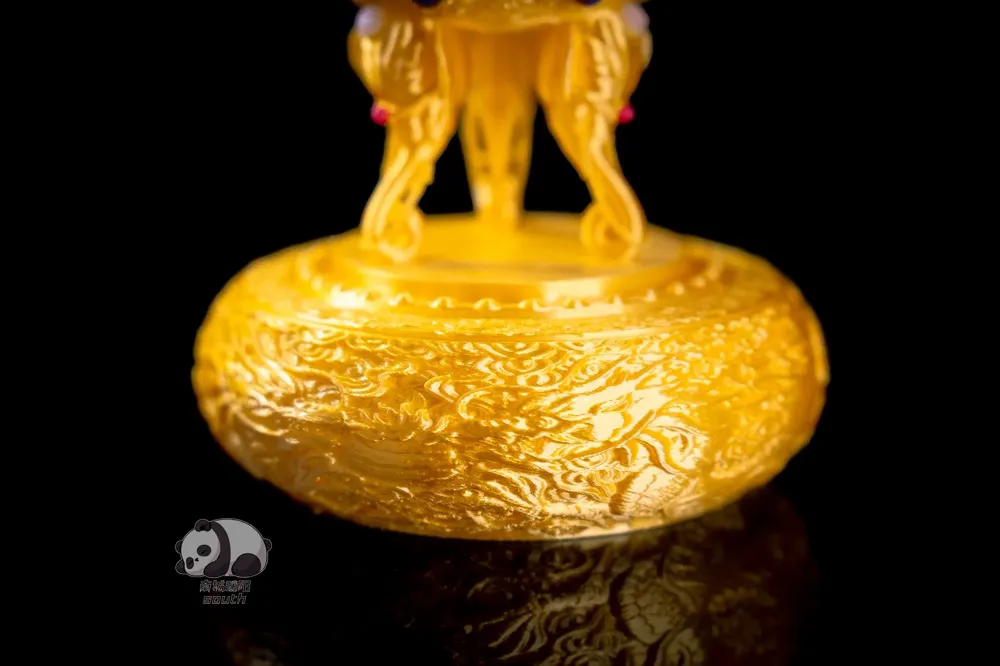
The Jinou Yonggu Cup is usually made of pure gold, with a unique and gorgeous shape, finely sculpted and meticulously crafted, showcasing the superb craftsmanship of the royal artisans of the Qing Dynasty. The cup is often engraved with a five-clawed dragon pattern, a symbol exclusive to the emperor, signifying the supremacy of the imperial power. The cup is exquisitely patterned, decorated with cloud patterns, ocean-wave mountain-cliff patterns, symbolizing the vastness of heaven and earth, and the noble integrity of the nation. These pattern designs not only possess artistic merit, but also have profound symbolic meaning, representing the royal family’s wish for the stability of their dynasty.
4. Occasions of Use
The Jinou Yonggu Cup was only used in major ceremonies and rituals presided over by the emperor, including:
- New Year's Day Ceremony: At the beginning of the new year, the emperor prayed for the stability of the nation and the dynasty, and the well-being of the people.
- Wan Shou Jie: The Emperor’s birthday, used to express congratulations to the emperor, while also implying the long-lasting peace and stability of the nation.
- Sacrifice: In the rituals of sacrificing to heaven and earth, and to ancestors, the Jinou Yonggu Cup symbolizes the wishes for the stability of the nation and the dynasty.
- Victory Ceremony: For example, victory celebrations or national triumphs, implying that the nation and the imperial power are as strong as a golden cup, indestructible.
5. Present Existence and Transmission
Currently, royal objects such as the Jinou Yonggu Cup are mostly kept in the Palace Museum, while some have been lost overseas due to historical turmoil, or are collected in museums around the world. Due to their significant symbolic meaning, such objects are highly valued and represent the essence of ancient Chinese royal culture and art.
6. Cultural Impact
The symbolic significance of the Jinou Yonggu Cup had a profound impact on the Qing Dynasty, becoming a symbol of national integrity and the stability of the imperial power. In subsequent cultural and literary works, the word “Jinou” is used metaphorically to refer to the unity and indivisibility of the nation and the people, echoing the aspiration of “Jinou Yonggu”.
License

You shall not share, sub-license, sell, rent, host, transfer, or distribute in any way the digital or 3D printed versions of this object, nor any other derivative work of this object in its digital or physical format (including - but not limited to - remixes of this object, and hosting on other digital platforms). The objects may not be used without permission in any way whatsoever in which you charge money, or collect fees.


Comment & Rating (1)