
Insulation wall plug

Print Profile(1)


Description
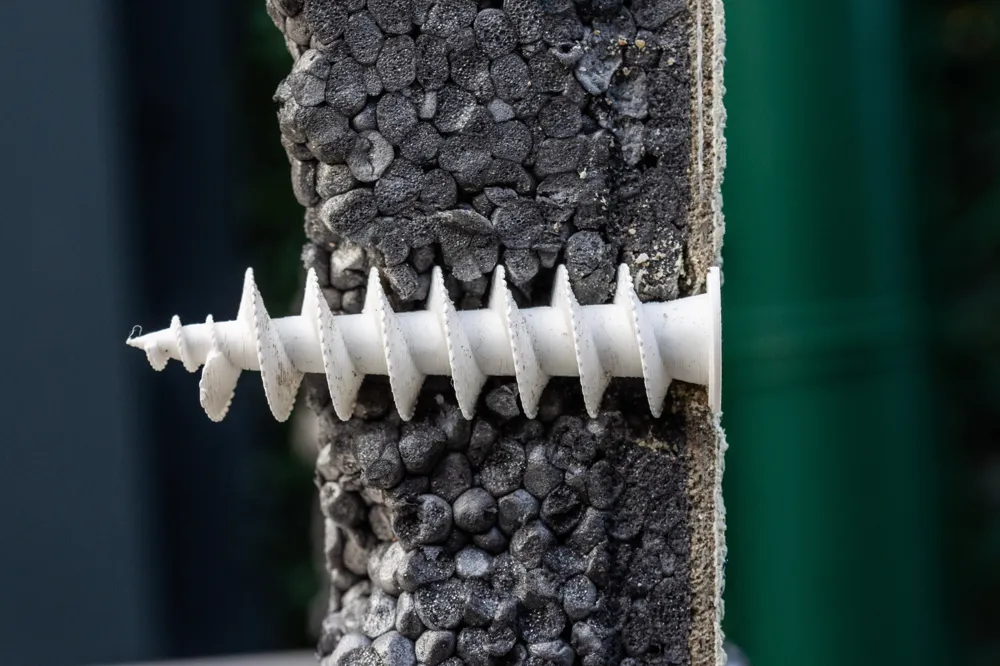
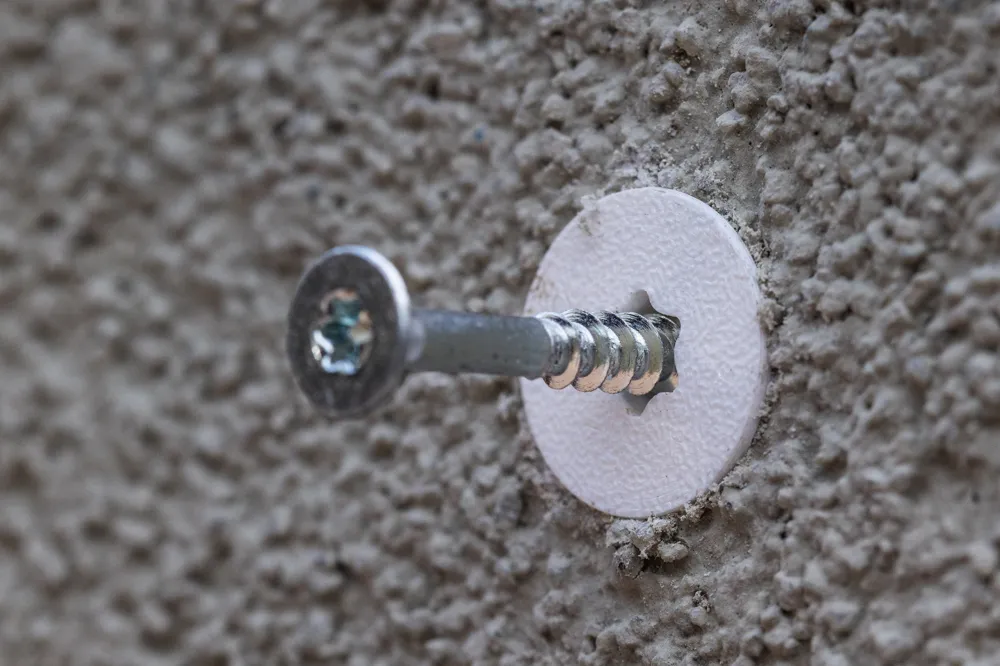
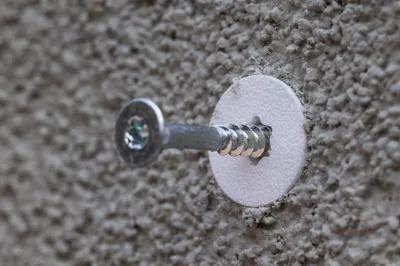
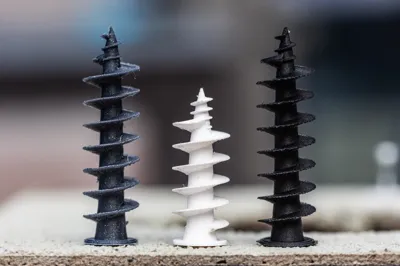
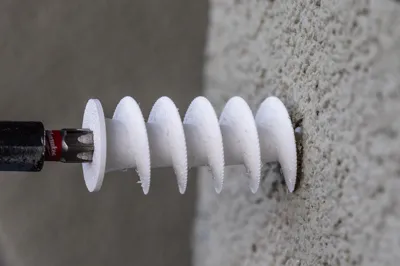
I designed this model to mount lightweight things (lights, wall plugs, thermostat sensor,…) to the outdoor walls of my house.
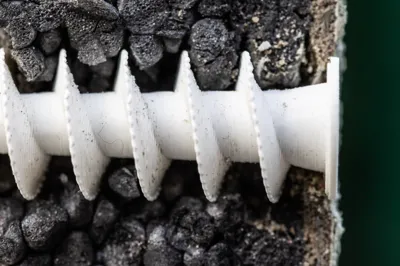
The brick walls are covered with insulation plates and plaster, which makes it very difficult to securely screw someting into it. This will help, but keep in mind that these will not carry more than 5-10kg.
You've got these from Fischer (FID plugs) but 6 euros for 2 pieces gets expensive fast.
For the best print results, print them in impact resistant PLA with the following notes:
- NO SUPPORTS needed (the spiral structure lends itsself very well to large overhangs without supports)
- Print at very high temperature (for good layer adhesion)
- Cooling is necessary but not 100% (I use 50%)
- 0,2 layer height is possible, but 0,1 gives a smoother screwing edge and requires less cooling
I used:
- Fiberlogy Impact PLA
- 245°C nozzle
- 60° bed
- 100mm/s
- 0,1mm layers
- 50% cooling
I've tried a lot of other filaments, all of which had same strenght or lower than the impact PLA. Destructive testing showed they all broke at various locations on the shaft, so there's no significant weak point, all of them requiring more or less the same strenght. Below my list of strength, from low to high
- PETG
- PCTG
- PP
- PA12-CF
- PA12
- PC
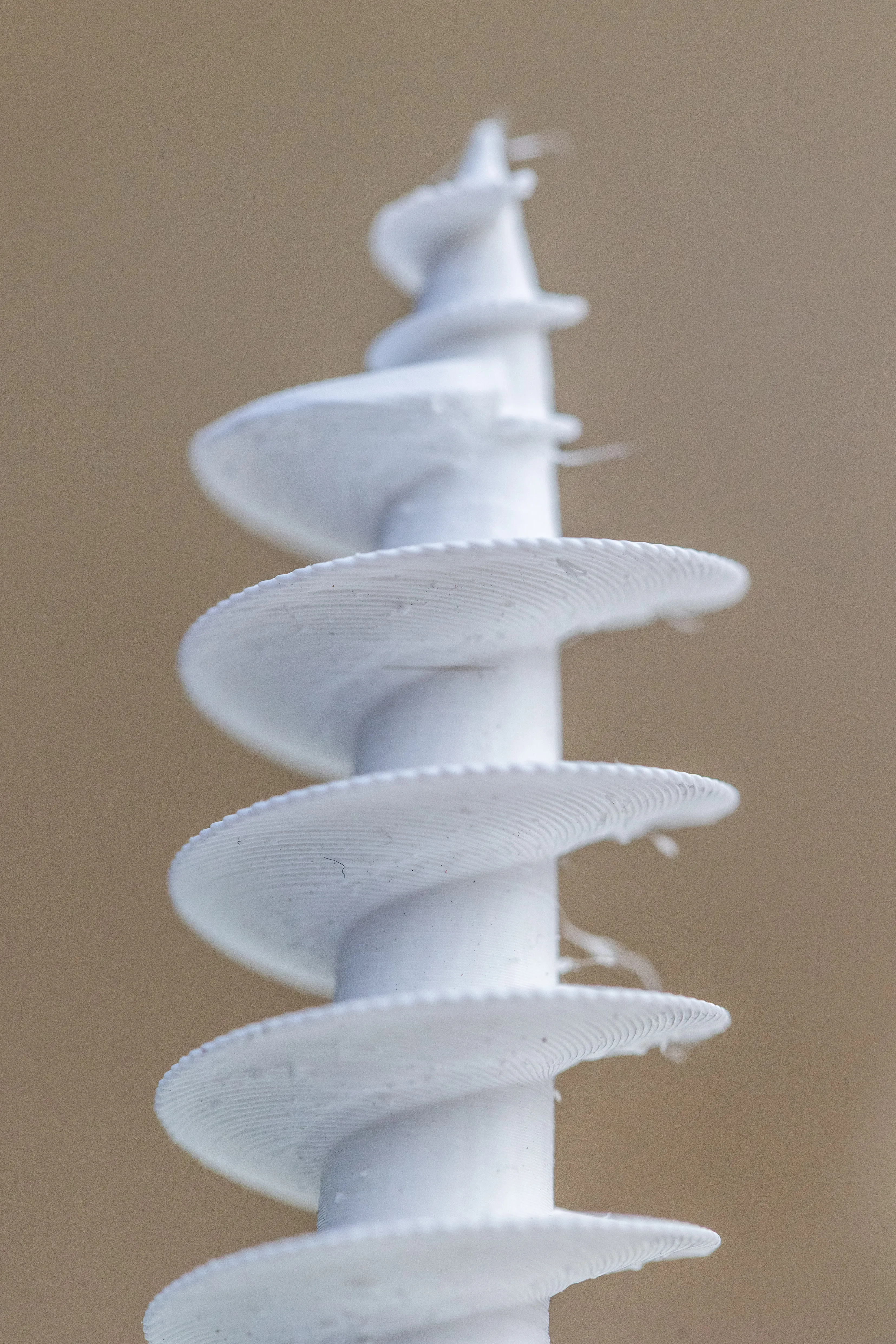
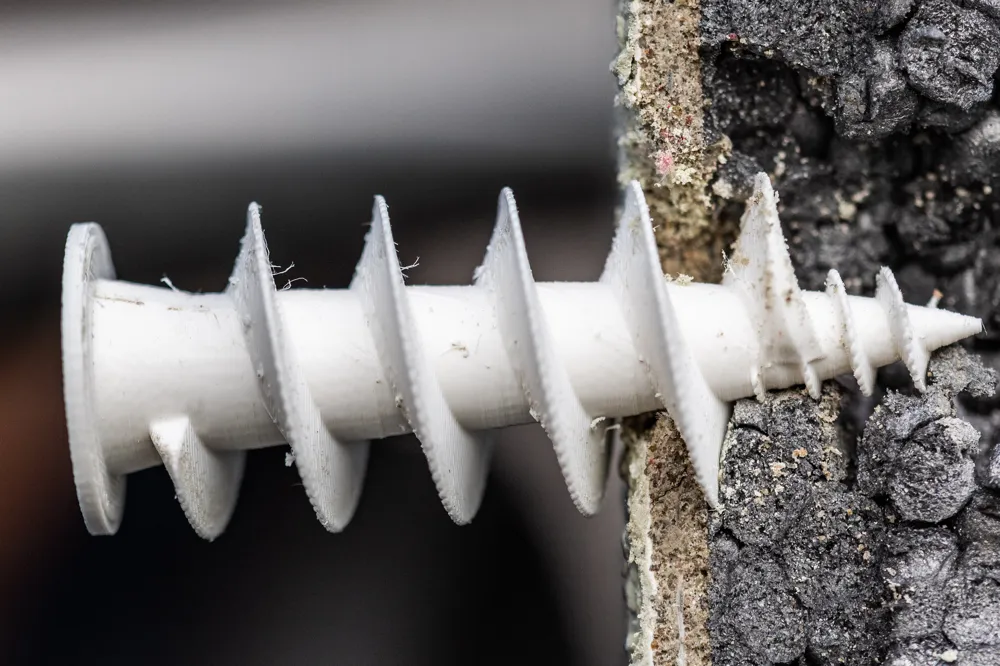
No support needed although overhangs are +80° - Impact PLA print
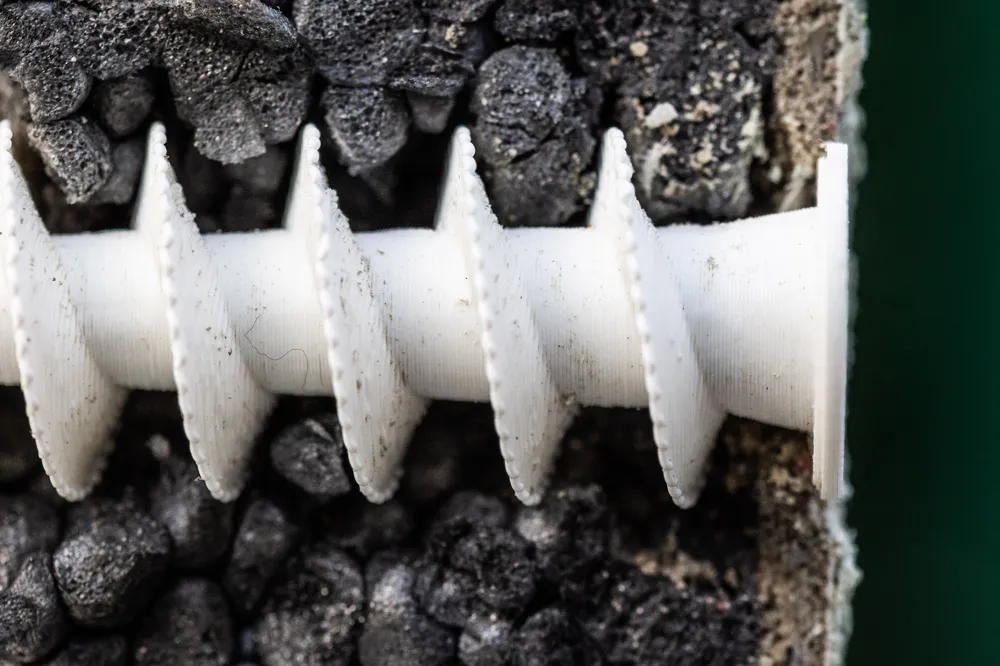
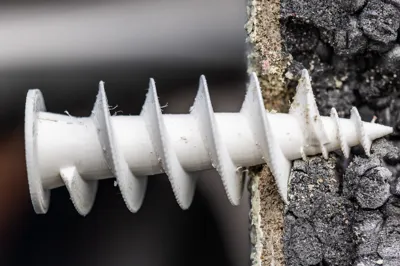
PICTURES BELOW ARE FROM MANUAL FORCEFULLY BREAKING OF THE PLUGS PURELY FOR RESEARCH. NO PLUG HAS EVER BROKEN INSIDE A WALL
I did all these tests because I was afraid it would not be strong enough but the first time I screwed one into a wall (after strength tests) I realised that I'd never generate enough force screwing the plug into the wall to break it. I goes surprisingly smooth with a manual screwdriver
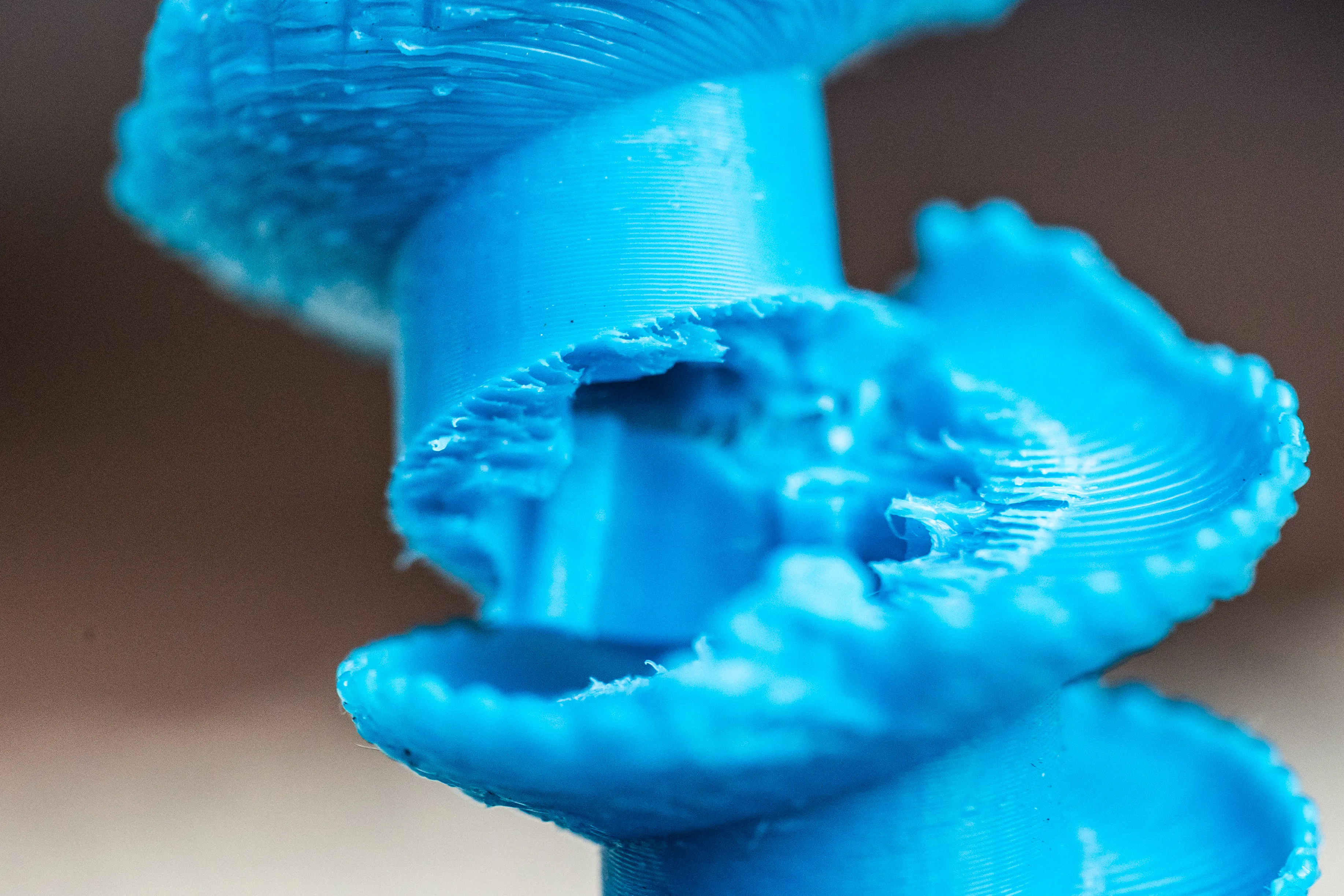
Break due to material failing (good layer adhesion) - PA12 Print
15% cooling causes the edged to curl up, not ideal.
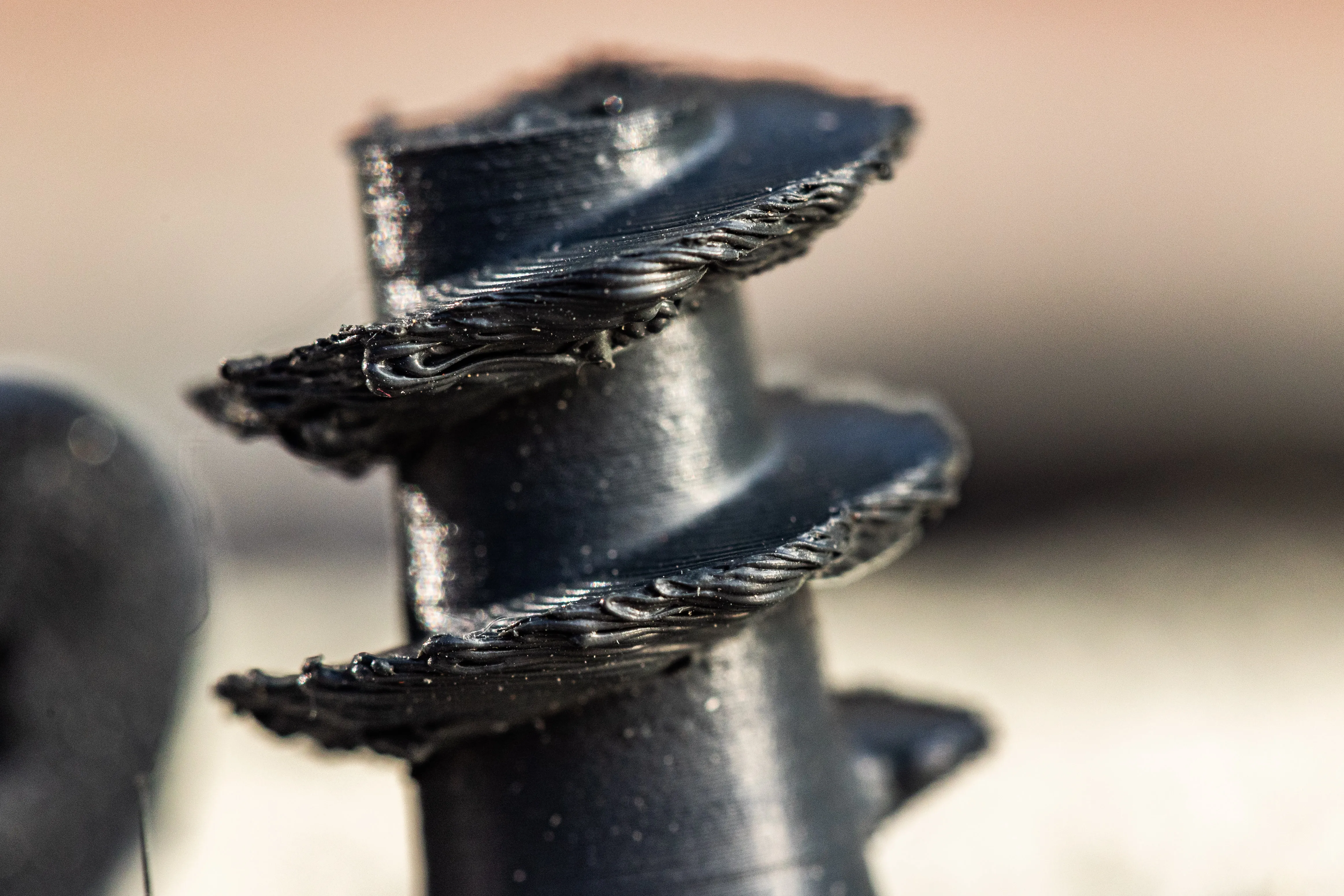
No cooling gives unusable result - Impact PLA print - stopped mid print
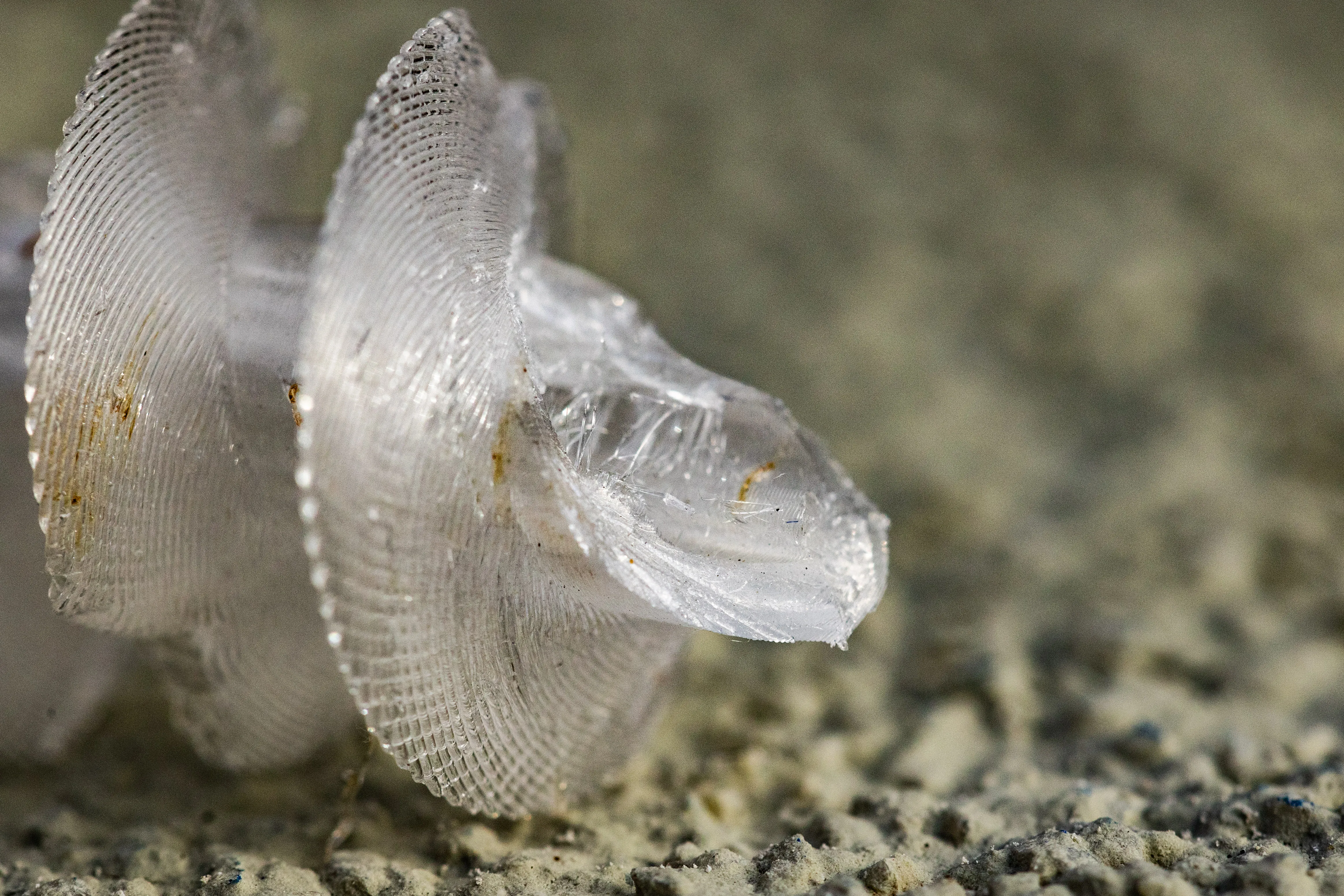
PCTG gives good layer adhesion but lower strenght than Impact PLA
Very clean edges at medium cooling (50%)
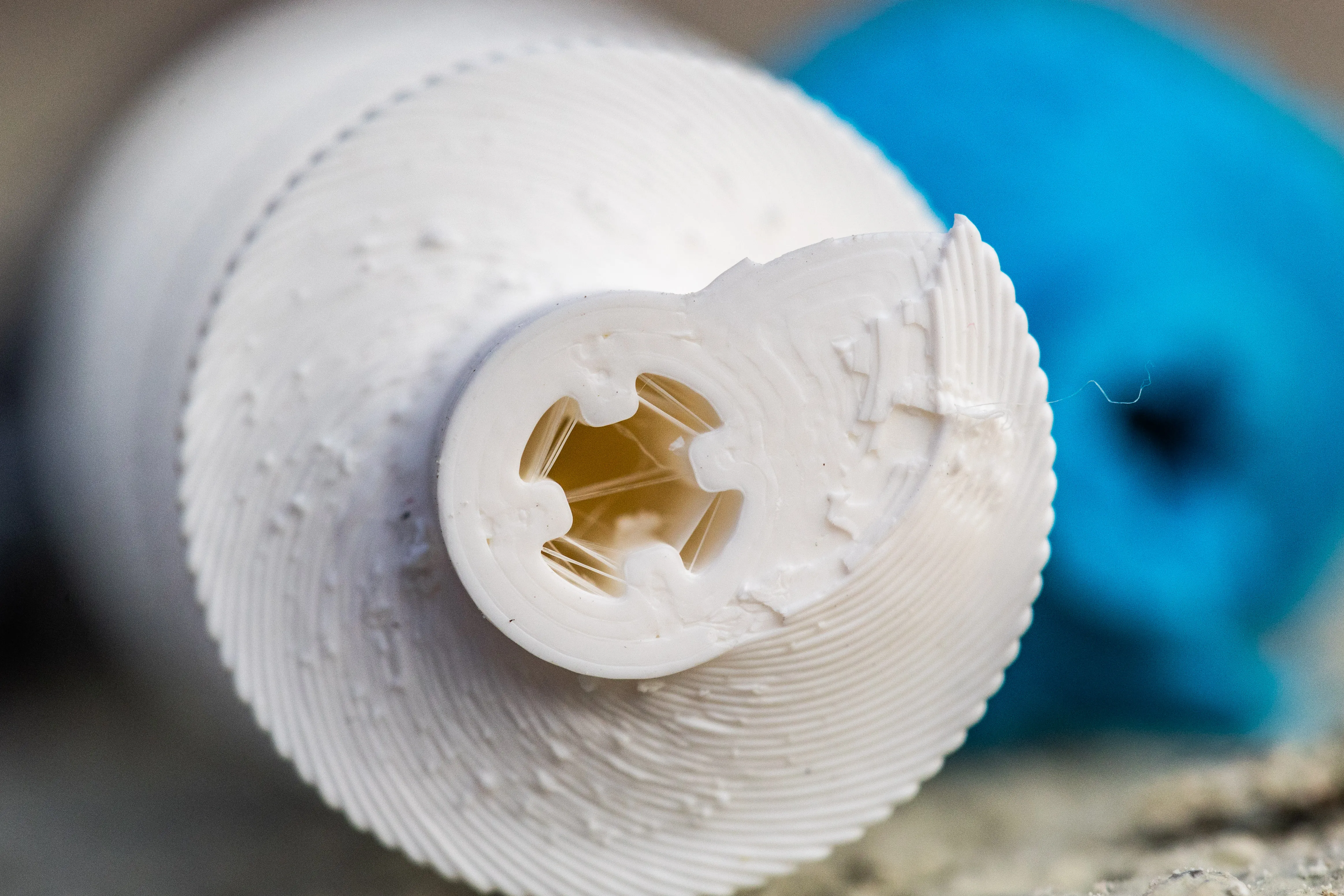
Maximum cooling gives bad layer adhesion, clean break - Impact PLA
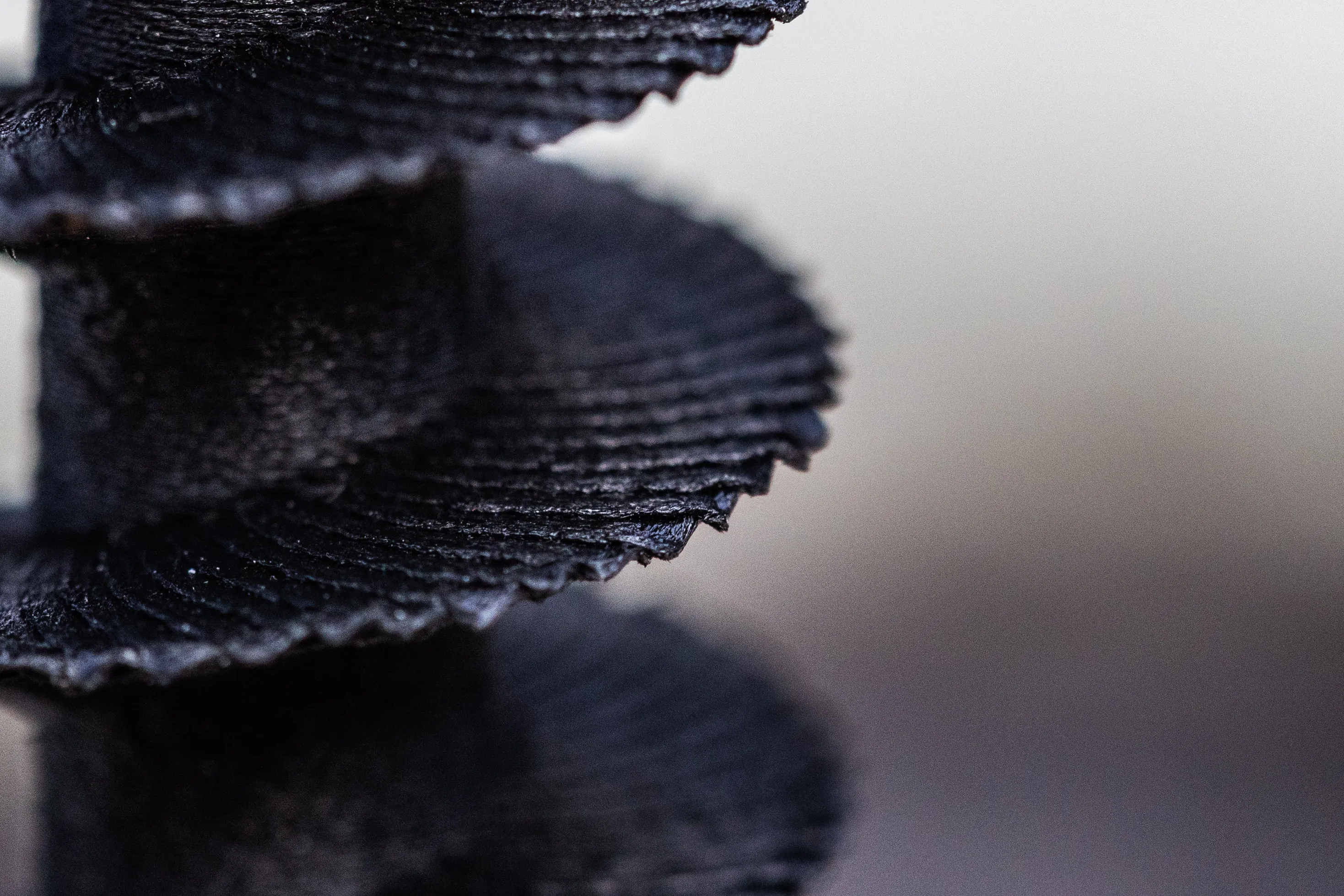
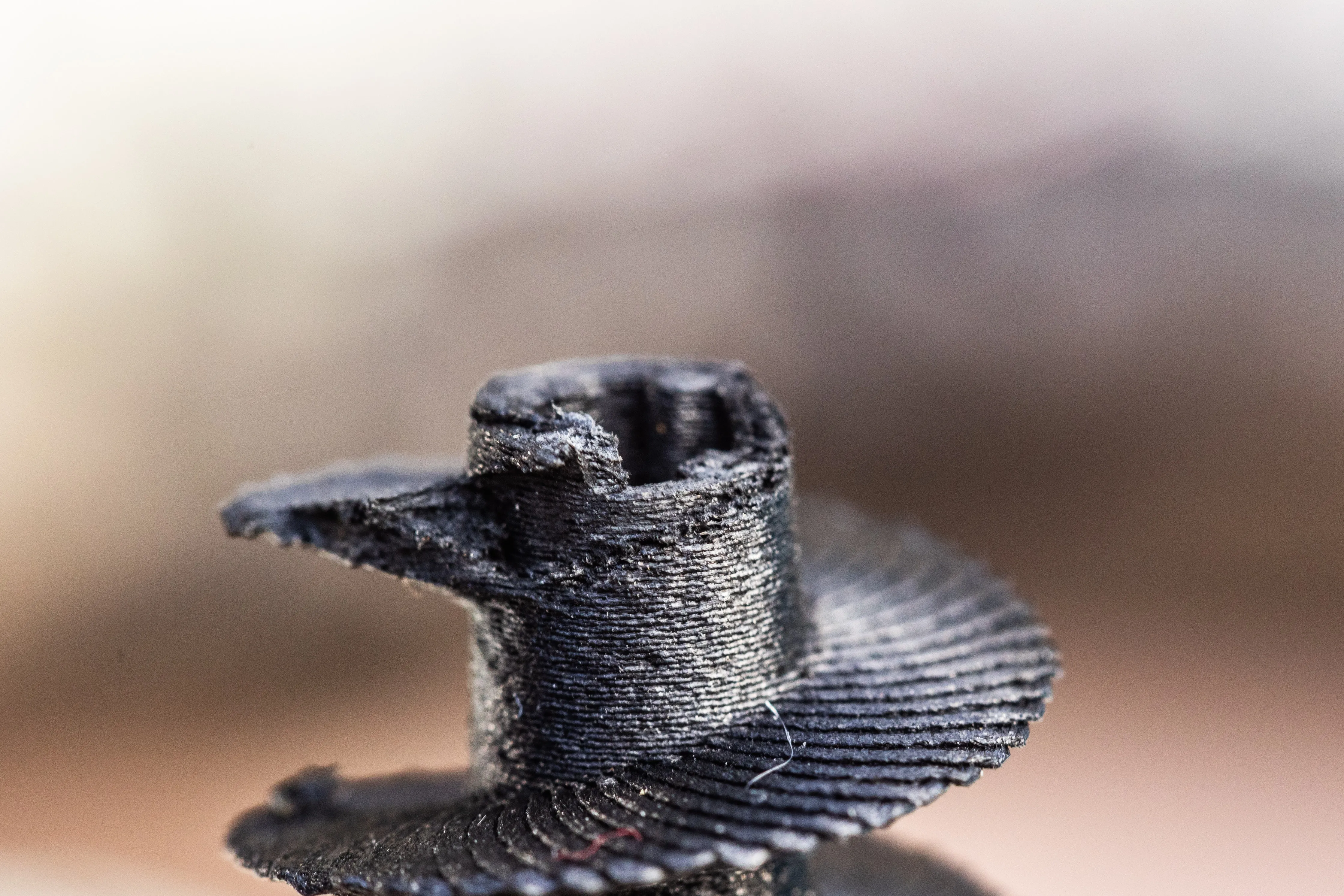
Surprising quality of PA12-CF at 15% cooling but high stiffness causes rapid break.
With PC also rapid break due to high stiffness (sorry no pictures)
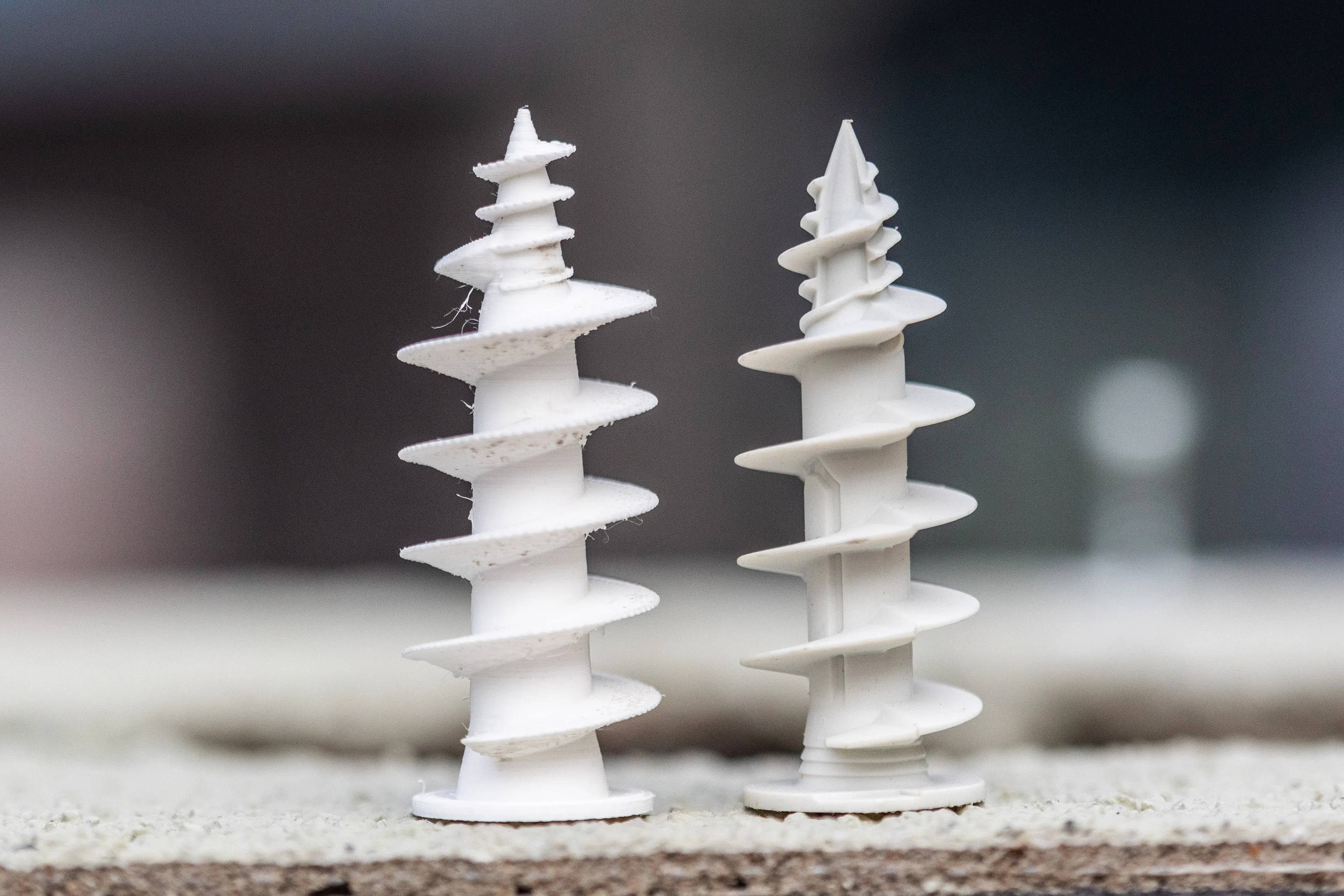
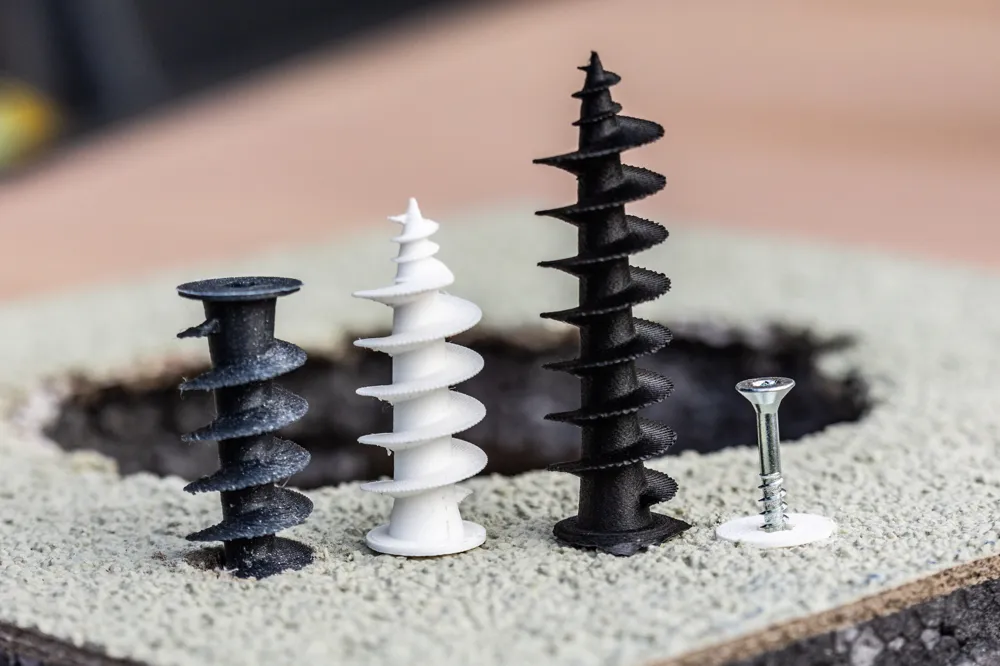
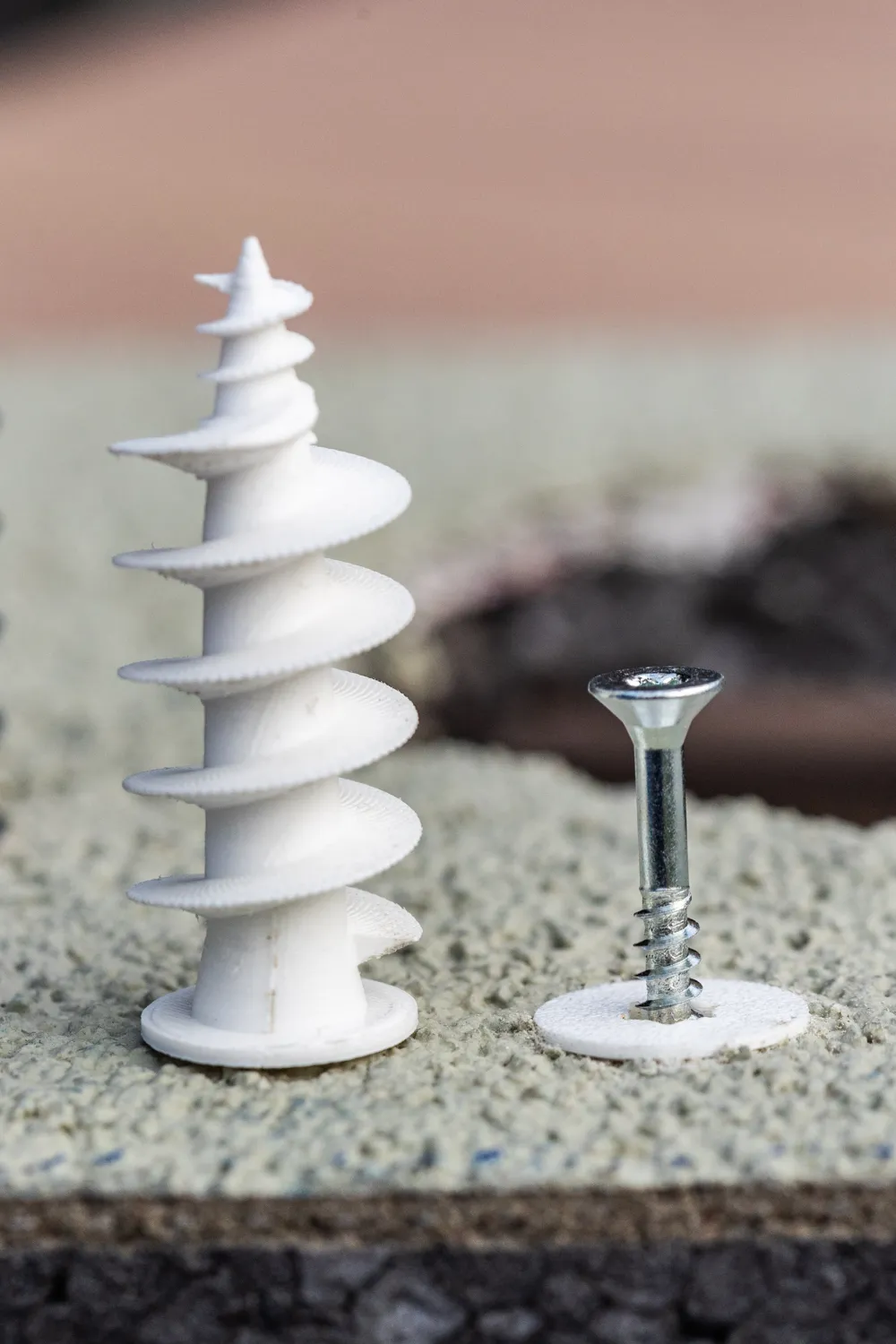
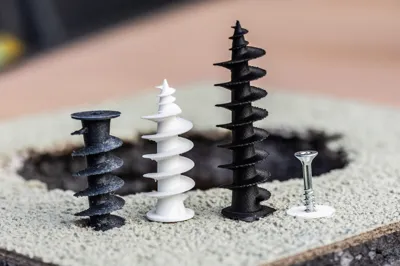
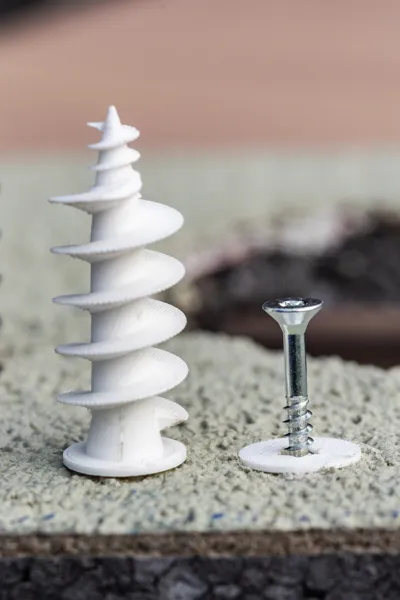
Compared to original 50mm Fischer plug
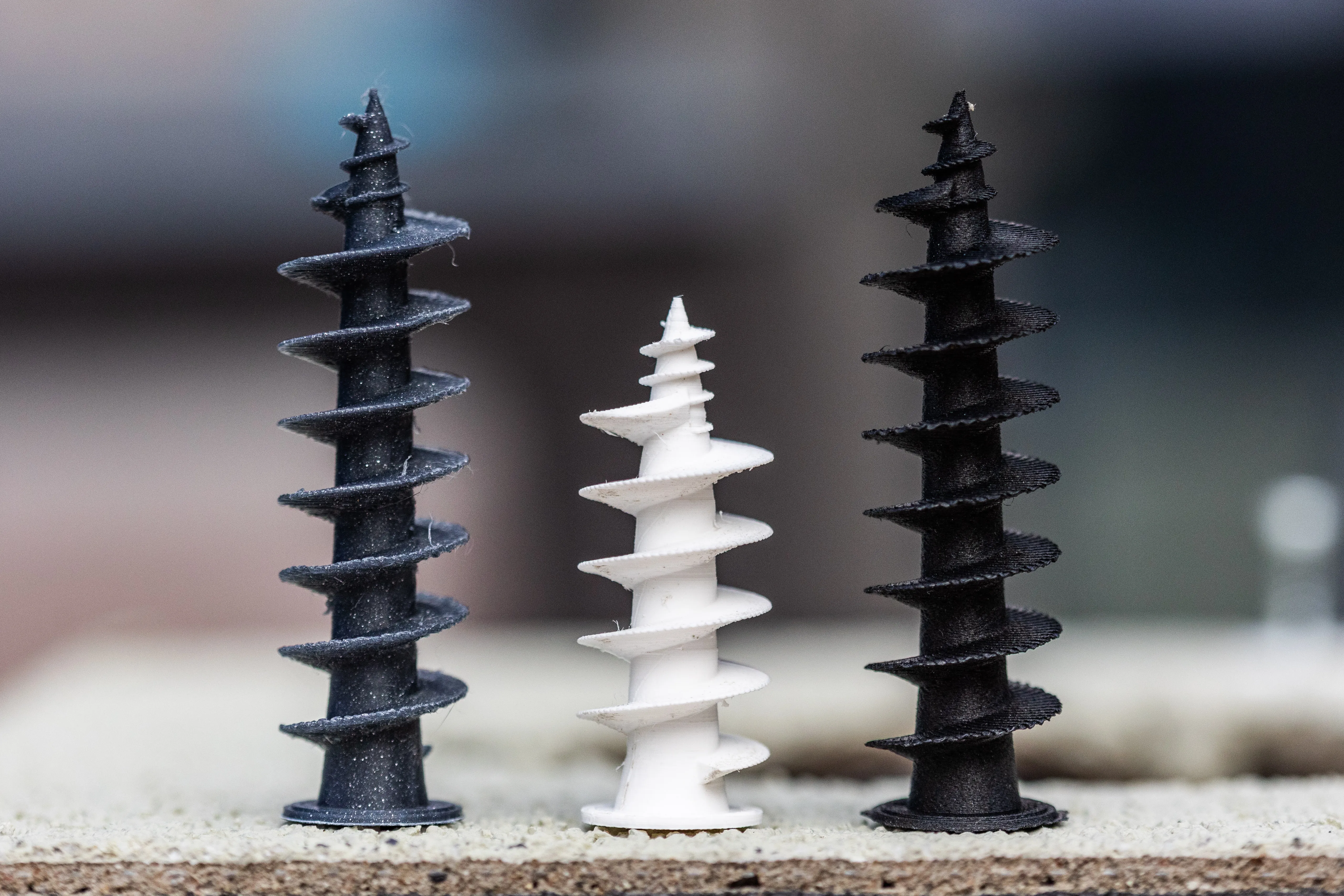
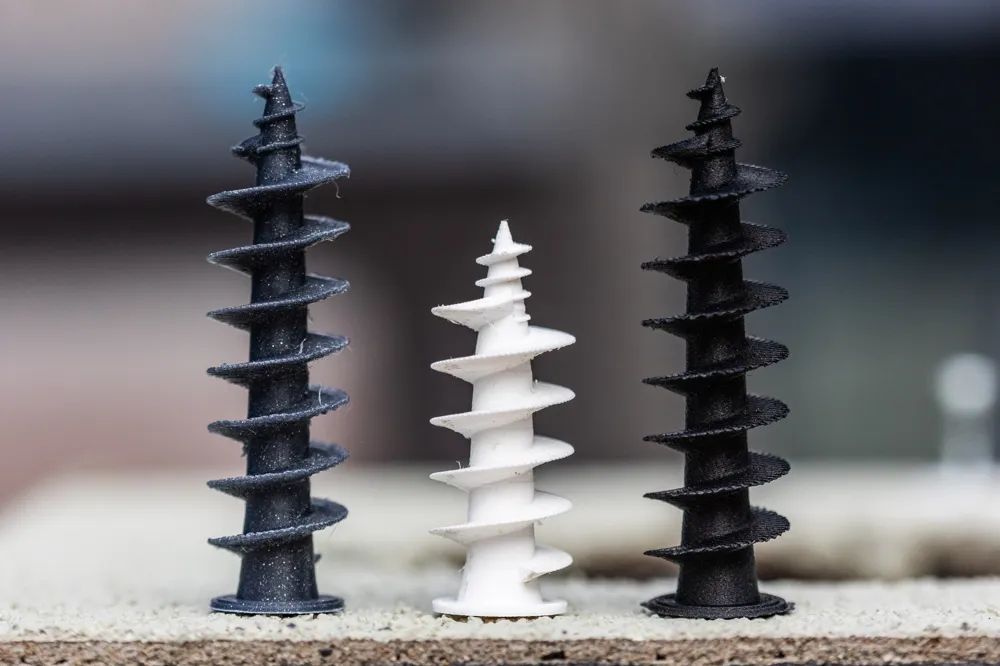
And also made an XL version (70mm)
For installation:
- Pre-thread the plug with the screw that will be used (this makes it a lot easier to install the screw, and remove if necessary). Use a 4mm wood screw for best results. Bigger will cause the plug to unscrew when removing the screw.
- Drill a 8mm pilot hole in the plaster layer (no need to go deeper than the plaster layer
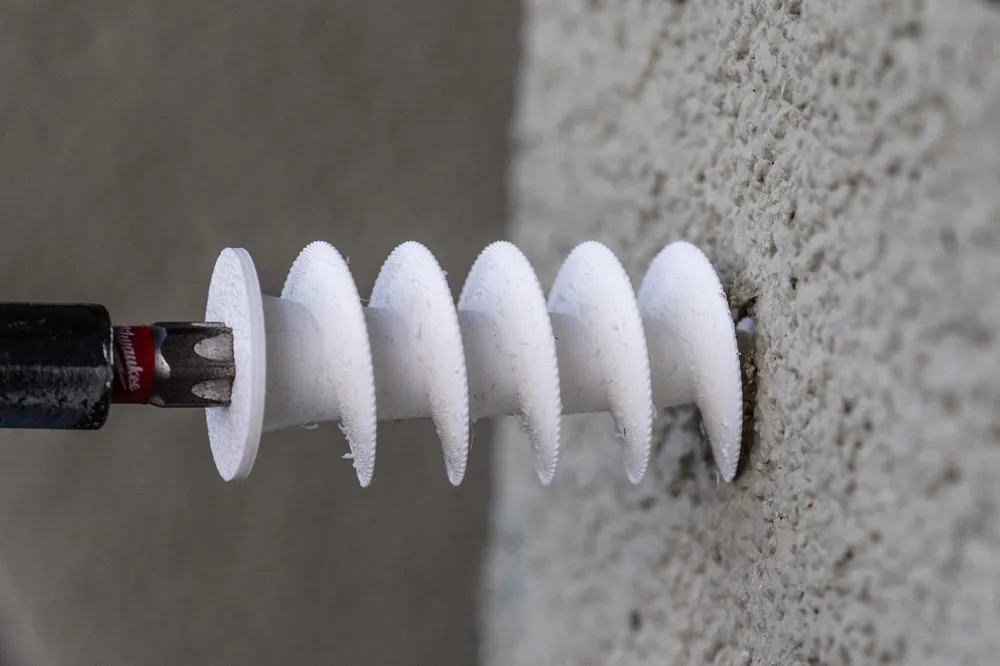
- Use a T40 bit to screw the plug into the wall until it sits flush with the wall
- Do this by hand !
- Do not assume the screw will come out without the plug unscrewing itsself, the grip of the screw inside the plug is influenced by so many factors (temperature, screw design, print material,…) that it's impossible to predict the exact resistance it will give. I've had mixed results with this but fortunately with all tests, screwing the wood screw IN the plug with high force keeps the plug neatly in place.
License



Comment & Rating (37)