
Tower of Suspicion—A Two-Player Psychological Deduction Board Game
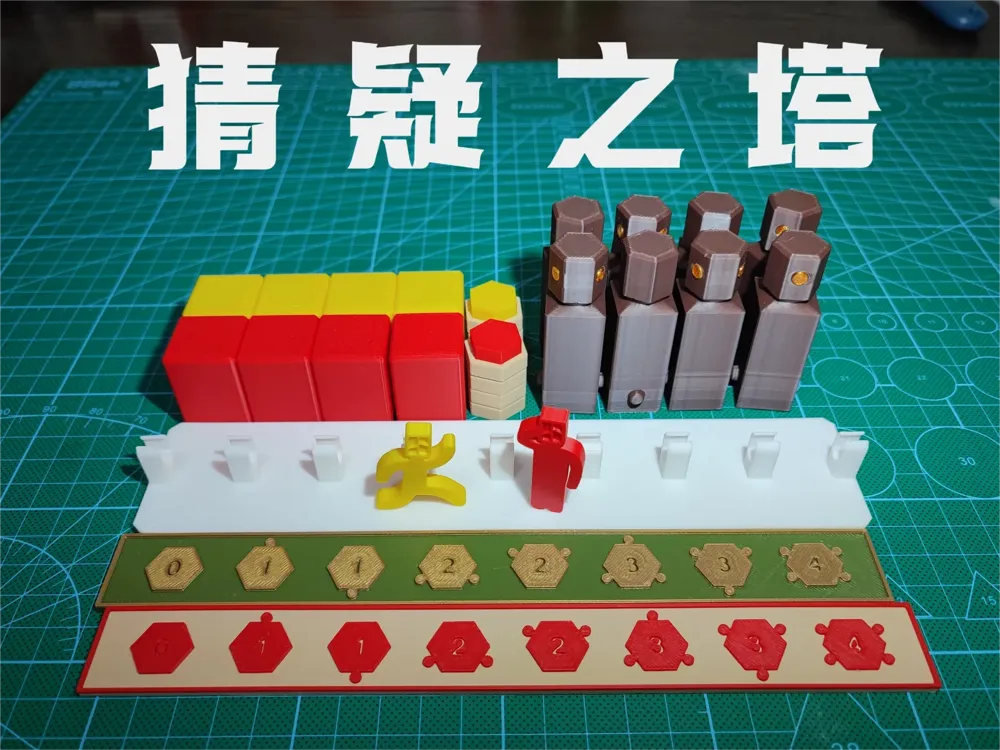
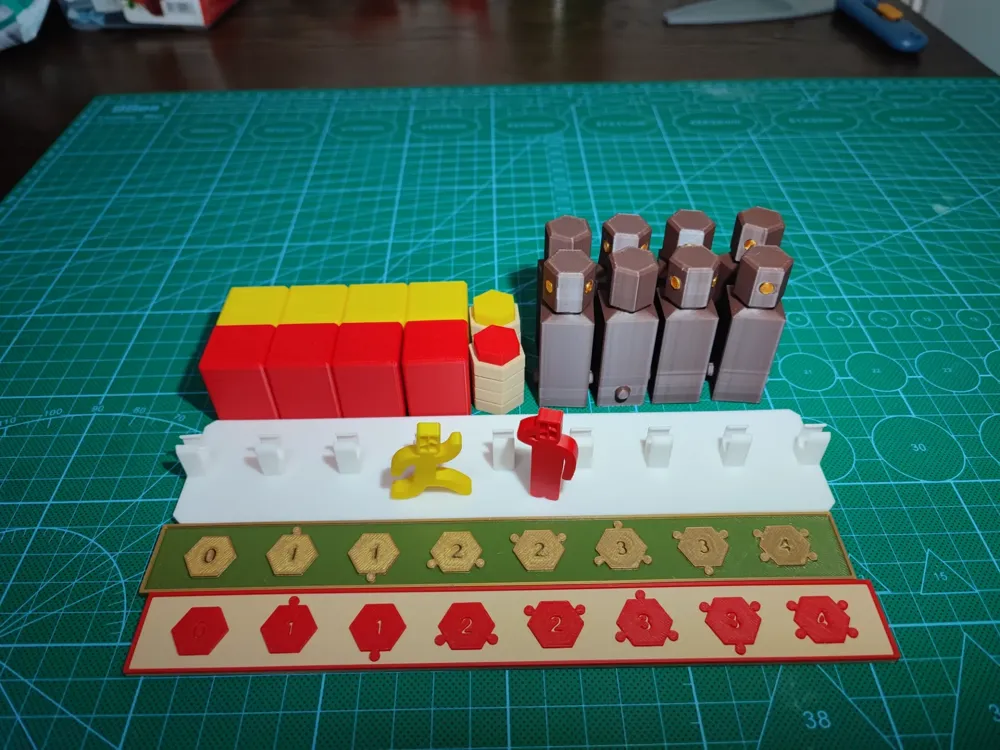
Print Profile(2)
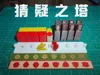
Description
This game's innovative gameplay draws inspiration from “Tower of Gishinanki,” with significant modifications
A New Original Board Game“Wu Ren Duel” has been released
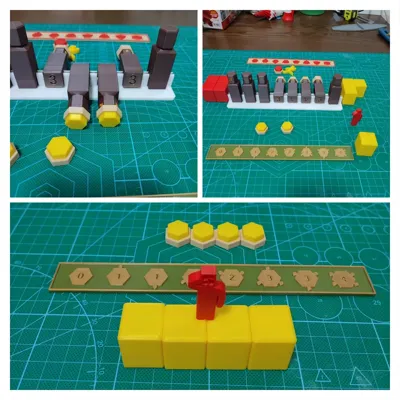
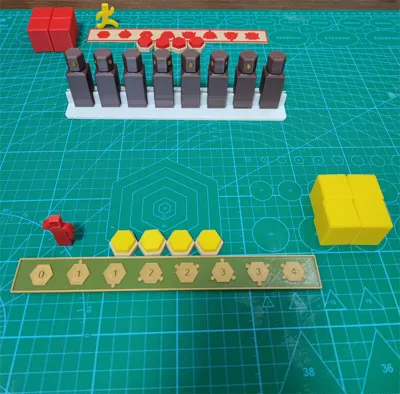
“Wu Ren Duel” is a two-player strategic board game specifically designed for 3D printing, incorporating the offensive and defensive interplay of samurai and ninjas, land control, and resource management mechanisms Players vie for victory by strategic placement, skill combinations, tactical suppression, seizing the opponent's base castle, or eliminating key pieces
Board game enthusiasts might find this appealing 2025/4/10
Updated 2025/02/03
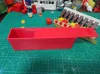
- A storage box has been added, featuring a slide-out cover design with reserved magnet installation points, allowing for magnet addition should friction decrease from frequent use
- The storage box design prioritizes portability, hence the non-planar storage solution, although it remains somewhat bulky, consider overall scaling
- Beyond anti-slip grooves, the storage box has no patterns or text, allowing for customization
- Storage was not initially considered, a reflection of my inexperience, thus, the design is a compromise and not optimal
I've uploaded STEP files for all components and the storage box; those with superior storage solutions may utilize these for redesign
This board game particularly tests logical reasoning, visual memory, and psychological deduction, making it ideal for couples or parent-child interactions
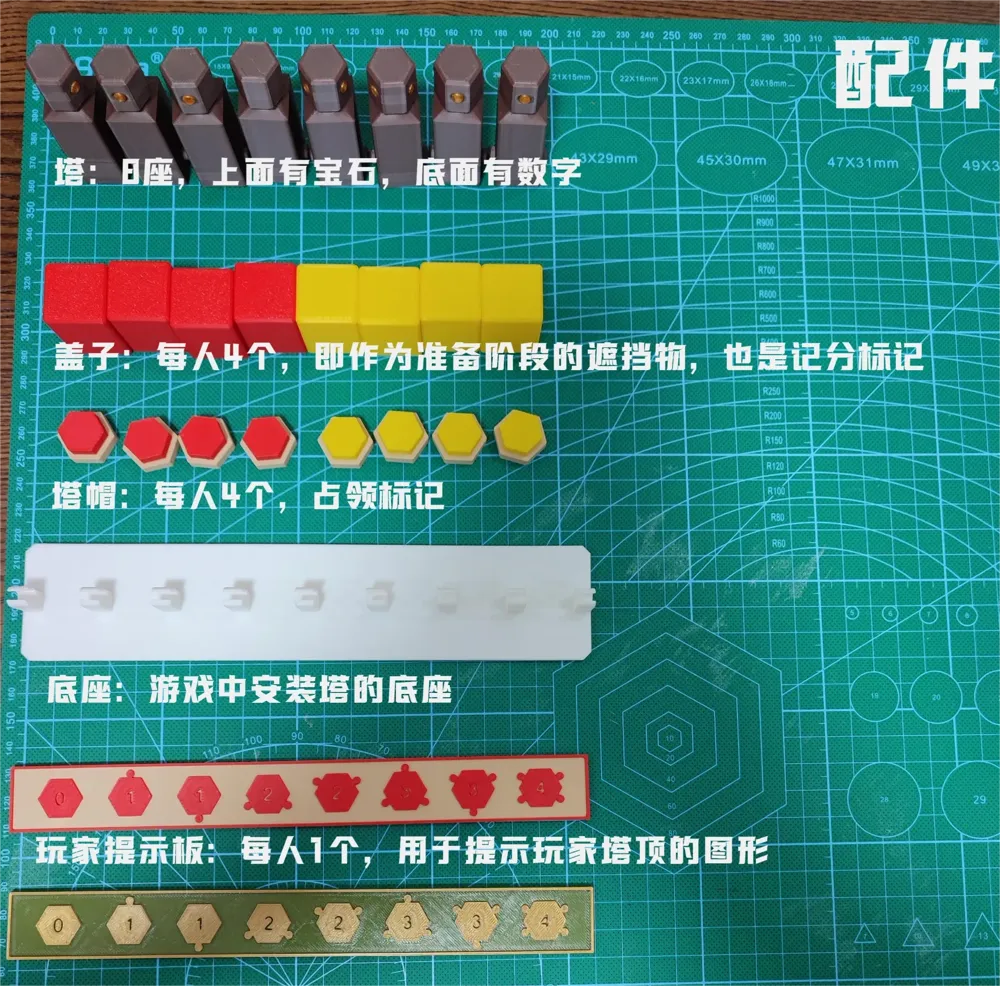
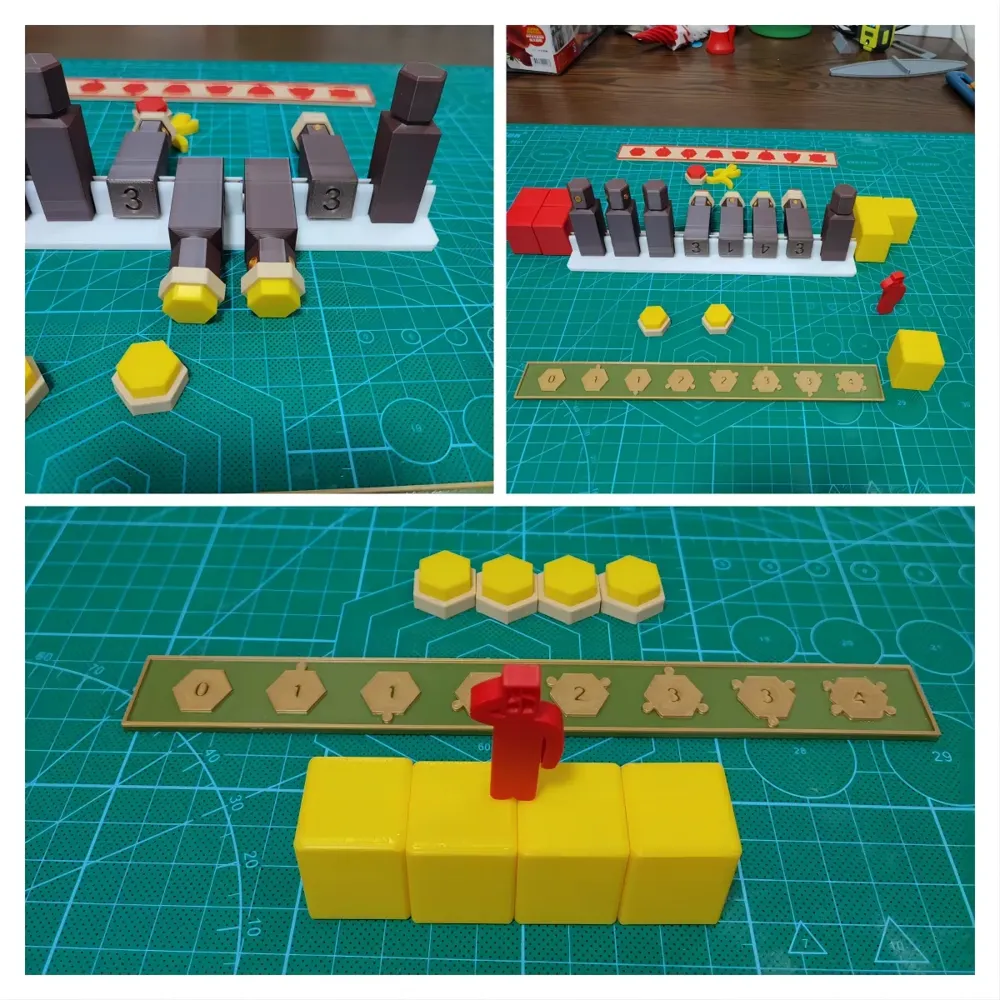
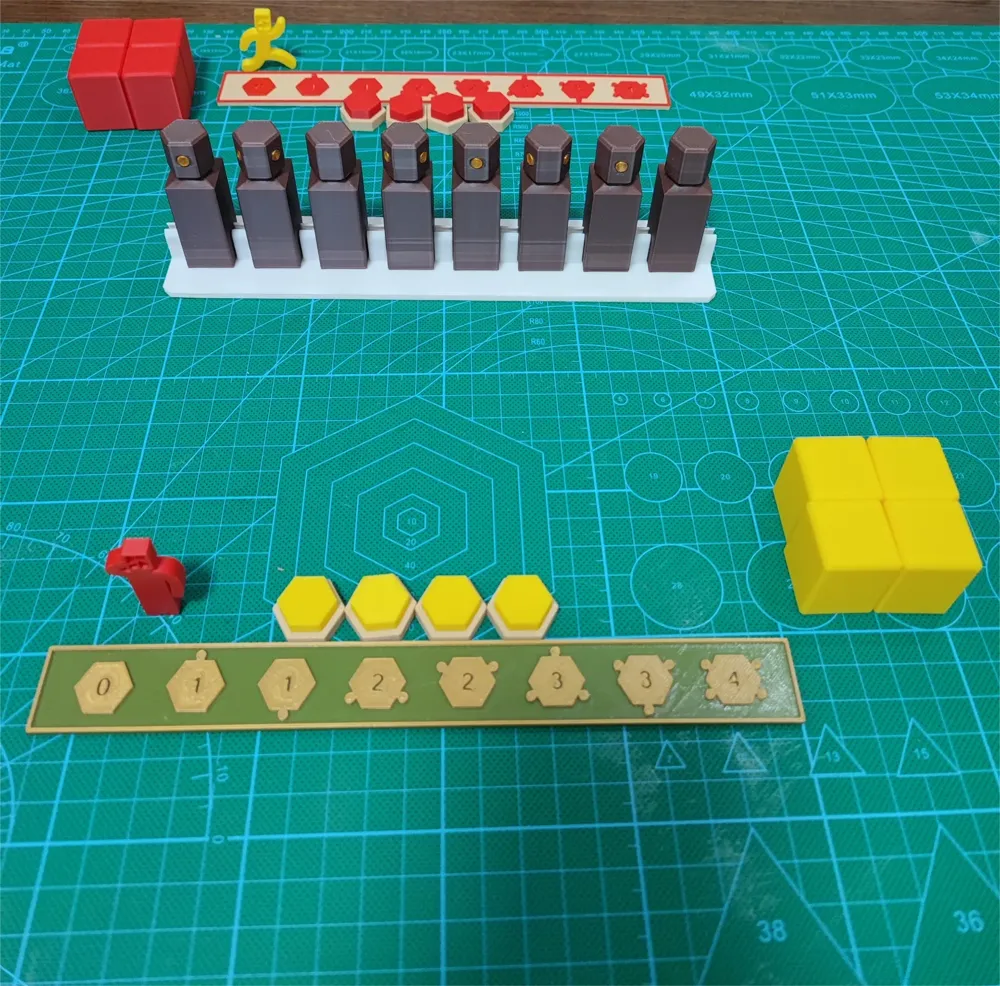
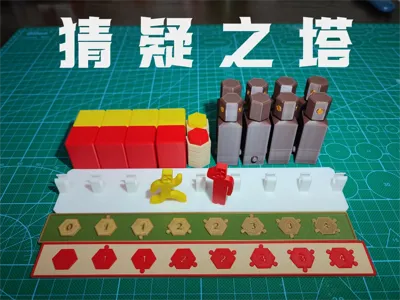
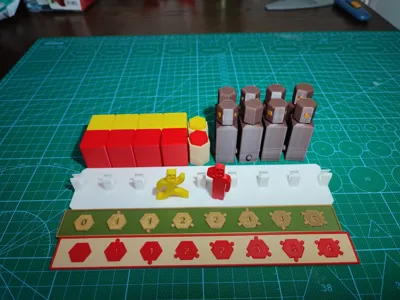
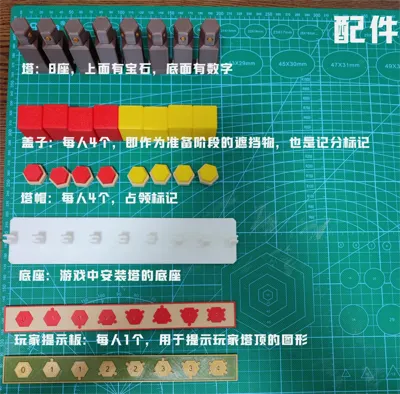
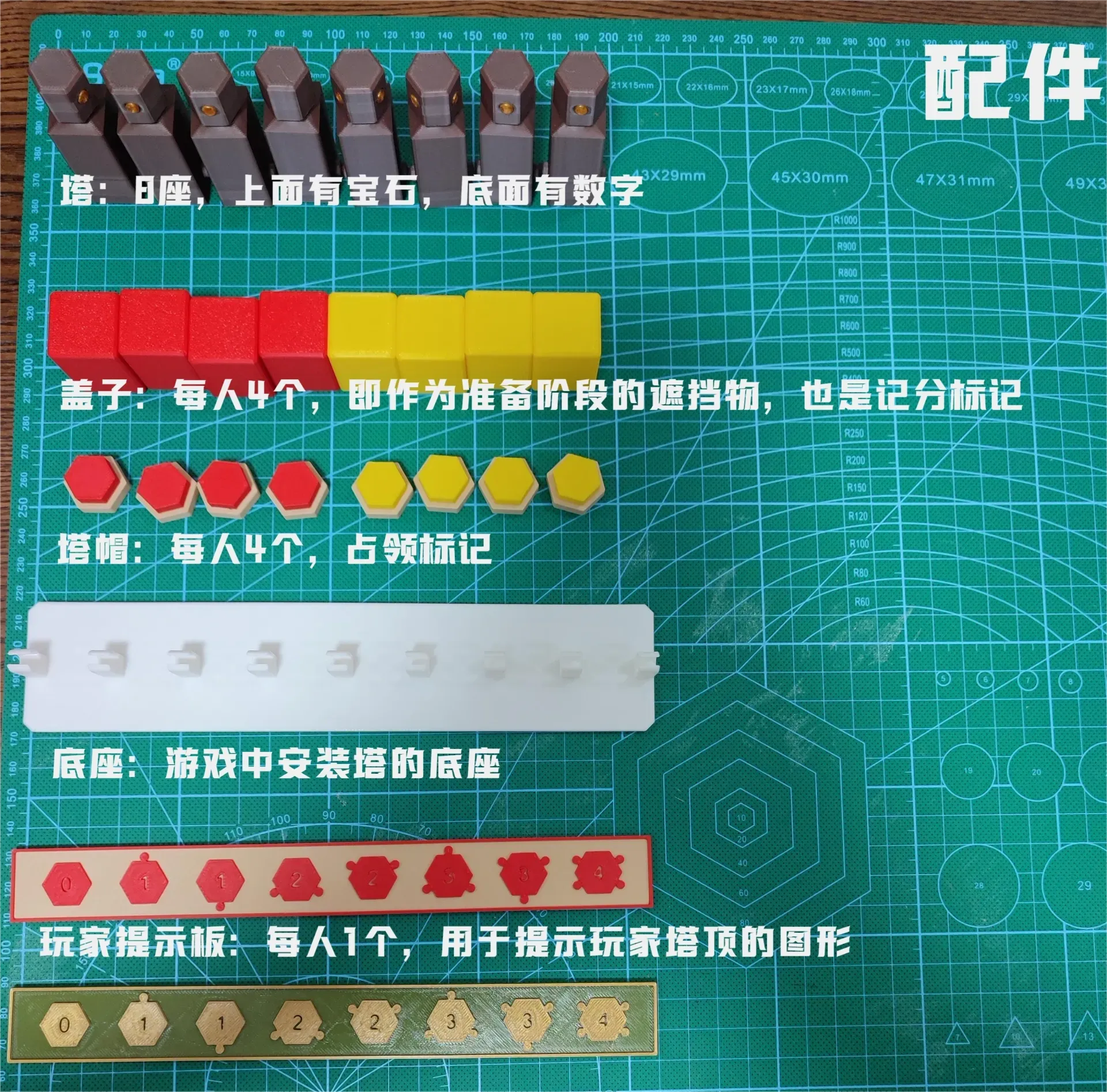
Game Components:
Rules:
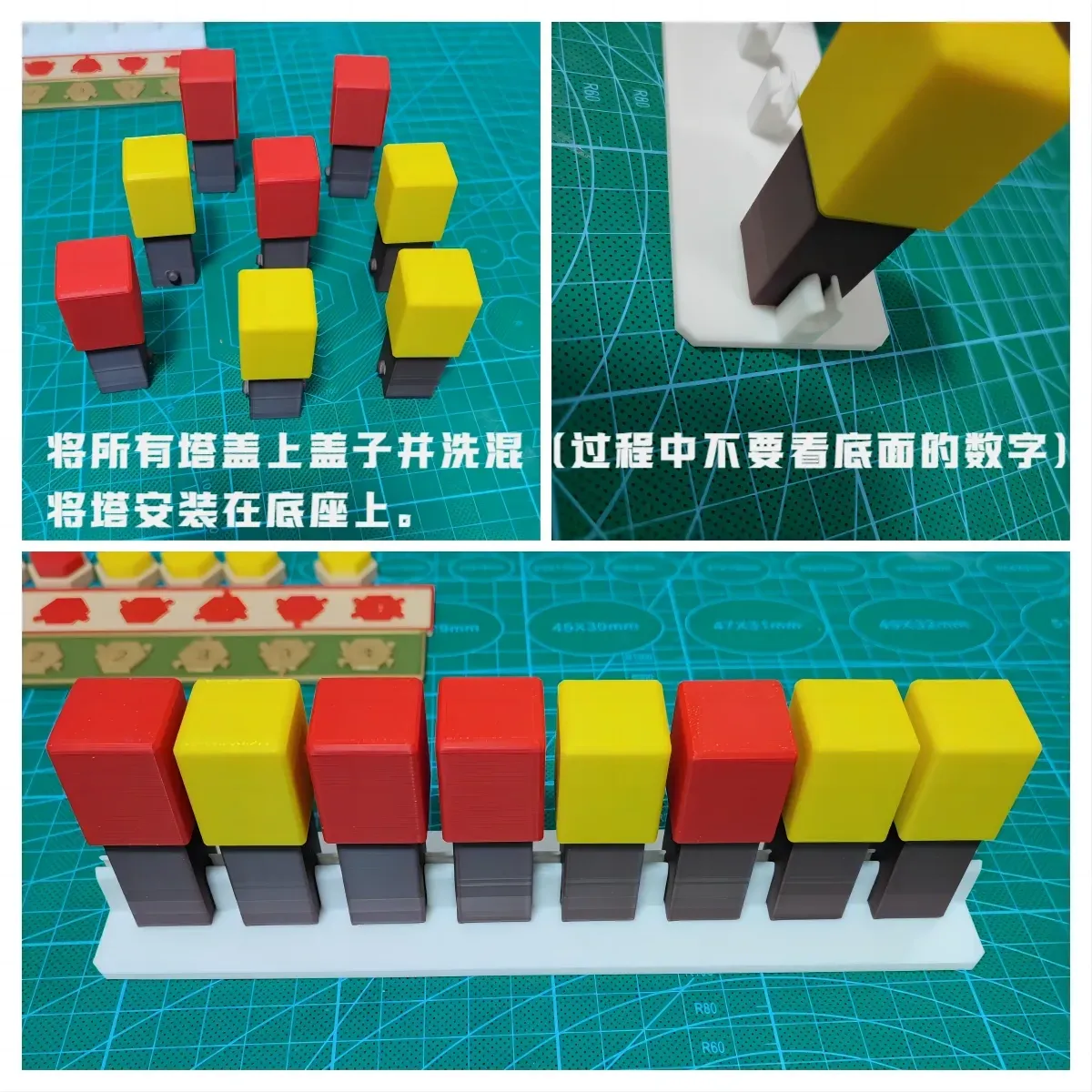
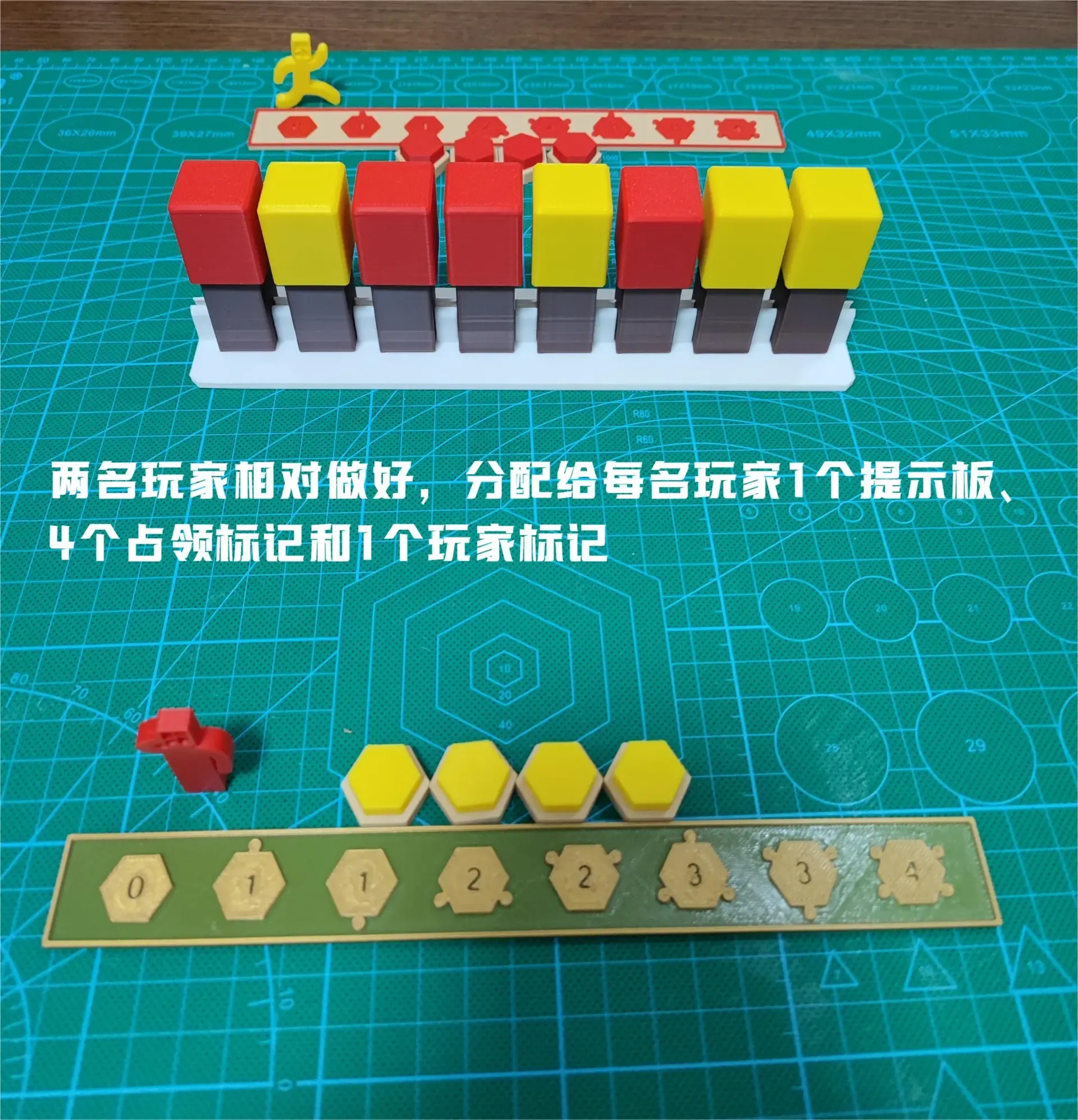
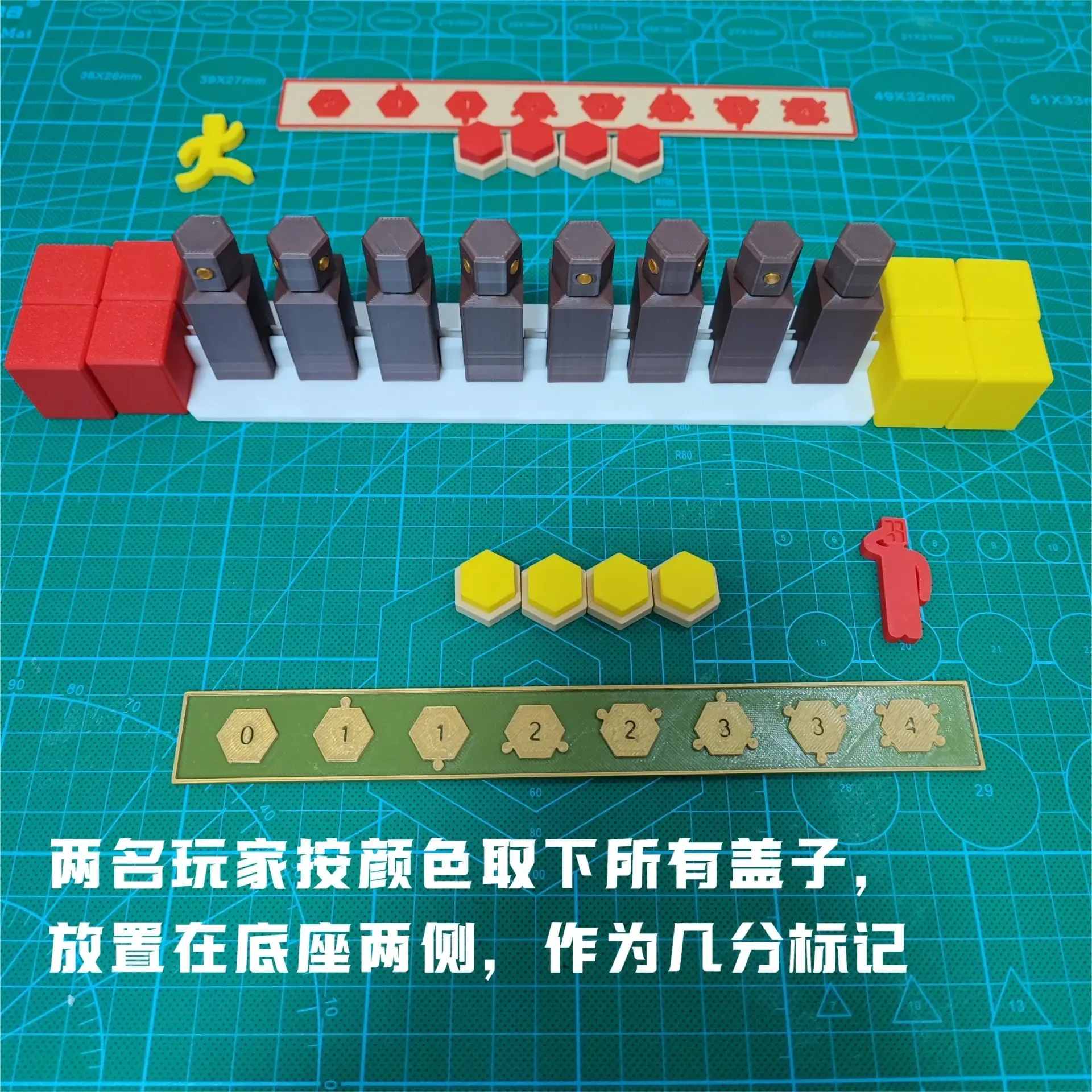
(Any token may serve as player markers; for those who prefer mine, consult my other project:Tuozhu Little People Stacking Fun)
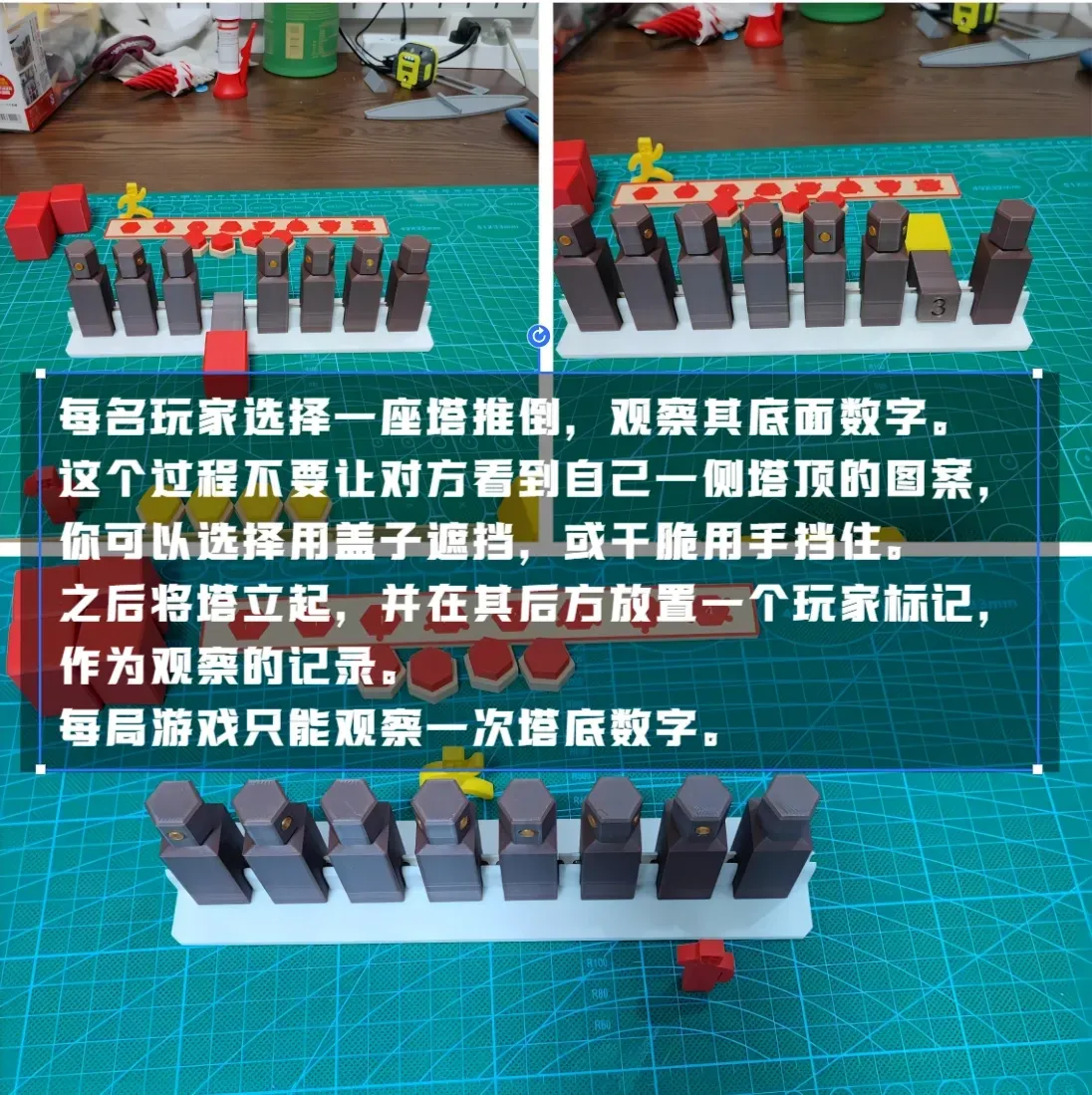
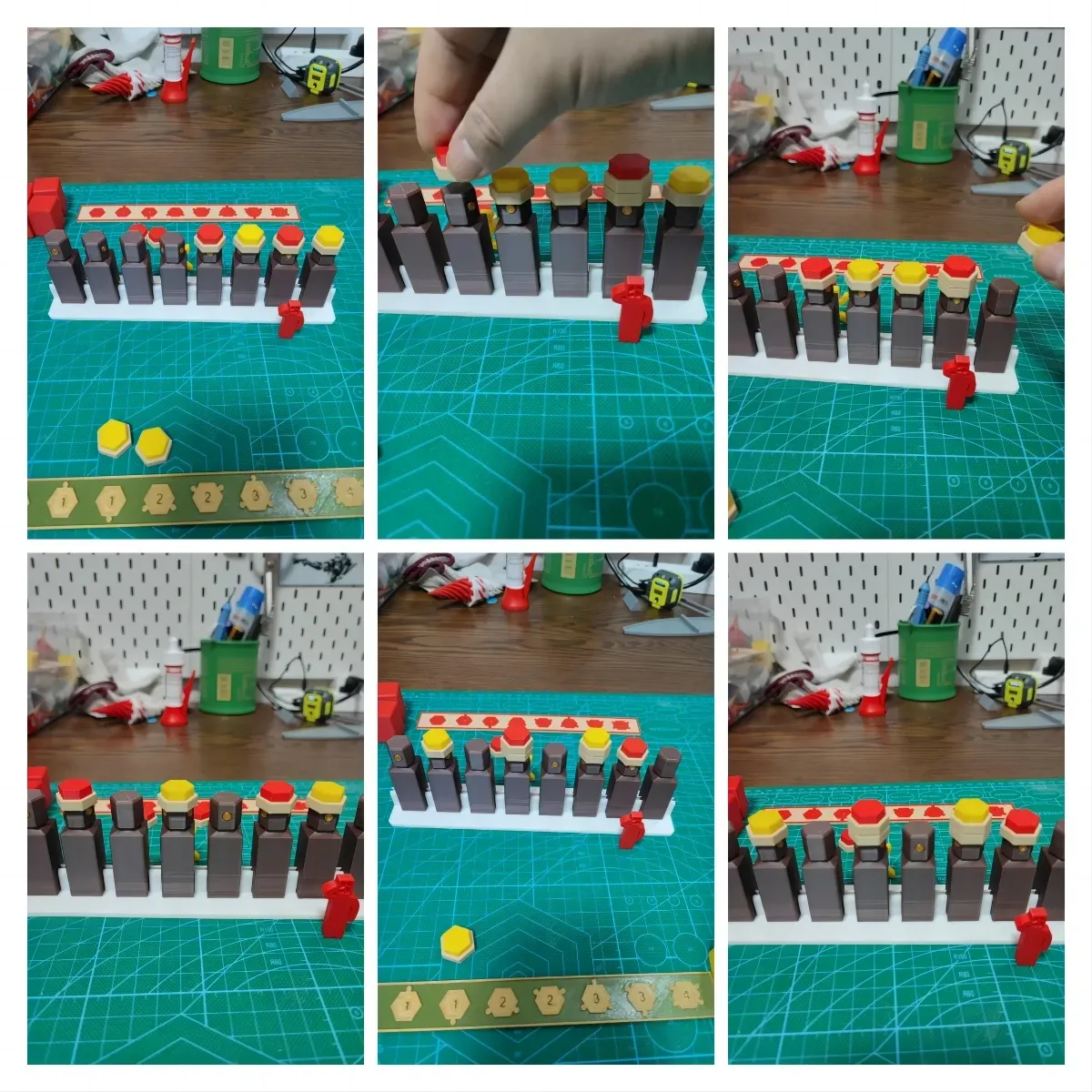
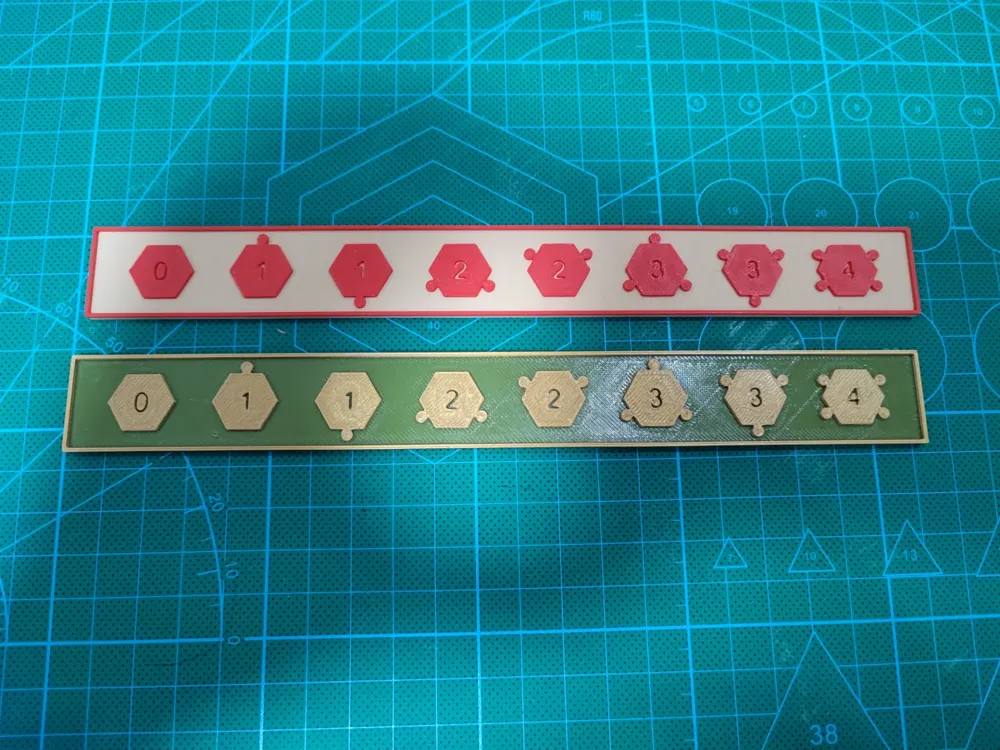
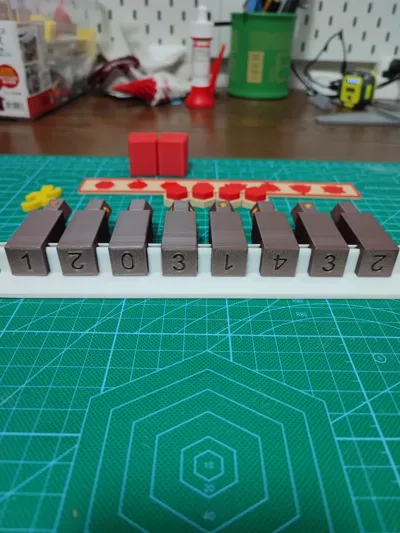
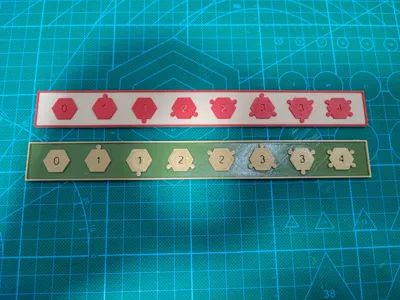
The preparation phase concludes, and both players commence vying for tower ownership using hats Players must deduce tower value (gem count) based on the player prompt board, observable tower top patterns from their side, the tower base number of the observed tower, and most importantly, the opponent's actions
Hat placement adheres to these rules:
1.Players alternate hat placement, with starting players switching each round;
2.Each tower accommodates a maximum of two hats;
3.The final color of the topmost hat determines tower ownership
Conditions triggering round conclusion:
1.If both players control two towers, the round immediately ends;
2.If one player controls three towers and the other two, the three-tower player must relinquish one controlled tower (hats are not retrieved), immediately concluding the round
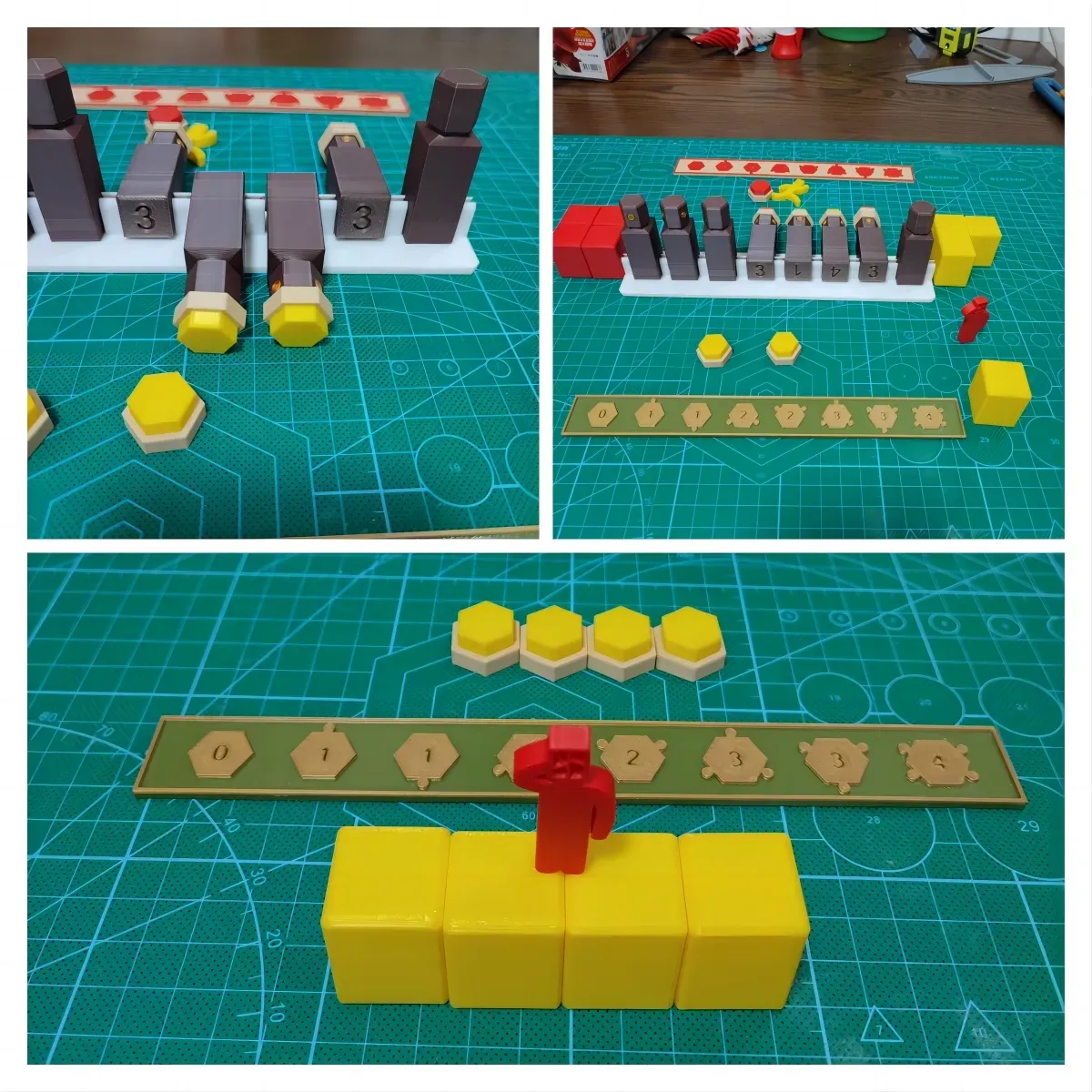
Settlement Phase:
1.Players compare the sum of their controlled tower base numbers (gem count), with the higher sum winning;
2.In case of a tie, the player with more remaining occupancy markers wins;
3.In a tie with equal remaining occupancy markers, the second player wins;
4.Irrespective of the above, the player simultaneously possessing two “number 2” towers wins
The victor receives a scoring marker; the preparation phase is repeated for the next round, with the first to acquire four scoring markers winning the game
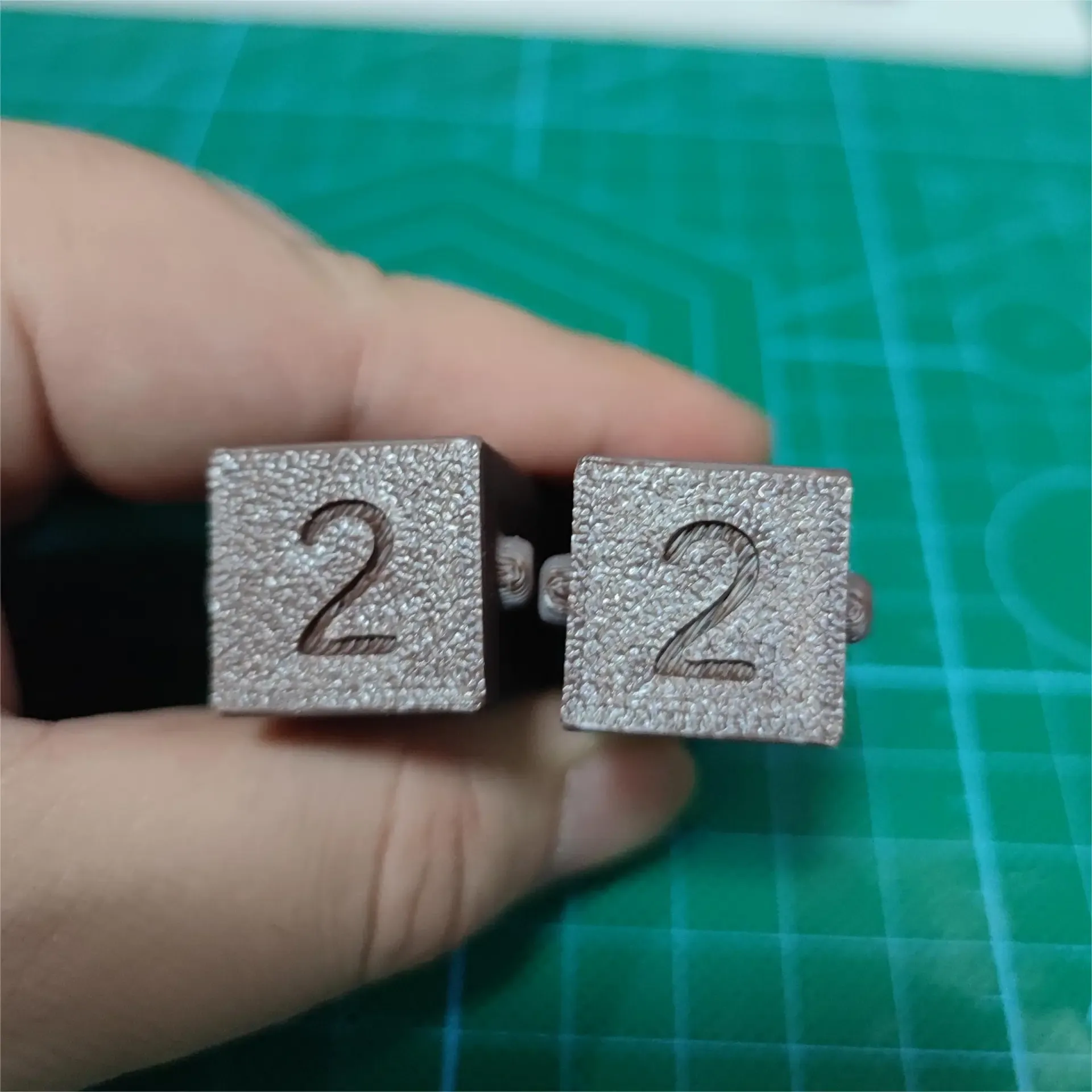
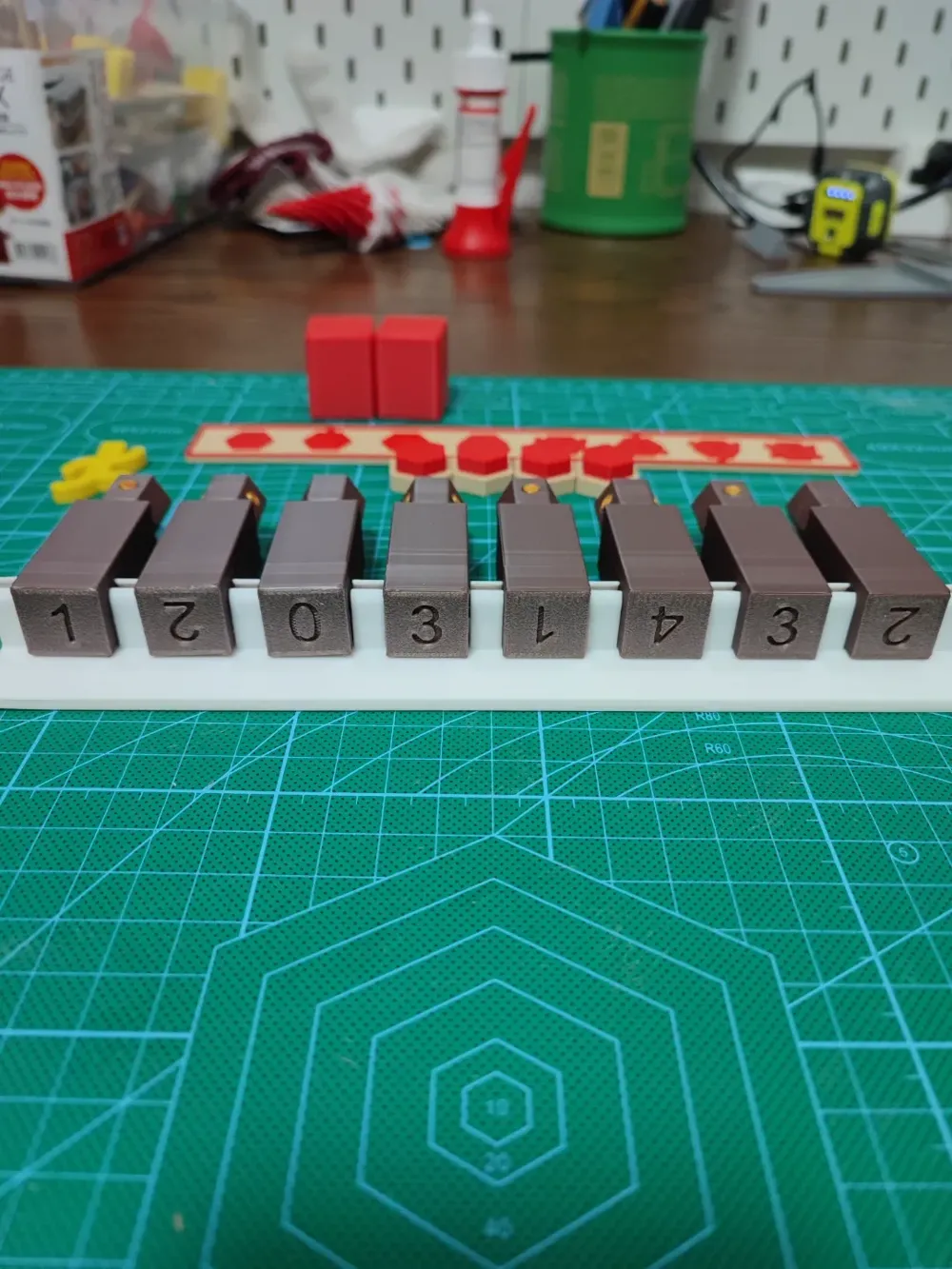
This game's intrigue lies in its two-phase structure; initially, tower patterns are less familiar:
Since players only observe half the pattern, in their view:
Number 0 and Number 1 are indistinguishable;
Number 1 and Number 3 are indistinguishable;
Number 2, Number 3, and Number 4 are indistinguishable
Therefore, utilize known conditions (prompt board, visible tower base numbers) for analysis, aiming to secure Number 2 or higher-value towers
With familiarity, the game's essence shifts to speculation:
“What pattern did they see?”
“Why did they seize that tower?”
“How can I conceal my intentions?”
“How did they know it was Number 2? To them, it should be Number 0, illogical!”
……
This phase is mentally stimulating and captivating, with the “aha!” moment upon revelation sparking the desire for immediate replay
If you enjoy this type of game, print one and try it
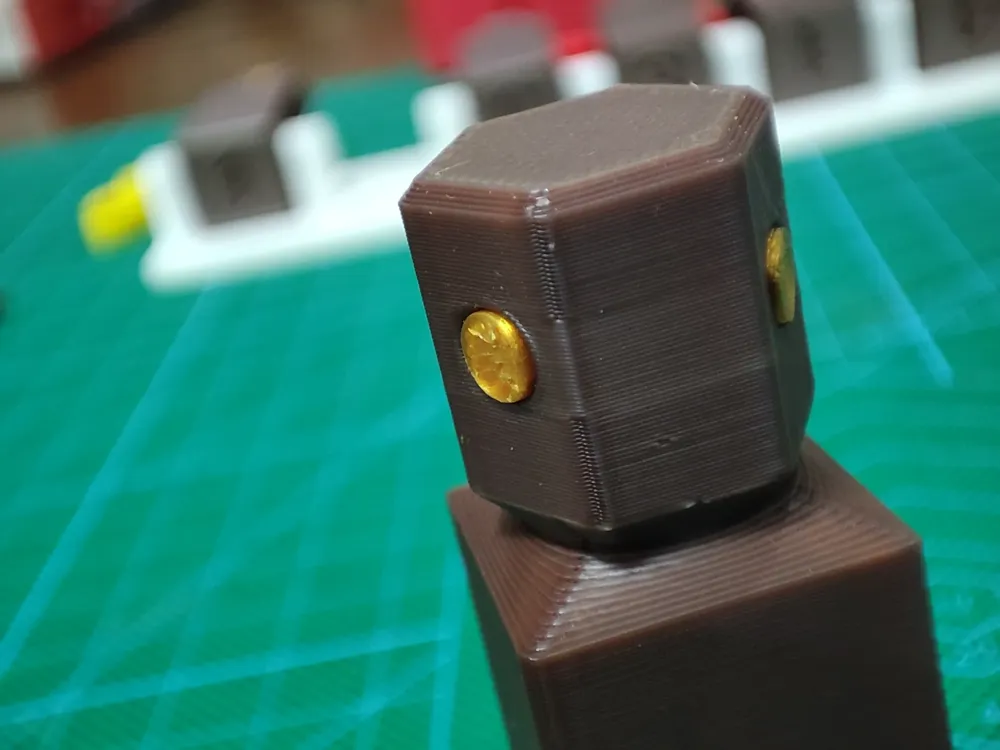
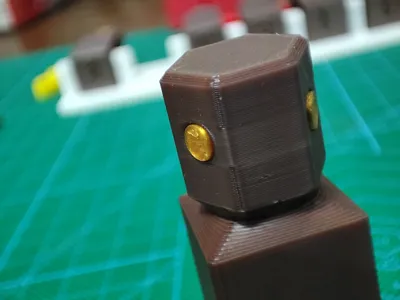
PS: To save print time and material, tower gems are not multi-colored but assembled and glued, requiring adhesive
Base anchoring slots require frequent insertion/removal; PETG is recommended, though I used Bambu PLA (white), with no issues after under 10 rounds
Boost Me (for free)
Boost me to expedite the development of a storage solution
License

You shall not share, sub-license, sell, rent, host, transfer, or distribute in any way the digital or 3D printed versions of this object, nor any other derivative work of this object in its digital or physical format (including - but not limited to - remixes of this object, and hosting on other digital platforms). The objects may not be used without permission in any way whatsoever in which you charge money, or collect fees.


Comment & Rating (0)