
Concorde Supersonic Jet Airliner Kit

Print Profile(1)

Description
The Aircraft
The Concorde, developed collaboratively by Aérospatiale (France) and the British Aircraft Corporation (BAC), was a groundbreaking supersonic passenger airliner. The aircraft was the product of an Anglo-French treaty signed in 1962, aimed at showcasing cutting-edge aviation technology and promoting European aerospace industry collaboration.
Development History:
- Design Challenges (1960s): Concorde’s development faced engineering hurdles such as supersonic aerodynamics, material stress at high temperatures, and efficient fuel consumption. Its iconic slender fuselage and delta wing design were refined through extensive wind tunnel testing and computational studies.
- First Flight (1969): The prototype took to the skies on March 2, 1969, in Toulouse, France, followed by an extensive testing program. Concorde’s engines, the Rolls-Royce/Snecma Olympus 593, were adapted from military bomber engines for civilian use.
- Certifications and Service (1976): After rigorous safety testing, Concorde was certified for passenger service. On January 21, 1976, it began operations with Air France and British Airways, flying routes from Paris and London to destinations like New York and Washington, D.C.
Key Features:
- Speed: Concorde could cruise at Mach 2.04 (about 1,350 mph), halving transatlantic flight times.
- Altitude: Its operational ceiling of 60,000 feet provided passengers with a view of the Earth’s curvature.
- Design: The aircraft’s slender fuselage, droop-nose for visibility during takeoff and landing, and heat-resistant materials made it a marvel of engineering.
The Model
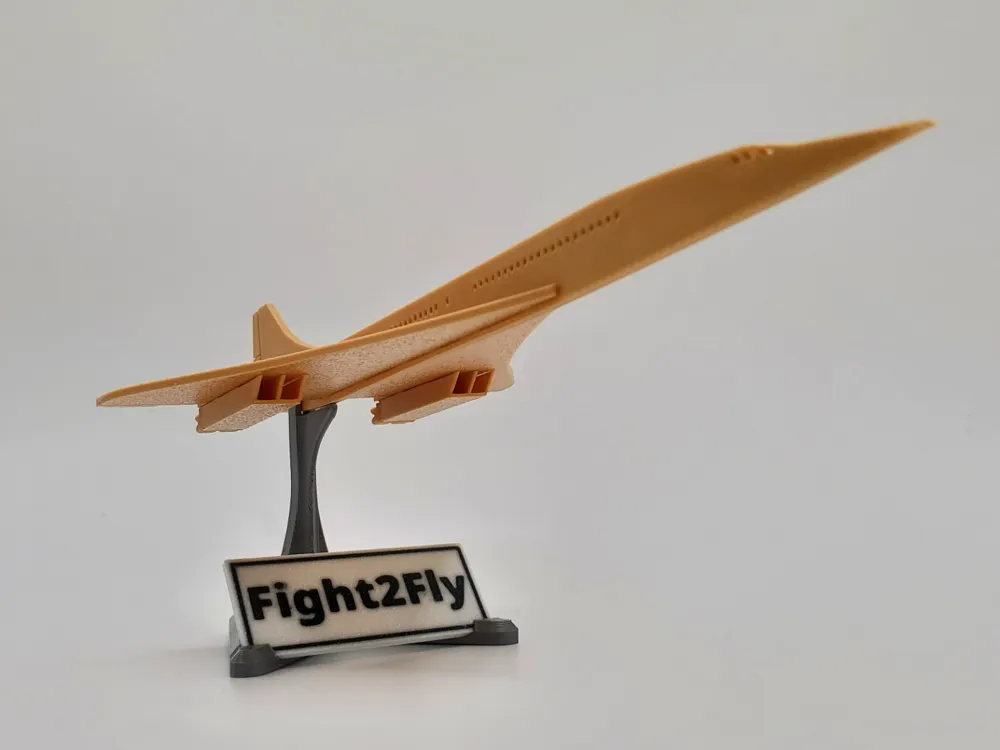
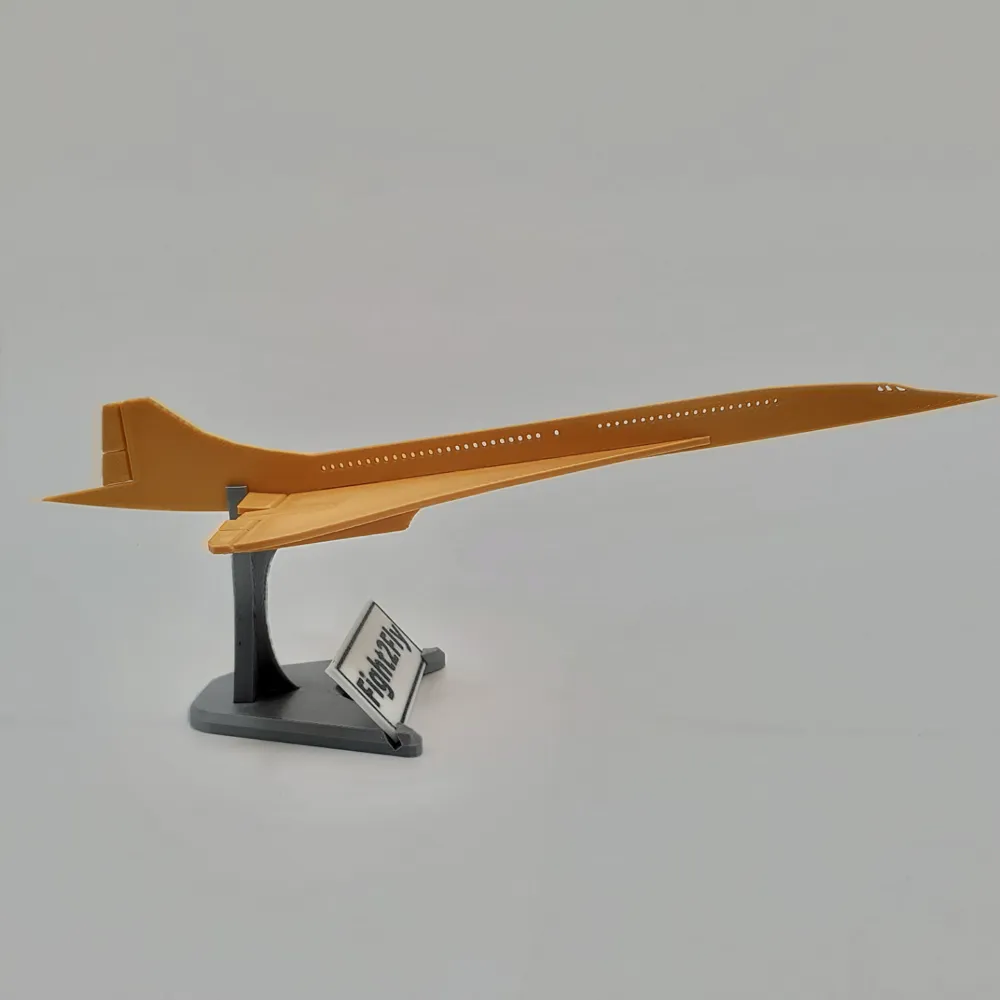
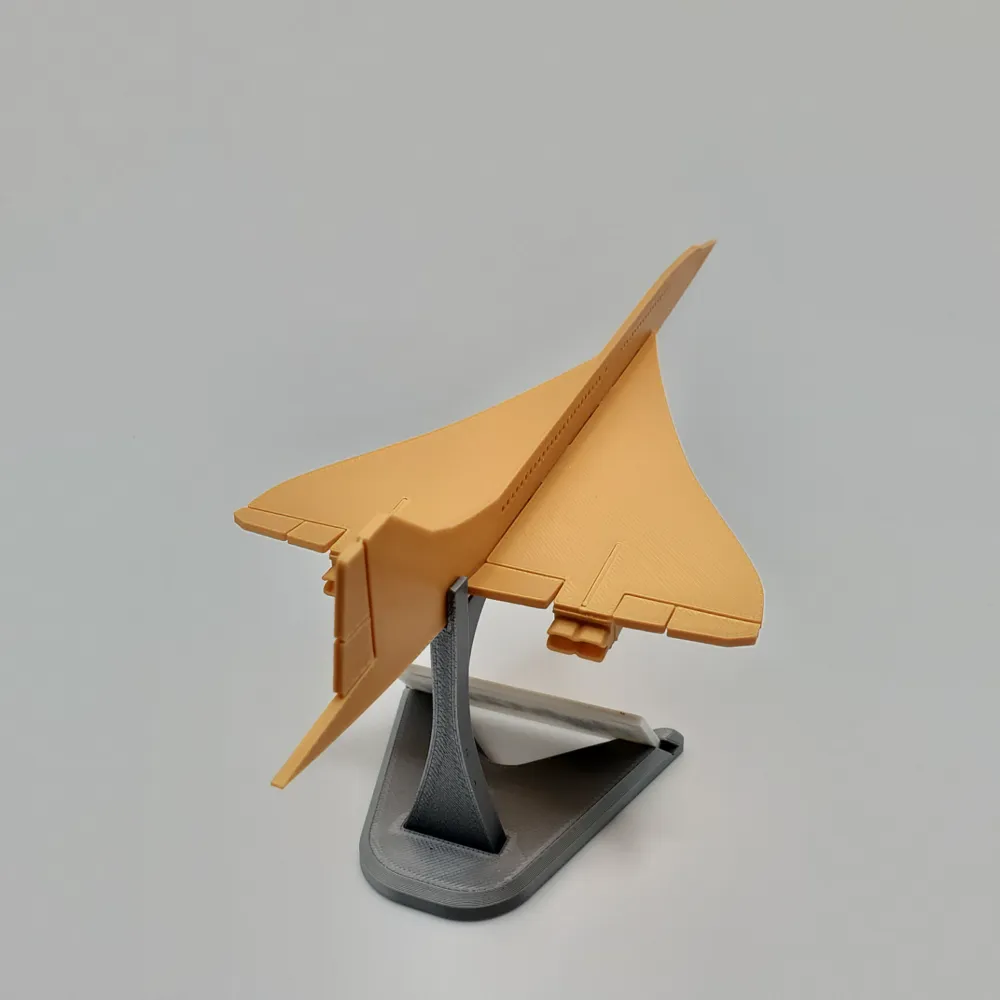
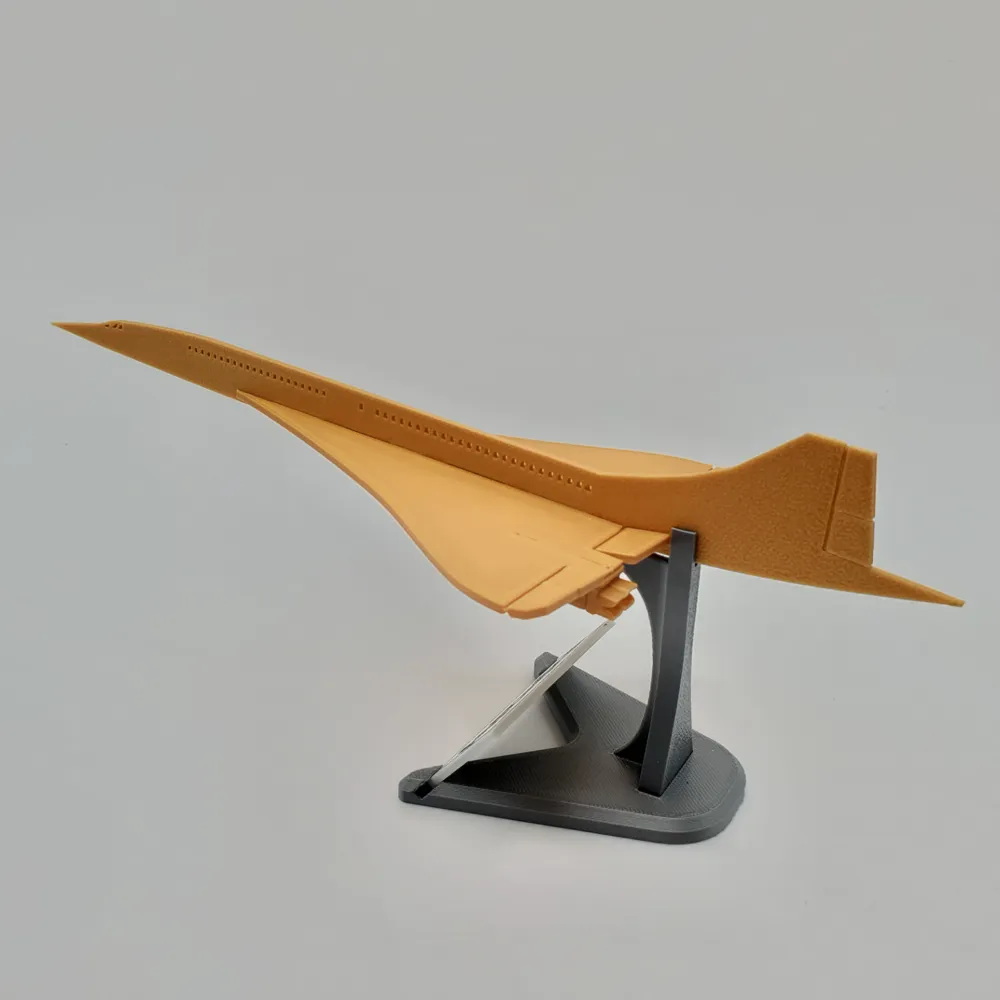
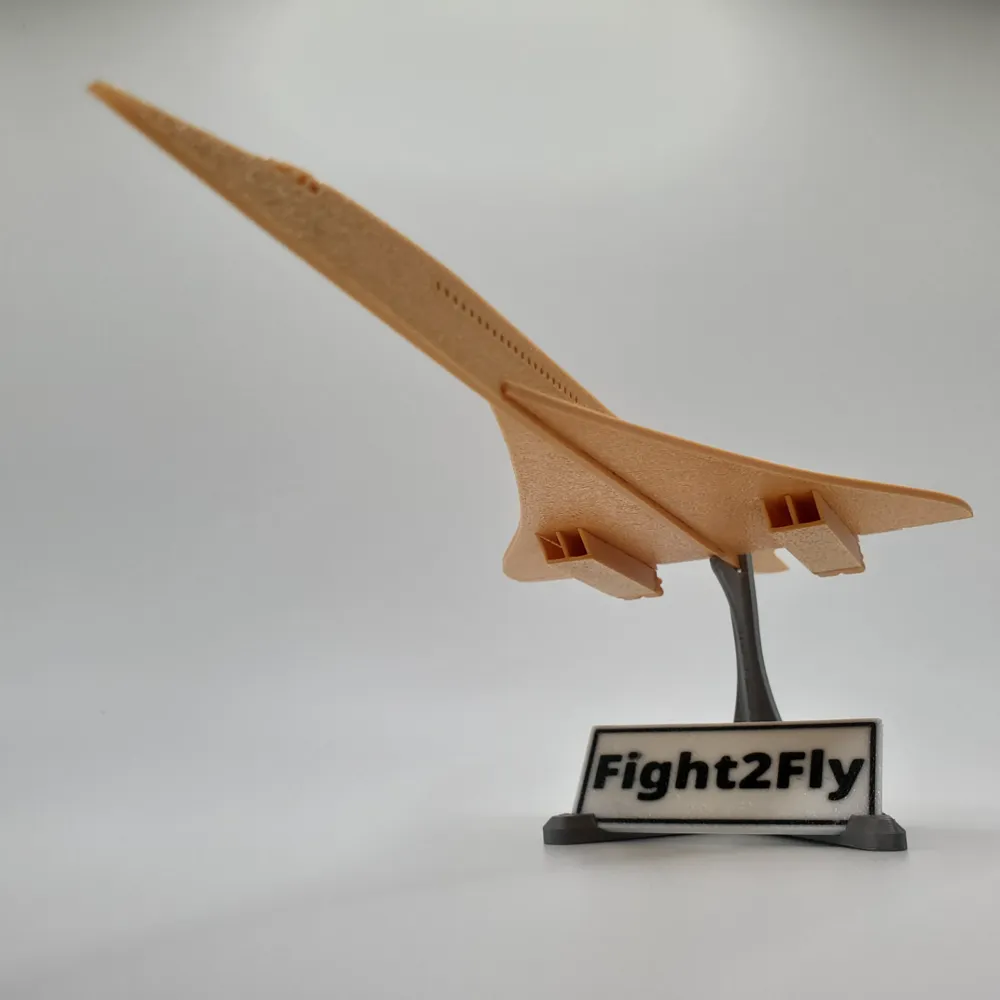
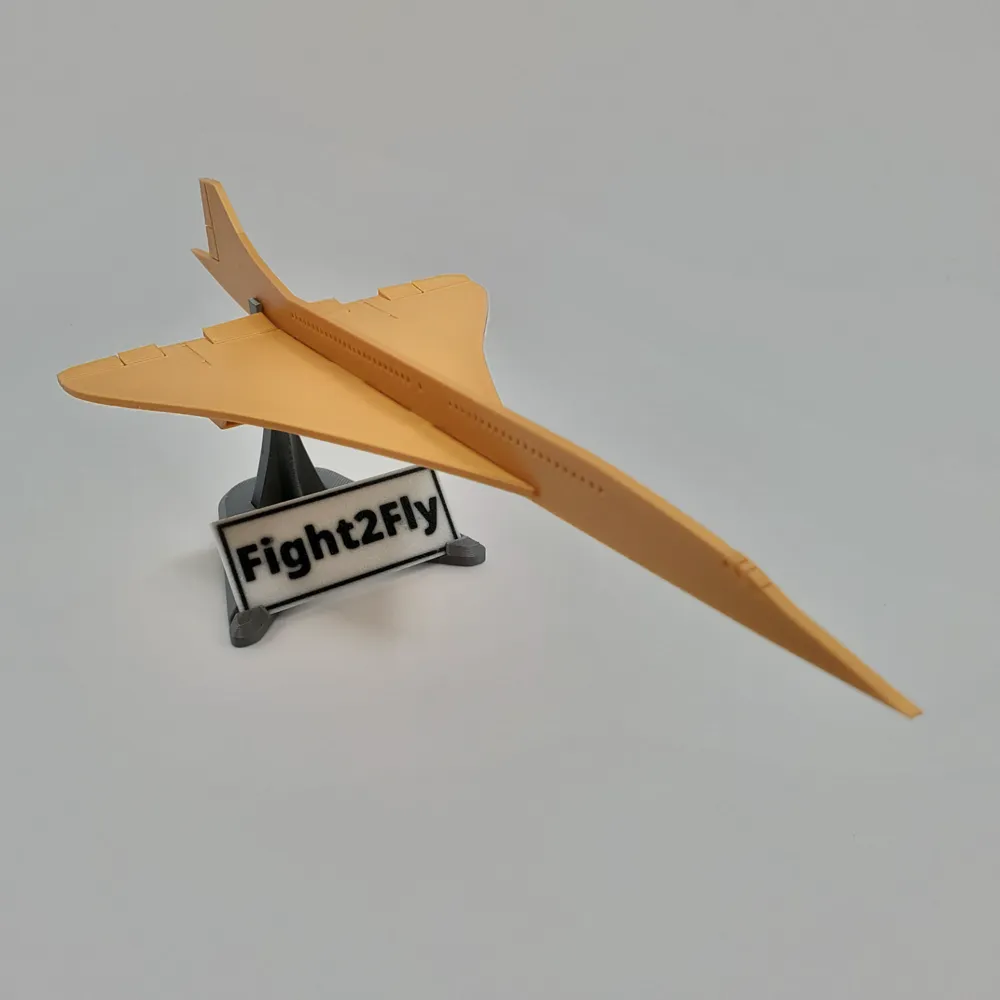
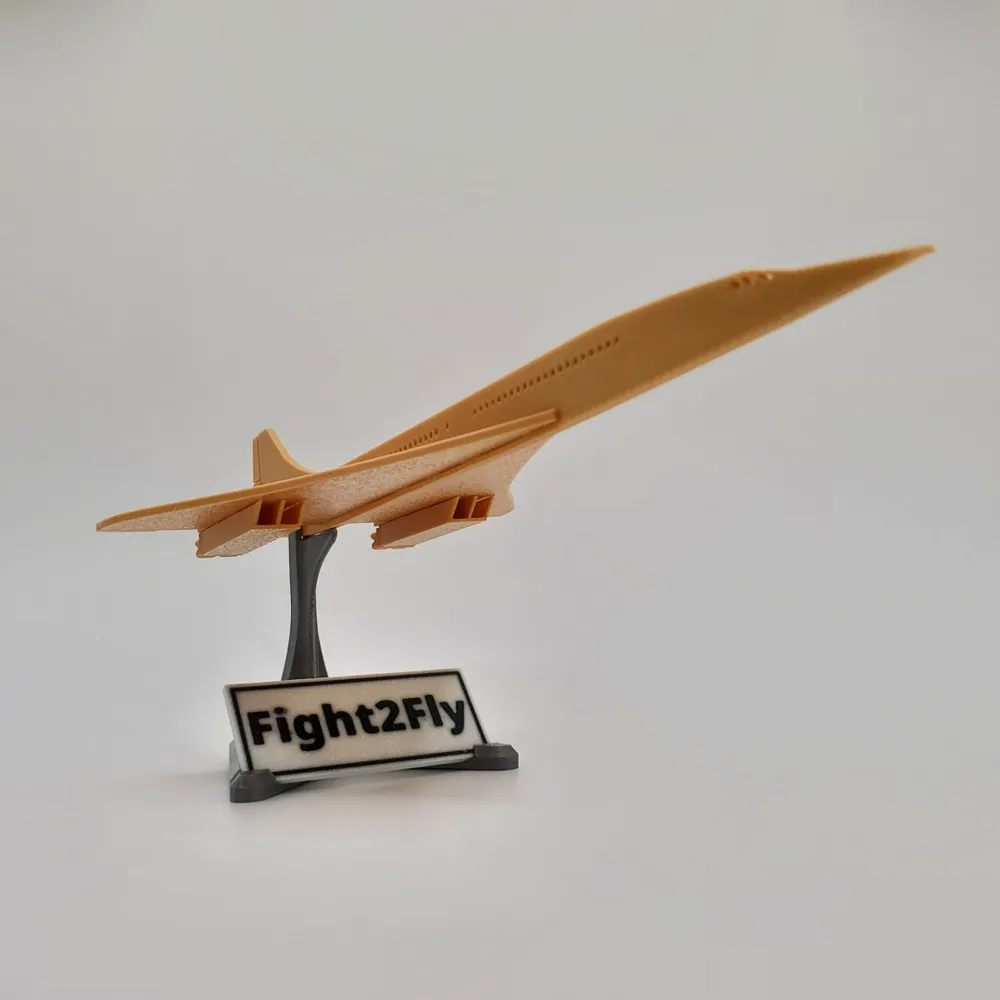
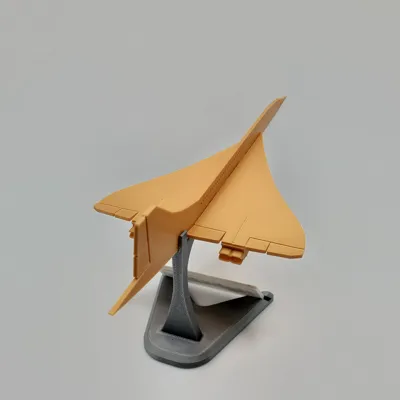
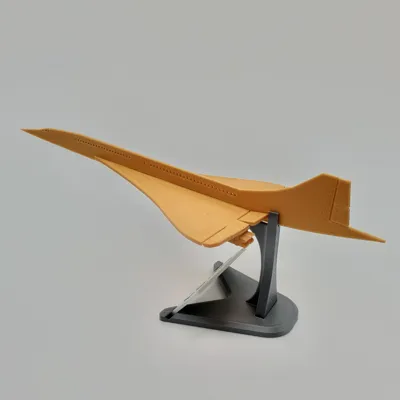
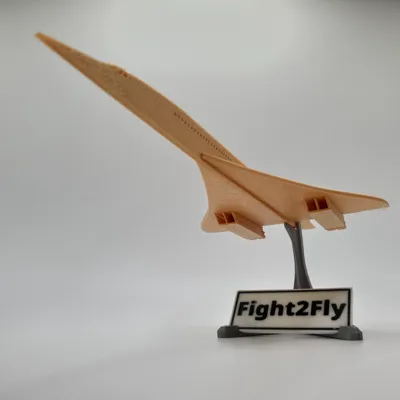
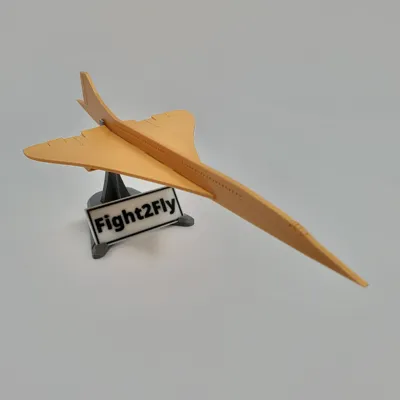
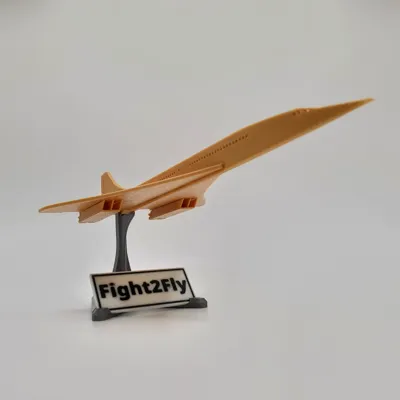
This was a fun model to design and build, thought required some finesseing along the way, mainly with how to keep the engine nacelle simple but “scale” - ish.
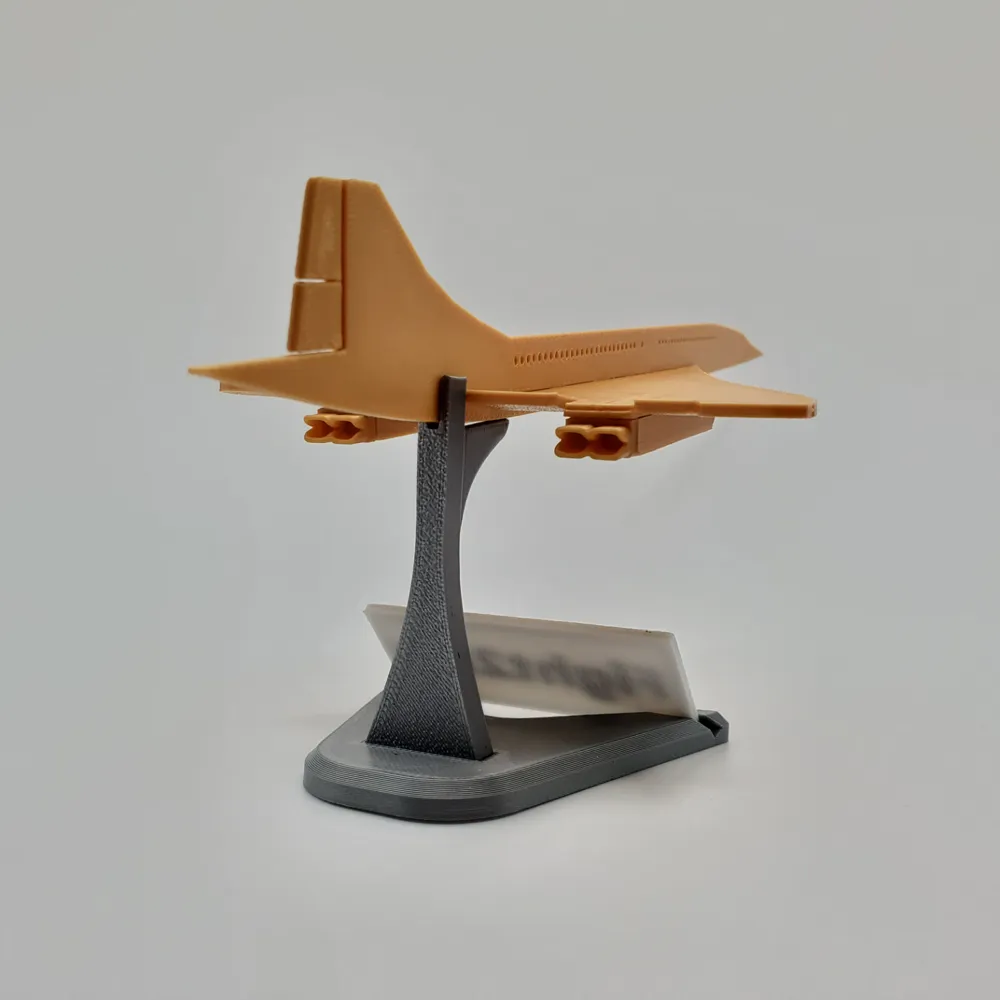
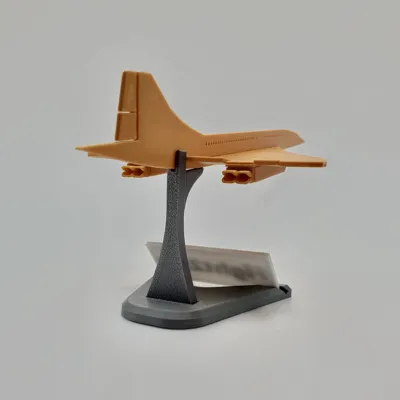
You'll see I have some engine intakes printed, those will fit inside the notched area of the engine nacelle. You may need to glue the nacelle to the wing, and then glue the afterburner cans to the aft part of the nacelle, then simply slide the wings into their slots in the fuselage.
Model on file includes loop to hang the model from.
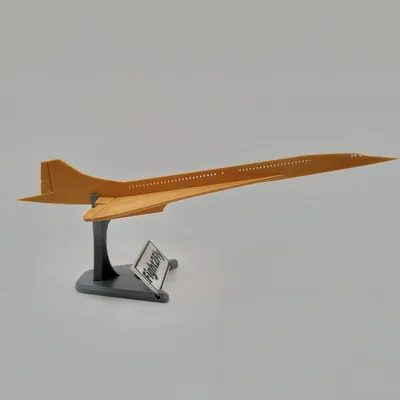
Refer to the pictures and if you're having any problems, please let me know and give me a chance to improve the model before giving it a poor score.
Here's the stand that I used in the photos: https://makerworld.com/en/models/588924#profileId-510254
Commercial licenses are now available: Membership | Fight To Fly Studio
Boost Me (for free)
Your boost is a tremendous help toward developing more models as they help me keep buying that sweet Bambu filament! THANK YOU!
License

You shall not share, sub-license, sell, rent, host, transfer, or distribute in any way the digital or 3D printed versions of this object, nor any other derivative work of this object in its digital or physical format (including - but not limited to - remixes of this object, and hosting on other digital platforms). The objects may not be used without permission in any way whatsoever in which you charge money, or collect fees.


Comment & Rating (10)