
Vertical Steam (air) Engine

Print Profile(1)

Description
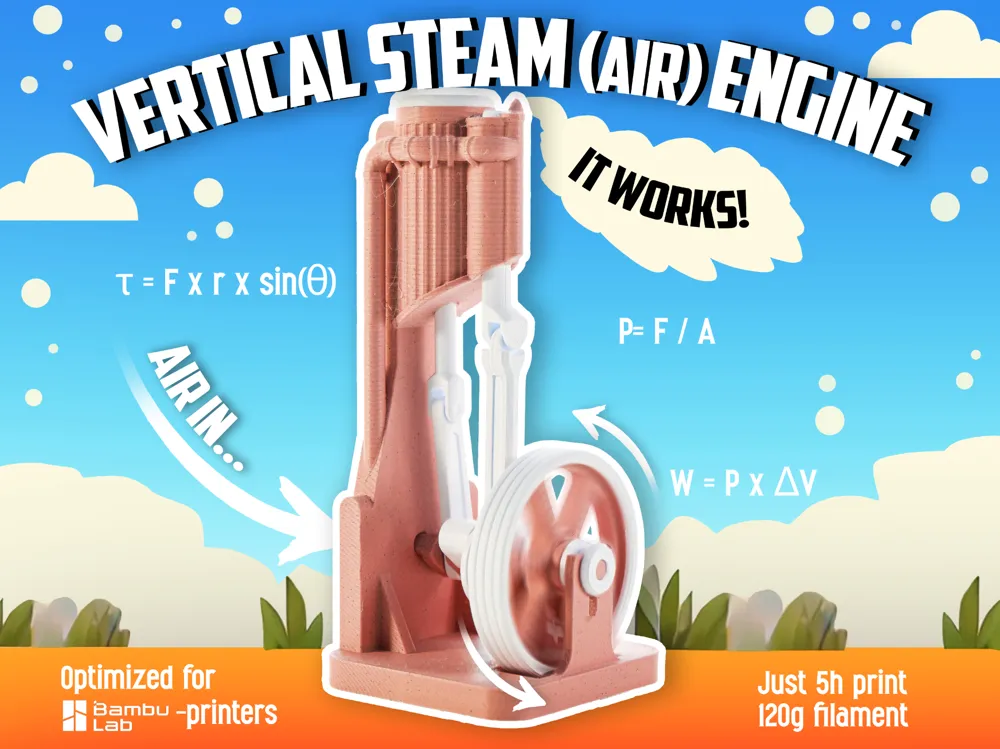

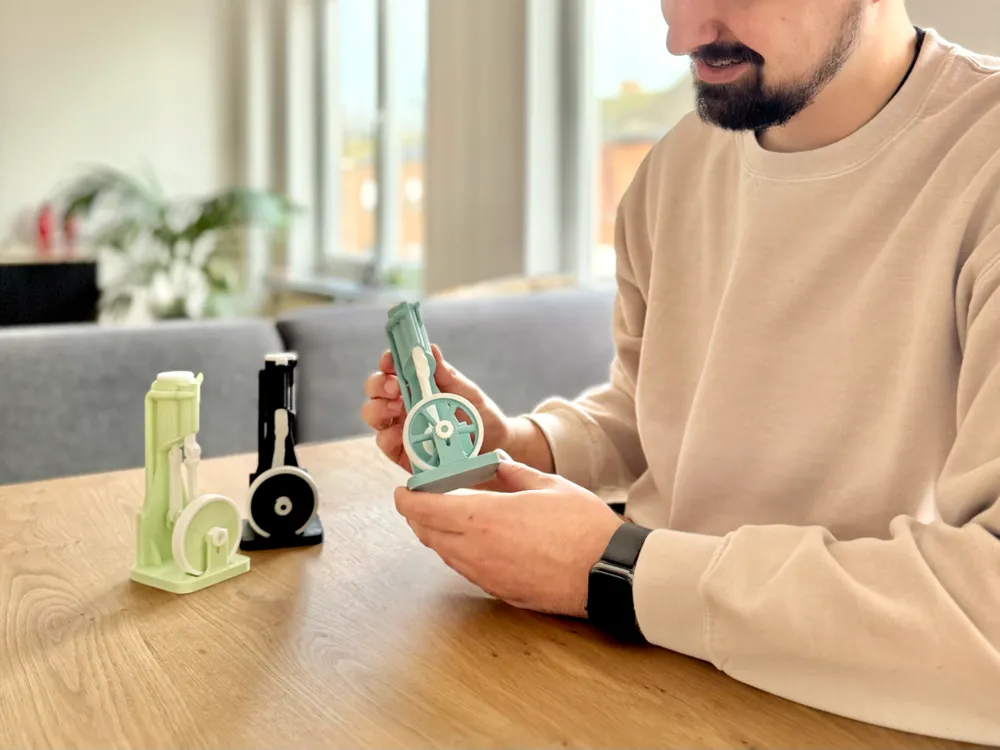
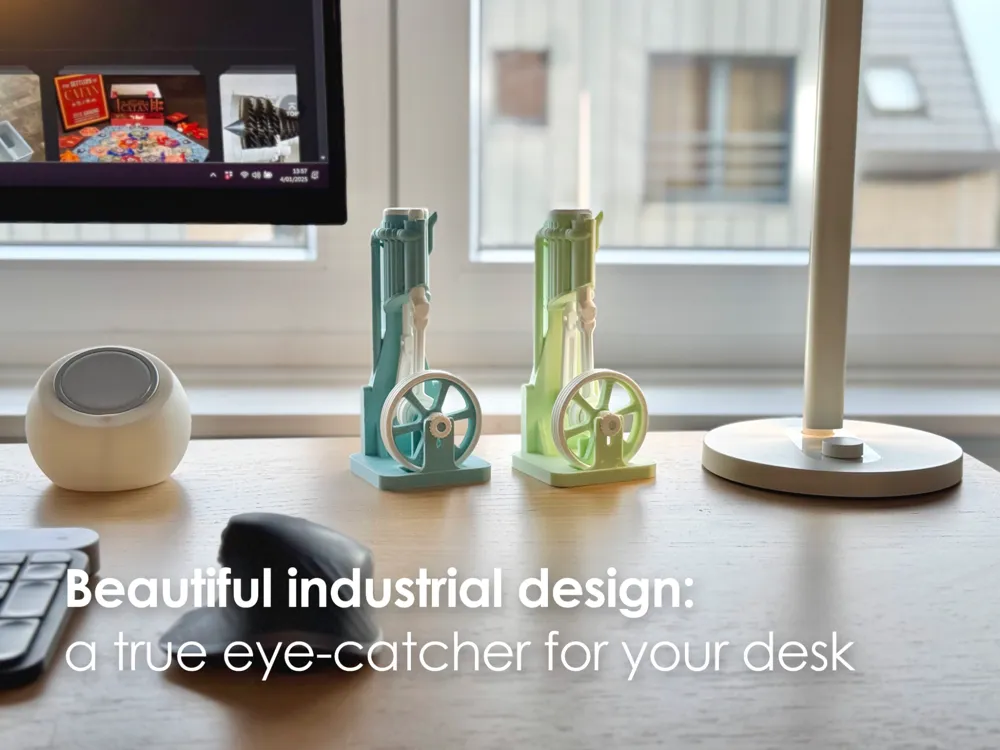
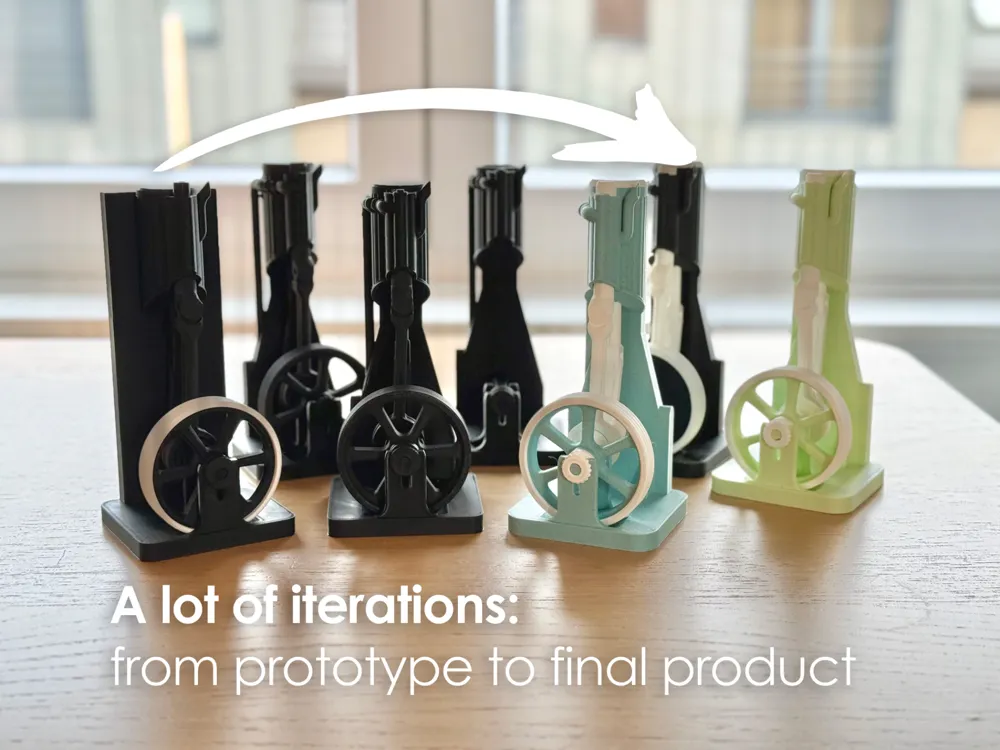
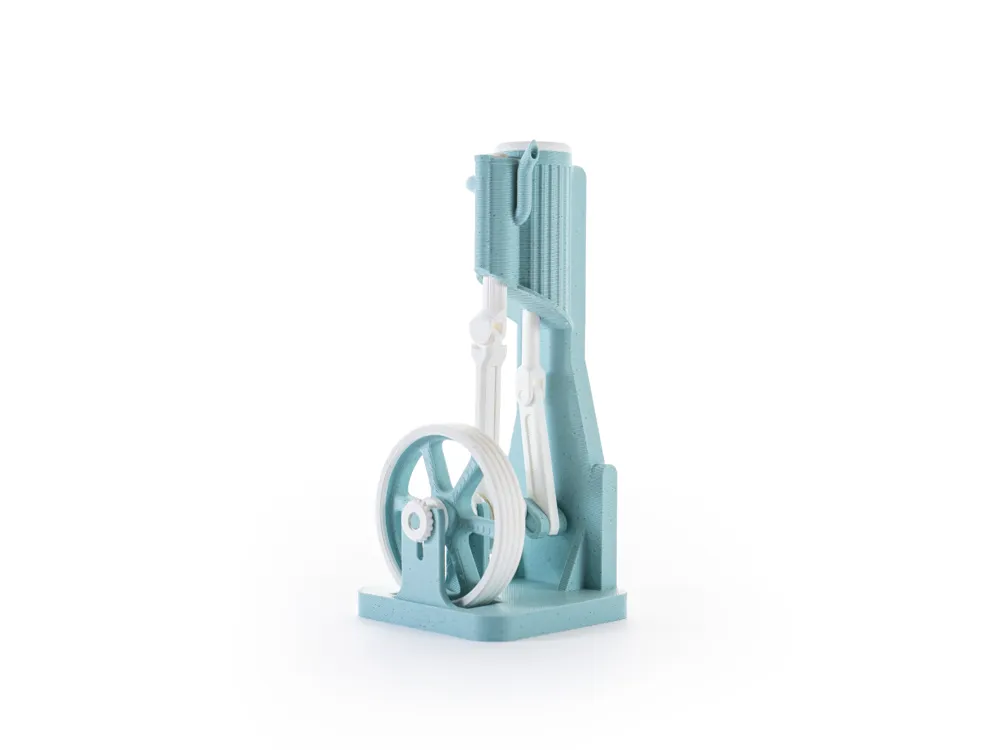
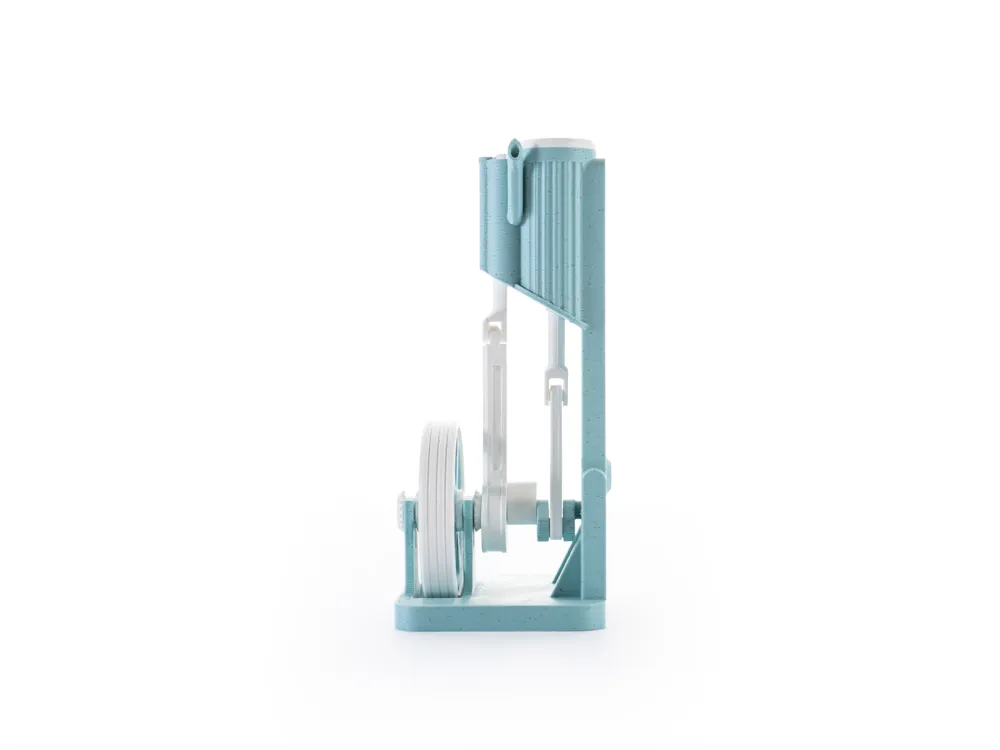
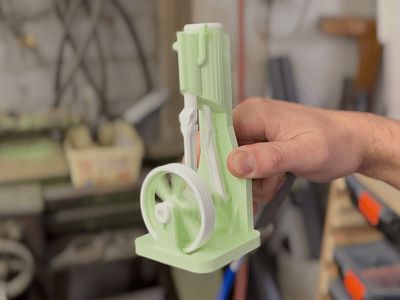
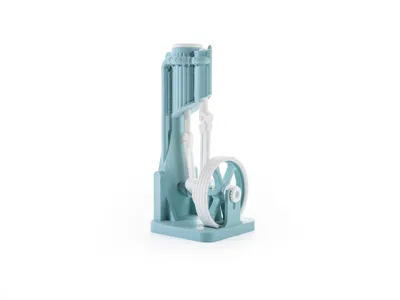
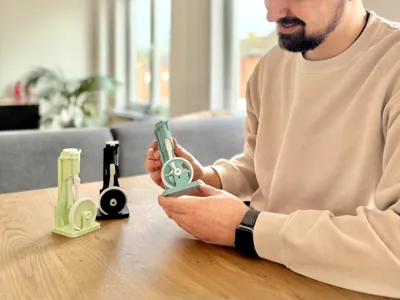
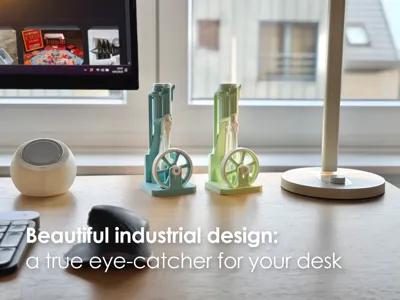
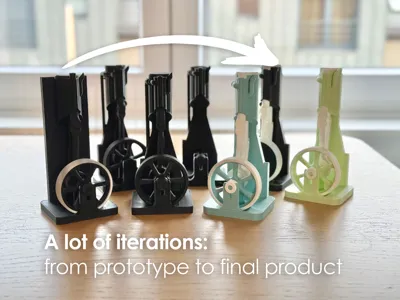
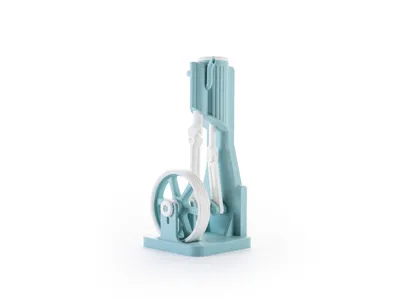
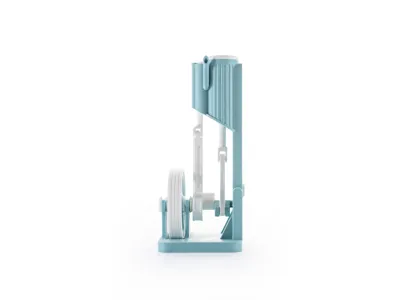
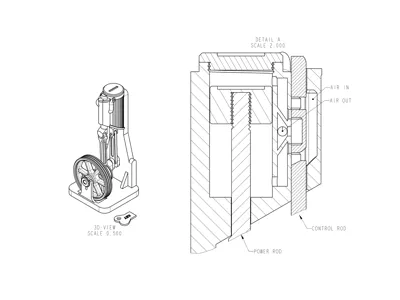
My entry for the Maker World "Physics Education Design Contest" is a vertical steam engine designed to demonstrate the principles of mechanical motion. This compact and functional model is optimized for 3D printing, requiring minimal supports and a total print time of just five hours (120g filament). It can be powered by compressed air or, with proper lubrication, even by a vacuum cleaner.
Key Features
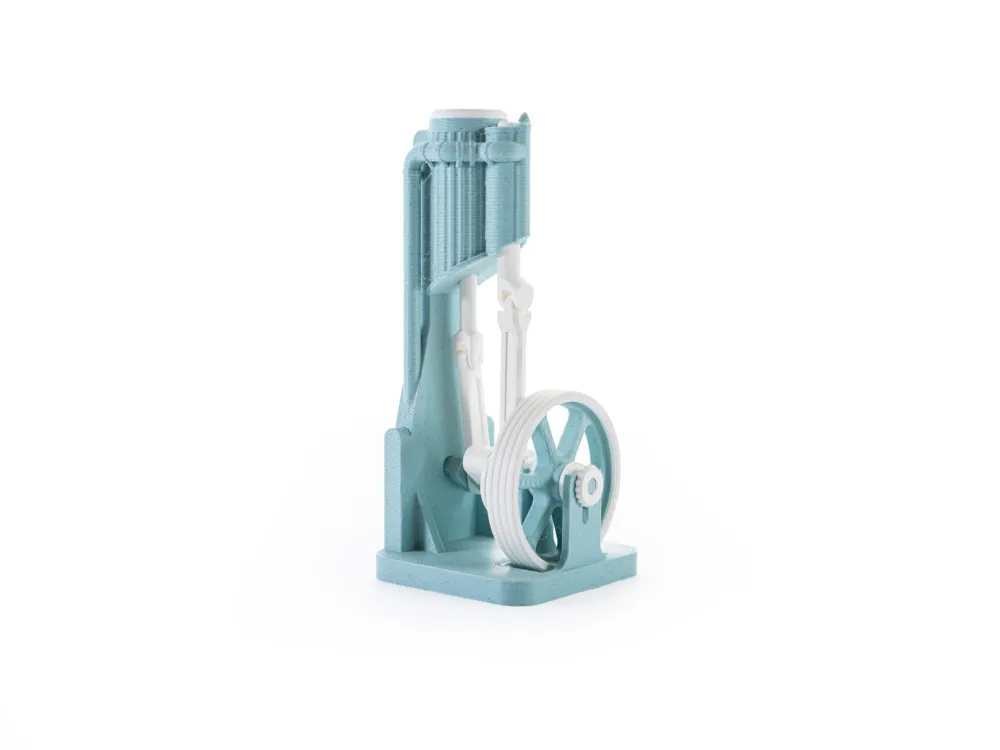
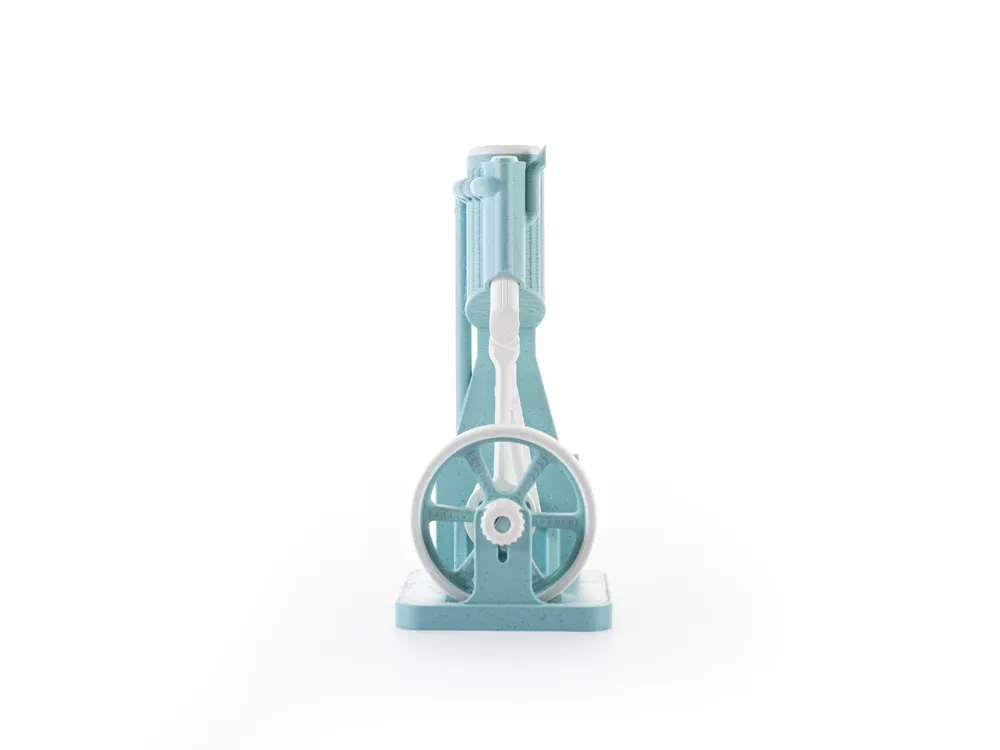
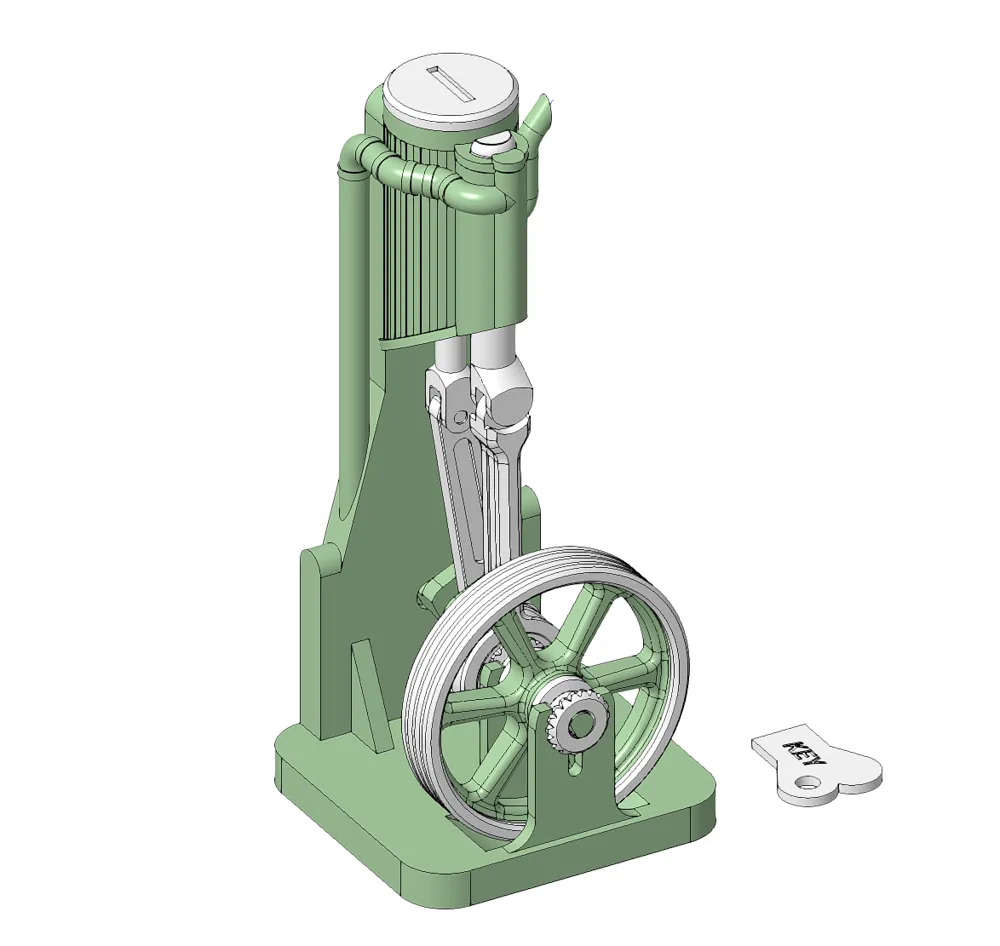
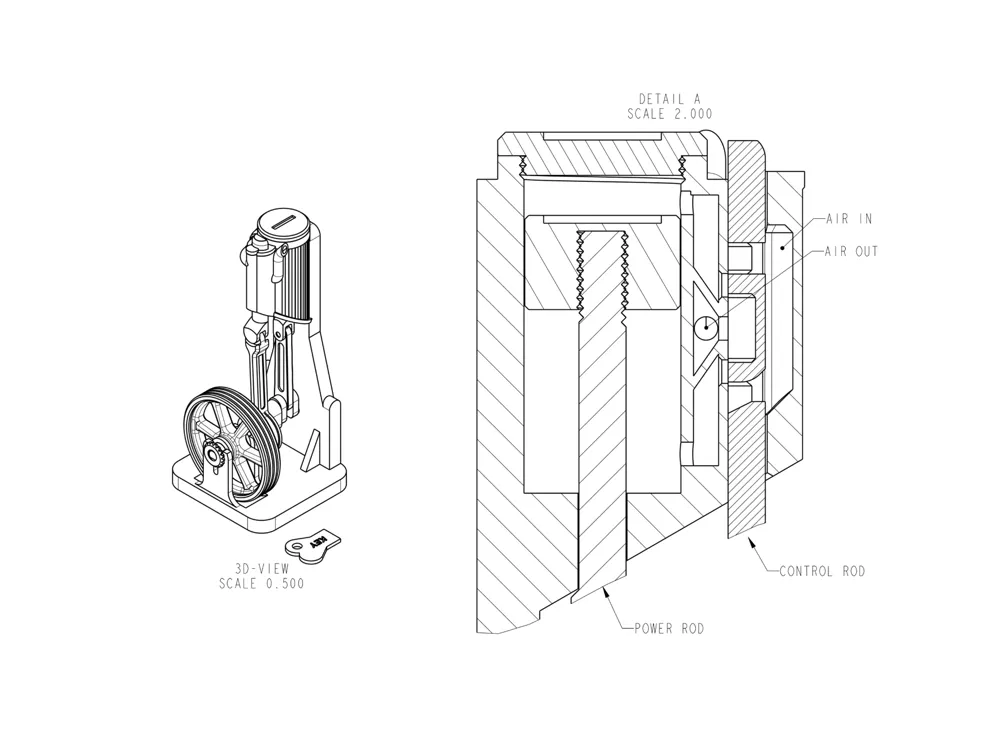
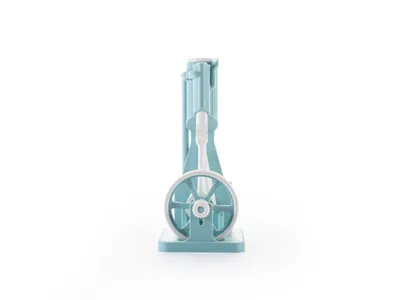
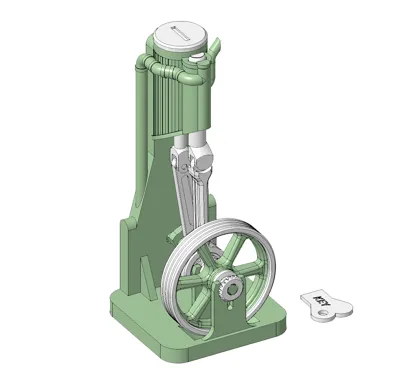
The engine’s design reflects a vertical setup, showcasing the timeless beauty of steam power. It operates with a power rod that transmits motion to the flywheel and a control rod that manages the steam flow. These components work in harmony to illustrate fundamental engineering principles in a hands-on, engaging manner.
Assembly/BOM
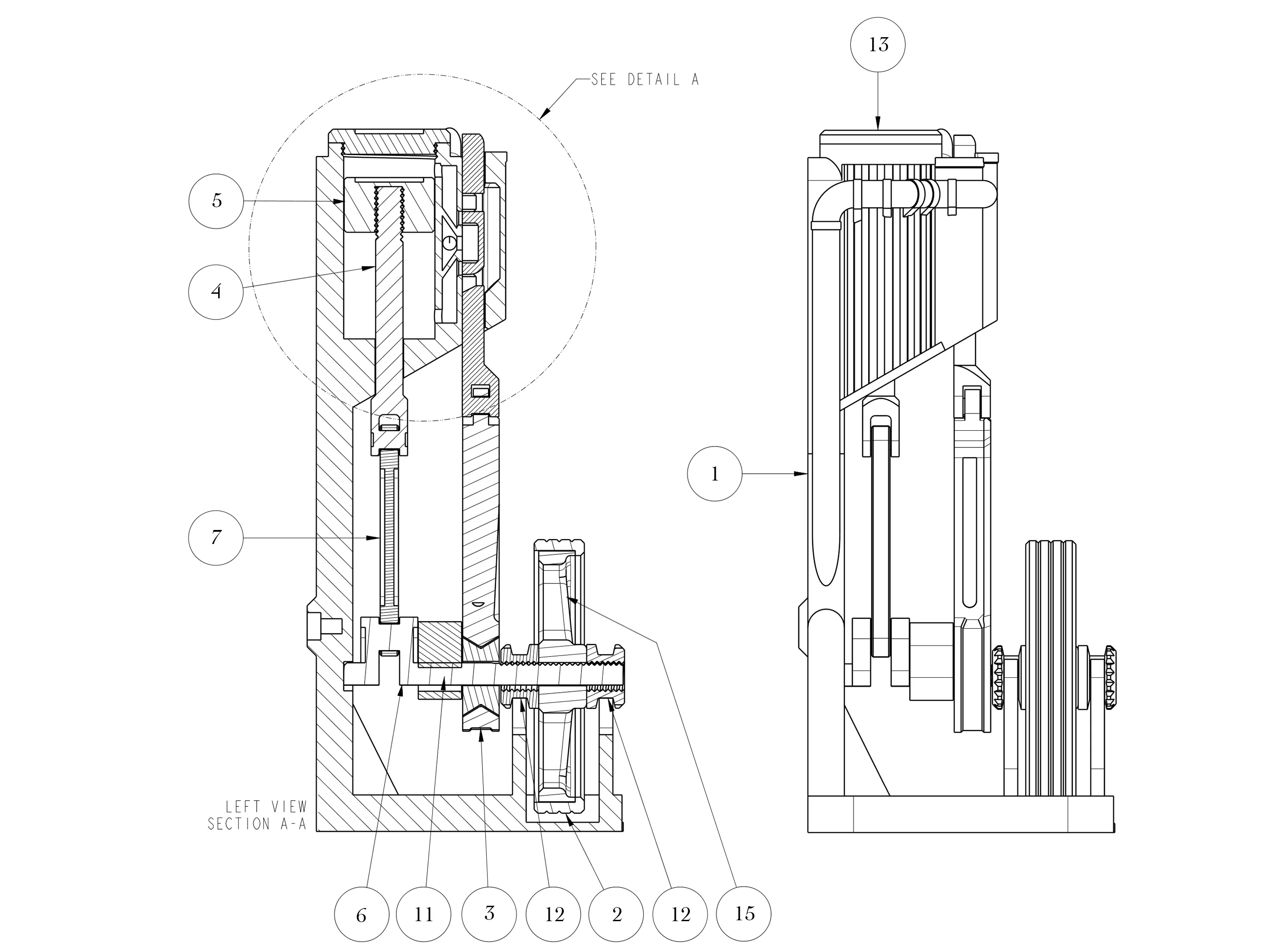
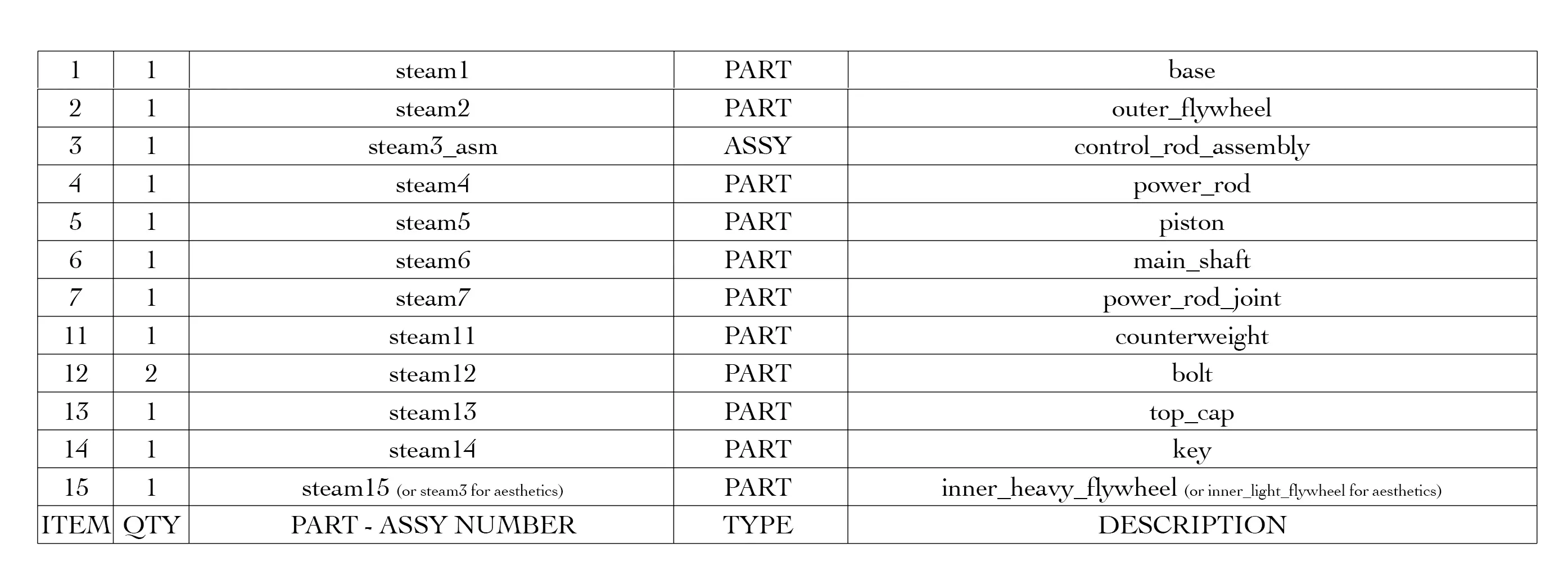
see assembly_guide.pdf
How Does It Work
The vertical steam engine functions through the precise interaction of two vital components: the power rod and the control rod.

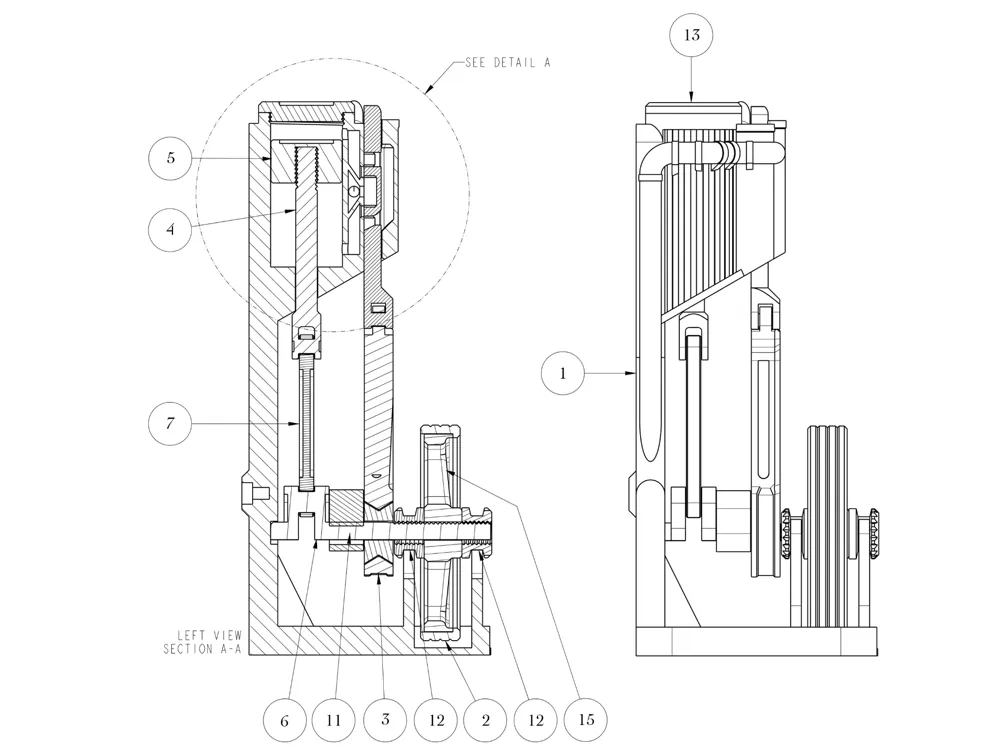
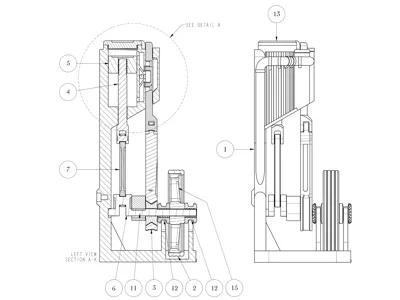
- Power Rod: The power rod connects the piston to the crankshaft and plays a crucial role in converting the linear motion of the piston into rotational motion. When steam or compressed air pushes the piston up and down, the power rod transfers this motion to the flywheel via the crankshaft, enabling the engine to generate a smooth rotational movement.
- Control Rod: The control rod regulates the timing of steam or air entering and exiting the cylinder. It synchronizes with the piston’s movement to ensure that the pressurized fluid enters at the optimal point in the cycle and exits efficiently after its energy has been used. This precise control is critical for maintaining the engine’s rhythm and efficiency.
Together, the power rod and control rod showcase the fundamentals of mechanical engineering, demonstrating how pressurized air energy is transformed into rotational motion in a simple yet effective manner.
Printing Settings
For those not using the pre-configured 3mf files, here are recommended settings to ensure optimal results:
- Steam1 (base): Print with a wall thickness of 3 (no supports) to minimize leakage in the piping system
- Steam6 (main_shaft): Use normal supports with high density
- Steam4 (power_rod): Print vertically with tree supports at a 45-degree overhang angle and a raft.
- Steam3_asm (control_rod_asm): Use adaptive layer height for improved surface quality
- Steam12 (bolt): Use tree supports that only touch the build plate
- Steam11 (counterweight), steam15 & steam3: Print with 100% infill for added weight
Tips for Improved Performance
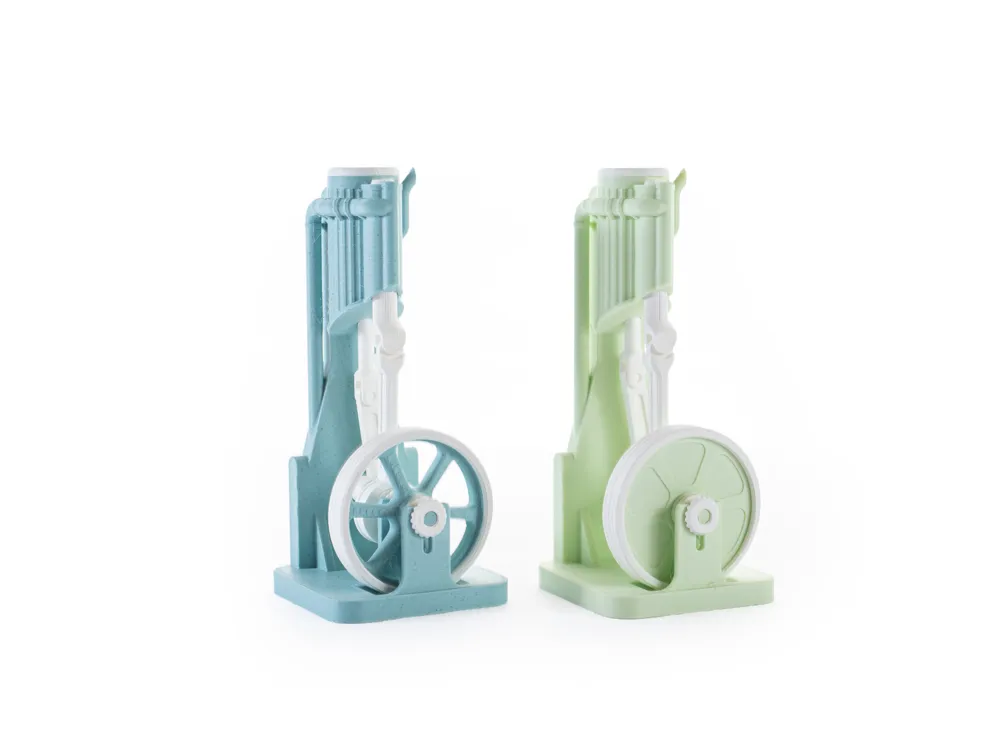
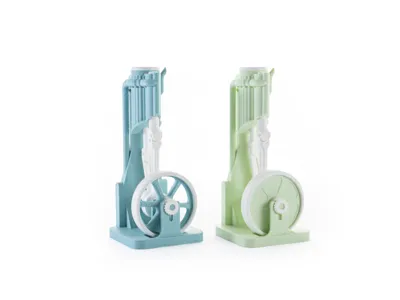
- Heavy flywheel preference: Steam15 (heavy wheel) provides better performance compared to the optional Steam3 (light wheel). However, Steam3 is included as an option for those who prefer a more aesthetic look, as its design emphasizes style over function. It still works but prioritizes visual appeal.
- Joint preparation: Ensure all joints move freely before assembly to reduce friction. Apply a small amount of lubricant, such as WD40, to all moving joints.
- Break-in process: After assembly, use a drill with double-sided tape to spin the main shaft. This ensures all parts are well-lubricated and seated properly.
- Initial run: Use a generous amount of compressed air during the first operation to get everything running smoothly.
see assembly_guide.pdf
Share Your Thoughts
I would love to hear your feedback on this design! If you’ve printed and assembled the model, please share your experience and let me know if you have any suggestions for improvement.
Boost Me (for free)
If you’re willing, consider giving the project a boost by sharing it with your network
or posting a picture of your creation. Thank you for your interest, and happy printing!
Documentation (1)
License

You shall not share, sub-license, sell, rent, host, transfer, or distribute in any way the digital or 3D printed versions of this object, nor any other derivative work of this object in its digital or physical format (including - but not limited to - remixes of this object, and hosting on other digital platforms). The objects may not be used without permission in any way whatsoever in which you charge money, or collect fees.


Comment & Rating (301)