
Gyroscope


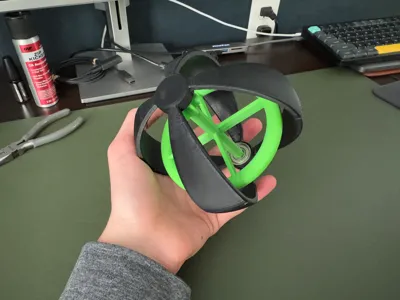
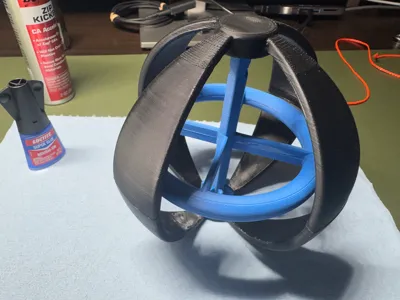
Print Profile(1)

Description
PLEASE read entire discription before printing
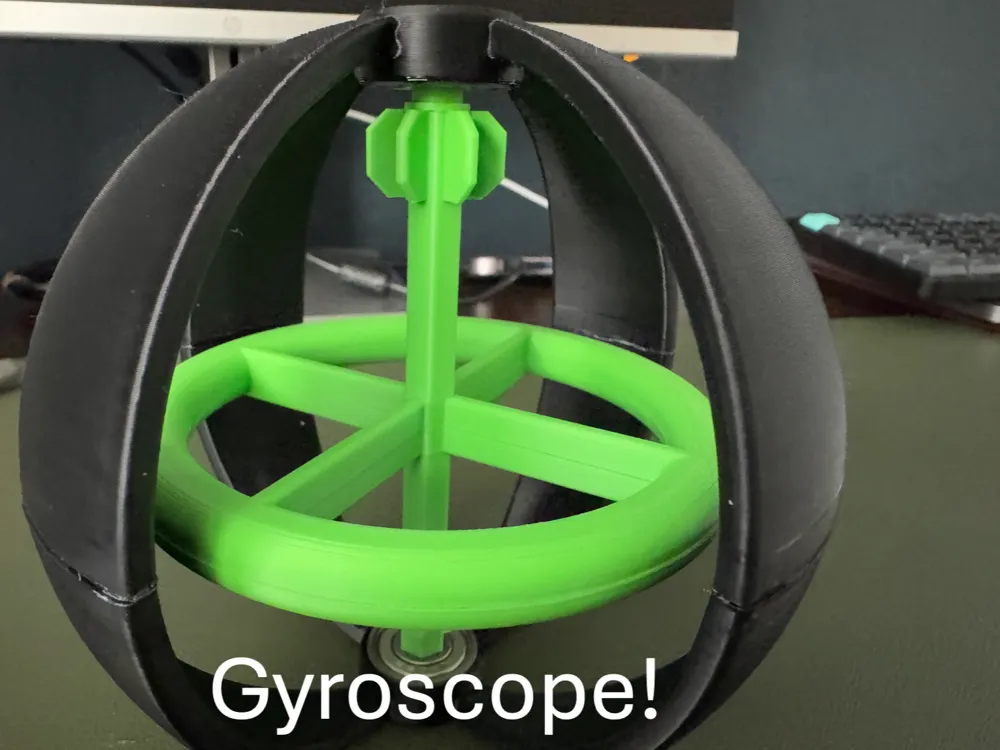
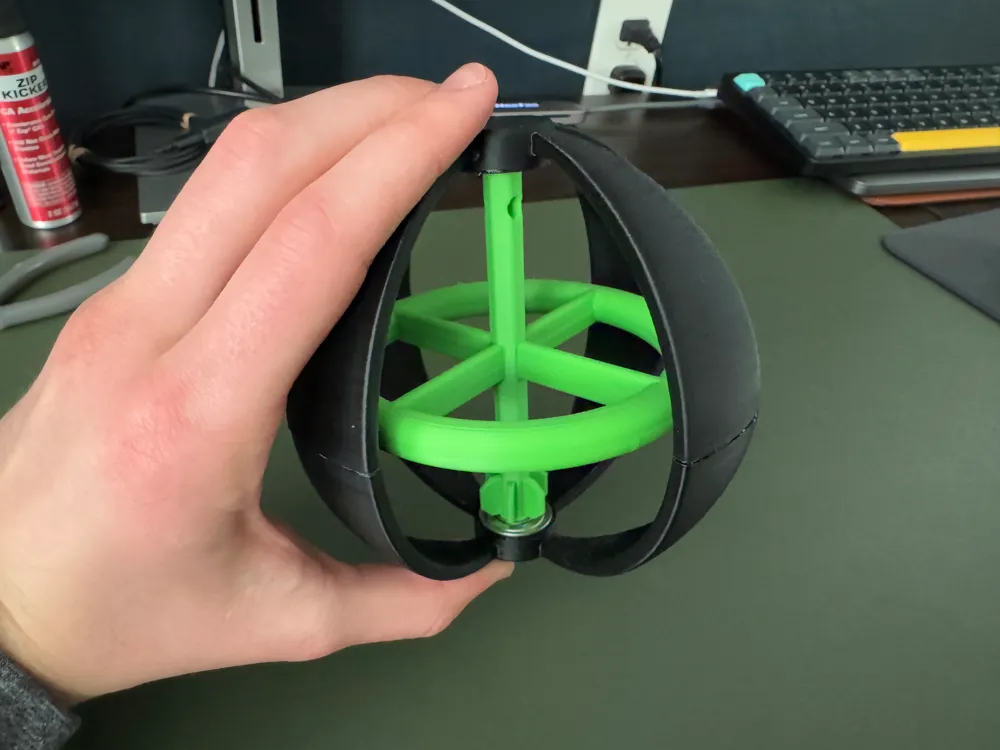
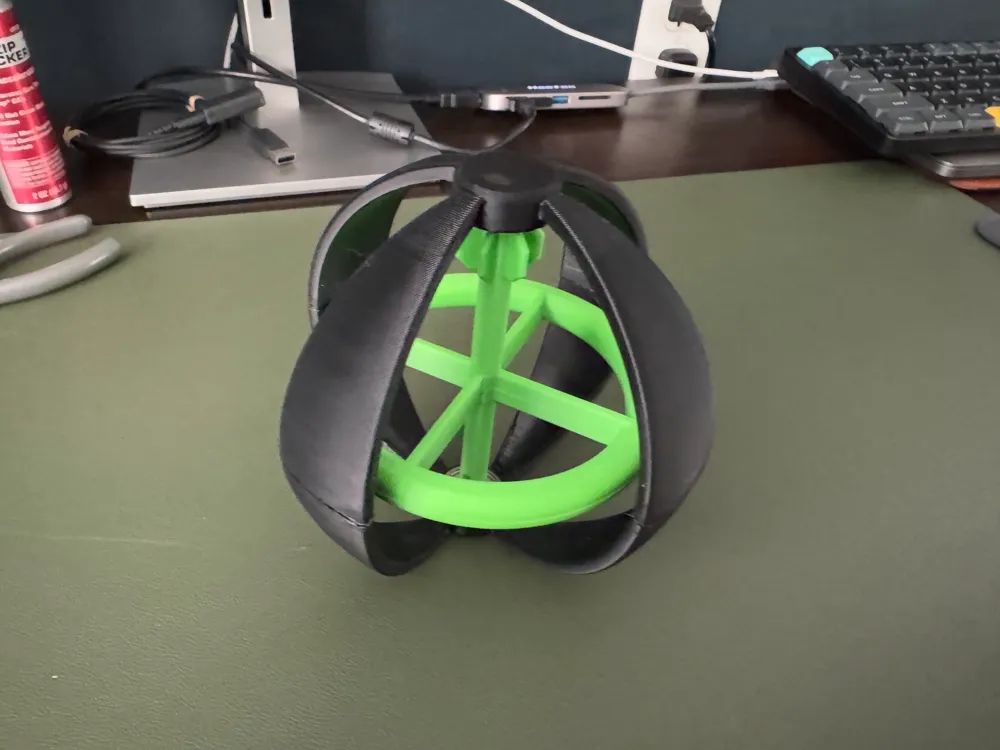
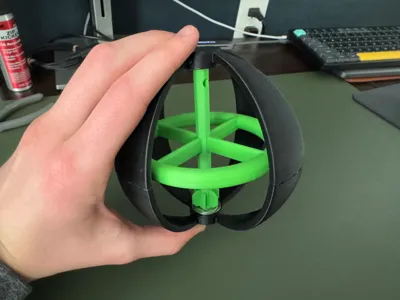
This is a gyroscope that I designed myself. This is super fun to play with, while also demonstrating some cool physics principles.
PRINTING AND ASSEMBLE:
Printing is pretty straightforward. You will absolutely need supports, use the settings in the 3MF file and they come off pretty easy. I recommend using PETG for the flywheel. I found that with PLA, if you will the string really hard spinning the flywheel, sometimes the PLA can snap. PETG is a bit more tough and will resist that.
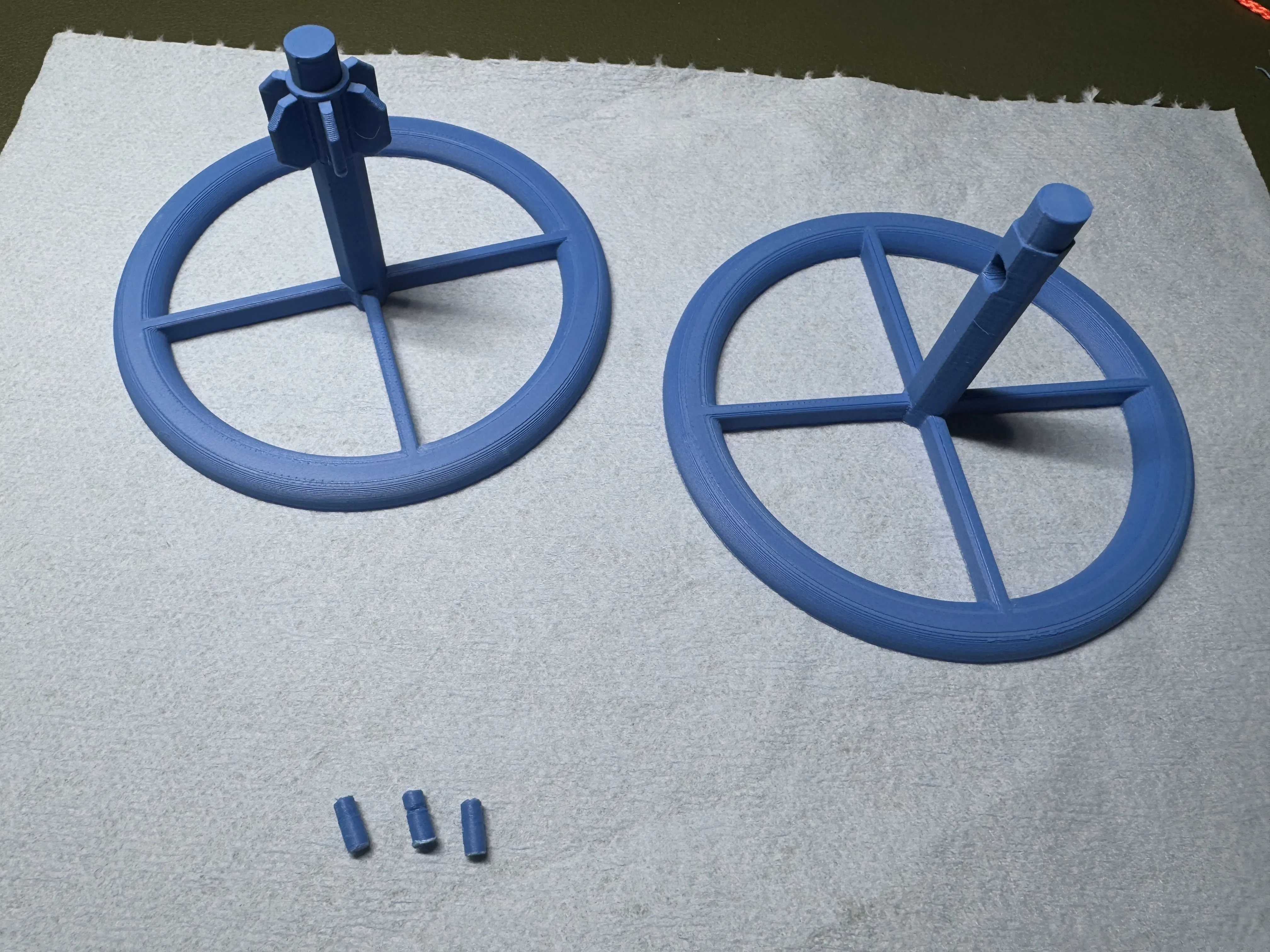
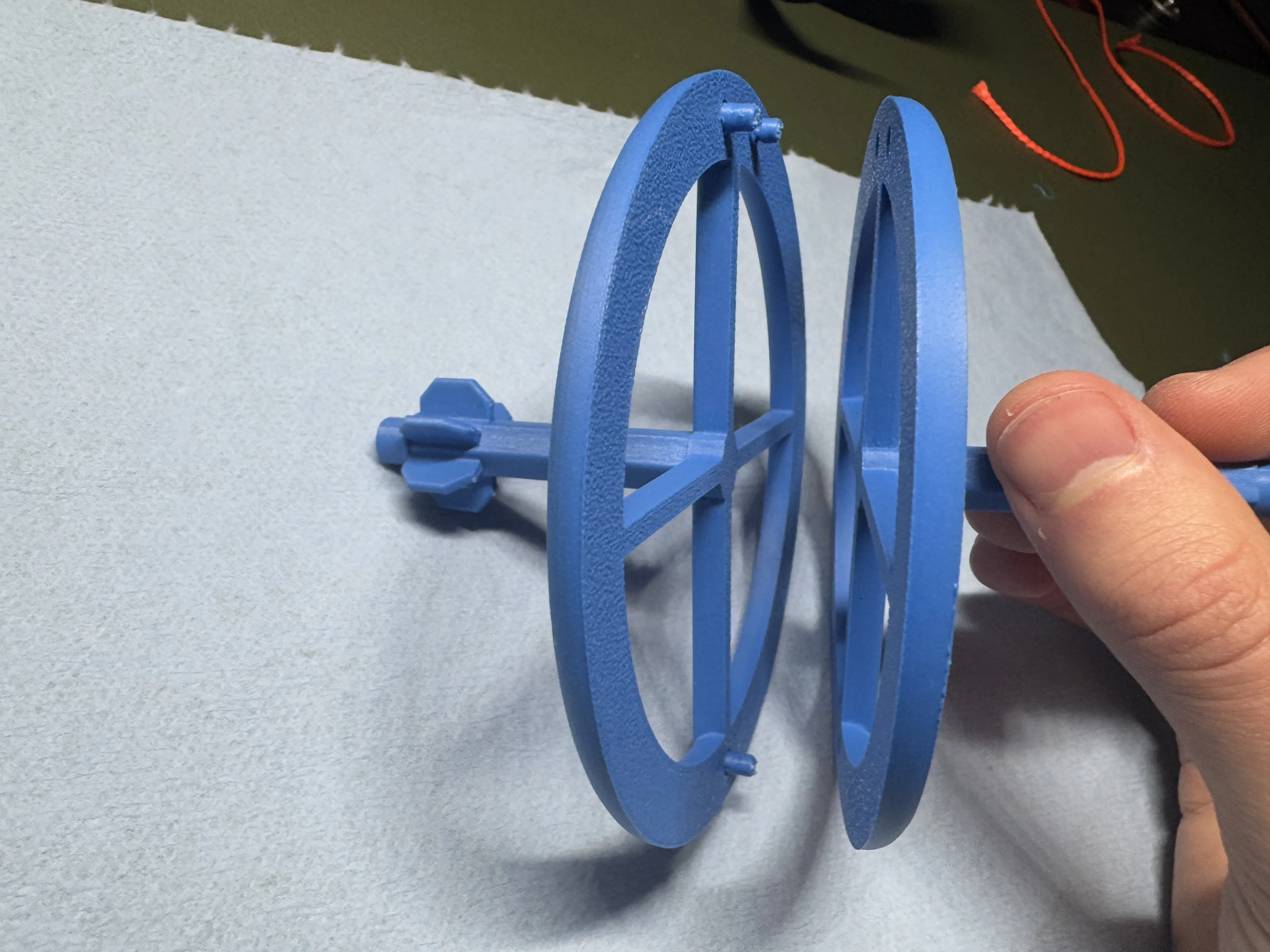
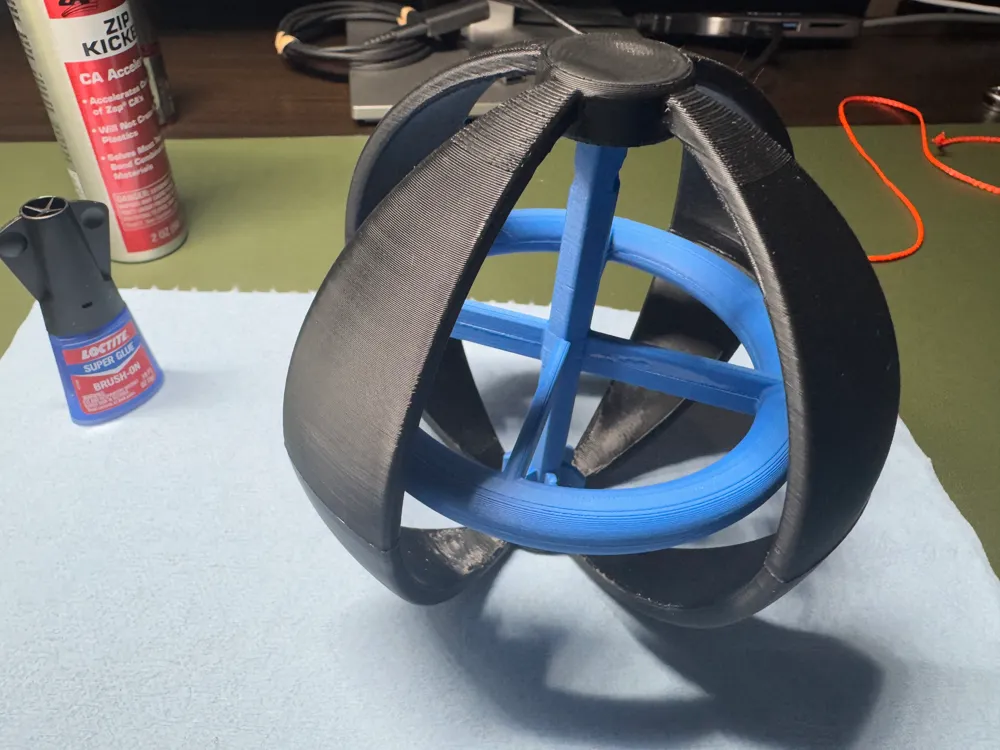
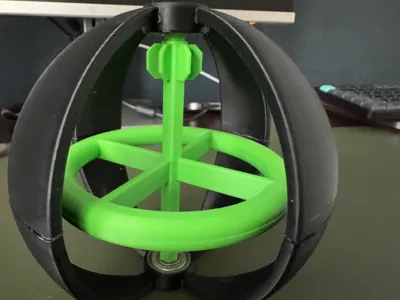
First thing to assemble will me to glue the 2 halfs of the flywheel together. This will use the BIG pins. I used loctite superglue, but any superglue should work. DON'T use hotglue in that it is really hard to get the parts to smoosh perfectly together. If there is a gap, then it might not go together correctly (Basically, just use superglue and you'll be fine).
Here is a link to the glue that I used.
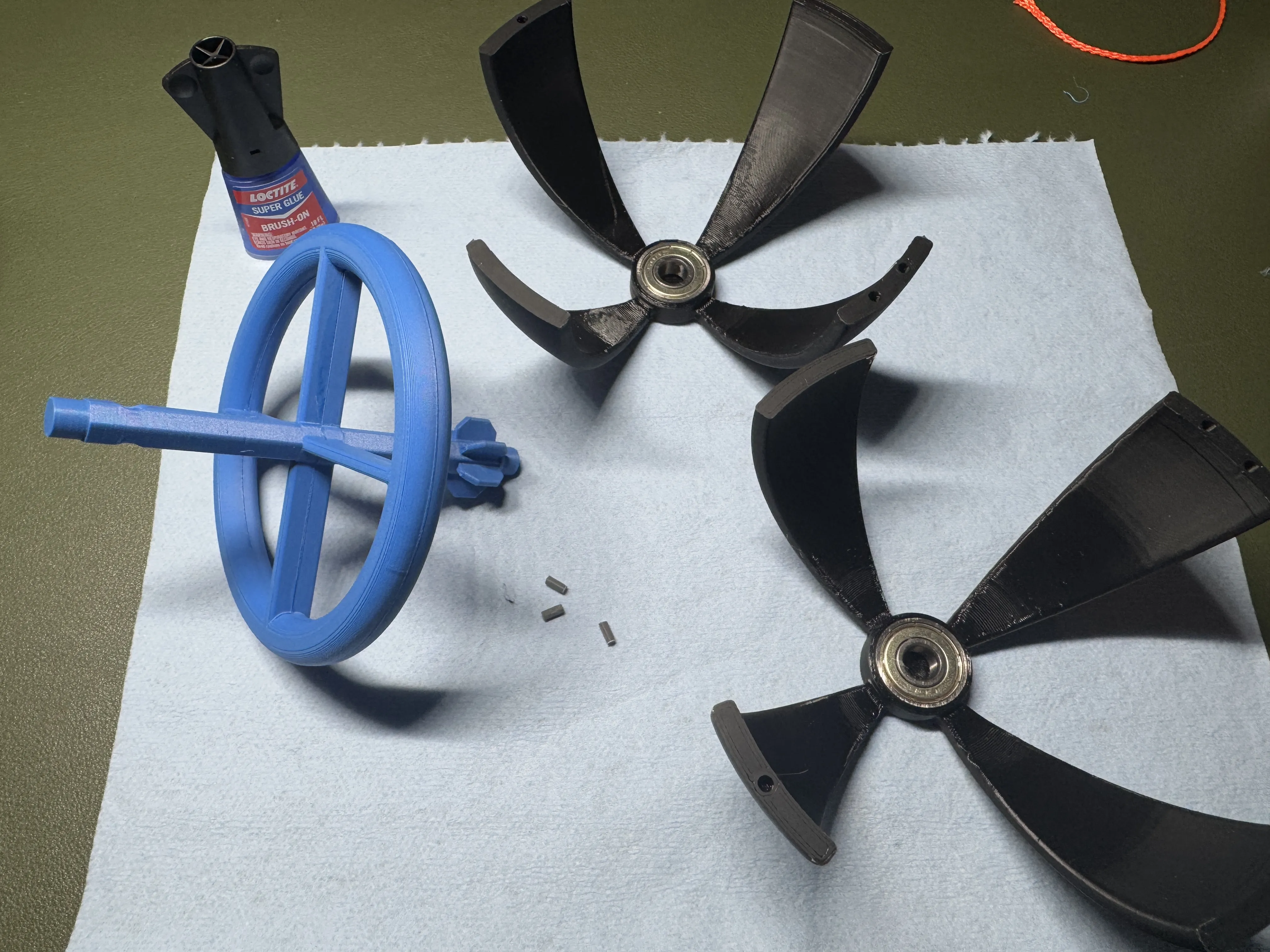
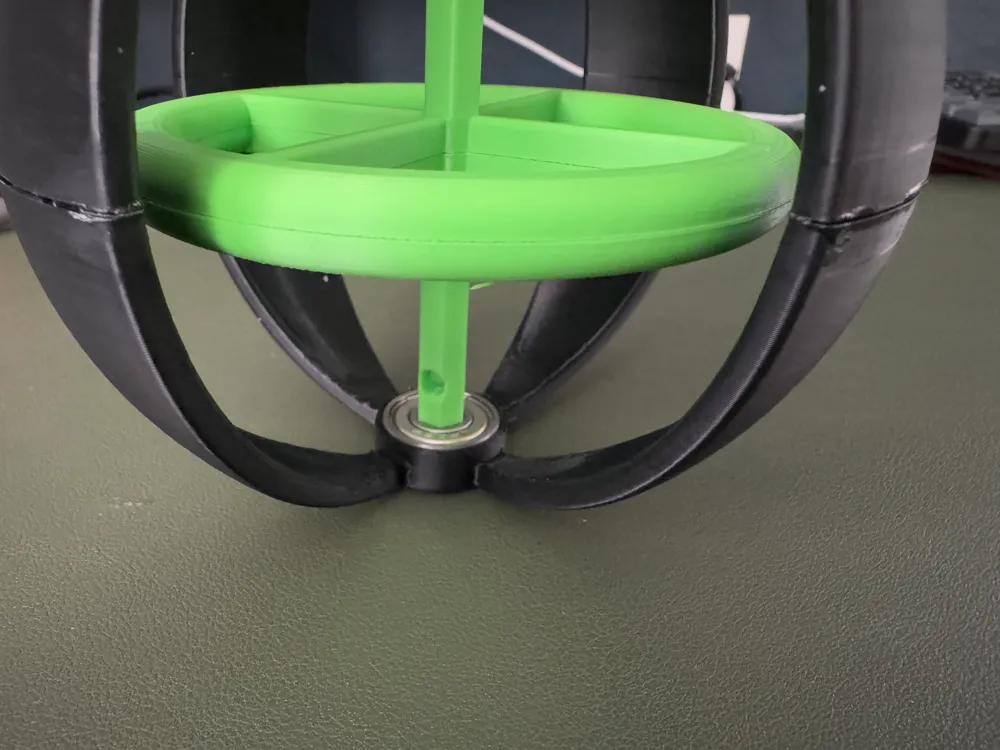
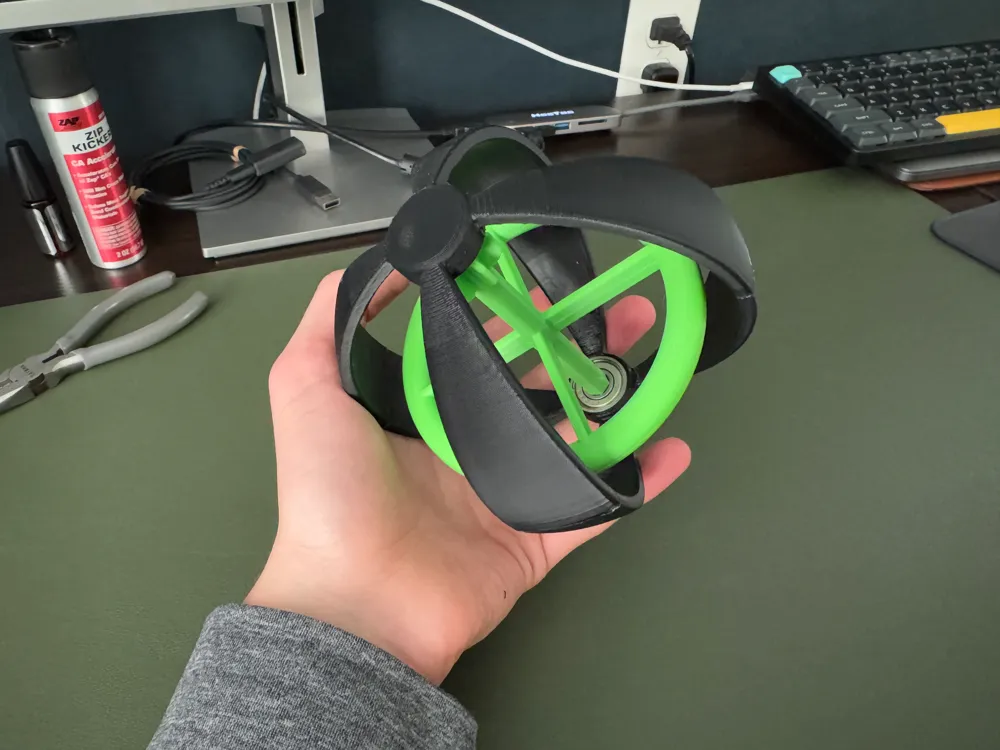
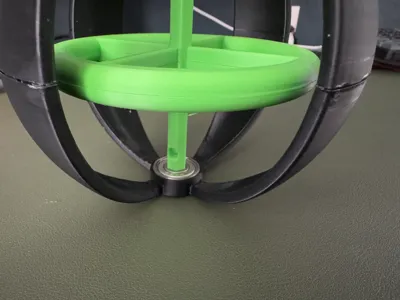
Next, push in the bearings into the outer shell as seen on the picture. The bearings that I am using are 8x2x7mm. Here is a link"
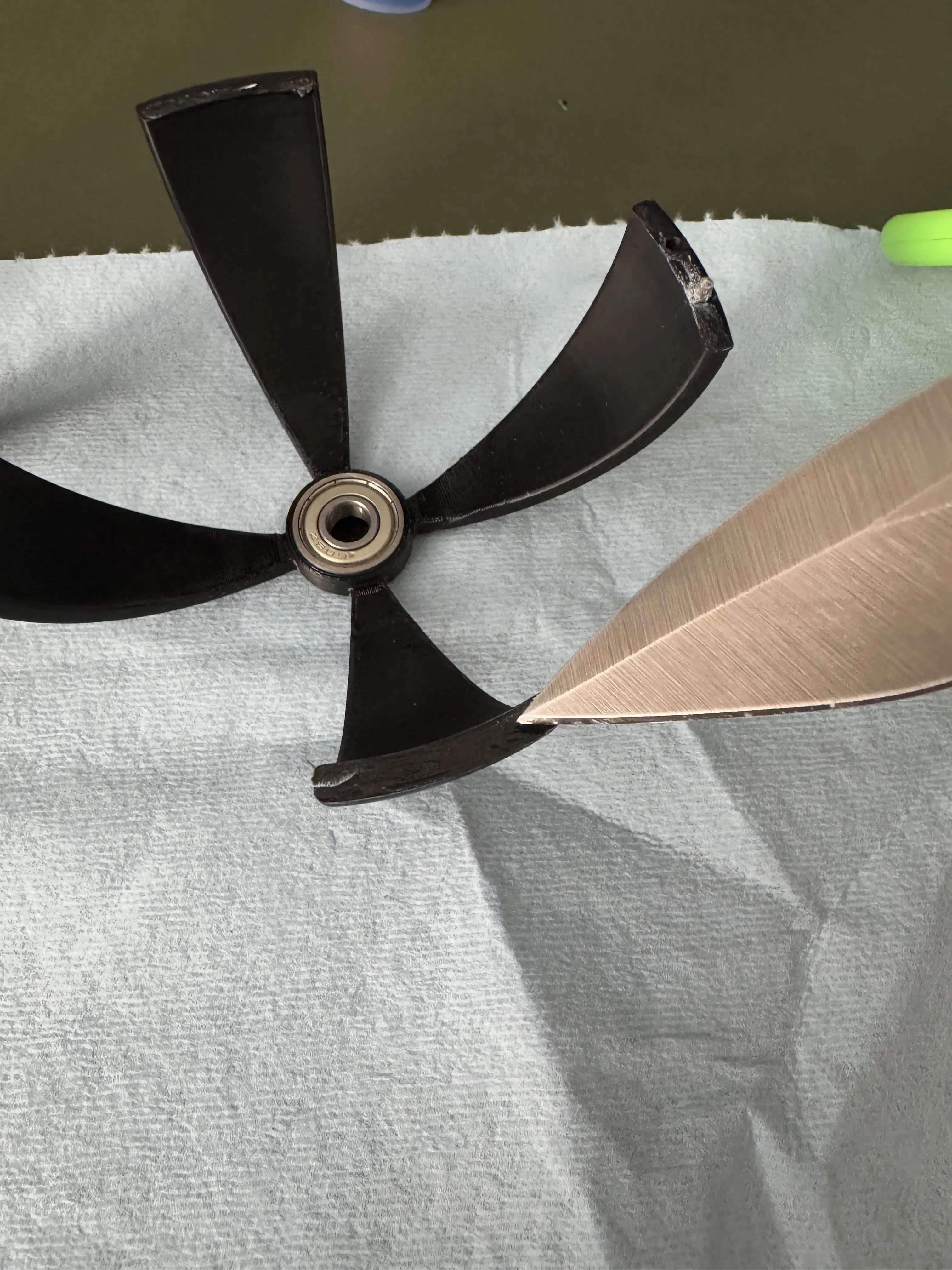
Next, scuff up the surface where the 2 shells will be joined together. I found that this joint is the greatest area of stree on the model, and a super strong glue joint is essential.
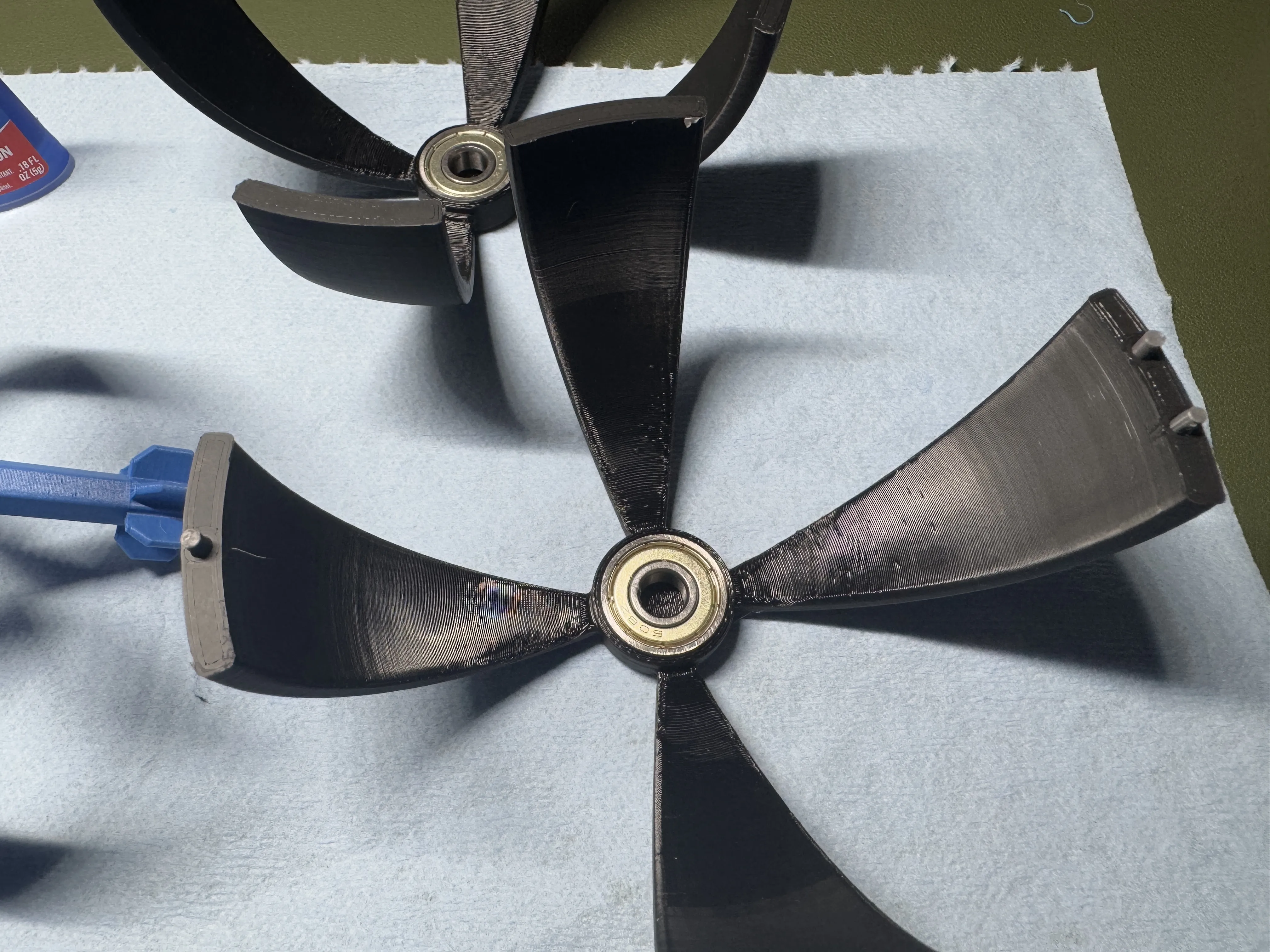
You will then insert the SMALL pins and then glue the shell together WITH the flywheel inside the shell.
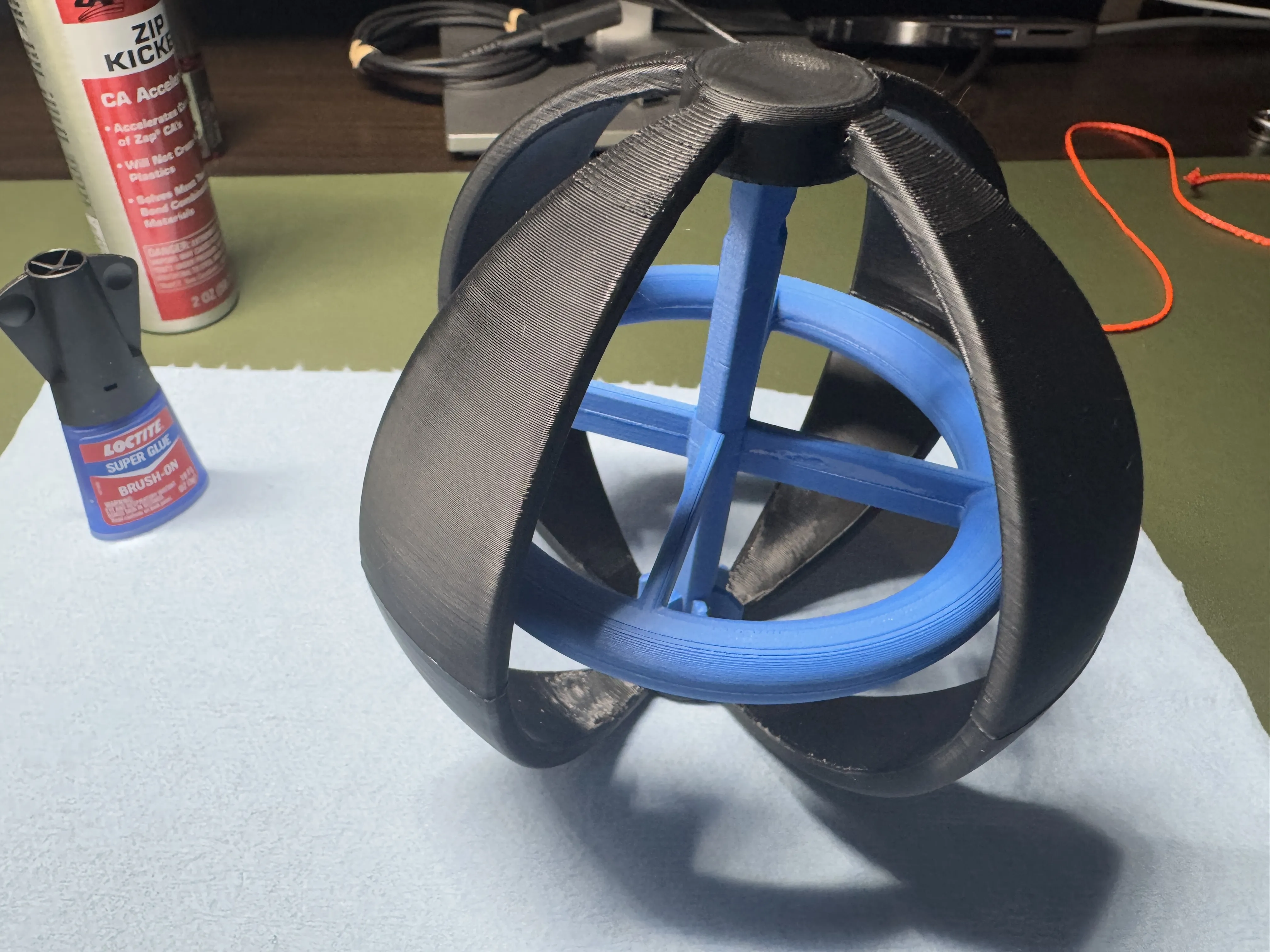
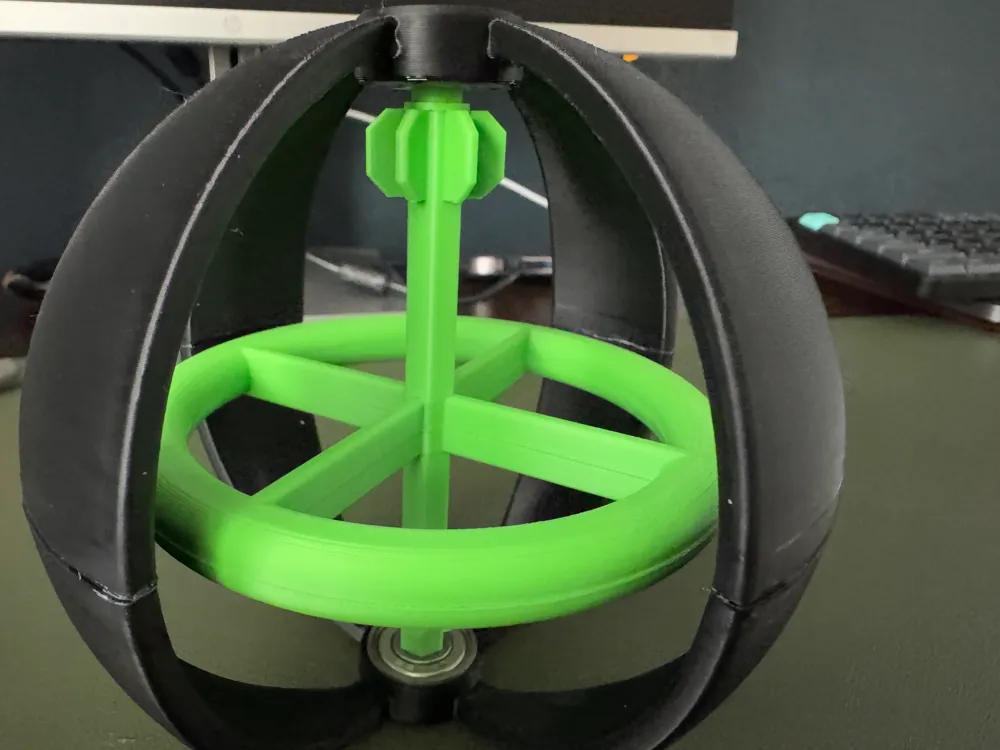
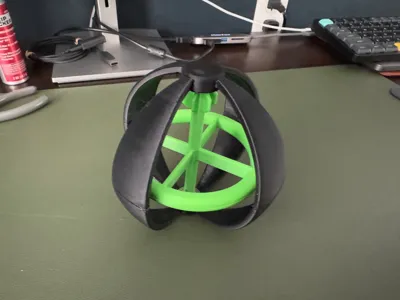
This is what is will look like fully assembled.
HOW TO USE:
There are 2 different ways you can use the gyroscope.
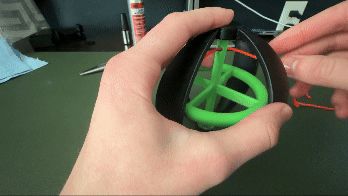
- Put a string through the hole in the shaft of the flywheel, wind up the string, then pull firmly. This will get the flywheel spinning super fast and you can then move and twist the whole device to feel the gyroscopic effect.
- Here is a amazon link for the string that I used.
- https://a.co/d/4RsOqK8
- Use a aircompressor and flow air on the flywheel itself and/or the fins on the central shaft of the flywheel. This will get maximal speed, and you can really feel the gyroscopic effect.
PLEASE NOTE: if you will the string too hard you might break the device. It's a firm tug of the string, but a super hard pull. Also, if you are using the aircompressor method, please be careful and use at your own risk
The Physics Behind Your Gyroscope
The gyroscope is a fascinating device that demonstrates key principles of physics, particularly related to rotational motion, angular momentum, and gyroscopic stability.
1. Angular Momentum
The inner flywheel of the gyroscope spins at high speed, creating angular momentum. Angular momentum is a vector quantity that depends on the rotational velocity and the distribution of mass around the axis of rotation. It is given by:
L=I⋅ω
Here:
- L is the angular momentum,
- I is the moment of inertia (how the mass is distributed),
- ωωis the angular velocity (rate of spin).
The larger the moment of inertia or the faster the spin, the greater the angular momentum.
2. Conservation of Angular Momentum
A spinning gyroscope resists changes to its orientation due to the conservation of angular momentum. This principle states that, in the absence of external torques, the angular momentum of a system remains constant. When you tilt or rotate the outer shell, the gyroscope resists the change, maintaining its axis of spin.
3. Gyroscopic Stability
The gyroscopic effect provides stability, which is why gyroscopes are used in applications like navigation systems, drones, and spacecraft. This stability arises because the spinning flywheel resists external forces that attempt to change its rotational axis.
4. Precession
When an external force is applied to the gyroscope (e.g., tilting it), it responds by moving in a direction perpendicular to the applied force. This motion is called precession. The rate of precession depends on the torque applied and the angular momentum of the system:
Ω=τL
Here:
- Ω is the angular velocity of precession,
- τ is the torque applied,
- L is the angular momentum.
5. Rotational Kinetic Energy
The spinning flywheel also demonstrates rotational kinetic energy, which is the energy associated with an object’s rotation:
KErot=1/2Iω^2
This energy is what keeps the gyroscope spinning and stable during operation.
6. Centripetal Force
As the flywheel spins, each point on it experiences a centripetal force directed toward the center of rotation. This force keeps the mass of the flywheel in a circular path and is critical for maintaining its spin.
Why It’s Engaging and Educational
Your gyroscope is a fantastic way to visualize and interact with abstract physics concepts. By spinning the flywheel and observing its resistance to tilting, users can feel the effects of angular momentum, conservation laws, and gyroscopic stability firsthand. This hands-on experience is especially valuable for understanding real-world applications of gyroscopes in transportation, aerospace, and engineering.
Your model beautifully demonstrates the power of physics in creating stability and balance through motion!
Thank you for trying out my gyroscope and please reach out if you have any questions or concerns.
Boost Me (for free)
If you like this gyroscope, I would really appreciate a boost. Thanks!
License

You shall not share, sub-license, sell, rent, host, transfer, or distribute in any way the digital or 3D printed versions of this object, nor any other derivative work of this object in its digital or physical format (including - but not limited to - remixes of this object, and hosting on other digital platforms). The objects may not be used without permission in any way whatsoever in which you charge money, or collect fees.


Comment & Rating (7)