
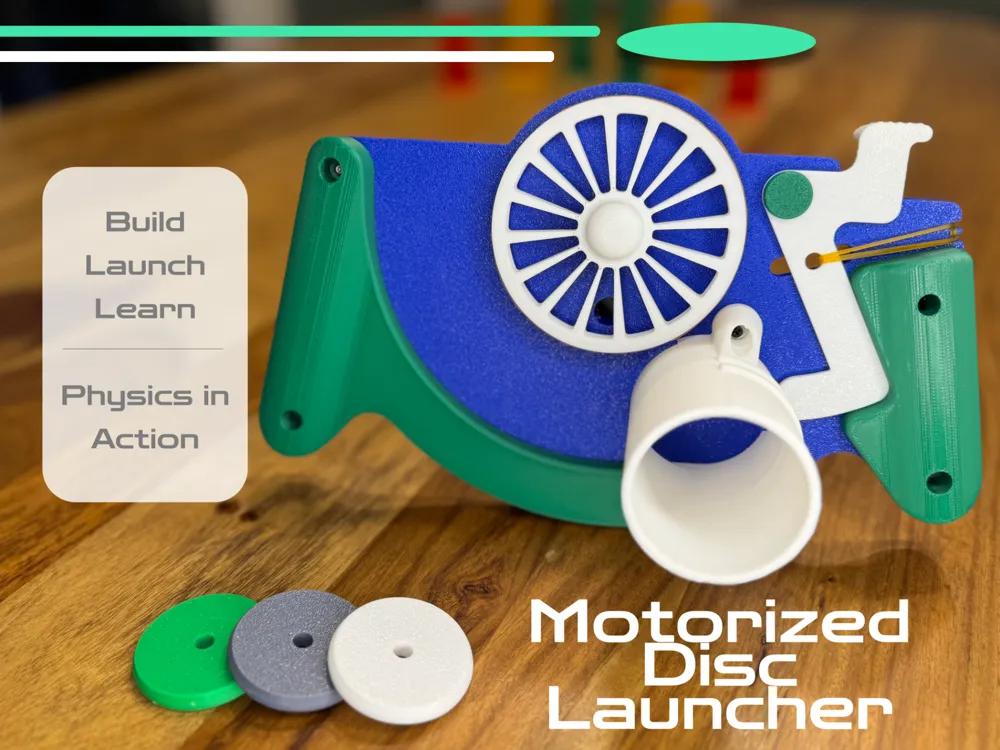
Motorized Disc Launcher - Physics Lesson

Print Profile(2)


Bill of Materials





Description
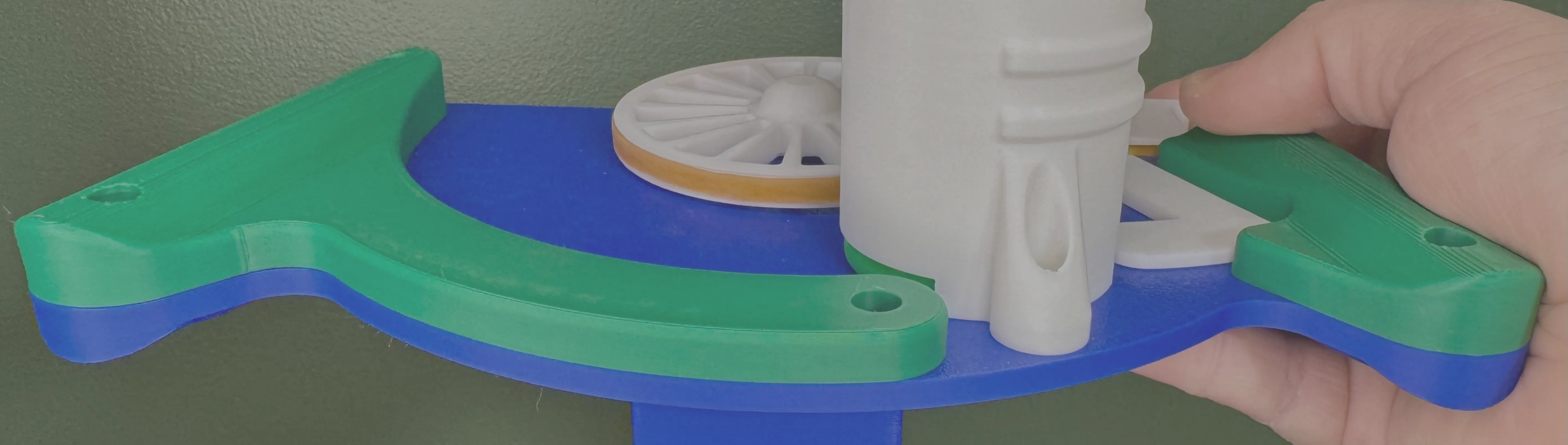
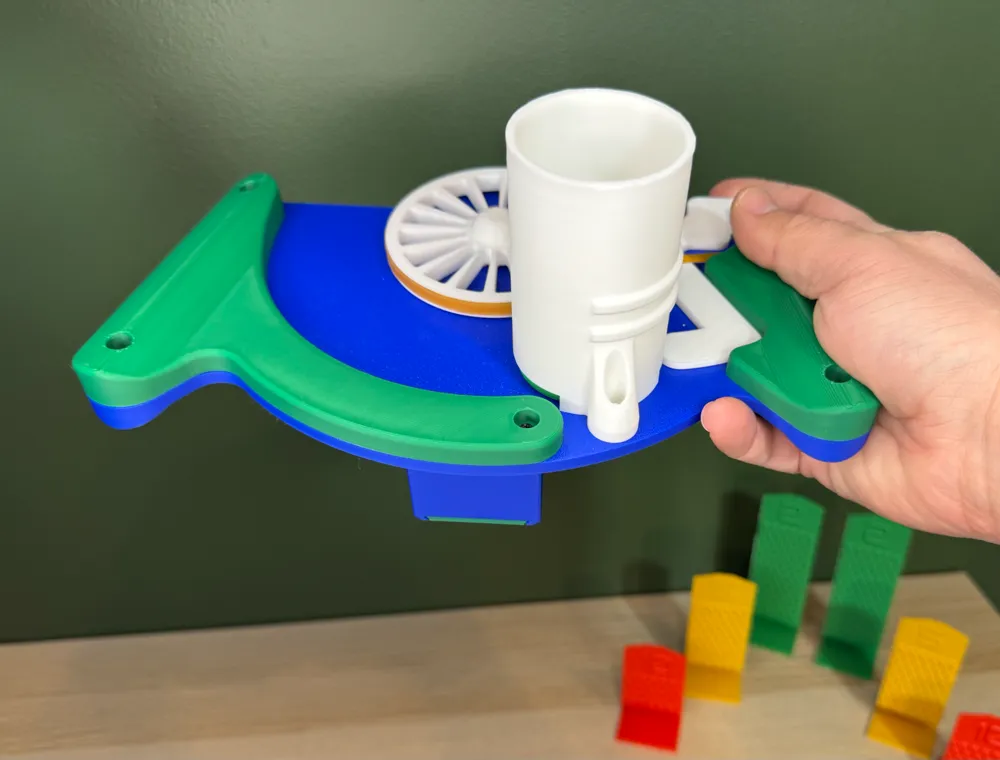
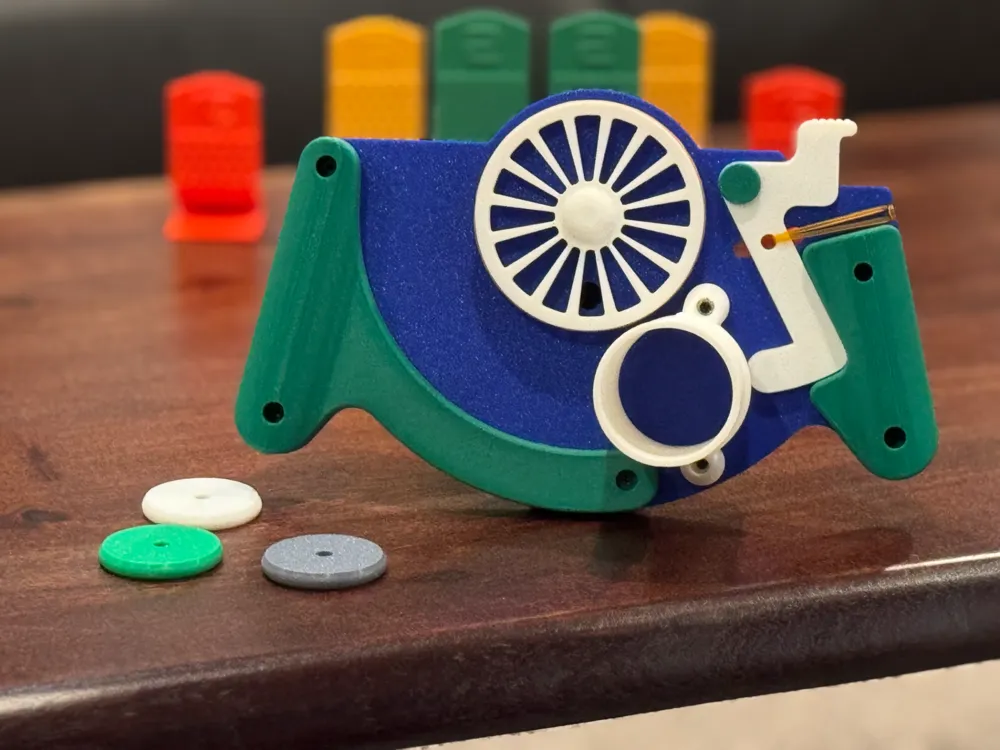
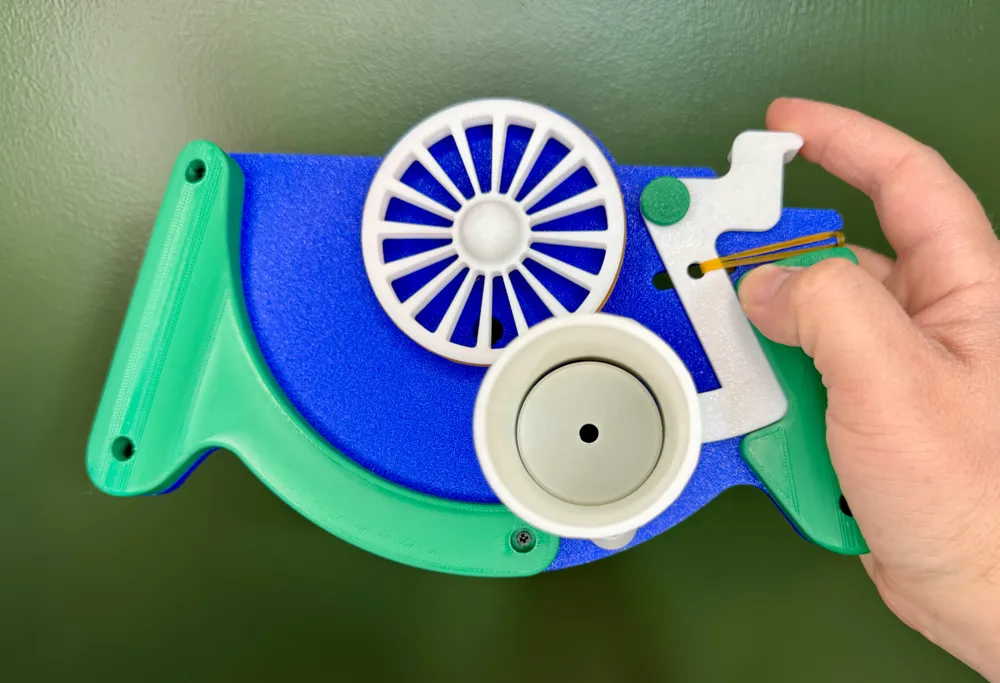
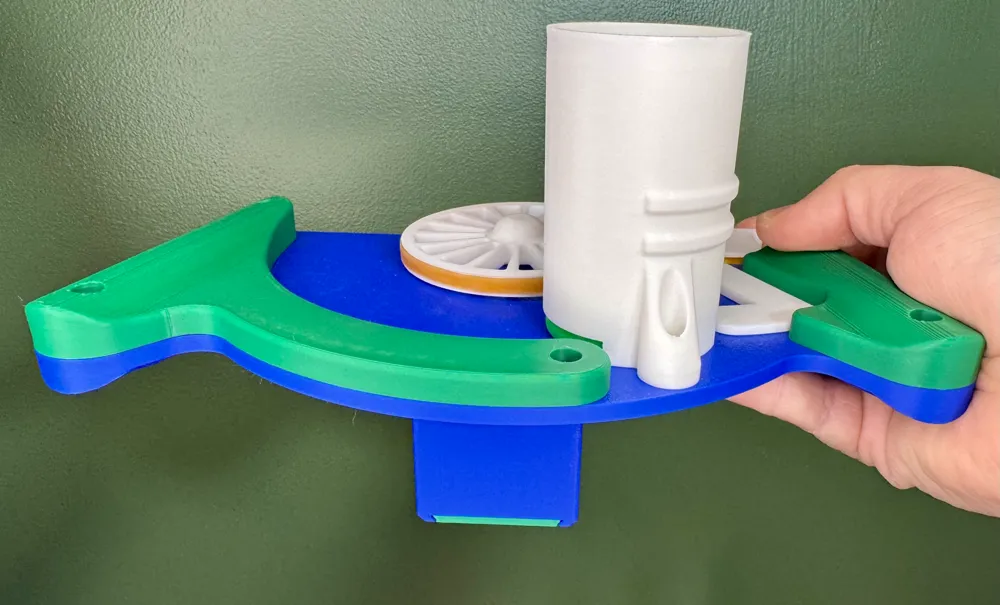
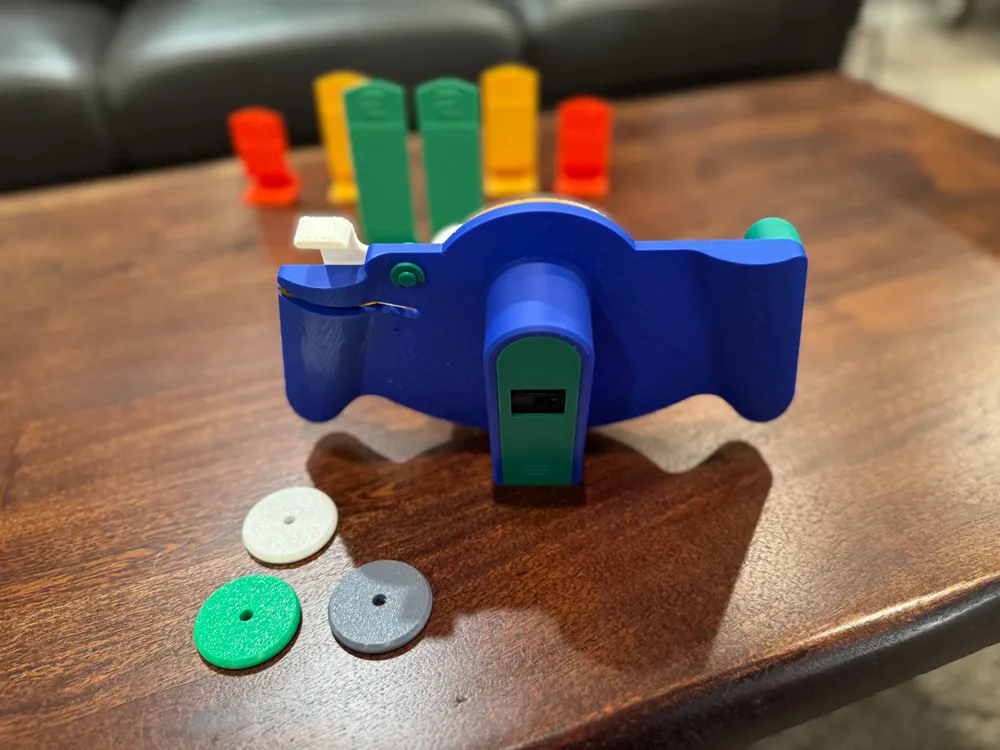
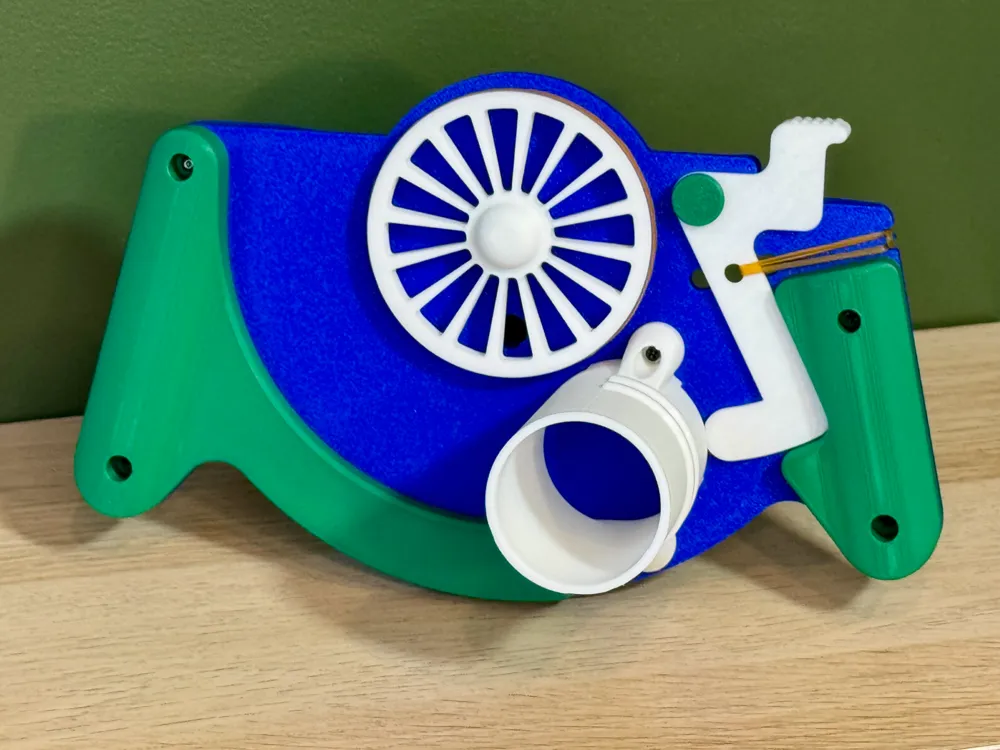
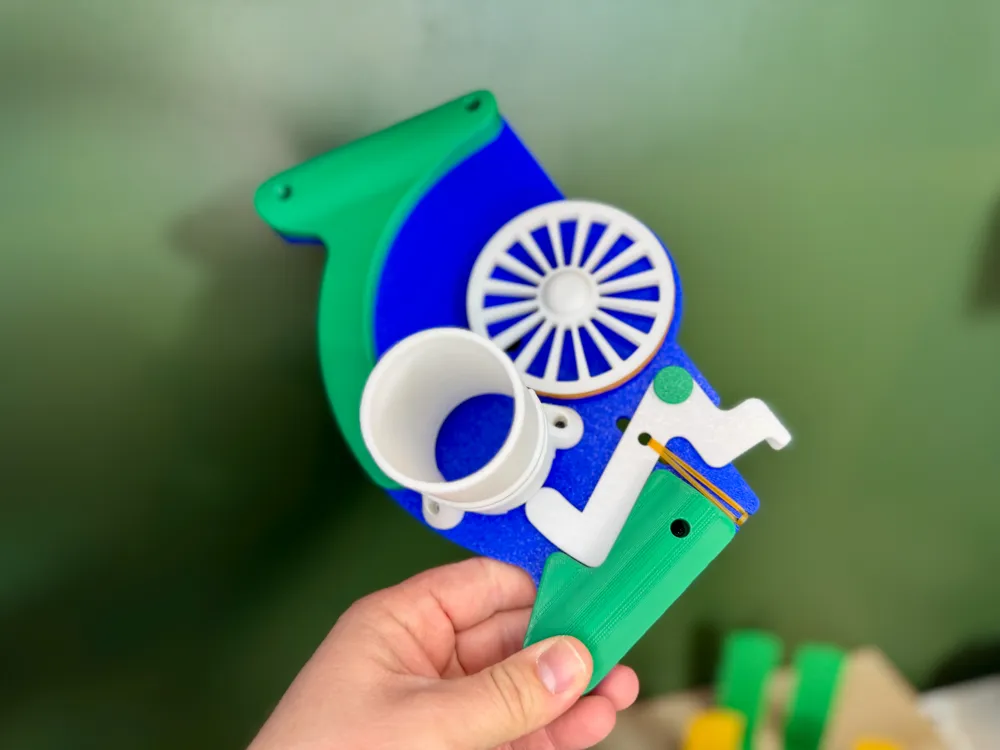
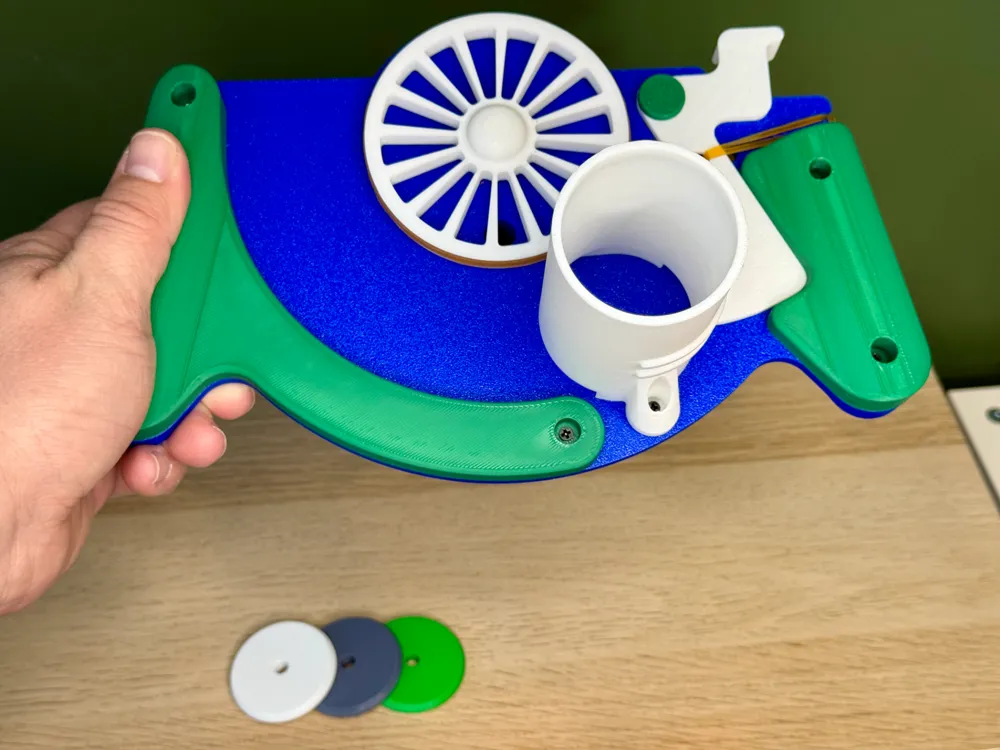
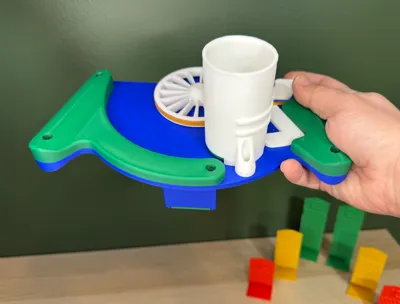
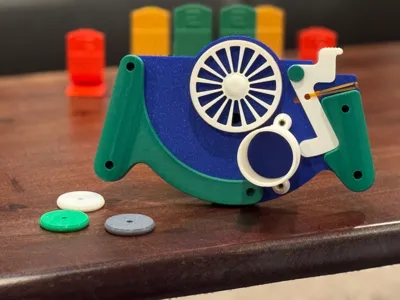
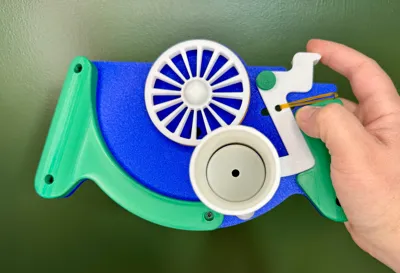
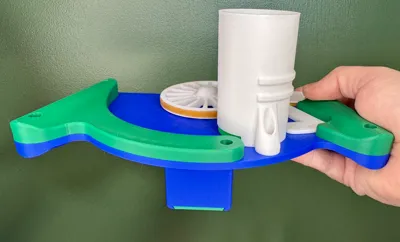
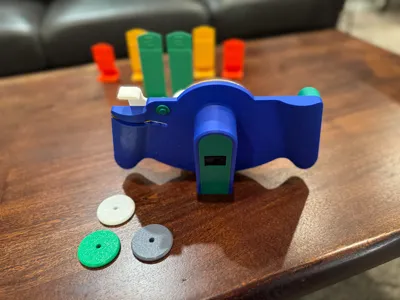
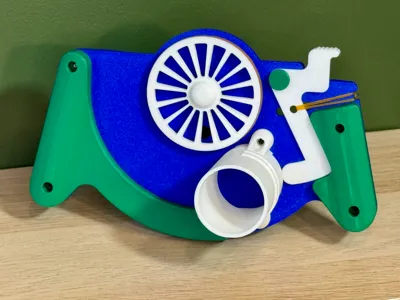
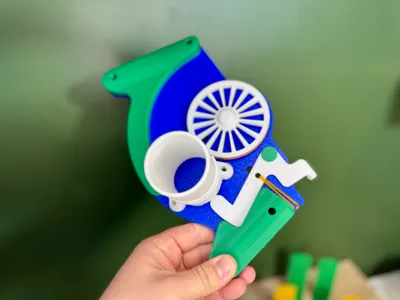
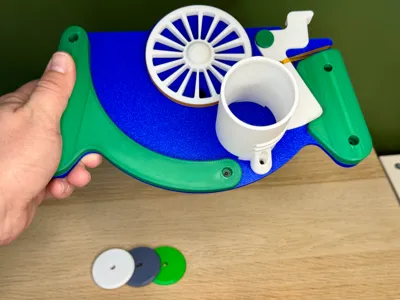
Welcome to our Educational Disc Launcher project, where physics principles come to life through hands-on learning! This 3D printable disc launcher serves as an engaging teaching tool that demonstrates multiple physics concepts while being fun to build and use. Perfect for classroom settings, STEM programs, or home learning environments.
Acknowledgments
This educational project was inspired by the "online video platform company created by a former NASA engineer disc launcher concept. As he points out in his video, the disc launcher is a prototype that invites improvements and iterations - which is exactly what we're doing here by reimagining it for 3D printing technology and classroom use. Our version emphasizes durability, educational value, and ease of assembly while maintaining high performance standards.
We're excited to see what improvements you'll make next! Will you modify the disc design for better aerodynamics? Create a new launching mechanism? Or perhaps develop an automatic feeding system? The possibilities are endless, and that's the beauty of prototyping and iterative design. Share your improvements as print profiles and let's see how far we can take this together!
Want to play with targets? check out our knockdown targets here.
Schools and educators can use these designs and materials freely and make as many prints as they would like for free. For anyone that would like to sell this model commercially or want to support our work, please join our Patreon.
Educational Value
This project brings together several key physics principles in an accessible, hands-on format:
Core Physics Concepts Demonstrated
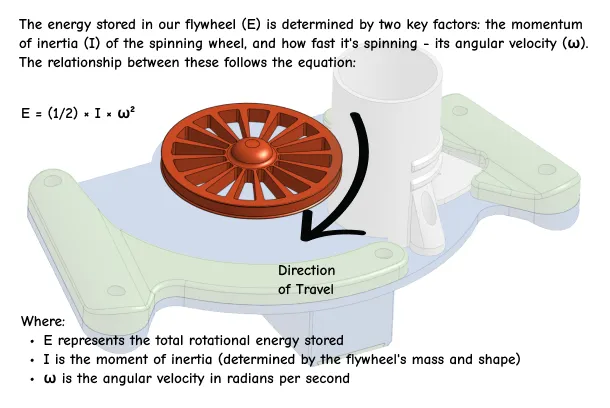
Rotational Motion & Angular Momentum
- The flywheel demonstrates conservation of angular momentum
- Students can observe how the motor converts electrical energy to mechanical motion
- Practical application of moment of inertia concepts
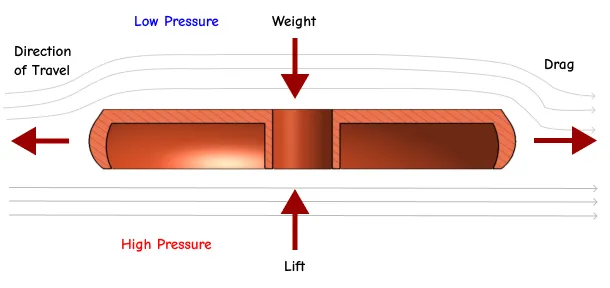
Aerodynamic Lift & The Coanda Effect
- Demonstrates fluid dynamics principles
- Shows how moving air creates areas of different pressure
- Illustrates why the air follows curved surfaces
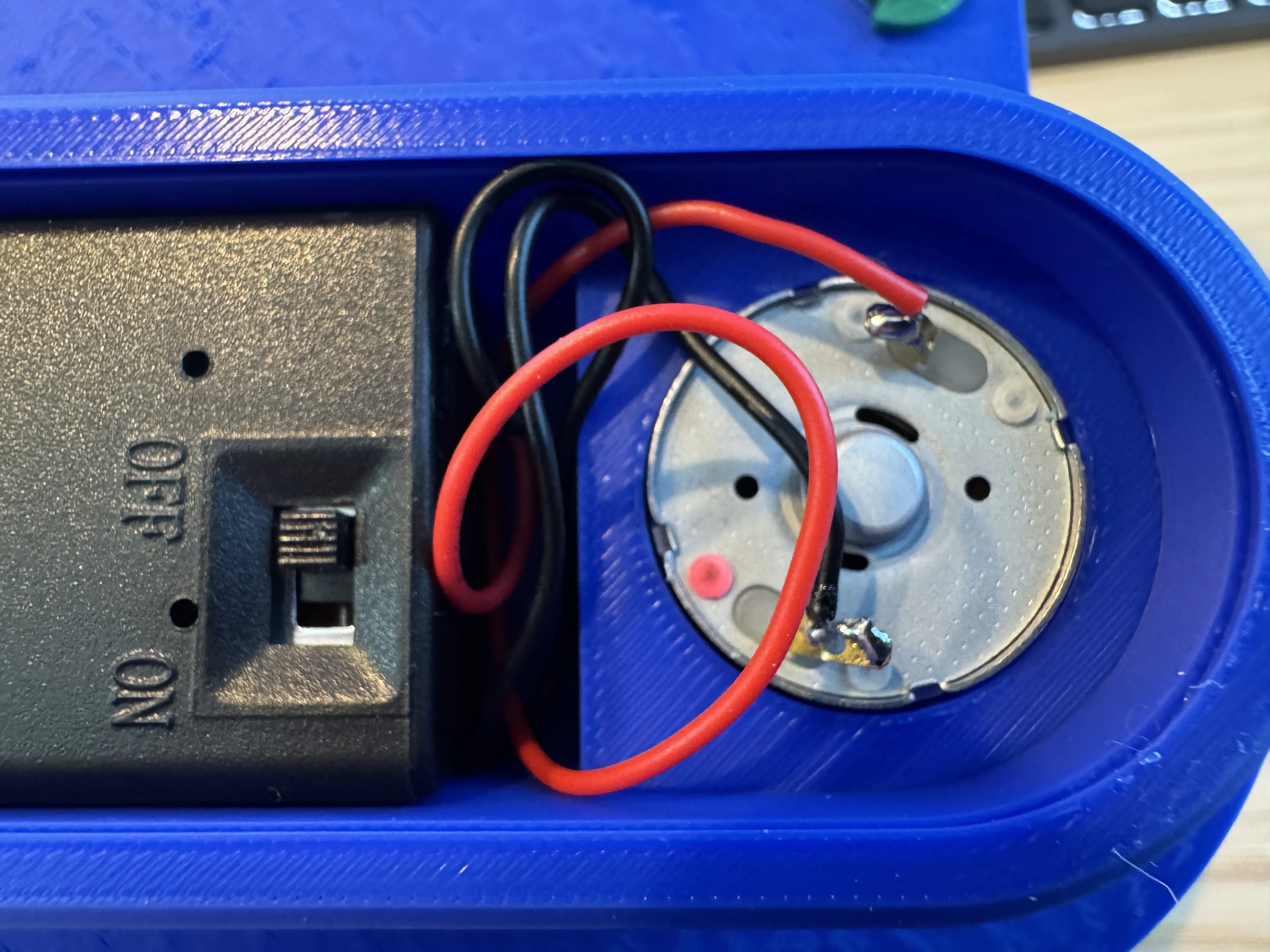
Simple Circuit Design
- Basic DC circuit construction, understanding electrical connections and motor operation principles.
Trajectory Physics
- Projectile motion principles, impact of launch angle on distance, and comparative analysis of mechanical vs. human throwing power.
Components & Assembly
Required Materials
- 3D printed parts (detailed in print profiles)
- 9V DC motor - Available at our Amazon Link: https://amzn.to/4j8o0xS (Not yet available at Maker's Supply)
- 9V battery pack with built-in switch - Available at our Amazon Link: https://amzn.to/4fTXwNA (Not yet available at Maker's Supply)
- Electrical tape (or soldering equipment if preferred)
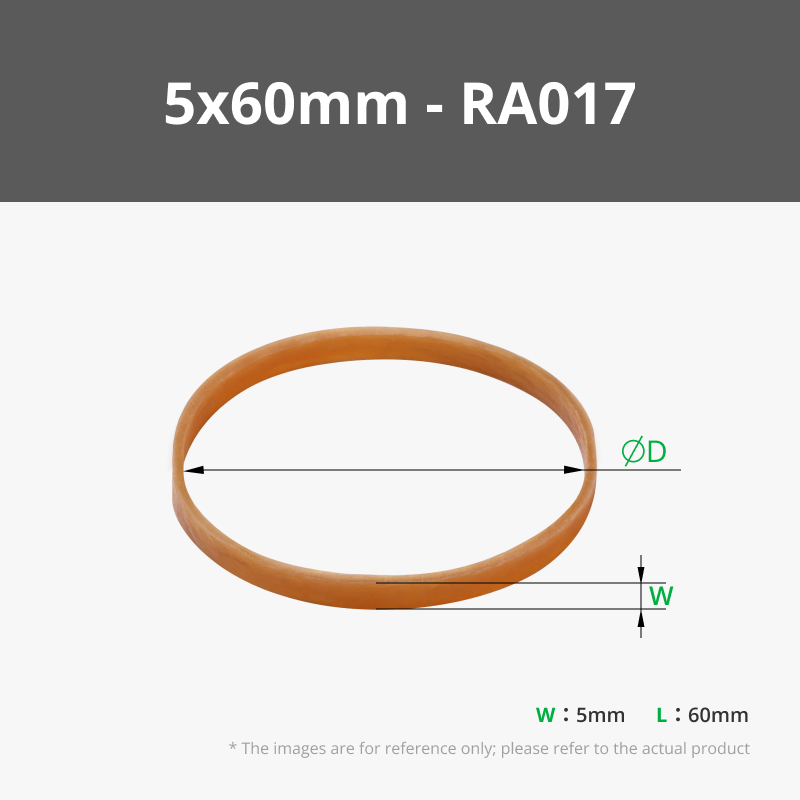
- Rubber bands as shown in the Maker's Supply BOM
- Screws as shown in the Maker's Supply BOM
- Hex wrench
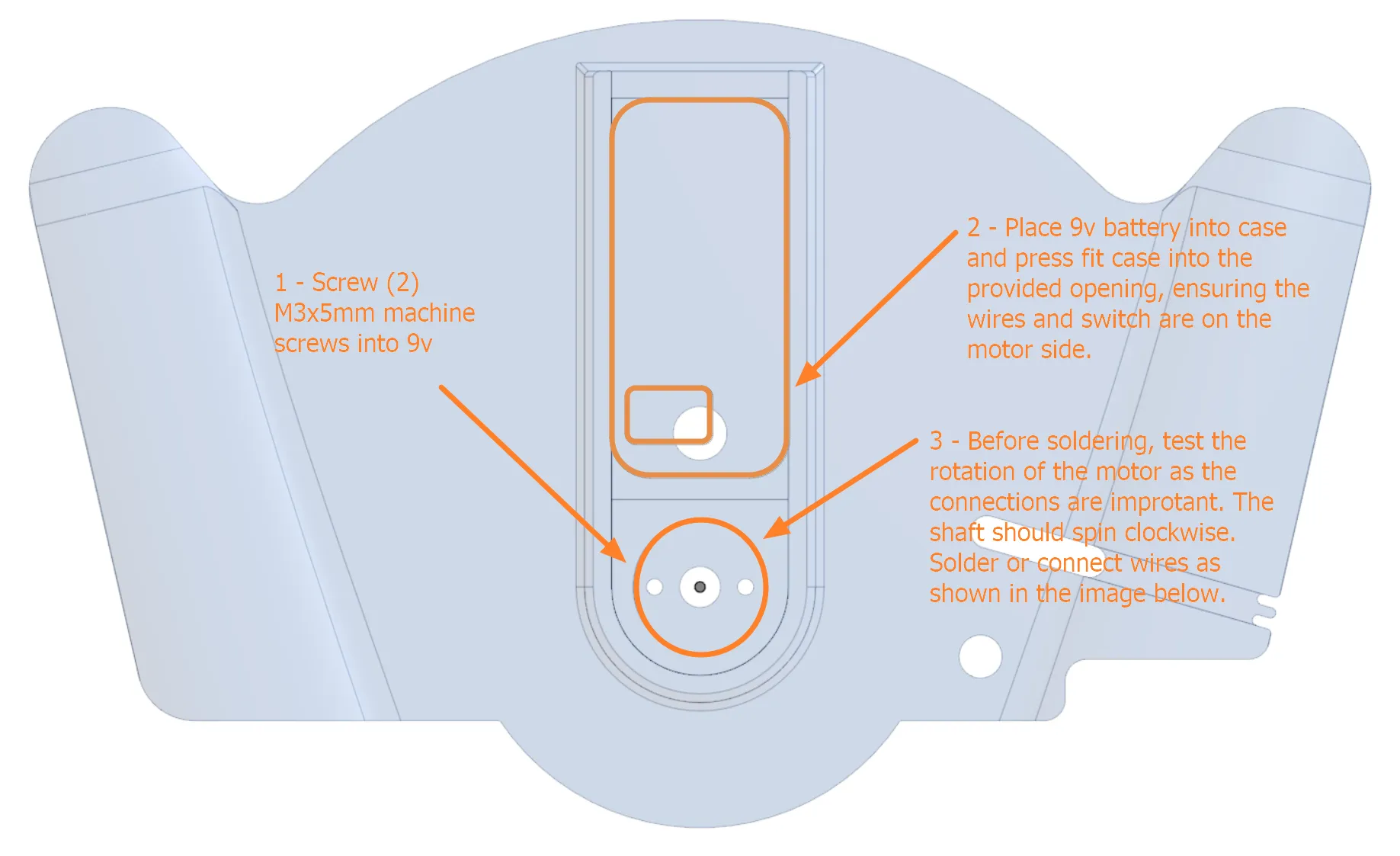
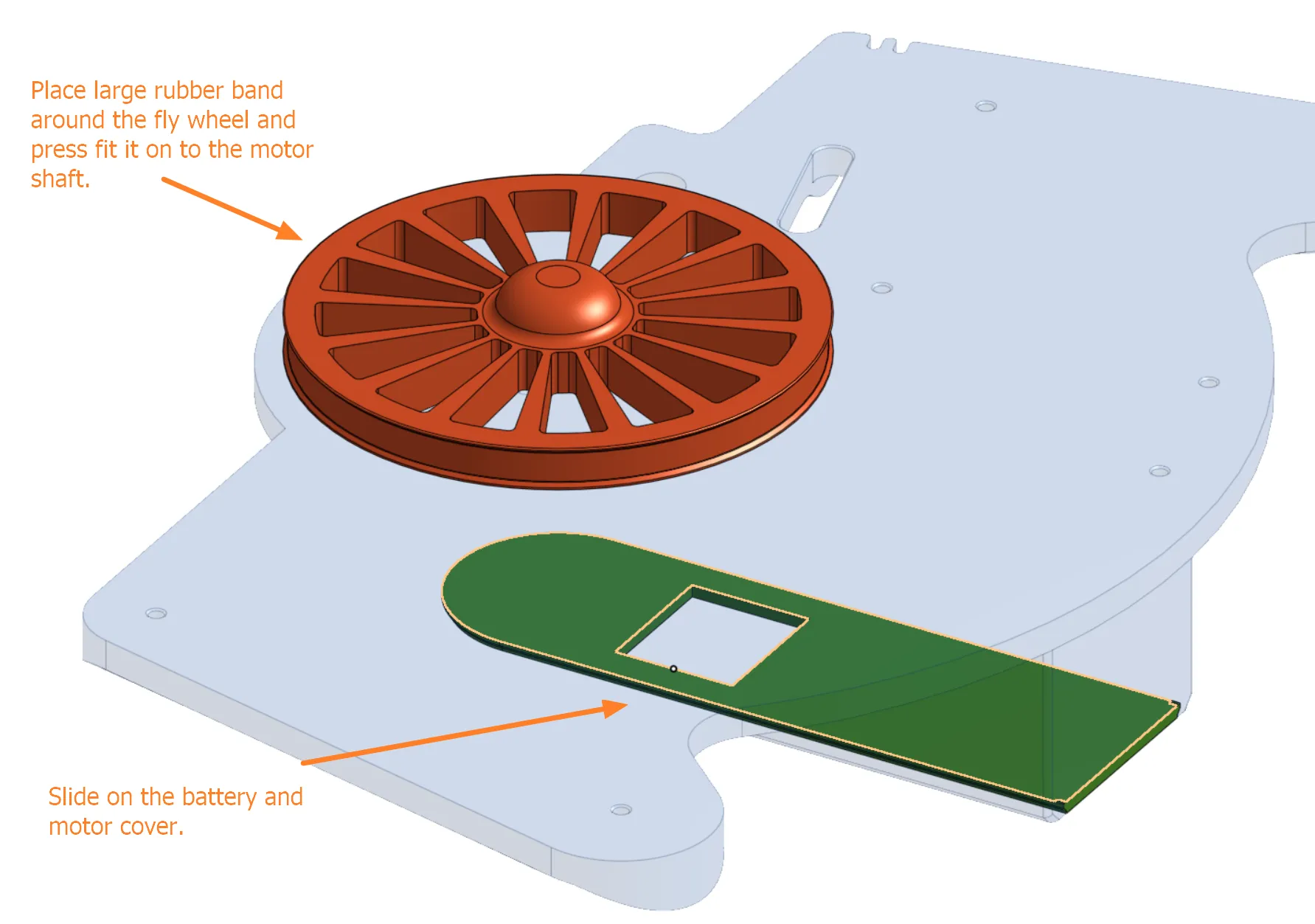
Assembly
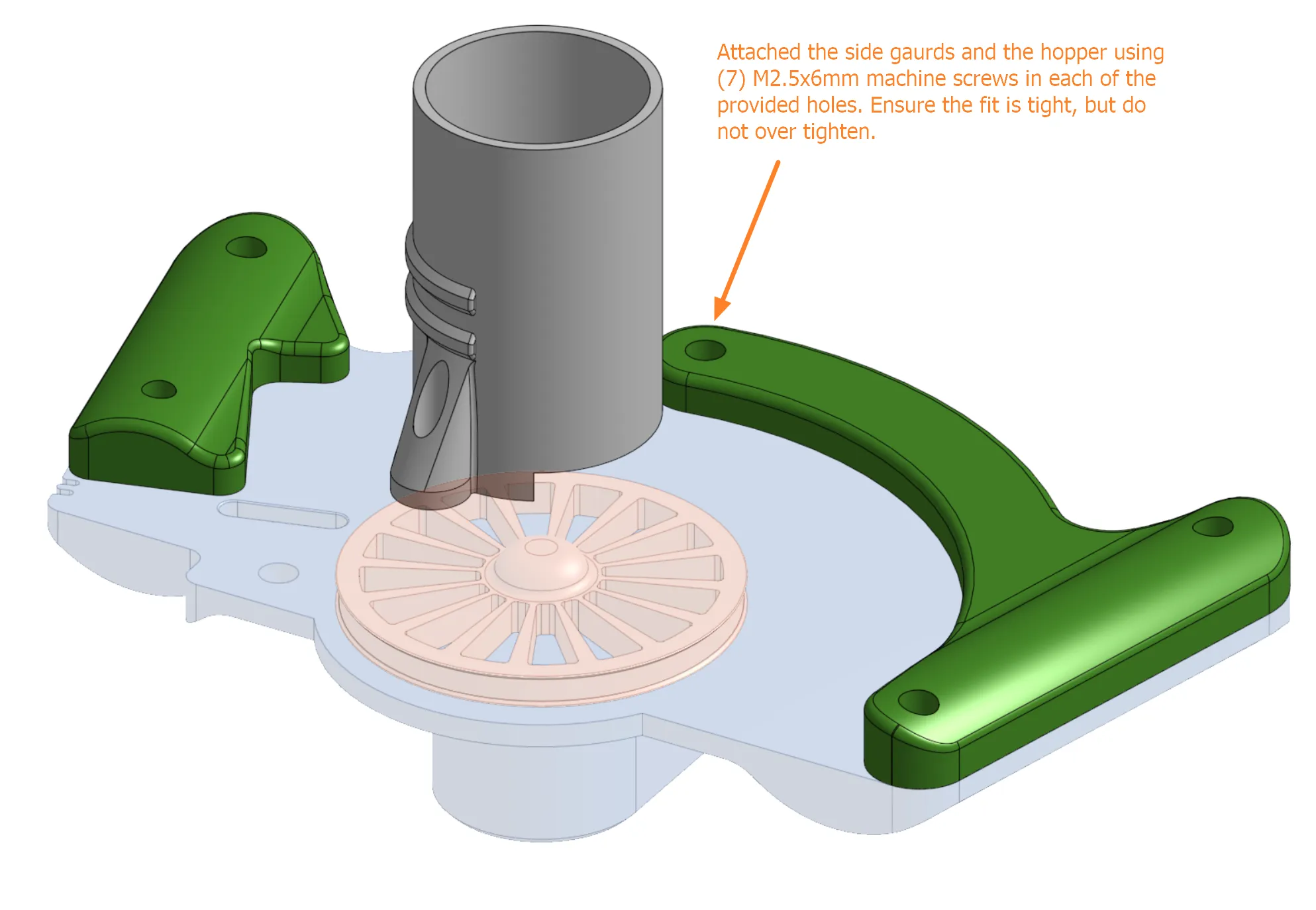
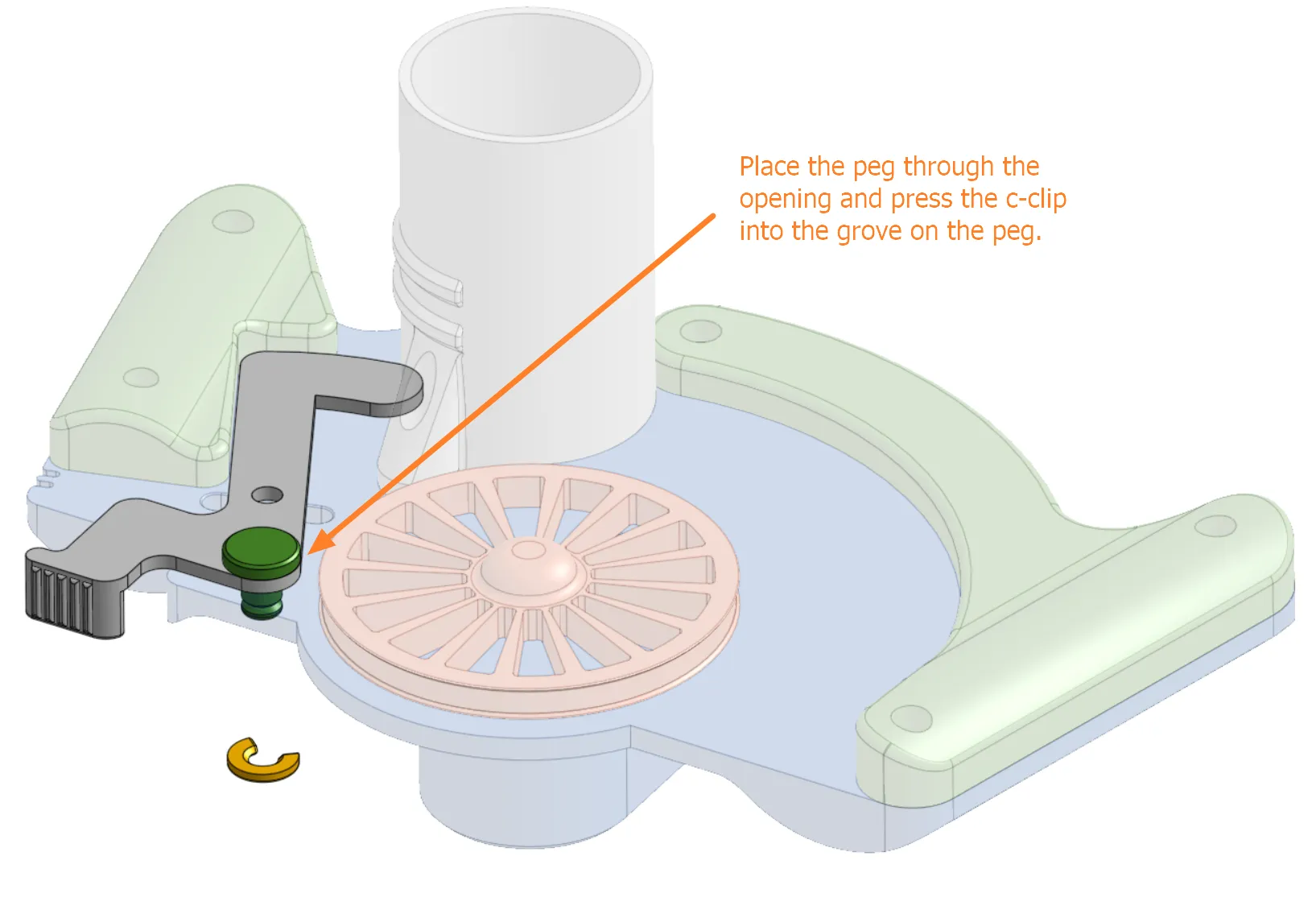
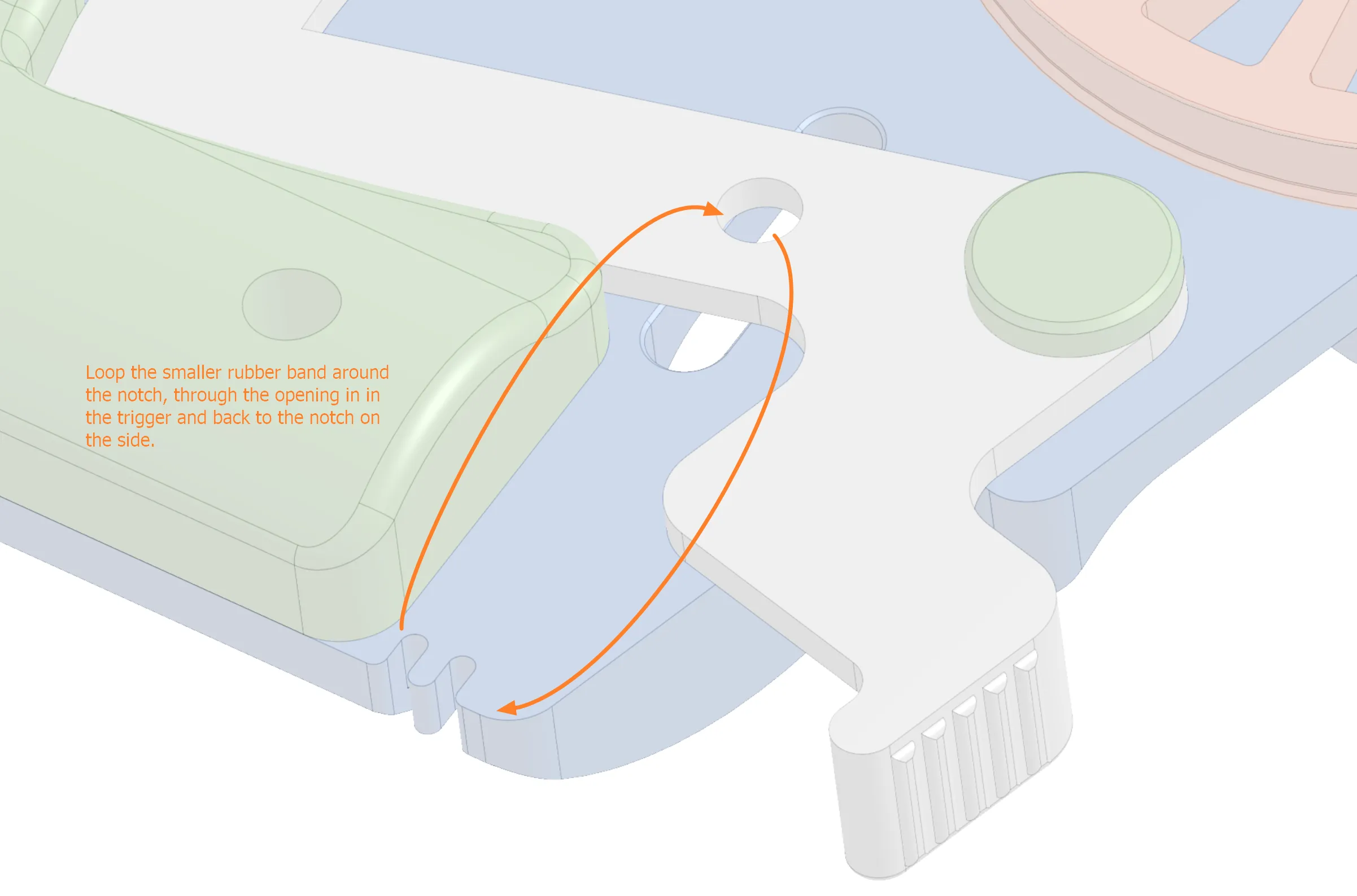
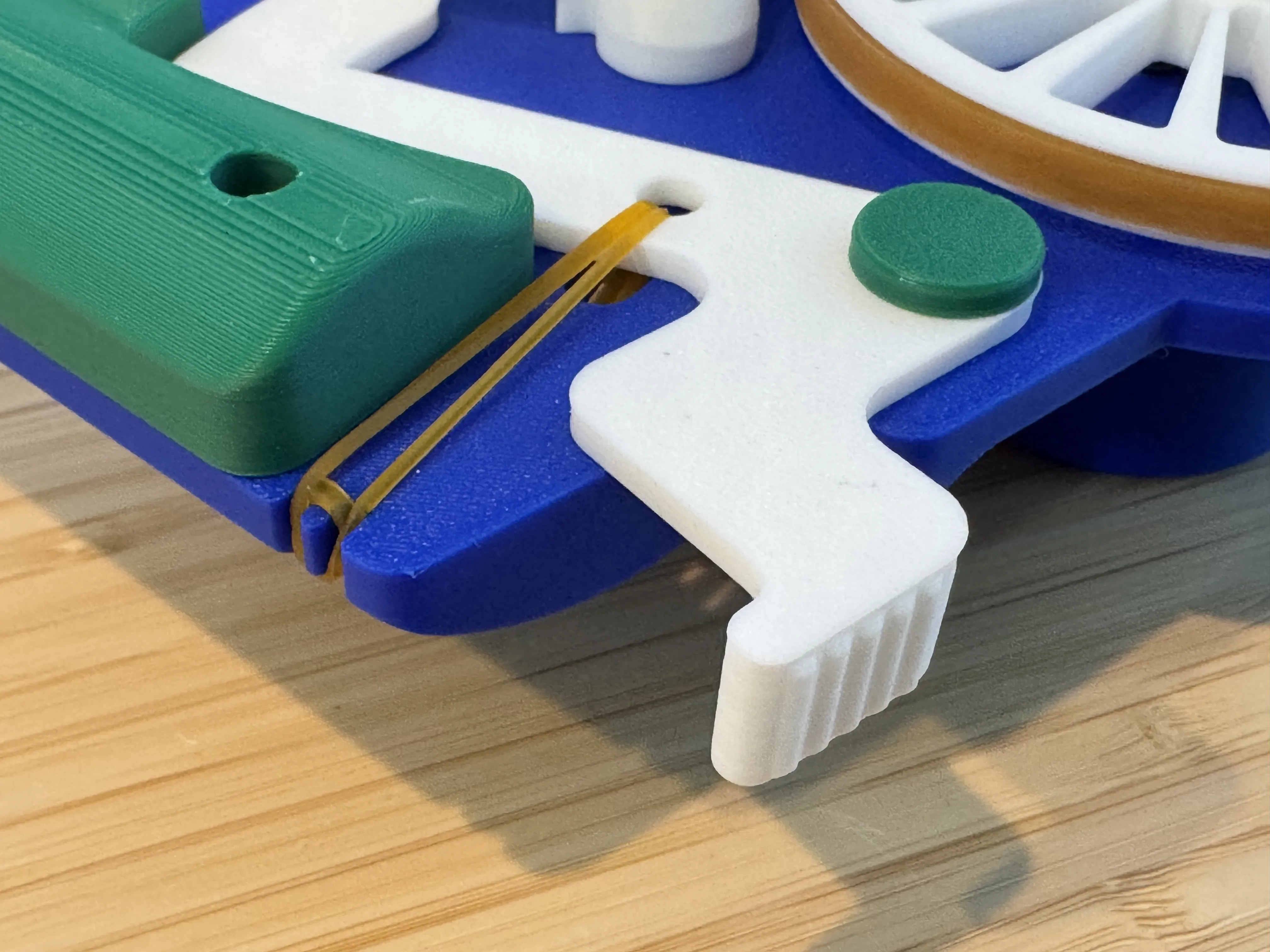
With all of the pieces ready to go, assembly should take less than 30 minutes to assemble!
Classroom Activities & Experiments
See worksheets in the documentation section below.
1. Comparative Distance Studies
- Measure and record distances achieved by:
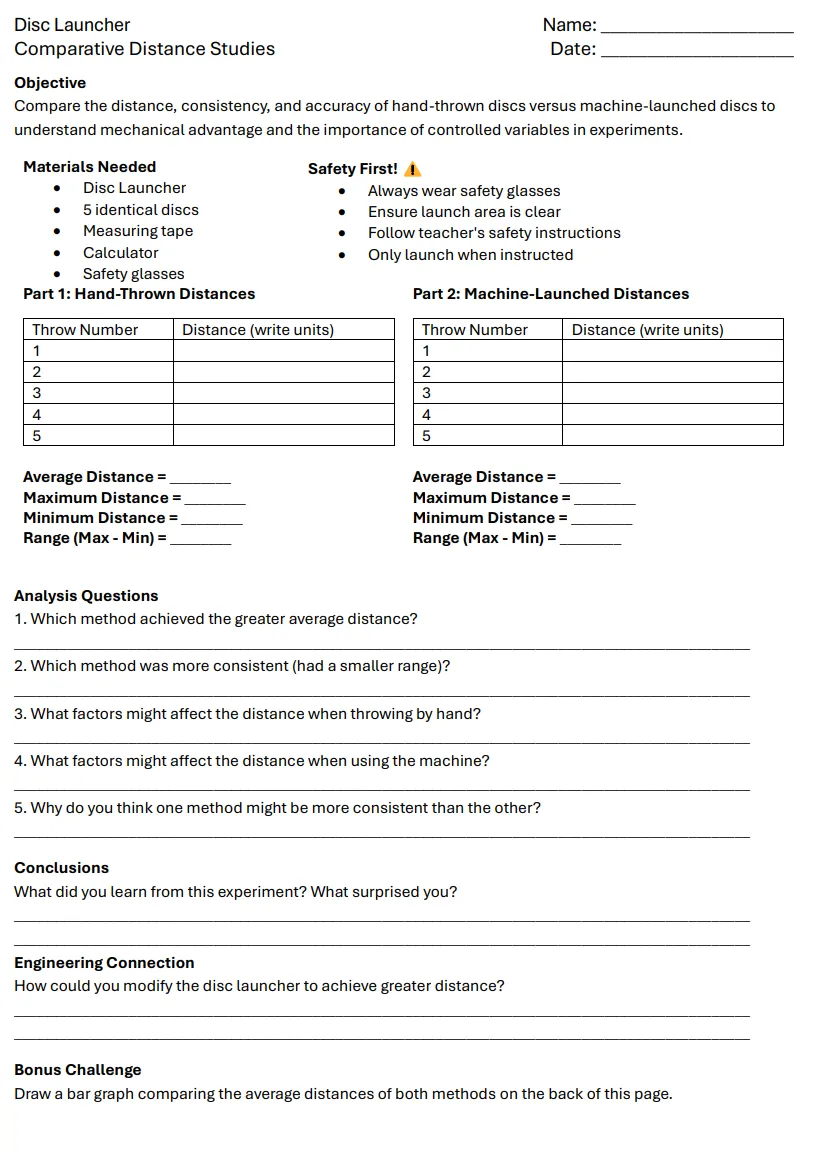
- Hand-thrown discs
- Machine-launched discs
- Create graphs comparing the two methods
- Discuss mechanical advantage and consistency
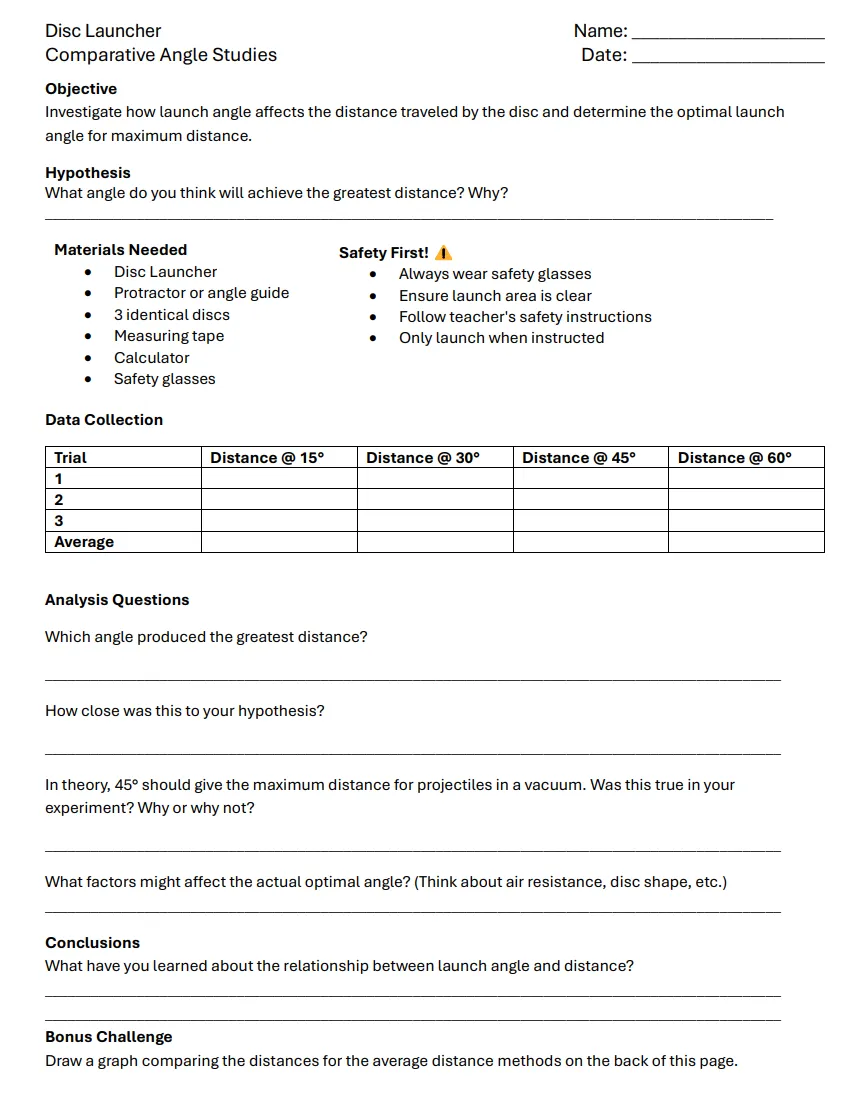
2. Trajectory Analysis
- Test different launch angles (15°, 30°, 45°, 60°)
- Record distance achieved at each angle
- Graph results to find optimal launch angle
- Compare to theoretical perfect angle of 45°
- Discuss factors affecting real-world results
3. Design Modifications
- Access provided STEP files for disc design modifications
- Test different disc shapes and weights
- Document changes and results
Discuss engineering design process
- Learn basic CAD modification techniques
4. Group Research Projects
- Study historical throwing machines
- Compare human vs. machine consistency
- Investigate real-world applications
- Document findings and present to class
Safety Considerations
- Always supervise student use
- Ensure proper eye protection
- Maintain clear launching zones
- Follow proper electrical safety practices
Design Files & Modifications
- Complete STEP files provided for modification
- Opportunities for CAD learning
- Encourage iterative design improvements in your class or home experiments.
Note: This document is a living resource - we welcome feedback from educators and students to continue improving both the device and its educational applications.
Feedback
As with any new design, I would love to hear your feedback on how we can improve both the printed design and functionality. Post your build photos, give us a download, and if you want to see more cool projects; like, follow and share a boost! 🚀

Documentation (2)
License

You shall not share, sub-license, sell, rent, host, transfer, or distribute in any way the digital or 3D printed versions of this object, nor any other derivative work of this object in its digital or physical format (including - but not limited to - remixes of this object, and hosting on other digital platforms). The objects may not be used without permission in any way whatsoever in which you charge money, or collect fees.


Comment & Rating (120)